One of Moscow's most architecturally significant hotels, the Metropol occupies a landmark Art Nouveau building steps from the Bolshoi Theatre and the Kremlin walls. Its grand interiors, mosaic facades, and century-old dining room place it in a tier of European grand hotels defined by cultural weight rather than contemporary design. For travellers seeking a base that functions as a piece of the city's history, few addresses in Russia carry comparable context.
Pearl is the En Primeur Club membership app — saves, bookings, and concierge access live there. Same editors, same standards.
- Address
- Teatral'nyy Proyezd, 2, Moscow, Russia, 109012
- Phone
- +7 499 501 78 00
- Website
- metropol-moscow.ru
- Directions
- Get directions
 Saves & bookings on Pearl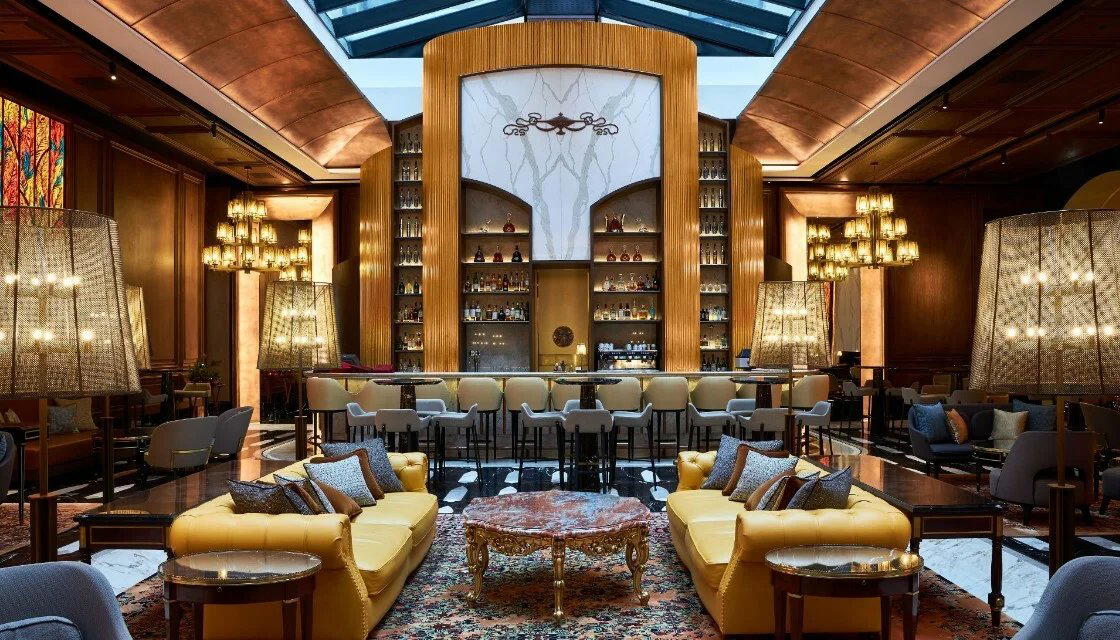
Where the Building Does the Talking
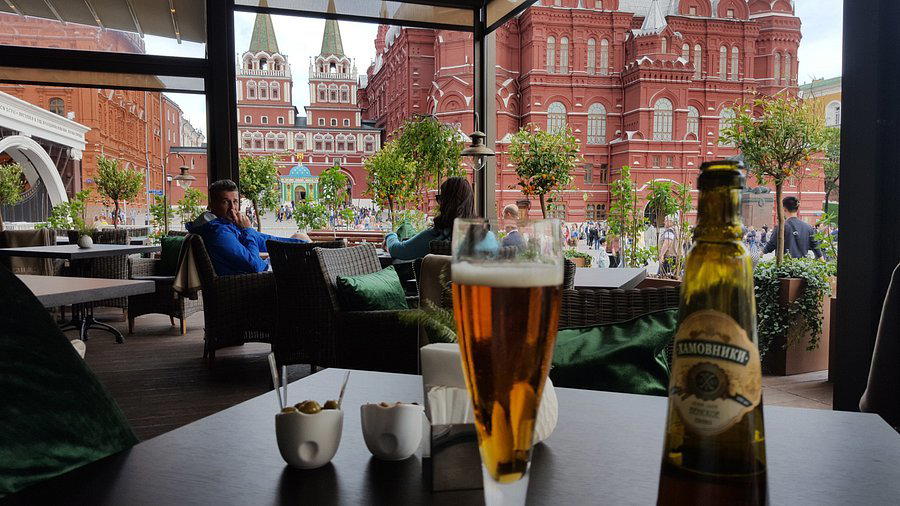
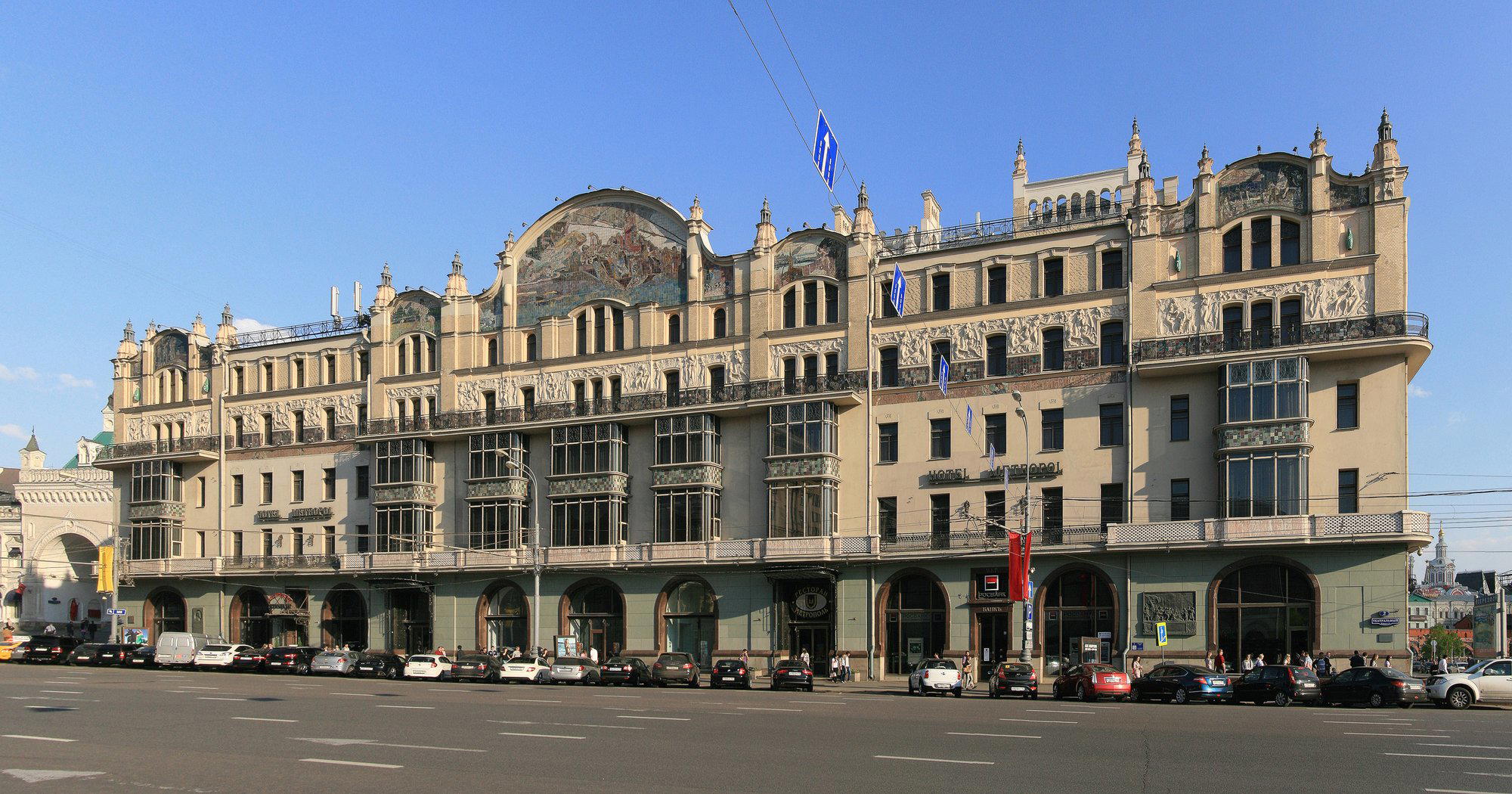
Hotel Metropol Moscow is a bar in Moscow, Russia, at Teatral'nyy Proyezd 2. Completed in 1905 and designed in the Russian Art Nouveau style associated with Mikhail Vrubel's ceramic panels and William Walcot's facade work, the building on Teatralny Proyezd has outlasted revolutions, Soviet administration, and the full cycle of post-Soviet reinvention. It faces the Bolshoi Theatre across a plaza that has served as one of Moscow's defining civic spaces for well over a century. The relationship between these two buildings, both carrying the weight of the imperial period, both still operating in recognisably original form, tells you something about this part of central Moscow that no contemporary hotel on the Garden Ring can offer.
Moscow's luxury hotel market has diverged in the years since international brands arrived in force. On one side: glass-and-steel towers with international service templates and rooftop bars. On the other: a handful of historic properties where the physical fabric of the building is itself part of the appeal. The Metropol sits firmly in that second group, and within it occupies a position that newer entrants cannot replicate. This is not a question of renovation quality or service ratios. It is a question of irreplaceable physical history.
The Interior as Archive
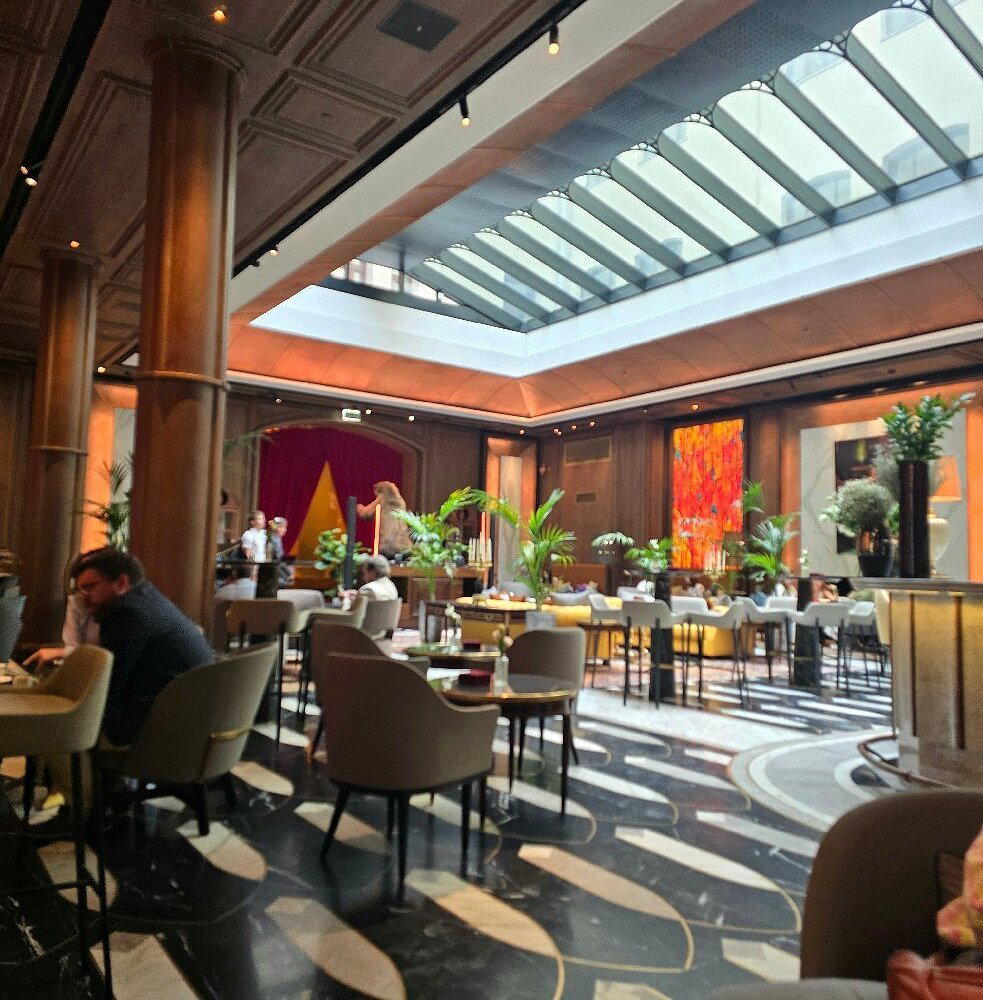
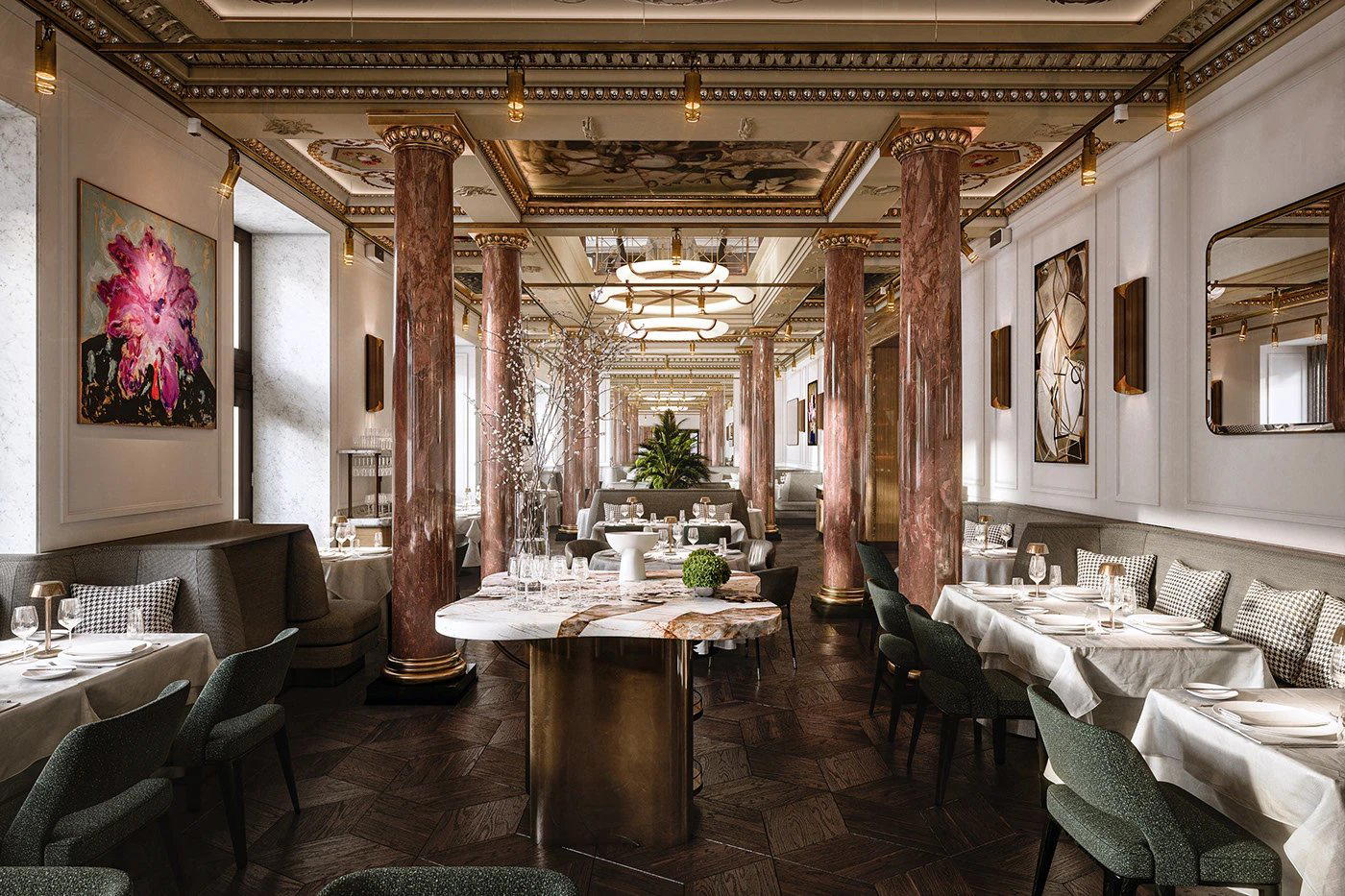
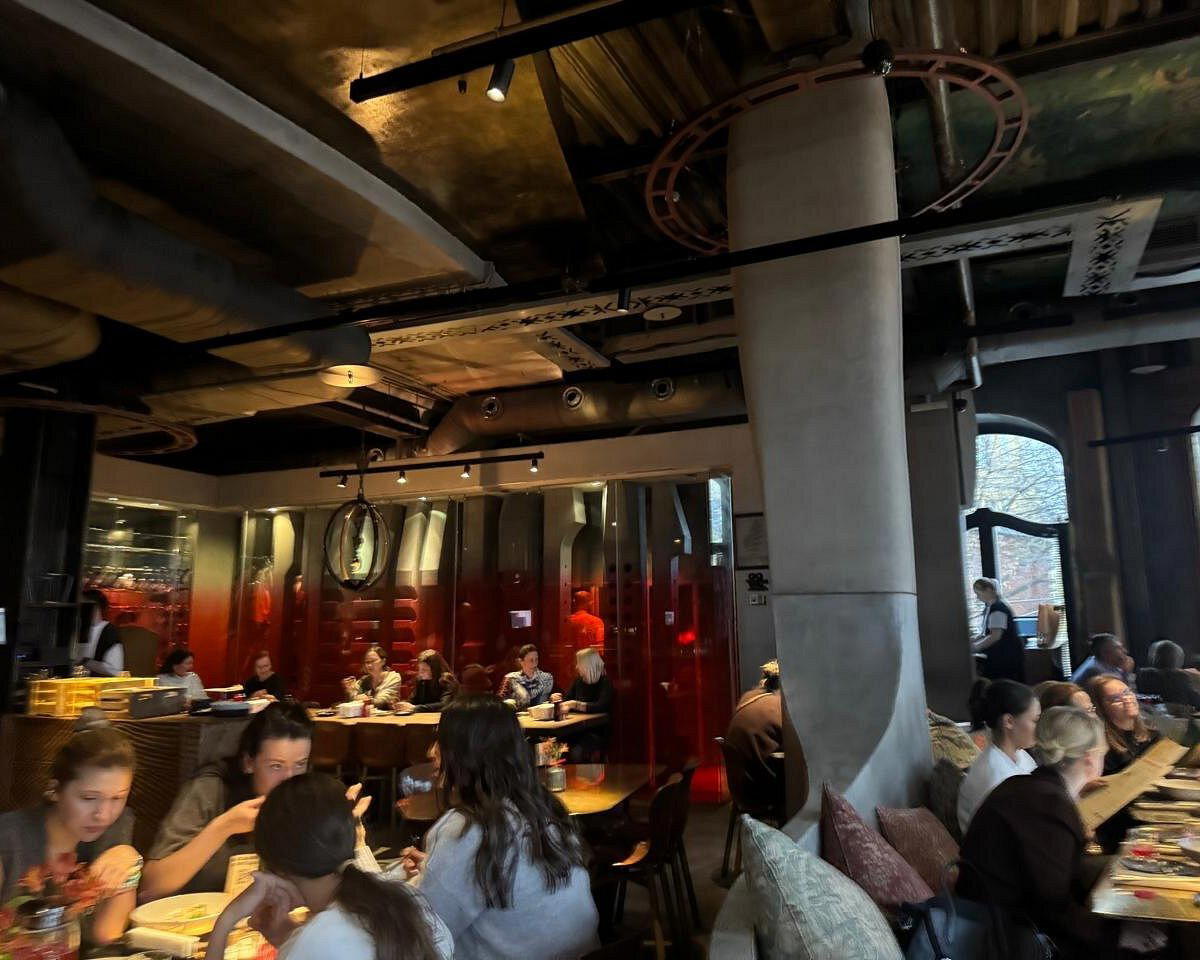
The Metropol's most discussed interior space is its central dining hall, which retains a stained-glass ceiling, arched galleries, and a formal arrangement that has changed less than almost any comparable room in Moscow. Grand hotel dining rooms of this vintage were built as theatrical environments: the height of the ceiling, the quality of the light through coloured glass, the arrangement of tables in a space designed to make guests feel they were participating in something ceremonial. That design logic has largely disappeared from contemporary hospitality, which makes rooms like this one increasingly rare rather than dated.
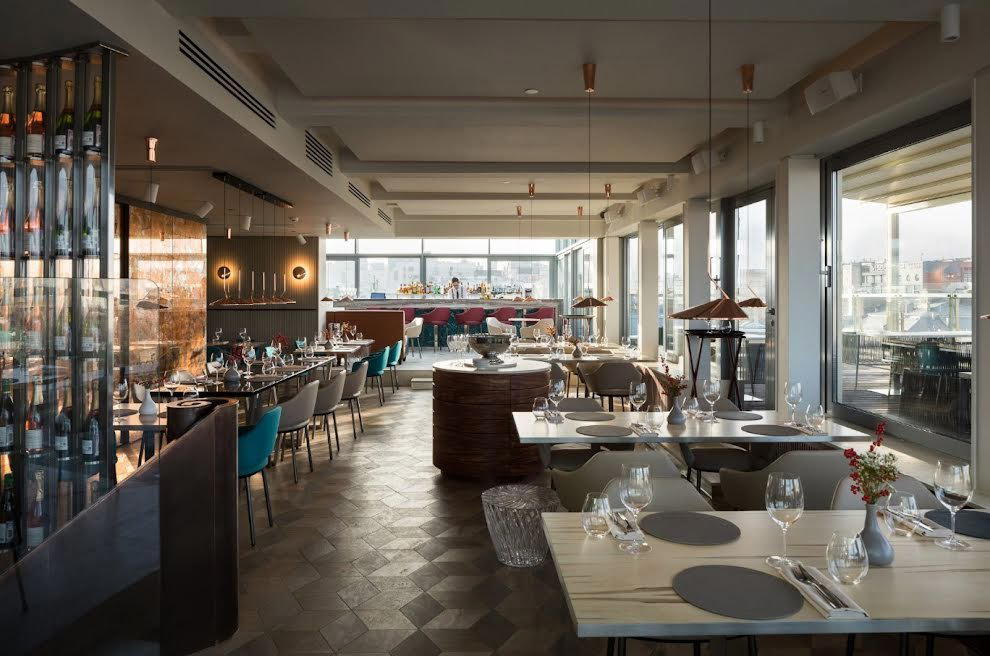
City Space operates as a rooftop bar high above Smolenskaya, trading on panoramic views and a modernist sensibility. Chainaya, Tea & Cocktails works within the format of intimate, ingredient-led cocktail programming. Both represent valid and accomplished approaches to the Moscow hospitality scene. Neither is attempting what the Metropol's dining room achieves simply by existing: a direct spatial connection to a pre-revolutionary vision of civic grandeur.
The hotel's facade merits equal attention. The ceramic panel above the main entrance is one of the more significant pieces of applied art attached to a functioning building in the city. The building was conceived as a statement visible from the street, not just from within.
Location as Infrastructure
The address at Teatralny Proyezd 2 places the hotel within walking distance of the Bolshoi Theatre, Red Square, the State Historical Museum, and Teatralnaya metro station. For visitors whose itinerary is weighted toward the historical and cultural core of Moscow, this is a genuinely functional base rather than a symbolic one. The concentration of major institutions within a ten-minute walk is comparable to staying adjacent to Covent Garden or the Palais Garnier, except that the buildings here carry political history alongside cultural history in ways that add a different kind of density to the surrounding streets.
Delicatessen and Insider Bar represent the kind of programme-led bar culture that has developed in less immediately touristic neighbourhoods. For guests staying at the Metropol who want to engage with that side of the city, both are reachable by metro from Teatralnaya without significant effort. The hotel's central position means it functions as a hub rather than a destination in isolation.
The Grand Hotel Tier in Russia
Russia's premium hotel market includes a limited number of historic urban properties. St. Petersburg carries comparable examples, and the bar culture developing there illustrates the same tension between historic fabric and contemporary programming that plays out in Moscow. El Copitas in St. Petersburg operates as one of the more technically focused cocktail programmes in the country, situated in a city whose architectural inheritance is, if anything, even denser than Moscow's. The dynamic between a historic built environment and a contemporary hospitality culture that has developed in parallel is a pattern visible in both cities.
Internationally, the category of hotel anchored by architectural heritage rather than contemporary amenities has its own competitive logic. The argument for staying at a property like the Metropol is the same one that applies to choosing a historic landmark over a newer luxury tower. What you are purchasing is access to a building that cannot be reproduced, in a location that took a century of urban development to create. The trade-off, typically, is that contemporary amenities may lag behind purpose-built modern properties. Travellers who understand the terms of that trade-off tend to find the exchange worthwhile.
Planning Your Stay
The Metropol sits at Teatral'nyy Proyezd 2, a short walk from Teatralnaya metro station in central Moscow.
Jewel of the South in New Orleans and Kumiko in Chicago both operate within historic urban environments where the physical context contributes materially to the experience, a logic the Metropol applies at the scale of an entire hotel building rather than a single room. Further afield, the bar culture in Honolulu at Bar Leather Apron and in Houston at Julep illustrates the breadth of what technically serious hospitality looks like in different city contexts, a useful frame for understanding what Moscow's own scene has developed toward. Coffee-anchored bar formats, as explored at Coffee 22 in Saint Petersburg and neighbourhood-level programmes like Papasha Klauss in Staraya Derevnya, round out the picture of Russian hospitality operating at different scales and in different registers from the grand hotel format.
Cuisine and Credentials
Comparable venues nearby, for context on price, style, and recognition.
| Venue | Cuisine | Price | Awards | Notes |
|---|---|---|---|---|
| Hotel Metropol MoscowThis venue — the venue you are viewing | hotel_bar | $$$$ | Not listed | Not listed |
| 16 Tons Club | pub | $$ | Not listed | Presnensky District |
| City Space | rooftop_bar | $$$$ | World's 50 Best #32 | Central (TsAO) |
| Delicatessen | cocktail_bar | $$$ | World's 50 Best #32 | Central (TsAO) |
| Chainaya, Tea & Cocktails | speakeasy | $$$ | World's 50 Best #28 | Central (TsAO) |
| Insider Bar | cocktail_bar | $$$ | World's 50 Best #13 | Sukharevskaya |

At a Glance
- Elegant
- Classic
- Sophisticated
- Well Known
- Ornate
- Date Night
- Special Occasion
- Historic Building
- Hotel Bar
- Live Music
- Lounge Seating
- Classic Cocktails
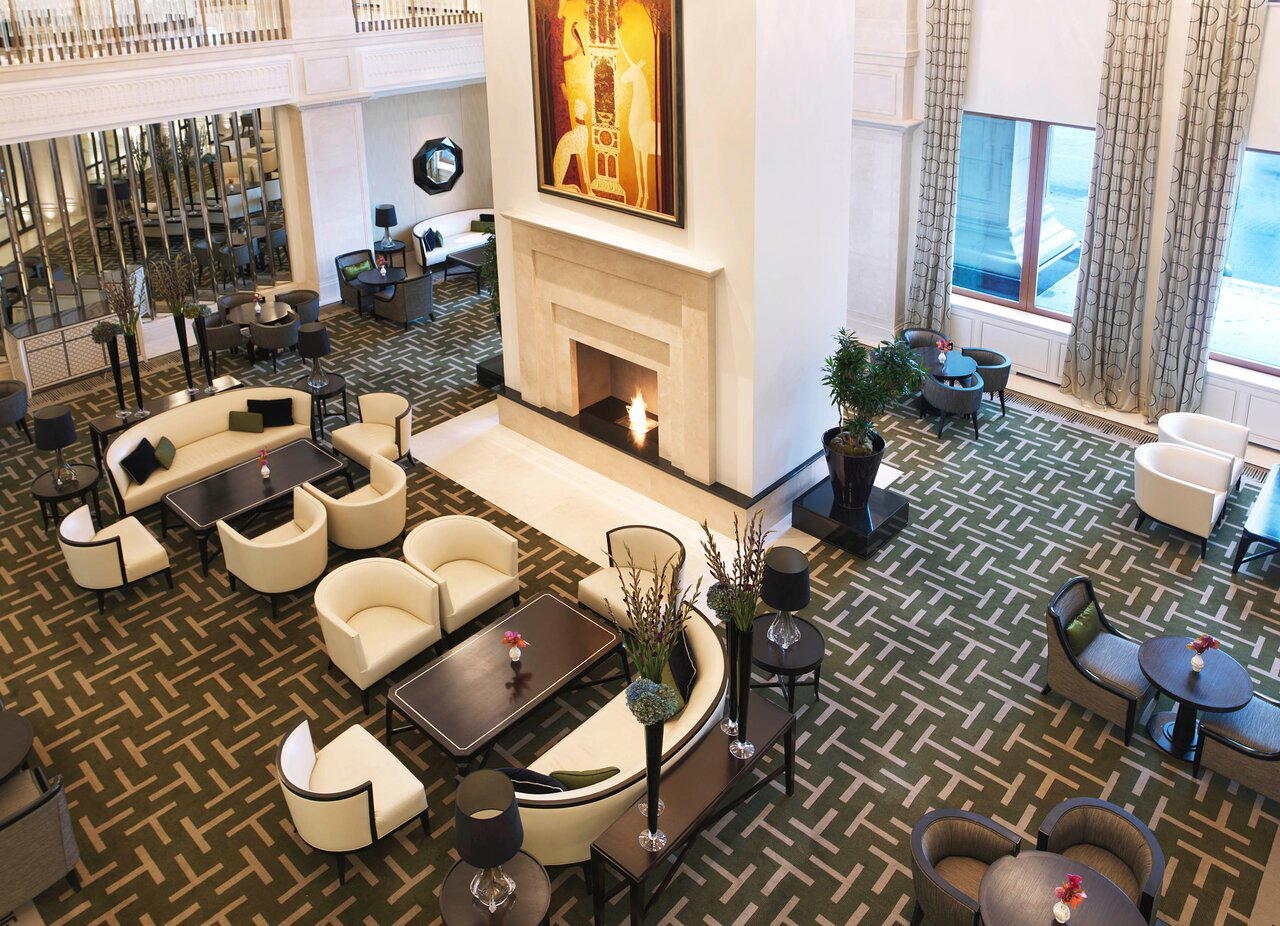
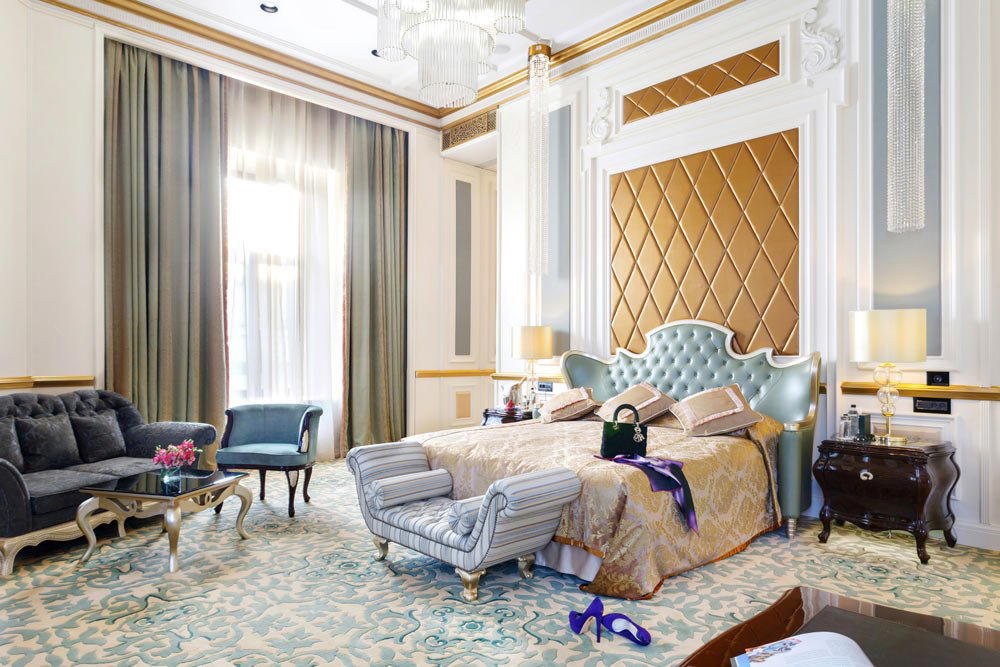
Elegant atmosphere with marble columns, stucco ceilings, Art Nouveau chandeliers, and live piano or DJ music on weekends.