Dzhani Restorani
Dzhani Restorani occupies the ground floor of a building on Ulitsa Piskunova in Nizhny Novgorod, placing it within the city's evolving mid-century streetscape. The name signals a Georgian or Central Asian register, a category gaining ground across Russia's provincial dining scene. Specific menu, pricing, and booking details are limited, but the address positions it squarely in one of Nizhny Novgorod's more walkable central districts.
Pearl is the En Primeur Club membership app — saves, bookings, and concierge access live there. Same editors, same standards.
- Address
- Ulitsa Piskunova, 40к3, 1 этаж, Nizhny Novgorod, Nizhny Novgorod Oblast, Russia, 603005
- Phone
- +78312305325
- Website
- dzhanirestorani.ru
- Directions
- Get directions
 Saves & bookings on Pearl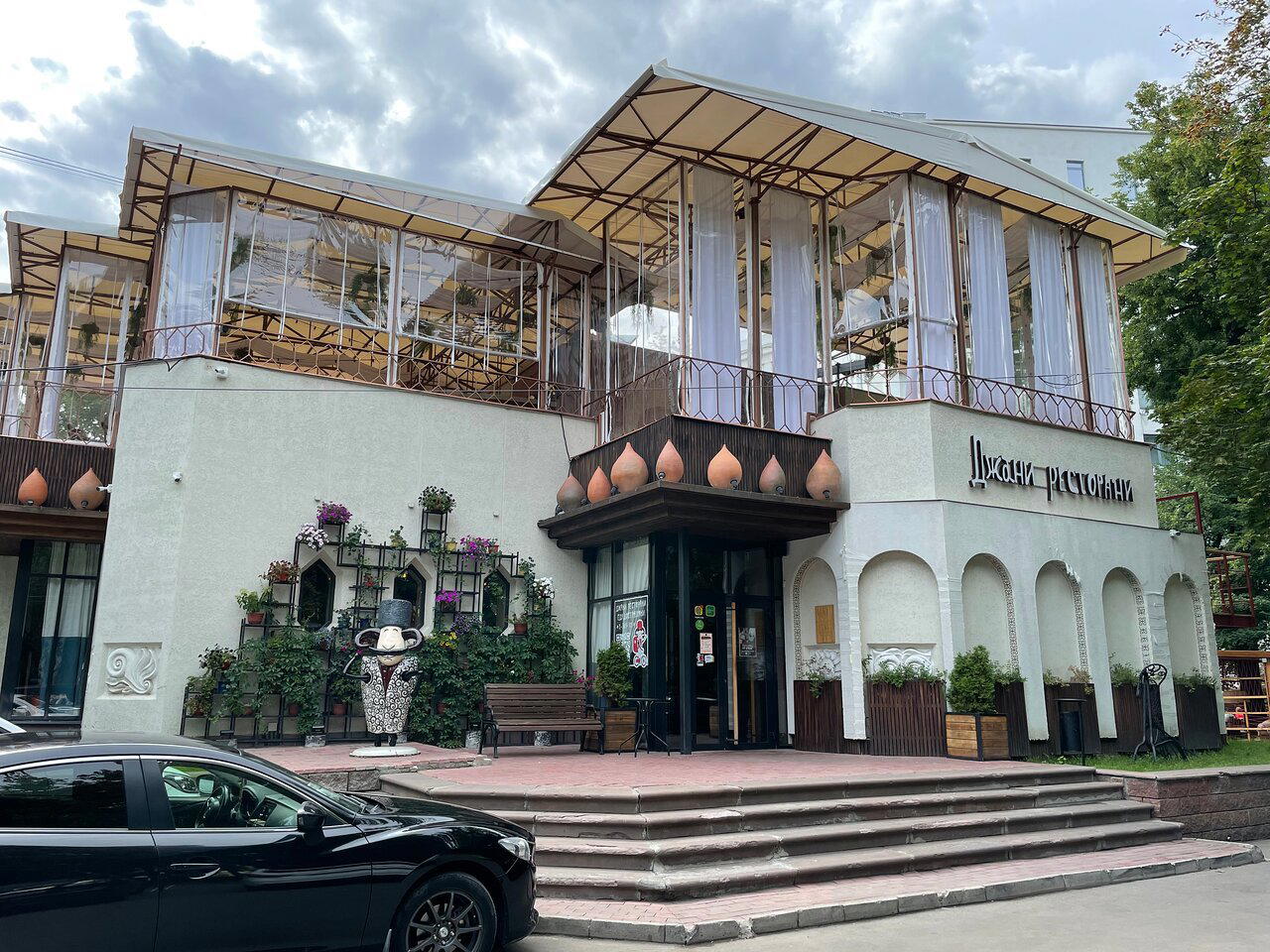
A Street Address and What It Tells You
Ulitsa Piskunova runs through one of Nizhny Novgorod's more characterful central zones, a street where pre-Soviet residential architecture sits alongside modern retail and mid-range hospitality. The ground-floor position at number 40к3 is typical of how dining in Russian provincial cities has reorganised itself over the past decade: former residential ground floors converted into restaurant spaces, often with low ceilings, street-facing windows, and an atmosphere that reads as neighbourhood rather than destination. This is not the Kremlin-view dining that anchors tourist itineraries; it is the kind of address that locals find by word of mouth.
The Georgian and Central Asian Register Across Russian Cities
The name Dzhani Restorani points toward a Georgian or broadly Caucasian culinary tradition. In Russian cities outside Moscow and Saint Petersburg, this category has expanded considerably since 2015, driven partly by ingredient logic: Georgian and Central Asian cuisines are built around produce that travels well and sources regionally, including stone fruits, walnuts, herbs like tarragon and fenugreek, and lamb from Russia's southern steppe regions. Dishes in this tradition tend to carry their sourcing openly. A properly made satsivi depends on the walnut crop and the quality of the poultry; a good chakapuli is a seasonal dish by definition, requiring young tarragon at a specific point in spring. Where these restaurants perform well, the ingredient calendar is not decorative but structural.
This is a different model from the modernist Russian cooking gaining attention at places like Twins Garden in Moscow, where the sourcing story is explicitly foregrounded as a fine-dining proposition. In a provincial city like Nizhny Novgorod, the same sourcing principles tend to operate without the editorial apparatus: the food is regional because the supply chain is regional, not because a marketing team decided it should be. That can make the cooking more direct, and occasionally more consistent, than its metropolitan equivalents.
Nizhny Novgorod's Position in Russia's Provincial Dining Scene
Nizhny Novgorod sits roughly 400 kilometres east of Moscow at the confluence of the Volga and Oka rivers. As one of Russia's larger regional cities, with a population exceeding one million, it supports a dining scene substantial enough to sustain both local formats and visiting concepts. The city is not a culinary reference point in the way that Saint Petersburg is, where restaurants like 1913 operate with a self-conscious historical register, but it has developed a functional mid-market with genuine depth in comfort-format restaurants drawing on regional Russian and Caucasian traditions.
For comparison, Caucasian-inflected dining in other Russian provincial cities such as Khmeli Suneli in Yekaterinburg and Alanskaya Kukhnya in Krasnodar shows how this category has taken root well beyond the two capitals. Krasnodar, given its proximity to Georgia, occupies a different sourcing position than Nizhny Novgorod; the latter must work harder logistically to maintain the ingredient quality that makes this cooking coherent. That logistical reality shapes what a restaurant in this category can plausibly offer: dishes built on ingredients that hold across longer supply chains rather than highly perishable formats.
What the Ingredient Sourcing Frame Means in Practice
Georgian and Central Asian cooking at its most grounded is a cuisine of preservation, fermentation, and fat: tkemali from sour plum, churchkhela from grape must and walnut, slow-braised meats that absorb spice over hours rather than minutes. These are techniques that evolved partly in response to the limits of highland agriculture, and they translate reasonably well to cities where the sourcing is indirect. The test for a restaurant operating in this tradition in a city like Nizhny Novgorod is whether the spice blends are fresh-ground or pre-packaged, whether the bread comes from a tandoor or a standard oven, and whether the meat sourcing is traceable to a named region.
For contrast, consider how the ingredient sourcing question plays out at a different scale: at Le Bernardin in New York City, sourcing is a documented and publicly verifiable programme built around specific fisheries and farms. At a neighbourhood restaurant on Ulitsa Piskunova, the sourcing story is legible only through the food itself. That asymmetry of information is not a criticism; it is simply the condition of provincial dining, and it places more interpretive weight on the visit than on the research.
How Dzhani Restorani Sits Within Its Local comparable set
Within Nizhny Novgorod, the documented competitor in a different segment is Mitrich Steakhouse, which operates in an entirely different register: European steakhouse format, higher price positioning, and a clearer fine-dining signal. Dzhani Restorani, based on its address and name, sits in a more casual and likely more affordable bracket, serving a different function in the city's dining ecosystem. The Caucasian category in any Russian city tends to occupy a mid-market position: more specific in flavour than generic European bistro formats, less formal than the prestige Russian restaurants that anchor city-centre hotel dining.
Across Russia more broadly, the comparison set for this style includes restaurants like Grisha in Omsk and Kukhterin in Tomsk, both of which operate in provincial cities with their own distinct dining characters. The pattern across these cities is consistent: local restaurants serving regionally inflected food tend to outperform their tourist-facing equivalents in price-to-quality terms, largely because they are not subsidising a view or a location premium.
Planning a Visit: What to Know in Advance
The restaurant is located at Ulitsa Piskunova, 40к3, first floor, Nizhny Novgorod, 603005. Reservations are recommended, and opening hours run Mon through Thu from 12 to 10 PM, Fri and Sat from 12 PM to 12 AM, and Sun from 12 to 10 PM. For a city-level overview of how to approach dining in Nizhny Novgorod, including neighbourhood context and category comparisons, the EP Club Nizhny Novgorod guide provides a broader frame. The restaurant is a smart-casual restaurant serving authentic Georgian cooking at a moderate price tier.
In Context: Similar Options
Comparable venues nearby, for context on price, style, and recognition.
| Venue | Cuisine | Price | Notes |
|---|---|---|---|
| Dzhani RestoraniThis venue — the venue you are viewing | Authentic Georgian | $$ | Not listed |
| Mitrich Steakhouse | Modern Steakhouse | $$$$ | Gorkovskaya |
| Kazbek (Казбек) | Georgian | $$$ | Пресненский |
| Palmenya | Mediterranean Seafood | $$$ | City Center |
| Korean BBQ гриль | Korean Table-Top BBQ Grill | $$ | Northwestern District |
| Twins | Modern Russian Fine Dining | $$$$ | Тверской |
Continue exploring
More in Nizhny Novgorod
Restaurants in Nizhny Novgorod
Browse all →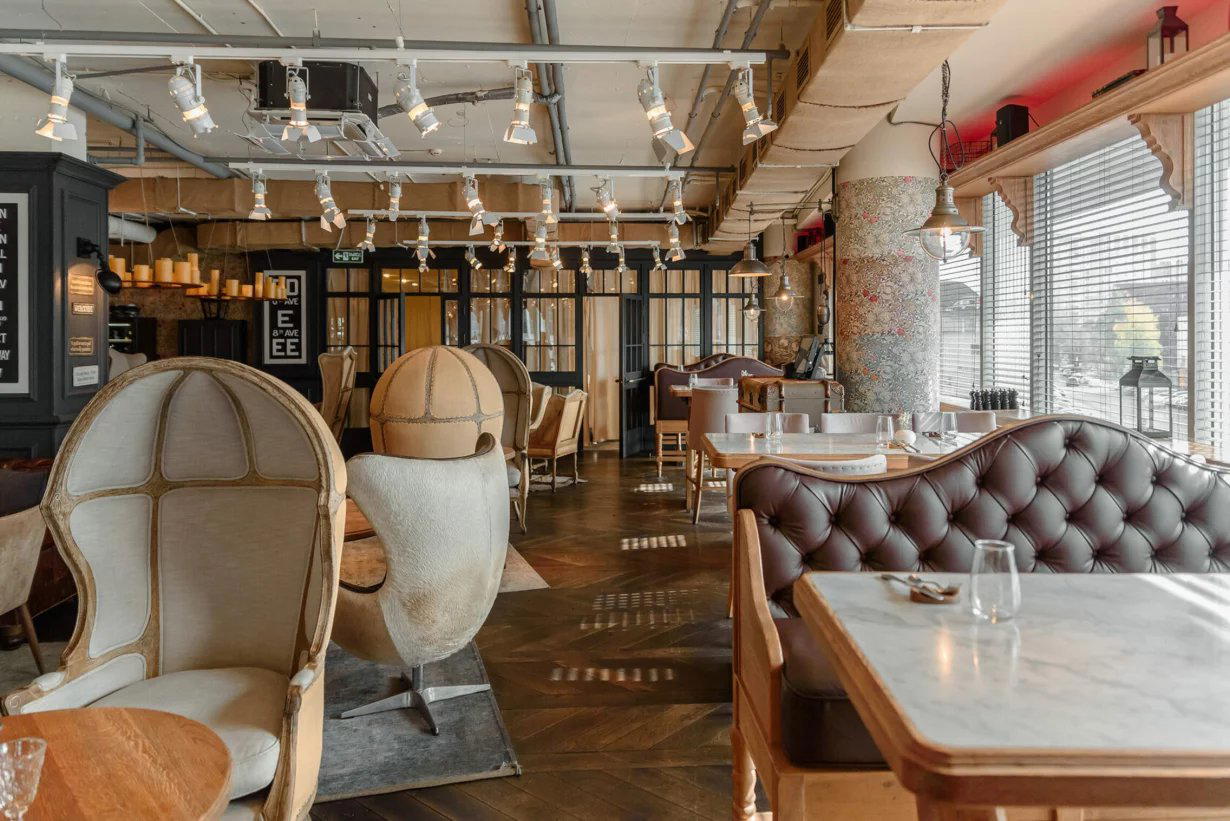
At a Glance
- Cozy
- Warm
- Elegant
- Family
- Celebration
- Special Occasion
- Private Dining
Current opening hours
- Monday
- 12–10 PM
- Tuesday
- 12–10 PM
- Wednesday
- 12–10 PM
- Thursday
- 12–10 PM
- Friday
- 12 PM–12 AM
- Saturday
- 12 PM–12 AM
- Sunday
- 12–10 PM
Hours can change for holidays and private events. Last verified .
Warm and cozy with friendly service, creating a hospitable and celebratory Georgian dining experience.