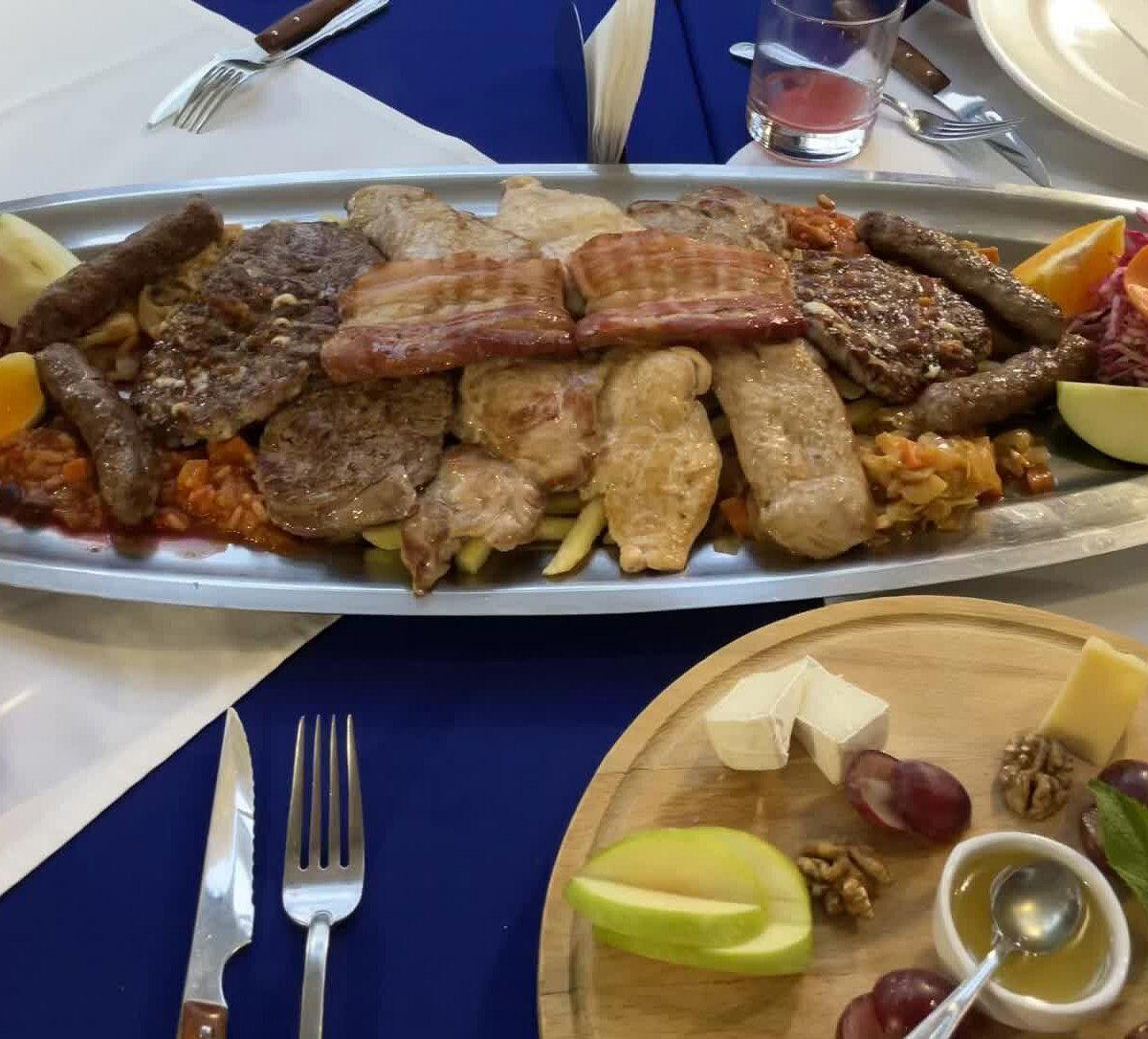
Alanskaya Kukhnya serves Traditional Ossetian pies and kebabs in Krasnodar, with conversational pacing, casual service, and a practical fit for lunch or dinner.
Pearl is the En Primeur Club membership app — saves, bookings, and concierge access live there. Same editors, same standards.
- Address
- Ulitsa Solnechnaya, 27/1, Krasnodar, Krasnodar Krai, Russia, 350031
- Phone
- +79882442527
- Directions
- Get directions
 Saves & bookings on Pearl
Alan Cuisine in Krasnodar: A Northern Caucasus Table in Southern Russia
Ulitsa Solnechnaya sits in a residential district of Krasnodar, away from the central restaurant corridors that attract most visitors to this fast-growing southern Russian city. Arriving at number 27/1, the setting is deliberately local in character: no valet queue, the street-level frontage is plain and functional. This address draws diners who already know the cuisine.
Alan cooking, the culinary tradition of the Ossetian and broader Alan peoples of the North Caucasus, occupies a specific and relatively underrepresented position in Russia's restaurant scene. While Georgian food commands high-profile dining rooms across Moscow and St. Petersburg, and Chechen or Dagestani traditions appear sporadically in specialist spots, Ossetian-Alan cooking reaches urban diners mostly through a handful of dedicated restaurants positioned well outside the premium centre. Krasnodar, as a gateway city between European Russia and the Caucasus region, is a logical place for this cuisine to find a foothold.
What the Tradition Actually Involves
The sourcing logic behind Alan cuisine is tied directly to the highland geography of its origins. Livestock-raising in the mountain zones of North Ossetia-Alania shapes what the table produces: lamb and beef dominate, prepared through slow methods that reflect the pastoral economy they come from. Pies, known as fydjyn when filled with meat and wælibaeh when filled with cheese and beet leaves, are structural items on any serious Alan table. The dough is worked thin enough that the filling is the point, not the casing. The fat content of the filling, and the freshness of the cheese used, are where sourcing decisions become visible on the plate.
Grains and dairy run through the cuisine in parallel. Ossetian beer, traditionally brewed from barley and offering a low-alcohol, slightly sour profile, appears as the default pairing at traditional gatherings rather than wine. Fermented dairy products, dried meats, and preserved vegetables reflect the storage requirements of a highland winter economy. These are not stylistic choices a chef has made for a contemporary menu; they are functional traditions that the cuisine carries into its restaurant expressions.
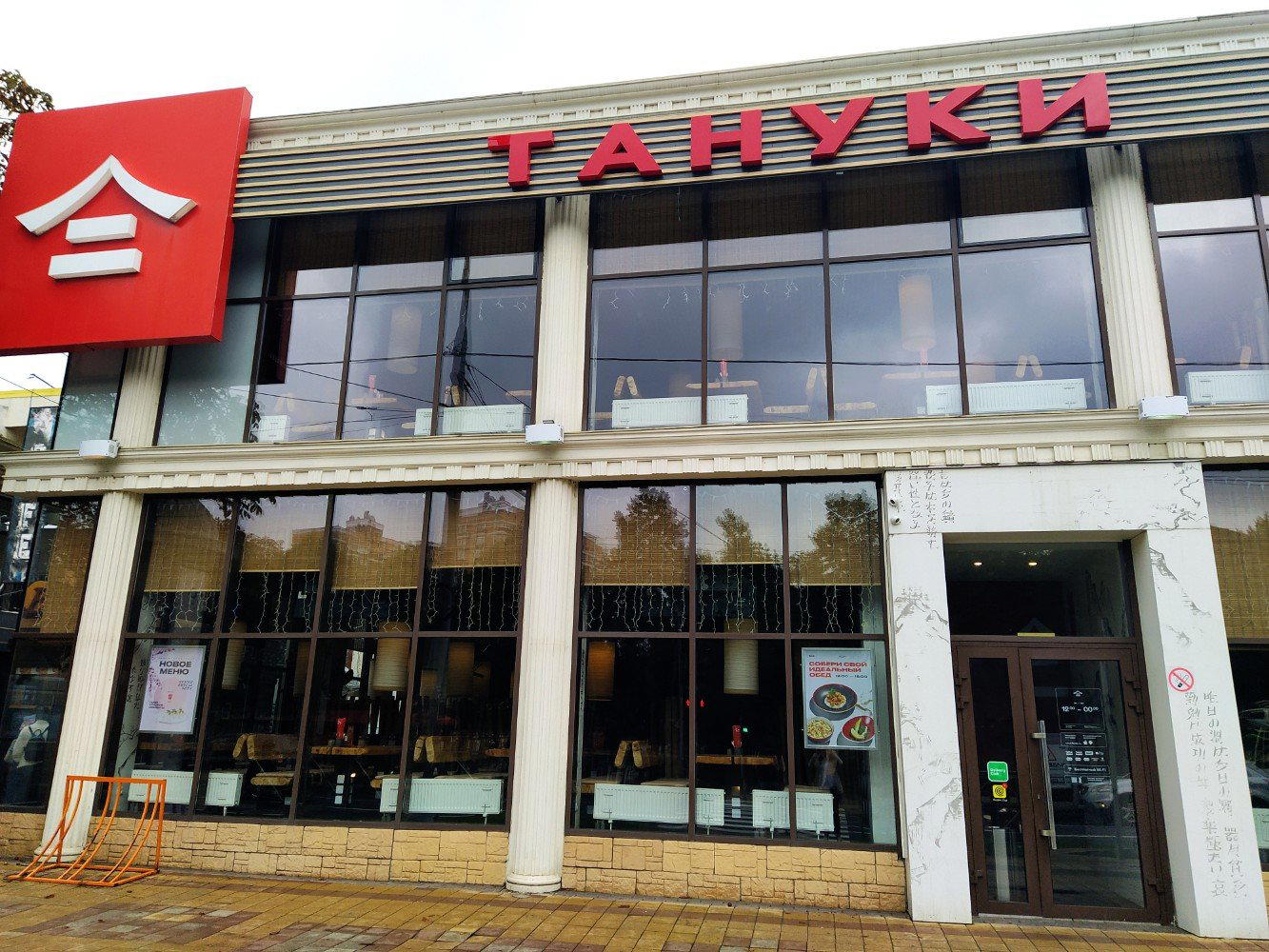
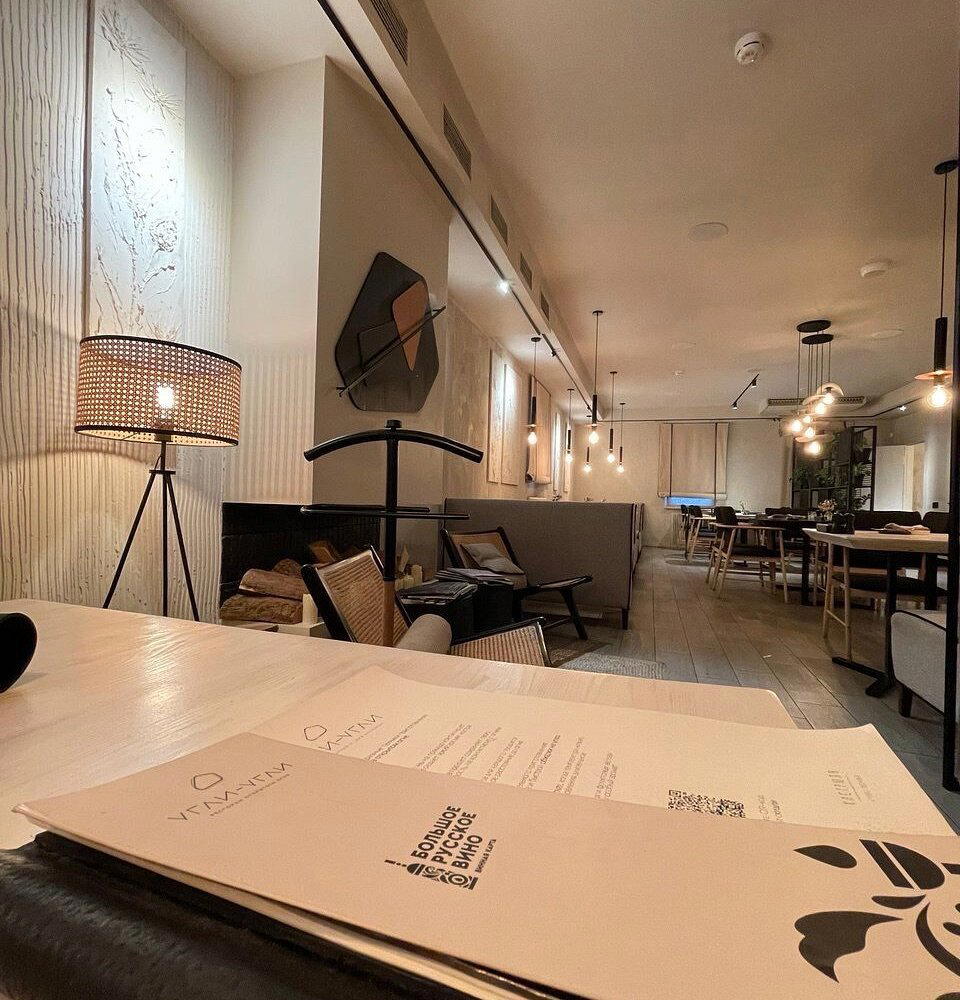
For context on how Caucasus-influenced sourcing compares to other Russian regional formats, Restaurant Baran-Rapan in Sochi represents the Black Sea coastal approach, and Restaurant "Stan" offers a different regional register within Krasnodar itself. The city's dining spread also includes Balkan Gril', TanukiFamily, and Ugli-Ugli, each pulling from entirely different culinary traditions. Our full Krasnodar restaurants guide maps these divergences in detail.
Where Alanskaya Kukhnya Fits in the Broader Russian Scene
Russia's more decorated kitchens tend to cluster around two models: the Moscow tasting-menu format, represented at its most refined by operations like Twins Garden in Moscow, and the St. Petersburg school of historically-grounded Russian cooking, where venues like COCOCO Bistro, Birch, Bourgeois Bohemians, and Astoria Cafe each approach Russian culinary identity from different angles. Primorskiy Prospekt, 72 in Staraya Derevnya extends that St. Petersburg range toward more contemporary formats.
Outside these two anchors, regional cuisine restaurants operate with less critical infrastructure: fewer publications covering them, less alignment with award systems, and a guest base that is predominantly local rather than traveling. This is the position a specialist like Alanskaya Kukhnya in Krasnodar occupies. It is not competing with tasting-menu destinations; it is serving an audience that wants the cuisine of the North Caucasus cooked with sourcing integrity rather than adapted for a broader palatability. Elsewhere in Russia's regions, venues like Leo Wine & Kitchen in Rostov, SEASONS in Kaliningrad, and La Colline in Bolshoye Sareyevo demonstrate that serious regional dining exists well beyond Moscow and St. Petersburg. The contrast with award-laden international formats, such as Le Bernardin in New York City or Lazy Bear in San Francisco, underlines how differently quality signals circulate in regional Russian dining. Tsarskaya Okhota in Zhukovka offers a comparison point for the kind of Russian regional cooking that targets a higher price tier.
Planning Your Visit
Alanskaya Kukhnya is located at Ulitsa Solnechnaya, 27/1, Krasnodar, Krasnodar Krai, 350031. The address places it in a residential part of the city rather than near the central commercial dining zones, so first-time visitors should confirm directions before arriving. The restaurant is open daily from 9 AM to 9 PM. It is walk-in friendly.
Side-by-Side Snapshot
Comparable venues nearby, for context on price, style, and recognition.
| Venue | Cuisine | Price | Notes |
|---|---|---|---|
| Alanskaya KukhnyaThis venue — the venue you are viewing | Traditional Ossetian | $$ | Not listed |
| Ugli-Ugli | Modern European Fire-Grilled Cuisine | $$ | :null |
| TanukiFamily | Japanese Sushi & Rolls | $$ | Krasnodar |
| Balkan Gril' | Serbian Grill & Balkan Cuisine | $$ | Tsentralniy (Central District) |
| Restaurant "Stan" | Traditional Kuban Cossack Russian | $$ | Kubanskaya Naberezhnaya |
| Kazbek | Authentic Georgian | $$ | Presnensky |
Continue exploring
More in Krasnodar
At a Glance
- Casual
- Rustic
- Cozy
- Casual Hangout
- Group Dining
- Family
- Standalone
Current opening hours
- Monday
- 9 AM–9 PM
- Tuesday
- 9 AM–9 PM
- Wednesday
- 9 AM–9 PM
- Thursday
- 9 AM–9 PM
- Friday
- 9 AM–9 PM
- Saturday
- 9 AM–9 PM
- Sunday
- 9 AM–9 PM
Hours can change for holidays and private events. Last verified .
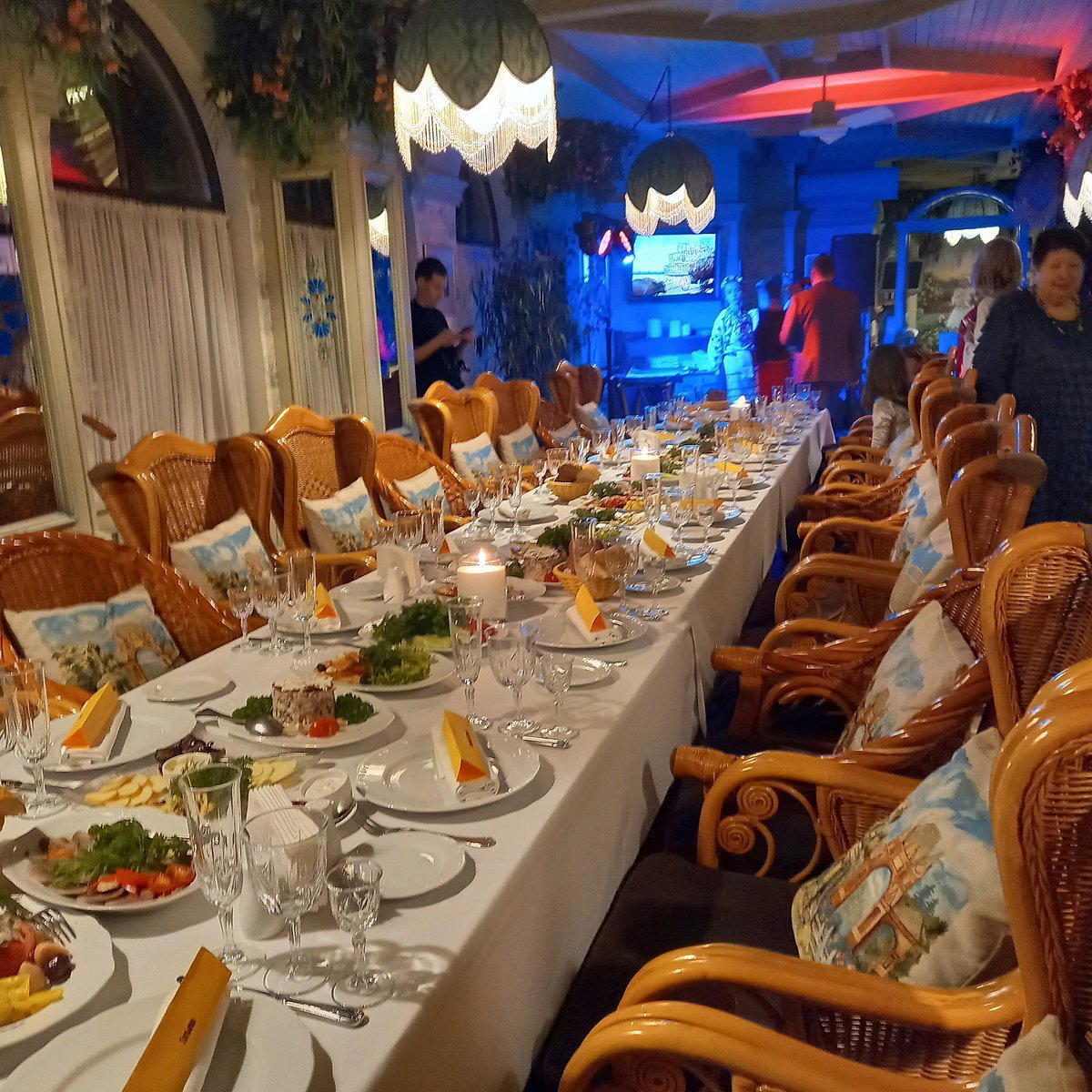
Casual, welcoming atmosphere focused on traditional regional comfort food