
On Tverskaya Street, Moscow's most prominent civic axis, The Carlton occupies a position that few hotels in the city can match for both address and recognition. A 95-point score from La Liste's 2026 Top Hotels ranking places it among the city's most credentialled properties, making it a serious option for travellers whose standard of reference extends well beyond the Russian capital.
Pearl is the En Primeur Club membership app — saves, bookings, and concierge access live there. Same editors, same standards.
- Address
- Tverskaya St, 3, Moskva, 125009
- Phone
- +7 495 225-88-88
- Website
- carltonmoscow.com
- Directions
- Get directions
 Saves & bookings on Pearl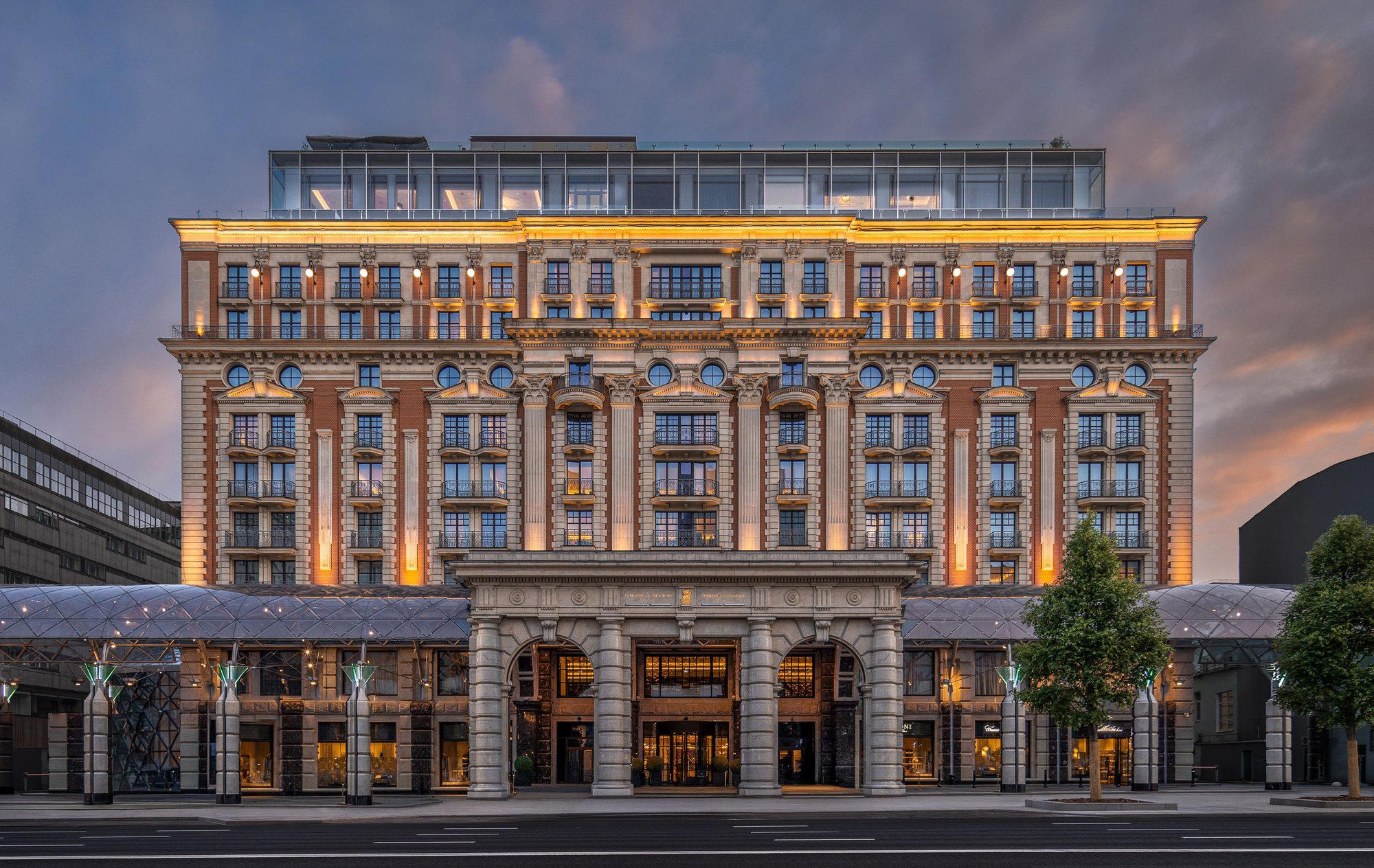
Tverskaya and the Address That Still Carries Weight
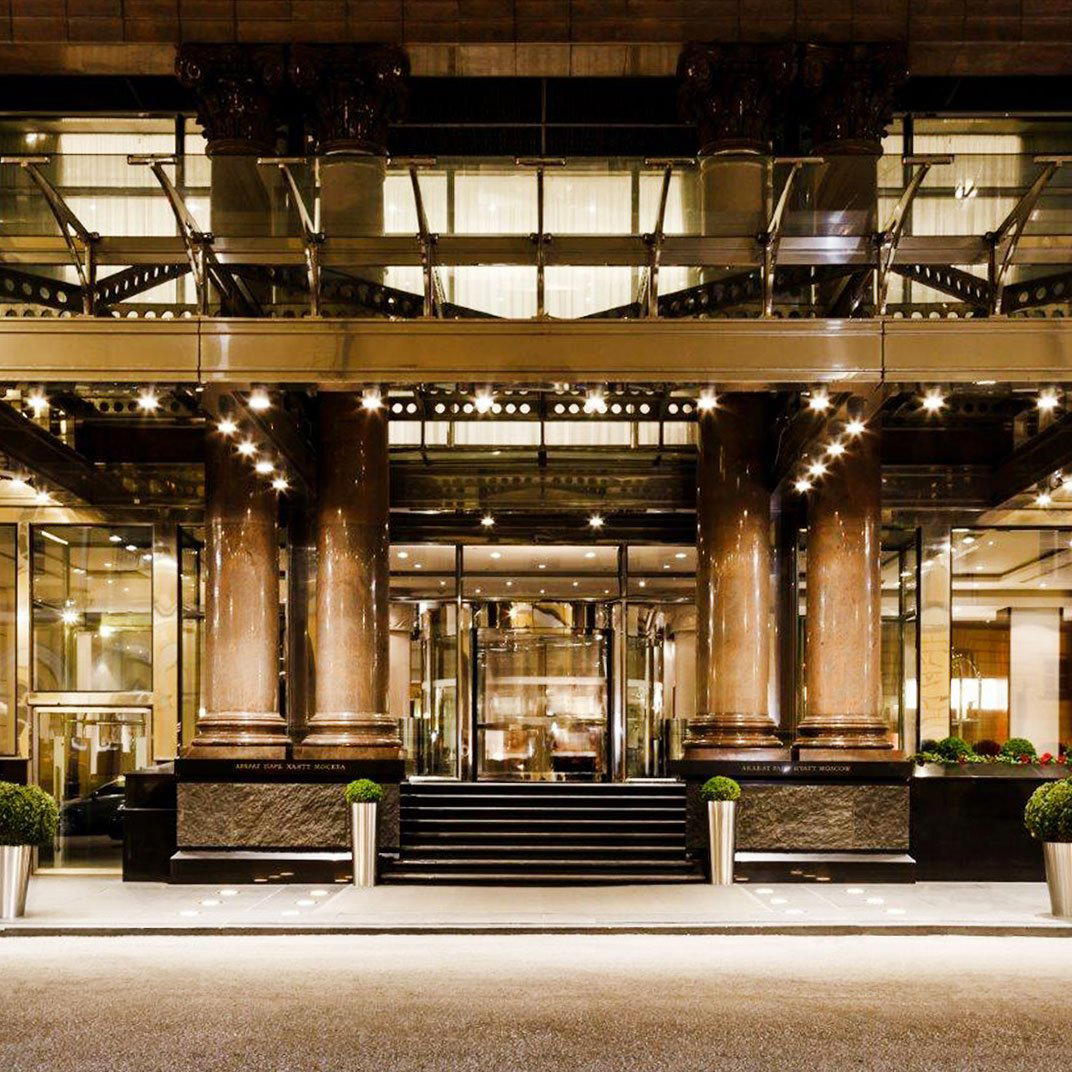
In Moscow, the address has always done some of the work. Tverskaya Street, the broad, Soviet-remade corridor that runs from the Kremlin toward the Garden Ring, has functioned as the city's primary ceremonial and commercial spine for centuries. Hotels that position themselves on or immediately adjacent to it are making a statement about access, visibility, and the kind of guest they expect. The Carlton sits at Tverskaya St, 3, Moskva, 125009, which places it within metres of the city's symbolic centre. For a category of traveller who reads a hotel address the way a sommelier reads a label, this one is unambiguous.
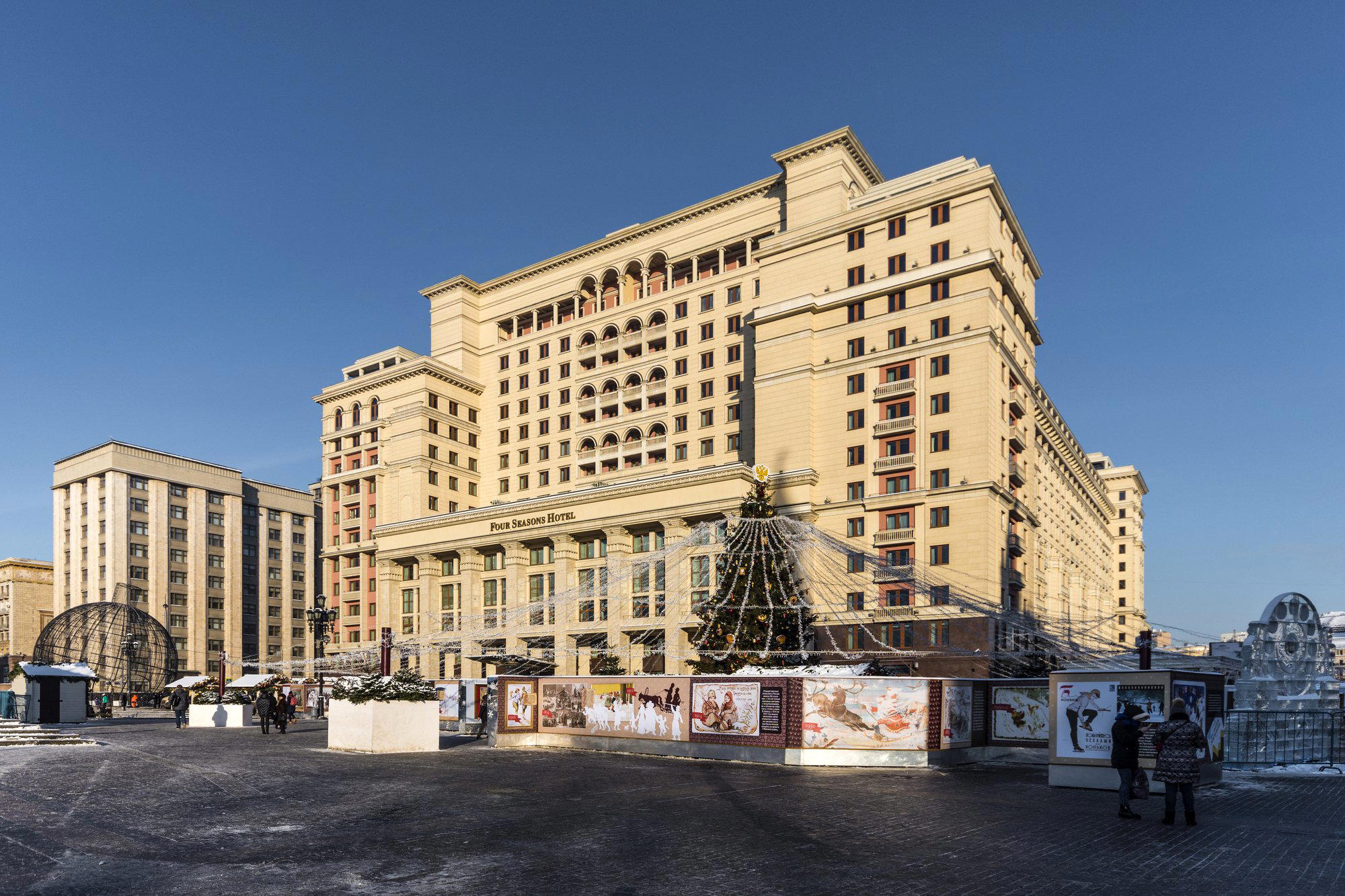
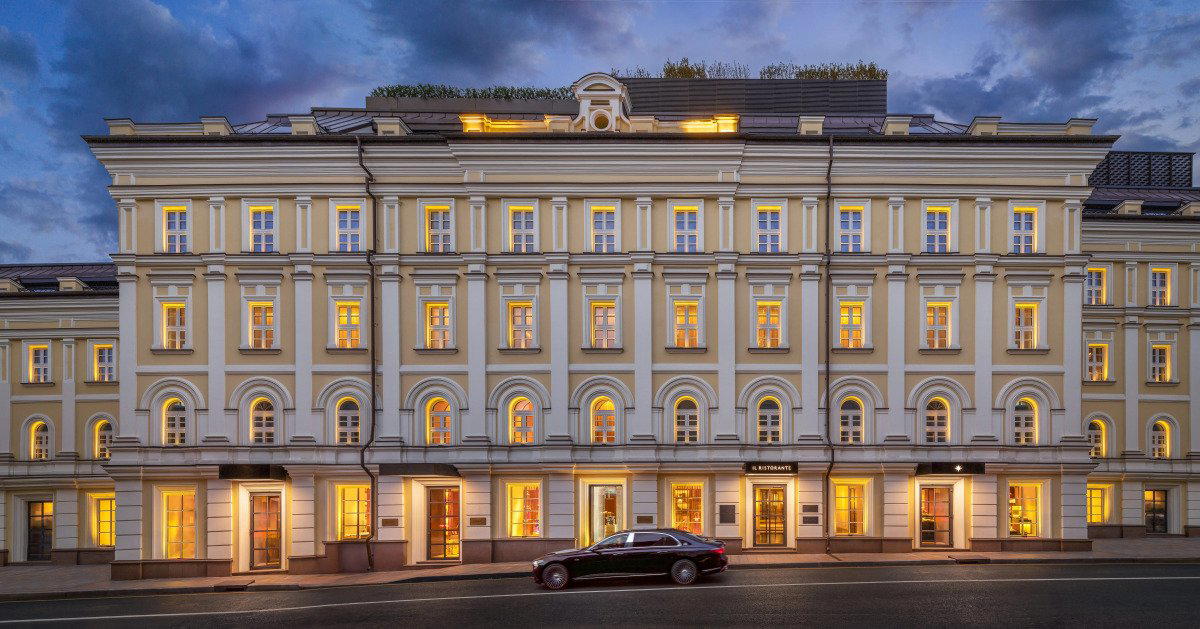
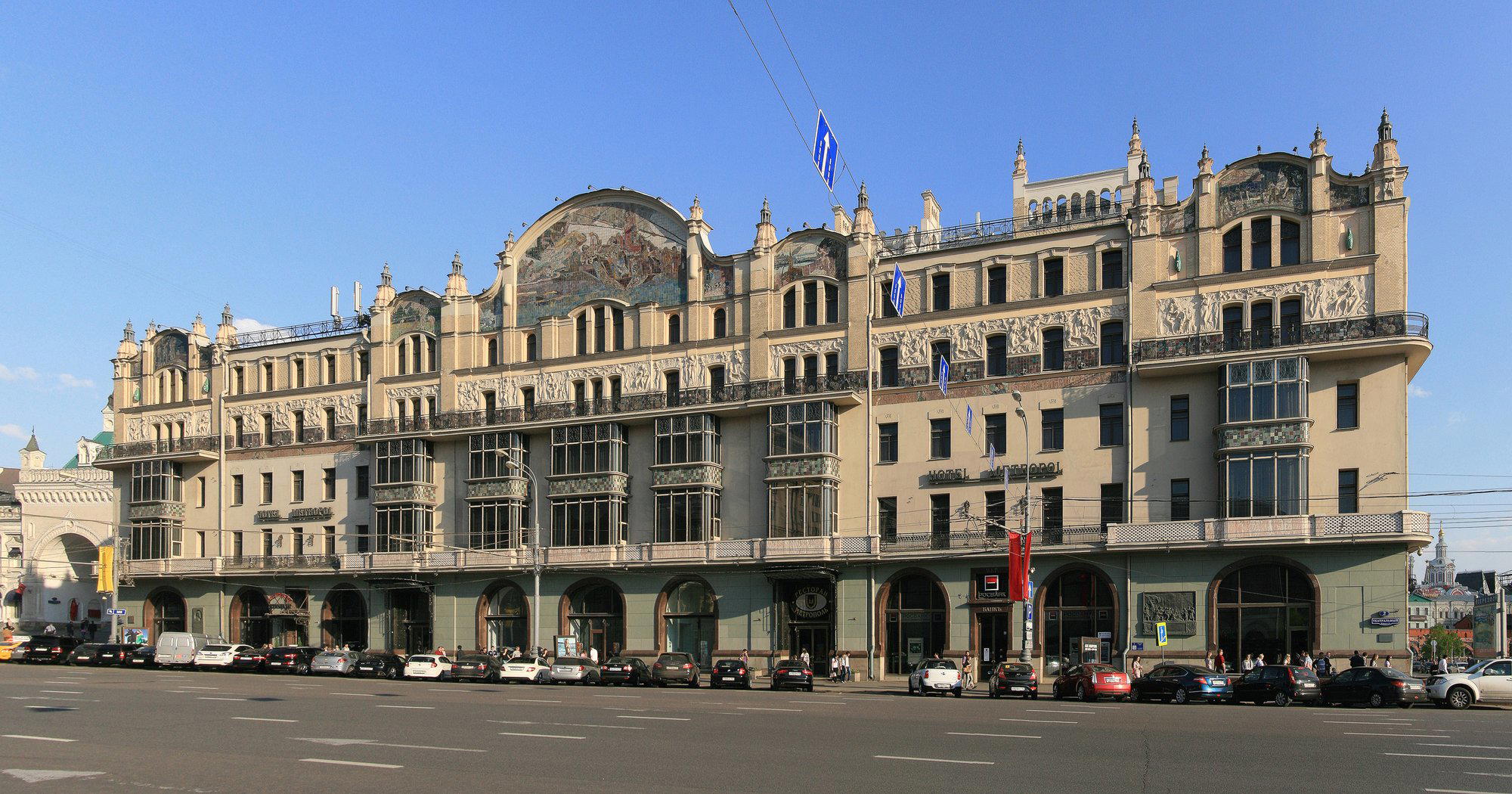
Moscow's premium hotel tier has consolidated around a handful of addresses, the Four Seasons Hotel Moscow on Okhotny Ryad, the Ararat Park Hyatt Moscow on Neglinnaya, and the Hotel Metropol Moscow just off Theatre Square. Each of these properties competes on a combination of heritage, centrality, and the quality of what happens behind the facade. The Carlton enters that peer group with a 95-point score from La Liste's 2026 Leading Hotels ranking, a result that positions it at the upper end of the capital's international recognition table. La Liste's hotel methodology weights service consistency and physical standards heavily, so a 95-point result carries weight.
What the Room Offers
Premium hotels on central Moscow addresses face a common tension: the city outside is monumental in scale, and rooms need to provide a counterpoint rather than compete with it. One successful properties in this tier, whether the Hotel Baltschug Kempinski Moscow across the river or the St. Regis Moscow Nikolskaya in the Kitay-Gorod district, tend to resolve this tension through material quality and proportional generosity rather than spectacle.
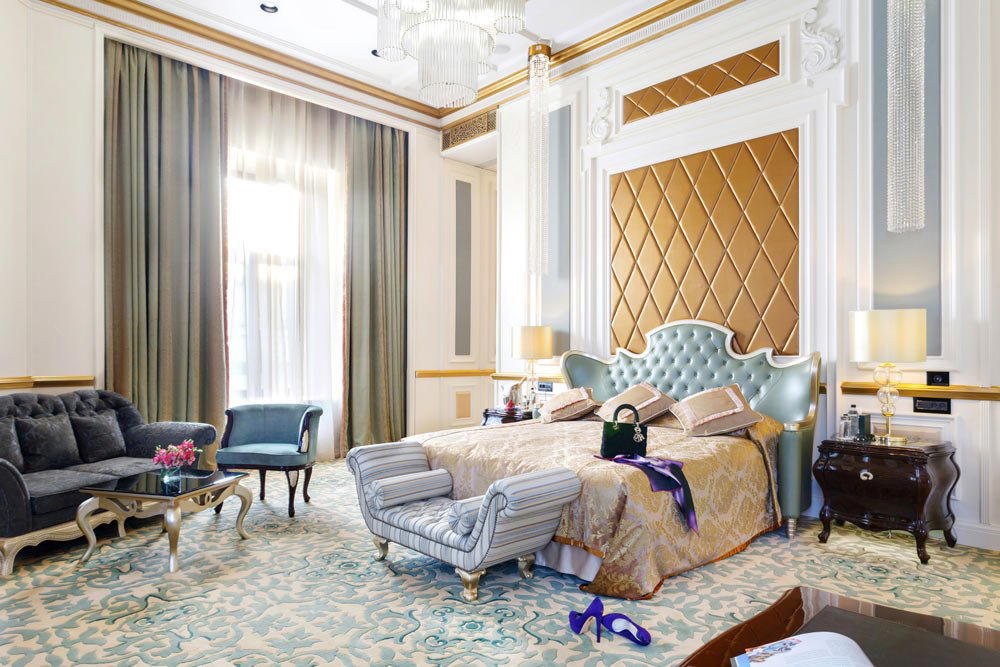
At properties in The Carlton's range on La Liste, the overnight experience is typically anchored in bedding, bathroom design, light, temperature, and acoustic control. These are the details that distinguish a hotel operating at 95 points from one operating at 85. A room that earns that kind of recognition has generally resolved the basics at a level where they cease to be noticeable as basics, and the guest's attention is free to move elsewhere.
For travellers oriented toward this tier, the choice of room category carries real consequences. Properties on Tverskaya that face the street offer the full weight of Moscow's civic theatre through the window, which is worth something at the right time of day and season. Rooms oriented toward the interior tend to trade that drama for quiet, which in a city as acoustically active as Moscow is its own form of luxury. Neither orientation is objectively superior; the choice depends on whether you are visiting Moscow to feel it or to recover from it.
Moscow's Premium Hotel Tier in Context
The city's upper hotel market has matured considerably since the 1990s, when international brands arrived in force and competed almost entirely on the novelty of Western standards. That era is long over. Today's leading properties, including the Swissotel Krasnye Holmy on the river and the Stella di Mosca Hotel, compete on finer distinctions: the coherence of design language, the cultural intelligence of food and beverage programming, and the degree to which a property understands its location rather than merely occupying it.
Within this context, a Tverskaya address is both an advantage and an obligation. The street's profile means the hotel receives a certain volume of attention regardless of merit. Sustaining a 95-point recognition level against that backdrop suggests the property is doing more than coasting on location. La Liste draws on a global editorial database and weights results against international benchmarks, so a Moscow hotel scoring at that level is being measured against properties like Cheval Blanc Paris, Bvlgari Hotel Tokyo, and Hotel Bel-Air in Los Angeles, not just against its Moscow neighbours.
That comparative framing matters for how to think about The Carlton's position. It is not simply a strong option within Russia's capital; it is a property whose recognition places it in international company. Travellers who calibrate their choices against globally distributed references, the kind of reader who might also consider Aman New York, Badrutt's Palace Hotel in St. Moritz, or Hôtel de Paris Monte-Carlo, have a data point that speaks their language.
Russia Beyond Moscow
For those extending a Russia itinerary beyond the capital, the country's premium hotel provision is concentrated at a small number of addresses. In Saint Petersburg, the Astoriya and Angleterre Hotel anchor the historic centre, while the Lotte Hotel St. Petersburg operates in a more contemporary register. Further east, the Baikal Residence in Severobaikalsk represents a different category entirely, where the landscape rather than the address provides the primary justification for staying. The Mriya Resort and Spa extends the country's portfolio further south.
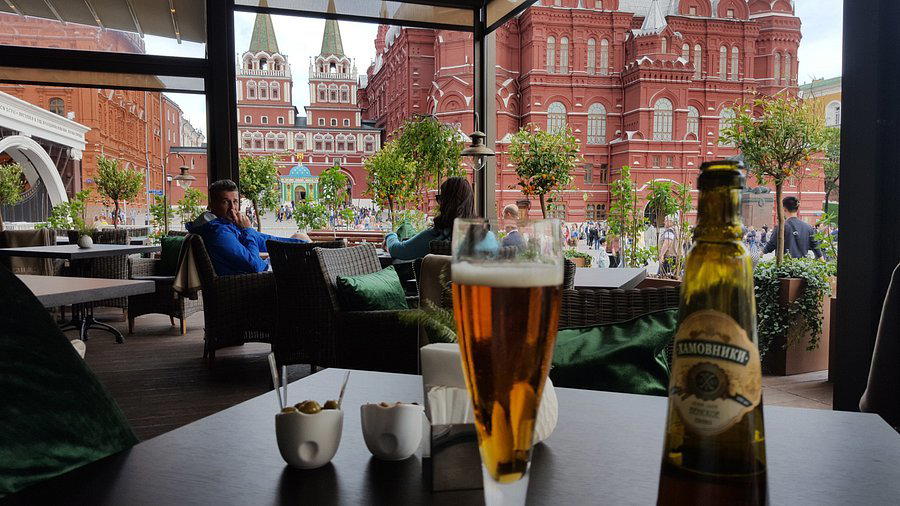
Moscow itself rewards a minimum of three nights for any visitor attempting to move between the major cultural districts with any degree of attention. The Kremlin, Tretyakov Gallery, and the ring of Stalin-era architecture that defines the city's visual character all sit within reasonable reach of a Tverskaya address, which makes the central position practically significant rather than merely symbolic. For full context on dining and drinking near the hotel, our full Moscow restaurants guide covers the city's food and beverage scene by neighbourhood.
Planning Your Stay
Quick Comparison
Comparable venues nearby, for context on price, style, and recognition.
| Venue | Cuisine | Price | Awards | Notes |
|---|---|---|---|---|
| The Carlton, MoscowThis venue — the venue you are viewing | Luxury urban hotel celebrating Russian design and craftsmanship near Red Square. | $$$$ | 5-Star | Not listed |
| The St. Regis Moscow Nikolskaya | Historic palace-style luxury hotel blending classical Russian elegance with contemporary design elements in the heart of Moscow's cultural district. | $$$$ | 5-Star | Tverskoy District |
| Hotel Metropol Moscow | Historic palace hotel blending early 20th-century Art Nouveau grandeur with contemporary luxury and modern smart-home technology. | $$$$ | 5-Star | Moscow City Centre |
| Hotel Baltschug Kempinski Moscow | Classic European grand hotel with historic facade renovated for modern luxury. | $$$$ | 5-Star | Balchug |
| Ararat Park Hyatt Moscow | Contemporary luxury residential-style hotel with internationally prominent design and service standards. | $$$$ | 5-Star | Central Moscow |
| Four Seasons Hotel Moscow | Historic luxury hotel blending original architecture with modern luxury. | $$$$ | 5-Star | Red Square |
Recognition history
Dated appearances from independent guides and award organizations, with the underlying list record or original source where available.
La Liste Top Hotels
La Liste
At a Glance
- Elegant
- Sophisticated
- Ornate
- Business Trip
- Romantic Getaway
- Weekend Escape
- Rooftop Pool
- Historic Building
- Panoramic View
- Wi Fi
- Pool
- Spa
- Fitness Center
- Room Service
- Concierge
- Business Center
- Valet Parking
- Skyline
- Wi Fi
- Pool
- Spa
- Fitness Center
- Room Service
- Concierge
- Business Center
- Valet Parking
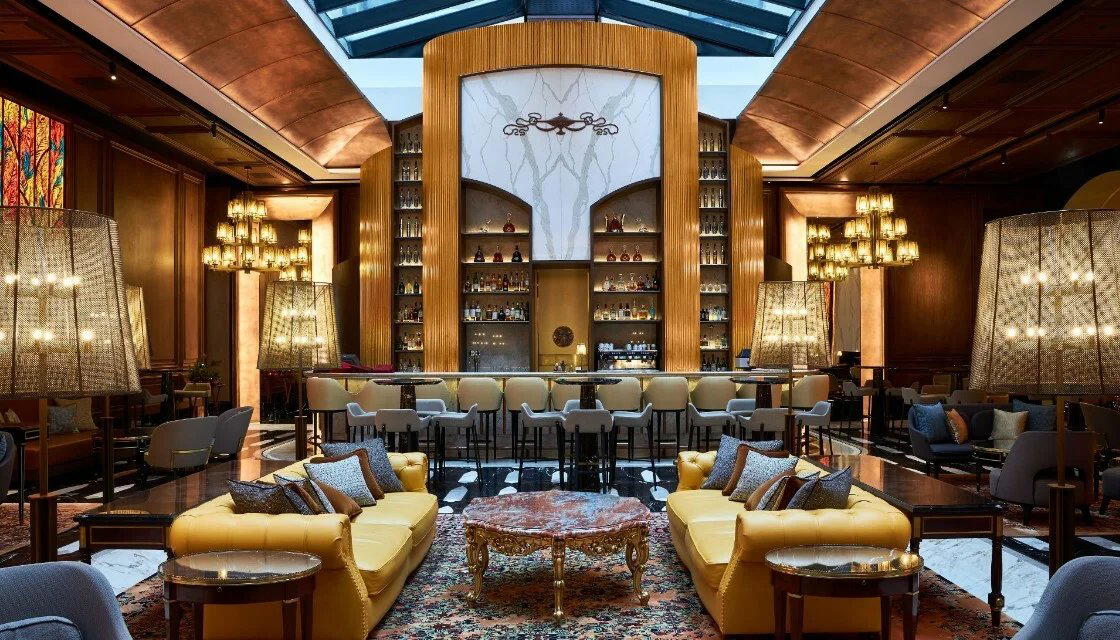
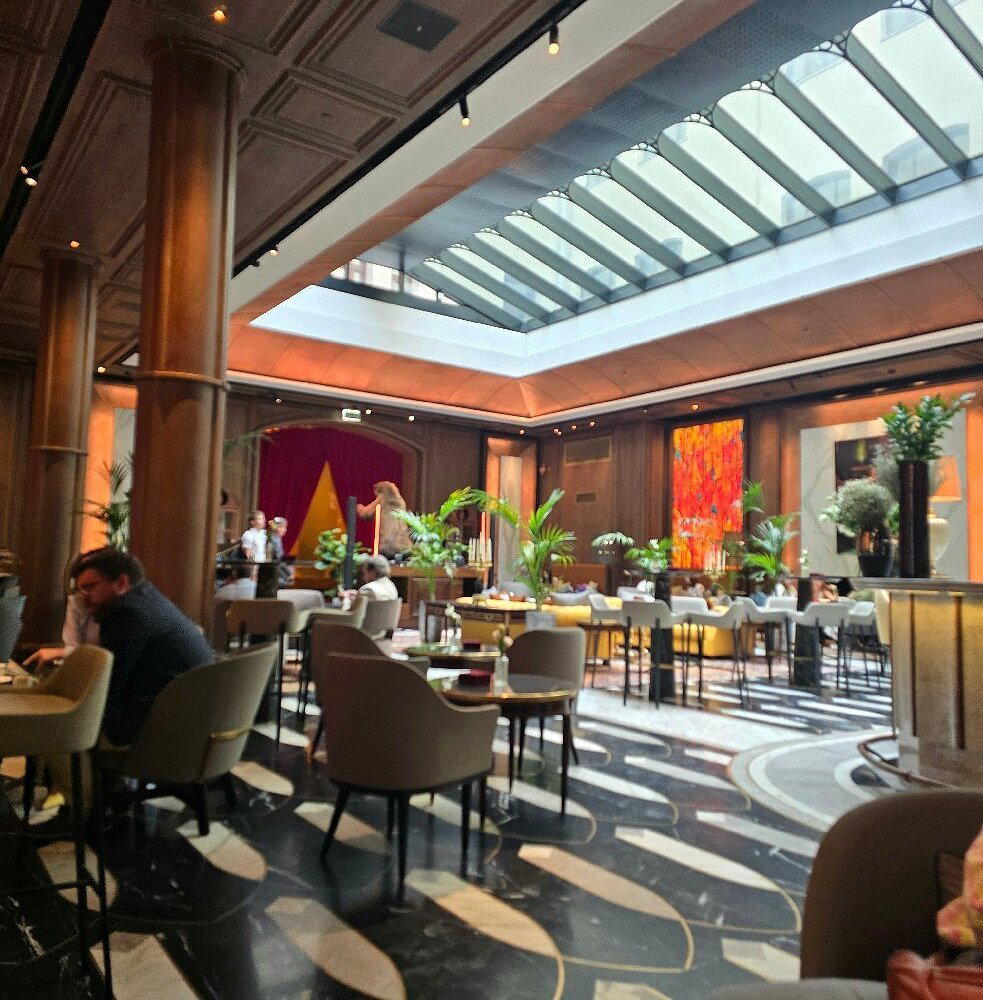
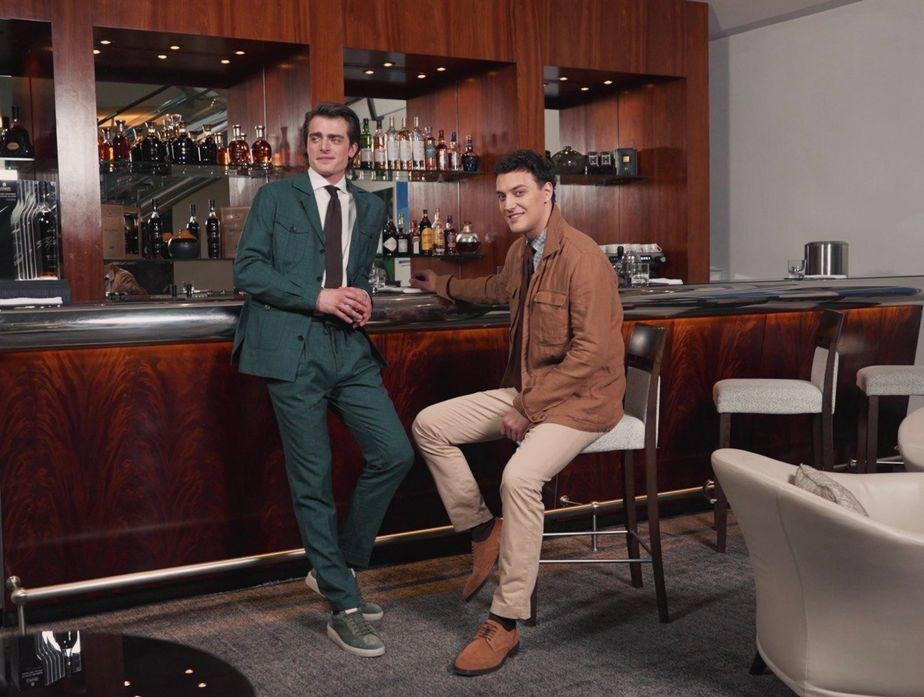
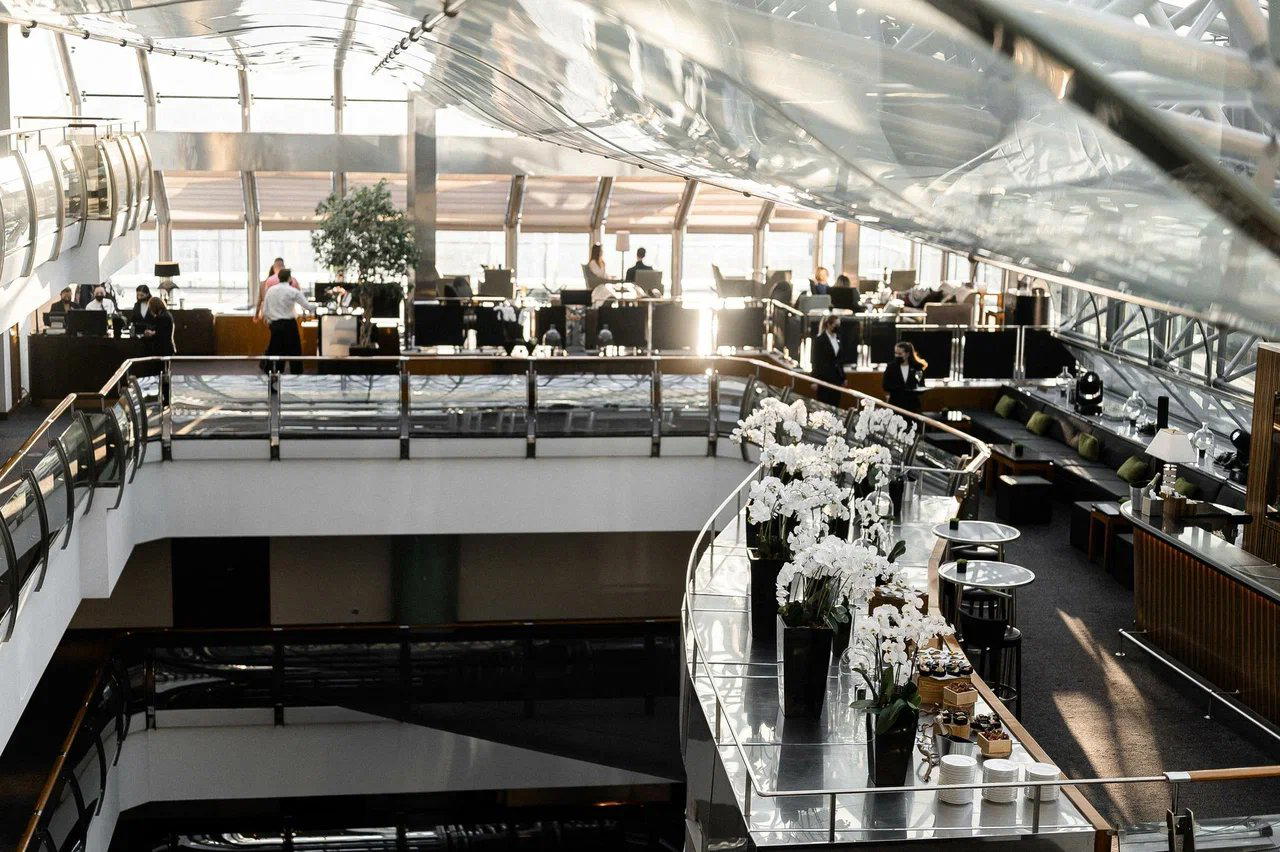
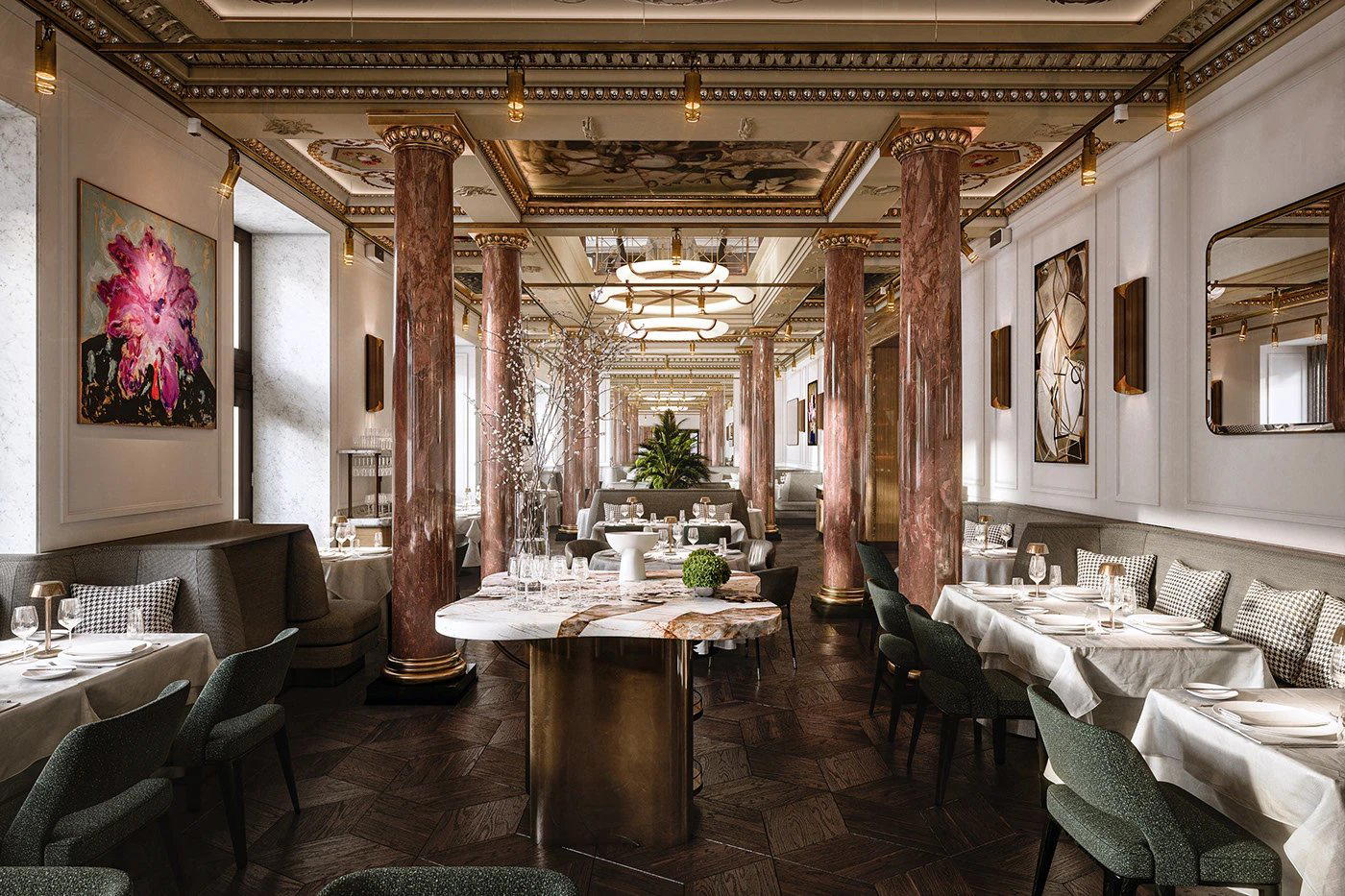
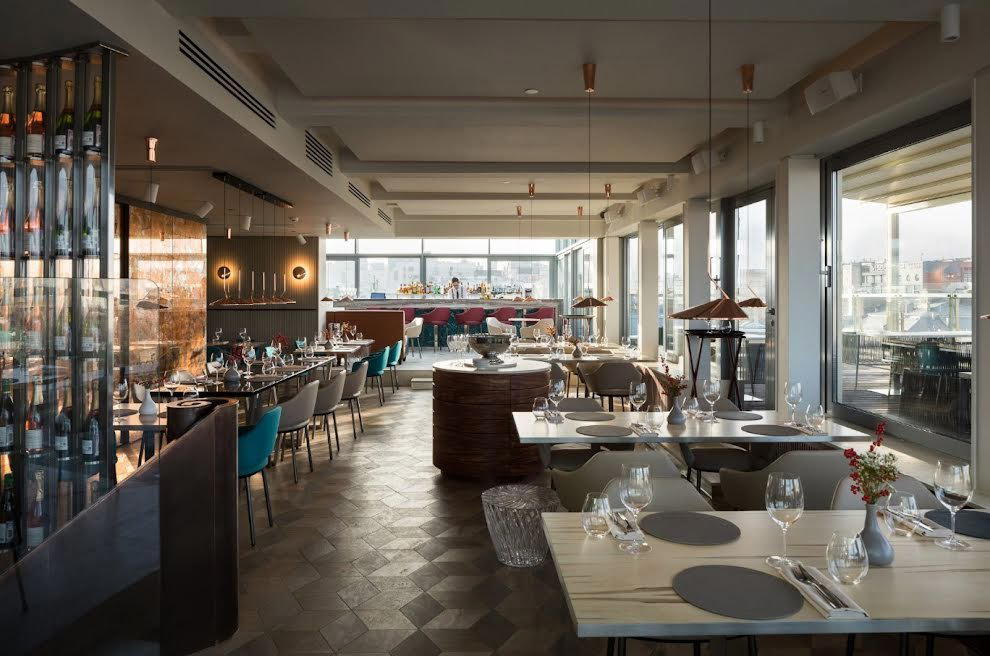
Elegant and serene atmosphere with neutral decor, creating calm and peace, enhanced by panoramic city views and luxurious spa serenity.