
Artest belongs to Moscow’s serious Russian-dining tier, where national reference points are treated with contemporary discipline rather than nostalgia. Daniel Asher’s kitchen has La Liste recognition in consecutive years, scoring 92 points in 2025 and 85 points in 2026, which places the restaurant in a conversation shaped by technique, authorship, and international assessment.
Pearl is the En Primeur Club membership app — saves, bookings, and concierge access live there. Same editors, same standards.
- Address
- Trubnikovskiy Pereulok, 15 строение 2, Moscow, Russia, 121069
- Phone
- +7 499 530-80-87
- Website
- artest.rest
- Directions
- Get directions
 Saves & bookings on Pearl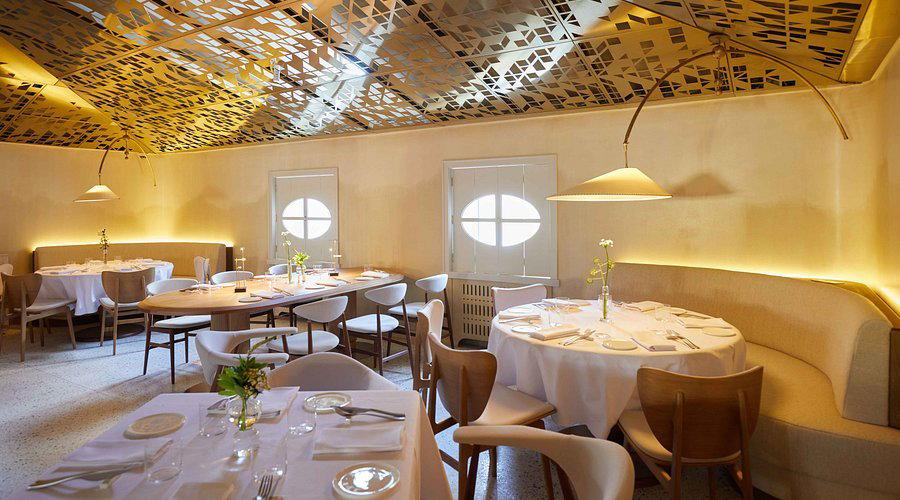
Approaching a high-end dining room in Moscow, the first signal is often not spectacle but control: a measured threshold, a room designed to slow the pace before the first course arrives. Artest fits that city pattern. Moscow’s ambitious restaurants now work in a field where local references, modern plating, and international recognition systems all press against one another. The interesting question is not whether the cooking is “traditional” or contemporary. It is how much tension the kitchen allows between those poles.
That tension has become one of Moscow’s defining restaurant stories. Dining in the capital has moved well beyond the old binary of comfort food and ceremonial luxury. At the serious end, the category now includes tasting-led rooms, product-focused dining, and restaurants that use memory as raw material rather than as costume. In that context, Artest reads as part of the city’s auteur-driven tier, a project recognized by La Liste Top Restaurants at 92 points in 2025 and 85 points in 2026. Those numbers matter because they place the restaurant in an externally assessed group, not merely in local conversation.
Modern Moscow cooking without museum glass
The strongest contemporary kitchens tend to avoid folkloric literalism. They may use familiar references, careful sourcing, preserved elements, texture, and smoke, then submit them to the grammar of fine dining: sequencing, temperature control, reduction, texture, and portion scale. The result can be severe when it loses generosity, or shapeless when it leans too hard on nostalgia. Artest is interesting because its public identity sits in that contested middle ground, where local dining culture is treated as a living language rather than a heritage display.
Chef-led restaurants in Moscow carry a particular burden. The city has the capital, the audience, and the spending power, but it also has diners who know the codes of international tasting menus and expect local restaurants to justify their ambition. The useful reading is broader: this is part of a generation of Moscow dining that wants the city’s serious restaurants judged by structure and execution, not by sentiment. La Liste’s consecutive recognition gives that claim a measurable frame.
Comparison clarifies the point. Ikra sits in the same broad Moscow conversation, while LOONA and Rybtorg show how flexible the category can be inside one city. Other Moscow dining rooms and Гусятникоff - Gusiatnikoff widen the range further, from theatrical references to more historically legible dining rooms. Artest belongs closer to the technical, chef-defined side of that spectrum, where recognition and format carry more weight than décor narrative.
Where authorship matters in Moscow
The authorial role in this category is not simply biographical. It is editorial. A kitchen working in Moscow has to decide what to preserve, what to abstract, and what to discard. That decision-making is the real signature, more than any single dish name. With Artest, that authorship is relevant because the restaurant is positioned in a recognition-aware, contemporary lane, where control over pacing and interpretation is part of the value proposition.
This is also where Moscow differs from cities where local dining is marketed mainly through informality. In the Russian capital, the upper tier often treats domestic restaurant culture with the seriousness usually reserved for the world’s most codified formats. That means the room, service rhythm, and menu logic have to support a proposition that is both local and international. A La Liste score does not tell the whole story, but it does confirm that the restaurant is being assessed in a global fine-dining frame rather than only as a local favorite.
For readers mapping the city, Artest is better understood as a decision for diners who want Moscow’s current high-end dining argument in a composed setting. It is not the place to use as a casual primer if the goal is simply to sample familiar staples across town. It is more useful for seeing how the capital’s serious kitchens translate memory and technique into a controlled restaurant format. For a wider look at the city’s dining range, see Our full Moscow restaurants guide, then pair the meal with context from Our full Moscow hotels guide, Our full Moscow bars guide, Our full Moscow wineries guide, and Our full Moscow experiences guide.
The wider Russian dining map
Moscow is only one reading of dining in Russia. The national restaurant map changes sharply by city, product base, and dining culture. Dining outside the capital offers one kind of counterpoint, while restaurants in other major Russian cities reflect different relationships to polish, broader influence, and dining-room formality. Other rooms add further angles, where local identity can sit inside a more relaxed register rather than a formal tasting-room frame.
Beyond the capital, the category becomes more regionally explicit. Restaurants across Russia show how broad the label becomes once it leaves the city’s most internationally assessed rooms. Against that wider field, Artest represents Moscow’s controlled, recognition-facing version of the genre: less about breadth, more about concentration.
The editorial case for Artest rests on that concentration. Consecutive La Liste placement gives it a trust signal, its composed format supplies a clear identity, and the Moscow setting gives the restaurant a demanding audience for contemporary high-end cooking. The right diner is not looking for a survey of the country on one table. The right diner wants to see how far a capital-city kitchen can compress local references into a disciplined fine-dining argument.
Quick Comparison
Comparable venues by cuisine and price in the same metro.
| Venue | Cuisine | Price | Awards | Notes |
|---|---|---|---|---|
| ArtestThis venue — the venue you are viewing | Modern European Fine Dining | $$$$ | Michelin 2 Star | Not listed |
| White Rabbit | Modern Russian Fine Dining | $$$$ | World's 50 Best #13 | Smolenskaya |
| Varvary | Modern Russian Molecular Gastronomy | $$$$ | World's 50 Best #48 | Strastnoy Boulevard |
| Twins Garden | Modern Russian Fine Dining | $$$$ | World's 50 Best #19 | Tverskoy District |
| Magnum Wine Bar | European Wine Bar Cuisine | $$$ | Not listed | District Central (TsAO) |
| Chefs Table | Modern Russian & International Seasonal Tasting Menu | $$$$ | Not listed | Central (TsAO) |
Recognition history
Dated appearances from independent guides and award organizations, with the underlying list record or original source where available.
La Liste Top Restaurants
La Liste
La Liste Top Restaurants
La Liste
At a Glance
- Elegant
- Modern
- Intimate
- Sophisticated
- Date Night
- Special Occasion
- Business Dinner
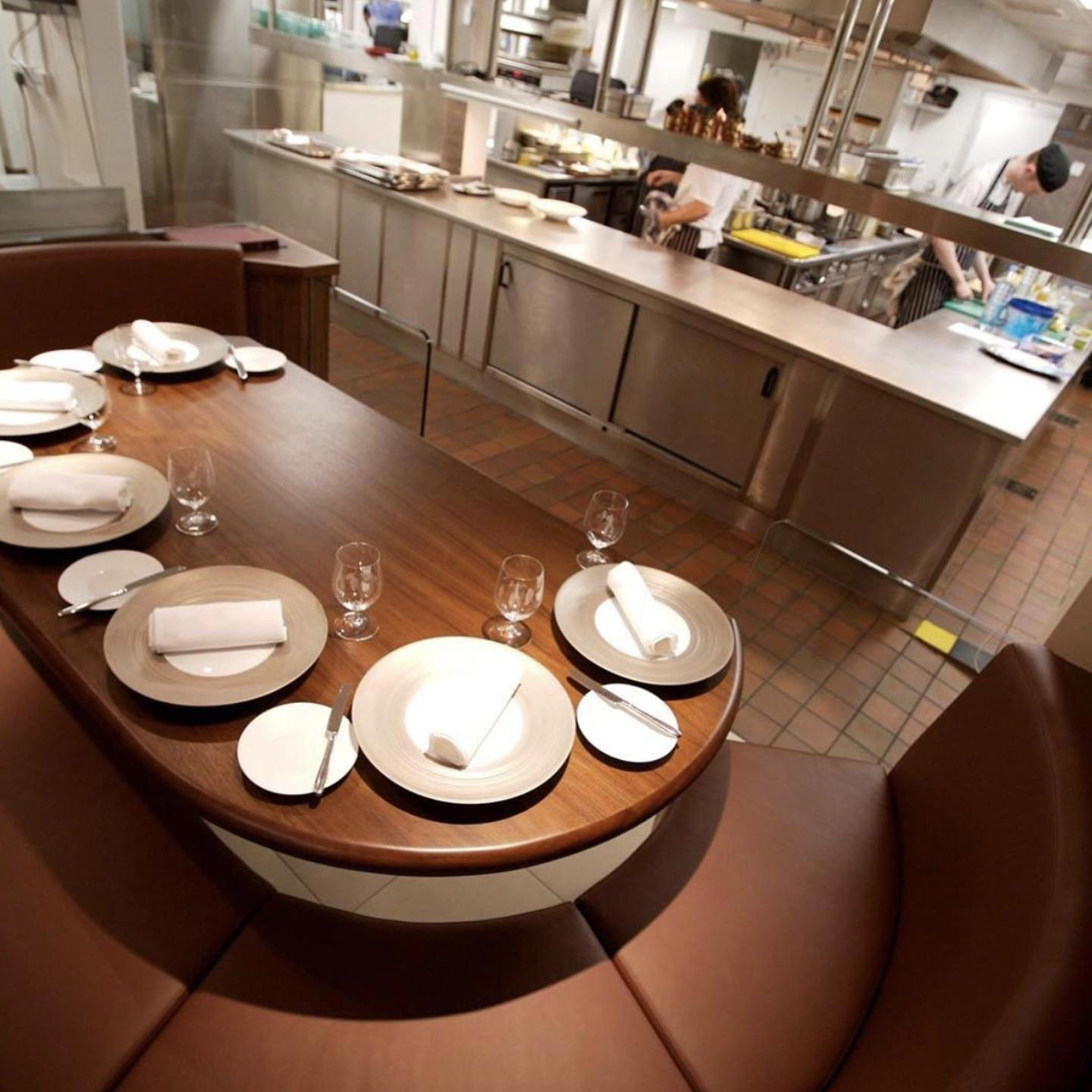
- Open Kitchen
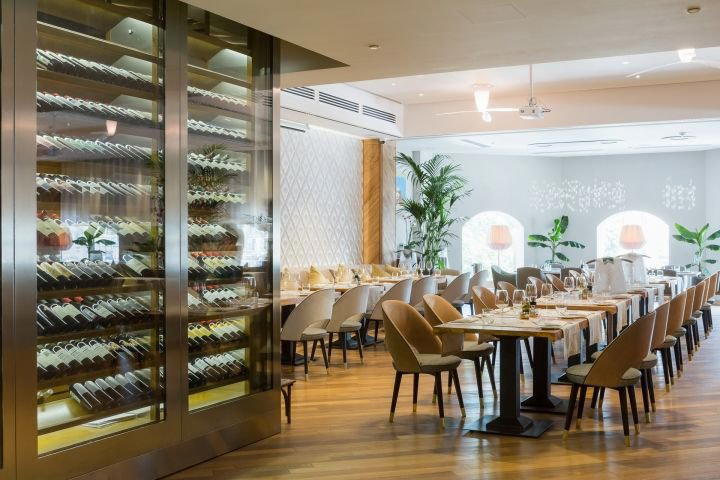
- Extensive Wine List
- Sommelier Led
Current opening hours
- Monday
- 1 PM–12 AM
- Tuesday
- 1 PM–12 AM
- Wednesday
- 1 PM–12 AM
- Thursday
- 1 PM–12 AM
- Friday
- 1 PM–12 AM
- Saturday
- 1 PM–12 AM
- Sunday
- 1 PM–12 AM
Hours can change for holidays and private events. Last verified .
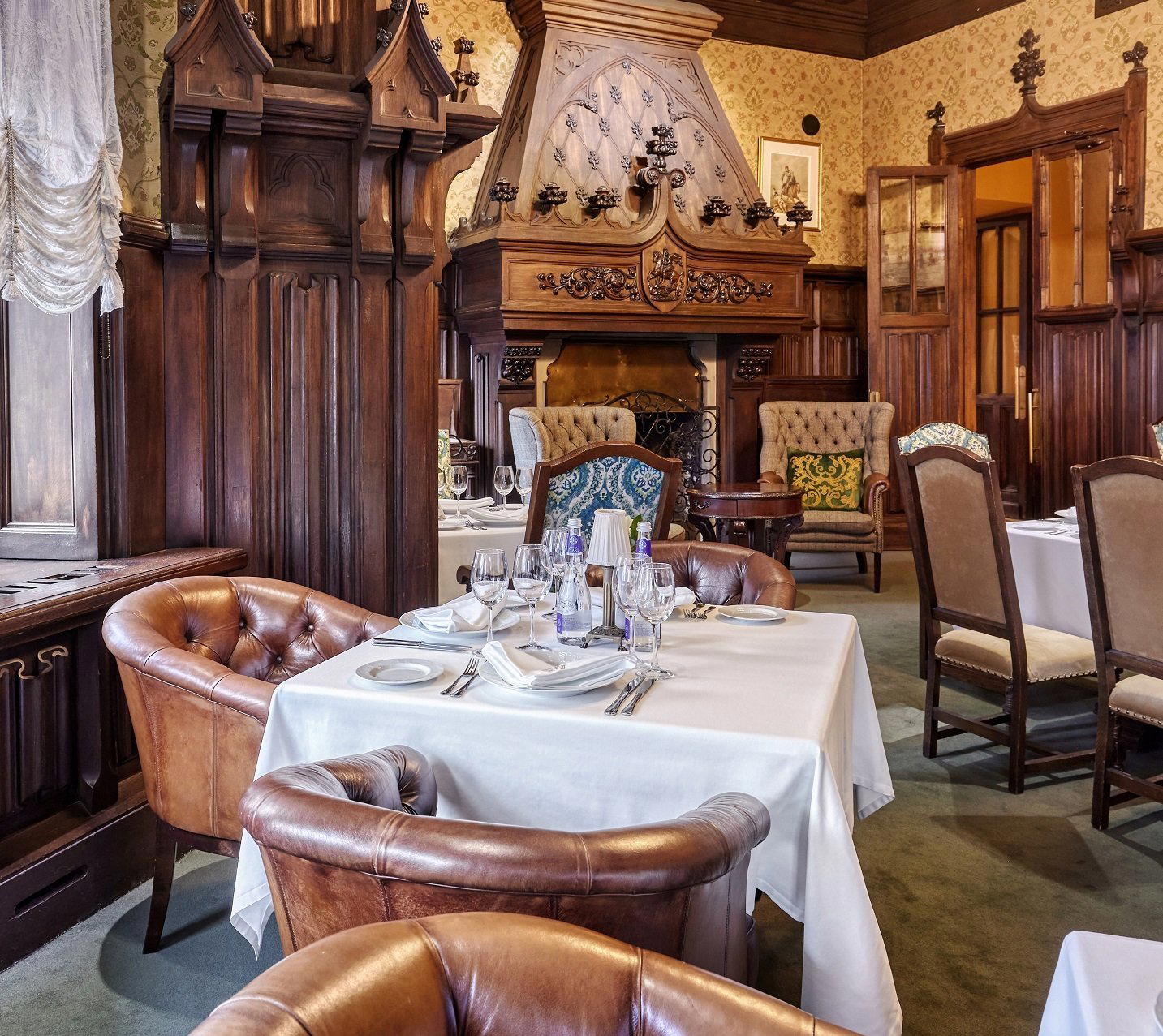
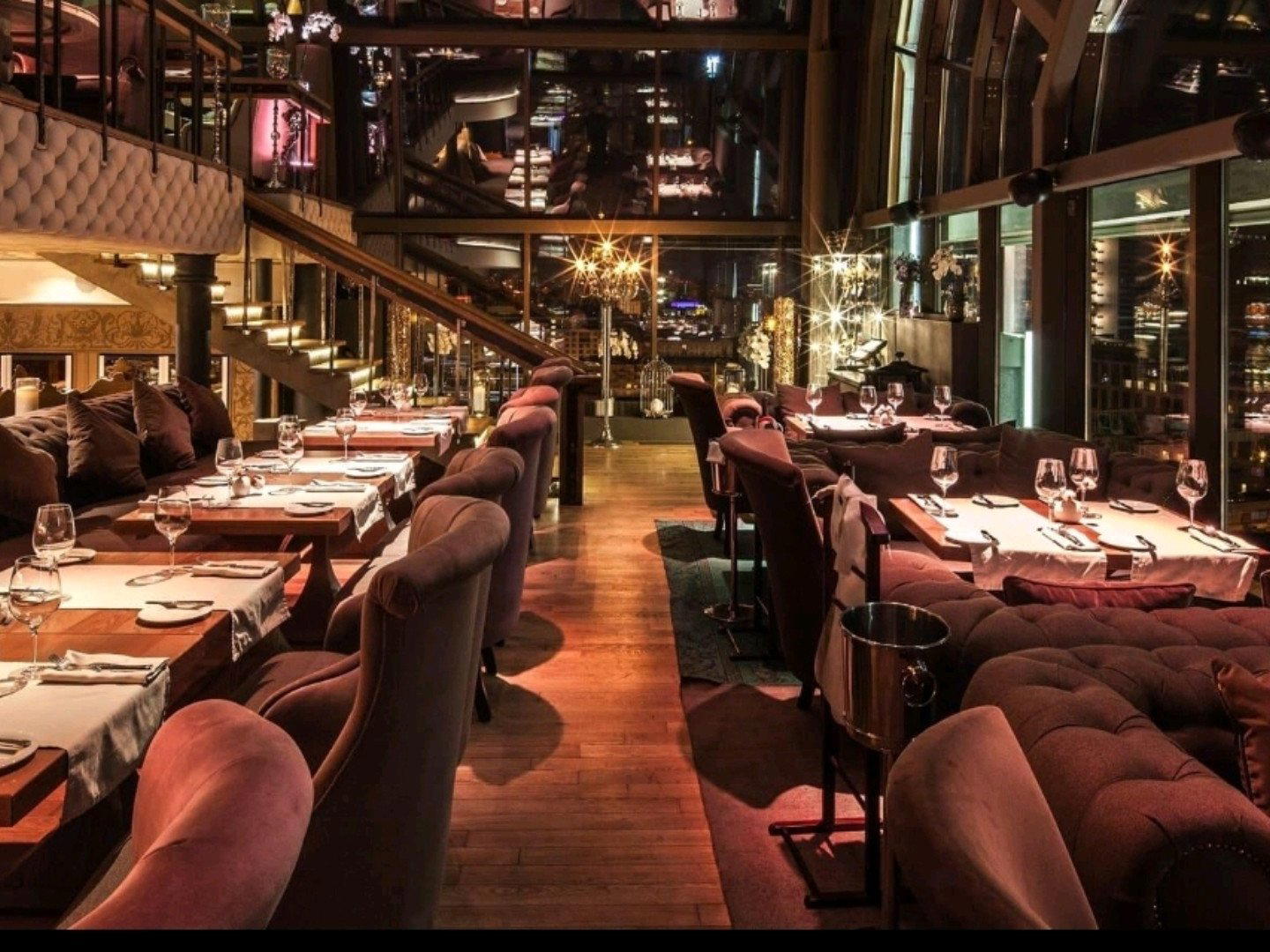
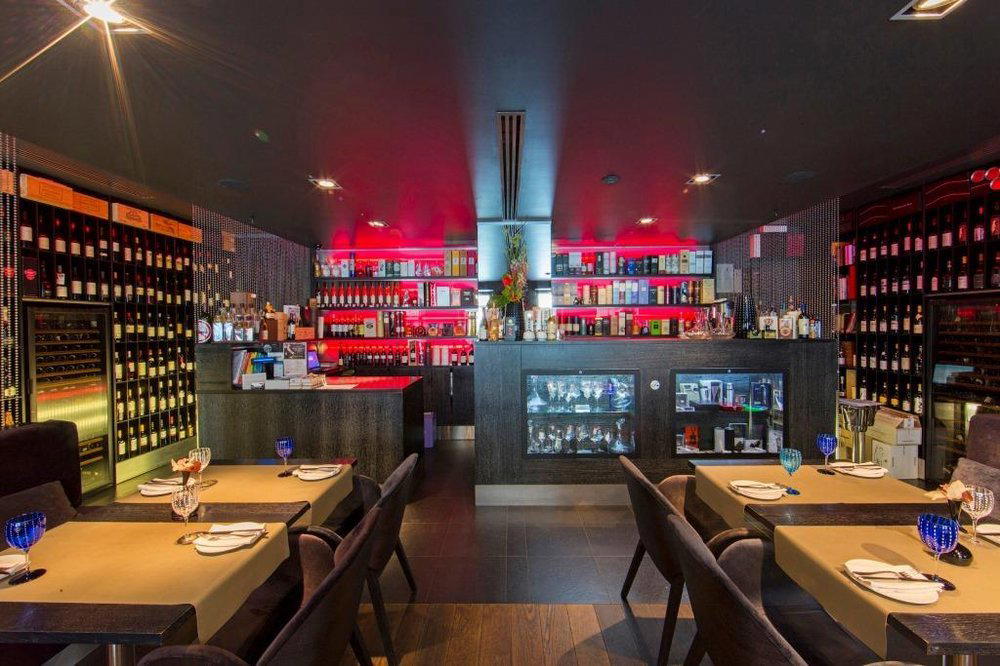
Ground floor offers earthy Dark world with raw textures and intimate tables; first floor provides airy Light world with higher ceilings, central fireplace, and open sightlines.