On Pokrovka Street in central Moscow, Scrocchiarella has built a reputation around the Roman-style pizza tradition that the city's casual dining scene has increasingly embraced. The name itself signals intent: scrocchiarella refers to the characteristic crunch of a thin, well-fermented Roman base. It sits in a tier of Moscow pizzerias that take dough seriously, separating technique from the generic Italian-in-Russia format that dominated the 2000s.
Pearl is the En Primeur Club membership app — saves, bookings, and concierge access live there. Same editors, same standards.
- Address
- Pokrovka St, 1/13с1, Moscow, Russia, 101000
- Phone
- +74997500070
- Website
- scrocchiarella-pizza.ru
- Directions
- Get directions
 Saves & bookings on Pearl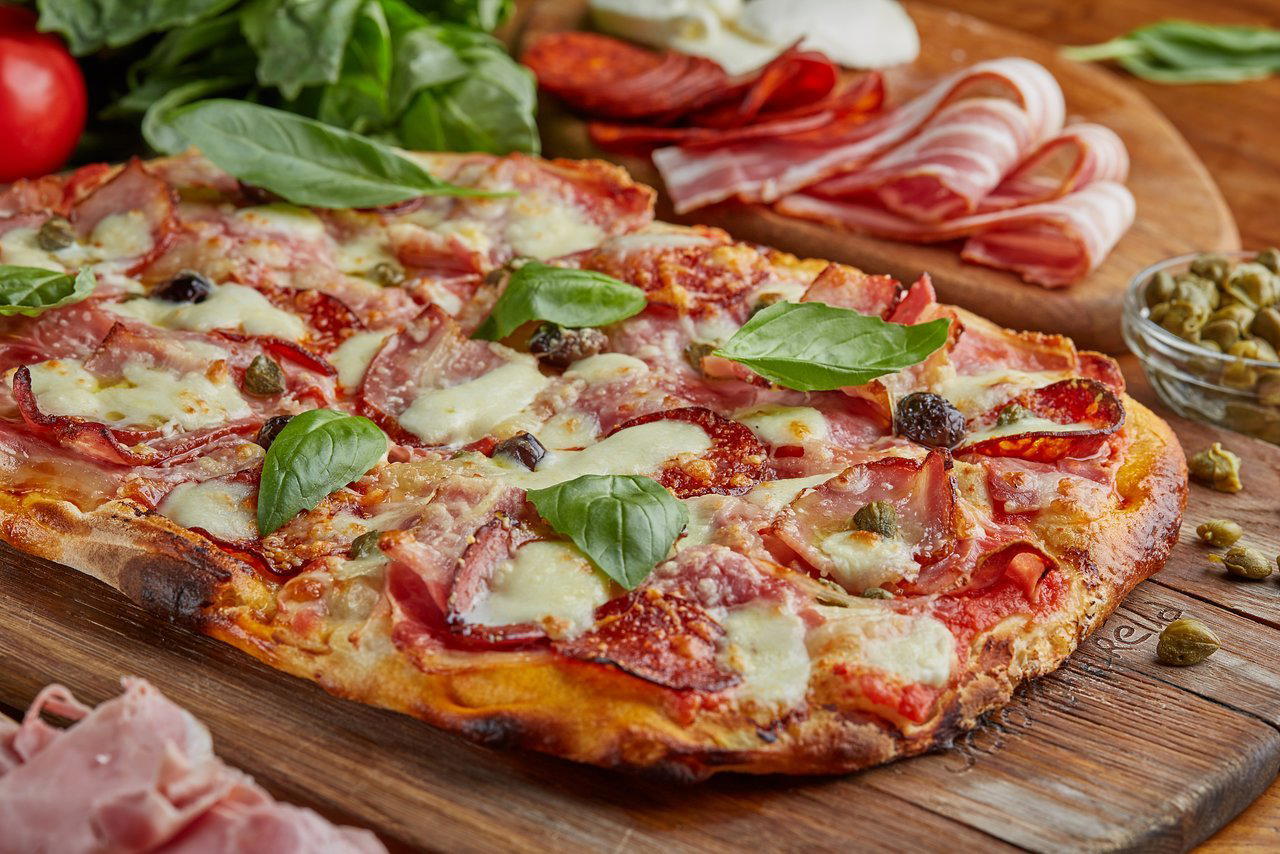
Pokrovka's Pivot Toward Serious Pizza
Moscow's relationship with Italian food has gone through at least two distinct phases. Scrocchiarella is a casual Roman-style Pizza restaurant in Moscow, with.
The Roman Form and What It Actually Demands
The word scrocchiarella is Roman dialect, referring specifically to the audible crunch of a properly made Roman-style pizza base: thin, airy in cross-section despite its flatness, and baked at high temperature until the crust blisters into a cracker-like exterior while the centre retains some give. It is a technically demanding format. The dough requires high hydration and extended cold fermentation, typically 48 to 72 hours at minimum, and any error in gluten development shows immediately in the finished product, either as brittleness throughout or as sogginess at the centre. Getting it right is not a matter of equipment alone; it requires process discipline that many pizzerias skip in favour of faster, more predictable output.
This distinguishes the Roman tradition from its Neapolitan counterpart, which dominates the premium pizza conversation globally. Neapolitan pizza, certified, regulated, with its own trade association and Michelin-recognised practitioners, has received far more international attention over the past decade. Roman pizza by the slice (pizza al taglio) and Roman round pizza (pizza tonda) operate in a different register: less theatrical, more about daily-use eating, and harder to refine into a fine-dining narrative. Moscow's leading pizza addresses have gradually moved toward both traditions, with the Roman form finding particular traction in the casual-but-considered segment that Scrocchiarella occupies.
Evolution Within the Category
The city's upper tier of restaurants, places like Twins Garden with its Modern European program and White Rabbit's modern Russian format, have raised general expectations for ingredient sourcing and technique across all price points. That pressure reaches down into the casual segment, meaning a Pokrovka pizzeria in 2024 operates in a more demanding environment than the same address would have faced in 2014.
Scrocchiarella's evolution within that environment reflects the choices available to an independent operator: deepen the technical commitment to the core product, or diversify the menu to capture a broader audience. The name suggests a commitment to the former. A restaurant that names itself after a specific textural quality of pizza crust is making a positioning statement about where its attention lies. The framing remains consistent with the Roman tradition that gives the name its meaning.
For context on what serious Italian-in-Russia looks like at the upper end, the comparison is less with Moscow's modern Russian kitchens, Varvary and Accenti operate in different register entirely, and more with the European cities where Roman pizza has established a credible fine-casual presence. Rome itself, obviously, but also London and Berlin, where operators have built standalone reputations around the format. Moscow's version of this category remains smaller and less internationally legible, but Scrocchiarella's positioning within it is clear.
Where It Sits in the Moscow Casual Tier
Moscow's casual dining scene has fragmented in useful ways. There are neighbourhood spots like Aist that serve a broad European menu to a regulars-led crowd, and there are more specialist formats where a single cuisine tradition or technique defines the proposition. Scrocchiarella belongs to the specialist sub-tier. This carries risks, a single-format concept lives or dies on execution of that format, but it also creates loyalty among the segment of diners who have decided that Roman-style pizza done properly is worth a specific trip rather than a fallback option.
Across Russia more broadly, the picture of serious casual dining is geographically wider than the Moscow-Saint Petersburg axis suggests. Operators in cities including Kukhterin in Tomsk, Dzhani Restorani in Nizhny Novgorod, and Khmeli Suneli in Yekaterinburg have built audiences around regional specificity and consistent craft, demonstrating that the demand for technically serious food is not limited to the two largest cities. Saint Petersburg's own Italian and European casual scene, represented by spots like 1913 and Lev I Ptichka, provides a useful parallel to what Moscow's Pokrovka corridor is doing at a neighbourhood scale.
Planning a Visit
Scrocchiarella is on Pokrovka Street at 1/13с1, a central Moscow address accessible from the Chistye Prudy or Kitay-Gorod metro stations.
Recognition, Side-by-Side
Comparable venues nearby, for context on price, style, and recognition.
| Venue | Cuisine | Price | Notes |
|---|---|---|---|
| ScrocchiarellaThis venue — the venue you are viewing | Roman-style Pizza | $$ | Not listed |
| Probka | Classic Italian with Pizza | $$ | Tsvetnoy Boulevard |
| KU: Рамен Изакая Бар | Japanese Ramen Izakaya | $$ | Moscow City |
| Bistrot | Italian Bistro (Tuscany-inspired) | $$ | Khamovniki |
| Chito-Ra | Authentic Georgian | $$ | District Central (TsAO) |
| Accenti | Italian Seafood Trattoria | $$$ | Ostozhenka-Golden Mile |
At a Glance
- Rustic
- Cozy
- Family
- Casual Hangout
- Open Kitchen
Current opening hours
- Monday
- 10 AM–12 AM
- Tuesday
- 10 AM–12 AM
- Wednesday
- 10 AM–12 AM
- Thursday
- 10 AM–12 AM
- Friday
- 10 AM–12 AM
- Saturday
- 10 AM–12 AM
- Sunday
- 10 AM–12 AM
Hours can change for holidays and private events. Last verified .
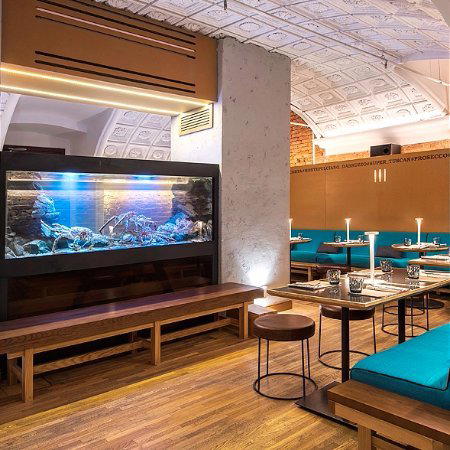
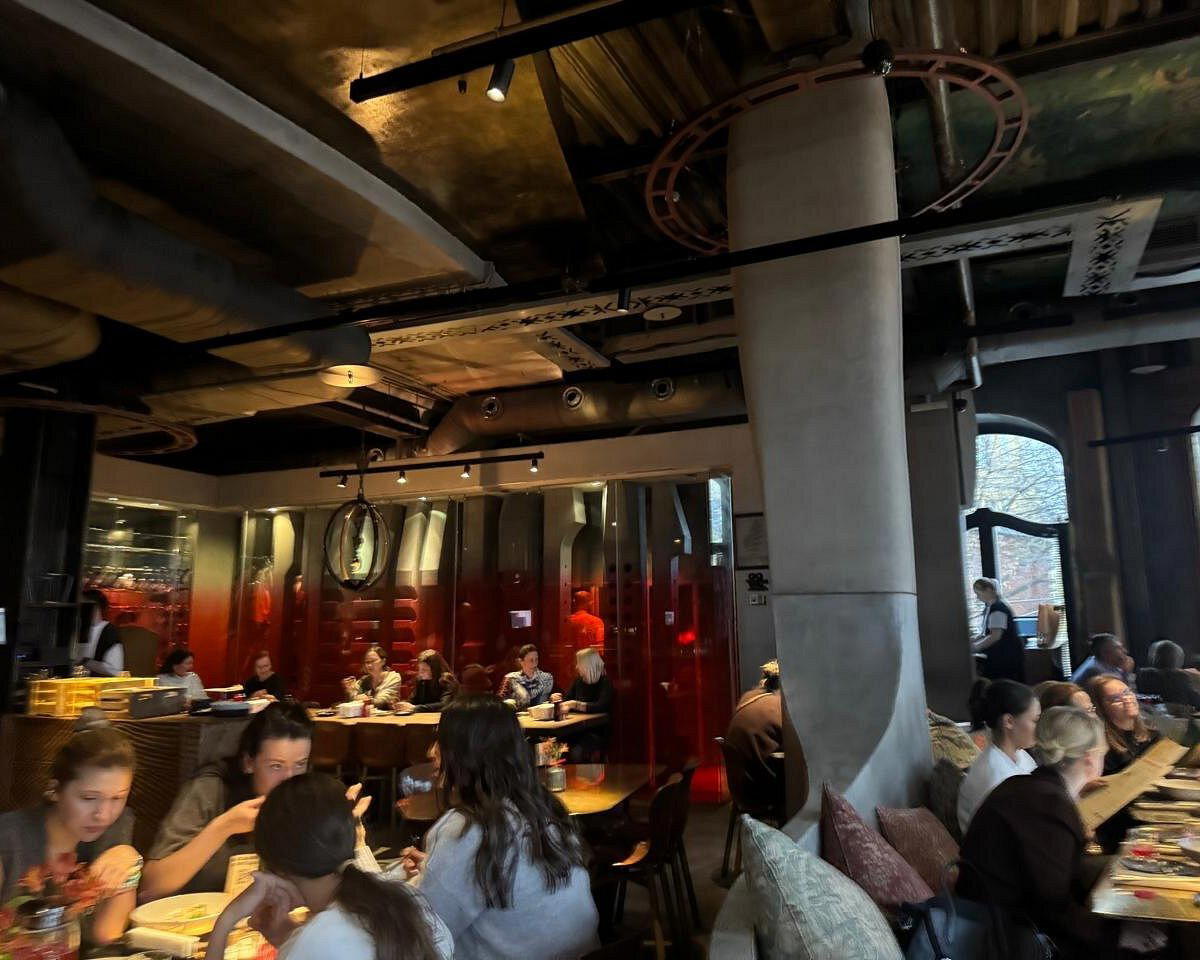
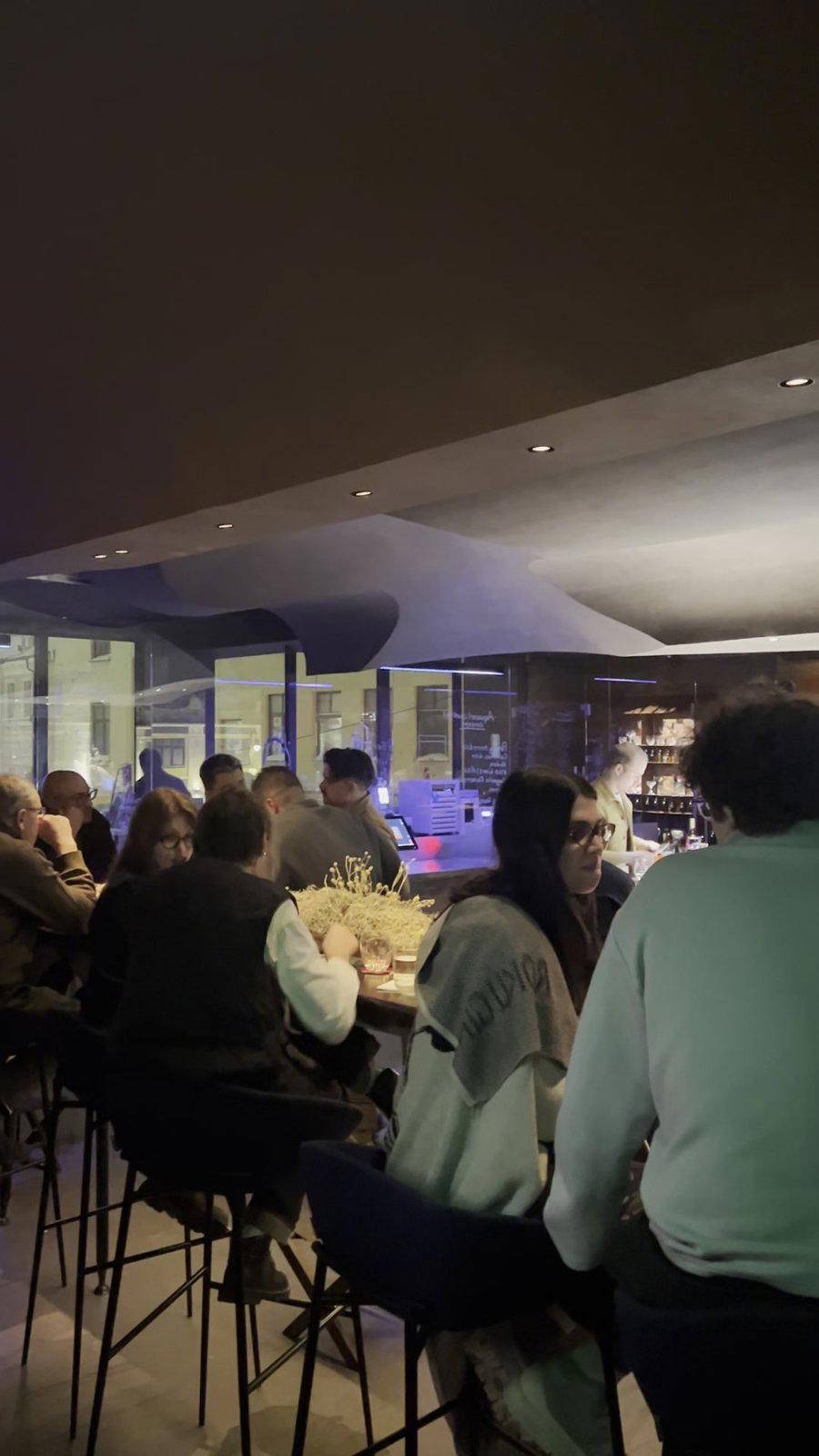
Rustic interior with red brick walls, bare walls, wooden tables, and a simple, cozy atmosphere.