

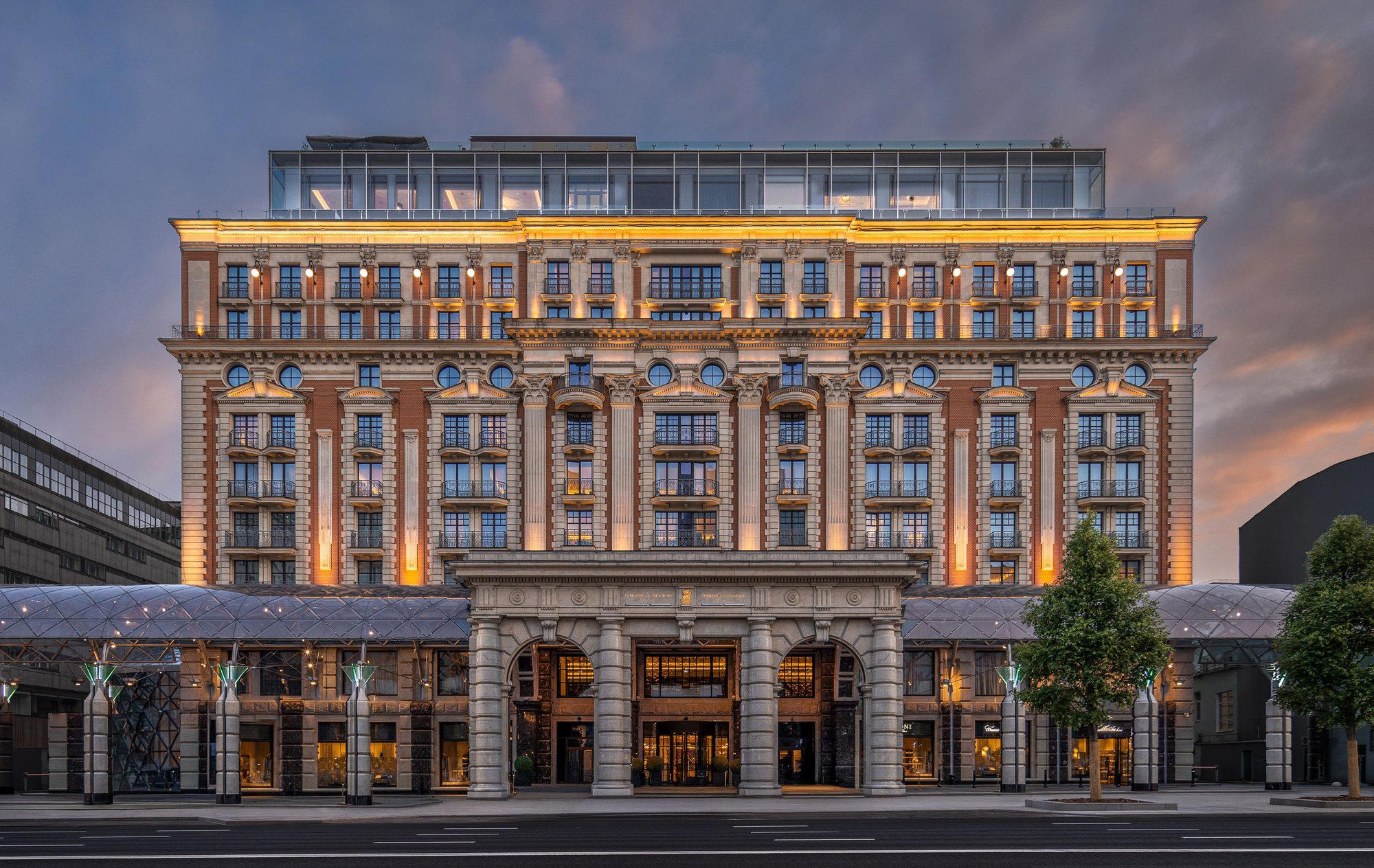
Positioned on the south bank of the Moskva River directly opposite the Kremlin, Hotel Baltschug Kempinski Moscow occupies among the more geographically significant addresses in Russian hospitality. The property earned 95 points in the La Liste Top Hotels 2026 ranking, placing it among the measured upper tier of Moscow luxury. For travellers whose itinerary demands both historical proximity and a calibrated service standard, it represents a considered choice.
Pearl is the En Primeur Club membership app — saves, bookings, and concierge access live there. Same editors, same standards.
- Address
- Balchug St, 1, Moskva, 115035
- Phone
- +7 495 287-20-00
- Website
- baltschughotel.ru
- Directions
- Get directions
 Saves & bookings on Pearl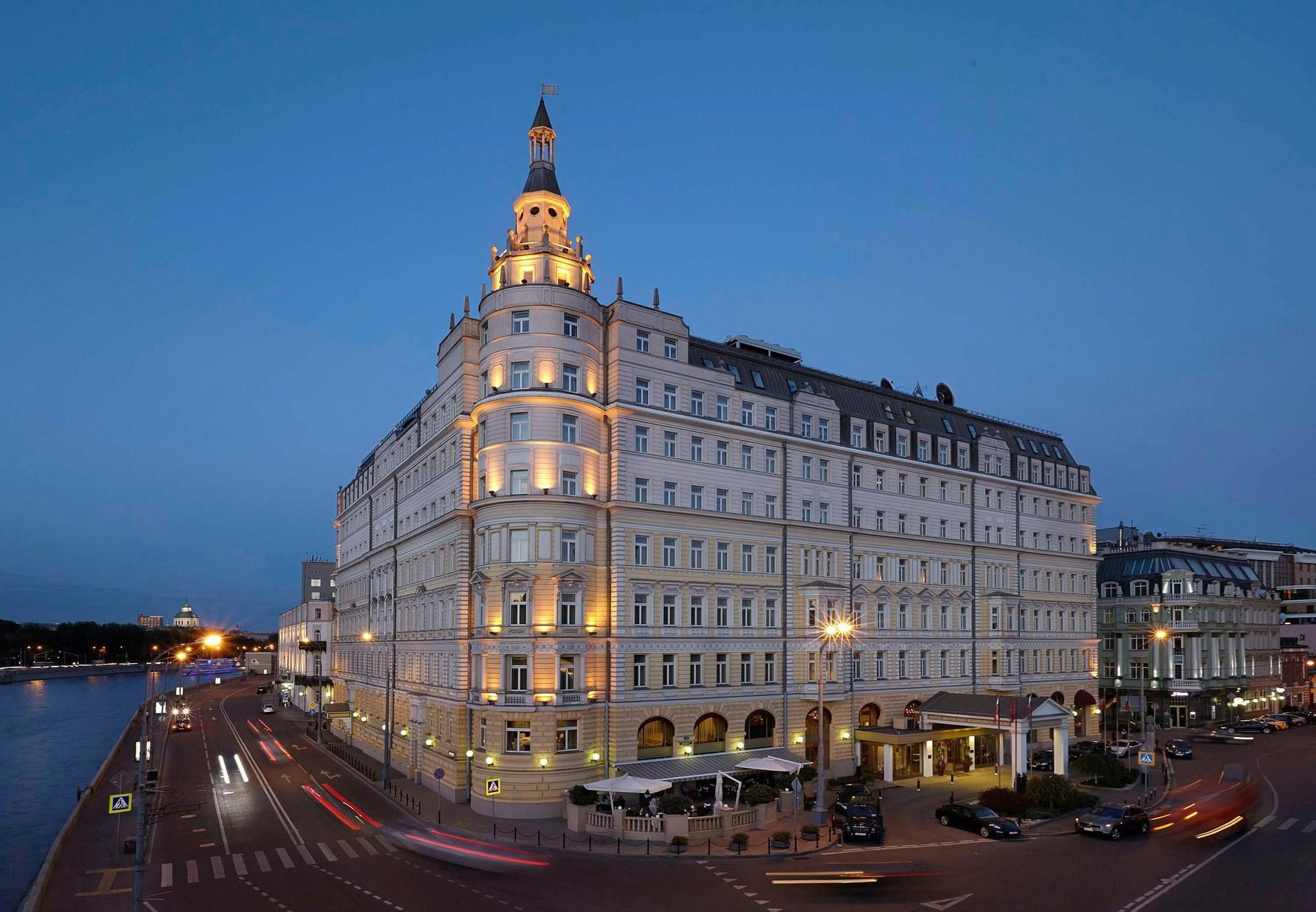
Across the River from History
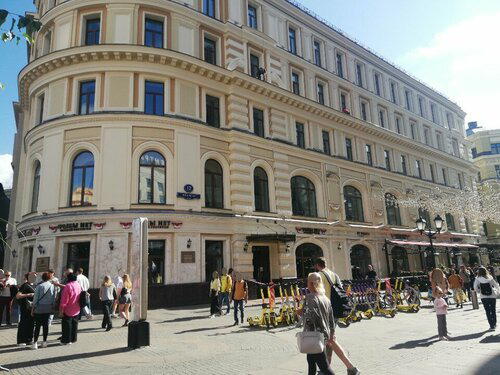
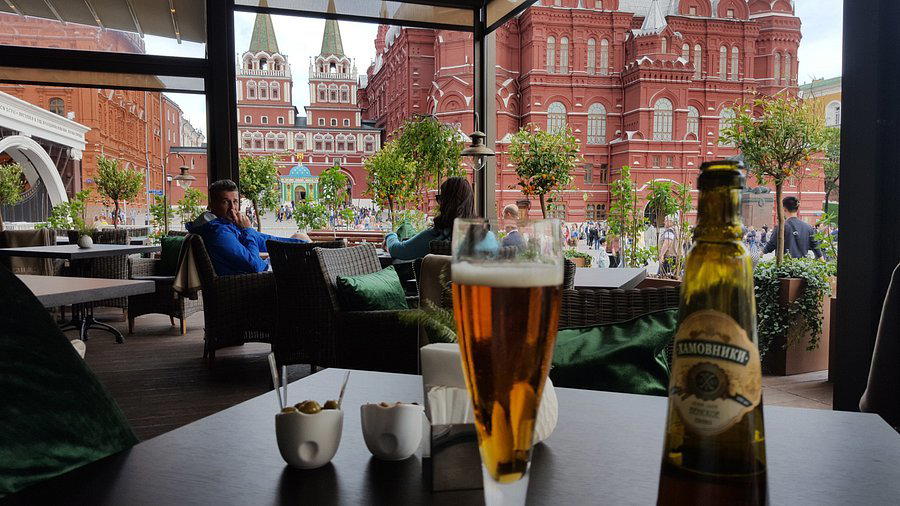
The southern bank of the Moskva River has always been the vantage point, not the destination. Centuries of Muscovites looked north from Balchug toward the Kremlin walls and the gilded domes of the Cathedral of the Annunciation, and the address has carried that directional logic ever since. Hotel Baltschug Kempinski Moscow occupies that position today, placing guests on the quieter, less trafficked side of the river with an unobstructed sightline to among the more loaded skylines in Europe. It is a location that works in both directions: the Kremlin and Red Square are a short walk across the bridge, while the hotel itself sits at a remove from the density of the city centre, giving the building a composure that properties deeper in the tourist circuit cannot match.
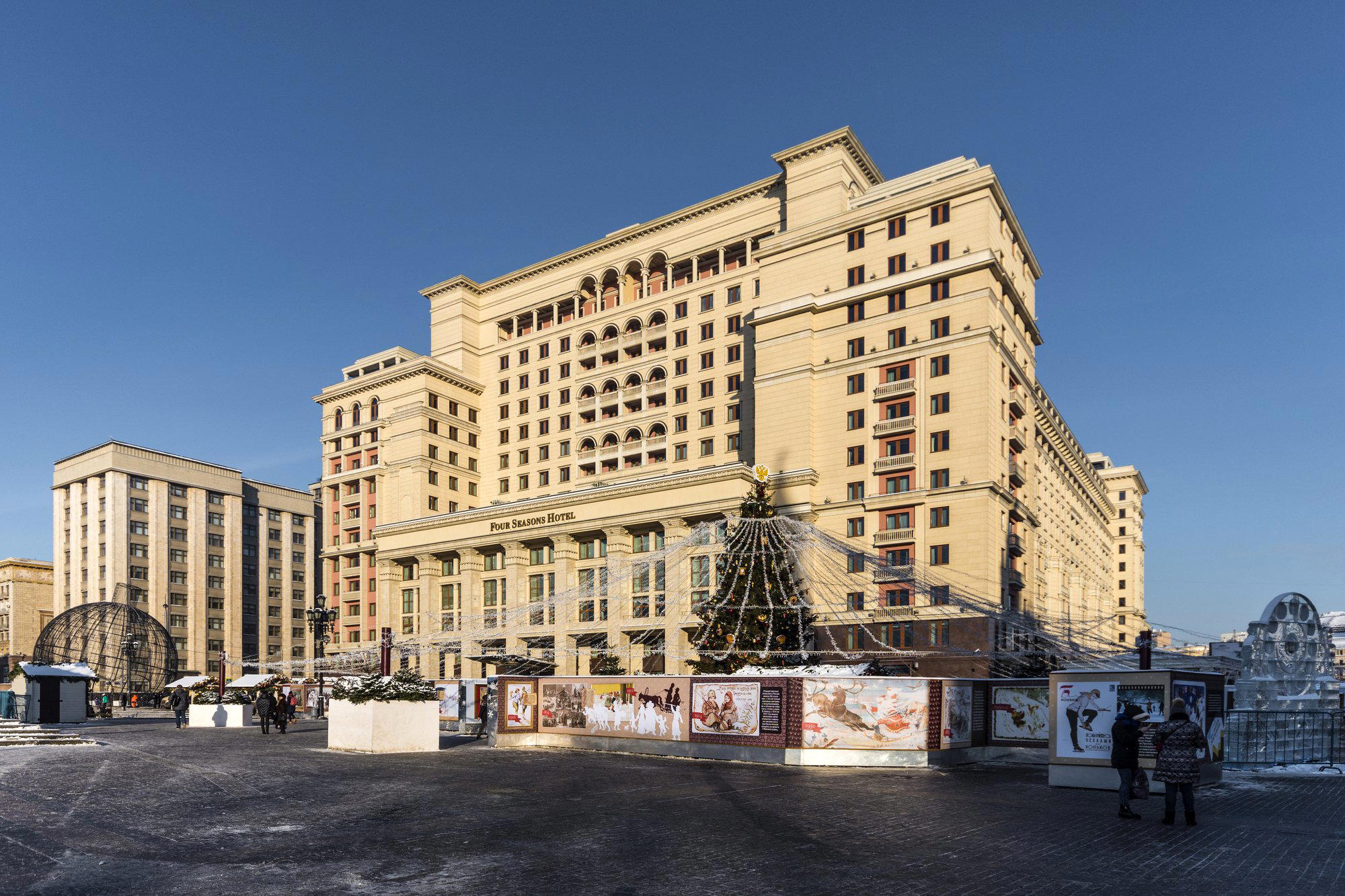
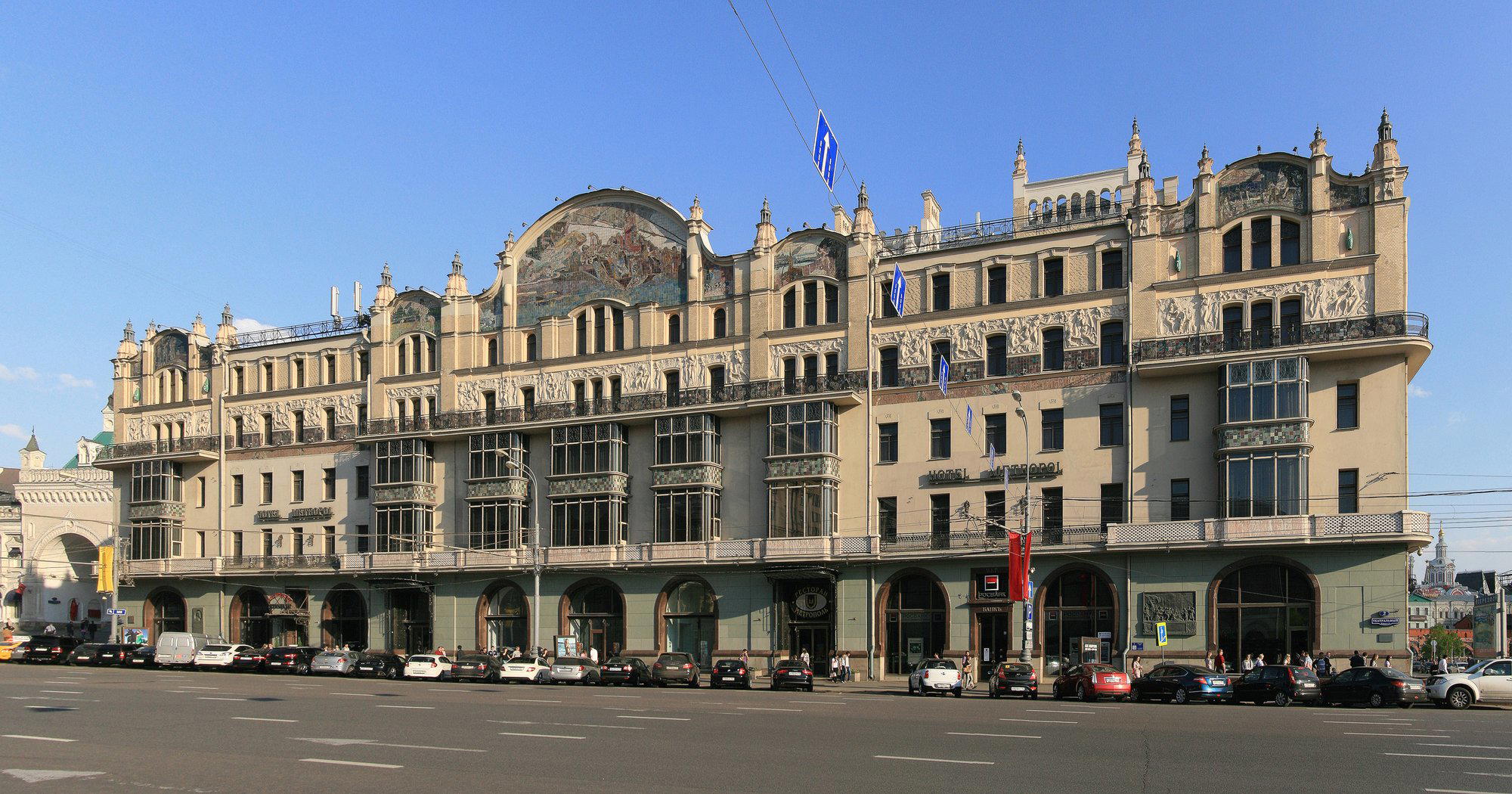
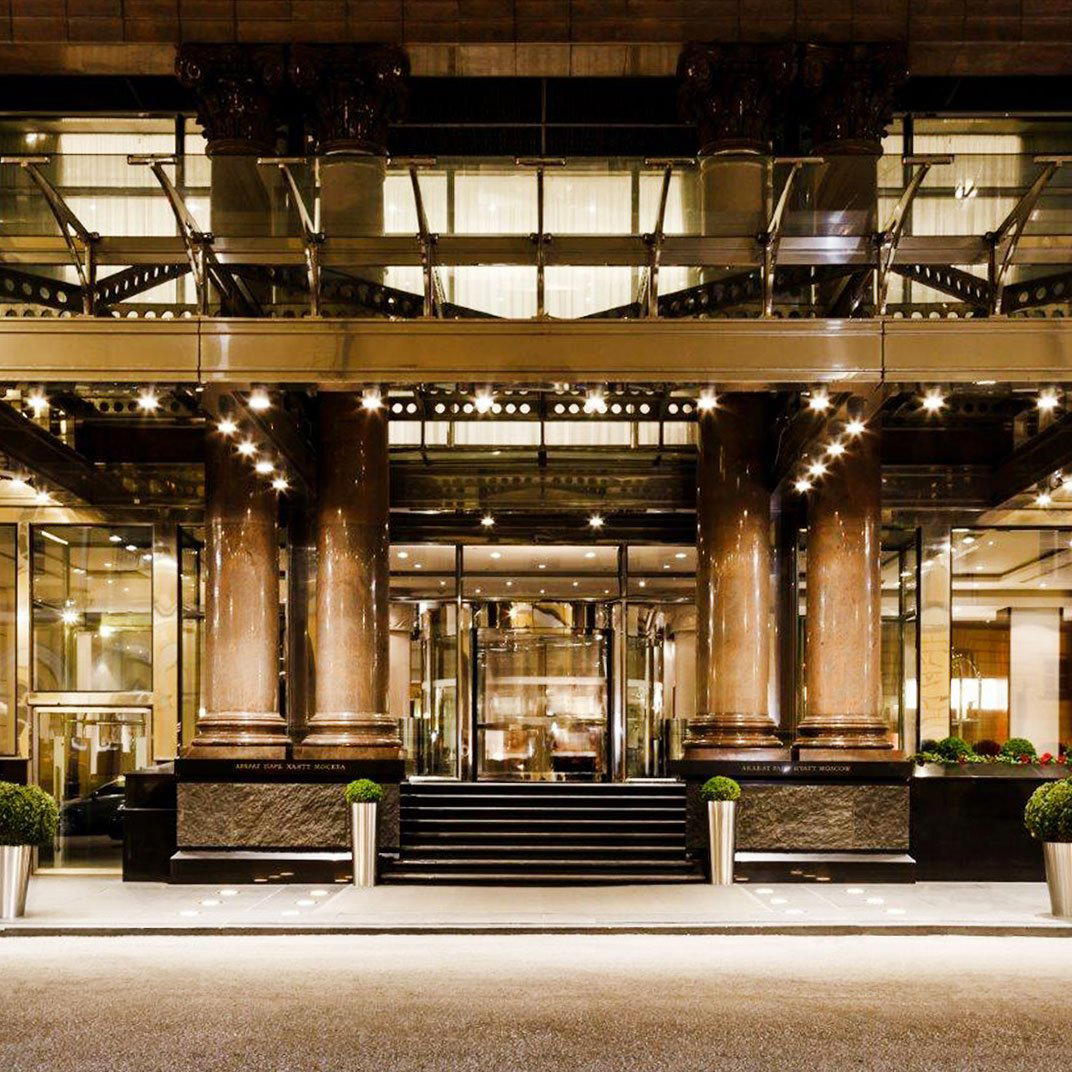
In the broader context of Moscow's upper-tier hotel market, Baltschug Kempinski belongs to a specific cohort: established international brands with pre-2000 footprints in the city, operating in buildings with genuine historical weight rather than purpose-built glass towers. That cohort also includes properties such as Hotel Metropol Moscow and Ararat Park Hyatt Moscow, each of which occupies a different register of the luxury bracket but competes for the same traveller who values address as much as amenity. The Four Seasons Hotel Moscow, positioned on Manezhnaya Square adjacent to the Alexander Garden, is the closest geographic rival in terms of Kremlin proximity, though its format is considerably newer. Baltschug Kempinski's particular argument is duration: it has held this river-facing position through multiple cycles of the city's hospitality market.
The La Liste Signal and What It Implies
La Liste Leading Hotels 2026 awarded Baltschug Kempinski Moscow 95 points, a score that positions it within the upper band of the global ranking rather than its middle tier. La Liste aggregates critical and consumer data across dozens of sources before producing its final scores, which means a 95-point result is a composite signal rather than a single reviewer's opinion. For Moscow specifically, where the hotel landscape has contracted in terms of internationally ranked properties following recent years' geopolitical shifts, this score carries additional weight as an indicator of maintained operational standards. The The St. Regis Moscow Nikolskaya and The Carlton, Moscow operate in the same general tier and are worth comparing if the Kempinski address does not fit a particular itinerary.
Globally, a 95-point La Liste score places Baltschug Kempinski in the same measurement framework as properties such as Cheval Blanc Paris, Hotel Bel-Air in Los Angeles, and Bvlgari Hotel Tokyo, though each of those properties operates in a different city context and price bracket. The score functions as a credentialing signal, confirming that Baltschug Kempinski holds a defensible position among ranked international hotels, not merely among Moscow options.
Service as Architecture
Among international hotel groups, Kempinski has historically differentiated on service formality rather than design spectacle. The brand's European palace-hotel lineage, running from Geneva to Munich to Berlin, has produced a service culture that emphasises precision over personality, anticipatory gesture over expressive warmth. Whether that translates to a preference depends entirely on the guest: travellers who want a hotel that reads the room quietly and adjusts without being asked tend to align with this format, while those who prefer a more animated, relationship-driven front-of-house experience may find the register slightly cool. At Baltschug specifically, the river-facing rooms create a situation where the physical environment does a significant portion of the hospitality work, and the service layer operates as a structural complement rather than the primary draw.
The dynamic is common across upper-tier properties in cities where the address itself is the product. Badrutt's Palace Hotel in St. Moritz and Hôtel de Paris Monte-Carlo both operate on a similar principle: the view, the history, and the address carry weight that service must support rather than replace. At Baltschug, that means staff calibration toward the needs of guests who already know why they booked the river-facing side, rather than guests who need convincing.
Moscow Context and the Nearby Competition
The Zamoskvorechye district, where Baltschug Street sits, has historically been a merchant quarter, separated from the political and ecclesiastical centre of Moscow by the river. That separation still operates in terms of atmosphere: crossing the Bolshoy Moskvoretsky Bridge on foot takes less than ten minutes, but the transition from the quieter southern bank to the density of Red Square is immediate and significant. For guests who plan to use the hotel as a base for the Kremlin museums, the Tretyakov Gallery (a fifteen-minute walk south along Lavrushinsky Lane), or the Zaryadye Park, the location has genuine operational logic. For guests whose Moscow programme is primarily business-oriented in the west of the city, the address adds commute time that a property such as Swissotel Krasnye Holmy on the opposite end of the river bend would not.
Stella di Mosca Hotel and other mid-tier options in the area provide reference points for price compression, though they operate in a different service and infrastructure bracket. Travellers considering alternatives in other Russian cities might also look at Astoriya in Saint Petersburg, Angleterre Hotel in Saint Petersburg, or Lotte Hotel St. Petersburg for comparable calibre in a different urban context. For those seeking further afield Russian territory, Baikal Residence in Severobaikalsk represents the opposite end of the format spectrum: remote, intimate, and nature-oriented rather than urban and historically positioned.
Those extending travel beyond Russia may find relevant comparisons in properties such as Aman Venice, Castello di Reschio in Lisciano Niccone, Amangiri in Canyon Point, Aman New York, The Fifth Avenue Hotel in New York City, Hotel Esencia in Tulum, Hotel Du Cap-Eden-Roc in Cap d'Antibes, and Mriya Resort & Spa in Opolzneve, all of which carry comparable positioning signals within the La Liste framework.
Planning Your Stay
Balchug Street 1 places the hotel within the Zamoskvorechye district, accessible from Novokuznetskaya and Tretyakovskaya metro stations on the Circle and Kalininskaya lines. The Kremlin is accessible on foot in under ten minutes via the bridge. Given the current context of international travel to Russia, guests should confirm visa requirements and booking logistics well in advance.
Where It Fits
Comparable venues nearby, for context on price, style, and recognition.
| Venue | Cuisine | Price | Awards | Notes |
|---|---|---|---|---|
| Hotel Baltschug Kempinski MoscowThis venue — the venue you are viewing | Classic European grand hotel with historic facade renovated for modern luxury. | $$$$ | 5-Star | Not listed |
| Four Seasons Hotel Moscow | Historic luxury hotel blending original architecture with modern luxury. | $$$$ | 5-Star | Red Square |
| The Carlton, Moscow | Luxury urban hotel celebrating Russian design and craftsmanship near Red Square. | $$$$ | 5-Star | Tverskaya Street |
| Ararat Park Hyatt Moscow | Contemporary luxury residential-style hotel with internationally prominent design and service standards. | $$$$ | 5-Star | Central Moscow |
| Hotel Metropol Moscow | Historic palace hotel blending early 20th-century Art Nouveau grandeur with contemporary luxury and modern smart-home technology. | $$$$ | 5-Star | Moscow City Centre |
| Swissotel Krasnye Holmy | Modern high-rise tower with panoramic city views and Swiss hospitality. | $$$$ | 5-Star | Krasnye Holmy |
Recognition history
Dated appearances from independent guides and award organizations, with the underlying list record or original source where available.
La Liste Top Hotels
La Liste
Michelin Selected
Michelin

At a Glance
- Elegant
- Sophisticated
- Classic
- Ornate
- Well Known
- Romantic Getaway
- Business Trip
- Anniversary
- Panoramic View
- Historic Building
- Wi Fi
- Pool
- Spa
- Fitness Center
- Room Service
- Concierge
- Business Center
- Valet Parking
- Skyline
- Waterfront
- Wi Fi
- Pool
- Spa
- Fitness Center
- Room Service
- Concierge
- Business Center
- Valet Parking
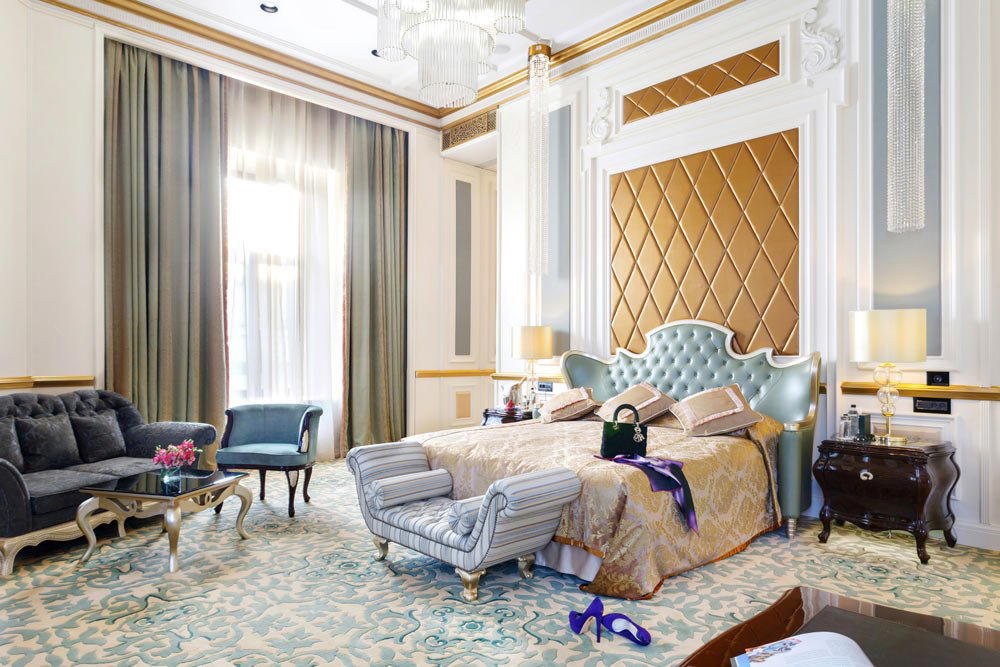
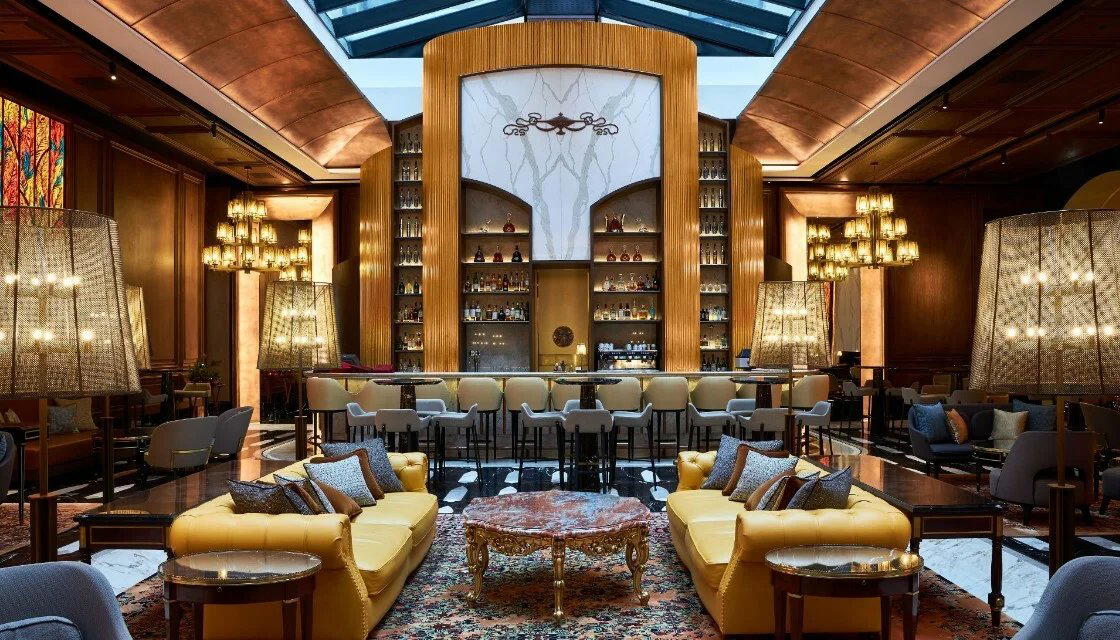
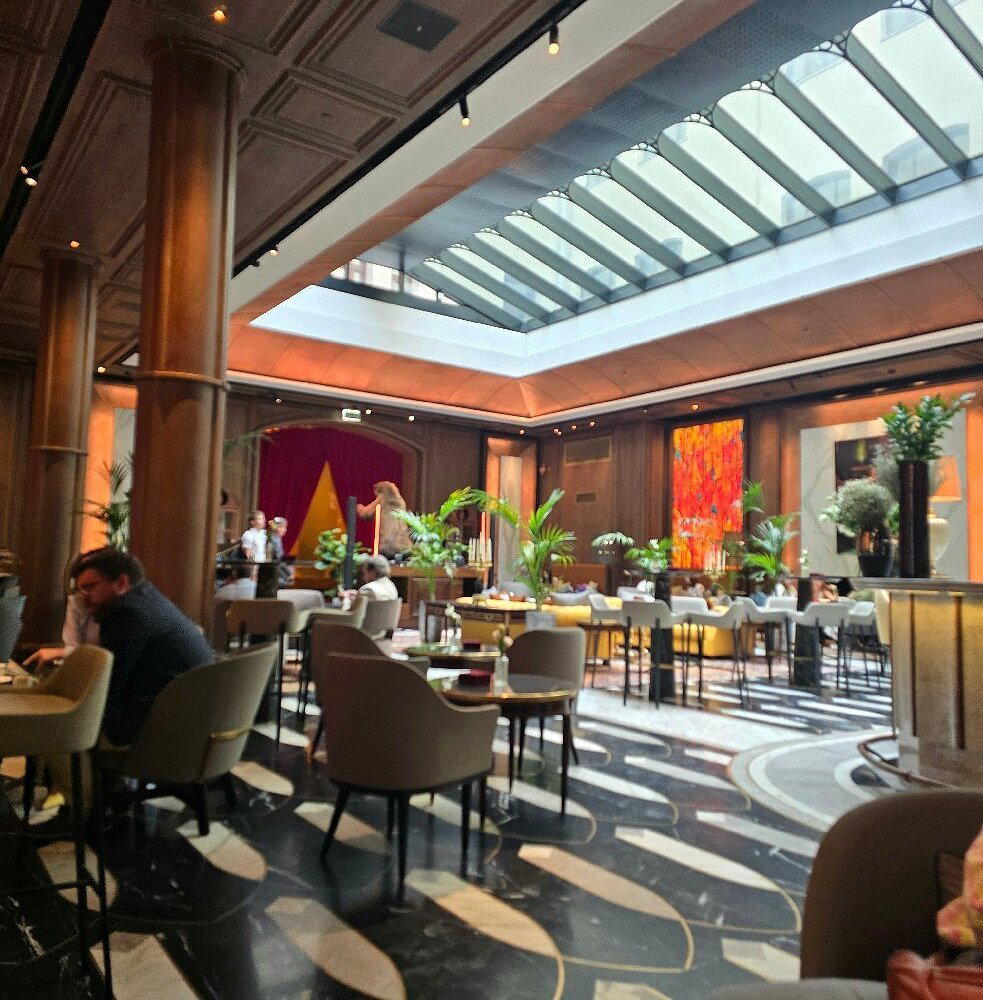
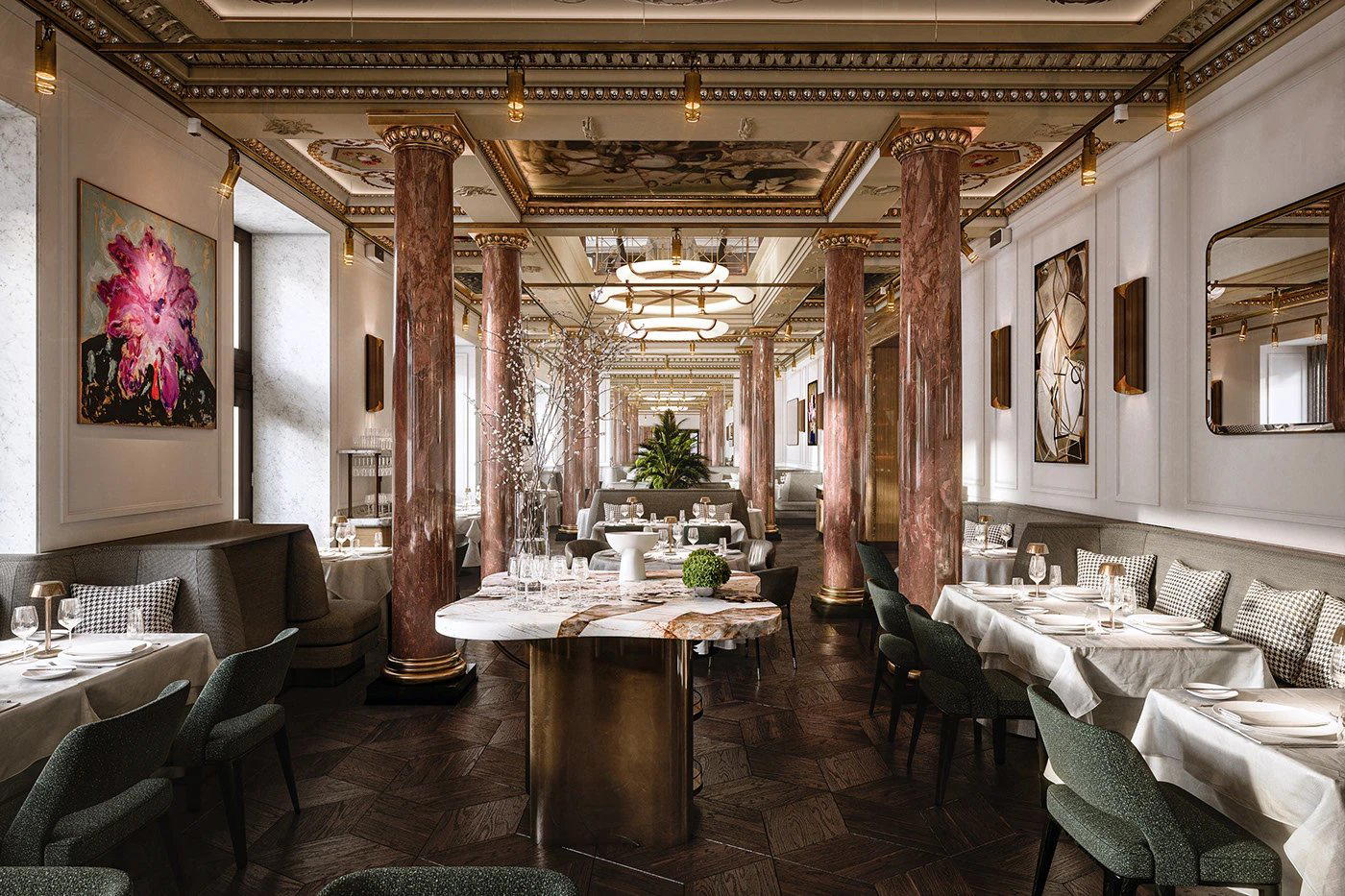
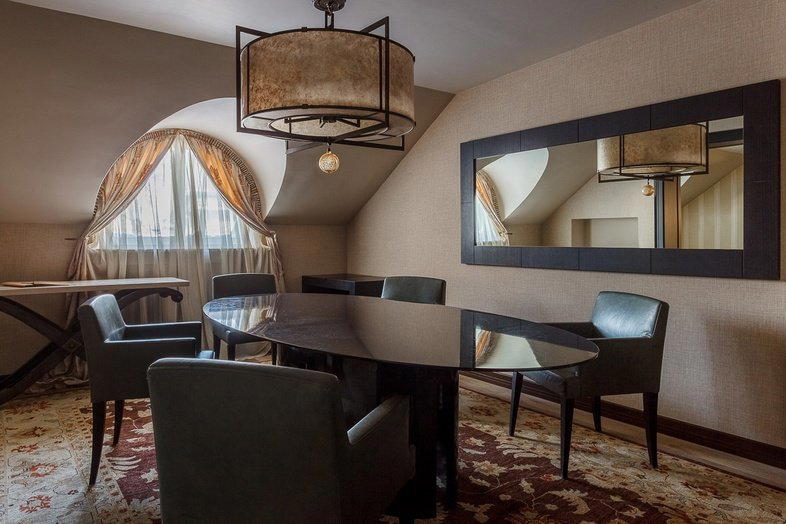
Elegant and relaxing atmosphere with spacious, light-filled rooms featuring traditional Russian design, soft lighting, and views of well-known landmarks.