
On Povarskaya Street in central Moscow, Ц.Д.Л. (TS.D.L.) occupies the storied former Central House of Writers, bringing Russian traditional cuisine into a setting freighted with Soviet literary history. Recognised on La Liste's global rankings in both 2025 and 2026, the restaurant holds, placing it firmly within Moscow's upper tier of serious dining addresses.
Pearl is the En Primeur Club membership app — saves, bookings, and concierge access live there. Same editors, same standards.
- Address
- Povarskaya St, 50/53 строение 1, Moscow, Russia, 121069
- Phone
- +7 495 663-30-03
- Website
- restcdl.ru
- Directions
- Get directions
 Saves & bookings on Pearl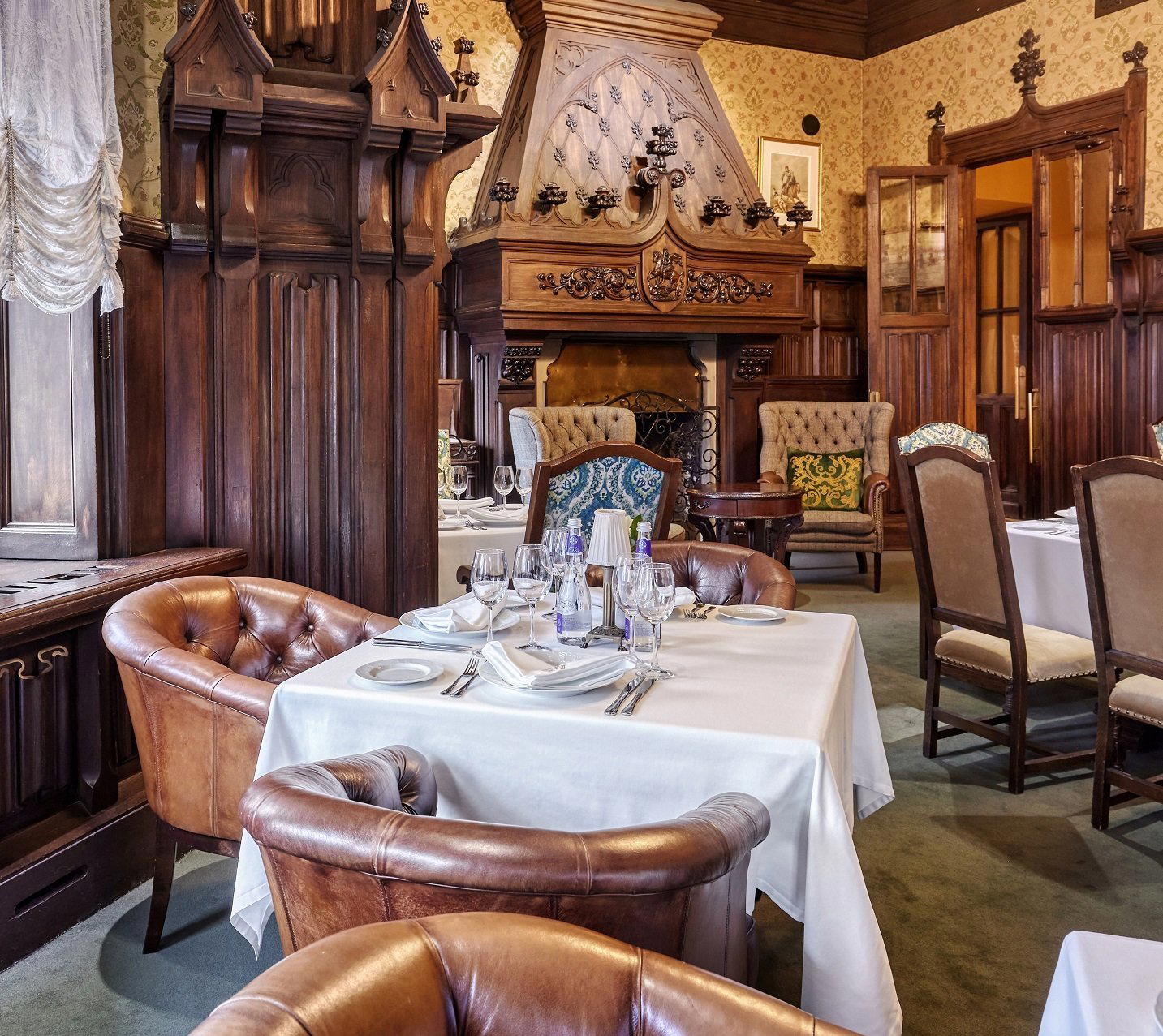
A Building That Sets the Tempo Before You Sit Down
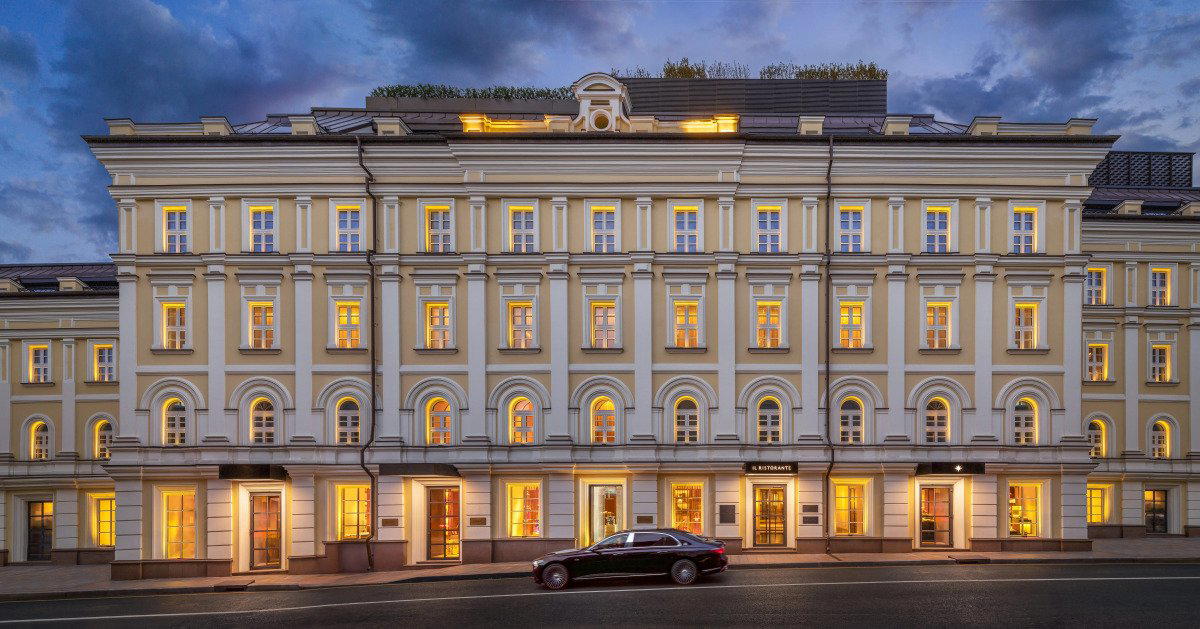
Povarskaya Street has long occupied a particular place in Moscow's cultural geography, running westward from the Garden Ring through a neighbourhood dense with pre-revolutionary mansions and Soviet-era institutions. The building at number 50/53, a sprawling neoclassical structure that once housed the Central House of Writers, carries the particular weight of a place where history didn't so much happen as accumulate. Arriving here, the architecture alone signals that the meal ahead will observe a certain pace and protocol. This is a restaurant that encourages you to slow down.
That pacing is central to how Russian traditional dining, at its more considered end, has always differentiated itself from the European formats that have periodically colonised Moscow's restaurant scene. Classical Russian service traditions favour amplitude: dishes with volume, tables with space, and a meal that permits conversation across two or three hours without feeling staged. Ц.Д.Л. operates within that tradition rather than against it, which places it in a distinct position relative to Moscow's more internationally aligned addresses such as Twins Garden (Modern European) or White Rabbit (Modern Russian).
Where TS.D.L. Sits in Moscow's Upper Tier
Moscow's premium restaurant tier has bifurcated with some clarity over the past decade. On one side sit the internationally recognised modernist addresses, competing for rankings and tasting-menu prestige. On the other sits a smaller cohort of restaurants whose claim on quality rests not on innovation but on depth of tradition, product sourcing, and the command of a classical repertoire that relatively few kitchens now bother to maintain. Ц.Д.Л. belongs to this second group, alongside Varvary (Russian Cuisine) and Artest (Russian Cuisine), all of which treat Russian culinary heritage as a living practice rather than a nostalgia exercise.
La Liste scored Ц.Д.Л. at 82.5 points in 2025 and 79 points in 2026. The slight downward movement over that period reflects competition in the ranking. At 79 points, the restaurant still sits above many of Moscow's prominent dining rooms.
For broader context on where this sits within the Moscow dining map, Moscow restaurants guide covers the city's current range from modernist tasting menus to traditional houses like this one.
The Grammar of the Meal
Eating Russian traditional cuisine at a serious address follows a grammar that differs meaningfully from the omakase or tasting-menu formats that have shaped fine dining expectations globally. Cold appetisers carry significant weight in the structure of a Russian meal, functioning not as amuse-bouches but as a full chapter of the table. Cured fish, marinated vegetables, game preparations, and salads with considered dressings are not preludes to the main course, they are part of the main event, and a kitchen's handling of them reveals its technical range as clearly as any hot dish. At addresses working in the classical tradition, this section of the meal rewards attention rather than impatience.
The hot courses that follow tend toward richness and depth of technique: braises and roasts that reflect a cooking tradition shaped by cold winters and the preservation demands of a large country with extreme seasonal variation. This is food designed to satisfy at a physiological level as well as an aesthetic one, which is a different brief than the precision-portioned compositions that characterise modernist formats like Chefs Table (Russian Fusion). Neither approach is superior in absolute terms; they are answers to different questions about what a restaurant meal is for.
Service at venues in this tradition typically follows a less choreographed rhythm than at European fine dining addresses. Dishes arrive when ready, conversation is not interrupted by unnecessary tableside narration, and the expectation is that guests will remain for as long as the table warrants. This is worth understanding before you arrive: a booking at Ц.Д.Л. on Povarskaya Street is a commitment to a particular kind of evening rather than a transaction timed to the next engagement.
The Povarskaya Context
The street name itself is instructive. Povarskaya derives from the Russian word for cook, and the area was historically associated with court provisioning in the Tsarist period. That etymology has mostly dissolved into the residential and institutional character the neighbourhood acquired in the Soviet era, but the address retains a certain gravitas that Patriarch's Ponds-adjacent restaurants or Gorky Park-adjacent concepts do not share. The Central House of Writers, which gave the building its Soviet-era identity, was a closed institution for members of the Writers' Union, a place with its own dining rooms, billiards halls, and internal social hierarchies. That history layers into the experience of sitting in the space today in ways that are difficult to separate from the act of eating itself.
Moscow's traditional dining scene extends well beyond the Garden Ring. If you are building an itinerary around this style of cuisine across Russia, Birch in St. Petersburg and Bourgeois Bohemians in Sankt-Peterburg represent the northern counterpart to Moscow's approach, while Онегин Дача (Onegin Dacha) in Rostov and Царская Охота (Tsarskaya Okhota) in Zhukovka show how the tradition translates outside the capital. For regional variety, SEASONS in Kaliningrad and Leo Wine and Kitchen in Rostov offer interesting points of comparison for the broader Russian dining scene, while La Colline in Bolshoye Sareyevo represents the European-inflected alternative available within a short drive of Moscow.
Planning a Visit
Ц.Д.Л. is located at Povarskaya Street 50/53, Building 1, Moscow 121069. The address is accessible from the Arbatskaya or Barrikadnaya metro stations, both within comfortable walking distance. The restaurant is open Monday to Friday from 10 AM to 12 AM and Saturday and Sunday from 12 PM to 12 AM, with reservations recommended and a smart casual dress code.
For a full overview of what Moscow's hospitality scene offers beyond restaurants, our Moscow hotels guide, Moscow bars guide, Moscow wineries guide, and Moscow experiences guide cover the city's broader offer. For international comparison, Le Bernardin in New York City represents a different but instructive model of how classical culinary tradition, in that case French seafood, sustains long-term recognition in a competitive metropolitan market.
Cuisine Lens
Comparable venues nearby, for context on price, style, and recognition.
| Venue | Cuisine | Price | Notes |
|---|---|---|---|
| Ц.Д.Л. - TS.D.L.This venue — the venue you are viewing | Modern Russian | $$$ | Not listed |
| САВВА - Savva - Hotel Metropol | Modern Russian Fine Dining | $$$$ | Tverskoy District |
| Butler | Contemporary Sicilian Italian | $$$ | Patriarch Ponds |
| Wine Religion | Mediterranean European Gastropub | $$$ | Western Administrative Okrug (ZAO), Michurinskiy Prospekt |
| Mari Vanna | Traditional Russian Home Cooking | $$$ | Presnensky |
| The restaurant Sabor de la Vida de Patrick, banquet hall | Mediterranean Fine Dining | $$$ | Presnensky |
Recognition history
Dated appearances from independent guides and award organizations, with the underlying list record or original source where available.
La Liste Top Restaurants
La Liste
La Liste Top Restaurants
La Liste
At a Glance
- Classic
- Elegant
- Historic
- Intimate
- Sophisticated
- Special Occasion
- Business Dinner
- Date Night
- Historic Building
- Live Music
- Craft Cocktails
Current opening hours
- Monday
- 10 AM–12 AM
- Tuesday
- 10 AM–12 AM
- Wednesday
- 10 AM–12 AM
- Thursday
- 10 AM–12 AM
- Friday
- 10 AM–12 AM
- Saturday
- 12 PM–12 AM
- Sunday
- 12 PM–12 AM
Hours can change for holidays and private events. Last verified .
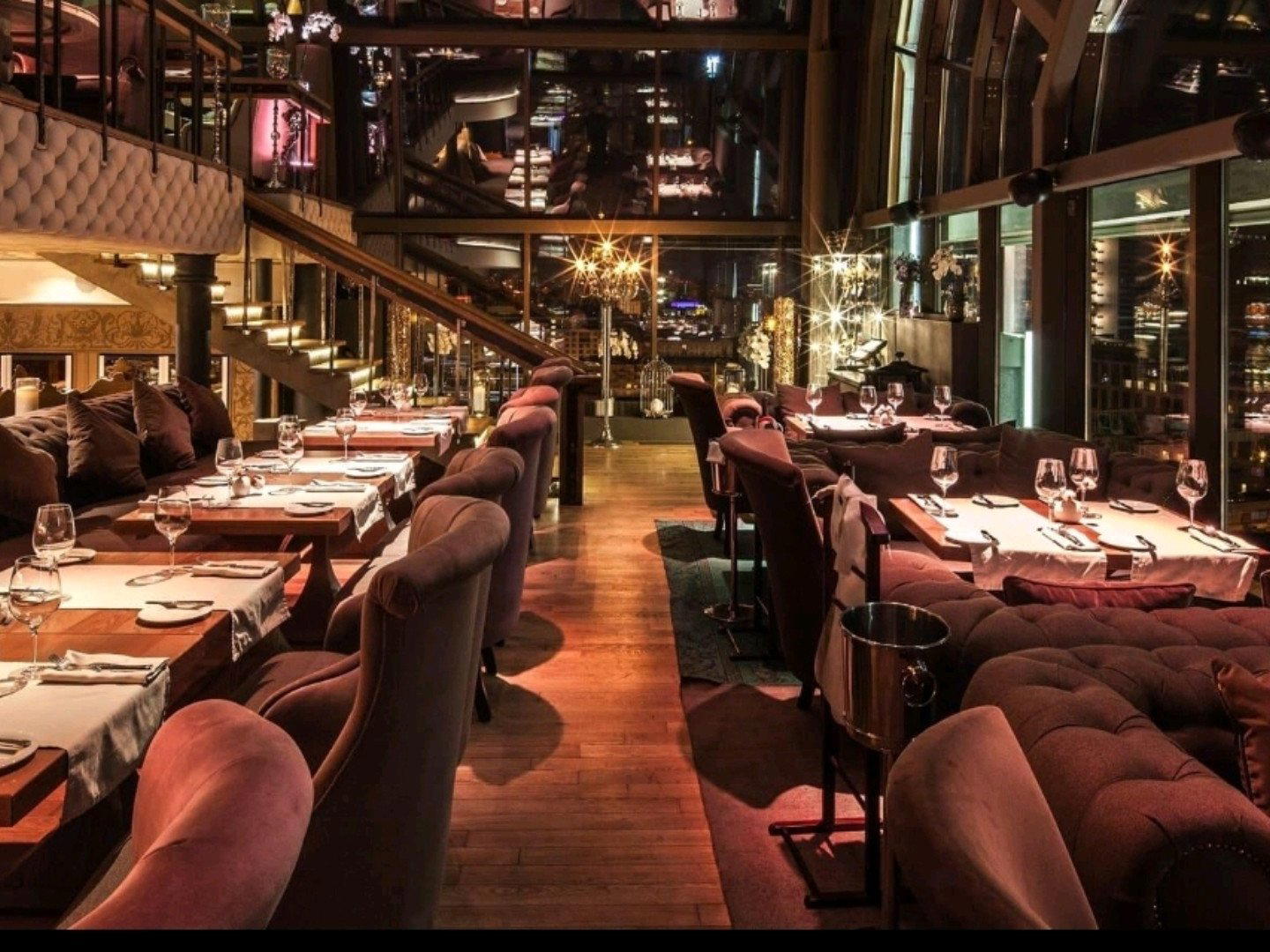
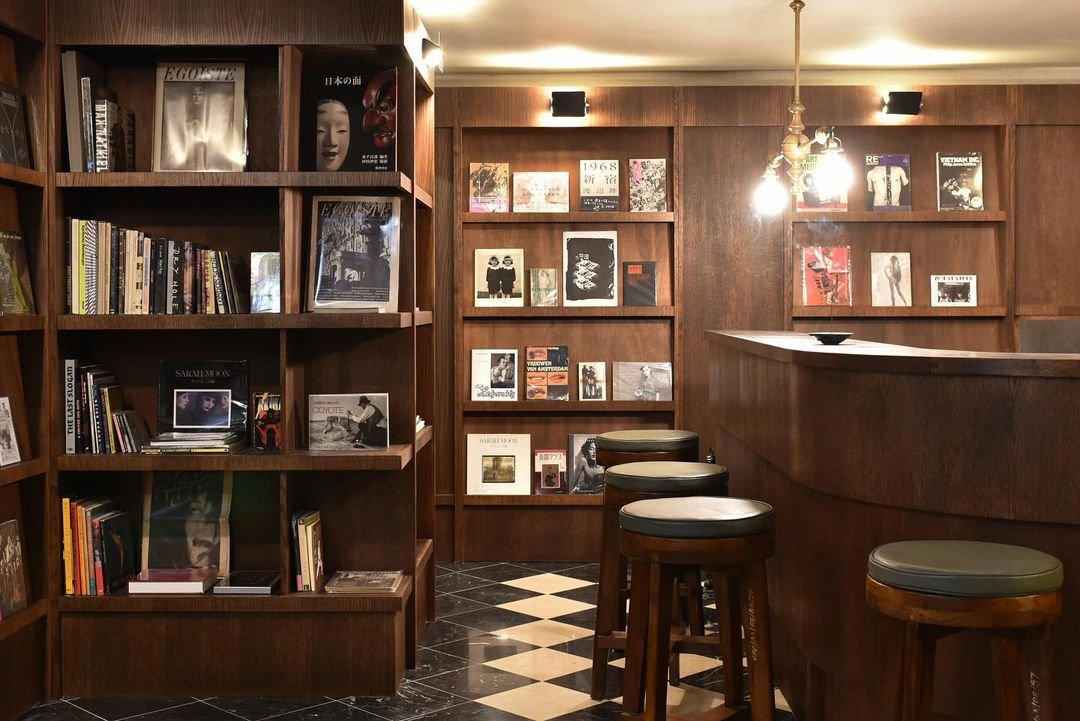
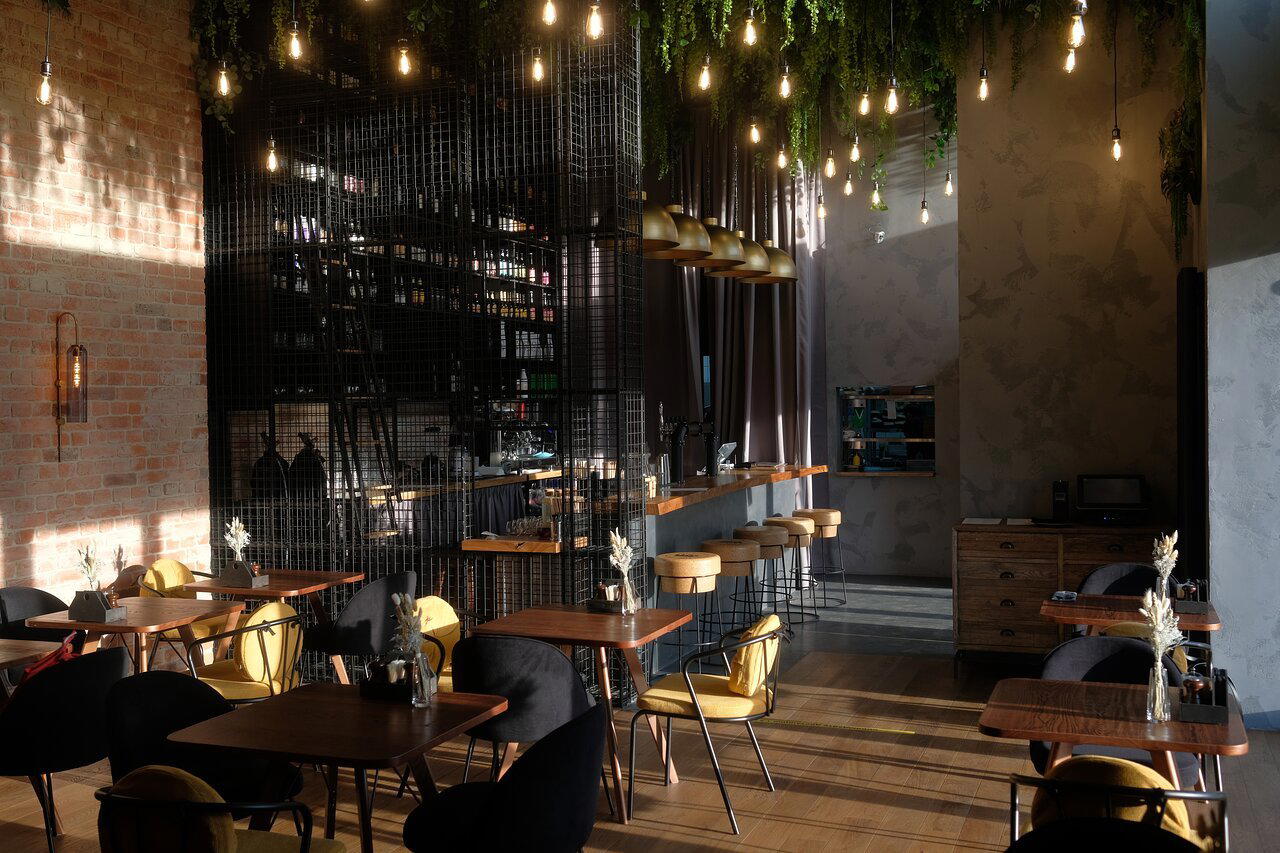
Uptight, beautiful historical interiors with a special literary atmosphere, refined service, and live music evenings.