
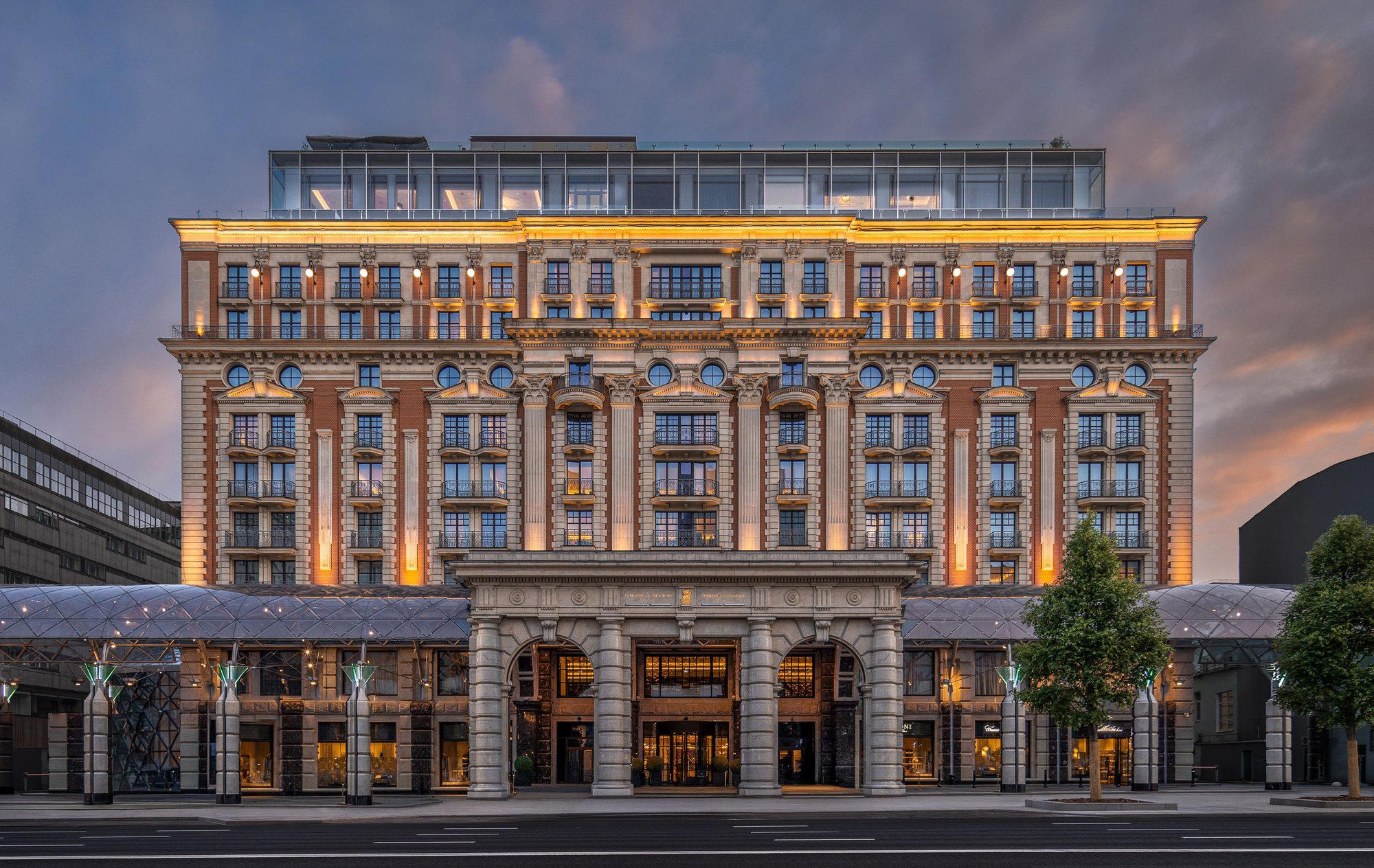
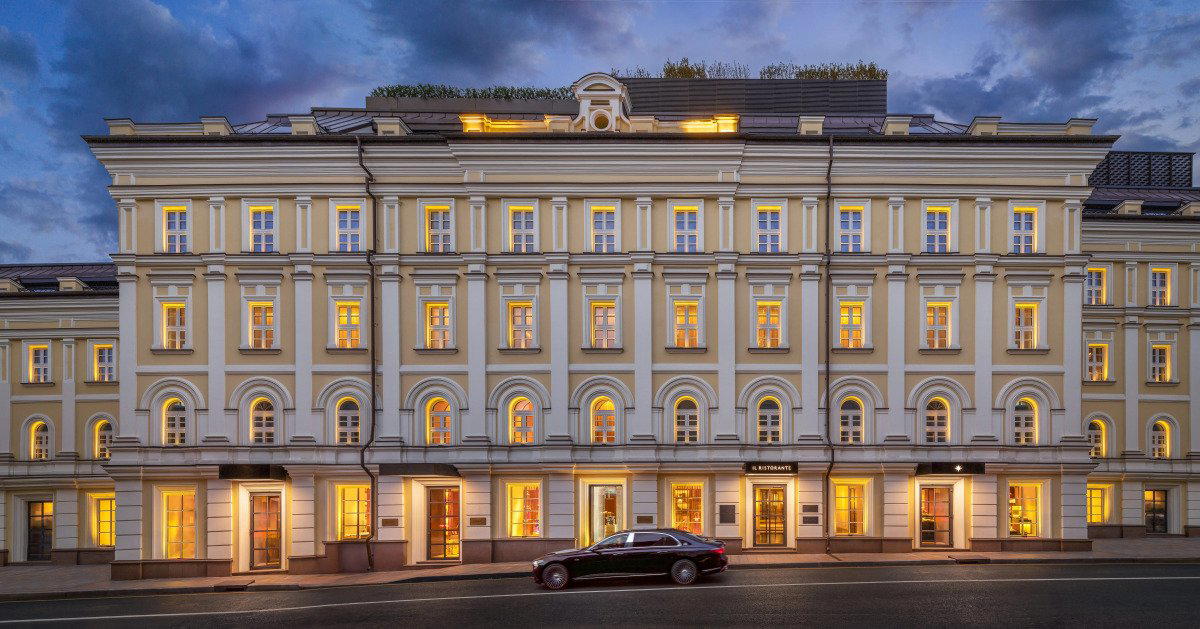
Positioned on Nikolskaya Street in central Moscow, The St. Regis Moscow Nikolskaya earned a 93.5-point score in the La Liste Top Hotels 2026 ranking, placing it among Russia's most formally recognised luxury addresses. The property sits within the historic retail and cultural corridor connecting the Kremlin to Lubyanka Square, making it a useful base for guests whose priorities span architecture, arts, and state-level hospitality.
Pearl is the En Primeur Club membership app — saves, bookings, and concierge access live there. Same editors, same standards.
- Address
- Nikolskaya St, 12, Moscow, 109012
- Directions
- Get directions
 Saves & bookings on Pearl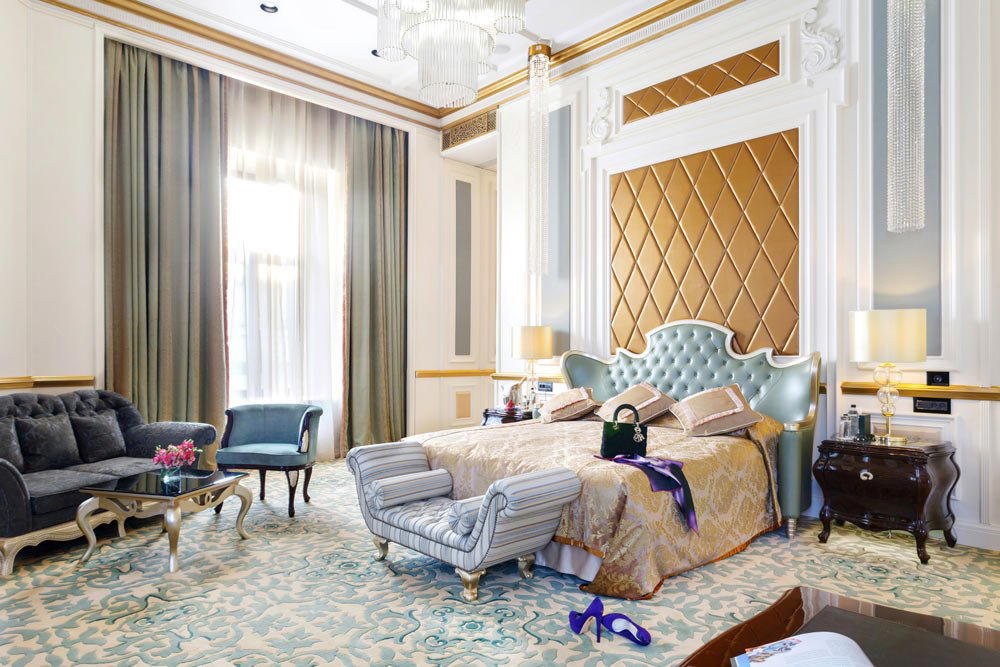
Nikolskaya Street and the Logic of Location
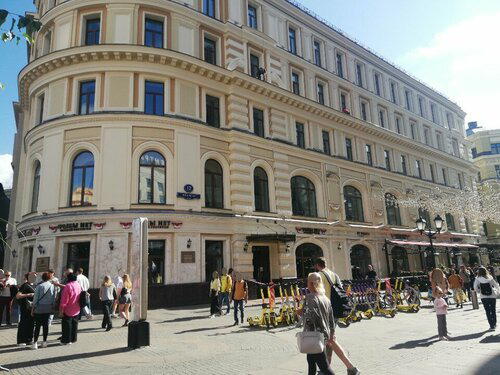
Moscow's luxury hotel tier has long concentrated around two gravitational centres: the Kremlin-facing properties on Manezhnaya and Okhotny Ryad, and the quieter addresses along the Boulevard Ring. Nikolskaya Street occupies a distinct third position, a pedestrianised corridor that connects Red Square's eastern edge to Lubyanka Square, lined with pre-revolutionary merchant architecture that survived Soviet-era clearance largely intact. The St. Regis Moscow Nikolskaya sits at number 12 on that street, a five-star hotel in Moscow with 210 rooms and a rate from about $450 per night.Hotel Baltschug Kempinski Moscow and Swissotel Krasnye Holmy, but rather a street-level fabric with genuine historical texture. For guests whose interest in Moscow extends to the city's pre-Soviet commercial identity, that distinction carries weight.
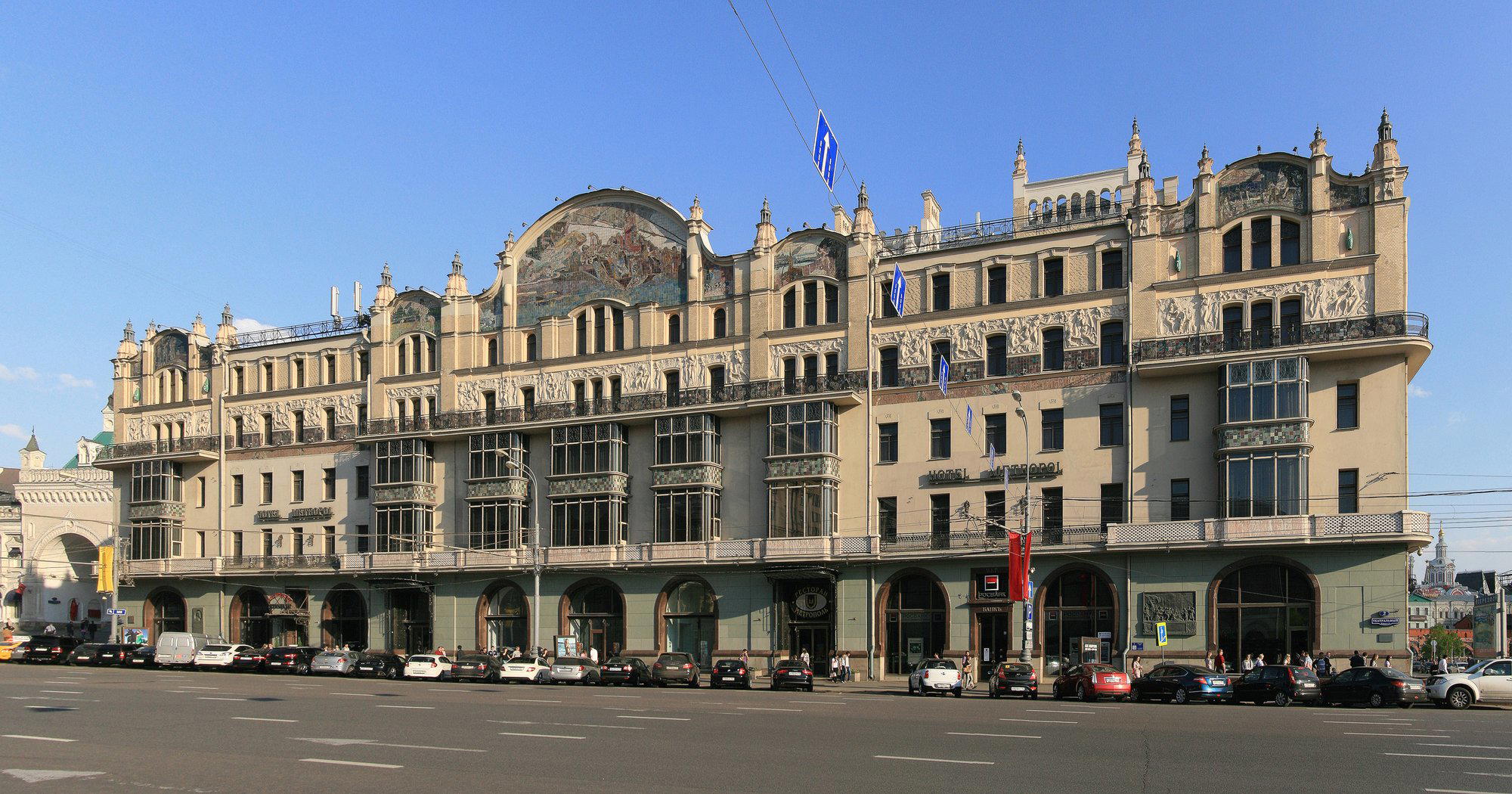
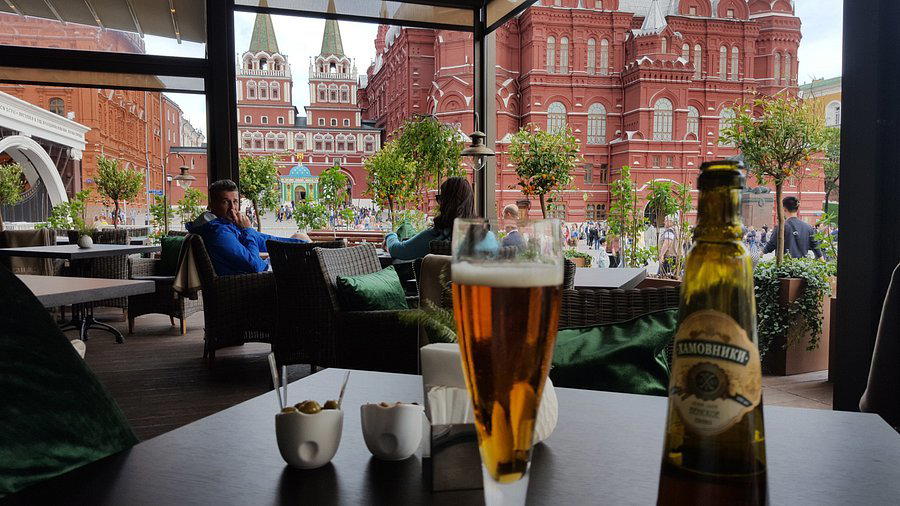
The address puts the Kremlin, GUM, the Bolshoi Theatre, and the Tretyakov Gallery all within a walkable radius, a geographic concentration that comparably positioned properties in other capital cities rarely achieve. Four Seasons Hotel Moscow and Ararat Park Hyatt Moscow share proximity to Teatralnaya Square, and Hotel Metropol Moscow occupies the corner between the Bolshoi and the State Duma, but none of them sits on Nikolskaya itself. That specificity matters less as a feature than as a planning fact: where you sleep in Moscow shapes which version of the city you encounter on foot.
La Liste Recognition and What It Signals
The La Liste Leading Hotels 2026 ranking awarded The St. Regis Moscow Nikolskaya a score of 93.5 points. La Liste's hotel methodology aggregates data from professional inspectors, editorial sources, and guest review platforms, weighting service consistency and physical quality at comparable levels. A score in the 93-94 range places a property in the upper tier of the ranking's global field, which for 2026 covered several thousand hotels across dozens of countries. Within Moscow specifically, that score positions the St. Regis in the same recognition bracket as properties that compete on formal service architecture, spatial quality, and dining programme, rather than on design novelty or boutique scale.
For comparison within Russia's luxury hotel set, Stella di Mosca Hotel and The Carlton, Moscow represent alternative positioning points in the city's premium tier, each with different ownership structures and neighbourhood contexts. The La Liste score does not operate as a tiebreaker between these properties so much as it confirms that the St. Regis clears a threshold of formal recognition that independent or newer addresses have not yet accumulated. That threshold matters to a specific traveller type: one for whom third-party verification of service standards is a precondition for booking, not merely a reassurance after the fact.
The St. Regis Format in a Moscow Context
The St. Regis brand carries a service format that predates the current era of lifestyle-hotel positioning. Its butler programme, formalised across the brand globally, was designed for a guest profile that expects anticipatory service rather than on-demand convenience. In Moscow, where the upper-end hotel market has long been shaped by diplomatic and corporate demand, that format finds a natural audience. The brand's New York lineage, which traces to the original St. Regis on Fifth Avenue, gives it a reference point that carries specific meaning for international guests familiar with The Fifth Avenue Hotel in New York City or Aman New York as benchmarks for upper-tier urban luxury.
That brand heritage also sets an expectation for physical scale. St. Regis properties in capital cities are not intimate; they operate at a room count that supports the full infrastructure of butler service, dedicated bar programming, and multiple dining formats. In Moscow, where the alternative to a large-format luxury hotel might be a smaller design property or a brand with a lighter service model, the St. Regis occupies a defined lane: maximum-formality, full-service, with a physical presence that reads as institutional in the leading sense of that word.
Responsible Luxury and the Question of Environmental Commitment
The broader question of sustainability in Moscow's luxury hotel sector is one the industry has addressed unevenly. Properties operating under international brand flags, including those affiliated with major groups, have generally adopted parent-company sustainability frameworks that govern procurement, waste reduction, and energy consumption at a property level. For the St. Regis Moscow Nikolskaya, as with comparable flagged hotels in the city, the relevant frame is what Marriott International's global sustainability programme requires of its managed properties: Science Based Targets commitments, Serve 360 reporting, and supplier standards that extend to food sourcing and chemical use.
In practice, a city-centre hotel in a historic building faces specific constraints: energy retrofitting in listed structures is architecturally sensitive, and urban logistics limit the kind of on-site food production or closed-loop waste systems that resort properties such as Mriya Resort and Spa or Amangiri can implement more freely. What urban luxury properties in this bracket can meaningfully control is procurement specificity, staff welfare, and community economic engagement, areas where brand-level standards set a floor that individual properties then meet or exceed. Guests who place sustainability criteria high in their decision-making should request property-level reporting directly, since aggregated brand disclosures do not always capture property-specific performance. This is equally relevant for those evaluating properties such as Cheval Blanc Paris or Bvlgari Hotel Tokyo, where the gap between brand policy and property practice can vary considerably.
Moscow in a Broader Russia Itinerary
Guests using Moscow as the entry point to a wider Russia journey will find the Nikolskaya address useful as a staging point. High-speed rail from Moscow to Saint Petersburg runs at just over three and a half hours on the Sapsan service, connecting to a hotel tier that includes Astoriya in Saint Petersburg, Angleterre Hotel in Saint Petersburg City, and Lotte Hotel St. Petersburg. For the more geographically ambitious, Baikal Residence in Severobaikalsk represents the opposite end of the Russia luxury spectrum: remote, low-capacity, and entirely different in its environmental context from anything in central Moscow.
Within Moscow itself, our full Moscow restaurants guide maps the dining options around the city's premium hotel corridor, including addresses that are walkable from Nikolskaya Street. The neighbourhood's concentration of restaurants and bars is high by Moscow standards, and evening access on foot after dinner at a theatre or gallery is a practical advantage that less central properties cannot match.
Planning Considerations
Booking for the St. Regis Moscow Nikolskaya follows the standard Marriott Bonvoy reservation framework, with points redemption available alongside direct-rate booking. Given the property's La Liste recognition and its position as one of the more formally structured addresses in Moscow's luxury tier, peak travel periods, particularly late May through July when white nights in nearby Saint Petersburg draw international visitors to the broader Russia circuit, tend to compress availability at this category of hotel across the country. International visitors should confirm current visa requirements for Russia independently and well in advance, as entry conditions have been subject to significant change in recent years. For comparisons at a global scale, properties such as Badrutt's Palace Hotel in St. Moritz, Hotel Du Cap-Eden-Roc, Hotel de Paris Monte-Carlo, Aman Venice, Hotel Bel-Air in Los Angeles, Castello di Reschio, and Hotel Esencia in Tulum share a similar tier of third-party recognition and serve as useful reference points for calibrating service expectations before arrival.
Price and Recognition
Comparable venues nearby, for context on price, style, and recognition.
| Venue | Price | Awards | Notes |
|---|---|---|---|
| The St. Regis Moscow NikolskayaThis venue — the venue you are viewing | $$$$ | 5-Star | Not listed |
| The Carlton, Moscow | $$$$ | 5-Star | Tverskaya Street, Luxury urban hotel celebrating Russian design and craftsmanship near Red Square. |
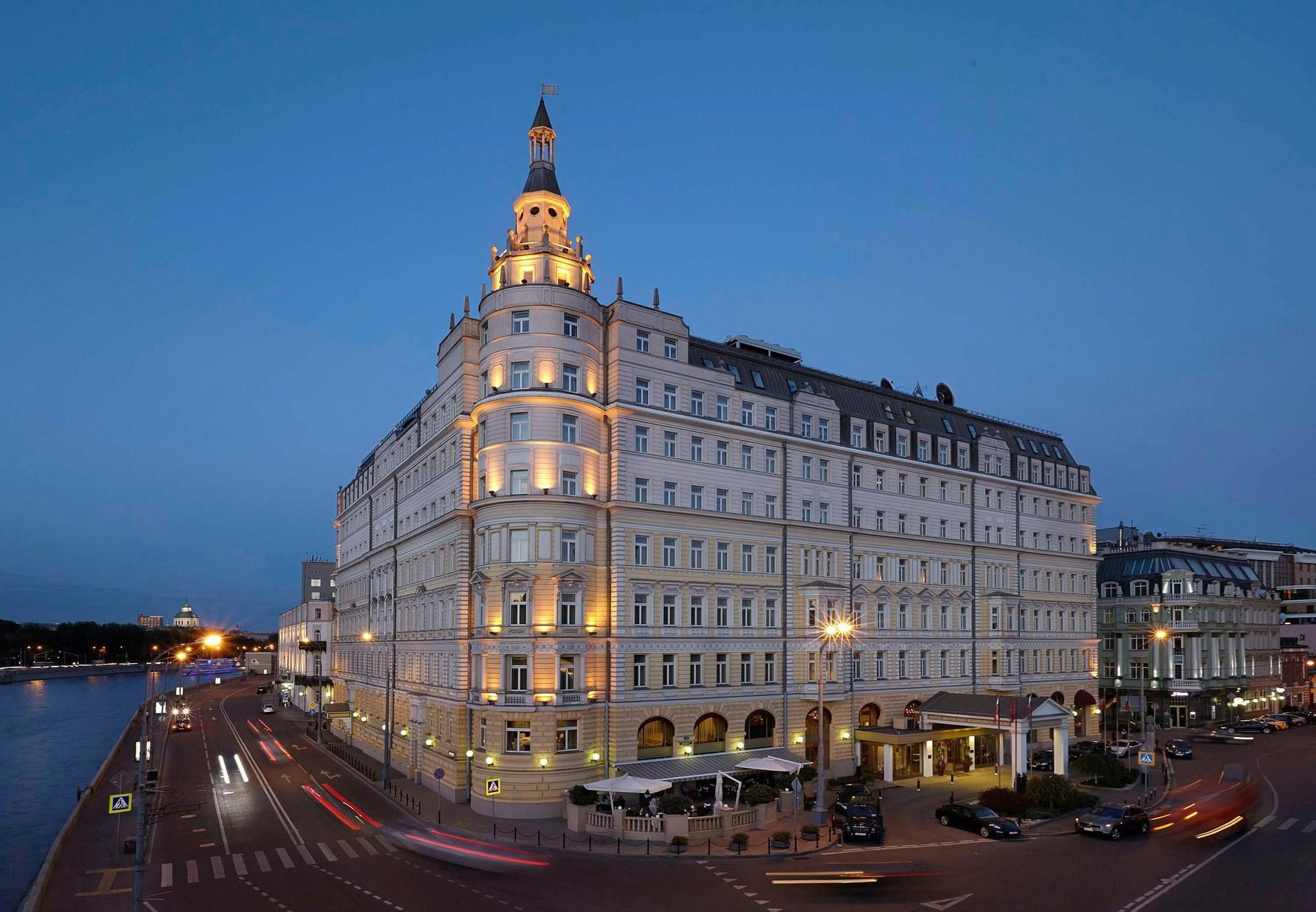
| Hotel Baltschug Kempinski Moscow | $$$$ | 5-Star | Balchug, Classic European grand hotel with historic facade renovated for modern luxury. |
| Ararat Park Hyatt Moscow | $$$$ | 5-Star | Central Moscow, Contemporary luxury residential-style hotel with internationally prominent design and service standards. |
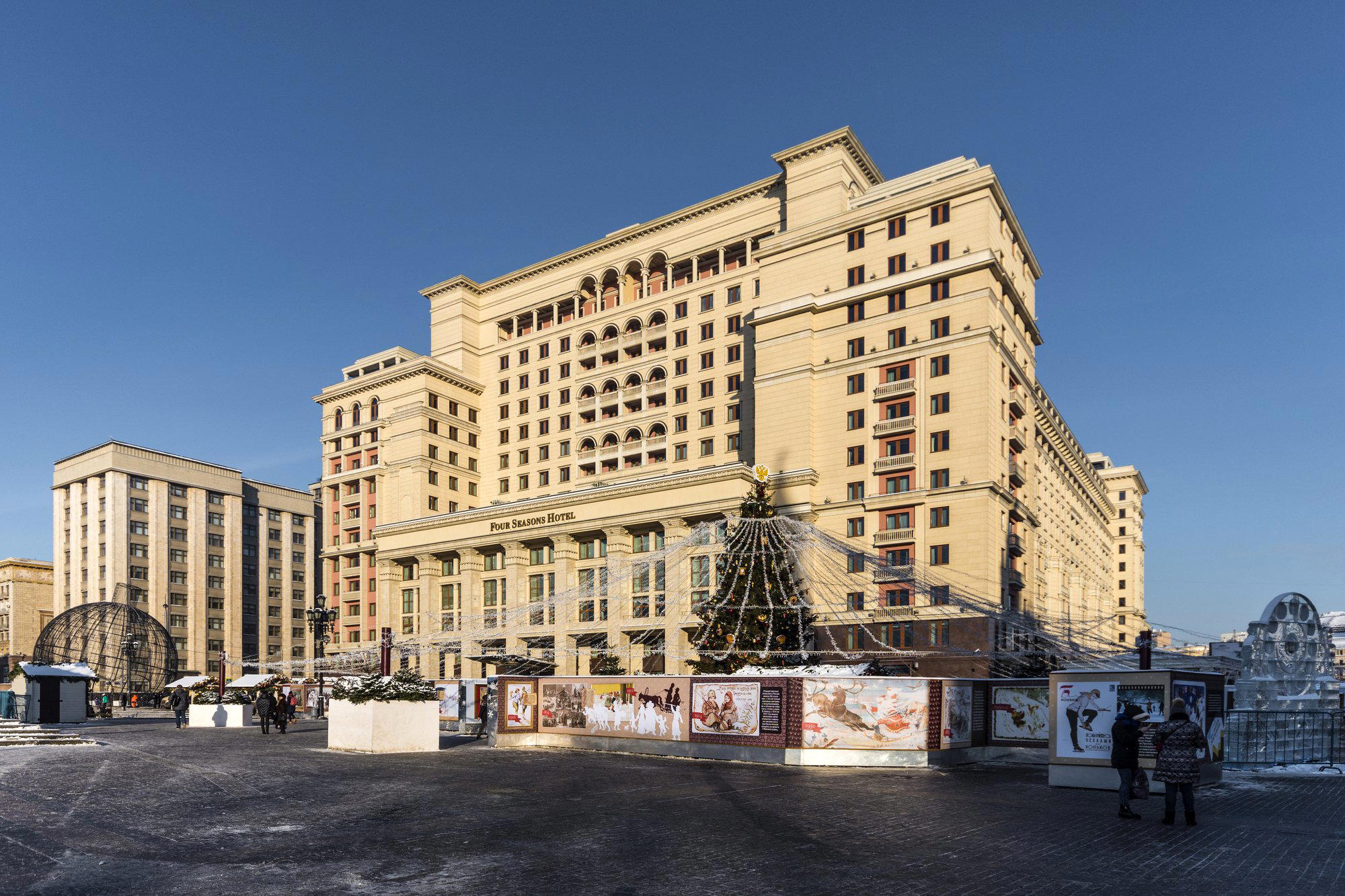
| Four Seasons Hotel Moscow | $$$$ | 5-Star | Red Square, Historic luxury hotel blending original architecture with modern luxury. |
| Swissotel Krasnye Holmy | $$$$ | 5-Star | Krasnye Holmy, Modern high-rise tower with panoramic city views and Swiss hospitality. |
Recognition history
Dated appearances from independent guides and award organizations, with the underlying list record or original source where available.
La Liste Top Hotels
La Liste


At a Glance
- Elegant
- Sophisticated
- Ornate
- Classic
- Business Trip
- Romantic Getaway
- Celebration
- Butler Service
- Historic Building
- Panoramic View
- Rooftop Pool
- Destination Spa
- Wi Fi
- Pool
- Spa
- Fitness Center
- Room Service
- Concierge
- Business Center
- Valet Parking
- Restaurant
- Bar
- Skyline
- Street Scene
- Wi Fi
- Pool
- Spa
- Fitness Center
- Room Service
- Concierge
- Business Center
- Valet Parking
- Restaurant
- Bar
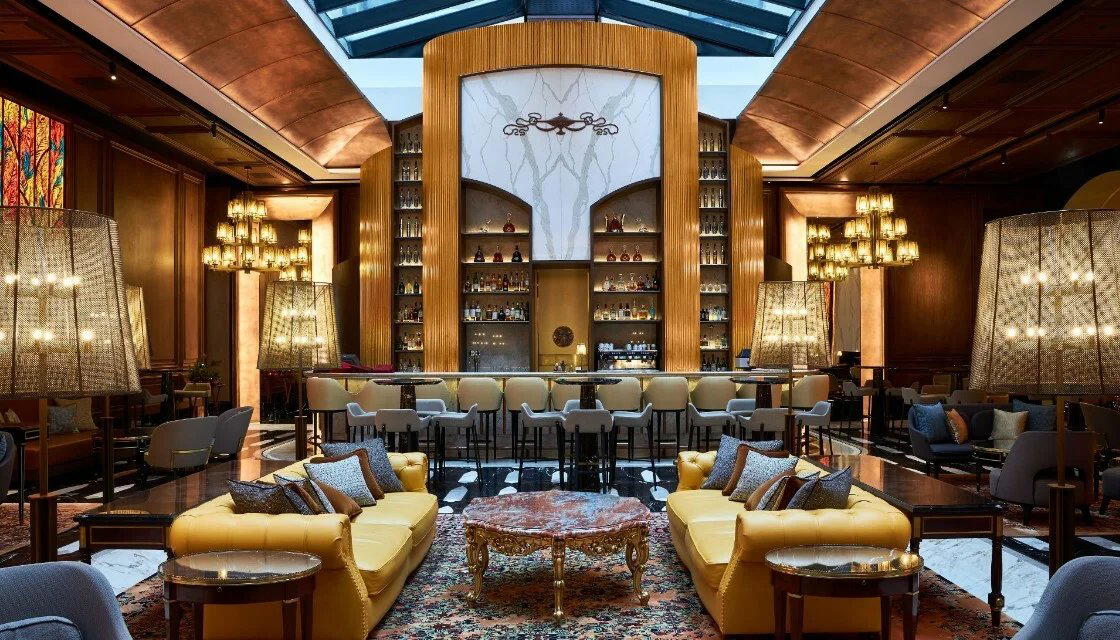
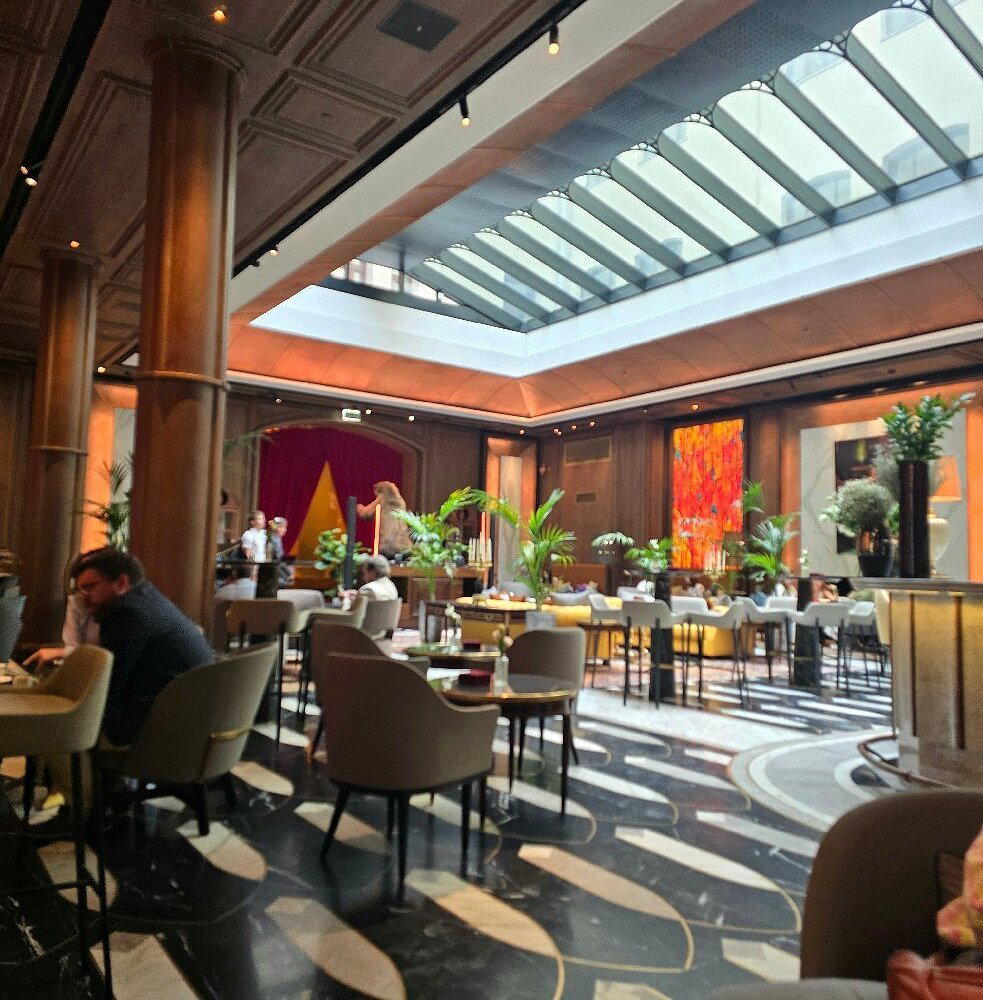
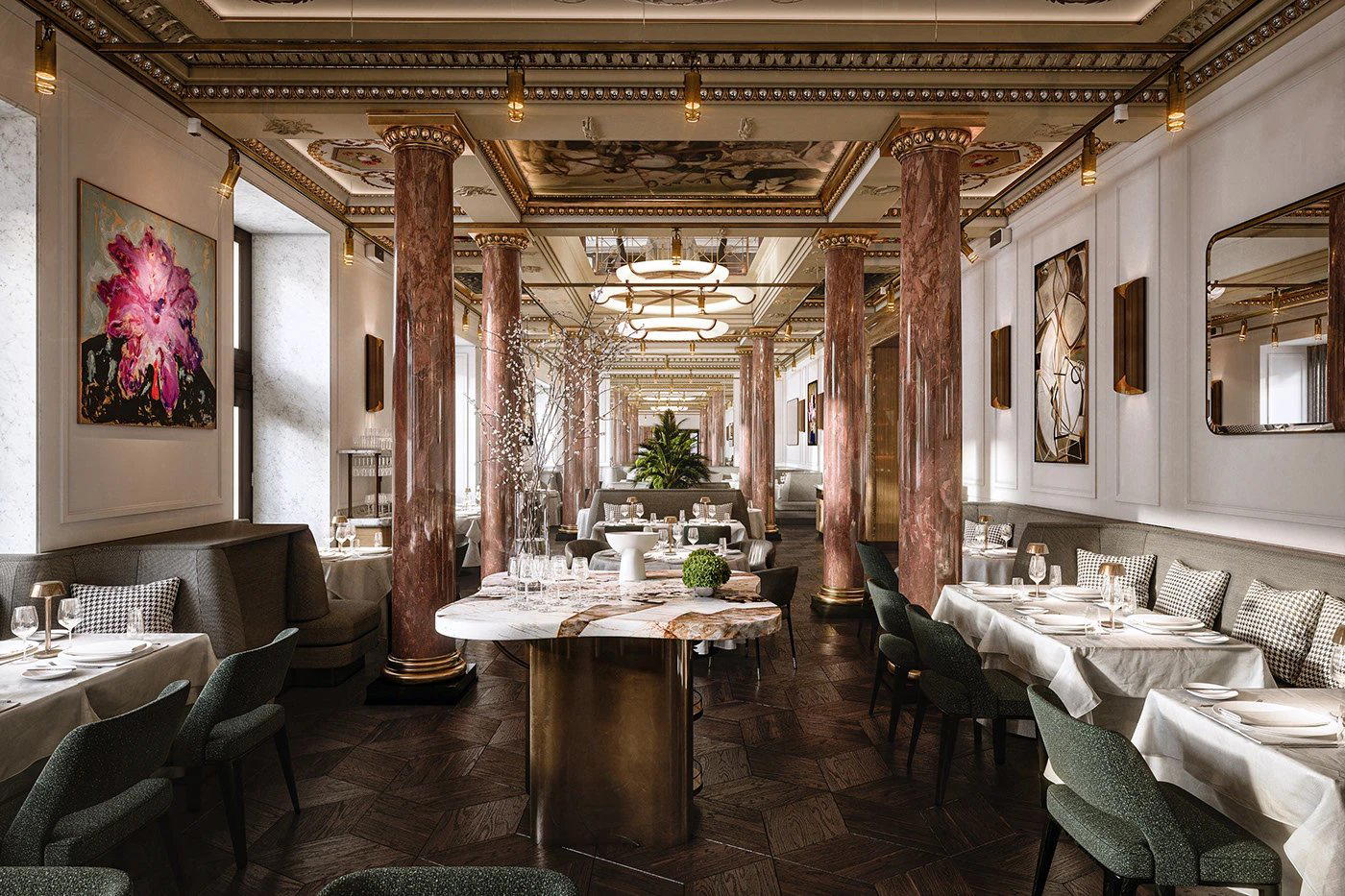
Grand, ornate lobby with gilt accents, chandeliers, mirrored surfaces in black-and-gold panels, and polished marble floors creating an atmosphere of Russian decadence and refined elegance.