



Twins Garden has placed Moscow's fine dining on the global map with consecutive appearances in the World's 50 Best Restaurants, reaching as high as number 19 in 2019. Led by the Berezutskiy brothers and anchored by a wine list of 1,400 selections across 8,000 bottles, the restaurant operates at the summit of Russia's Modern European tier, drawing regulars back through a combination of technical rigour and a wine program that punches well above its geography.
Pearl is the En Primeur Club membership app — saves, bookings, and concierge access live there. Same editors, same standards.
- Address
- Strastnoy Blvd, 8А, Moscow, Russia, 125009
- Phone
- +7 499 112-33-11
- Website
- twinsgarden.ru
- Directions
- Get directions
 Saves & bookings on Pearl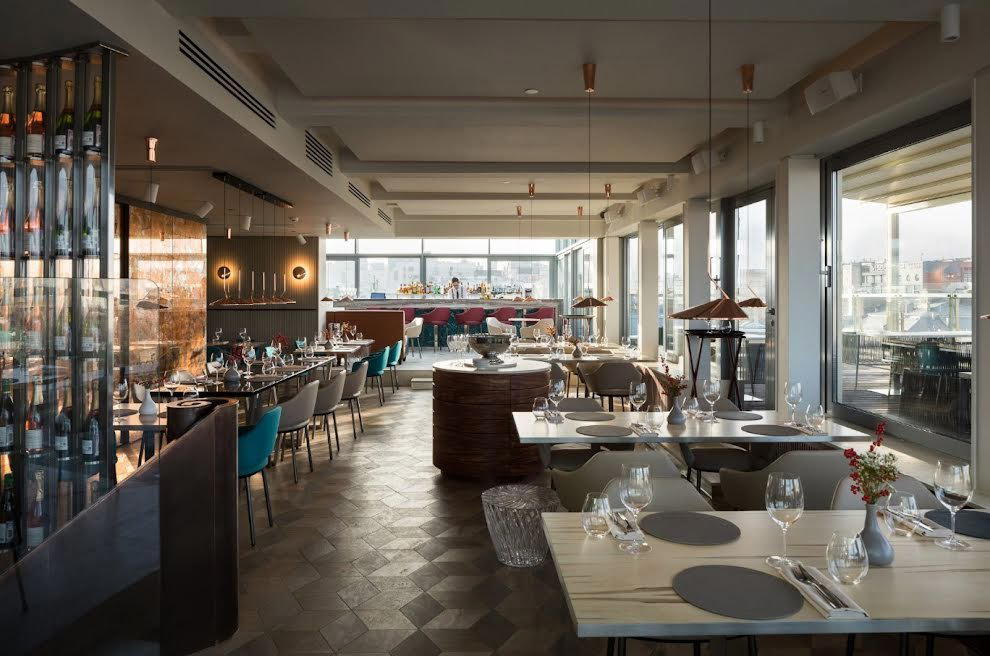
A Table on Strastnoy Boulevard
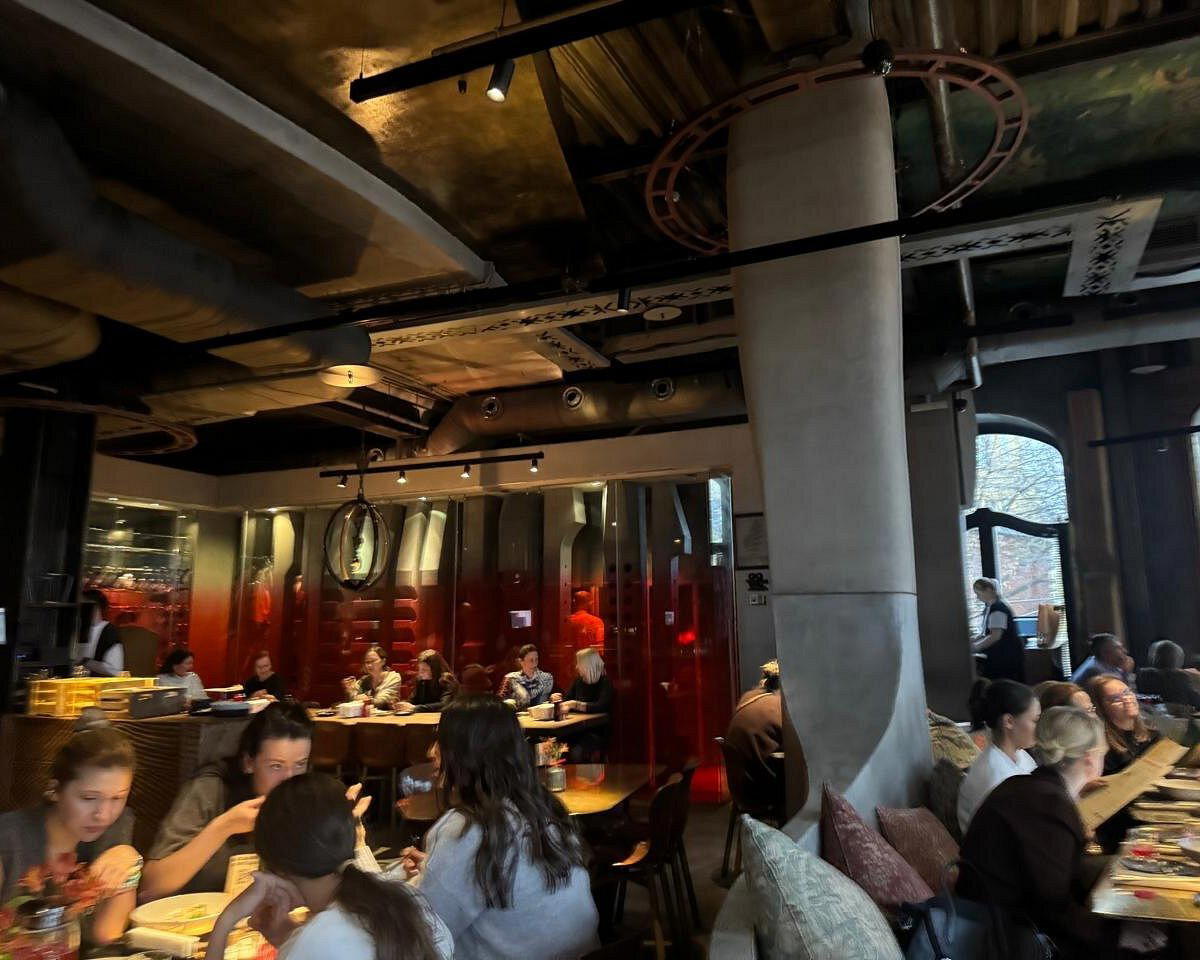
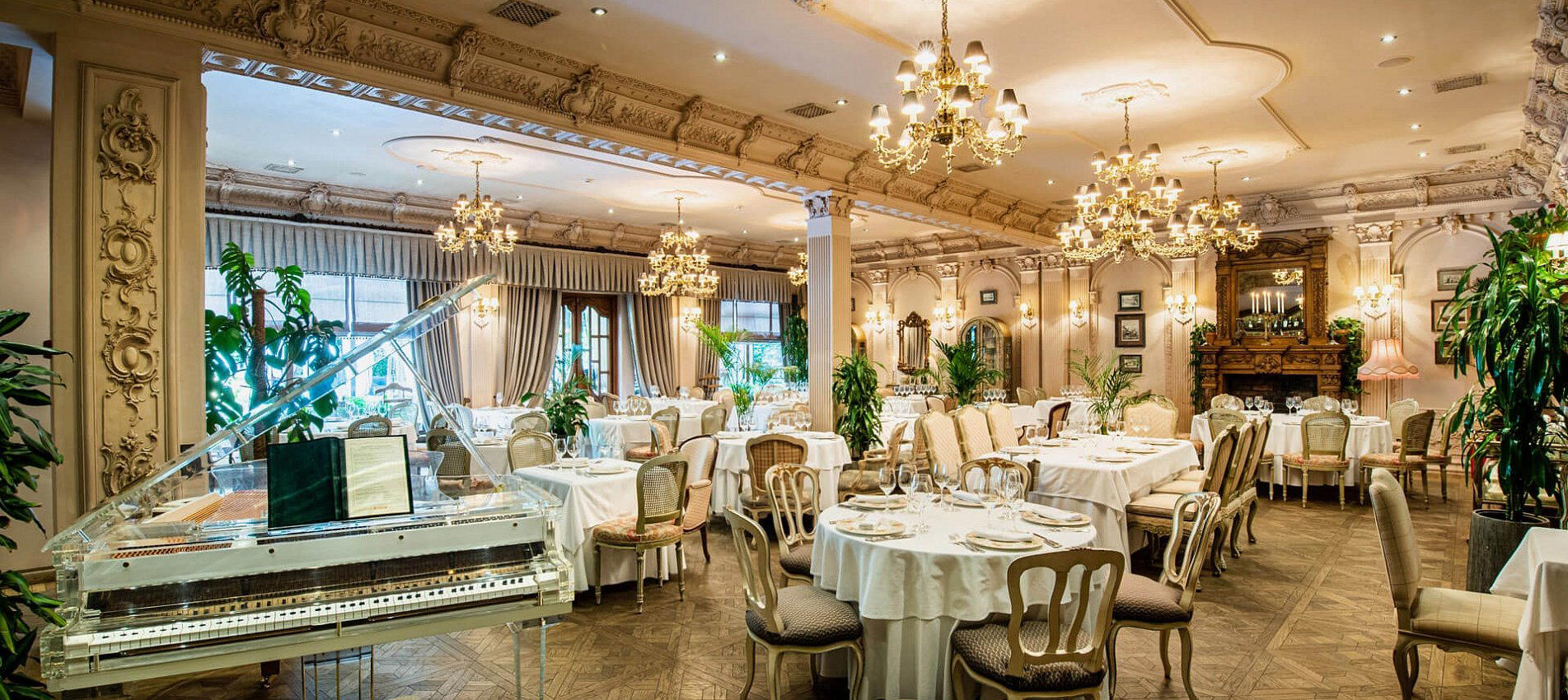
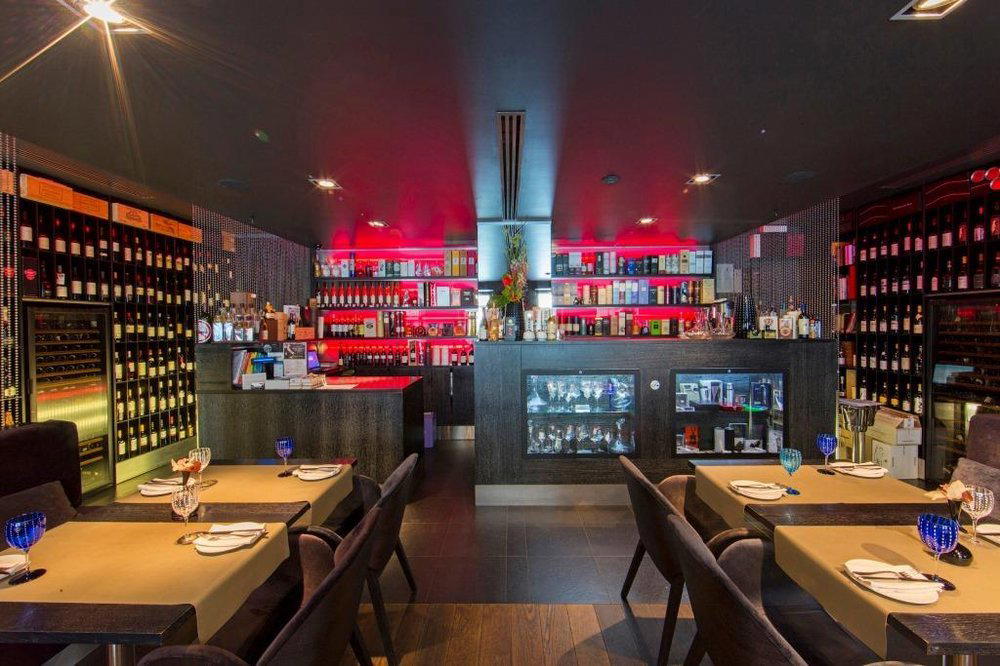
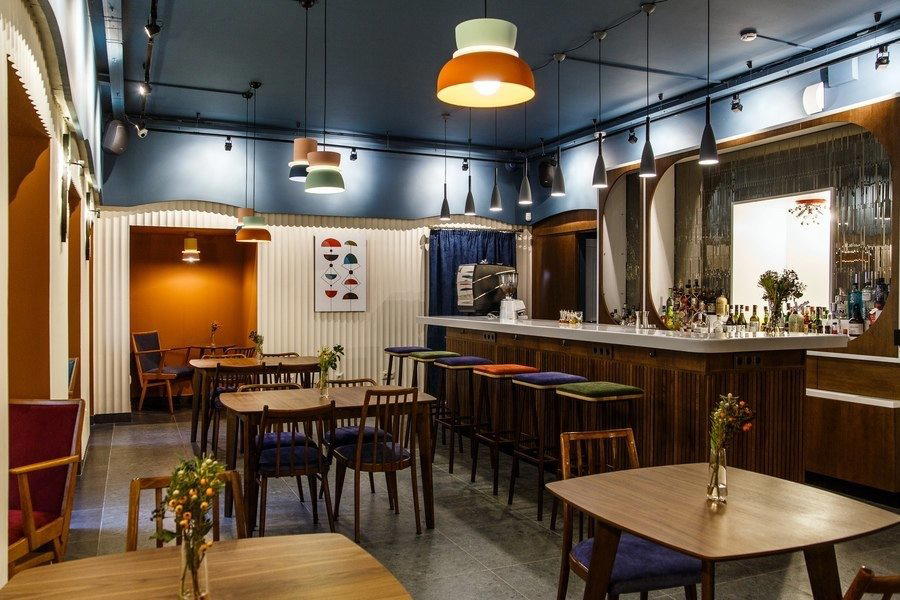
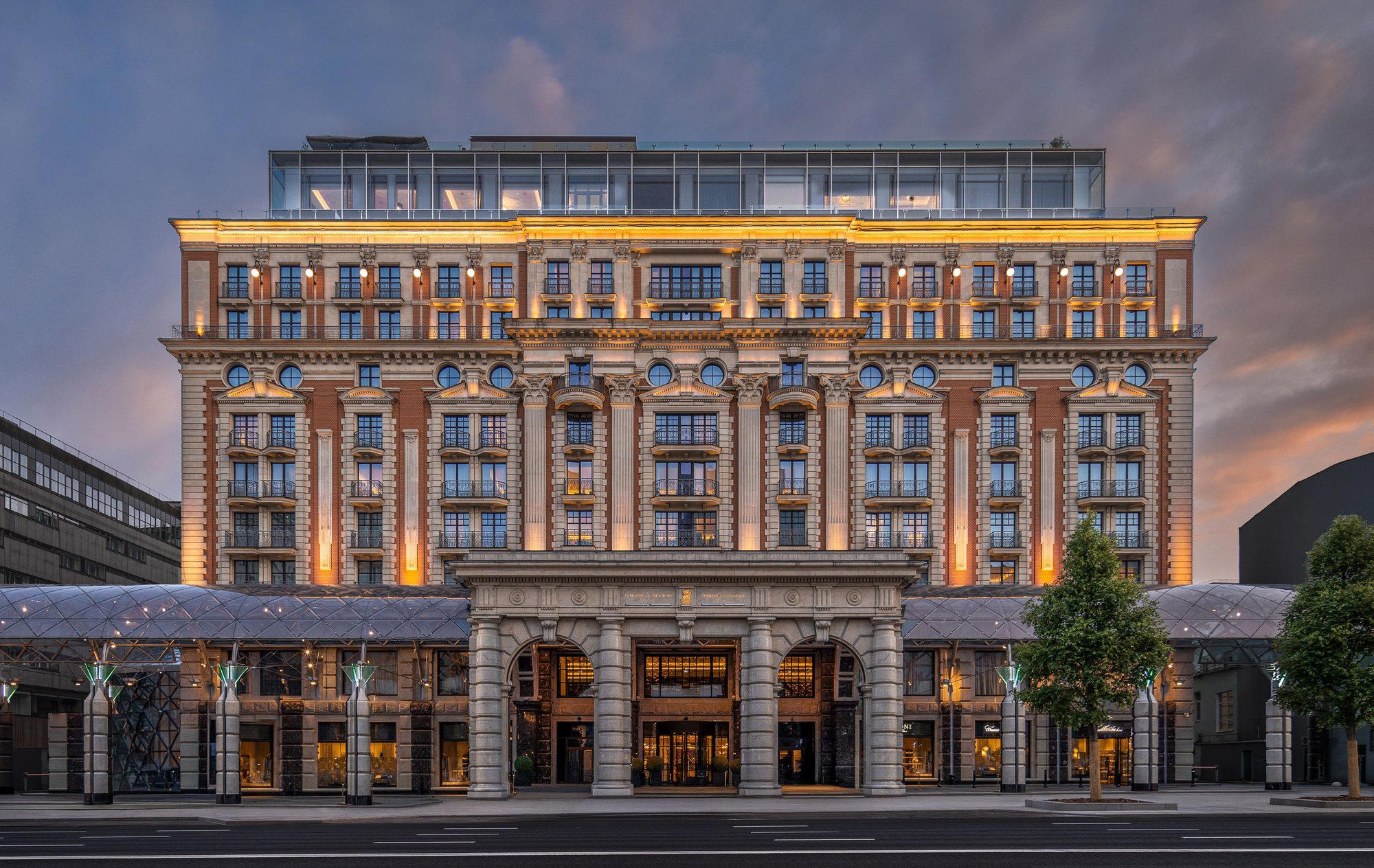
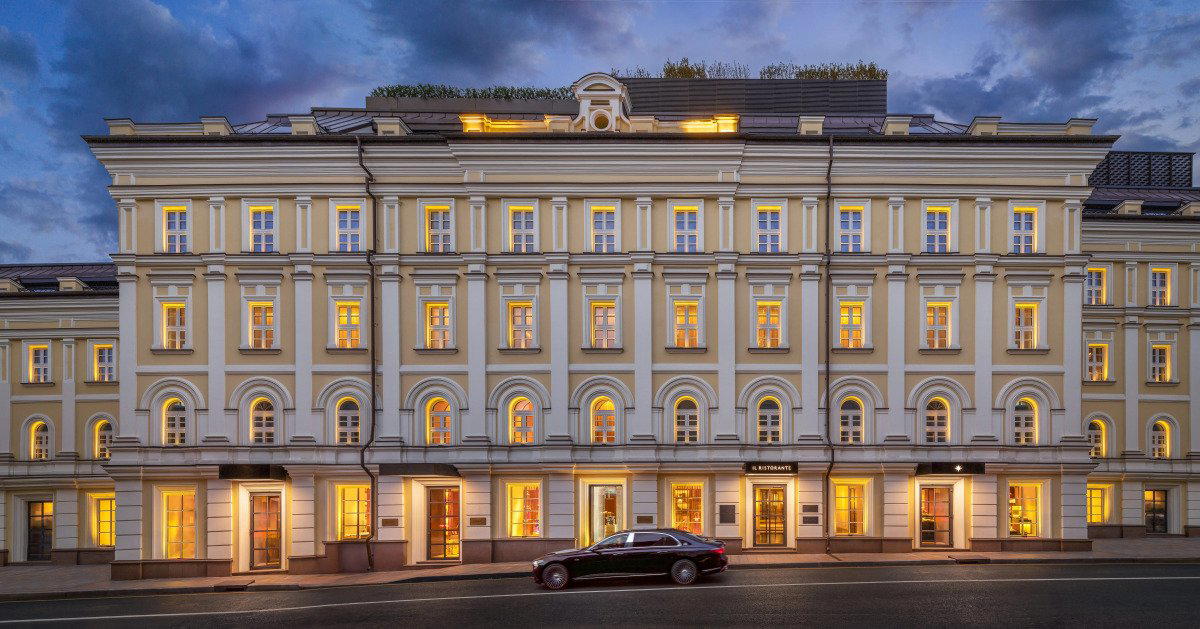
Strastnoy Boulevard occupies one of Moscow's more considered addresses: a tree-lined central strip where the pace slows relative to the arterial roads that surround it. The building at 8А carries the kind of quiet institutional weight that Moscow's pre-revolutionary architecture delivers without announcement. Arriving here in the evening, the transition from the street to the dining room is less about theatre and more about register, things drop to a lower, more deliberate frequency. The lighting is considered, the room is measured, and the sense among the people already seated is that they know exactly where they are. These are not first-timers finding their bearings. These are guests who have a view on which section of the room they prefer, and who likely have an opinion on the current wine list relative to the previous one.
What Keeps the Room Full
Moscow's high-end restaurant market has consolidated around a relatively small group of addresses that combine technical cooking with a wine program serious enough to justify the spend. Twins Garden sits at that intersection with credentials that extend well beyond the city. A ranking of number 19 in the World's 50 Best Restaurants in 2019 placed it in a peer group that includes few Russian addresses. La Liste's scoring has tracked it at 95 points in 2025, the kind of sustained recognition that tells a returning guest the kitchen is not resting on earlier momentum.
The restaurant's loyal clientele is not primarily motivated by novelty. Moscow has many openings that trade on spectacle and ambiguity. What draws regulars back to a room like this is the inverse: a program that is legible, consistent, and capable of deepening with familiarity. The cuisine classification is Modern Russian Fine Dining, and the approach draws on Russian ingredient sourcing at a level that makes it something more specific than that designation implies. Guests who return often enough begin to track seasonal shifts in the menu rather than experience it as a fixed offering.
The Wine Program as a Reason to Return
The wine list at Twins Garden is one of the stronger arguments for the restaurant's regulars designation. With 1,400 selections and a physical inventory of 8,000 bottles, Wine Director Polina Podbelskaia oversees a program whose depth takes multiple visits to explore meaningfully. The list's strengths index toward Russia, Champagne, Bordeaux, Burgundy, and broader France and Italy, with California also represented. That spread signals a program built for conversation rather than one structured around a single regional identity.
Pricing sits in the middle tier by the list's own markers, with a range of options across price points rather than a concentration at either extreme. For guests who drink seriously, this is a program worth planning around rather than treating as an afterthought to the food. The presence of Russian wine as a stated strength is worth noting in its own right: the domestic wine industry has developed faster than most international observers track, and a list that treats it alongside Burgundy and Bordeaux rather than as a curiosity is making an editorial statement about where the category stands.
For regulars who use Twins Garden as a working lunch address as well as an evening destination, the list's range is an asset across both formats.
Chef and Kitchen Lineage
The Berezutskiy brothers, Ivan and Sergey, established the restaurant's culinary identity. General Manager Marina Seldusheva maintains operational continuity across both front and back of house. This kind of stable management structure is one of the less visible reasons a restaurant retains a regular clientele. Moscow's most-visited fine dining rooms share this characteristic, White Rabbit has maintained a consistent identity at the summit of the market for years, and Selfie holds a comparable position in the Modern European tier. What distinguishes the restaurant within that peer group is the combination of international ranking history and a wine program scaled for a room that takes the list seriously.
Moscow's Fine Dining Context
The city's upper restaurant tier has developed its own logic over the past decade. Addresses like Varvary and Artest anchor the Russian cuisine end of the spectrum, while Chefs Table occupies the fusion register. The restaurant's Modern European positioning places it in a category that competes internationally rather than primarily domestically, which is precisely what the 50 Best rankings reflected. For a city that attracts fewer Western food media visits than its restaurant quality warrants, the World's 50 Best placements served as a signal to an international audience that might otherwise overlook what Moscow had built.
Across Russia more broadly, the fine dining scene has fragmented geographically in interesting ways. Birch in St. Petersburg and Bourgeois Bohemians in Sankt-Peterburg represent the northern capital's distinct approach, while addresses like Leo Wine & Kitchen in Rostov and SEASONS in Kaliningrad signal the geographic spread of serious cooking beyond the two major cities. For the Modern European category in a European context, La Rei Natura by Michelangelo Mammoliti in Serralunga d'Alba and Oak Gent in Gent operate in a recognisable peer register, though in different local contexts. Outside the city, Tsarskaya Okhota in Zhukovka and La Colline in Bolshoye Sareyevo represent the Moscow region's broader dining footprint for those exploring beyond the Boulevard Ring.
Planning a Visit
The restaurant is located at Strastnoy Blvd, 8А, in central Moscow, accessible from multiple metro lines given its position within the Garden Ring. Cuisine pricing sits in the upper tier (a typical two-course meal above 66 USD equivalent before beverages), consistent with a kitchen operating at this award level. The wine list's mid-range pricing means that a meal with serious bottles remains within reach for guests who plan the spend accordingly.
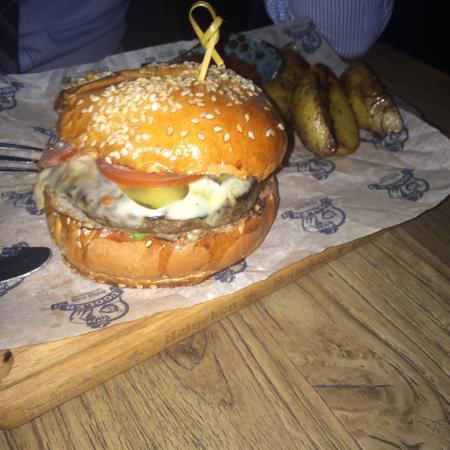
- caviar with native berries
- crab dish
- cherry tartare
- dry-aged cabbage
- goatling
- burrata with broccoli and kiwi
Where the Accolades Land
Comparable venues nearby, for context on price, style, and recognition.
| Venue | Cuisine | Price | Awards | Notes |
|---|---|---|---|---|
| Twins GardenThis venue — the venue you are viewing | Modern Russian Fine Dining | $$$$ | World's 50 Best #19 | Not listed |
| White Rabbit | Modern Russian Fine Dining | $$$$ | World's 50 Best #13 | Smolenskaya |
| Artest | Modern European Fine Dining | $$$$ | Michelin 2 Star | Smolensk |
| Varvary | Modern Russian Molecular Gastronomy | $$$$ | World's 50 Best #48 | Strastnoy Boulevard |
| Cafe Pushkin (Кафе Пушкинъ) | Russian Noble Cuisine | $$$$ | Not listed | Tverskoy |
| Savva | Modern Russian Fine Dining | $$$$ | Not listed | Tverskoy |
Recognition history
Dated appearances from independent guides and award organizations, with the underlying list record or original source where available.
La Liste Top Restaurants
La Liste
Wine Spectator Best of Award of Excellence
Wine Spectator
La Liste Top Restaurants
La Liste
Wine Spectator Best of Award of Excellence
Wine Spectator
World's Best Wine Lists Awards WBWL 3-Star
World's Best Wine Lists Awards
World's 50 Best Best Restaurants #30
World's 50 Best
World's 50 Best Best Restaurants #19
World's 50 Best
At a Glance
- Elegant
- Modern
- Sophisticated
- Scenic
- Special Occasion
- Date Night
- Celebration
- Business Dinner
- Open Kitchen
- Chefs Counter
- Rooftop
- Panoramic View
- Private Dining
- Terrace
- Extensive Wine List
- Sommelier Led
- Craft Cocktails
- Farm To Table
- Local Sourcing
- Organic
- Skyline
Current opening hours
- Monday
- 12 PM–12 AM
- Tuesday
- 12 PM–12 AM
- Wednesday
- 12 PM–12 AM
- Thursday
- 12 PM–12 AM
- Friday
- 12 PM–12 AM
- Saturday
- 12 PM–12 AM
- Sunday
- 12 PM–12 AM
Hours can change for holidays and private events. Last verified .
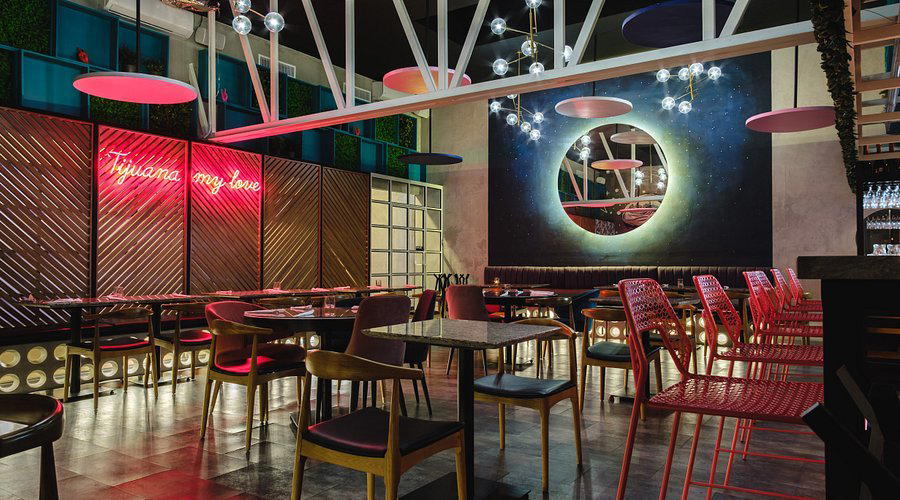
Bright, airy, and modern with minimalist design; multi-roomed space with panoramic views of Moscow from the rooftop terrace; open kitchen visible to diners; sophisticated yet inviting atmosphere.