
Varvary arrived on the international stage in 2011 when it placed 48th on the World's 50 Best Restaurants list, a rare signal from Moscow at a moment when Russian fine dining was still defining itself for a global audience. The restaurant built its reputation on a serious approach to native Russian cuisine, drawing from the country's larder with the kind of rigour typically associated with Nordic or Japanese traditions. It holds.
Pearl is the En Primeur Club membership app — saves, bookings, and concierge access live there. Same editors, same standards.
- Address
- Volokolamskoye Shosse, 1с1, Moscow, Russia, 109316
- Phone
- +7 910 081-78-87
- Website
- redtavernsf.com
- Directions
- Get directions
 Saves & bookings on Pearl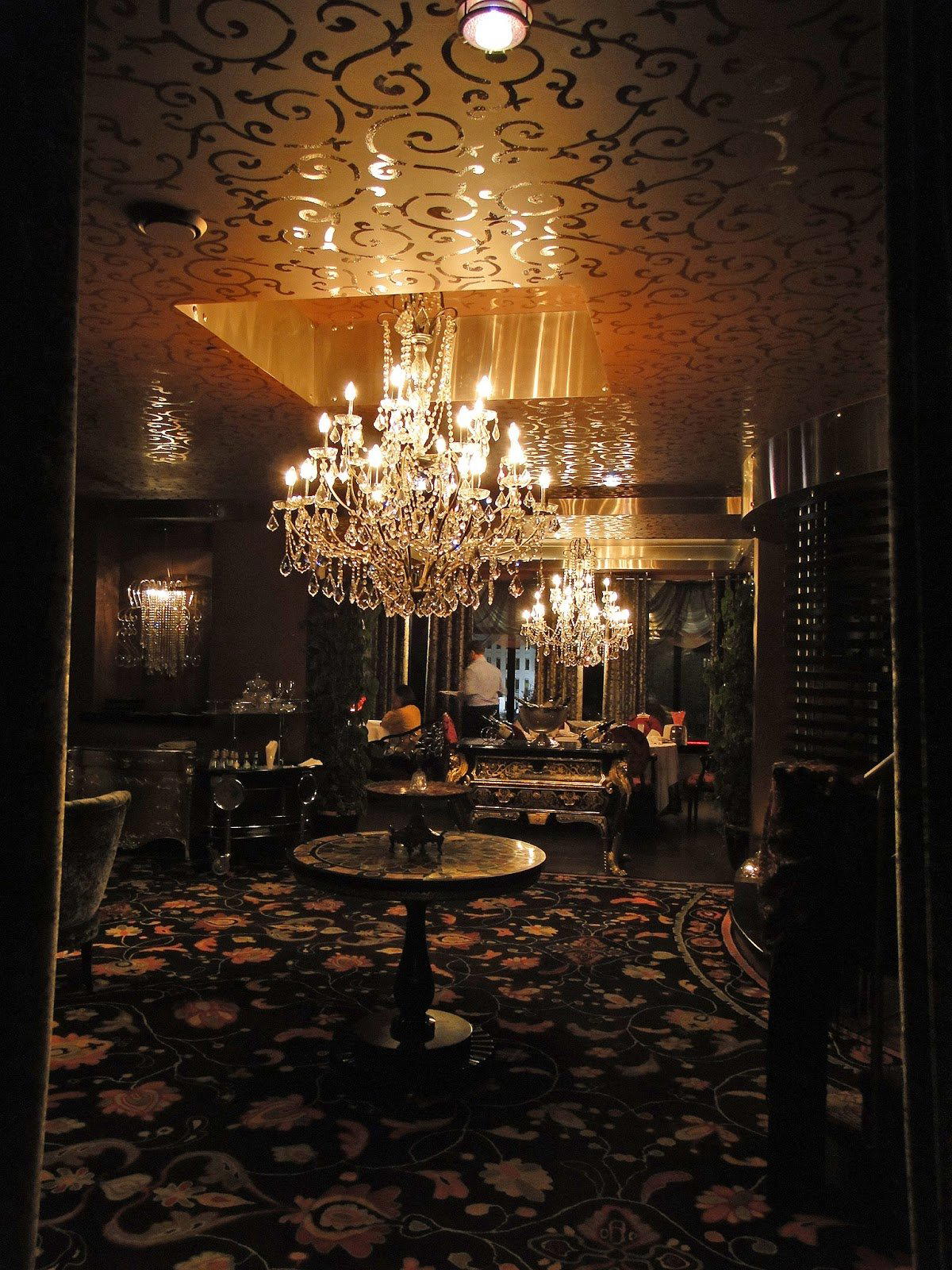
Where Russian Fine Dining Found Its Footing
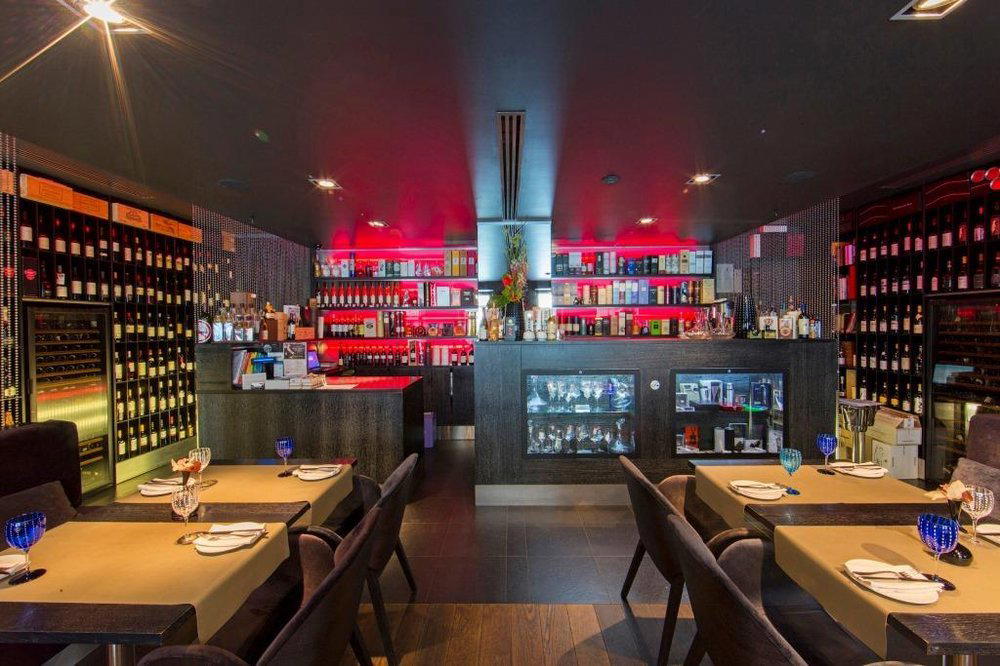
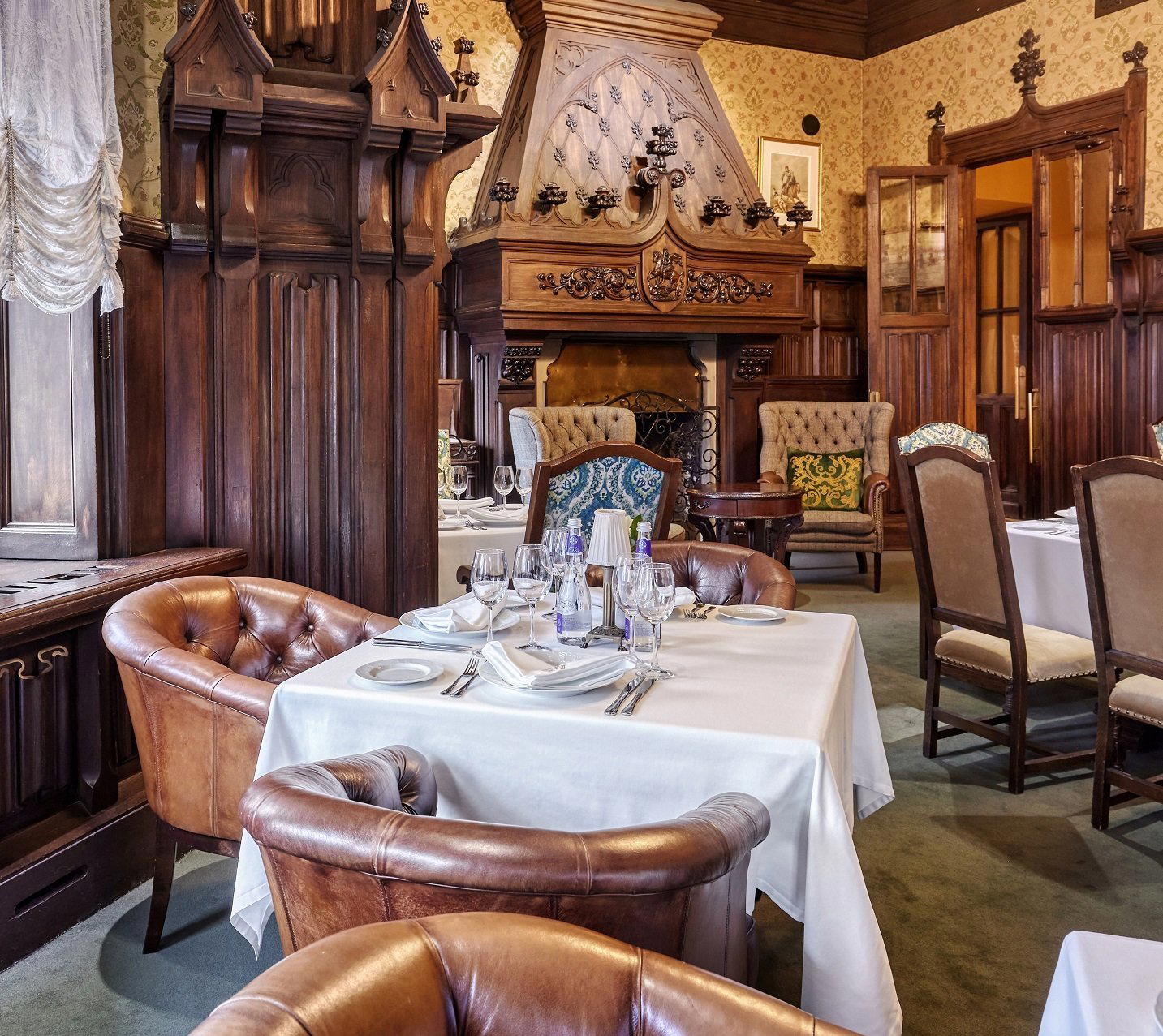
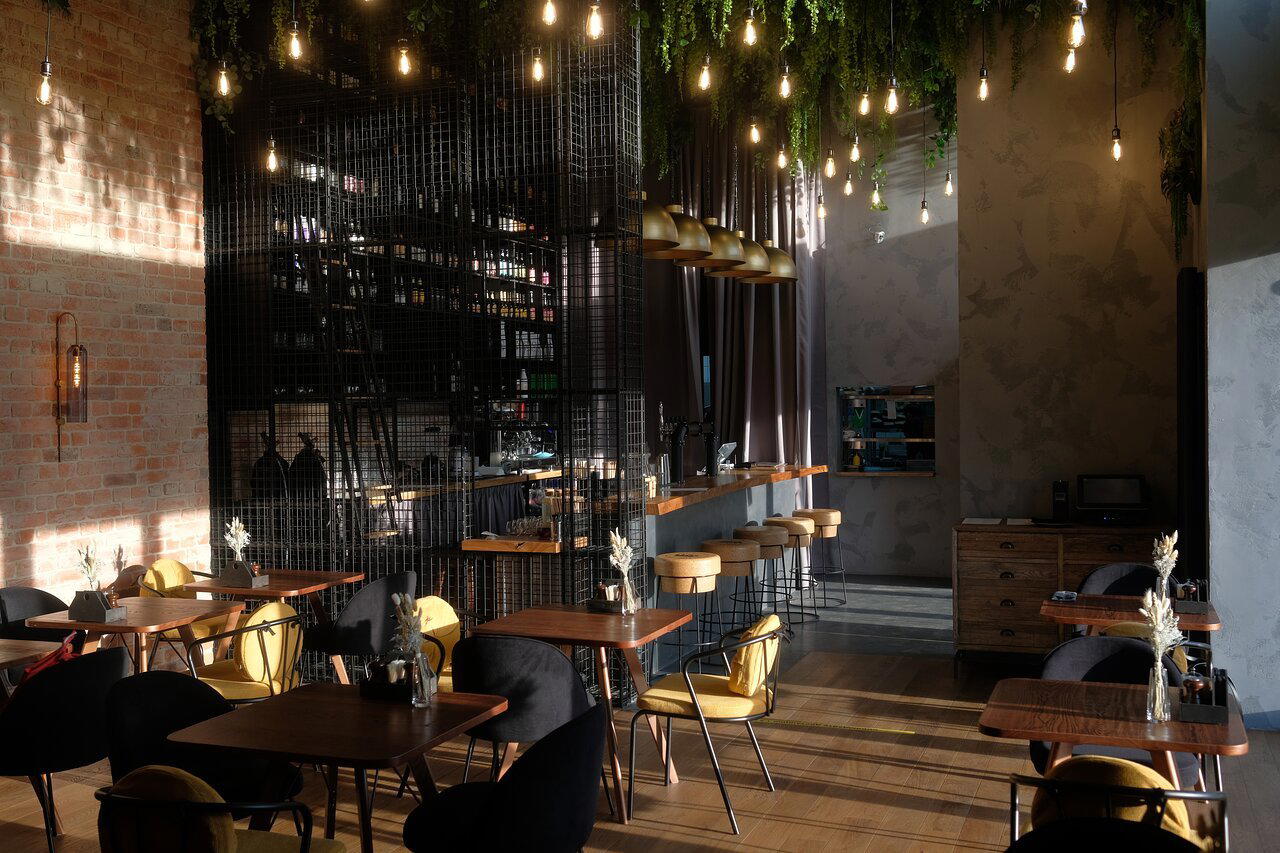
Varvary is a modern Russian molecular gastronomy restaurant in Moscow, listed at about $250 per person and ranked No. 48 in the World's 50 Best Restaurants in 2011. The northwest corridor of Moscow, where Volokolamskoye Shosse stretches out past the inner ring, is not where most visitors expect to find a restaurant that once occupied a seat in the World's 50 Best. That address alone tells you something about the period in which Varvary established itself: this was a restaurant that built its reputation on what was on the plate, not on proximity to the Kremlin or a hotel lobby address. The dining room carries the kind of deliberate seriousness that signals intent from the moment you arrive.
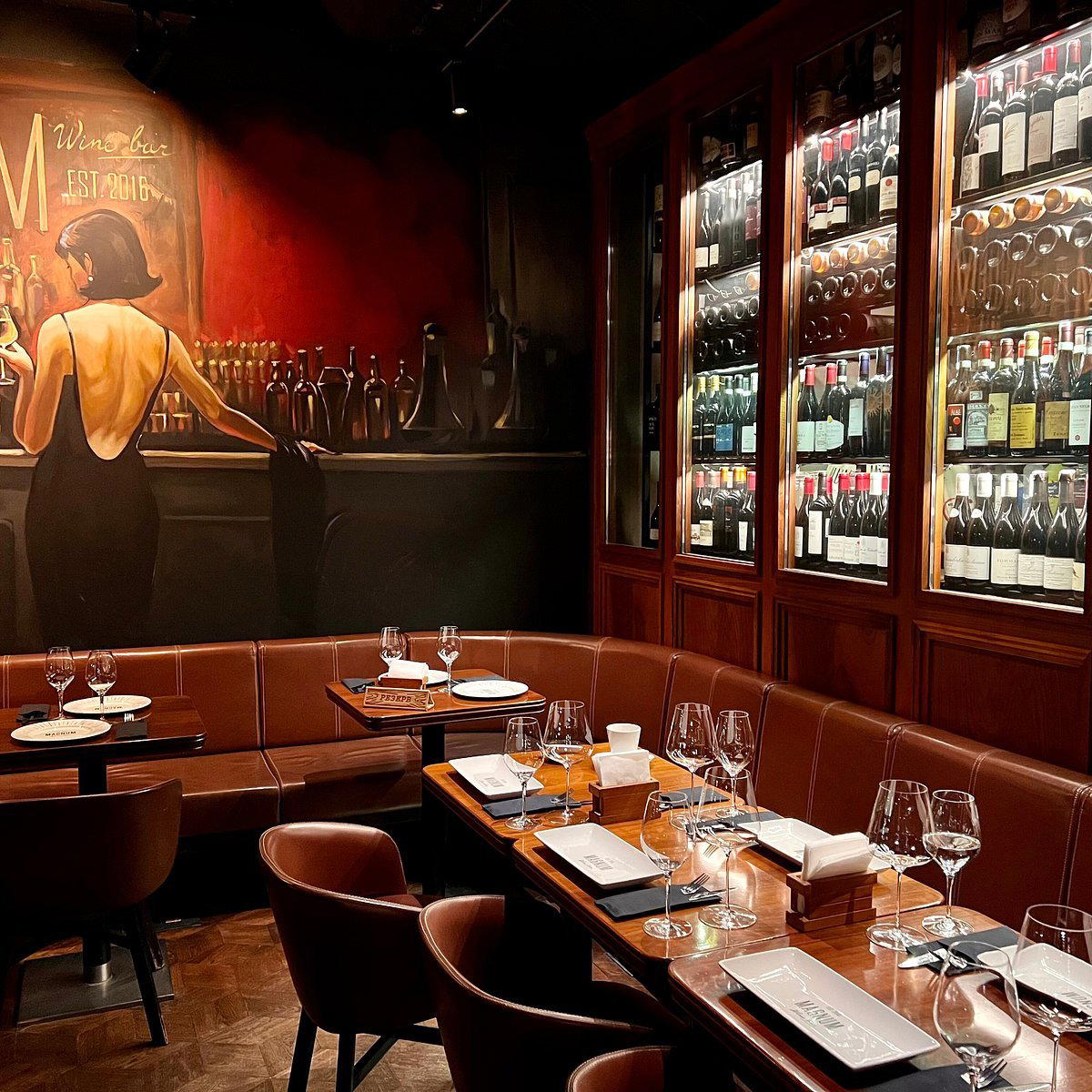
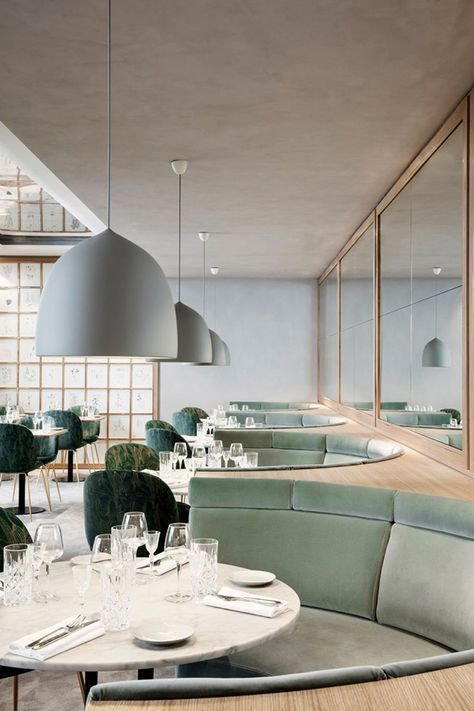
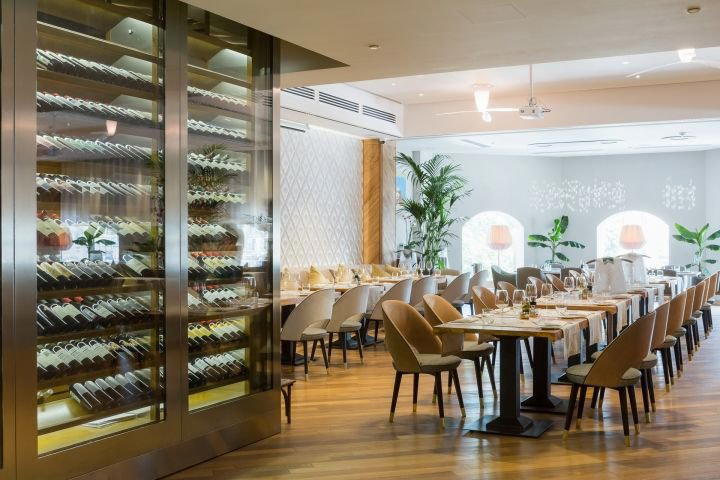
The setting reads as composed rather than ornate. Russian fine dining in the 2000s and early 2010s oscillated between Soviet-nostalgic theatrics and European mimicry, and Varvary sat outside both tendencies. The room's register is more considered, designed to hold attention on the table rather than the walls. For a first-time visitor arriving in the colder months, when Moscow's restaurant culture tilts toward enclosed warmth and long meals, that composure feels deliberate and well-suited to the format.
The 50 Best Moment and What It Meant for Moscow
In 2011, Varvary entered the World's 50 Best Restaurants at number 48. The broader context matters here: Russia had no sustained presence in the list's upper tiers at that point, and Moscow's fine dining scene was still in the process of articulating what it meant to cook Russian food at a high level, as opposed to serving international cuisine in a Russian city. The 50 Best placement was a signal that at least one kitchen was working from a coherent, distinctive point of view rooted in the country's own ingredients and culinary logic.
That credential places Varvary in a specific peer conversation. The restaurants that entered the 50 Best during that era, whether from Copenhagen, Lima, or Tokyo, were largely doing the same thing: constructing a case for their regional ingredient culture as a serious fine-dining reference. Varvary's entry into that cohort, however briefly, positioned Moscow's Russian cuisine revival as part of the same international wave rather than a provincial echo of it.
Across Moscow today, the serious end of Russian cuisine has fragmented into several directions. Artest and Ikra represent newer iterations of the tradition, while LOONA and Rybtorg approach Russian produce from different formal angles. Гусятникоff takes a more traditional route. Varvary predates most of these and, in a meaningful sense, helped establish that a conversation about Russian fine dining was worth having at all.
Reading the Meal as a Sequence
Serious Russian cuisine, when structured as a progression, tends to move through a logic built on preservation, fermentation, and season. The country's culinary history was shaped by necessity as much as preference: long winters and short harvests produced techniques of pickling, curing, smoking, and cold-smoking that are now understood as flavour systems rather than just storage methods. A well-constructed menu in this tradition doesn't simply list dishes; it traces a seasonal and climatic argument across the table.
At Varvary, the progression through courses carries that argument. Opening courses in the Russian fine dining tradition often deploy preserved or cured elements: fish roes, cold-smoked proteins, pickled vegetables, or cultured dairy preparations. These are not amuse-bouche filler but genuine flavour statements, setting the saline, acidic register that Russian cooking uses as a counterpoint to richer middle courses. The structure is closer to the Scandinavian meal format in its use of cold and preserved courses as serious opening acts, not just palate clearers.
Middle courses in this tradition typically move into game, freshwater fish, or slow-cooked meats, often with root vegetable constructions that use earthiness as a structural element rather than a background note. Towards the close, Russian dessert sequences lean on honey, buckwheat, sour cream, and berry preparations, flavours that are distinct from the French pastry tradition that dominates most European fine dining at the sweet end. The overall arc, from preserved and saline to rich and finally to sweet-tart, follows an internal logic that rewards a full progression rather than selective ordering.
The Russian Restaurant Moment, Then and Now
The early 2010s were a particular moment for Moscow's restaurant industry. Rising disposable incomes and a generation of chefs who had trained or staged abroad created the conditions for a fine dining culture that was simultaneously outward-looking and increasingly interested in what a distinctly Russian kitchen could do. Varvary emerged as one of the clearest expressions of that ambition.
The scene has continued to develop since then. White Rabbit, Selfie, and Twins Garden have each accumulated international recognition in subsequent years, and the category of modern Russian or Russian-inflected cuisine has grown more defined. The 50 Best recognition that Varvary received in 2011 looks, in retrospect, like an early marker of a longer maturation process.
For diners interested in where Russian fine dining started to develop a serious voice, Varvary remains a reference point. The address on Volokolamskoye Shosse, away from the central tourist circuit, means the room tends toward a local clientele, which is its own signal about how the restaurant has built its reputation over time.
Planning Your Visit
Varvary sits on Volokolamskoye Shosse in Moscow's northwest, at address 1с1. The location is more practical than central, and visitors should allow time to reach it from the city's main hotel districts. Booking in advance is essential, particularly for weekend evenings.
The winter and early spring months are the seasons that suit Russian cuisine of this register leading. The ingredient culture is oriented around cold-weather produce, preserved and cured preparations, and warming mid-course constructions. Arriving in November through March puts you in the right seasonal register for what the kitchen is doing. That said, summer months, when Russian produce includes freshwater fish, berries, and green vegetables in their short peak windows, offer a different and equally coherent argument from the menu.
Russian Fine Dining Beyond Moscow
The serious treatment of Russian and Russian-adjacent cuisine extends beyond Moscow. In St. Petersburg, Birch and Bourgeois Bohemians represent the northern city's own approach to the category, while пробка (Probka) and Frantsuza Bistrot work Russian ingredients through different formal registers. Further afield, La Colline in Bolshoye Sareyevo, Leo Wine and Kitchen in Rostov, SEASONS in Kaliningrad, and Tsarskaya Okhota in Zhukovka each demonstrate how the country's regional ingredient cultures are being worked through by kitchens outside the capital.
Comparable Options
Comparable venues nearby, for context on price, style, and recognition.
| Venue | Cuisine | Price | Notes |
|---|---|---|---|
| VarvaryThis venue — the venue you are viewing | Modern Russian Molecular Gastronomy | $$$$ | Not listed |
| Artest | Modern European Fine Dining | $$$$ | Smolensk |
| САВВА - Savva - Hotel Metropol | Modern Russian Fine Dining | $$$$ | Tverskoy District |
| White Rabbit | Modern Russian Fine Dining | $$$$ | Smolenskaya |
| Twins Garden | Modern Russian Fine Dining | $$$$ | Tverskoy District |
| Kazbek (Казбек) | Georgian | $$$ | Пресненский |
Recognition history
Dated appearances from independent guides and award organizations, with the underlying list record or original source where available.
World's 50 Best Best Restaurants #48
World's 50 Best
At a Glance
- Sophisticated
- Elegant
- Modern
- Intimate
- Special Occasion
- Celebration
- Business Dinner
- Private Dining
- Design Destination
- Open Kitchen
- Sommelier Led
- Local Sourcing
- Farm To Table
Current opening hours
- Monday
- 12 PM–12 AM
- Tuesday
- 12 PM–12 AM
- Wednesday
- 12 PM–12 AM
- Thursday
- 12 PM–12 AM
- Friday
- 12 PM–2 AM
- Saturday
- 2 PM–2 AM
- Sunday
- 2 PM–12 AM
Hours can change for holidays and private events. Last verified .
Museum-like dining room on the fifth floor with curated Vologda lace and Pavlovsky Posad wool shawls framed under glass, hand-painted golden plates, dark red and black palette with extravagant silver cutlery, creating an intimate atmosphere removed from street noise with moderate acoustic levels.