Made in China
On Bolshaya Morskaya, St. Petersburg's most European-facing street, Made in China positions itself inside the city's growing appetite for pan-Asian cooking with Chinese technique at its center. The address alone, steps from the Mariinsky and the Neva embankment, signals a certain seriousness about location. For visitors already working through the city's better restaurants, this is a useful counter-point to the Russian-Nordic wave currently dominating critical attention.
Pearl is the En Primeur Club membership app — saves, bookings, and concierge access live there. Same editors, same standards.
- Address
- Bol'shaya Morskaya Ulitsa, 35, St Petersburg, Russia, 190000
- Phone
- +7 812 905-51-35
- Website
- madeinchina-spb.ru
- Directions
- Get directions
 Saves & bookings on Pearl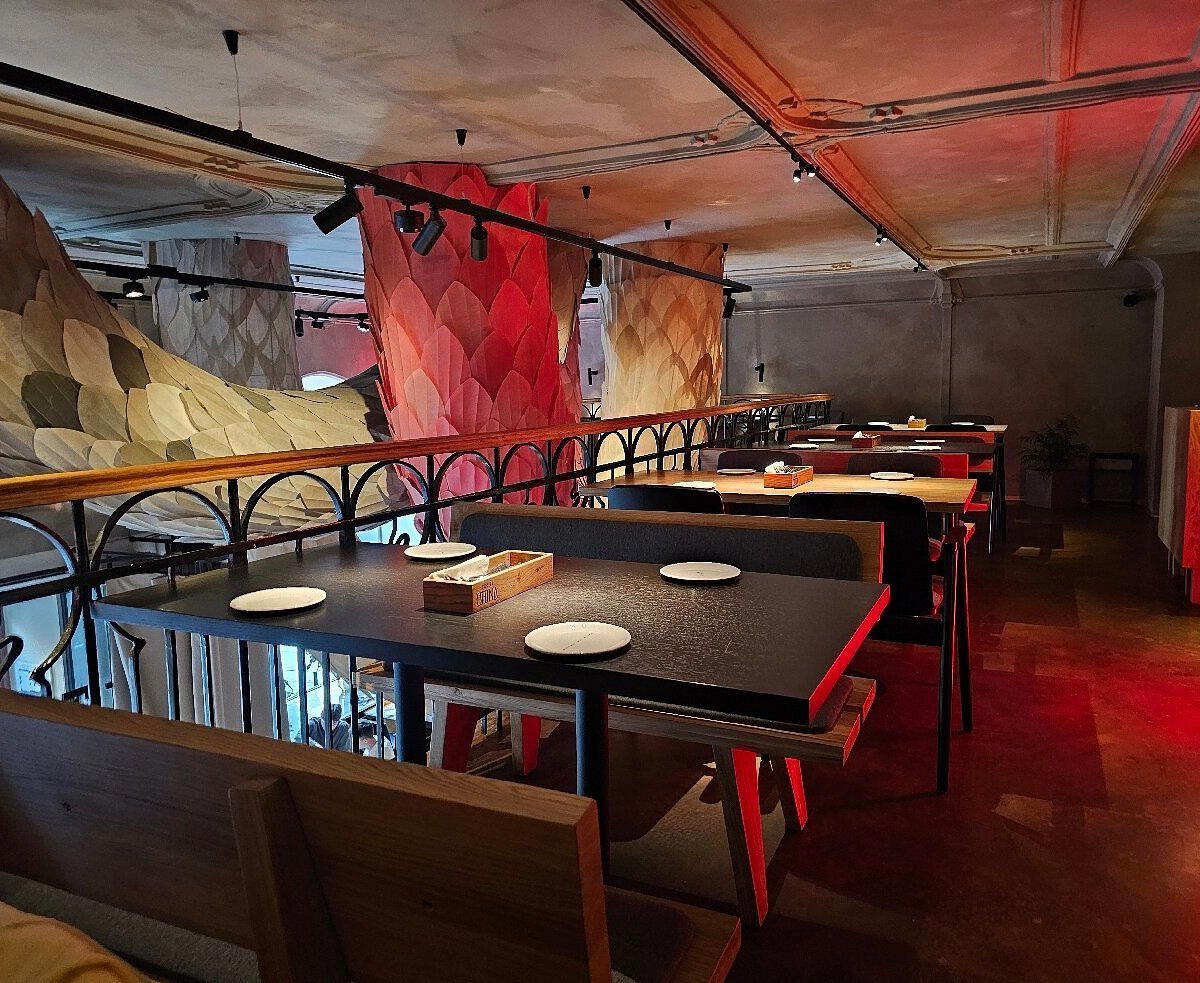
Bolshaya Morskaya and the Asian Dining Shift in St. Petersburg
Bolshaya Morskaya has always been a street that takes its restaurants seriously. Running southwest from Nevsky Prospekt toward St. Isaac's Square, it carries the architectural weight of imperial-era commercial St. Petersburg, wide pavements, tall facades, the occasional carriage entrance that once served trading houses. In the past decade, that same corridor has become a testing ground for the city's more considered dining options, sitting a notch above the tourist-facing Nevsky strip while remaining legible to visitors who know where to look. Made in China sits at number 35, and the address does quiet work before you even reach the door.
The broader context matters here. St. Petersburg's restaurant scene has been shaped in recent years by a Russian-Nordic identity wave, with venues like Cococo and Birch drawing national attention for their sourcing-led, locally rooted menus. That movement has been serious and has produced genuinely strong cooking. But it has also created an opening for something else: restaurants oriented not toward northern Russia's larder but toward the techniques and ingredient logic of East and Southeast Asia. Made in China occupies that counterpoint position, offering Chinese-rooted cooking in a city where the category has historically been underserved at anything above the budget tier.
Where the Ingredients Come From, and Why That Question Matters Here
China and Russia share a substantial land border, and cross-border ingredient trade through the Russian Far East, particularly through ports and rail corridors connecting Vladivostok and Khabarovsk to northeastern China, has made certain Chinese pantry staples more accessible in Russian cities than they were fifteen years ago. That shift is visible in how the better pan-Asian restaurants in Moscow and St. Petersburg now stock their kitchens.
The ingredient sourcing question for Chinese cooking in Russia breaks into two distinct categories. The first is fresh produce and protein, where local Russian suppliers, particularly from regions bordering China, have become more viable as quality benchmarks have risen. The second is fermented, aged, and dried pantry goods: doubanjiang, black vinegar, Shaoxing wine, dried chilies from Sichuan, fermented black beans. These are not easily substituted and their presence or absence in a kitchen signals whether a restaurant is working within a genuine framework or approximating one. For a restaurant called Made in China on a prestigious St. Petersburg address, this distinction carries weight.
The name itself is a statement of positioning rather than irony. It anchors the restaurant to a specific culinary origin rather than the vaguer category of "Asian" or "oriental" that still appears on menus across the city. Whether the kitchen fully delivers on that specificity is the question a first visit answers. For readers already familiar with pan-Asian alternatives like Jack and Chan or the more grill-focused Korean BBQ гриль, the restaurant presents a different register: less casual, more fixed in a single culinary tradition.
The Bolshaya Morskaya Context: What the Street Signals
Placement on Bolshaya Morskaya carries practical implications for the kind of restaurant that can sustain itself there. Rents on this corridor are not the cheapest in the city, and the clientele skews toward local professionals, hotel guests from the nearby properties around St. Isaac's Square, and visitors who approach the city through its cultural institutions rather than its party districts. This is not a Dumskaya Street crowd. The restaurants that work here tend to have a degree of formality in their service model and a price point that reflects the address without becoming extractive about it.
That positioning places the restaurant in an interesting peer group. It is not competing with the Harvest-style farm-to-table format or with the historic-dining register of 1913 in Saint Petersburg. It is competing, more precisely, with any venue in the city that can make a credible case for cuisine outside Russia's own traditions, a smaller competitive set, but one that requires genuine technical conviction to hold a position in.
For comparison, look at how Chinese and East Asian cooking has been handled in other major Russian cities. Dzhani Restorani in Nizhny Novgorod and Khmeli Suneli in Yekaterinburg each operate in their respective cities as restaurants pushing a specific culinary identity against the grain of local expectations. The challenge is similar in each case: convincing a dining public with limited reference points that the specificity of the cuisine is itself the point, not a novelty. St. Petersburg's dining culture, shaped by its European orientation and a relatively well-travelled local population, is better prepared for that argument than most other Russian cities outside Moscow.
Planning a Visit
The restaurant is located at Bolshaya Morskaya 35, St. Petersburg, in the section of the street closest to Konyushennaya Square, within a short walk of the Hermitage and the Palace embankment. The address is easily reached on foot from the central hotel district.
- bao buns
- dim sum
- gyoza
- tataki
- glazed pork ribs with kimchee cabbage
- salmon in tempura from cuttlefish ink
Comparable Venues
Comparable venues nearby, for context on price, style, and recognition.
| Venue | Cuisine | Price | Notes |
|---|---|---|---|
| Made in ChinaThis venue — the venue you are viewing | Modern Asian Café & Bar | $$ | Not listed |
| Cococo | Modern Russian Fine Dining | $$$ | Admiralteysky |
| Korean BBQ гриль | Korean Table-Top BBQ Grill | $$ | Northwestern District |
| Wong Kar Wine | Contemporary Asian (Thai) with Natural Wines | $$ | Liteyny |
| Palkin | Classic Russian Fine Dining | $$$$ | Nevsky Prospekt |
| Jack & Chan | Pan-Asian Fusion | $$ | Nevskiy |
Continue exploring
More in Saint Petersburg
Restaurants in Saint Petersburg
Browse all →
Bars in Saint Petersburg
Browse all →

At a Glance
- Modern
- Trendy
- Lively
- Casual Hangout
- After Work
- Late Night
- Open Kitchen
- Craft Cocktails
- Sake Program
- Beer Program
Current opening hours
- Monday
- 12–11 PM
- Tuesday
- 12–11 PM
- Wednesday
- 12–11 PM
- Thursday
- 12–11 PM
- Friday
- 12 PM–1 AM
- Saturday
- 12 PM–1 AM
- Sunday
- 12–11 PM
Hours can change for holidays and private events. Last verified .
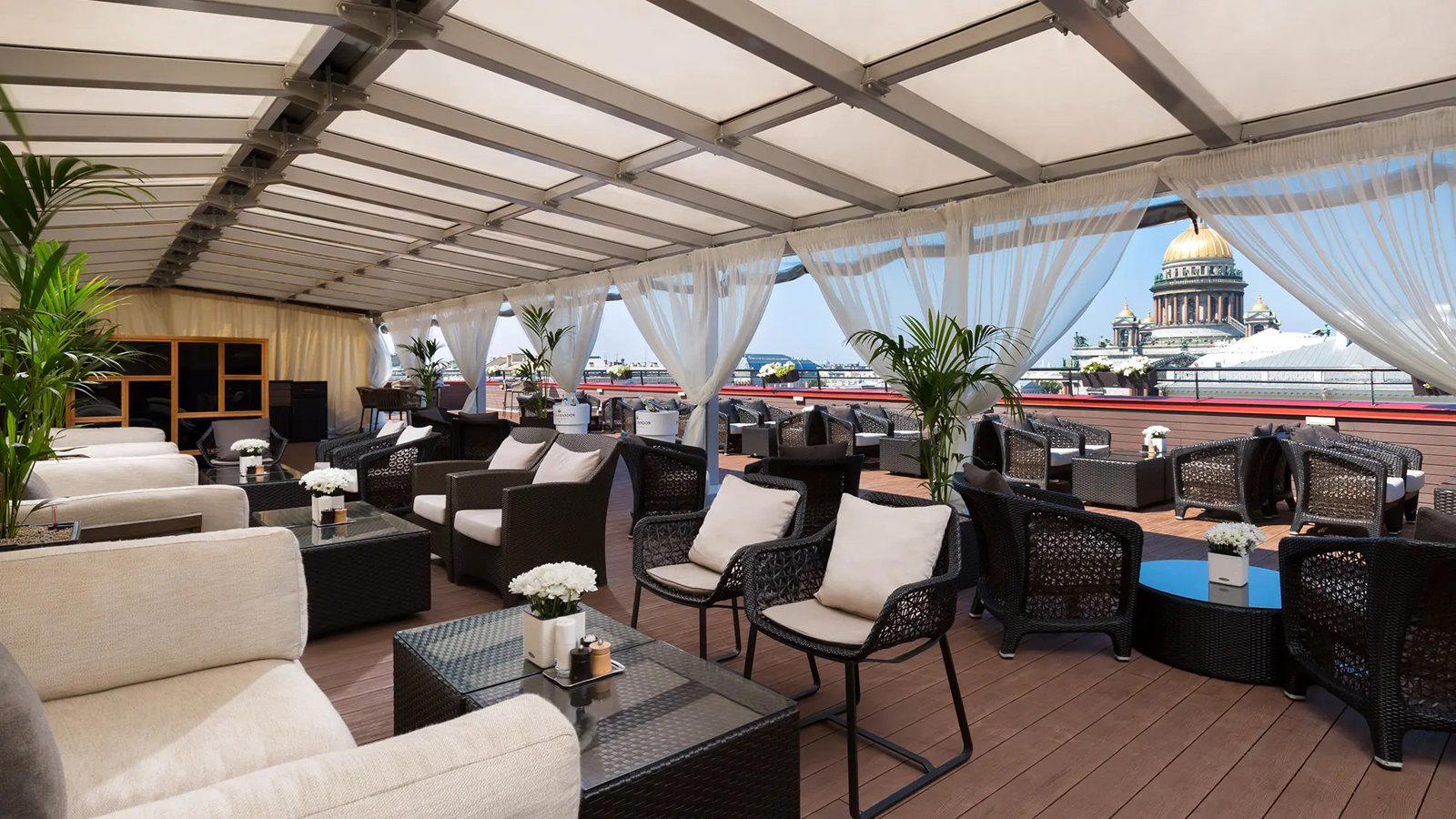
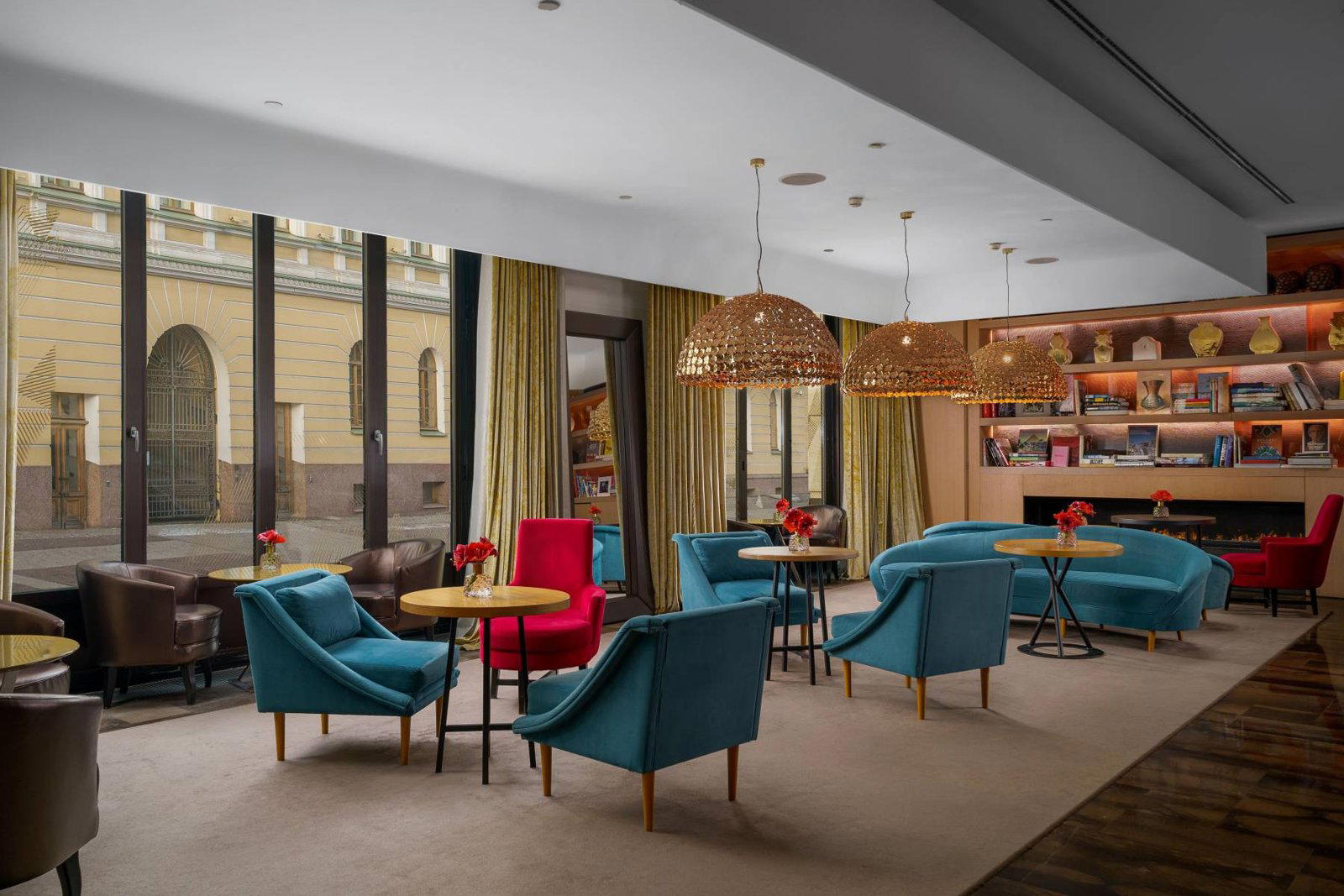
Contemporary two-level space with casual atmosphere that becomes louder and more energetic on Friday and Saturday nights with DJ music; minimalist modern design with good music.