Lev I Ptichka
On Vasilievsky Island's Bolshoy Prospekt, Lev I Ptichka occupies a corner of Saint Petersburg's most liveable neighbourhood, away from the tourist corridors of the centre. The address places it within a walkable residential strip that has quietly accumulated some of the city's more considered dining options, making it a useful reference point for how the island's food scene has matured.
- Address
- Bolshoy Prospekt, 19, St Petersburg, Russia, 197198
- Phone
- +7 952 288 70 69
- Website
- leviptichka.ru
- Directions
- Get directions
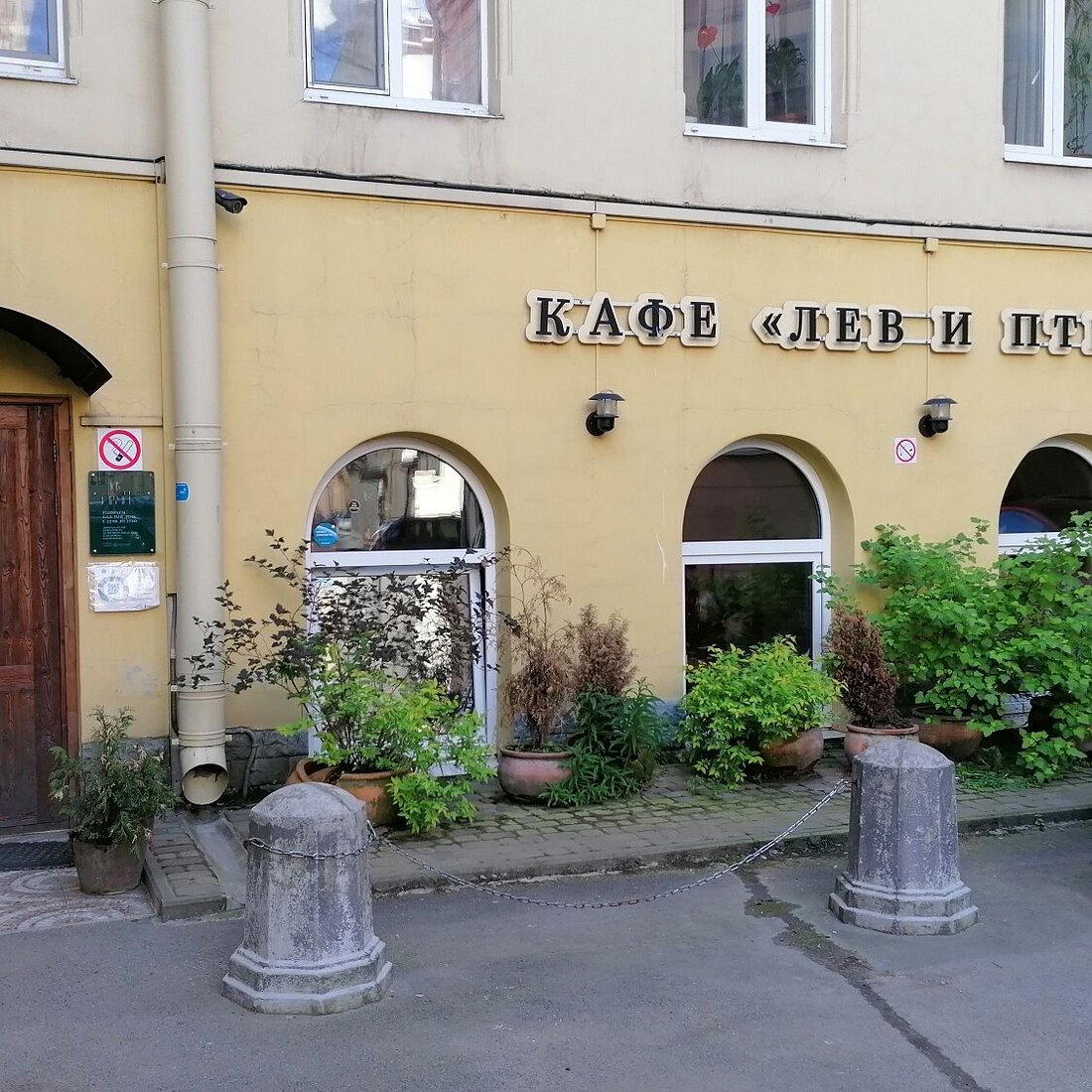
Vasilievsky Island and the Quiet Case for Dining Off-Centre
Saint Petersburg's dining conversation tends to collapse around a handful of postcodes: the canal-facing addresses near Nevsky Prospekt, the cluster of ambitious kitchens in the Petrogradsky district, and a rotating cast of newcomers in the central grid. Vasilievsky Island has historically been left out of that conversation, treated as residential territory rather than destination dining. That assessment is increasingly out of date. Bolshoy Prospekt, the long arterial road running the length of the island's northern side, has become one of the more consistent streets for neighbourhood-scale restaurants in the city, and Lev I Ptichka at number 19 is part of that pattern.
The name translates loosely as "Lion and Bird," and the address already tells you something about the intent: this is not a venue positioned for tourist foot traffic or convention-circuit business dining. The surrounding blocks are residential in character, with the kind of low-key commercial strip, pharmacy-bookshop-cafe rhythm, that signals a place working primarily for a local clientele. In that context, survival and reputation both depend on consistent performance rather than novelty or location convenience.
What the Neighbourhood Demands
Vasilievsky Island restaurants operate under conditions that differ from their city-centre counterparts. Without the passing trade that fills tables on Rubinshteyna Street or around the Mariinsky quarter on performance nights, venues on the island need to earn return visits. The neighbourhood has a university presence, a long-established intelligentsia demographic, and more recently a younger professional population drawn by comparatively affordable housing. That mix tends to produce a dining public that is price-aware but not price-obsessed, and that responds well to places with a clear point of view rather than a generalist menu designed to offend no one.
In this respect, Vasilievsky's food scene has something structurally in common with residential dining districts in other large European cities: the Prenzlauer Berg model in Berlin, or the 11th arrondissement in Paris before it became a destination in its own right. Restaurants embedded in those kinds of neighbourhoods tend to develop a loyalty depth that city-centre venues rarely achieve, precisely because the audience is not constantly refreshed by tourists. The trade-off is that visibility requires word-of-mouth rather than footfall, and that the stakes for consistency are correspondingly higher.
Where Lev I Ptichka Sits in the City's Eating Order
Saint Petersburg's restaurant tier structure has changed considerably over the past decade. The upper bracket, represented by places like COCOCO Bistro, has pushed toward a self-consciously Russian-ingredient approach, drawing on the broader new Nordic influence that reshaped European fine dining and found a receptive audience in cities with strong seasonal and regional pantries. Below that tier, a second layer of mid-market places has become more sophisticated about sourcing and technique without the price architecture of tasting-menu formats.
Lev I Ptichka's position within that structure is consistent with its address: a neighbourhood-scale operation rather than a destination venue competing with the city's headline restaurants. That framing is not a criticism. Particularly instructive dining in any city happens at this register, where the pressure to perform for a mixed tourist and expense-account audience is absent and the kitchen can develop a coherent identity over time.
Other Saint Petersburg addresses worth cross-referencing include Brichmula, King Pong, Mickey & Monkeys, and Oh! Mumbai, each of which occupies a distinct slot in the city's mid-market range. For a sense of how Russia's most ambitious kitchen work looks at the national level, Twins Garden in Moscow remains the clearest reference point.
Getting There and Planning Your Visit
Compact Comparison
Comparable venues nearby, for context on price, style, and recognition.
| Venue | Cuisine | Price | Notes |
|---|---|---|---|
| Lev I PtichkaThis venue — the venue you are viewing | Aptekarskiy, Georgian | $$ | Not listed |
| Restaurant "Aladasturi" | Staraya Derevnya, Georgian Cuisine | $$ | Not listed |
| Teplo | Not listed | $$ | Admiralteisky, Modern European with Russian and Italian influences |
| Rockets & Bishops | Not listed | $$ | Admiralteyskaya, American Gastropub with Craft Beer |
| Brichmula | Staraya Derevnya, Uzbek & Middle Eastern | $$ | Not listed |
| Mickey & Monkeys | Nevskiy, American Cafe with Overshakes | $$ | Not listed |
Continue exploring
More in Saint Petersburg City
Restaurants in Saint Petersburg City
Browse all →
Bars in Saint Petersburg City
Browse all →

At a Glance
- Cozy
- Quiet
- Rustic
- Casual Hangout
- Group Dining
- Open Kitchen
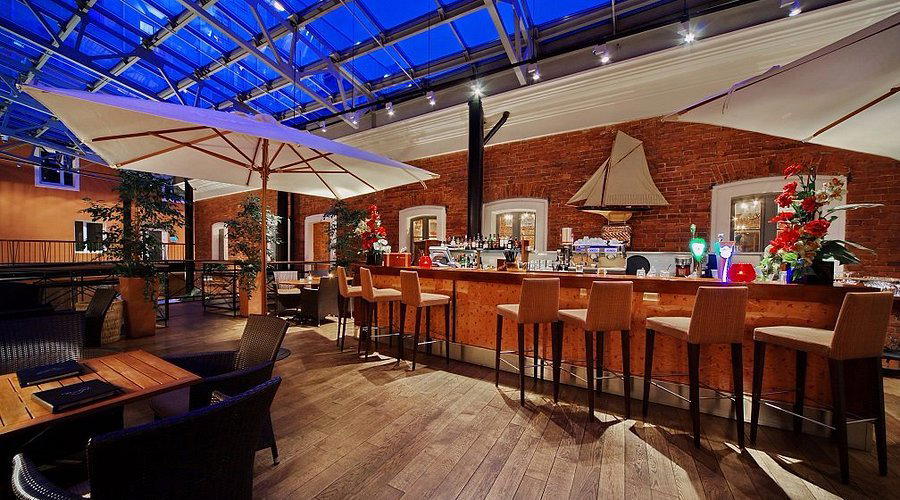
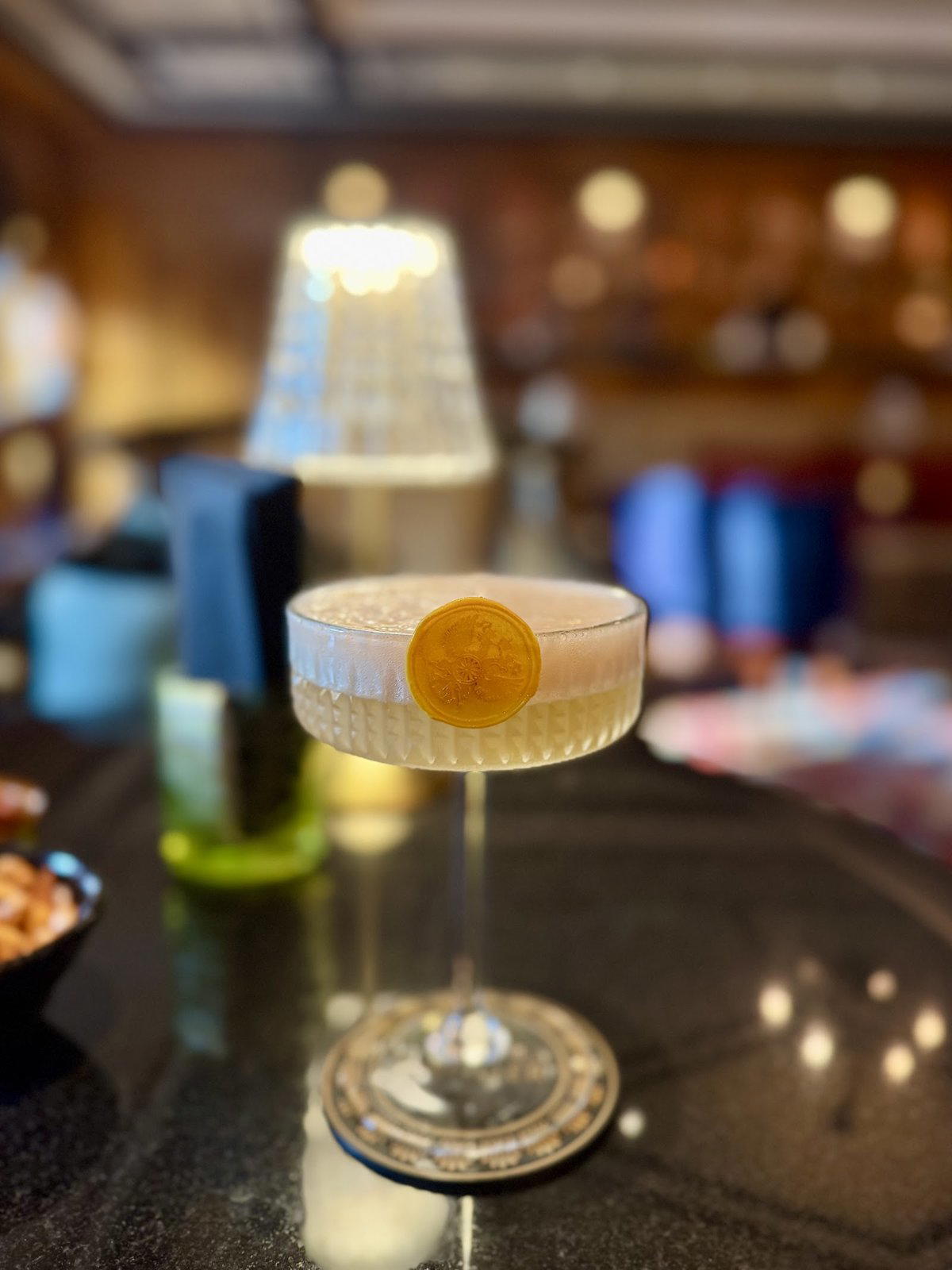
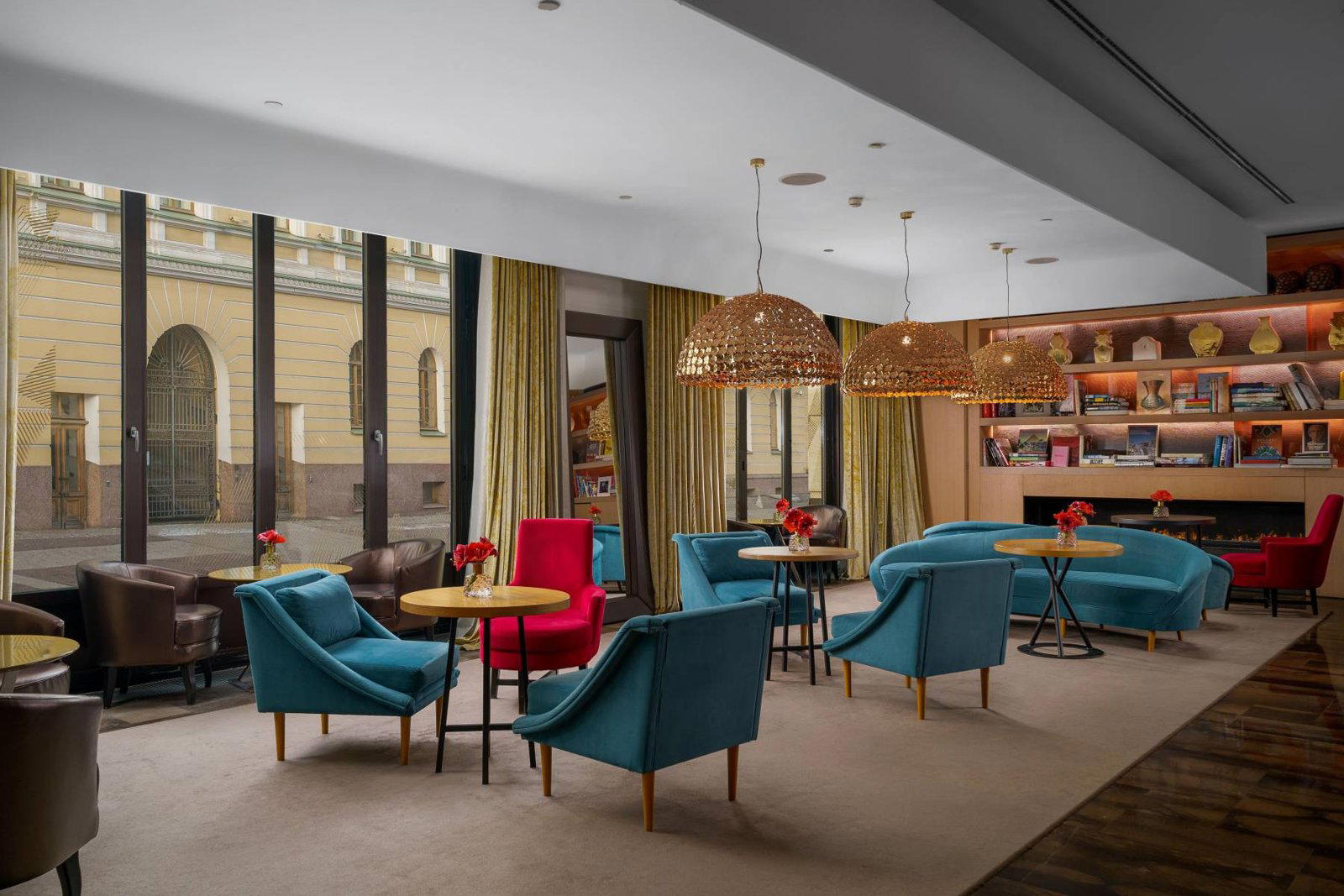
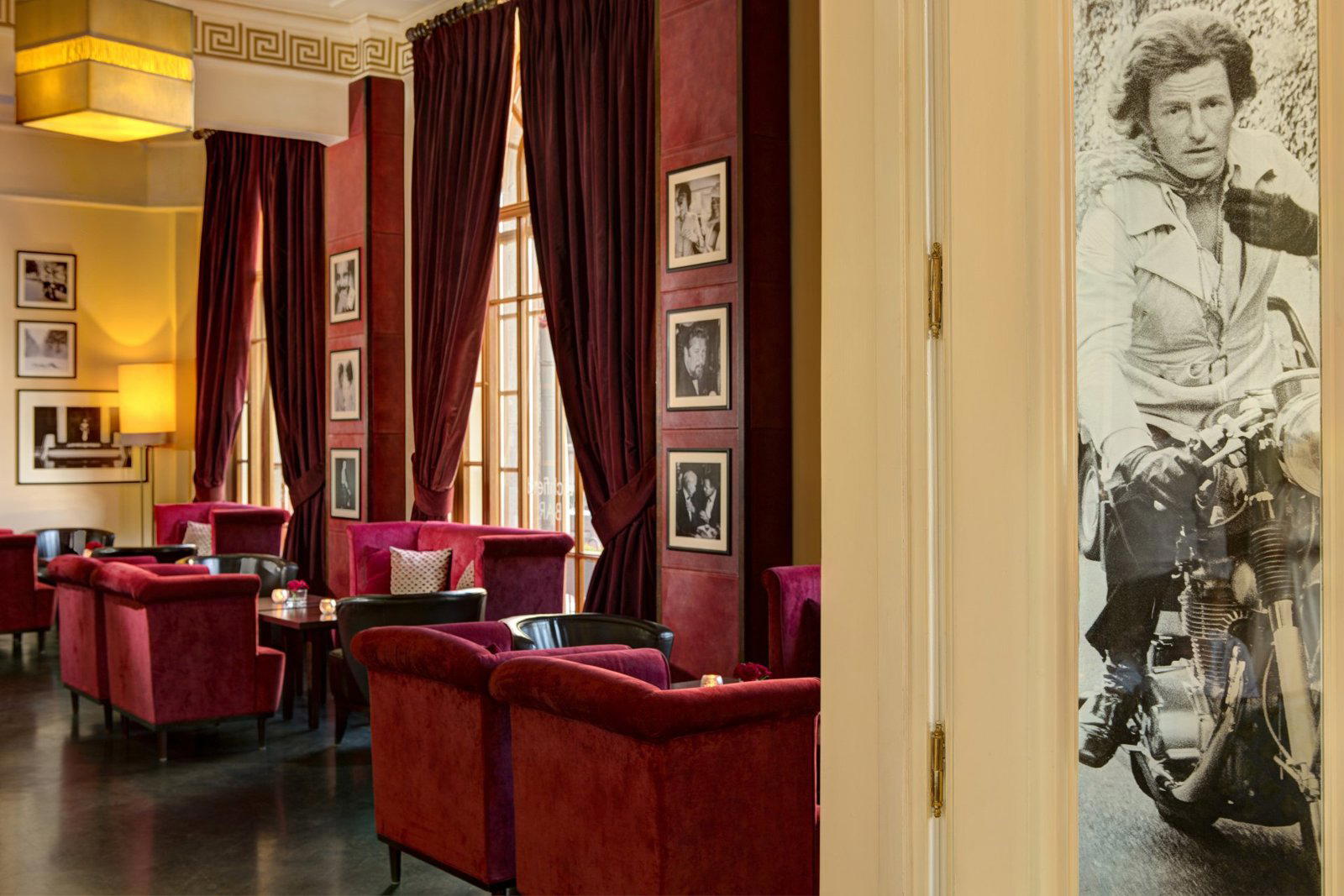
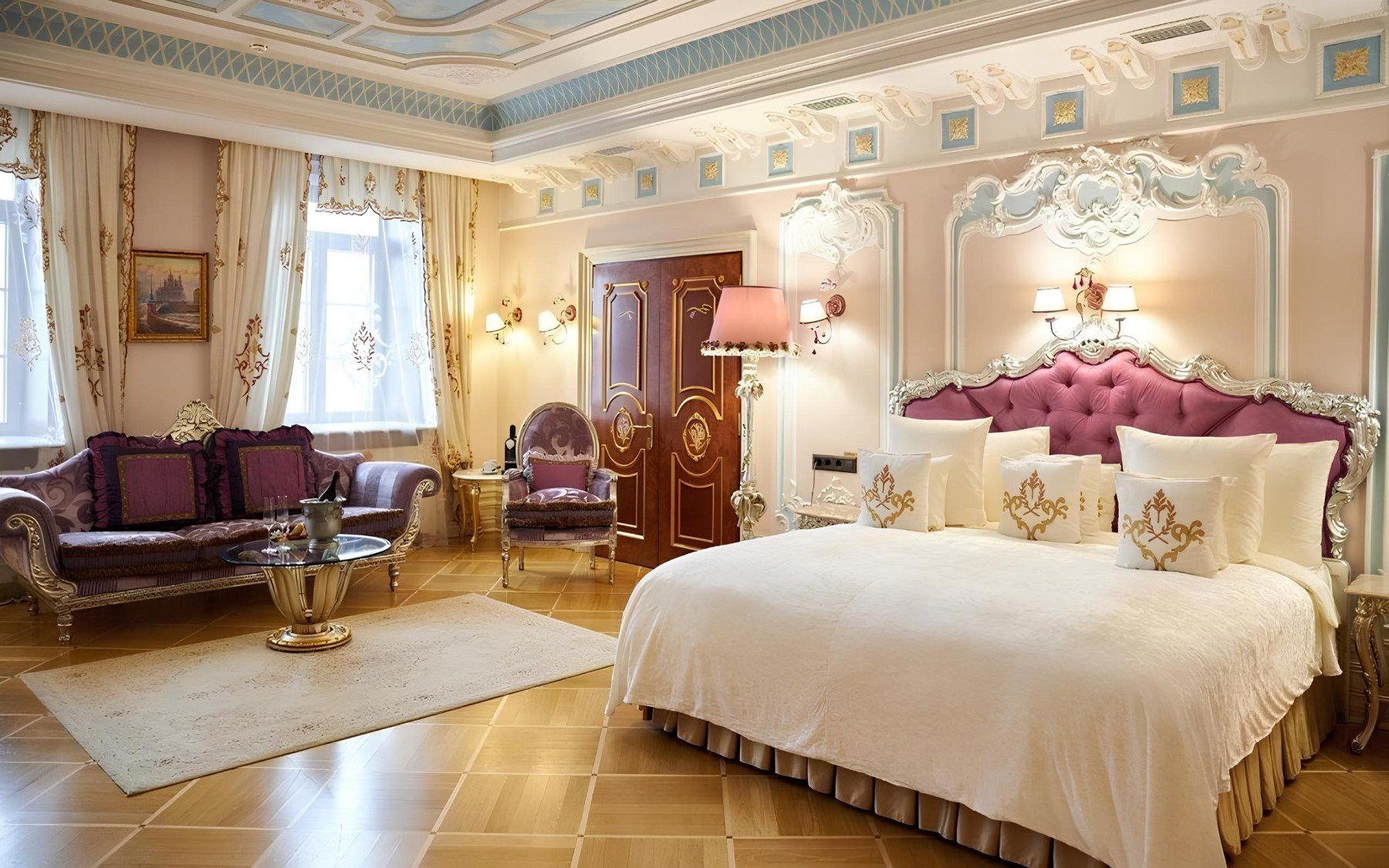
Intimate, cozy spaces with warm lighting from the wood-burning oven in the middle of the room, creating a relaxed and atmospheric setting ideal for small group conversations.