On Ulitsa Lenina in central Omsk, Grisha occupies a position that says something about where serious dining is heading in Russia's Siberian cities: away from imported formats and toward something more locally rooted. The address alone places it at the centre of the city's dining conversation, drawing a crowd that takes food with a degree of deliberation.
Pearl is the En Primeur Club membership app — saves, bookings, and concierge access live there. Same editors, same standards.
- Address
- Ulitsa Lenina, 7, Omsk, Omsk Oblast, Russia, 644099
- Phone
- +73812507777
- Website
- vk.com
- Directions
- Get directions
 Saves & bookings on Pearl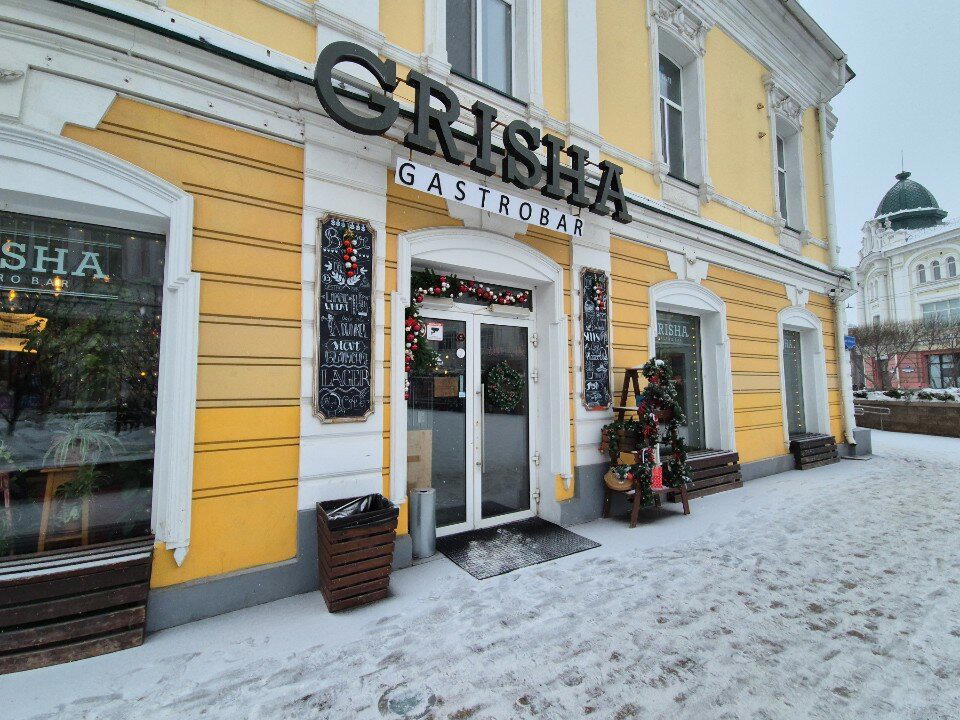
Ulitsa Lenina and What It Signals
Omsk's main artery, Ulitsa Lenina, runs through a city that tends to be underestimated on Russia's dining map. The street carries the weight of Soviet-era civic architecture, wide pavements, and the kind of foot traffic that sustains restaurants operating above the casual tier. In recent years, a handful of addresses along and around it have started attracting attention from diners who would previously have looked only to Moscow or Saint Petersburg for serious cooking. Grisha, at number 7, sits at the centre of that shift.
Approaching the address, the context matters: Omsk is a city of over a million people with a university population and a professional class that has developed genuine expectations around dining. That demographic is partly what has driven the emergence of restaurants in this bracket, places where provenance of ingredients is discussed rather than assumed, and where the kitchen is making deliberate choices about what arrives on the plate and from where.
The Question of Sourcing in Siberian Kitchens
The ingredient sourcing argument in Siberian cooking is more complicated than it might appear from the outside. Western Siberia sits at the intersection of several agricultural zones, with the Omsk region producing grain, dairy, and river fish at scale. What separates kitchens that engage seriously with this supply chain from those that do not is not access but intention. A restaurant willing to build relationships with regional producers, to adjust menus around seasonal availability of Siberian cèpes or local pike-perch, is making a fundamentally different proposition than one running a static menu sourced from a central distributor.
This distinction has become one of the clearest dividing lines in Russian regional dining over the past decade. Operations like Twins Garden in Moscow built their identity partly on owning the agricultural supply chain. At the regional level, similar conversations are happening in cities like Tomsk, where Kukhterin has drawn attention for its approach to Siberian produce, and in Yekaterinburg, where Khmeli Suneli works within a Caucasian framework that has its own sourcing logic. The question for any Omsk restaurant operating in this space is how specifically it anchors itself to the region's actual larder rather than simply gesturing toward it.
Where Grisha Sits in the City's Competitive Set
Omsk's restaurant market operates at a different scale than Moscow or Saint Petersburg, but it is not without internal competition. Prestizh represents one end of the city's formal dining options. Grisha's position on Ulitsa Lenina places it in direct competition for the same dinner occasion: the considered meal, the celebratory booking, the table where the food itself is the point rather than the backdrop.
Across Russia's regional cities, this tier has been growing. Restaurants in Nizhny Novgorod, Krasnodar, and Voronezh have all developed kitchens operating above the mid-market without relying on the Moscow-centric credentialing system. Dzhani Restorani in Nizhny Novgorod and Alanskaya Kukhnya in Krasnodar are examples of that pattern, as is krevetka in Voronezh. The appetite for serious regional cooking outside the capital cities is real, and the competitive pressure it creates has raised kitchen standards across the board.
For comparison at the summit of the Russian dining hierarchy, 1913 in Saint Petersburg and Lev I Ptichka represent what the Saint Petersburg scene has built over time. The distance between those operations and what is now possible in Omsk is narrowing, which is part of what makes addresses like Grisha worth tracking.
Russian Dining Traditions and the Modern Regional Kitchen
Understanding what Grisha is doing requires some grasp of what the broader modern Russian restaurant movement has been working through. The country's cuisine, dismissed for decades as heavy and unsophisticated outside its borders, has been subjected to serious re-examination since roughly 2010. Restaurants like Cafe Pushkin established one template: the theatrical recreation of pre-revolutionary culinary culture. A different cohort moved toward ingredient-led modernism. Particularly interesting regional kitchens have started to develop a third path, working with specifically local produce and technique rather than importing either a heritage aesthetic or a metropolitan modernist vocabulary.
That third path is harder to execute in a city like Omsk than in a capital, because the infrastructure, the supplier relationships, and the critical audience all have to be built from scratch. The restaurants that manage it tend to attract a loyal local following before they attract any wider recognition, which means they operate for some time in a kind of productive obscurity. Made in China in St. Petersburg took a different route, building on an imported cuisine framework with local execution. The point is that there is no single correct model, only the question of whether a kitchen has thought seriously about what it is doing and why.
Planning a Visit
Grisha sits at Ulitsa Lenina, 7, in central Omsk.
Quick Comparison
Comparable venues nearby, for context on price, style, and recognition.
| Venue | Cuisine | Price | Notes |
|---|---|---|---|
| GrishaThis venue — the venue you are viewing | European Gastro Pub | $$ | Not listed |
| Prestizh | Artisanal Pastry & Dessert Café | $$ | Tupoleva Street |
| Korean BBQ гриль | Korean Table-Top BBQ Grill | $$ | Northwestern District |
| Kazbek (Казбек) | Georgian | $$$ | Пресненский |
| Kazbek | Authentic Georgian | $$ | Presnensky |
| Paloma Cantina | Authentic Mexican Cantina | $$ | Nevskiy |
Continue exploring
More in Omsk
Restaurants in Omsk
Browse all →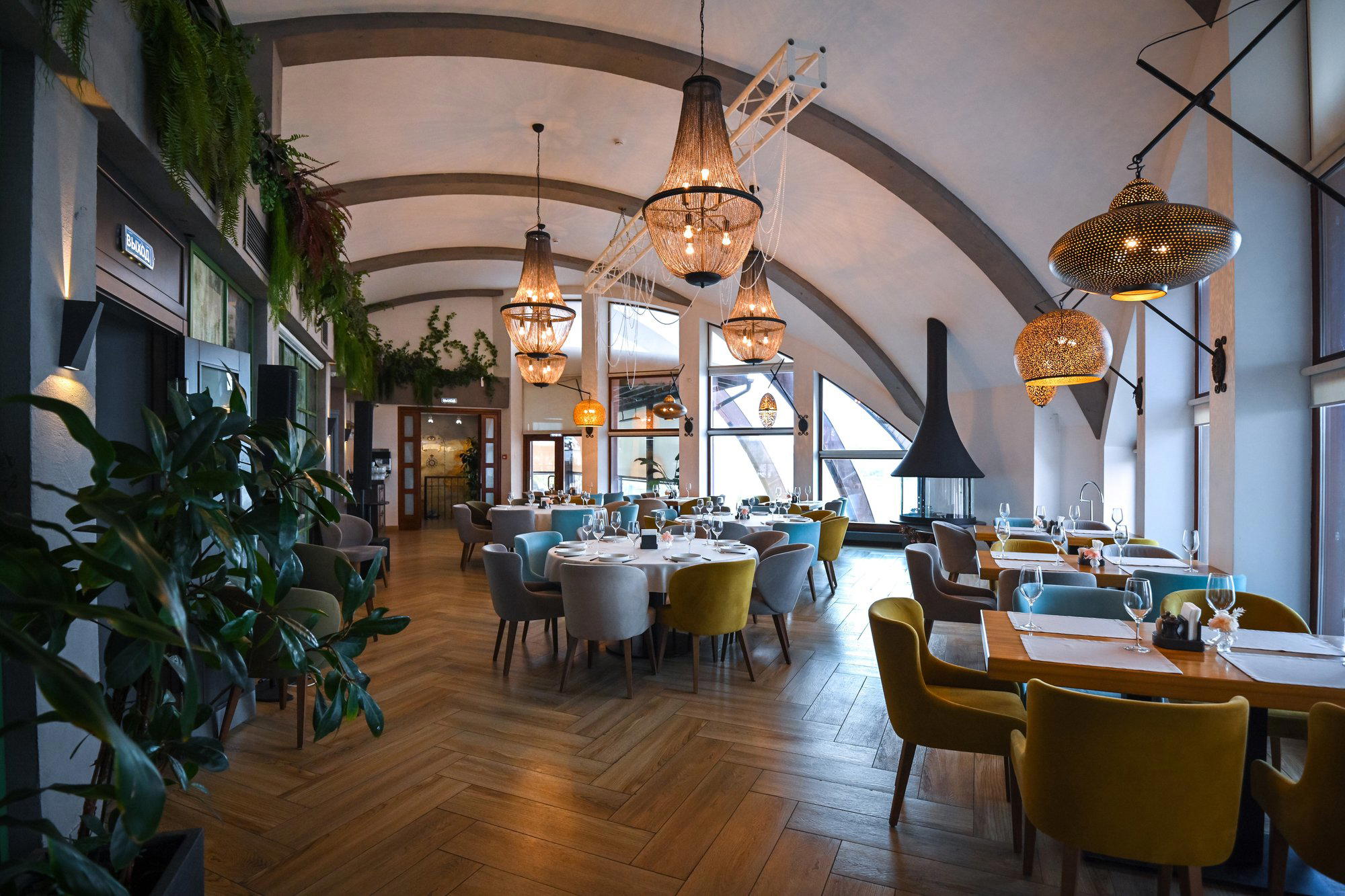
At a Glance
- Lively
- Cozy
- Casual Hangout
- Group Dining
Current opening hours
- Monday
- 12–11 PM
- Tuesday
- 12–11 PM
- Wednesday
- 12–11 PM
- Thursday
- 12–11 PM
- Friday
- 12 PM–1 AM
- Saturday
- 12 PM–1 AM
- Sunday
- 12–11 PM
Hours can change for holidays and private events. Last verified .
Warm and cozy gastro bar atmosphere