1913
Named for the final year of the Romanov empire, 1913 sits on Voznesensky Avenue in central Saint Petersburg and frames its menu around the pre-revolutionary Russian table. The restaurant occupies a distinct tier in the city's dining scene, where sourcing from historic Russian terroir, grains, game, river fish, and preserved vegetables, drives the kitchen's editorial logic rather than Continental technique.
Pearl is the En Primeur Club membership app — saves, bookings, and concierge access live there. Same editors, same standards.
- Address
- Voznesensky Ave, 13/2, St Petersburg, Russia, 190068
- Phone
- +78123155148
- Website
- restaurant-1913.spb.ru
- Directions
- Get directions
 Saves & bookings on Pearl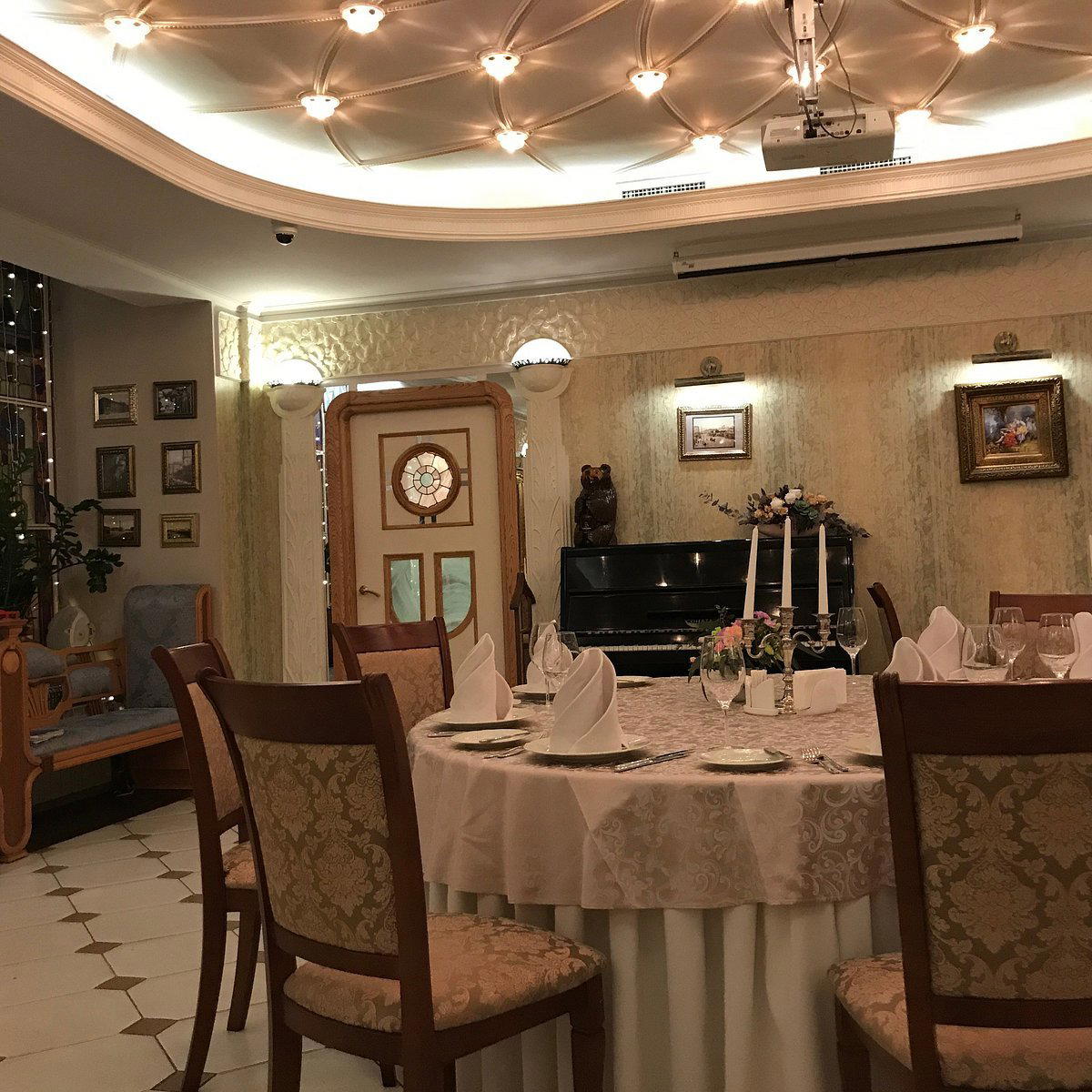
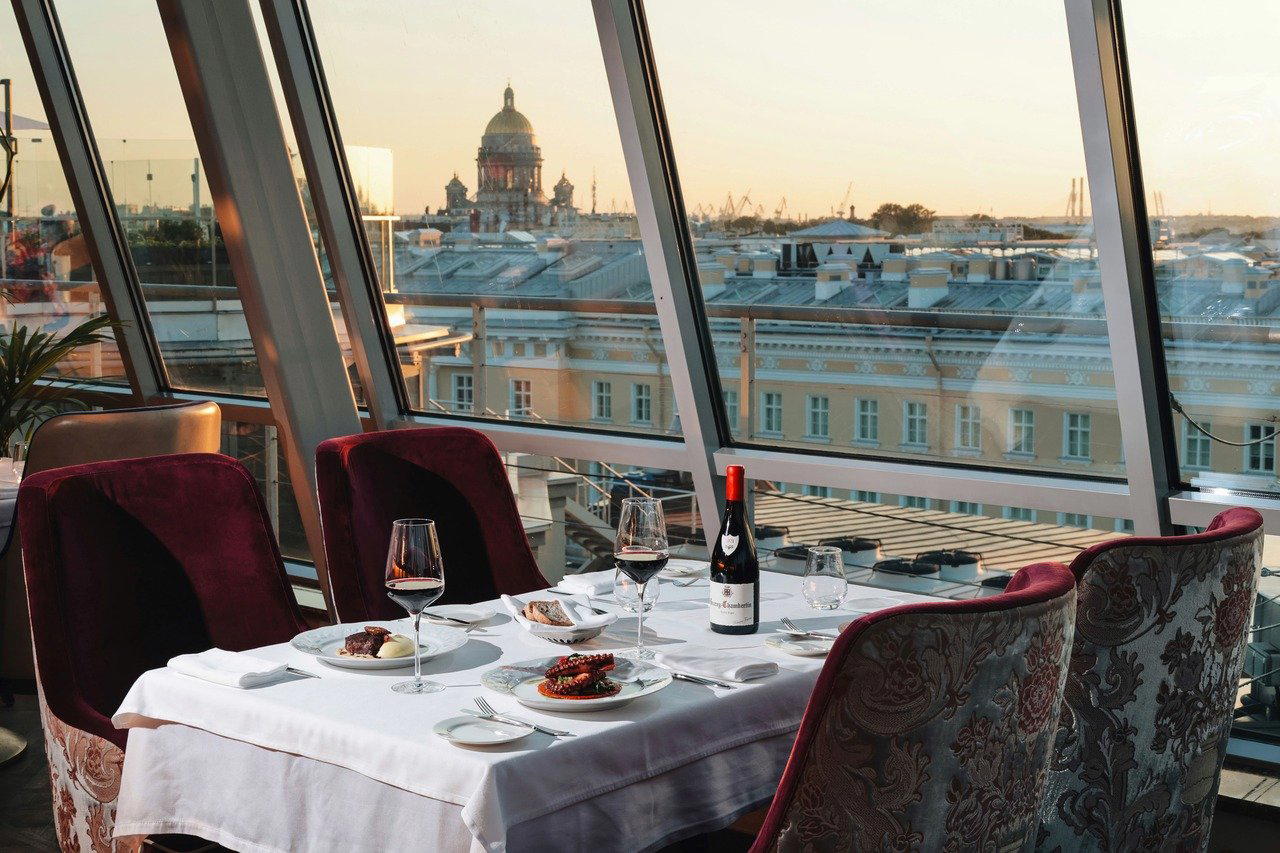
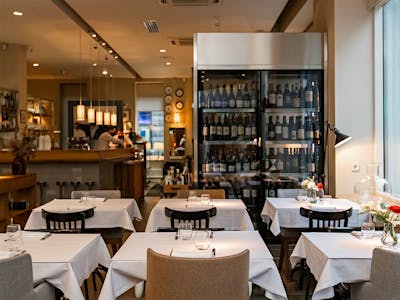
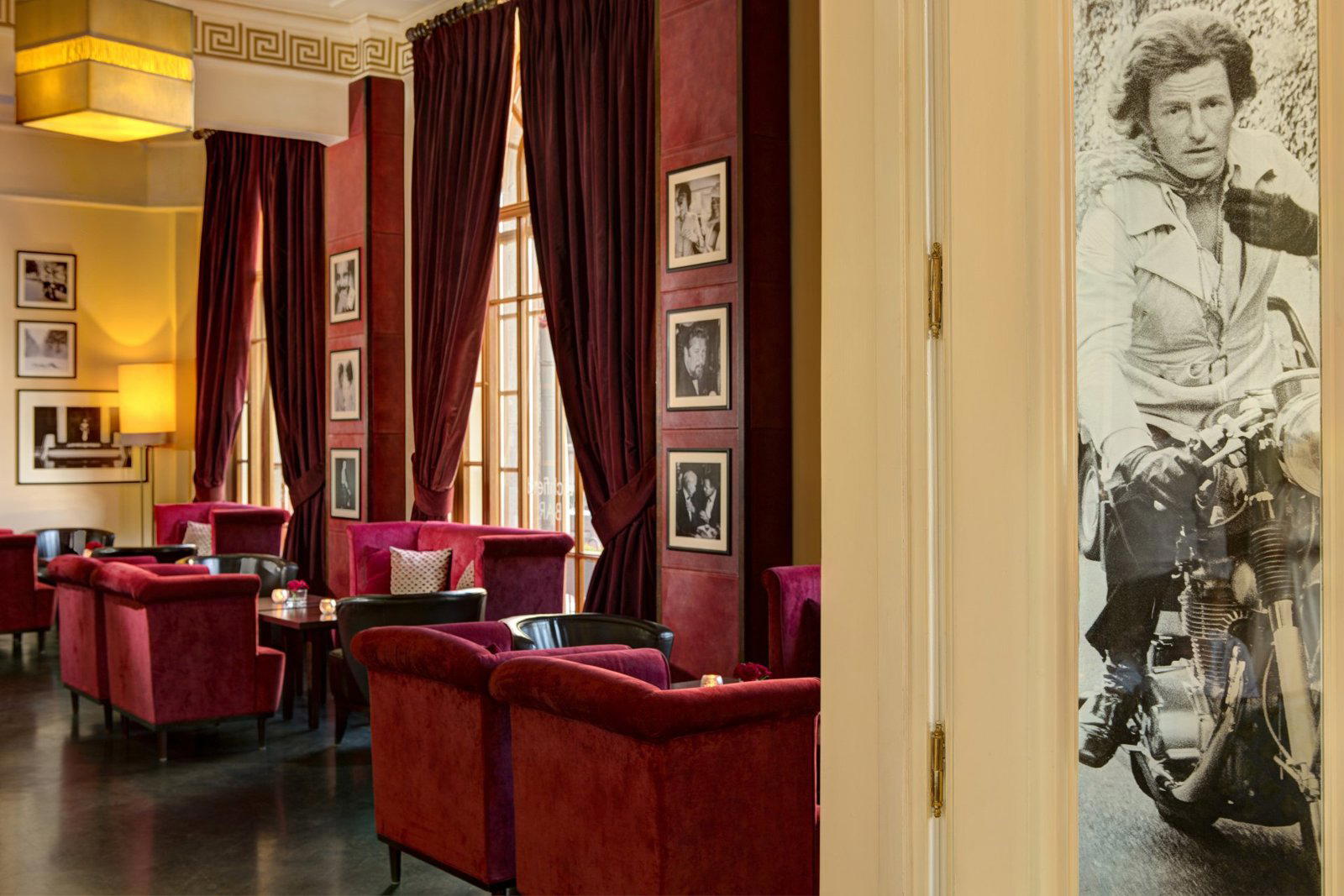
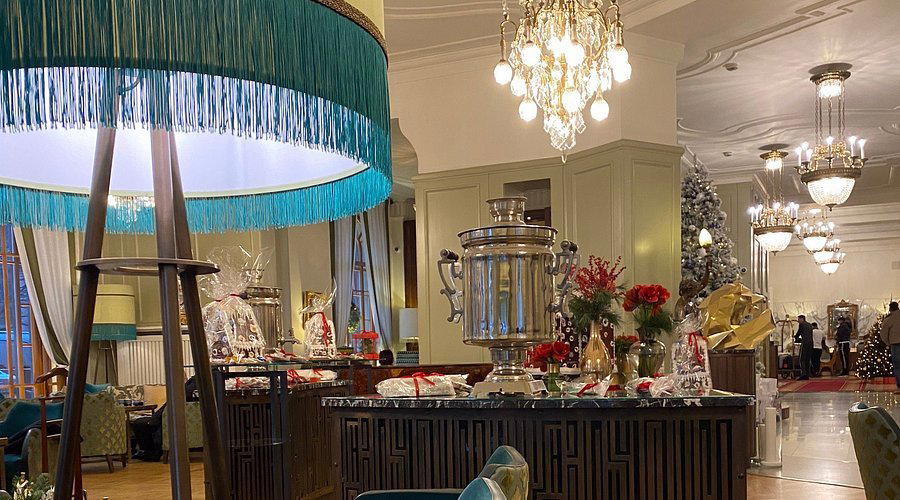
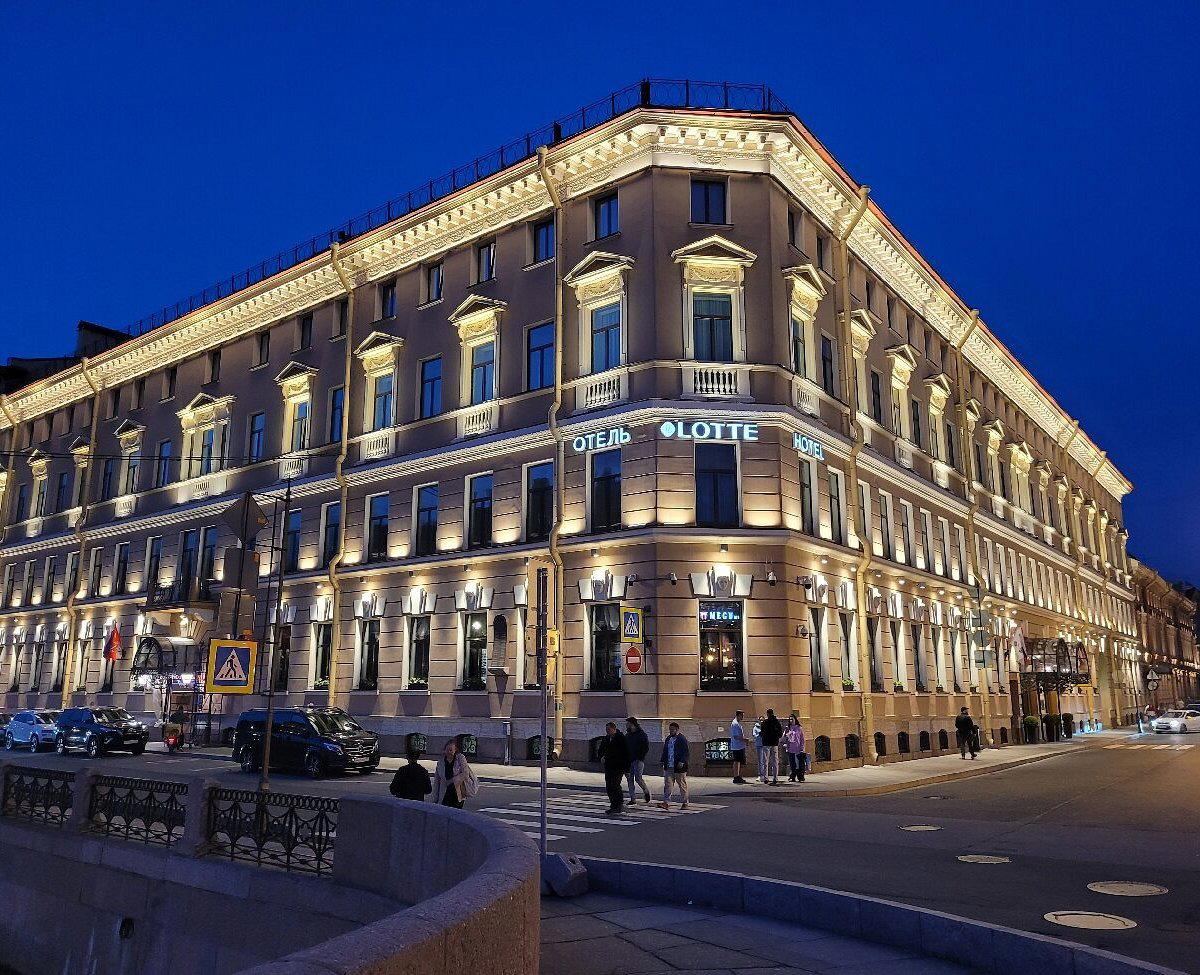
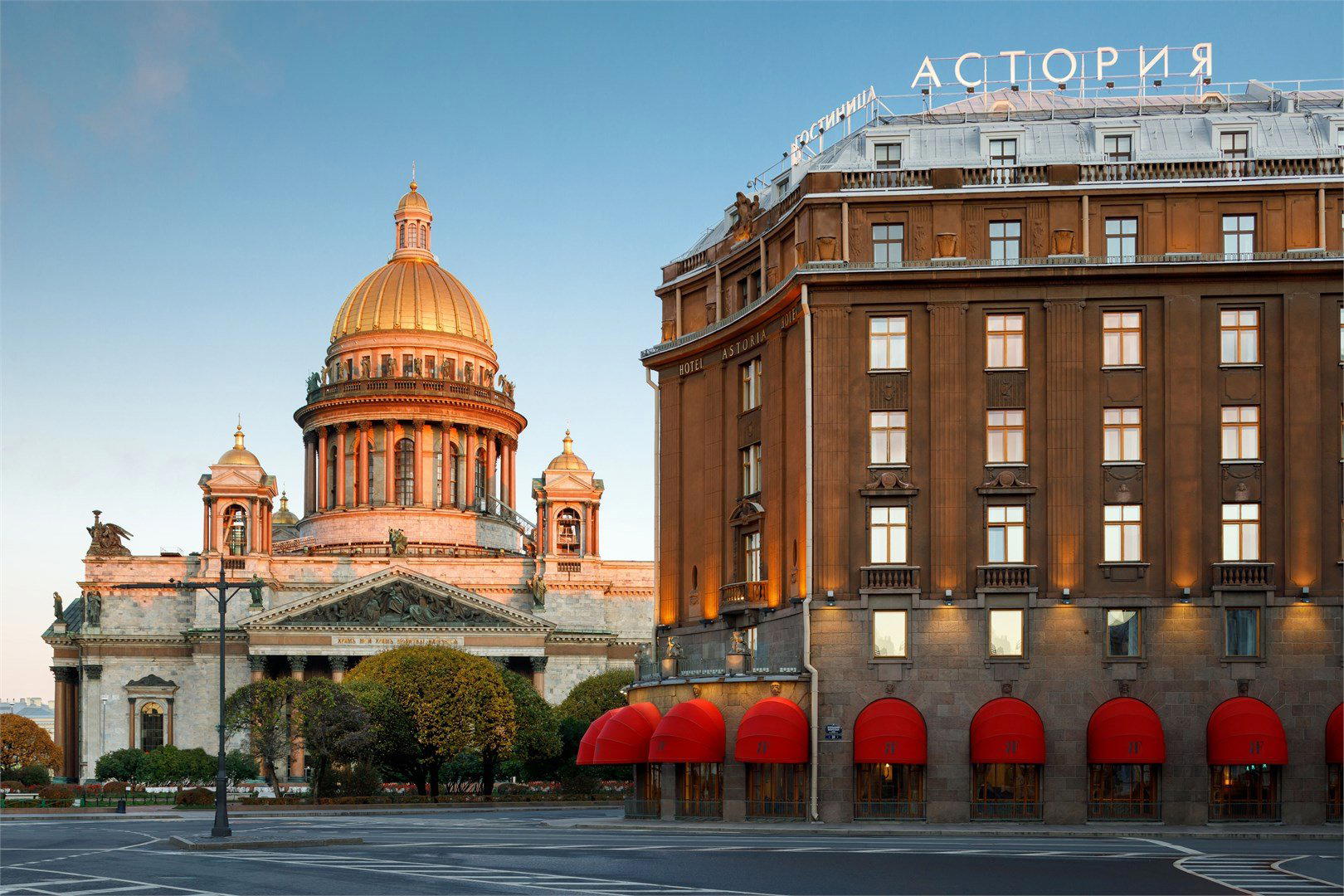
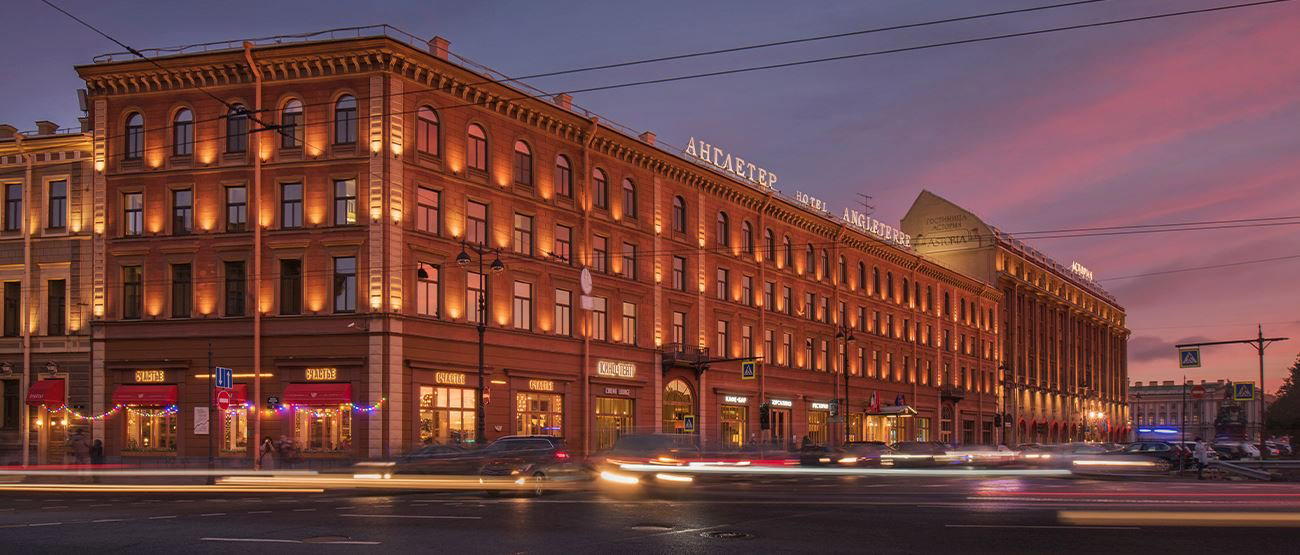
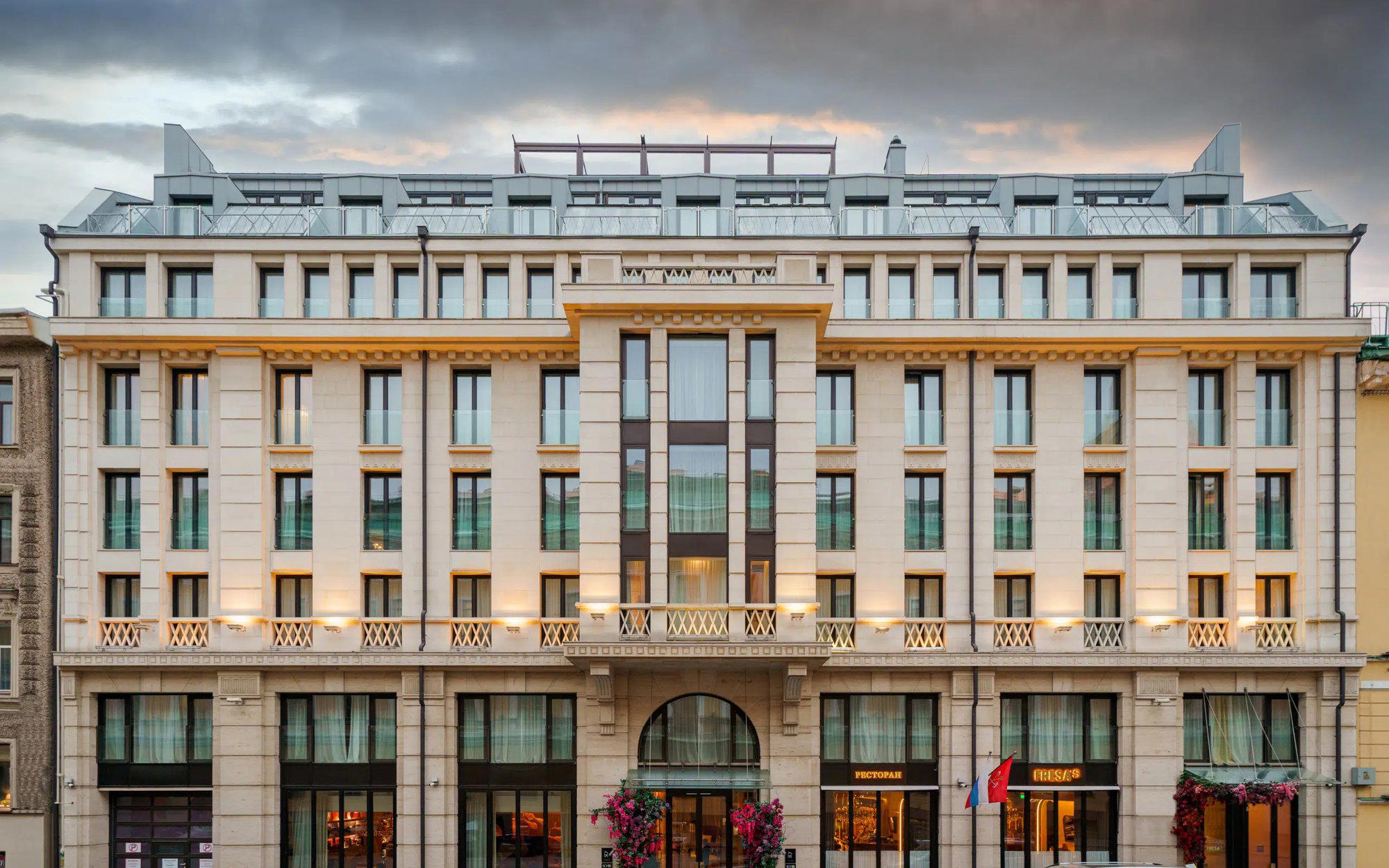
Voznesensky Avenue runs southwest from St Isaac's Square through one of Saint Petersburg's most architecturally coherent neighbourhoods, where the 19th-century streetscape remains largely intact. The building at number 13/2 carries that continuity inside: the dining room at 1913 is calibrated to feel like a educated reconstruction of the pre-revolutionary bourgeois interior, with materials and proportions that reference the era the name announces rather than simply decorating toward it. Arriving here, the aesthetic logic is immediate, this is a restaurant that has committed to a specific historical thesis and applied it consistently.
The Pre-Revolutionary Table as a Culinary Argument
The name 1913 is not merely atmospheric. It marks a precise moment: the last full year of the Romanov empire, before the disruptions of war and revolution rewrote Russia's food culture wholesale. In the decades after 1917, Soviet standardisation flattened regional variation, suppressed artisan production, and redirected agricultural output toward industrial efficiency. The cuisines of pre-revolutionary Russia, the pickled and preserved traditions of the north, the river-fish preparations of the Volga basin, the grain-forward cooking of the central provinces, survived largely in fragments and memory.
What restaurants like 1913 attempt, within the broader revival of interest in historical Russian cooking across Moscow and Saint Petersburg, is to reconstruct that table from documentary evidence and surviving regional practice. This places them in a different peer conversation from the city's European-facing fine dining rooms. The competitive reference points are not French technique or Scandinavian minimalism; they are the recipe collections of Pelageya Alexandrova-Ignatieva, the market traditions of pre-Soviet Petersburg, and the seasonal rhythms that governed a pre-refrigeration kitchen.
Across Russia, this recovery movement has produced serious kitchens working with genuine rigour. Twins Garden in Moscow brought agrarian sourcing and fermentation to a high-concept format. In Saint Petersburg, the conversation has tended toward a more measured register, restaurants recovering technique rather than reinventing it. 1913 operates within that register, on Voznesensky Avenue, where the neighbourhood's density of historic architecture provides an apt frame.
Where the Ingredients Come From, and Why It Matters
The sourcing logic at 1913 is central to understanding the kitchen's position. Pre-revolutionary Russian cooking was organised around what could be produced within accessible geography: freshwater fish from the Neva and Ladoga systems, foraged mushrooms and berries from the forests of the Leningrad Oblast, rye and buckwheat from the northern grain belt, dairy from small-scale producers, and a preservation tradition, salting, fermenting, smoking, drying, that made the short growing season viable across a long winter table.
Restaurants that return to this sourcing logic are making a claim that the European import model, which dominated Petersburg dining through much of the post-Soviet period, was always an imperfect fit for a city at this latitude with this particular agricultural hinterland. The argument is that smoked vendace from Lake Ladoga, properly cured, is a more coherent presence on a Saint Petersburg plate than flown-in Atlantic product prepared in the French manner. That position requires actual supply relationships with producers who operate at small scale and outside the conventional wholesale chain, a logistical commitment that separates kitchens genuinely engaged with the historical Russian table from those using it as an aesthetic reference.
Menus at restaurants in this tradition tend to shift with season and availability rather than running fixed year-round. Visiting in autumn, when mushroom and game supply peaks, gives access to a different table than a spring visit centred on river fish and early dairy.
Where 1913 Sits in Saint Petersburg's Dining Scene
Saint Petersburg's premium dining tier has expanded and differentiated significantly over the past decade. The city now sustains a range from European-trained fine dining, represented at addresses like Bellevue, to bistro formats with local ingredient focus at places like Blok, to the heritage-oriented category where 1913 sits. Across Russia more broadly, the interest in regional and historical cooking has generated a genuinely varied field: Kukhterin in Tomsk works Siberian tradition, Alanskaya Kukhnya in Krasnodar focuses Caucasian heritage, and Dzhani Restorani in Nizhny Novgorod works a Caucasian-Russian crossover format.
What distinguishes the Petersburg iteration of this movement is the specific historical identity of the city, a European capital built on a Russian geography, which always ate in a mode that neither category entirely explained. The pre-1917 restaurant culture of Petersburg was itself a hybrid: French service and European wine lists sitting alongside black bread, salted fish, and the preserves of northern autumn. 1913 operates in that inherited tension, which gives the restaurant a more complex editorial position than direct Russian revivalism.
Nearby, the Astoria Cafe and Catherine the Great provide different approaches to the city's heritage dining conversation.
Those travelling widely and benchmarking against international reference points will find the technique conversation at Le Bernardin in New York City or the fermentation and sourcing programme at Atomix in New York City a useful frame for understanding what Russian kitchens working at this level are doing within global context. Equally, Made in China in St. Petersburg shows how the city's premium dining scene extends well beyond Russian tradition, and Konditerskaya Kuzina in Syktyvkar and Burger Records in Novosibirsk illustrate how regional Russian dining culture operates at different price points and formats beyond the two capitals.
Planning a Visit
1913 is located at Voznesensky Avenue 13/2 in central Saint Petersburg, within walking distance of St Isaac's Cathedral and accessible by metro via Sennaya Ploshchad or Admiralteyskaya stations. The neighbourhood is dense with historical architecture and draws visitors throughout the year, though the autumn and winter table at a restaurant in this sourcing tradition is the more complete version of the argument. Booking in advance is advisable, particularly for evening sittings on weekends.
Fast Comparison
Comparable venues nearby, for context on price, style, and recognition.
| Venue | Cuisine | Price | Notes |
|---|---|---|---|
| 1913This venue — the venue you are viewing | Classic Russian | $$ | Not listed |
| Catherine the Great | Modern Imperial Russian Fine Dining | $$$ | Northwestern District |
| Astoria Cafe | Modern Russian-European | $$$$ | Admiralteisky |
| Serbish | Traditional Serbian & Dalmatian Grill | $$ | Liteyny |
| Деда Хинкали на Финлядском | Traditional Georgian Khinkali House | $$ | Выборгский район |
| Birch | Modern Fusion Tasting Menu | $$$ | Tsentralny District |
Continue exploring
More in Saint Petersburg
Restaurants in Saint Petersburg
Browse all →
Bars in Saint Petersburg
Browse all →
At a Glance
- Classic
- Elegant
- Intimate
- Date Night
- Special Occasion
- Live Music
- Private Dining
- Hotel Restaurant
Current opening hours
- Monday
- 7:30 AM–11 PM
- Tuesday
- 7:30 AM–11 PM
- Wednesday
- 7:30 AM–11 PM
- Thursday
- 7:30 AM–11 PM
- Friday
- 7:30 AM–11 PM
- Saturday
- 7:30 AM–11 PM
- Sunday
- 7:30 AM–11 PM
Hours can change for holidays and private events. Last verified .
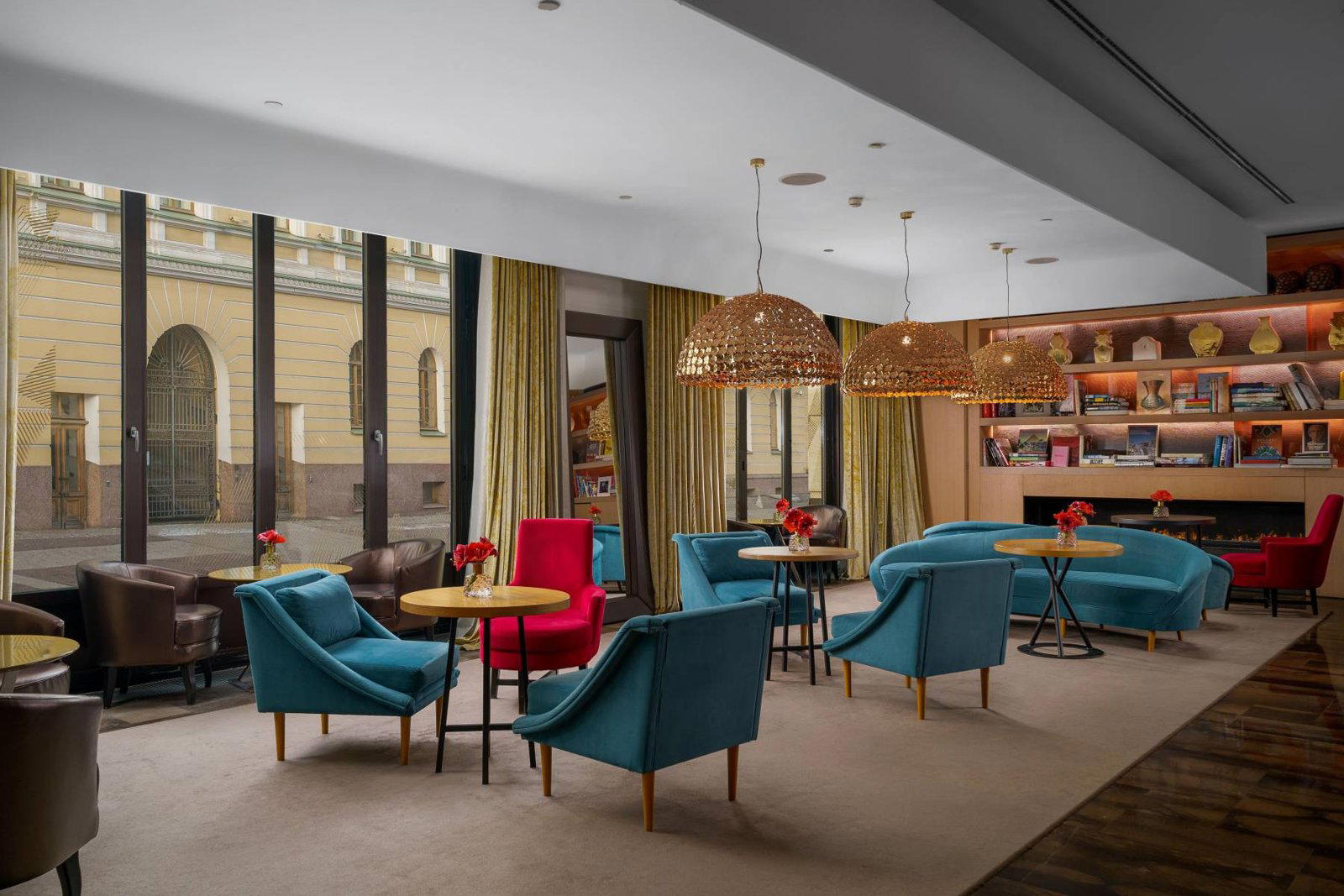
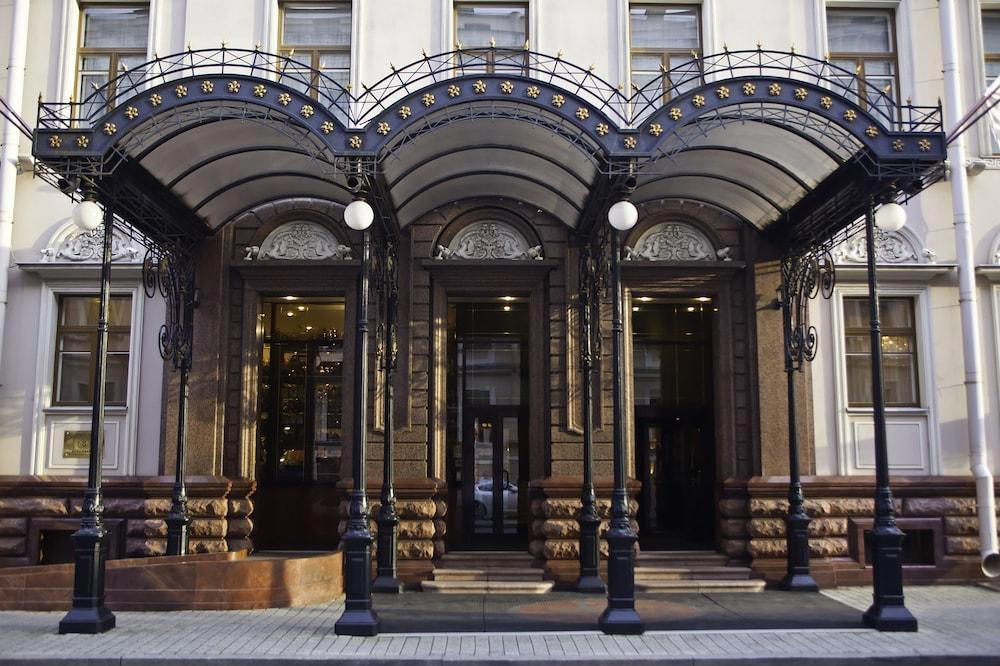
Elegant period interiors with beiges and creams, stained glass windows, and art deco style, creating a nostalgic and refined atmosphere enlivened by live music.