On Malaya Bronnaya, one of Moscow's more reliably atmospheric addresses, Aist occupies a position that places it in conversation with the city's established dining institutions rather than its trend-chasing newcomers. The restaurant draws on the rhythms of a particular Moscow dining tradition: unhurried, ordered, and attentive to the ritual of the meal itself. For visitors cross-referencing Moscow's broader dining scene, it sits alongside names like Varvary and Artest in the city's mid-to-upper register.
Pearl is the En Primeur Club membership app — saves, bookings, and concierge access live there. Same editors, same standards.
- Address
- Malaya Bronnaya St, 8/1, Moscow, Russia, 123104
- Phone
- +74999407040
- Website
- aistcafe.ru
- Directions
- Get directions
 Saves & bookings on Pearl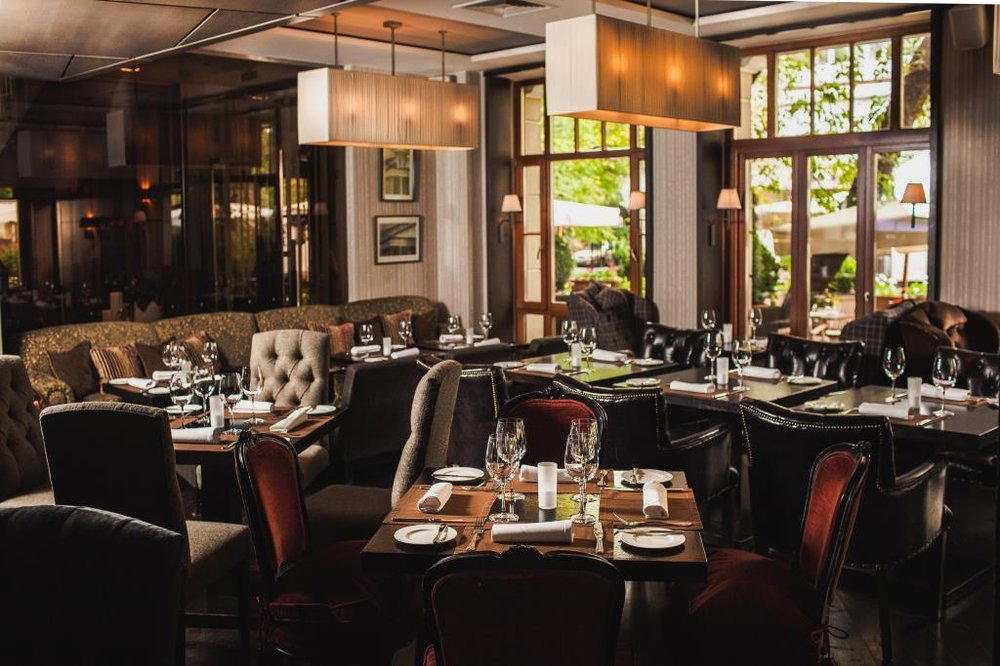
Malaya Bronnaya and the Ritual of the Moscow Table
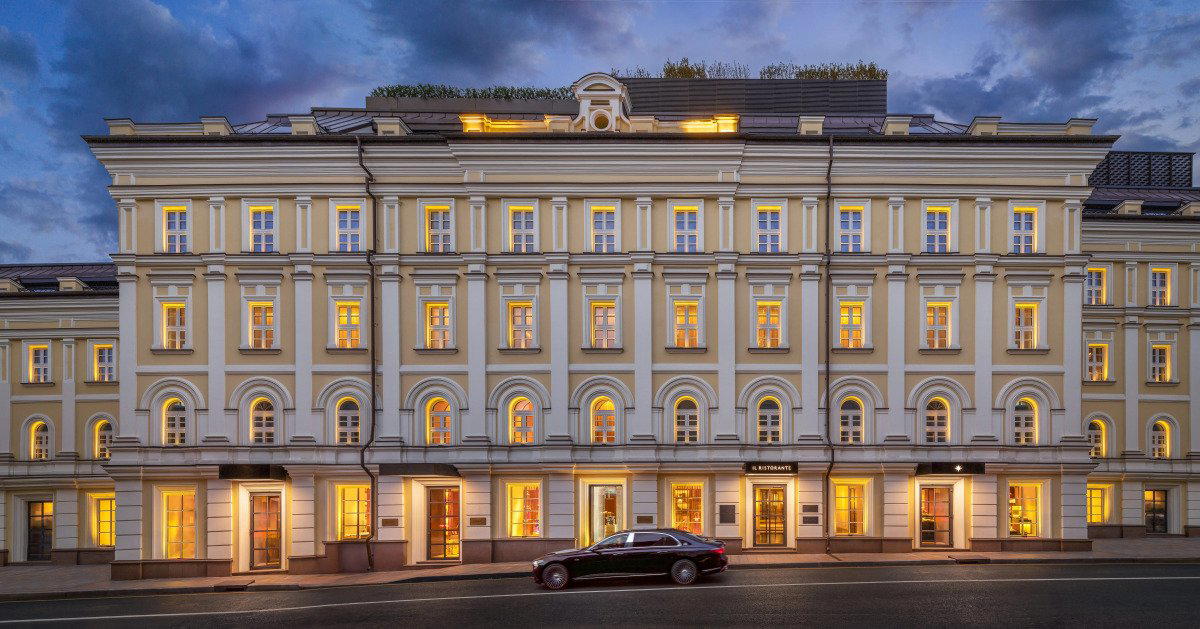
Malaya Bronnaya Street carries a particular weight in Moscow's cultural geography. The address has long attracted a certain kind of establishment: not the glass-and-steel tower dining of the Moscow City district, nor the self-consciously trend-led openings that cycle through the Garden Ring, but something slower and more deliberate. Aist, at number 8/1, belongs to this address in the way that a few Moscow restaurants belong to their streets: the building and the meal reinforce each other. Aist is a restaurant in Moscow serving contemporary European fusion with Italian and Japanese influences, with an average price of about $45 per person. Arriving here, especially in the long Moscow evenings when the street quiets and the facades carry that particular amber light, sets a frame for what follows inside.
That frame matters, because the dining ritual at a restaurant like Aist is inseparable from the context of Moscow's established restaurant culture. The city has developed, over the past two decades, a dining register that sits between the Soviet-era banquet tradition and the hyper-technical modern European formats now represented by places like Twins Garden. Aist occupies a position within that middle ground: a place where the pace of the meal, the structure of the service, and the expectation of hospitality all follow a rhythm that feels native rather than imported.
The Structure of the Meal
In Moscow's more considered dining rooms, the meal tends to unfold in a way that has more in common with a European dinner service than with the faster-paced formats increasingly common in cities like London or New York. Courses arrive with deliberate spacing. The table is expected to hold conversation as much as food. This is not incidental: it reflects a long-standing Moscow dining custom in which the restaurant is a venue for sustained social ritual, not merely consumption. The parallel in other cities would be the French provincial table, where a meal of two hours is considered normal and three hours unremarkable.
At Aist, the address itself signals this expectation. Malaya Bronnaya has historically drawn a literary and artistic crowd, and the restaurants on this street have tended to match that audience's preference for atmosphere over spectacle. The contrast with the more theatrical end of Moscow dining, represented by the panoramic-view formats at places like White Rabbit, is instructive. Where White Rabbit frames the meal against the Moscow skyline, Aist draws the eye inward, toward the table and the people across it.
Moscow's Dining Register: Where Aist Sits
Moscow's restaurant scene has sorted itself into identifiable tiers over the past decade. At the leading end, a cluster of modern Russian and modern European restaurants compete on technique, sourcing credentials, and critical recognition. Twins Garden and White Rabbit operate in this bracket, with the latter holding a place on the World's 50 Best Restaurants list. Below that, a broader tier of well-established restaurants serves Moscow's professional and cultural classes with reliable quality and a more traditional hospitality approach. Varvary and Artest represent the Russian cuisine strand within this tier.
Aist operates in this established mid-to-upper register, where the dining experience is defined less by innovation than by consistency, setting, and the social grammar of the meal. This is a competitive set that values a well-managed dining room, a considered wine list, and service that reads the table rather than performing to it. For visitors accustomed to the sharper technical registers of Le Bernardin in New York or the community-table formats of Lazy Bear in San Francisco, Aist represents a distinctly Moscow idiom: formal without being stiff, hospitable without being intrusive.
The Broader Russian Dining Tradition
Understanding any Moscow restaurant at this level requires some familiarity with what Russian dining culture expects of a serious establishment. The meal is typically multi-course by default. Cold appetisers, salads, and zakuski (small plates) often precede the main courses in a sequence that can feel elaborate to visitors more accustomed to two-course European norms. The bread service is taken seriously. The wine list, at restaurants in this bracket, will typically include Georgian and Russian wines alongside European selections, reflecting both a nationalistic turn in Moscow's hospitality industry and a genuine improvement in domestic wine quality over the past ten years.
This structural approach to the meal is one reason why the ritual dimension of dining in Moscow feels distinct from most Western European capitals. The meal is not designed to be efficient. Time at the table is the point. Restaurants like Aist, positioned on a street with a bohemian-intellectual history, draw on this tradition without needing to announce it. The expectation is shared between kitchen, service team, and guest before anyone has ordered.
Planning a Visit
Aist sits on Malaya Bronnaya Street in the Presnensky District, one of Moscow's more walkable central neighbourhoods, within reasonable distance of the Patriarch's Ponds area, which has its own considerable literary and social history. The surrounding streets reward the kind of pre- or post-dinner walk that extends the evening's frame.
Those exploring Russian dining beyond Moscow will find useful reference points in Bourgeois Bohemians in Sankt-Peterburg, Birch in St. Petersburg, and COCOCO Bistro in Saint Petersburg, each of which approaches the country's dining traditions from a different angle. Further afield, Baran-Rapan in Sochi, Leo Wine and Kitchen in Rostov, and Alanskaya Kukhnya in Krasnodar map the regional diversity of Russian food culture beyond the two capitals. For an experience closer to the dacha and hunting-lodge tradition, Tsarskaya Okhota in Zhukovka offers a useful counterpoint. Accenti and La Colline in Bolshoye Sareyevo represent the European-leaning strand of the Moscow-adjacent dining scene, while Primorskiy Prospekt, 72 in Staraya Derevnya and SEASONS in Kaliningrad extend the picture to Russia's western edges.
Style and Standing
Comparable venues nearby, for context on price, style, and recognition.
| Venue | Cuisine | Price | Notes |
|---|---|---|---|
| AistThis venue — the venue you are viewing | Contemporary European Fusion with Italian & Japanese Influences | $$$ | Not listed |
| Mari Vanna | Traditional Russian Home Cooking | $$$ | Presnensky |
| Turandot | Pan-Asian Fine Dining | $$$$ | Boulevard Ring |
| Chefs Table | Modern Russian & International Seasonal Tasting Menu | $$$$ | Central (TsAO) |
| Severyane | Modern Russian Fine Dining | $$$ | Boulevard Ring |
| Ikra | Modern Russian Gastrotheatre | $$$ | Moscow City |

At a Glance
- Elegant
- Modern
- Trendy
- Sophisticated
- Date Night
- Business Dinner
- Celebration
- Special Occasion
- Rooftop
- Terrace
- Open Kitchen
- Design Destination
- Panoramic View
- Extensive Wine List
- Natural Wine
- Sommelier Led
- Street Scene
Current opening hours
- Monday
- 9 AM–12 AM
- Tuesday
- 9 AM–12 AM
- Wednesday
- 9 AM–12 AM
- Thursday
- 9 AM–12 AM
- Friday
- 9 AM–12 AM
- Saturday
- 10 AM–12 AM
- Sunday
- 10 AM–12 AM
Hours can change for holidays and private events. Last verified .
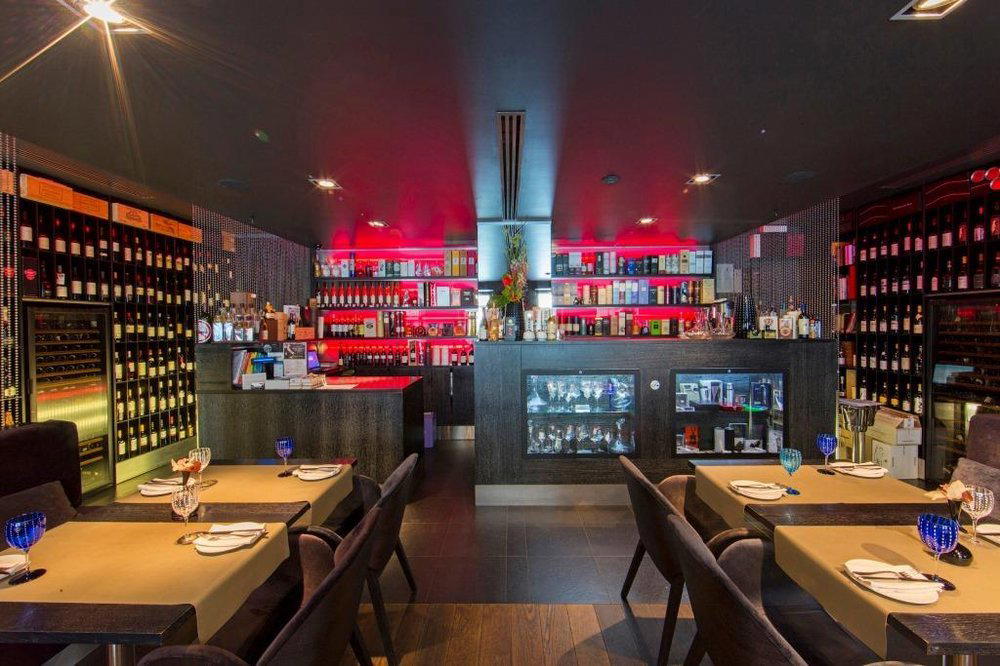
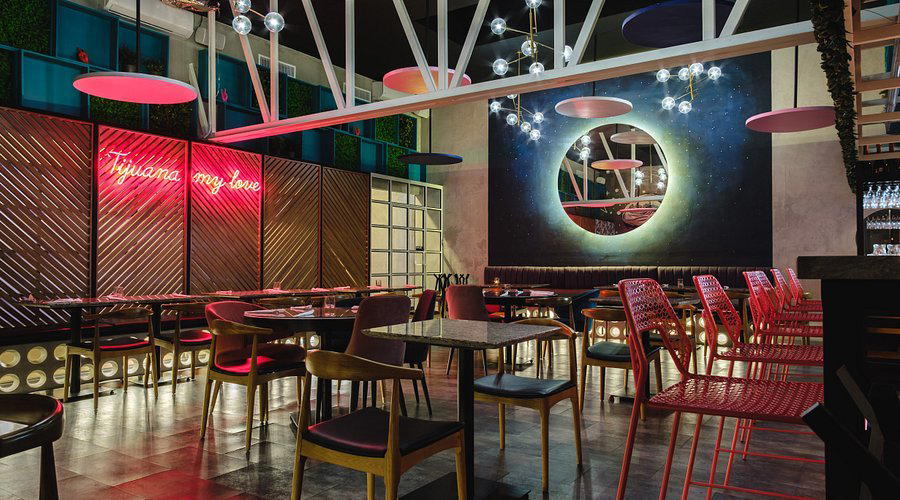
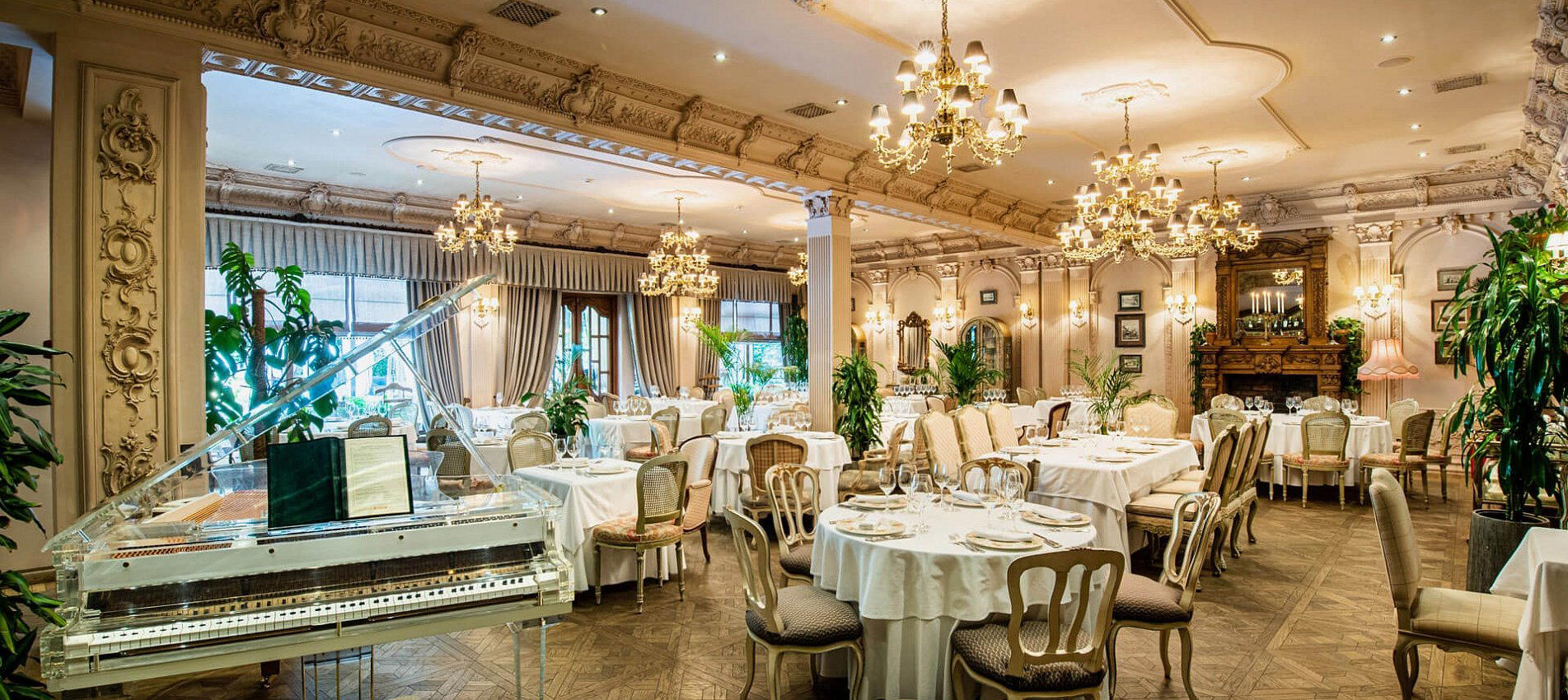
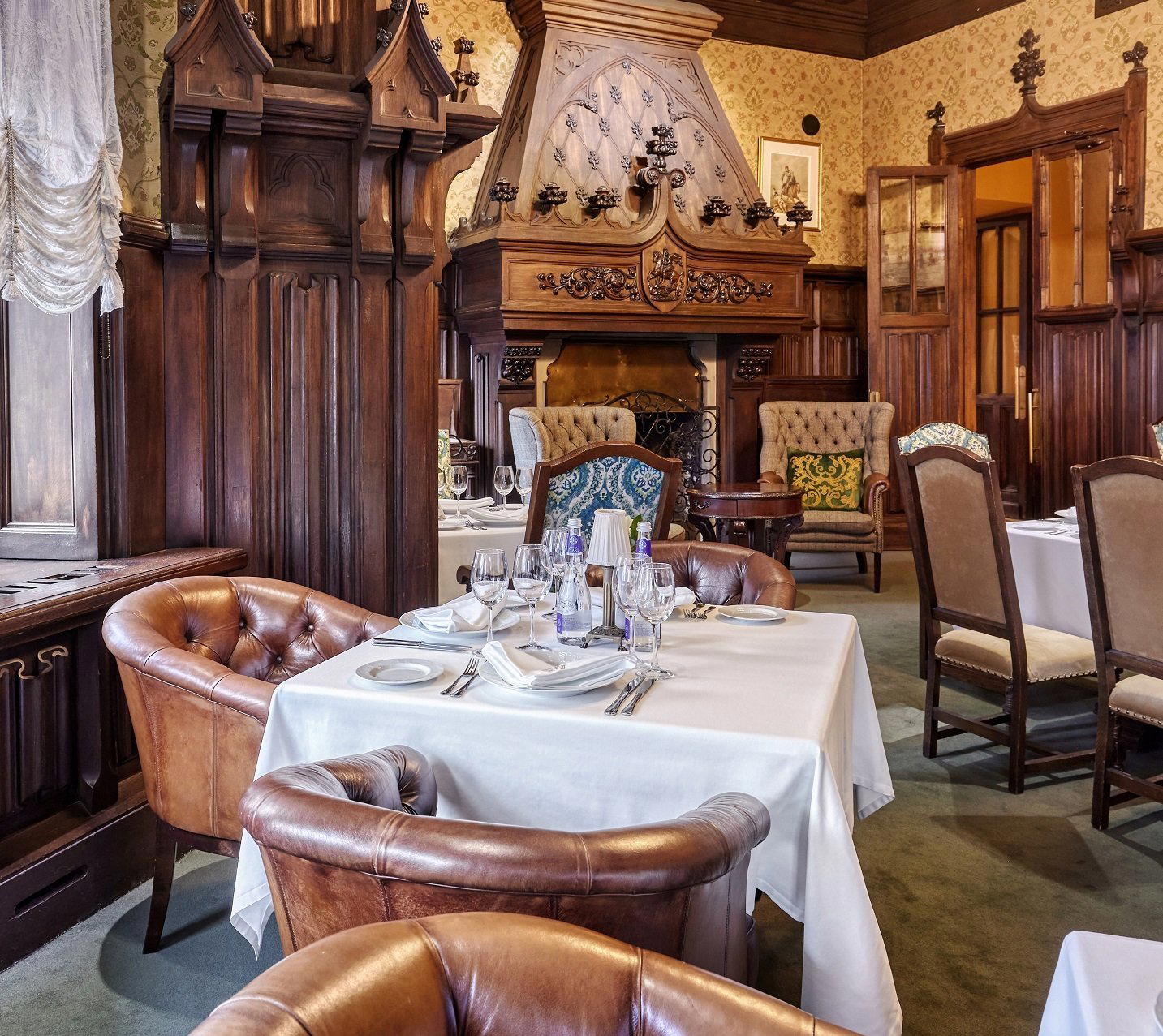
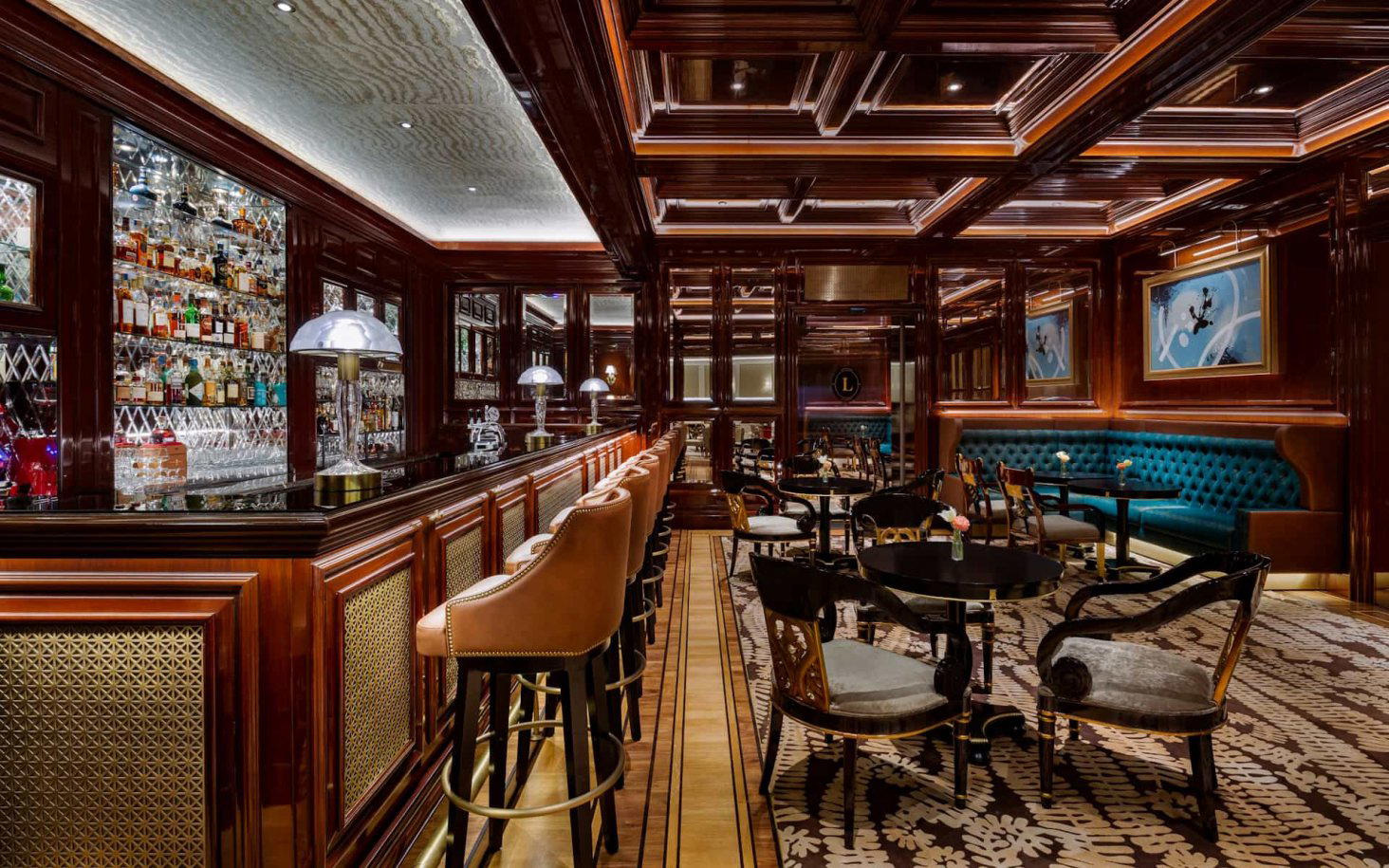
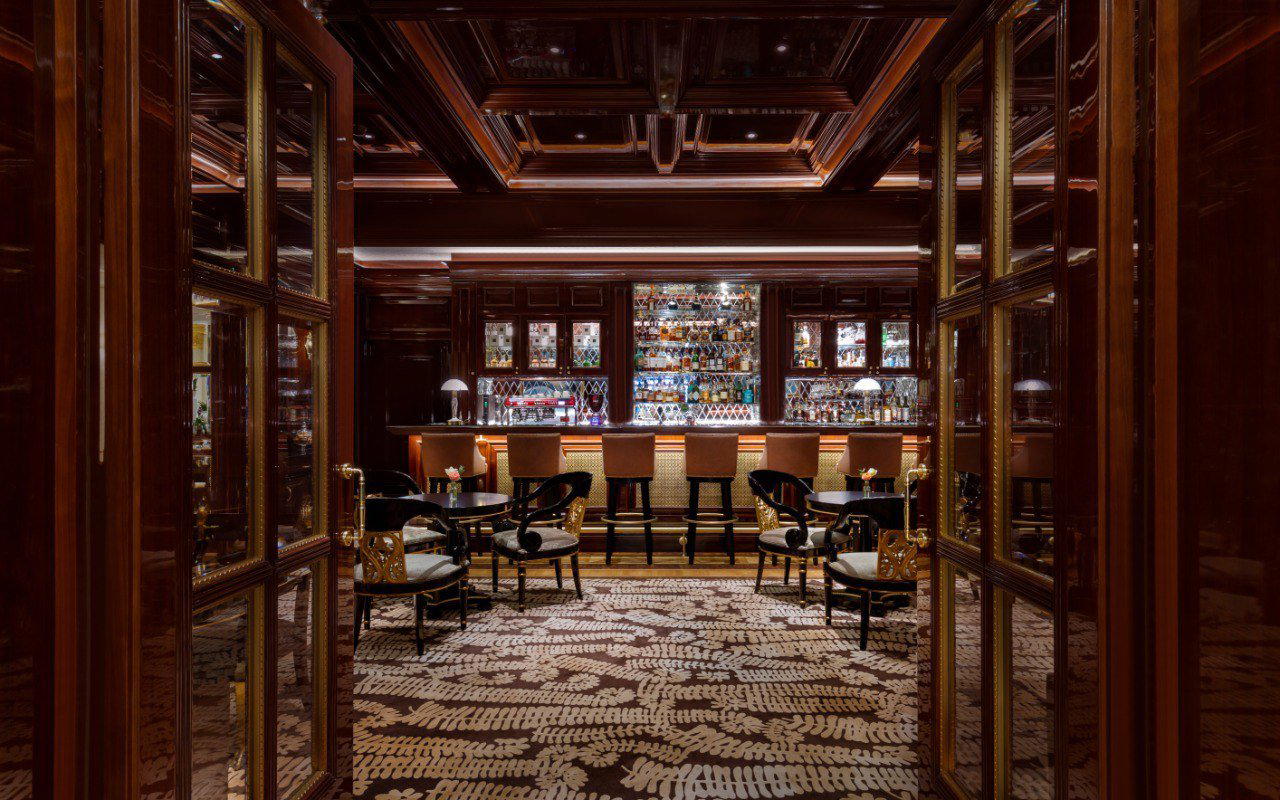
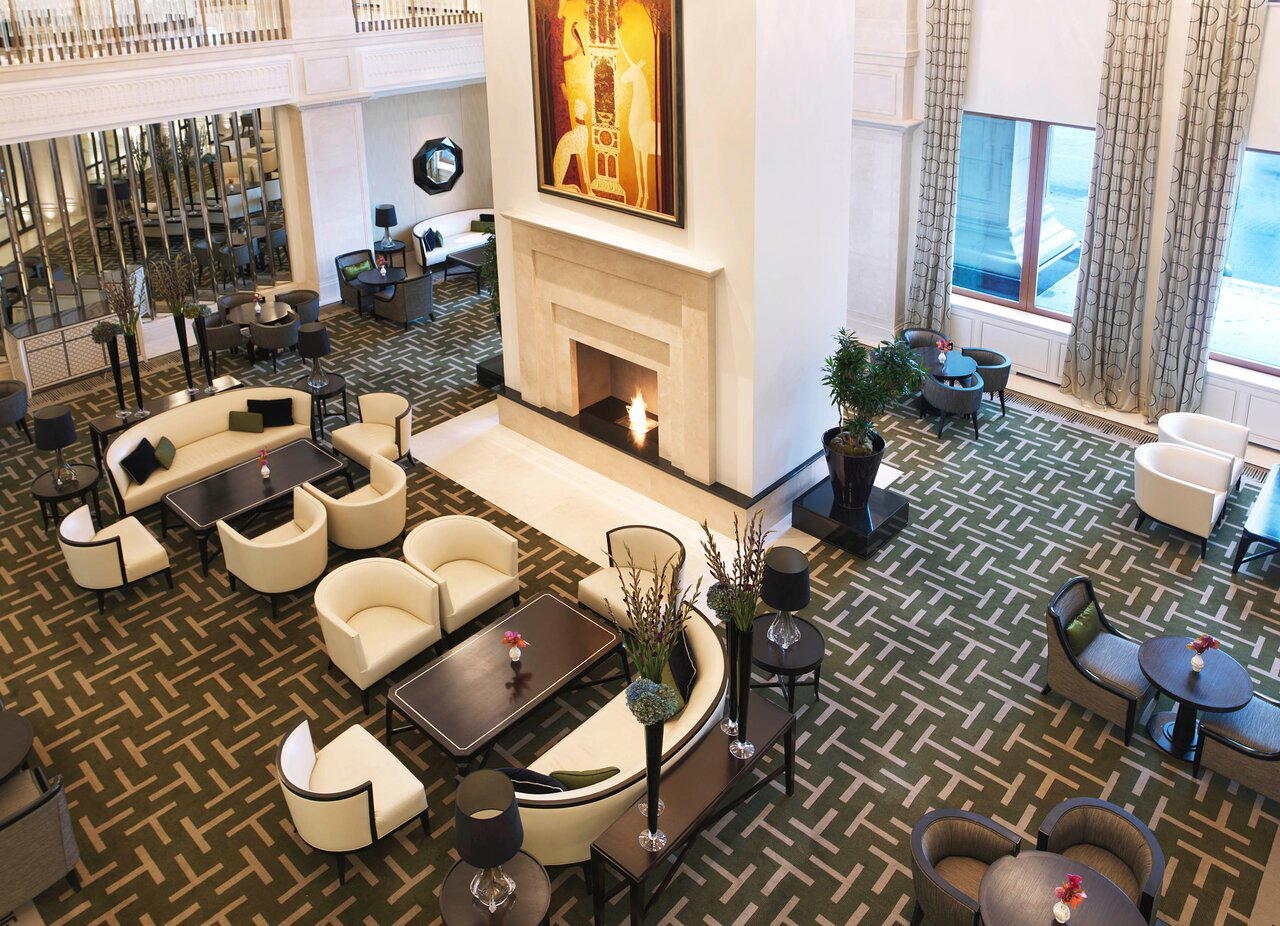
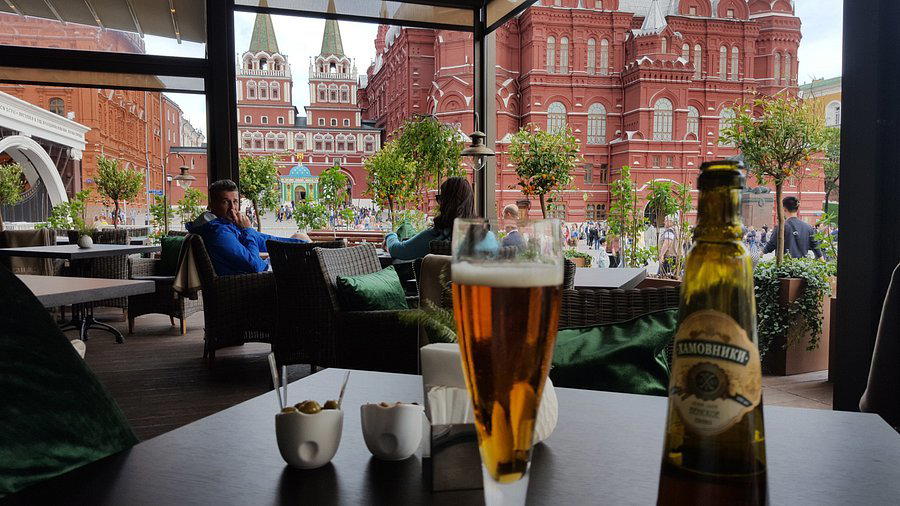
Refined and monochromatic with large windows, sophisticated lighting, and an open yet intimate chamber-like design on the first floor; the rooftop terrace offers bright, airy summer dining with views of Moscow's architectural landscape.