On Tverskaya Street, steps from the Kremlin's orbit, Sartoria Lamberti occupies Moscow's premium Italian dining tier at a moment when European cuisine in the Russian capital is navigating significant headwinds. The name invokes the precision of a tailor's workshop, and the room delivers on that framing: considered, calibrated, and aimed squarely at a clientele that treats the table as seriously as the deal struck beforehand.
Pearl is the En Primeur Club membership app — saves, bookings, and concierge access live there. Same editors, same standards.
- Address
- Tverskaya St, 3, Moscow, Russia, 125009
- Phone
- +74957950025
- Website
- sartorialamberti.com
- Directions
- Get directions
 Saves & bookings on Pearl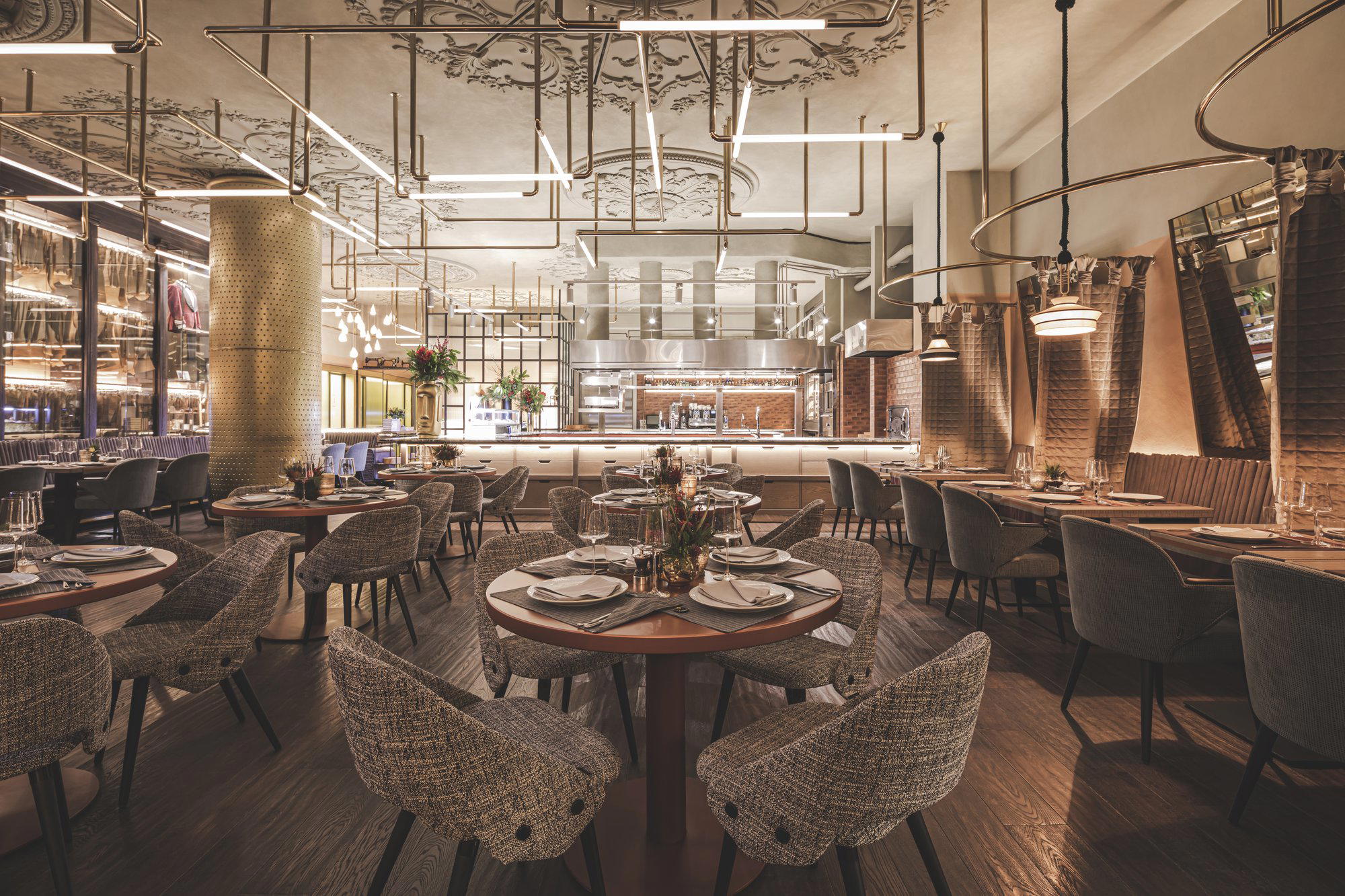
Where Tverskaya Sets the Table
Tverskaya Street has long functioned as Moscow's commercial and cultural spine, running from the Kremlin's northern edge toward the Garden Ring. Restaurants along this corridor compete in a particular register: they serve power lunches for the city's business class, anniversary dinners for an audience accustomed to European capitals, and weekend tables for residents who cross-reference menus with what they've eaten in Milan or Rome. Sartoria Lamberti, at number 3, is a Modern Italian Trattoria in Moscow.
The name borrows from Italian tailoring tradition, sartoria meaning an atelier of bespoke craft. That vocabulary is doing real work here. Moscow's premium Italian dining tier has, over the past decade, sorted into two camps: restaurants that import the broadest possible Italian signifiers (wood-fired pizza, Aperol, large-format pasta), and those that apply a narrower, more technical lens to the cuisine. Sartoria Lamberti reads as the latter, a room where the reference point is the workbench rather than the piazza.
Lunch and Dinner: A Study in Register
The lunch-versus-dinner divide at restaurants on Tverskaya tells you something useful about how Moscow's premium dining culture actually functions day to day. The midday service at this tier of restaurant is where the regulars show up, where the kitchen is often more relaxed in its execution, and where the value proposition is sharpest if you know how to read it.
Evening service shifts the register, and dinner is where the full arc of the menu is most apparent. For a first visit, the dinner service is the clearest read on the kitchen's range. For a return visit with a trusted colleague or an agenda, lunch is the more efficient choice.
Italian Craft in a European City Context
Moscow's relationship with Italian cuisine has deepened considerably since the early 2000s, when Italian restaurants here defaulted to a greatest-hits format. The city now has a tier of Italian dining that engages seriously with regional differentiation, wine pairing, and sourcing questions. Restaurants in this tier price against each other and against the handful of modern European addresses that Moscow's most frequent diners treat as peer references, places like Twins Garden, which has built international recognition for its approach to modern European cooking, or White Rabbit, whose position in the World's 50 Best rankings has shaped how foreign visitors sequence Moscow restaurant visits.
Sartoria Lamberti operates in this competitive set without competing on the same axis. Where White Rabbit makes a case for modern Russian identity and Twins Garden pursues a science-forward approach to European produce, a restaurant named for Italian craft traditions is making a different argument: that European precision, applied with discipline, justifies its own space in a market that has become more sophisticated about what European actually means.
Other Moscow Italian and European addresses worth cross-referencing include Accenti and Aist, both of which operate in adjacent dining territory. And for context on how other Russian cities are developing their own premium dining cultures, the work being done at 1913 in Saint Petersburg and at Kukhterin in Tomsk shows how far the conversation has spread beyond the capital.
The Tverskaya Address as Context
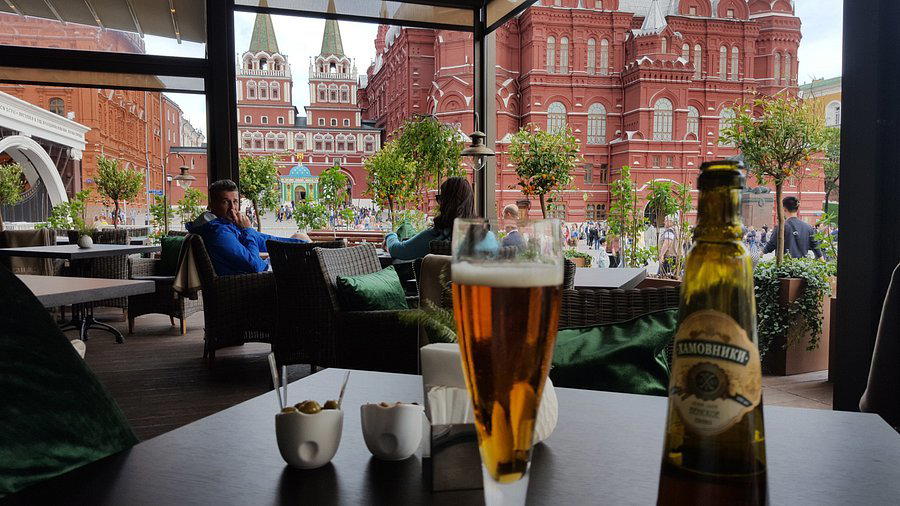
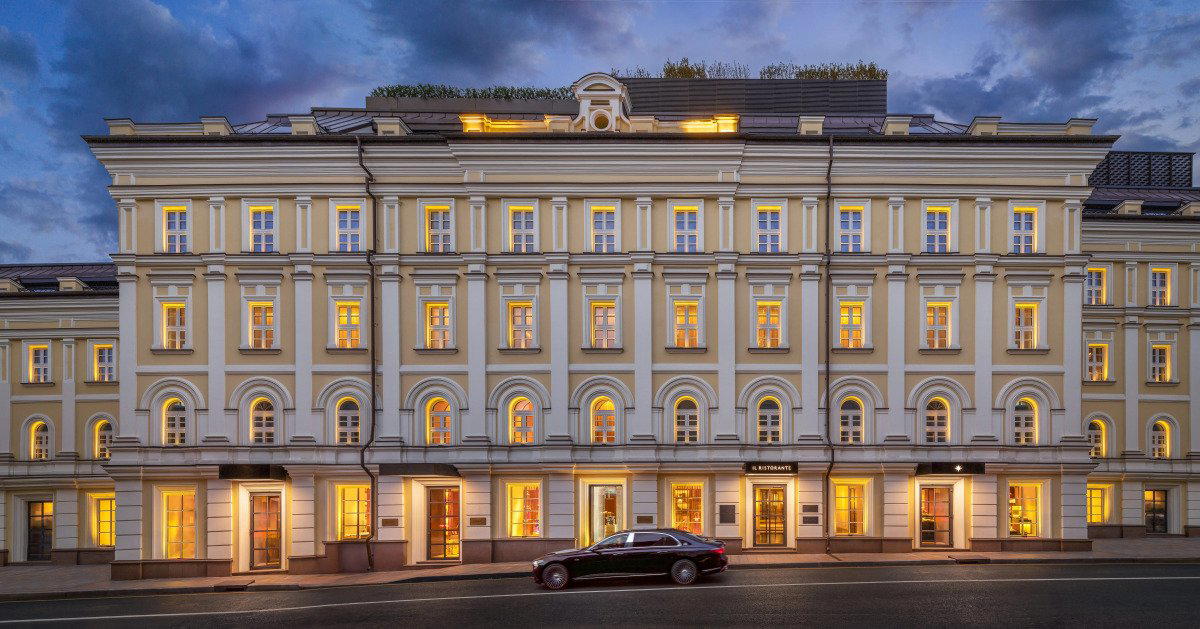
Location on Tverskaya at number 3 places the restaurant within walking distance of the Kremlin and the Bolshoi Theatre. This is not a neighbourhood dining destination; it is a central-city restaurant that draws from a wide catchment of hotel guests, office workers, and occasion diners. The neighbourhood's density of cultural institutions and business addresses means the restaurant operates in a high-footfall zone with a correspondingly broad client mix.
This also positions it differently from Moscow restaurants that have built identity through neighbourhood specificity, the kind of local-first character you find in more residential pockets of the city. A Tverskaya address signals access and centrality over community embeddedness, and the restaurant's positioning reflects that: this is a restaurant for people visiting or working in central Moscow, not one that requires a deliberate journey to a less obvious postcode.
Across Russia more broadly, premium dining is developing in cities well outside Moscow's orbit. Khmeli Suneli in Yekaterinburg and Dzhani Restorani in Nizhny Novgorod represent how regional cities are building their own serious dining identities, while Alanskaya Kukhnya in Krasnodar and Lev I Ptichka in Saint Petersburg extend the picture further. Even further afield, Grisha in Omsk, Burger Records in Novosibirsk, and Konditerskaya Kuzina in Syktyvkar illustrate how far Russian dining culture has diversified. For a global calibration point, Le Bernardin in New York and Atomix in New York represent the international tier against which Moscow's most ambitious restaurants are increasingly benchmarked.
Planning Your Visit
The address at Tverskaya Street, 3, is metro-accessible and walkable from several central Moscow landmarks, making logistics direct by the standards of a large city. Reservation is recommended, particularly for evening service and weekends. The midday window on weekdays is generally more accessible for walk-in or same-day enquiries, though that varies by season and occupancy.
What It’s Closest To
Comparable venues nearby, for context on price, style, and recognition.
| Venue | Cuisine | Price | Notes |
|---|---|---|---|
| Sartoria LambertiThis venue — the venue you are viewing | Modern Italian Trattoria | $$$$ | Not listed |
| Butler | Contemporary Sicilian Italian | $$$ | Patriarch Ponds |
| Butcher | Premium Steakhouse | $$$$ | Boulevard Ring |
| Accenti | Italian Seafood Trattoria | $$$ | Ostozhenka-Golden Mile |
| Semifreddo | Authentic Sicilian-Italian Fine Dining | $$$$ | District Central (TsAO) |
| La Bottega Siciliana | Sicilian Italian | $$$ | Boulevard Ring |
At a Glance
- Elegant
- Sophisticated
- Modern
- Ornate
- Date Night
- Special Occasion
- Business Dinner
- Open Kitchen
- Design Destination
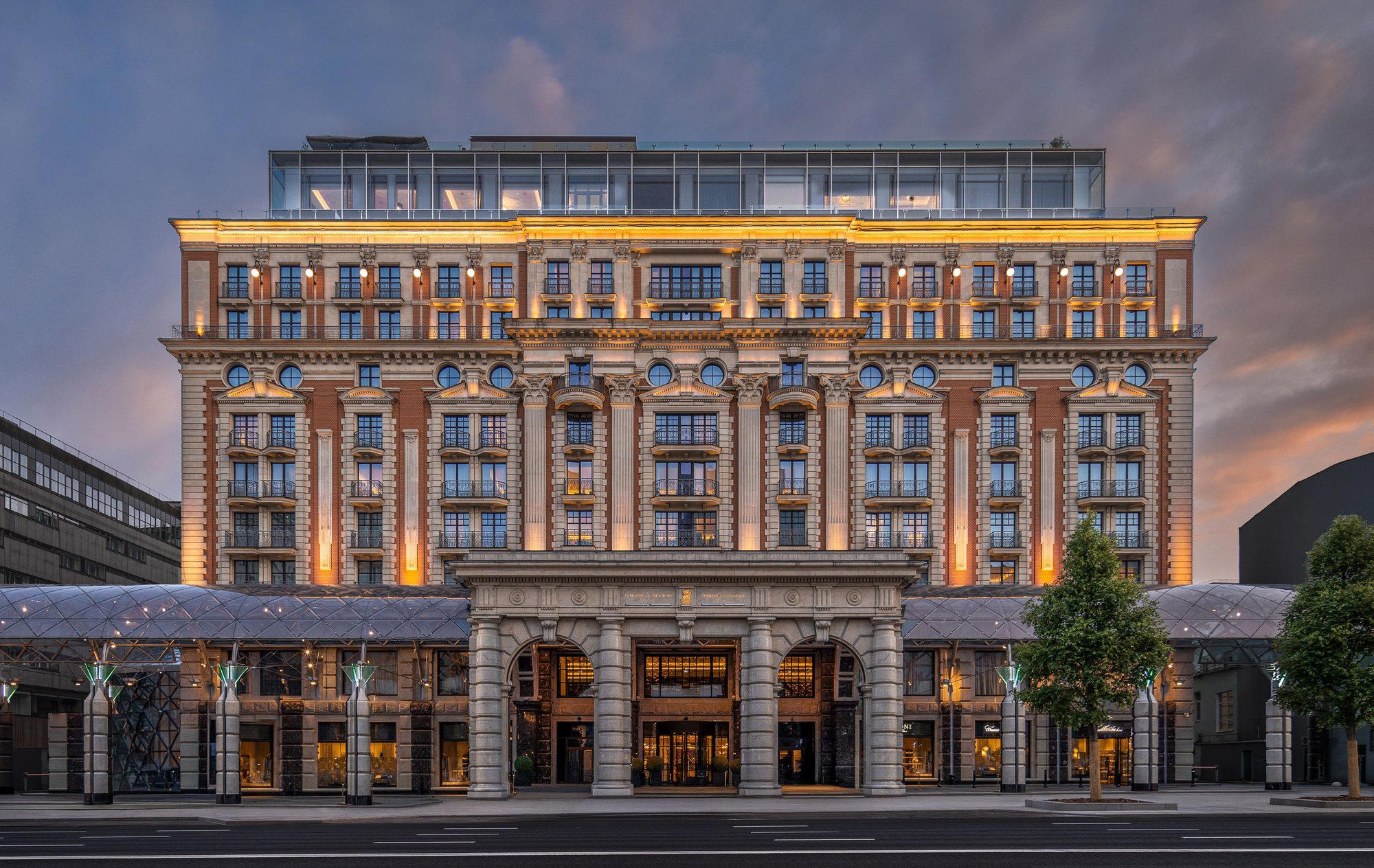
- Hotel Restaurant
- Craft Cocktails
- Sommelier Led
Current opening hours
- Monday
- 12 PM–12 AM
- Tuesday
- 12 PM–12 AM
- Wednesday
- 12 PM–12 AM
- Thursday
- 12 PM–12 AM
- Friday
- 12 PM–12 AM
- Saturday
- 12 PM–12 AM
- Sunday
- 12 PM–12 AM
Hours can change for holidays and private events. Last verified .
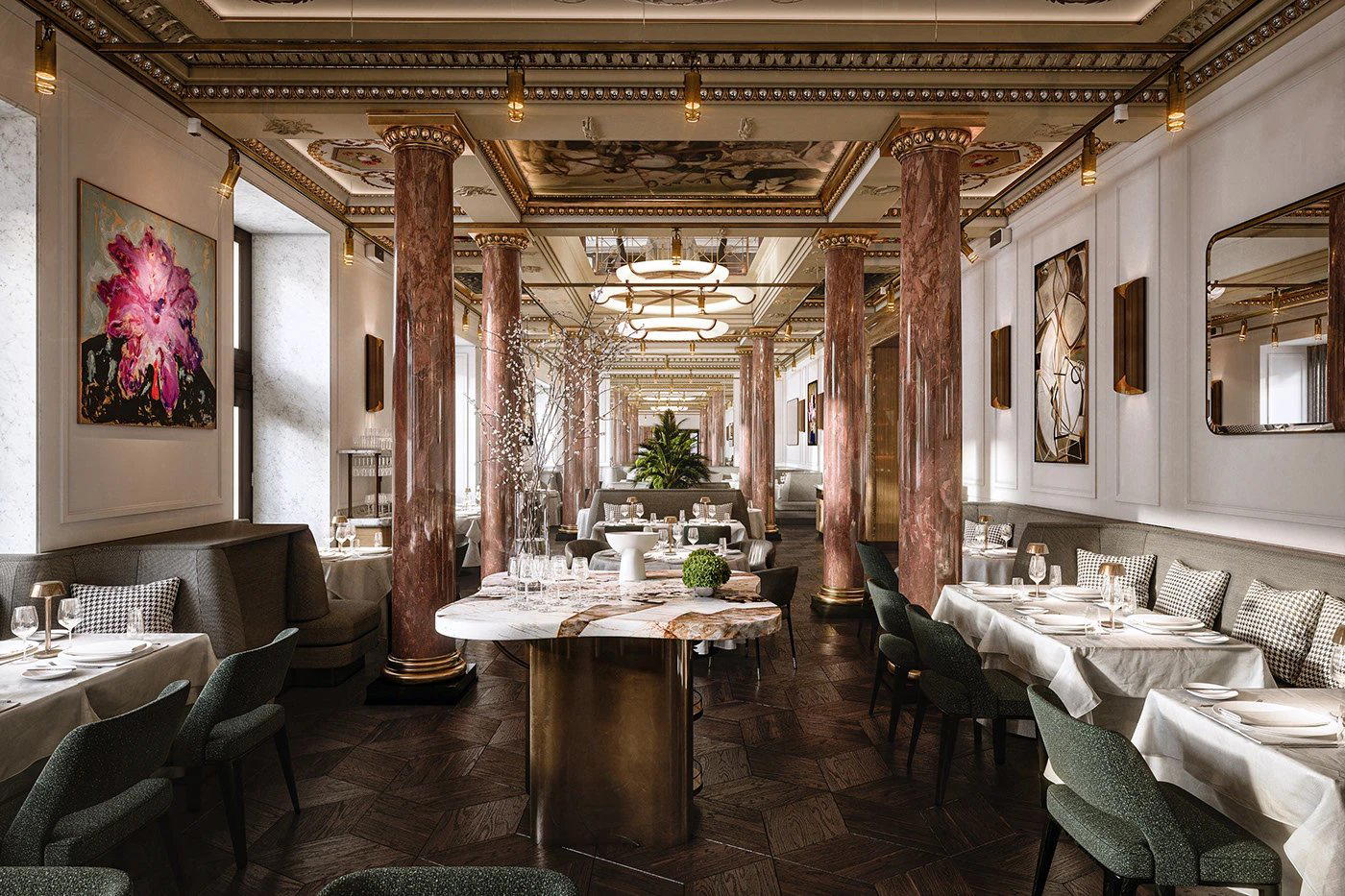
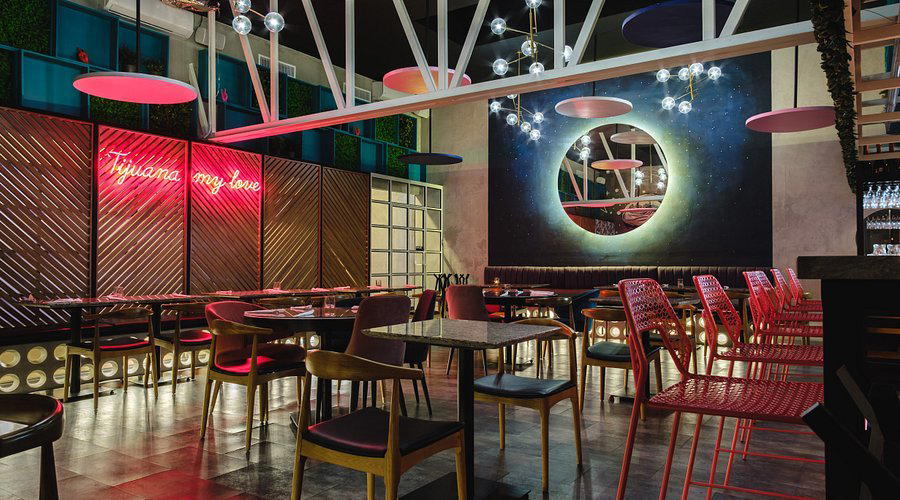
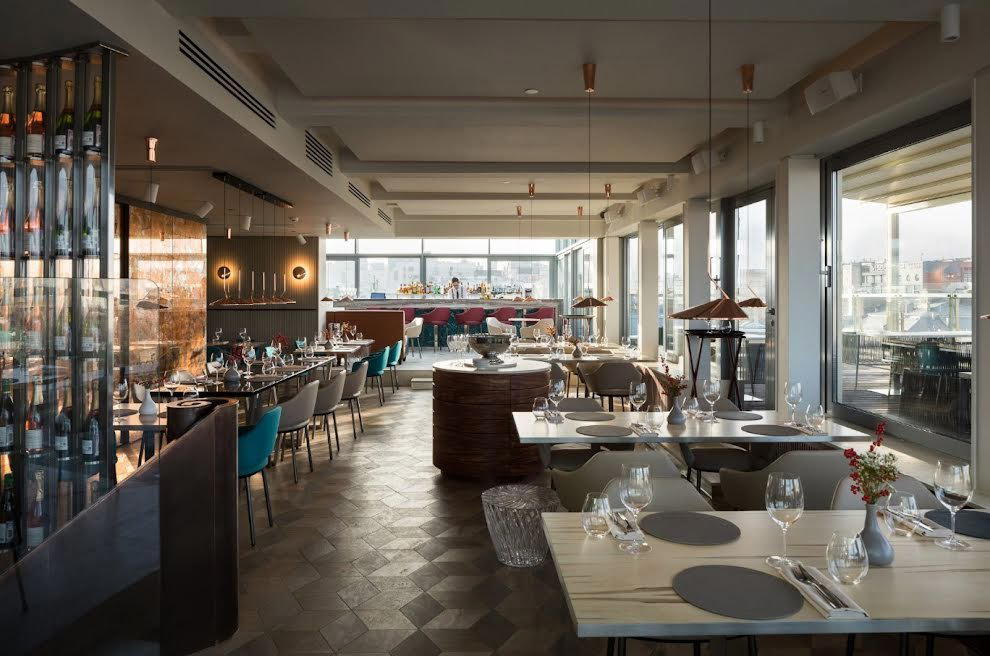
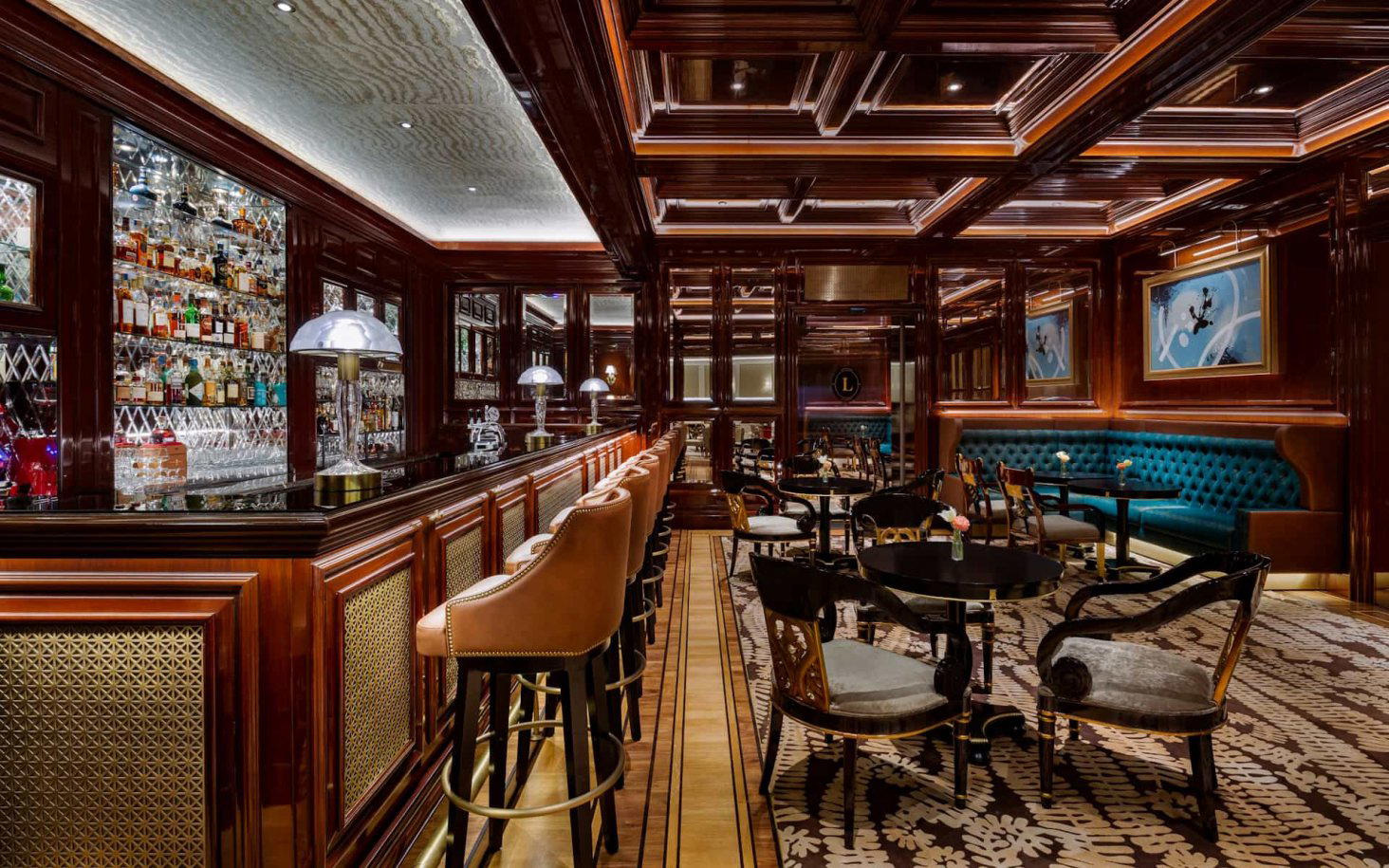
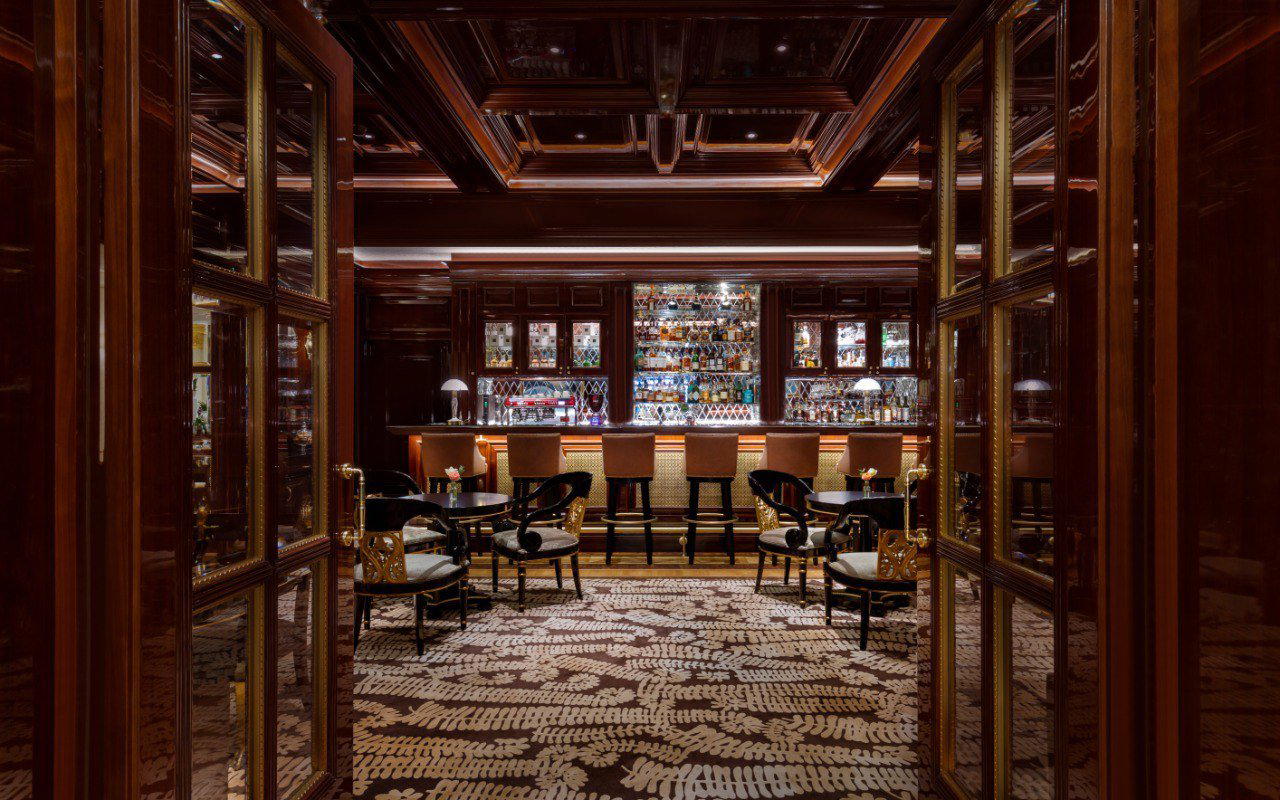
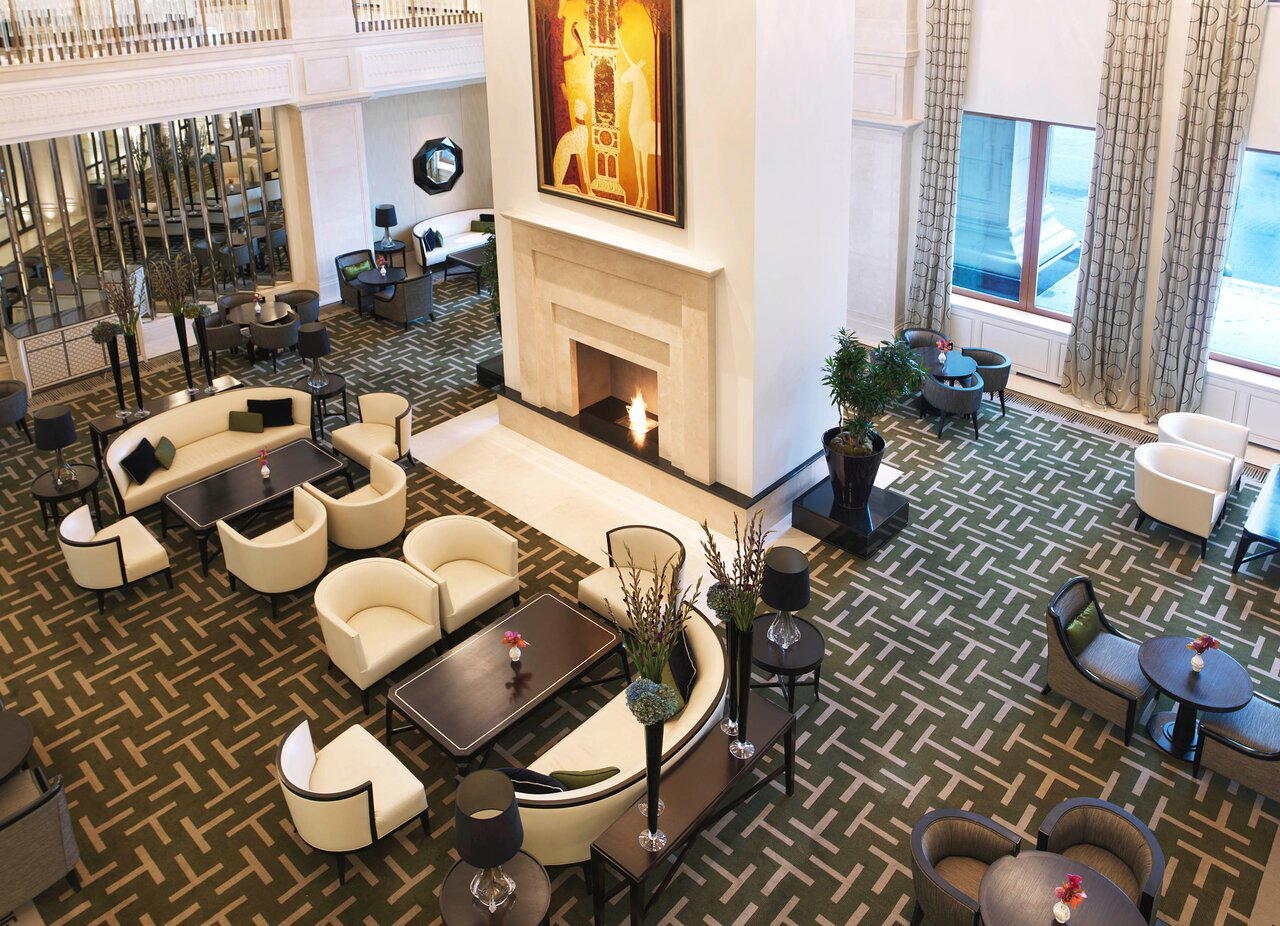
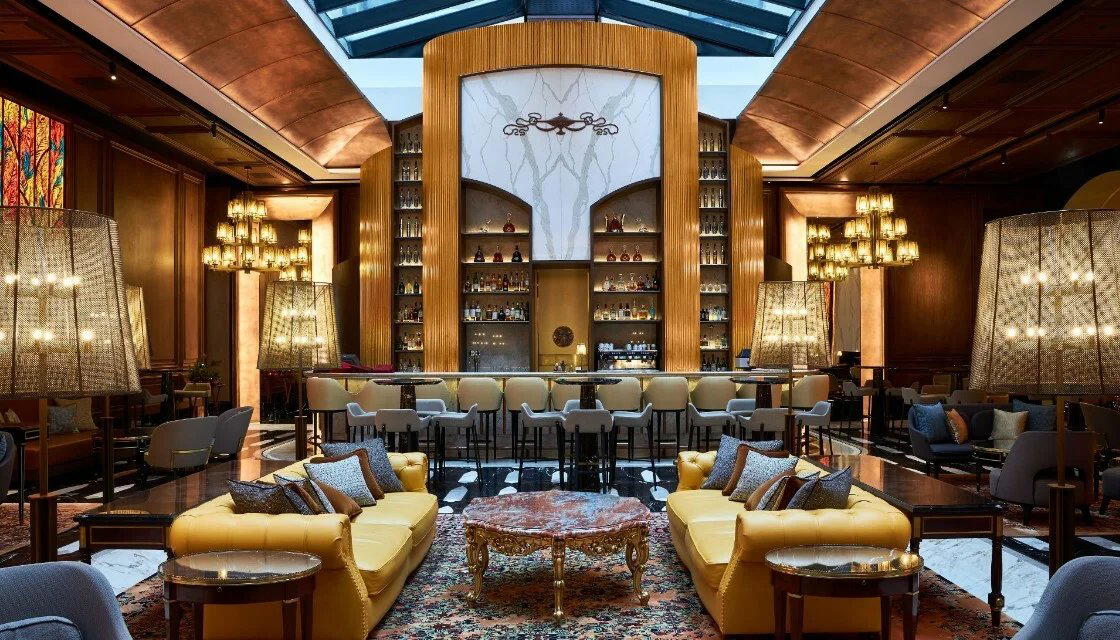
Elegant and refined with theatrical lighting, fabric textures, and a museum-like aesthetic inspired by haute couture; the open kitchen serves as a visual centerpiece with seating arranged like a dressing room.