


Positioned at the summit of Moscow's fine dining scene, White Rabbit operates under a glass dome atop a skyscraper on Smolenskaya Square, pairing 360-degree city views with a tasting menu built around rediscovered Russian ingredients and techniques. Chef Vladimir Mukhin has placed the restaurant consistently inside the World's 50 Best, reaching number 13 in 2019, and the kitchen remains one of the clearest expressions of the New Russian culinary movement.
Pearl is the En Primeur Club membership app — saves, bookings, and concierge access live there. Same editors, same standards.
- Address
- Smolenskaya Square, 3, Moscow, Russia, 121099
- Phone
- +7 495 510-51-01
- Website
- whiterabbitmoscow.ru
- Directions
- Get directions
 Saves & bookings on Pearl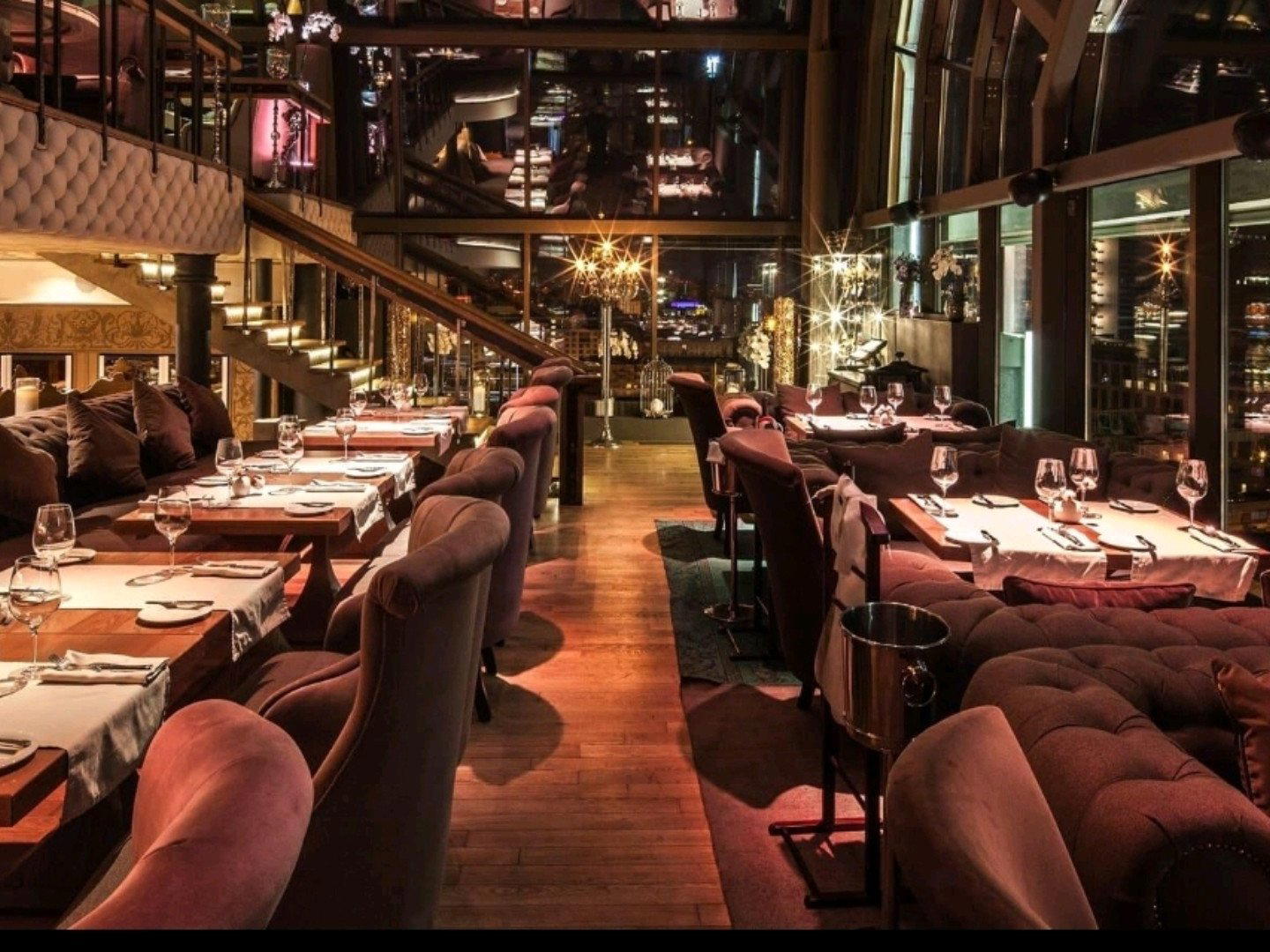
The Room Before the First Course
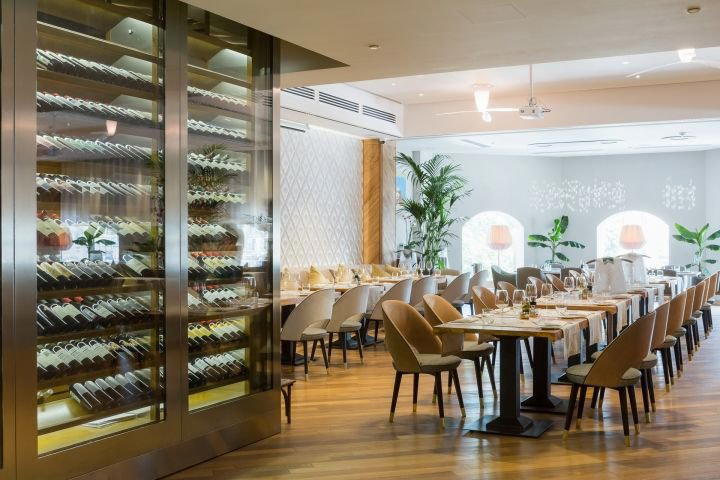
White Rabbit is a restaurant in Moscow serving Modern Russian Fine Dining, ranked #13 in the World's 50 Best Restaurants in 2019. The restaurant occupies a glass-domed space atop a skyscraper on Smolenskaya Square. The dome frames the city at 360 degrees, the Stalin-era high-rises, the river bend, the denser residential grid beyond, in a way that places the meal inside a specific geography before a single dish arrives. Few kitchens in Russia operate with such a deliberate relationship between setting and sequence.
Where White Rabbit Sits in Moscow's Dining Order
Moscow's fine dining scene has spent the past decade fragmenting into distinct tiers. At one end sit Modern European rooms with international reference points, Twins Garden operates in that cohort, with a nature-to-table philosophy anchored in the owners' Michelin-starred twin-chef credentials. At the other end, restaurants foregrounding specifically Russian culinary identity have carved out a smaller but internationally recognised niche. White Rabbit is one prominent name in that second group. The restaurant has appeared inside the World's 50 Best Restaurants every year from 2015 through 2021, peaking at number 13 in 2019, a ranking that placed it in direct conversation with the upper tier of European tasting-menu restaurants, not just regional leaders. Its World's 50 Best showing confirmed its standing on the global stage. Among Moscow peers, Varvary and Artest work in adjacent Russian-cuisine territory, and Chefs Table approaches Russian fusion from a different angle, but White Rabbit's sustained international recognition puts it in a separate competitive bracket from those rooms.
The Logic of the New Russian Tasting Menu
The broader New Russian culinary movement, of which the restaurant is a central reference point, rests on a specific research methodology: going back to pre-Soviet recipe archives, regional ingredient traditions, and forgotten preservation techniques, then reconstructing them through a contemporary tasting-menu format. This is research-driven cooking. The approach requires the same sourcing rigour as any ingredient-driven kitchen, but adds a layer of historical inquiry that most tasting menus don't carry. Chef Vladimir Mukhin has been particularly internationally visible practitioner of this approach, and the restaurant's Netflix Chef's Table feature (Volume 3, Episode 2) brought that methodology to a global audience that extends well beyond the typical fine dining readership.
The practical result for a guest is a progression that moves through Russian culinary history. Borodinsky bread, the dense, dark rye that carries centuries of Russian baking tradition, appears as a reference point. Sea buckthorn, a sharp orange berry used in Russian folk medicine and regional cooking long before it became a Nordic-kitchen staple, recurs in different preparations. Products like swan liver, which carry almost no contemporary fine dining precedent, surface as evidence of genuine archival research rather than menu decoration. The sequencing is designed to build a layered argument about what Russian cuisine actually contains, as opposed to the version familiar from Soviet-era institutional cooking.
For guests comparing this format to other research-driven tasting menus internationally, the closest parallels are kitchens that use indigenous or historically marginalised ingredient traditions as their primary compositional logic. Atomix in New York does something structurally similar with Korean culinary heritage, translating historical and regional specificity into a formal tasting sequence. The ambition and the methodology rhyme, even across different culinary traditions.
Service Hours and Planning the Visit
The restaurant operates on a schedule that rewards advance planning. Wednesday and Thursday dinner service runs from 17:00 to 23:00, with no lunch. Friday and Saturday offer both a lunch sitting (12:00 to 13:30) and evening service (17:00 to 23:00). Sunday lunch runs from 12:00 to 15:00, and the restaurant is closed Monday and Tuesday. The Friday and Saturday lunch window is narrow at ninety minutes, which suggests it functions as a compressed version of the full experience rather than a leisurely midday meal. The evening service on any day provides the full run of the dome in varying light conditions, with sunset timing particularly relevant if you're arriving in late spring or summer when Moscow holds light until well past 21:00. For guests building a wider Moscow itinerary, hotel options and bar programming across the city are covered separately.
The Tasting Menu as a National Argument
What distinguishes the restaurant format from more direct fine dining is the degree to which the meal functions as an editorial position. A tasting menu at Le Bernardin in New York is, at its core, a showcase of French-trained technique applied to seafood, the culinary logic is clear, the references are stable, the ambition is technical mastery. The restaurant's tasting menu is making a different kind of argument: that Russian cuisine has depth, specificity, and historical range that Soviet-era institutional cooking and post-Soviet comfort food both obscure. Each course is, in effect, evidence in that argument. The progression doesn't just show what the kitchen can do; it proposes a version of Russian culinary identity that the guest may not have encountered before.
This is why the room's setting matters beyond aesthetics. Eating a meal about Russian history and ingredients while looking out over Moscow's skyline is not incidental staging. The dome creates a literal vantage point that the meal's intellectual structure mirrors. You are, in a fairly explicit sense, being asked to look at something familiar from above.
Moscow and Beyond: The Wider Russian Fine Dining Scene
The restaurant represents the clearest Moscow expression of a movement that has equivalents in other Russian cities. Birch in St. Petersburg and Bourgeois Bohemians in the same city operate in the same broad current of contemporary Russian cooking, each with its own interpretive angle. Beyond the major cities, SEASONS in Kaliningrad and Leo Wine & Kitchen in Rostov show how regional fine dining has developed its own identity outside the Moscow-St. Petersburg axis. For the historically inflected end of Russian hospitality, Tsarskaya Okhota in Zhukovka offers a different frame: imperial-era Russian game and hunting traditions rather than ingredient archaeology. La Colline in Bolshoye Sareyevo takes yet another approach, European in orientation but grounded in the Russian countryside. The range across these rooms illustrates how much the category has diversified since the restaurant first placed on the 50 Best list in 2015. The restaurant's achievement was to prove international viability for Russian fine dining as a proposition; what followed was a wider field.
For guests exploring Moscow's full dining range, the complete Moscow restaurants guide covers the scene across cuisines and price points. The experiences guide and wineries guide provide further context for building an itinerary around the city's wider cultural and gastronomic offer.
What Should I Order at White Rabbit?
The restaurant operates as a tasting menu format anchored in the New Russian culinary movement, so the sequenced menu is the intended experience rather than a la carte selection. The progression is built around historically researched Russian ingredients, Borodinsky rye, sea buckthorn, and archivally sourced products like swan liver appear as recurring reference points across courses. Chef Vladimir Mukhin's approach, recognised in the World's 50 Best Restaurants from 2015 to 2021 and in the La Liste rankings through 2026, is to present these ingredients in contemporary, technically considered preparations rather than period reconstructions. The result is a meal that reads as both historically informed and formally ambitious. The Grand Cru in Moscow offers an alternative setting for guests looking for a wine-forward dining experience outside the tasting-menu format.
How It Stacks Up
Comparable venues nearby, for context on price, style, and recognition.
| Venue | Cuisine | Price | Awards | Notes |
|---|---|---|---|---|
| White RabbitThis venue — the venue you are viewing | Modern Russian Fine Dining | $$$$ | World's 50 Best #13 | Not listed |
| Twins Garden | Modern Russian Fine Dining | $$$$ | World's 50 Best #19 | Tverskoy District |
| Artest | Modern European Fine Dining | $$$$ | Michelin 2 Star | Smolensk |
| Varvary | Modern Russian Molecular Gastronomy | $$$$ | World's 50 Best #48 | Strastnoy Boulevard |
| Ikra | Modern Russian Gastrotheatre | $$$ | Not listed | Moscow City |
| Cafe Pushkin (Кафе Пушкинъ) | Russian Noble Cuisine | $$$$ | Not listed | Tverskoy |
Recognition history
Dated appearances from independent guides and award organizations, with the underlying list record or original source where available.
La Liste Top Restaurants
La Liste
Chef's Table Featured on Chef's Table
Chef's Table
La Liste Top Restaurants
La Liste
World's 50 Best Best Restaurants #25
World's 50 Best
World's 50 Best Best Restaurants #13
World's 50 Best
World's 50 Best Best Restaurants #15
World's 50 Best
World's 50 Best Best Restaurants #23
World's 50 Best
World's 50 Best Best Restaurants #23
World's 50 Best
World's 50 Best Best Restaurants #23
World's 50 Best
At a Glance
- Elegant
- Sophisticated
- Modern
- Well Known
- Date Night
- Special Occasion
- Celebration
- Panoramic View
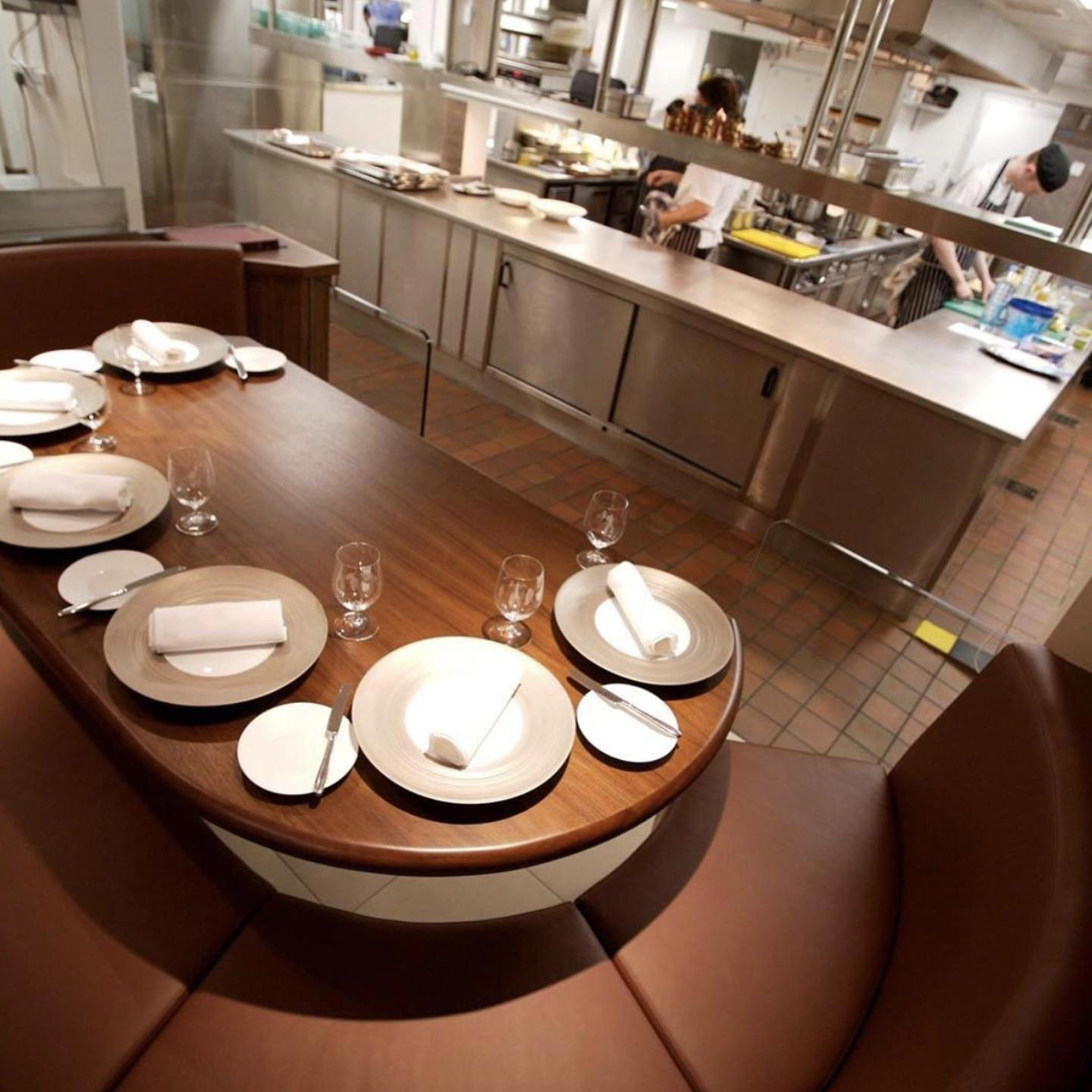
- Open Kitchen
- Craft Cocktails
- Local Sourcing
- Skyline
Current opening hours
- Monday
- 12 PM–12 AM
- Tuesday
- 12 PM–12 AM
- Wednesday
- 12 PM–12 AM
- Thursday
- 12 PM–12 AM
- Friday
- 12 PM–12 AM
- Saturday
- 12 PM–12 AM
- Sunday
- 12 PM–12 AM
Hours can change for holidays and private events. Last verified .
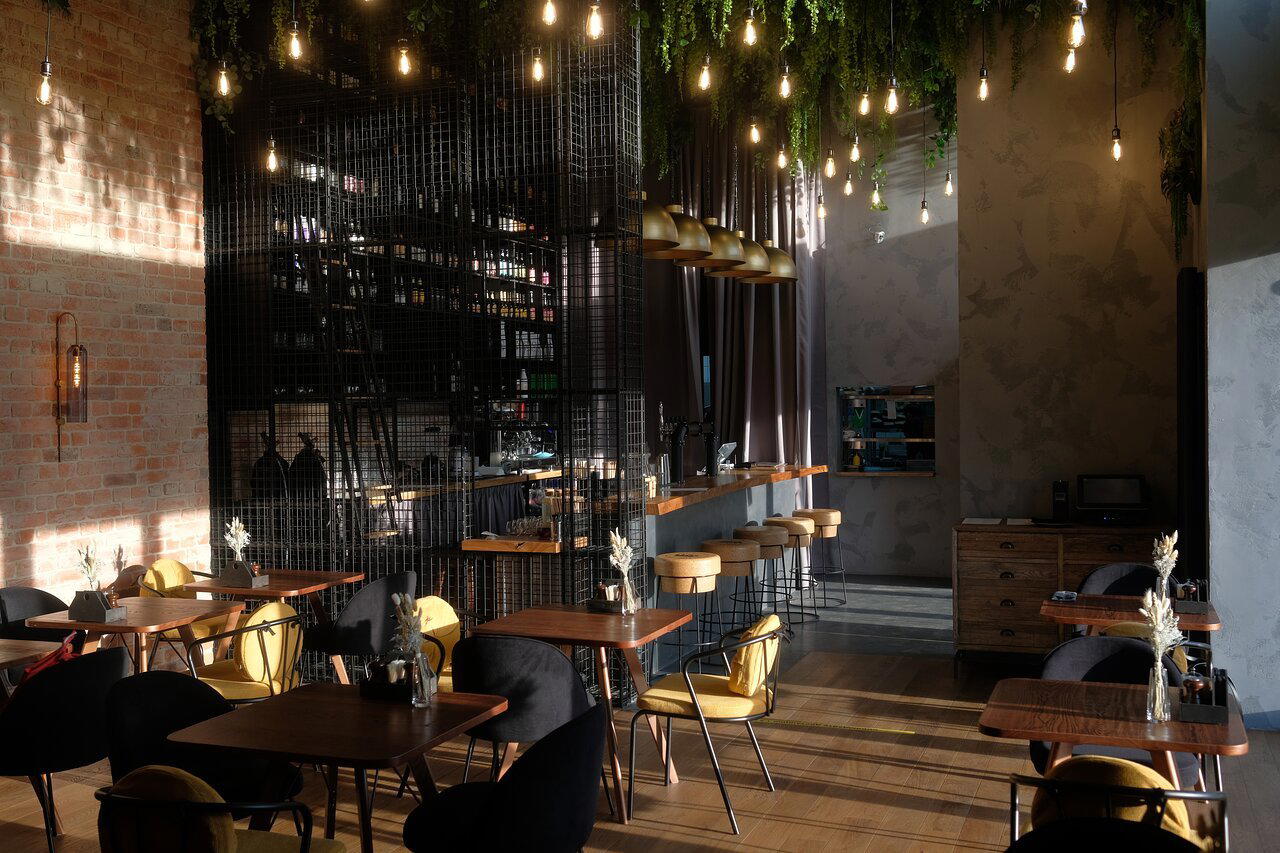
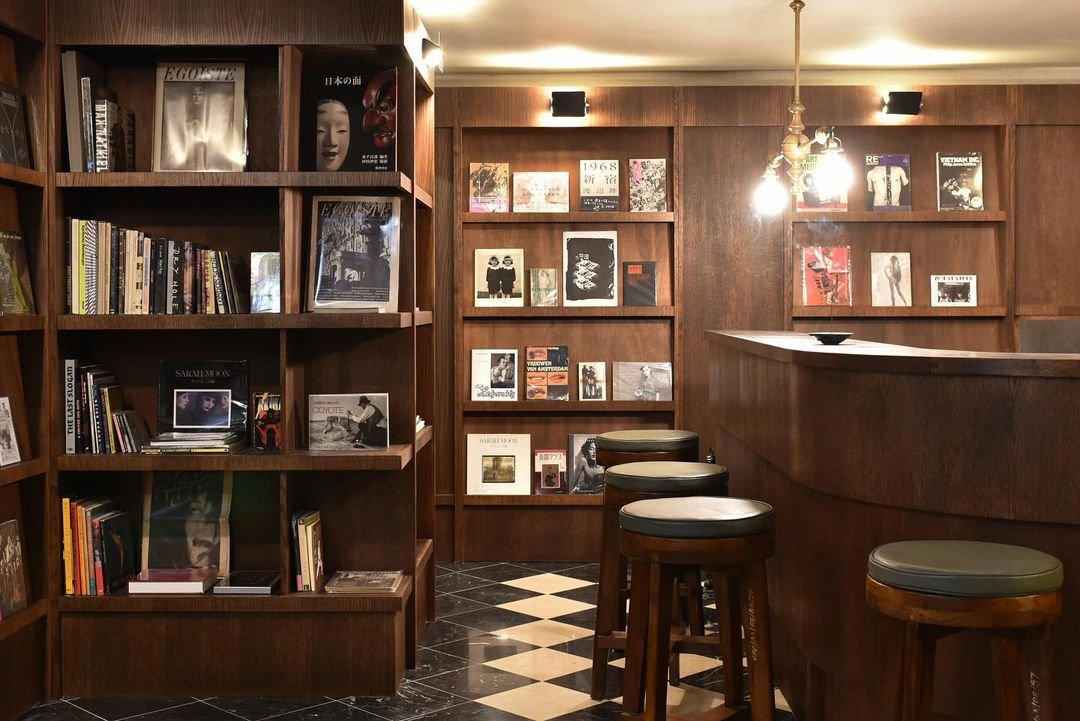
Dramatic glass-enclosed space atop a Soviet-era building with spectacular city skyline views, stylish seasonal interiors, cozy yet elegant atmosphere with soft lighting and attention to detail.