Pizzeria Vesuvio sits in Moscow's residential south, on Bolotnikovskaya Ulitsa, where the city's appetite for neighbourhood pizza has quietly outpaced its central fine-dining scene. The format here is familiar to regulars across southern Moscow: a room built for return visits rather than occasion dining, where the draw is consistency rather than spectacle. For those willing to travel beyond the Garden Ring, it delivers the kind of local anchor that Moscow's outer districts rarely advertise.
Pearl is the En Primeur Club membership app — saves, bookings, and concierge access live there. Same editors, same standards.
- Address
- Натали, Bolotnikovskaya Ulitsa, 12 строение 7, Moscow, Russia, 117149
- Phone
- +79955079995
- Directions
- Get directions
 Saves & bookings on Pearl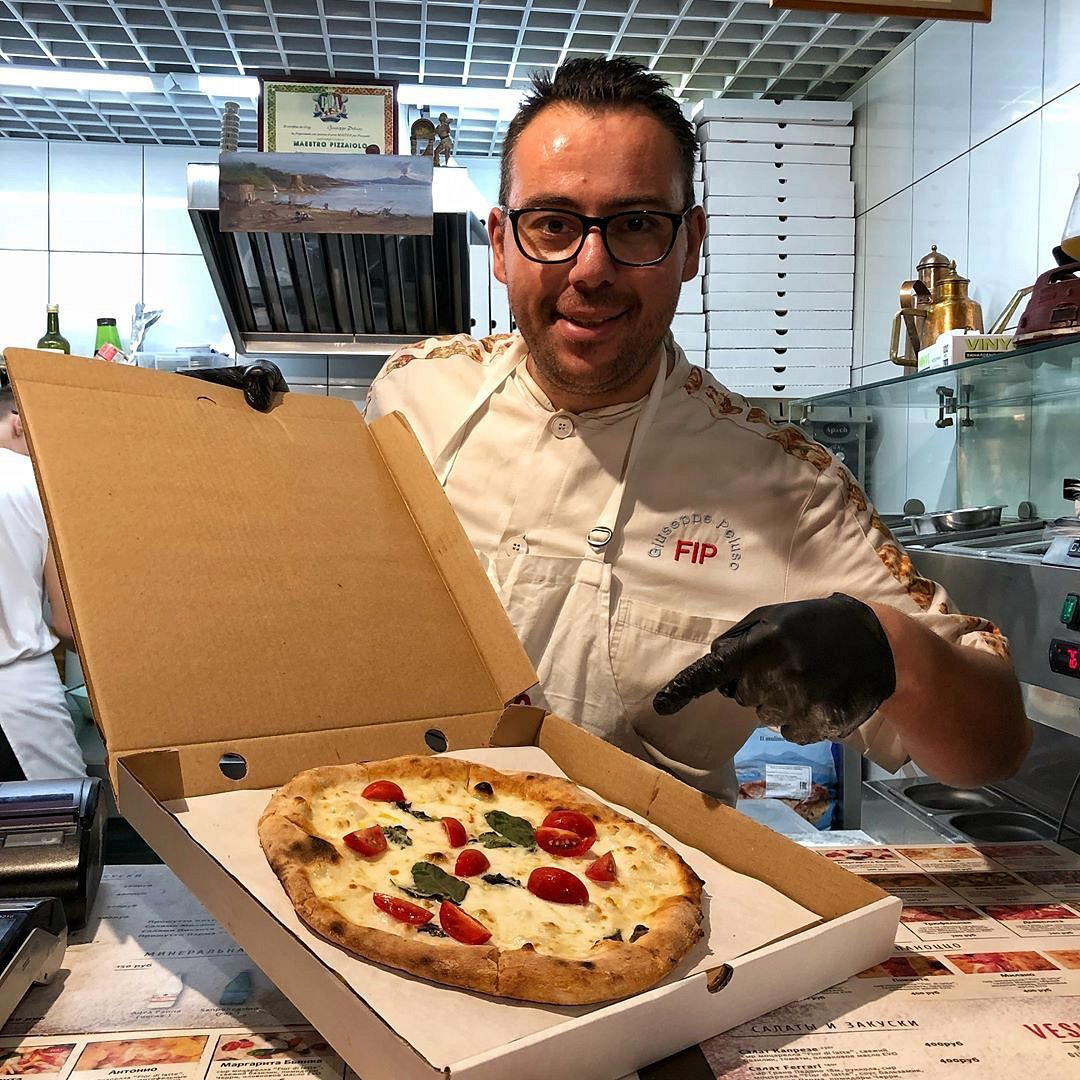
South of the Ring: Moscow's Neighbourhood Pizza Culture
Moscow's restaurant conversation tends to collapse inward toward the centre. The names that circulate in international coverage, White Rabbit, Twins Garden, Varvary, all operate within or near the Garden Ring, drawing a clientele that treats dining as event. But the city's residential south tells a different story. Here, in districts like Kotlovka and Nagatinskiy Zaton, the dining culture is shaped less by occasion and more by repetition: the places people return to on a Tuesday because they know exactly what they are getting. Pizzeria Vesuvio, at Bolotnikovskaya Ulitsa 12, sits inside that pattern. It is a casual Neapolitan pizza restaurant in Moscow's south, priced around $15 per person.
The address alone signals the audience. Bolotnikovskaya is not a street that appears in dining guides or weekend supplement features. It is a working residential artery in Moscow's southern tier, the kind of neighbourhood where a reliable Italian-format restaurant earns loyalty not through press coverage but through the cumulative approval of people who live within walking distance. That dynamic, regulars over tourists, familiarity over discovery, defines how the room operates and what it asks of a first-time visitor.
What the Regulars Already Know
The psychology of a neighbourhood pizza room is worth understanding before you arrive. In cities across Europe, the restaurants that survive longest in residential districts do so by removing friction. The menu does not rotate aggressively, the room does not require a dress code deliberation, and the experience does not demand that you be in a particular mood to appreciate it. Moscow's outer districts have developed a version of this, though the category remains thinner on the ground than in, say, Rome's Trastevere or Naples' Spaccanapoli, where the neighbourhood pizzeria format has centuries of precedent.
For regulars at a place like Vesuvio, the return logic is direct: the room is known, the expectation is calibrated, and the transaction is uncomplicated. This is the opposite of what Accenti or Aist offer within the Ring, where Italian-leaning menus are packaged alongside a more considered atmosphere and a price point that reflects central Moscow real estate. The southside pizza format trades that ambition for accessibility, and for the people who live nearby, that trade is the entire point.
There is also something to be said about the unwritten menu that regulars carry in their heads. At most neighbourhood pizza spots, the official menu is a formality, the actual ordering happens through habit. Regulars know which preparation runs closest to their preference, which night of the week the room is quietest, and what time to arrive to avoid the after-work compression. That accumulated knowledge is the real product of a neighbourhood restaurant, and it cannot be transferred by a review.
Italian Pizza in Moscow: The Broader Picture
Russia's relationship with Italian food has deepened considerably over the past two decades. Pizza, specifically, has moved from a novelty format in the 1990s to a category with genuine range: from the high-concept Neapolitan-style operations near Patriarch's Ponds to the casual neighbourhood formats in districts like Yasenevo and Chertanovo. The supply chain for Italian ingredients, while complicated by import restrictions introduced after 2014, has pushed many operators toward local sourcing for dairy and produce, which has had mixed but often interesting results on the final product.
Within this broader picture, a place like Vesuvio operates in the mid-to-lower tier of the category by geography and positioning, if not necessarily by quality. Distance from the centre correlates with lower rent, which in Moscow's restaurant economy can translate into either higher margins or lower prices, and frequently both. The result, for the customer willing to travel, is often better value than central equivalents. Moscow's dining infrastructure, laid out along metro lines, makes this calculation easier than it might appear: Nagatinskaya and Nagornaya stations both place the Bolotnikovskaya address within reasonable reach of the southern section of the Circle Line.
Getting There and Getting a Table
Reaching Bolotnikovskaya Ulitsa from central Moscow is a matter of committing to the southern metro corridor. The area sits in a part of the city where foot traffic is residential rather than commercial, which means the natural audience arrives by metro or car rather than by the kind of urban wandering that fills tables in Chistye Prudy or Arbat. For visitors staying in central Moscow, this is a deliberate trip rather than an incidental one, and it shifts the visit from casual drop-in to considered choice.
Given the neighbourhood format, the probability of a difficult table situation is low. Neighbourhood restaurants of this type rarely operate at the kind of sustained capacity that requires advance planning weeks out. That said, weekend evenings in residential Moscow dining rooms can fill quickly with local families, so an early arrival or a midweek visit reduces any uncertainty.
Placing Vesuvio in Moscow's Wider Restaurant Map
Moscow's restaurant geography rewards those who look beyond the obvious coordinates. The central tier, represented by the modern Russian ambition of White Rabbit and the tasting-menu polish of Twins Garden, sets the international benchmark for the city, but it does not represent how most Muscovites actually eat. The residential outer districts, from the south through to the east and northwest, contain a different layer of the city's food culture: less visible, less celebrated, and often more honest about what it is trying to do.
Across Russia, this pattern repeats. Neighbourhood-scale operators in cities from Novosibirsk, where Burger Records has built a loyal local following, to Yekaterinburg, home to the Georgian-inflected Khmeli Suneli, demonstrate that particularly durable restaurants in Russian cities are often those rooted in a specific local community rather than a national or international audience. Vesuvio fits that template in Moscow's southern residential fabric.
For visitors who have already worked through the central canon, and for those who want a sense of how the other ninety percent of Moscow eats, the southside pizza room offers a different kind of information about the city. It is the kind of place that our full Moscow restaurants guide maps alongside the headline addresses, because a city's dining character is only partially legible from its most decorated rooms. Elsewhere in Russia, comparable neighbourhood anchors like Dzhani Restorani in Nizhny Novgorod and Kukhterin in Tomsk illustrate the same principle: consistency and local trust outlast novelty in the long run.
Cuisine Context
Comparable venues nearby, for context on price, style, and recognition.
| Venue | Cuisine | Price | Notes |
|---|---|---|---|
| Pizzeria VesuvioThis venue — the venue you are viewing | Neapolitan Pizza | $$ | Not listed |
| Officina | Authentic Italian | $$ | Boulevard Ring |
| Probka | Classic Italian with Pizza | $$ | Tsvetnoy Boulevard |
| Pinzeria by Bontempi | Italian Pinsa Romana | $$ | Boulevard Ring |
| Пробка на Цветном - Probka na Cvetnom | Итальянская кухня с домашней пастой и пиццей | $$$ | Цветной бульвар |
| Kazbek | Authentic Georgian | $$ | Presnensky |

At a Glance
- Lively
- Cozy
- Casual Hangout
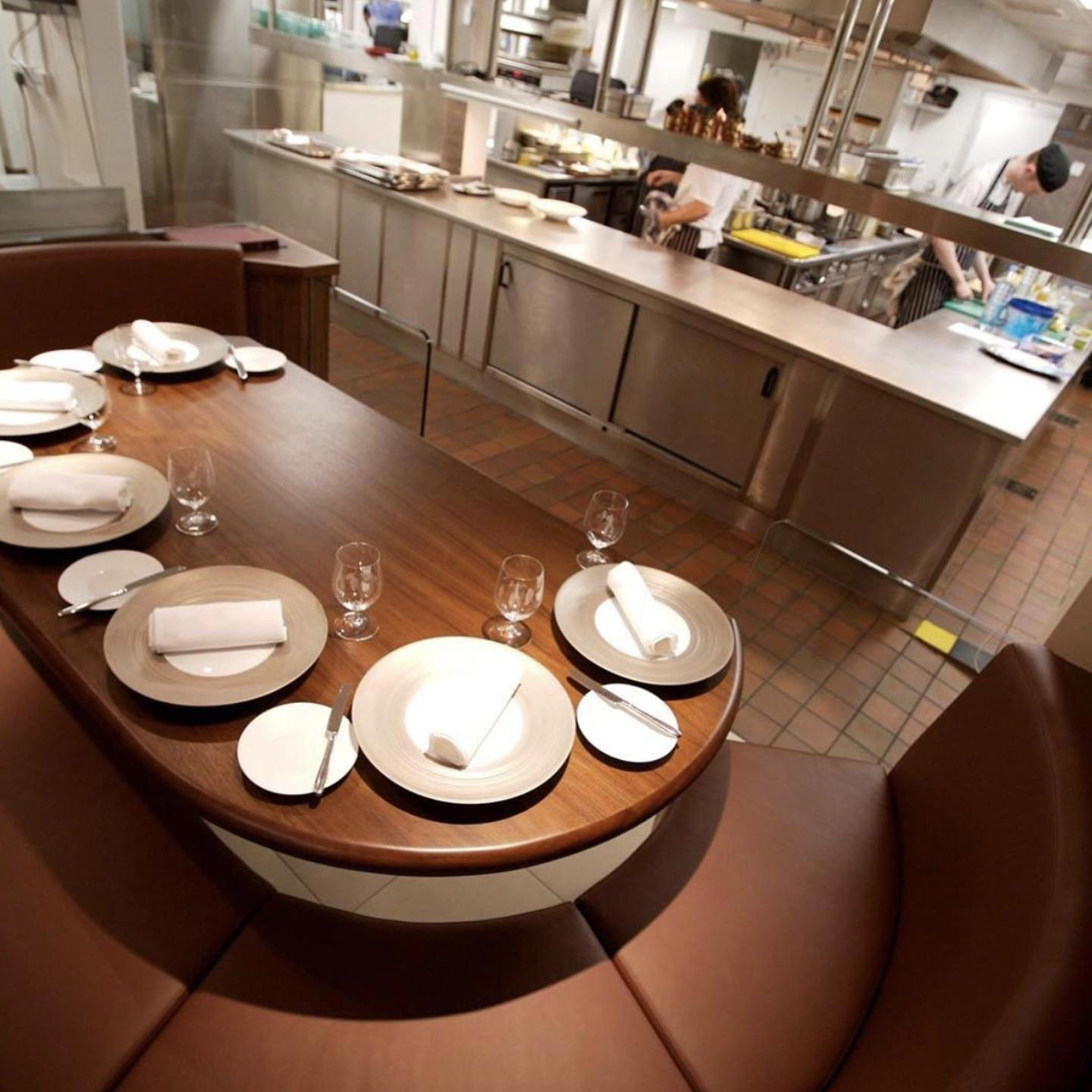
- Open Kitchen
Current opening hours
- Monday
- 10 AM–9 PM
- Tuesday
- 10 AM–9 PM
- Wednesday
- 10 AM–9 PM
- Thursday
- 10 AM–9 PM
- Friday
- 10 AM–10 PM
- Saturday
- 10 AM–10 PM
- Sunday
- 10 AM–9 PM
Hours can change for holidays and private events. Last verified .
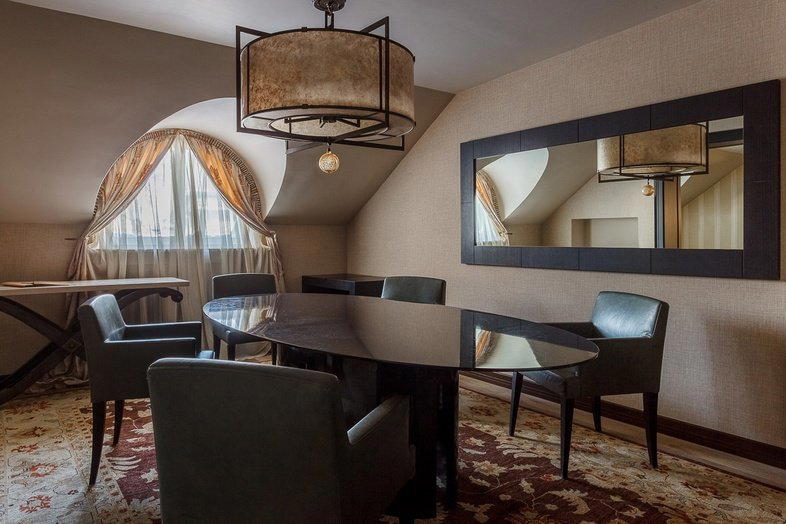
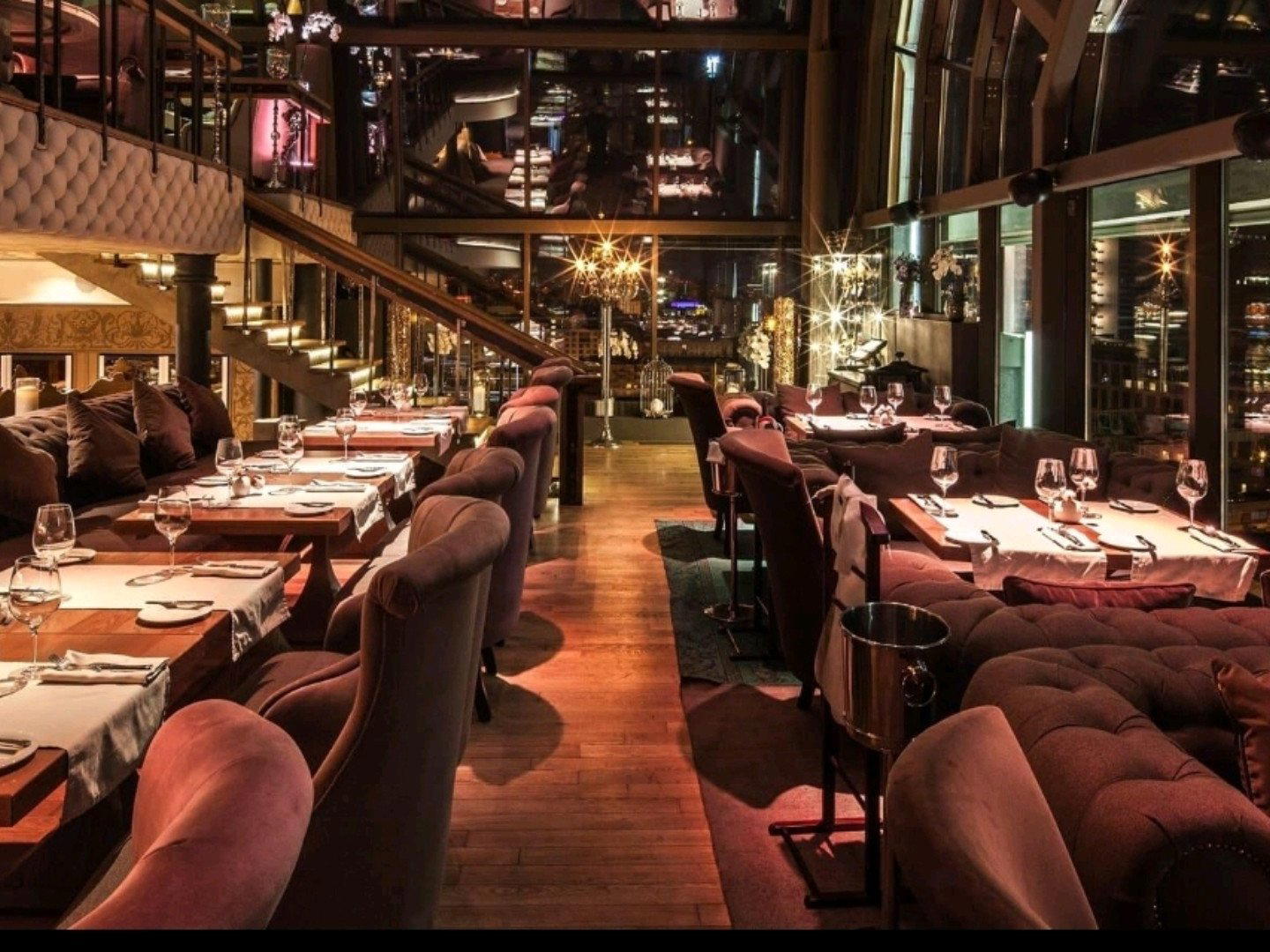
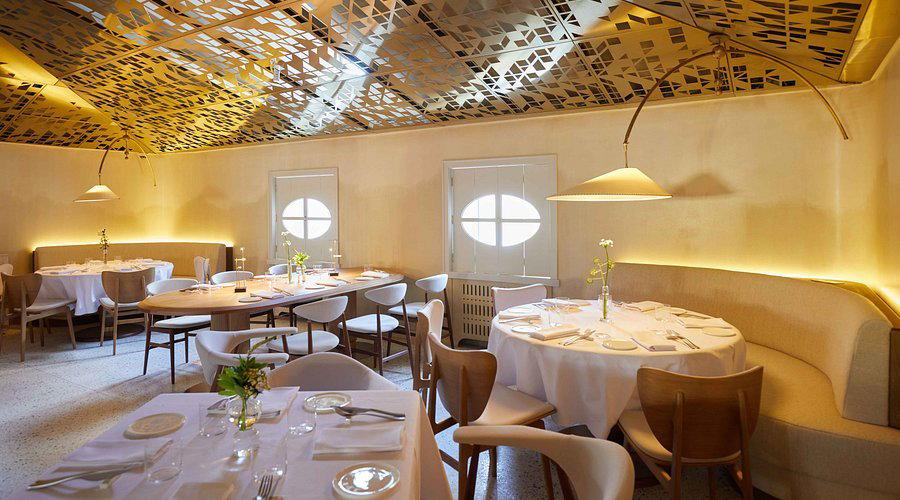
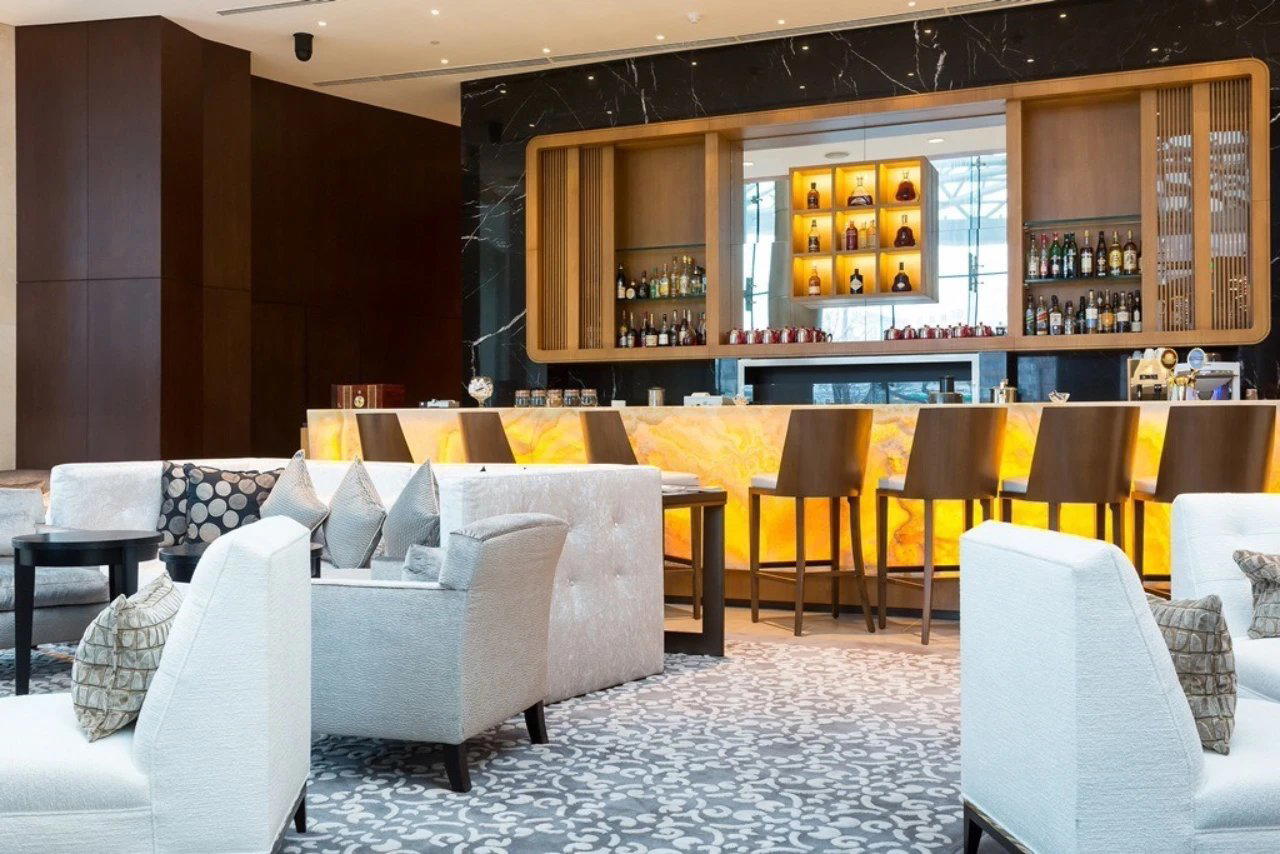
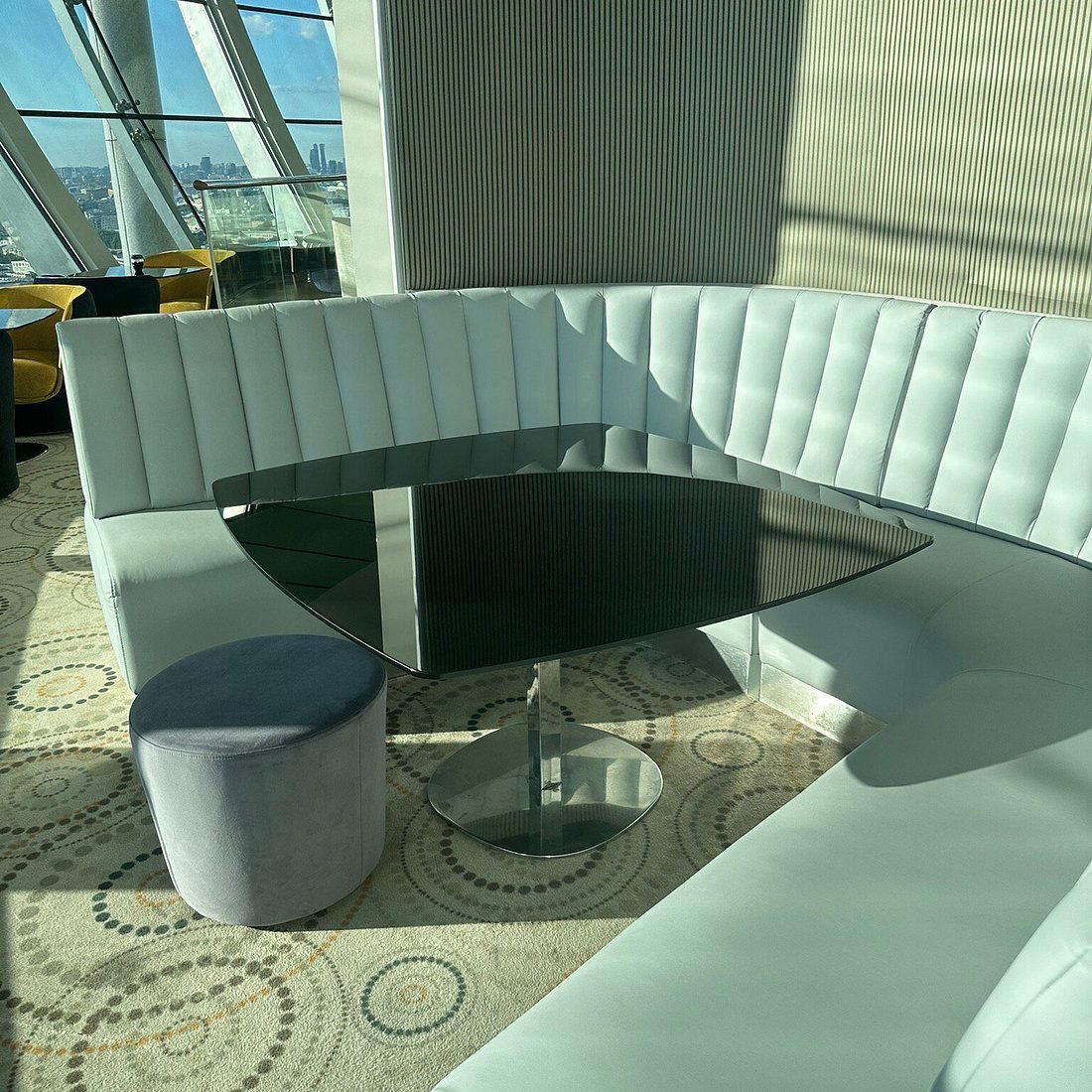
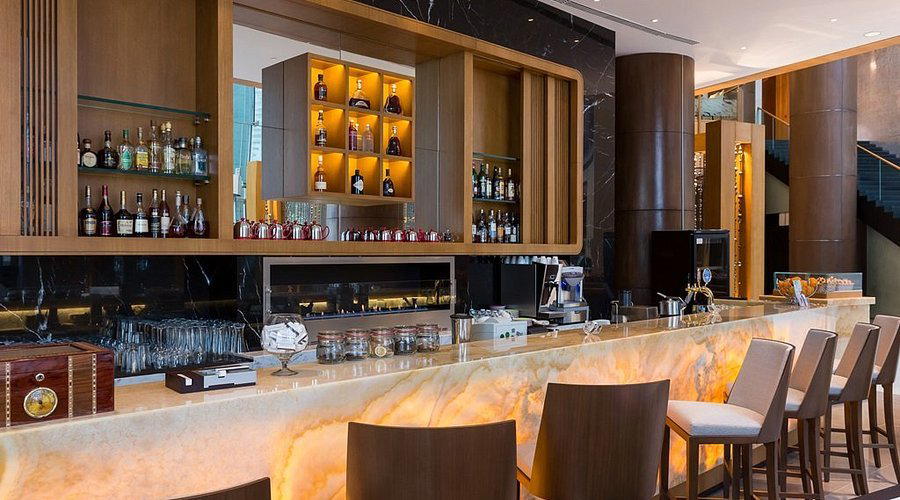
Lively Neapolitan atmosphere with simple wooden tables in a shopping centre setting.