
Tabelog 100 #5
Our verdict
Sel Sal Sale occupies a quiet corner of Ebisu-nishi in Shibuya, sitting in a neighbourhood tier that separates it from the high-volume dining corridors of central Tokyo. The address places it among a cluster of independently operated restaurants where the daytime and evening services tend to differ substantially in pace and menu scope. For visitors cross-referencing Tokyo's Italian-inflected dining scene, it represents a mid-register option worth tracking alongside the city's more decorated French and Japanese counters.

Pearl is the En Primeur Club membership app, where members save venues, book tables and use the concierge.
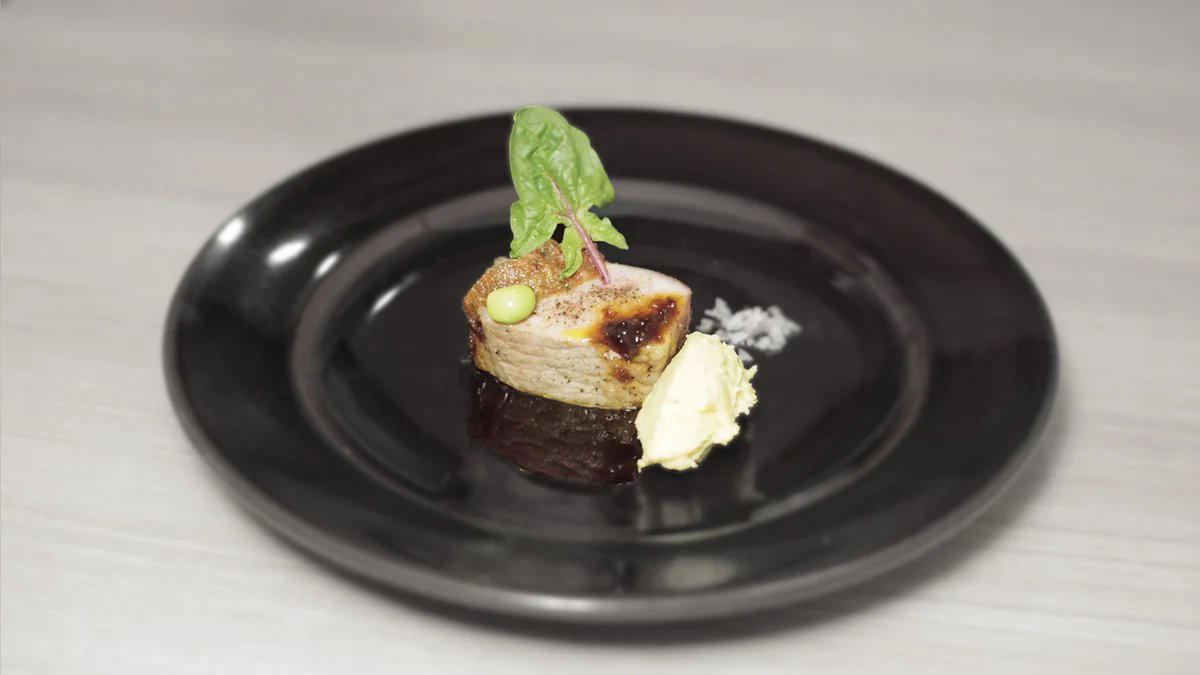
Ebisu-nishi and the Logic of Neighbourhood Dining in Shibuya
Tokyo's dining map sorts itself by neighbourhood as much as by cuisine or price tier. Shibuya's commercial core pulls volume and spectacle; the residential side streets of Ebisu-nishi pull something quieter. Sel Sal Sale sits at 1 Chome-16-7 Ebisunishi, inside a district where foot traffic thins after the station and the restaurants that survive there tend to do so on repeat local custom rather than tourist discovery. That address is not incidental. In Tokyo, where a restaurant's catchment is often measured in walking minutes from the nearest train exit, Ebisu-nishi operates as a self-contained dining village, largely separate from the Michelin-circuit density of Ginza or Roppongi.
The broader Shibuya ward contains some of Tokyo's most-discussed cooking, from the kaiseki tradition represented by places like RyuGin to the French-inflected tasting menus at L'Effervescence and Sézanne. Sel Sal Sale occupies a different register within that geography: a neighbourhood address rather than a destination address, which shapes everything from how it prices its lunch service to how the room feels on a weekday evening.
The Lunch and Dinner Divide in Tokyo's Mid-Register Restaurants
One of the more reliable editorial frames for understanding Tokyo restaurants at the neighbourhood level is the gap between what a kitchen does at lunch versus dinner. In the city's top tier, this distinction has largely collapsed: a counter like Harutaka runs a single format regardless of daypart, and the price difference between lunch and dinner at three-star kaiseki houses is rarely dramatic. Below that tier, however, the gap widens considerably. Neighbourhood restaurants in Ebisu-nishi and comparable pockets of Meguro and Daikanyama typically run lighter, shorter, and more accessibly priced lunch menus, then shift to a more deliberate pace in the evening, often with a larger à la carte range or a set course structure that wasn't available at midday.
This lunch-dinner split matters for the visitor making a single booking decision. A daytime visit to a restaurant in this tier tends to offer better value per course and a faster table turn, which suits the practical rhythm of a day moving between neighbourhoods. An evening visit assumes more time, often more wine, and frequently a higher spend per head, even without the formal omakase commitments of the city's leading counters. The name Sel Sal Sale, drawing across three languages (French, Portuguese, Italian) for salt, signals some European culinary influence in its approach, which in the Tokyo context typically means Italian or French technique applied with local sourcing discipline. That framing positions it close to the register occupied by Crony, Shibuya's French-innovative entry, though at what appears to be a distinct price point.
Where Sel Sal Sale Sits Relative to Tokyo's Italian-European Scene
Tokyo's European-inflected dining scene has fragmented over the past decade into several distinct tiers. At the leading, decorated French houses and their hybrid Japanese-European counterparts compete on technique and ingredient provenance, often with tasting menus running above ¥30,000 per head. Below that, a large and commercially active middle tier of Italian and French bistros serves Shibuya and Minato wards, where the emphasis shifts from progression-of-courses formality to a more flexible à la carte rhythm. Sel Sal Sale, based on its address and the signals embedded in its name, sits somewhere in that middle tier, closer in spirit to a trattoria-style evening room than to a formal tasting counter.
For context, the ¥¥¥¥ tier in Tokyo, represented by venues like L'Effervescence and RyuGin, operates with a different set of expectations around reservation lead times, course commitment, and formality. A neighbourhood restaurant in Ebisu-nishi typically operates with shorter booking windows and lower formality, which makes it more accessible for visitors on compressed itineraries. That accessibility is neither a flaw nor a virtue in isolation; it simply describes a different role in the dining ecosystem. The Ebisu address also connects naturally to Daikanyama walking distance, which means visitors combining Sel Sal Sale with the neighbourhood's retail and coffee culture are working with a coherent geography rather than crossing the city.
Thinking Beyond Tokyo: Regional Japanese Counterparts
For EP Club readers mapping a Japan itinerary beyond Tokyo, the neighbourhood-dining logic that applies in Ebisu-nishi has direct counterparts in other cities. HAJIME in Osaka and Gion Sasaki in Kyoto represent the formal end of regional dining; at the more intimate, neighbourhood-anchored end, akordu in Nara and Goh in Fukuoka demonstrate how European technique applied with local ingredients operates outside the capital. Further afield, a counter in Nanao and a destination in Sapporo show how Japan's more remote restaurant scenes have developed their own dining logic, largely independent of the Tokyo tier system. Additional regional stops worth cross-referencing include Takashima, Nishikawa Machi, Birdland in Sakai, and Bistro Ange in Toyohashi, all of which illustrate how Japan's smaller cities have built coherent dining identities at a fraction of Tokyo's price pressure.
For comparative international context, the neighbourhood-European format in Tokyo maps loosely onto what Le Bernardin in New York City represents at the formal end of European-American fine dining, or what Atomix in New York City does with Korean-inflected tasting structure. The Tokyo version is typically more compact in format and quieter in its self-presentation. See our full Tokyo restaurants guide for a complete map of where each district and cuisine tier sits relative to the whole.
Planning a Visit
Address: 1 Chome-16-7 Ebisunishi, Shibuya, Tokyo 150-0021, Japan. Getting there: The closest station is Daikanyama on the Tokyu Toyoko Line, roughly five minutes on foot; Ebisu Station (JR Yamanote, Hibiya Line) is also within comfortable walking distance. Reservations: Timing: Lunch service at restaurants in this district typically runs midday to 14:00 or 14:30; evening service from 18:00. Arriving early in the dinner window often means a calmer room. Budget: Dress: Smart-casual is the standard in this district; formal dress is not expected.
Frequently asked questions
What dish is Sel Sal Sale famous for?
The name Sel Sal Sale, which translates to salt across French, Portuguese, and Italian, points toward a European, likely Italian-inflected kitchen where seasoning and ingredient quality carry structural weight in the menu. For verified dish information, cross-reference recent coverage in Japanese food media or contact the restaurant directly.
What is the ideal way to book Sel Sal Sale?
In Tokyo's neighbourhood restaurant tier, which sits below the major award-circuit counters, reservations are commonly made by phone or through walk-in inquiry, particularly for lunch. If your itinerary is fixed around a specific date, a local hotel concierge with Shibuya-area knowledge is the most reliable route to a confirmed table. Restaurants in the Ebisu-nishi area generally have shorter booking windows than the city's decorated tasting-menu houses, so last-minute availability is more common than at a counter like Harutaka.
What do critics highlight about Sel Sal Sale?
In the absence of confirmed award-circuit recognition, the venue's standing is leading assessed through the signals available: its Ebisu-nishi address, which places it inside one of Shibuya's more curated independent dining pockets, and the trilingual salt concept embedded in its name, which suggests a kitchen with European reference points. For editorial context on the broader Tokyo scene it sits within, see our full Tokyo restaurants guide.
How does Sel Sal Sale compare to other European-influenced restaurants in the Daikanyama and Ebisu area?
The Ebisu-Daikanyama corridor has become one of Tokyo's quieter concentrations of independently run European-style restaurants, operating at a noticeably different pace and price point than the Michelin-circuit French houses in Azabu-Juban or Ginza. Within that corridor, restaurants anchored by Italian or salt-focused European concepts tend to attract a neighbourhood regular rather than a destination-dining crowd, which shapes how menus are structured across the week.
A Minimal comparable set
Comparable venues nearby, for context on price, style, and recognition.
| Venue | Cuisine | Price | Awards | Notes |
|---|---|---|---|---|
| Sel Sal SaleThis venue (the venue you are viewing) | Modern Italian with Japanese Influences | $100–150 | Tabelog 100 #5 | Not listed |
| Napule | Authentic Neapolitan Pizza & Southern Italian Trattoria | $30–50 | Not listed | Minato, Authentic Neapolitan Pizza & Southern Italian Trattoria |
| nacol | Prosciutto-Focused Italian | $100–150 | Tabelog 100 #78 | Taitō, Prosciutto-Focused Italian |
| TORNAVENTO | Piedmontese Italian with wine-focused chef’s courses | $50–100 | Tabelog 100 #93 | Minato, Piedmontese Italian with wine-focused chef’s courses |
| Osteria Tramandare | Regional Italian Osteria with Rotating Tasting Courses | $50–100 | Tabelog 100 #54 | Chūō, Regional Italian Osteria with Rotating Tasting Courses |
| Vino della Pace | Classic Regional Italian with Extensive Wine Pairings | $100–150 | Star Wine List | Nishiazabu, Classic Regional Italian with Extensive Wine Pairings |
Recognition history
Dated appearances from independent guides and award organizations, with the underlying list record or original source where available.
Tabelog 100 #5 · No. 5
Tabelog · Tabelog 100 - Italian - TOKYO - 2025
Continue exploring
More in Tokyo
Restaurants in Tokyo
All restaurants in Tokyo →


Bars in Tokyo
All bars in Tokyo →




Details
- Modern
- Cozy
- Intimate
- Sophisticated
- Date Night
- Special Occasion
- Open Kitchen
- Extensive Wine List
- Local Sourcing
- Omakase
- Wine
Current opening hours
- Monday
- Closed
- Tuesday
- 6–10 PM
- Wednesday
- 6–10 PM
- Thursday
- 6–10 PM
- Friday
- 11:30 AM–1:30 PM, 6–10 PM
- Saturday
- 11:30 AM–1:30 PM, 6–10 PM
- Sunday
- 11:30 AM–1:30 PM, 6–10 PM
Hours can change for holidays and private events. Hours as of .
Cheerful and inviting atmosphere with a neighborhood trattoria feel, featuring counter seating and a lively yet intimate dining scene.