
Tokyo Italian dining has become a serious category in its own right, shaped by small rooms, high spending, and local critical lists rather than hotel grandeur. TORNAVENTO sits in Nishiazabu’s quieter, reservation-led tier: an 18-seat Italian restaurant recognized in Tabelog’s Italian TOKYO 100 for 2025, with earlier selections in 2023 and 2021.
Pearl is the En Primeur Club membership app — saves, bookings, and concierge access live there. Same editors, same standards.
- Address
- 東京都港区西麻布3-21-14 覚張ビル B1F
- Phone
- +81357752355
- Website
- tornavento.jp
 Saves & bookings on Pearl
Nishiazabu rewards restaurants that do not announce themselves loudly. Between Roppongi’s late-night velocity, Hiroo’s residential calm, and the embassy belt’s discreet expense, its dining rooms often feel like private addresses rather than public stages. TORNAVENTO fits that register: basement-level, small-scale, and aimed at diners already looking beyond Tokyo’s hotel Italian rooms and high-gloss shopping-district tables.
Tokyo’s Italian scene has moved past imported formulas. Its serious end now splits into classic ristorante formats, chef-led pasta counters, wine-focused neighborhood rooms, and Japanese-Italian kitchens treating seasonality with the discipline expected in kappo or sushi. Recognition from Tabelog’s Italian TOKYO 100 places a restaurant inside that local conversation rather than a tourist-facing award economy. In a city where Italian competes with French, sushi, tempura, yakitori, kaiseki, and Chinese at the same spending level, that matters.
Nishiazabu Italian in the small-room, reputation-led bracket
The comparison is not casual pasta, nor theatrical Italian rooms attached to luxury hotels. It is the compact Tokyo ristorante where room size, wine seriousness, and repeat local recognition create the value proposition. TORNAVENTO has 18 seats, private rooms for small groups, and a listing that includes wine and cocktails, pointing to controlled pacing rather than crowd turnover.
The Tabelog Italian TOKYO 100 selection in 2025, with previous selections in 2023 and 2021, gives the restaurant a useful reputational pattern. Single-year appearances can reflect a moment; repeated selection across cycles suggests durable local approval. Its Tabelog score is 3.69, which reads differently in Japan than on looser review platforms: in Tokyo’s high-density restaurant culture, mid-to-high 3s can signal a serious audience rather than mass consensus.
That context matters in Nishiazabu, where dining identity has long depended on second-floor, basement, and side-street addresses. Michelin stars and international lists dominate global Tokyo conversation, but domestic restaurant culture often gives equal weight to narrower genre lists, repeat local patronage, and the ability to hold a small room over years. TORNAVENTO opened in 2006, placing it outside the short-cycle opening culture that drives much Tokyo restaurant news.
Tokyo’s Italian category must justify itself in a city already fluent in precision. Pasta texture, seafood handling, bread service, oil quality, and wine temperature are judged by diners applying the same scrutiny they bring to sushi rice or tempura batter. The restaurants that last here offer more than imported comfort: they translate Italian structure into Tokyo’s smaller, sharper dining grammar.
Where it sits against Tokyo's broader dining map
Against other Tokyo listings, TORNAVENTO occupies a different lane from cuisine-led cross-shopping. Kyuu brings a Chinese frame into the city’s premium field; RISTORANTE Al Porto and Alporto sit closer to the Italian comparison set; Isana sushi bar belongs to another ritual, where counter format and fish sourcing carry the argument. These restaurants do not compete dish for dish; Tokyo diners often choose by occasion, room scale, and genre confidence before neighborhood.
For visitors planning around the city rather than one reservation, the distinction matters. A Nishiazabu Italian dinner serves a different purpose from a ramen crawl, a Ginza sushi counter, or a Shinjuku drinking night. It suits a quieter evening in the Roppongi-Hiroo orbit, polished but not hotel-formal. Private rooms for four, six, or eight align with business meals and small groups, while the 18-seat capacity keeps the experience intimate.
Tokyo’s restaurant geography can be unforgiving for first-time planners. Akihabara, Kagurazaka, Shinjuku, and Nishiazabu are not interchangeable dining zones, even when travel times look manageable. For a wider read on the city’s range, compare this address with . 鮪と炭火焼き うお炭 秋葉原店, 12/10 Shinjuku ten, 124. KAGURAZAKA (Yakitori), 2D Cafe, and 3 Chome no Curry Ya San. Each represents a different Tokyo dining mode, from casual visual concept to specialist Japanese formats.
Planning a serious Tokyo eating trip means resisting the urge to stack every meal at the same intensity. An Italian restaurant with domestic recognition can provide rhythm between sushi counters, yakitori rooms, and bars without lowering ambition. That is where TORNAVENTO makes sense: not as novelty, but as proof that Tokyo’s Italian category has enough depth for a demanding itinerary.
How to read the practical signals
The restaurant is in Minato-ku’s Nishiazabu area, with Roppongi listed as the nearest station. Lunch and dinner both appear in the public pricing band, with dinner higher and lunch below it; that spread is common in Tokyo’s premium Western dining rooms, where daytime service offers a softer entry while dinner carries the fuller spend. Credit cards are accepted, while electronic money and QR code payments are not listed, a useful signal for travelers used to app-based payment systems.
The non-smoking policy and private-room availability place the room in Tokyo’s business-and-friends occasion set rather than casual drop-in territory. Parking is unavailable, normal for this part of the city, so rail or taxi planning is more sensible. Public details also note that guests should ask staff before taking photos, a reminder that small Japanese dining rooms often manage atmosphere through restraint rather than posted rules.
For broader trip architecture, use Our full Tokyo restaurants guide alongside Our full Tokyo hotels guide, Our full Tokyo bars guide, Our full Tokyo wineries guide, and Our full Tokyo experiences guide. If the itinerary extends beyond the capital, useful contrasts include -Grilled beef Sukiyaki- KAMAKURA TANUKIAN 鎌倉 たぬき庵 in Kamakura.cafe in Osaka.know in Kumamoto, (Shoku) Vietnam in Kawasaki, [Curry Senmon Ten] Maruyama Kyoju. in Sapporo, [ki:] in Kyoto, Jōdo Saké Bar in Los Angeles, and Onigiri Time in Pasadena.
Just the Basics
Comparable venues at the same tier for side-by-side context.
| Venue | Cuisine | Price | Notes |
|---|---|---|---|
| TORNAVENTOThis venue — the venue you are viewing | Not listed | $$$ | Not listed |
| LA BISBOCCIA | Not listed | $$$ | Shibuya, Authentic High-End Italian Trattoria |
| Il Lato | Shinjuku, Italian Omakase | $$$ | Not listed |
| Kurodino | Not listed | $$$ | Chūō, Italian-Japanese Fusion Fine Dining |
| Daikanyama ASO Celeste Nihonbashi ten | Chūō, Modern Italian fine dining | $$$ | Not listed |
| Kasai | Meguro, Modern Italian | $$$ | Not listed |
Recognition history
Dated appearances from independent guides and award organizations, with the underlying list record or original source where available.
Tabelog 100 #93 · No. 93
Tabelog · Tabelog 100 - Italian - TOKYO - 2025











At a Glance
- Classic
- Elegant
- Cozy
- Intimate
- Date Night
- Business Dinner
- Celebration
- Special Occasion
- Group Dining
- Private Event
- Wine Cellar
- Private Dining
- Standalone
- Extensive Wine List
- Sommelier Led
- Local Sourcing
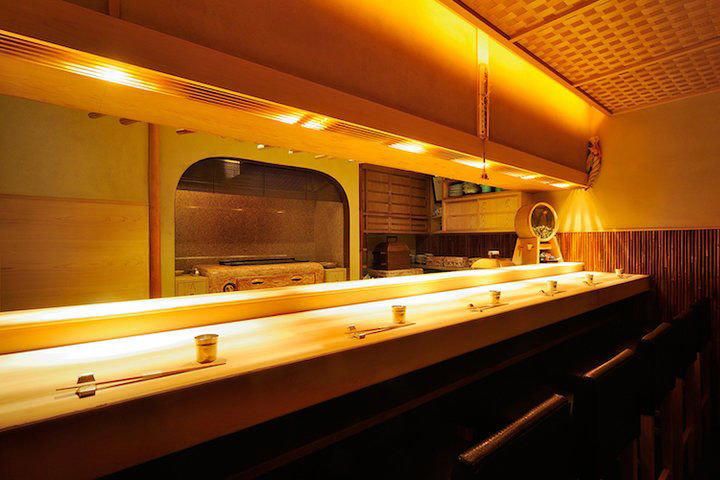
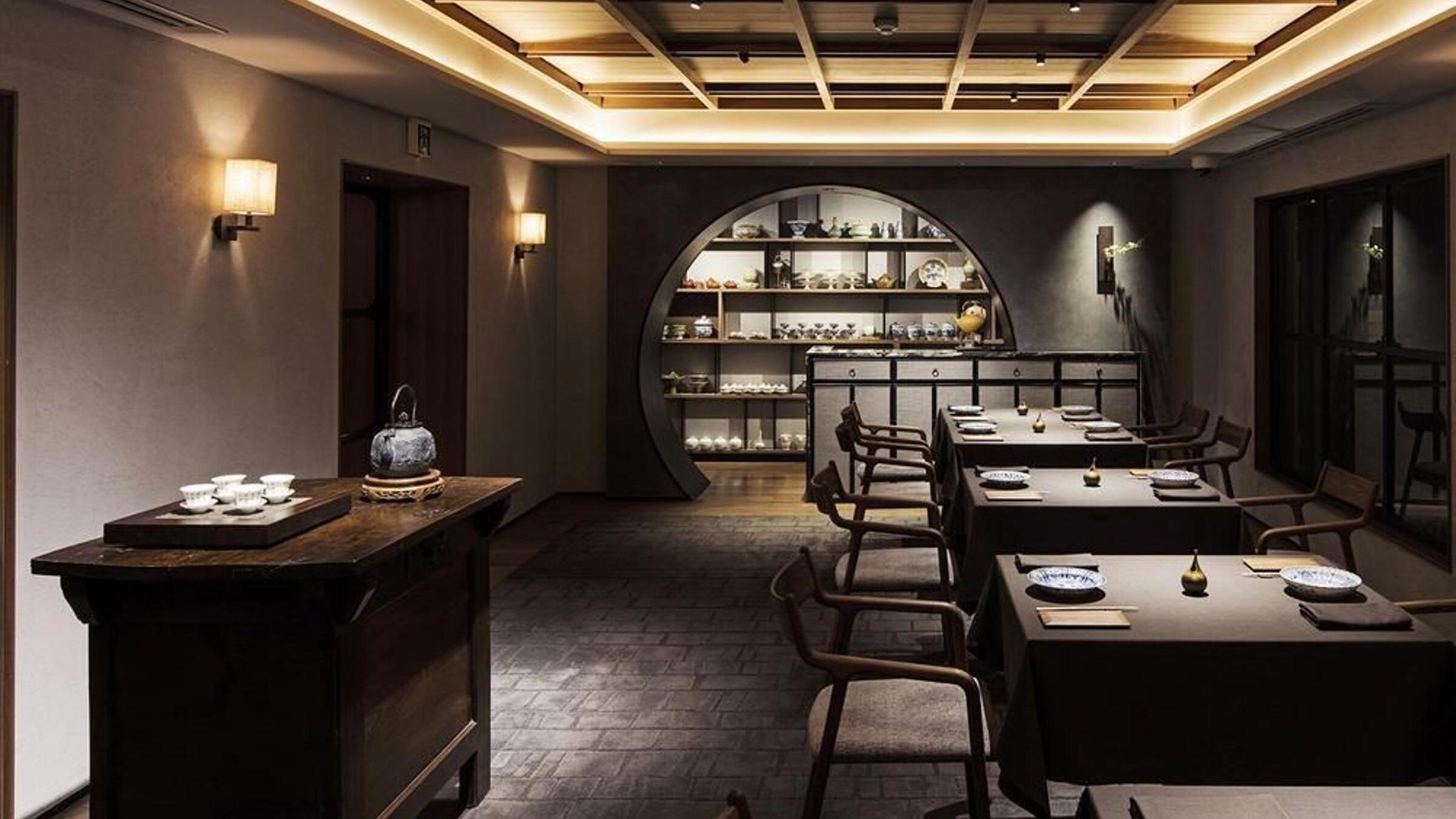
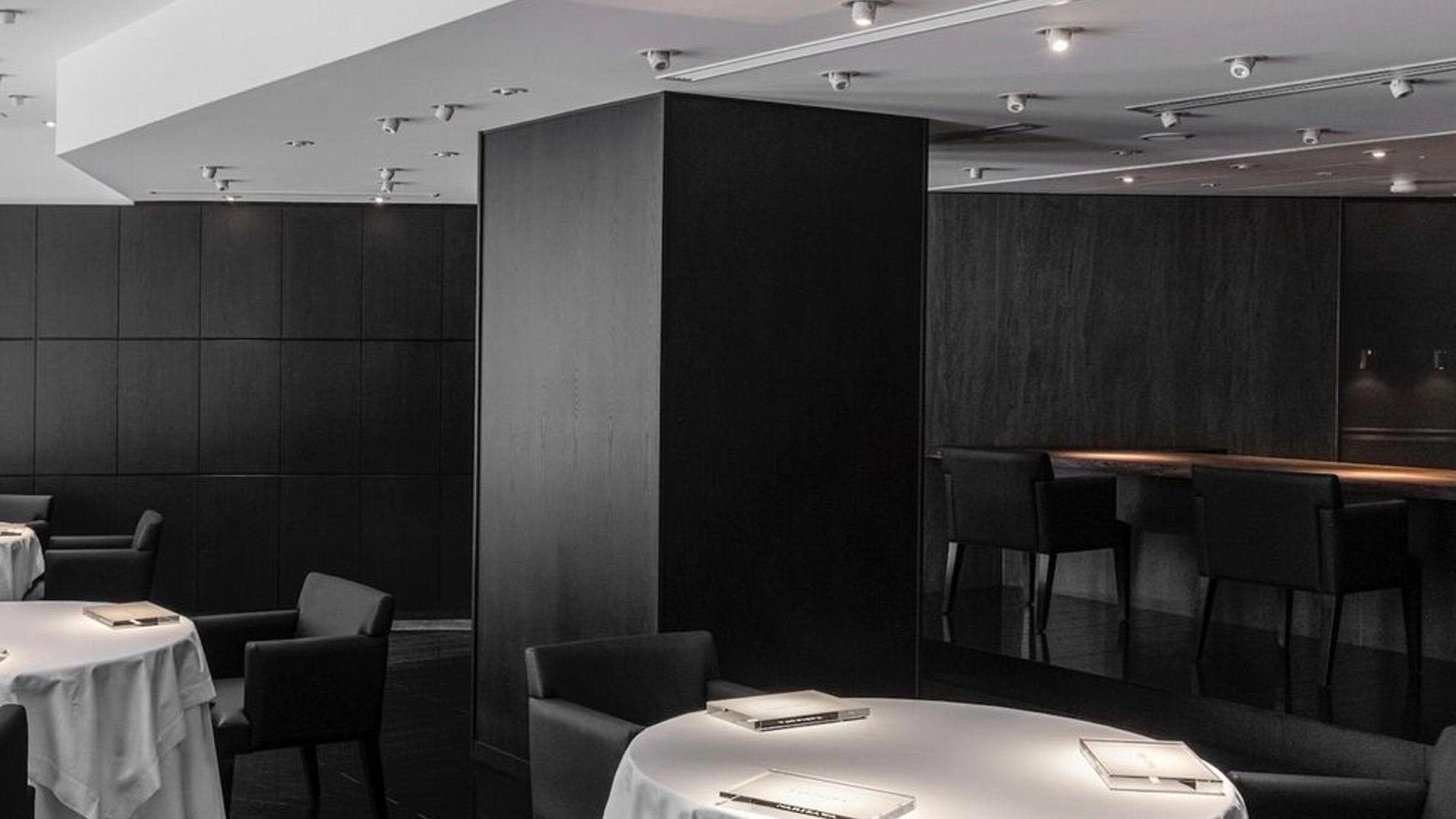
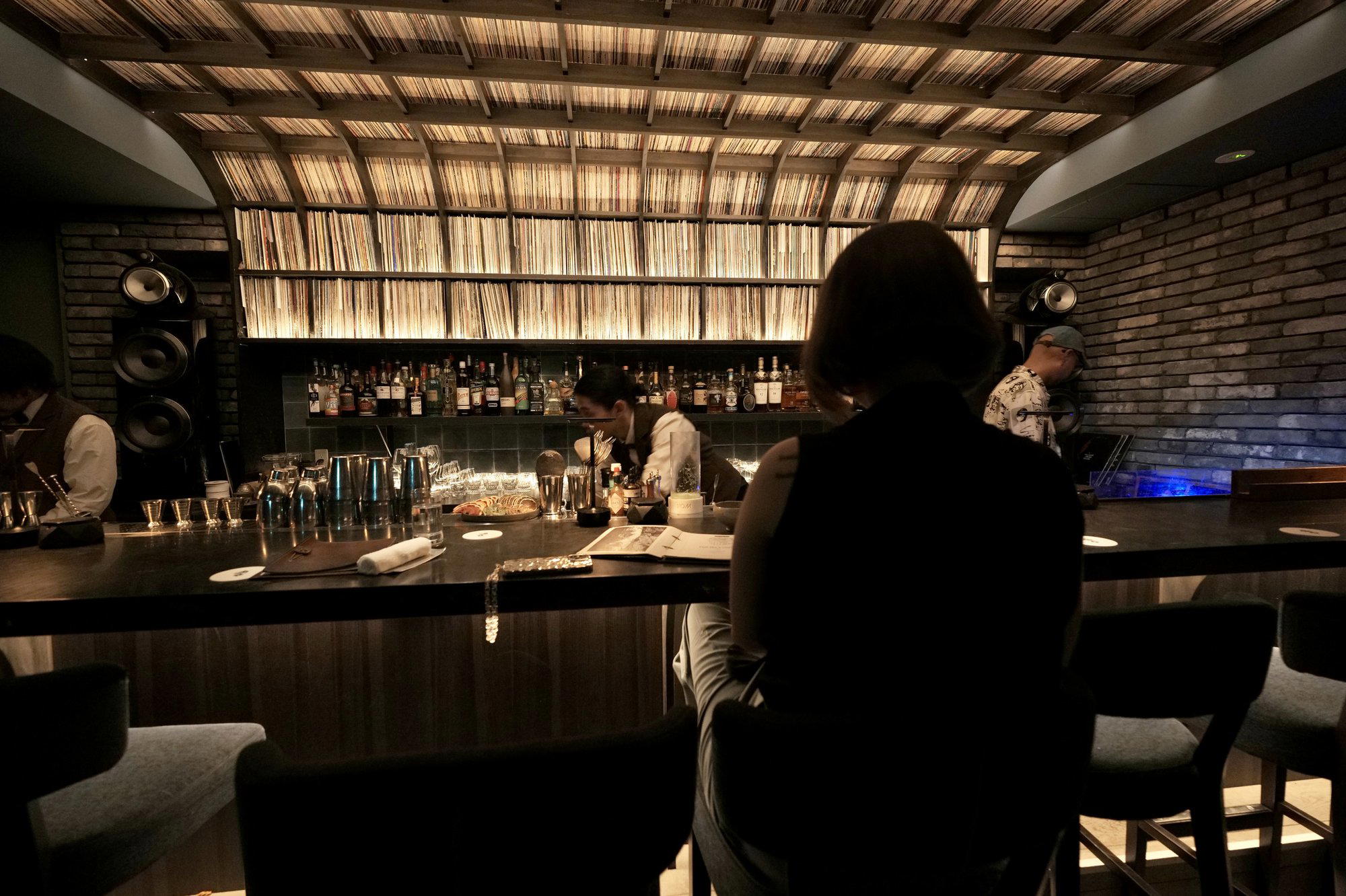
Classic, softly lit Italian dining room with a warm, quietly elegant atmosphere that works for dates, business dinners, and low-key celebrations rather than loud gatherings.