Our verdict
SAVOY Classic (SAVOY クラシック) serves Neapolitan Pizza from a counter-service room with an open kitchen at 麻布十番2-20-12, fitting lunch or dinner plans.

Pearl is the En Primeur Club membership app, where members save venues, book tables and use the concierge.
The menu
What to order
- Pizza Y (Yamayuki Bluefin Tuna)
- Pizza O (Ozaki Beef)
- Margherita
- Marinara
Azabu-Juban After Dark: The Western Bar Tradition That Refuses to Fade
Azabu-Juban occupies an unusual position in Tokyo's hospitality geography. The neighbourhood sits close enough to Roppongi to absorb international foot traffic, yet retains the residential density and street-level charm that keeps it from tipping into pure entertainment-district territory. It is the kind of place where serious bars and quiet restaurants operate alongside each other without much fanfare, which is precisely why the area has maintained a particular subspecies of Tokyo drinking culture: the European-inflected classic bar, where the cellar or back bar receives as much curatorial attention as the menu.
SAVOY Classic (SAVOY クラシック), located on the ground floor of Orient Azabu at 2-20-12 Azabu-Juban in Minato-ku, belongs to that tradition. The address places it in the denser, more walkable section of the neighbourhood, a few minutes from the Azabu-Juban subway stations on the Namboku and Oedo lines, which makes it accessible from both central Tokyo and the quieter residential wards to the south.
The Classic Bar Format in Tokyo: Context Before the Counter
Tokyo's bar culture has always run in parallel tracks. One track is the high-concept, internationally recognised route: places that chase awards, build cocktail programs around technique-forward frameworks, and operate with the same competitive awareness as the city's Michelin-listed restaurants. The other track is quieter and, in many ways, more durable. It is the classic European bar tradition, transplanted to Japan and refined over decades into something that feels neither imitative nor nostalgic, but simply correct.
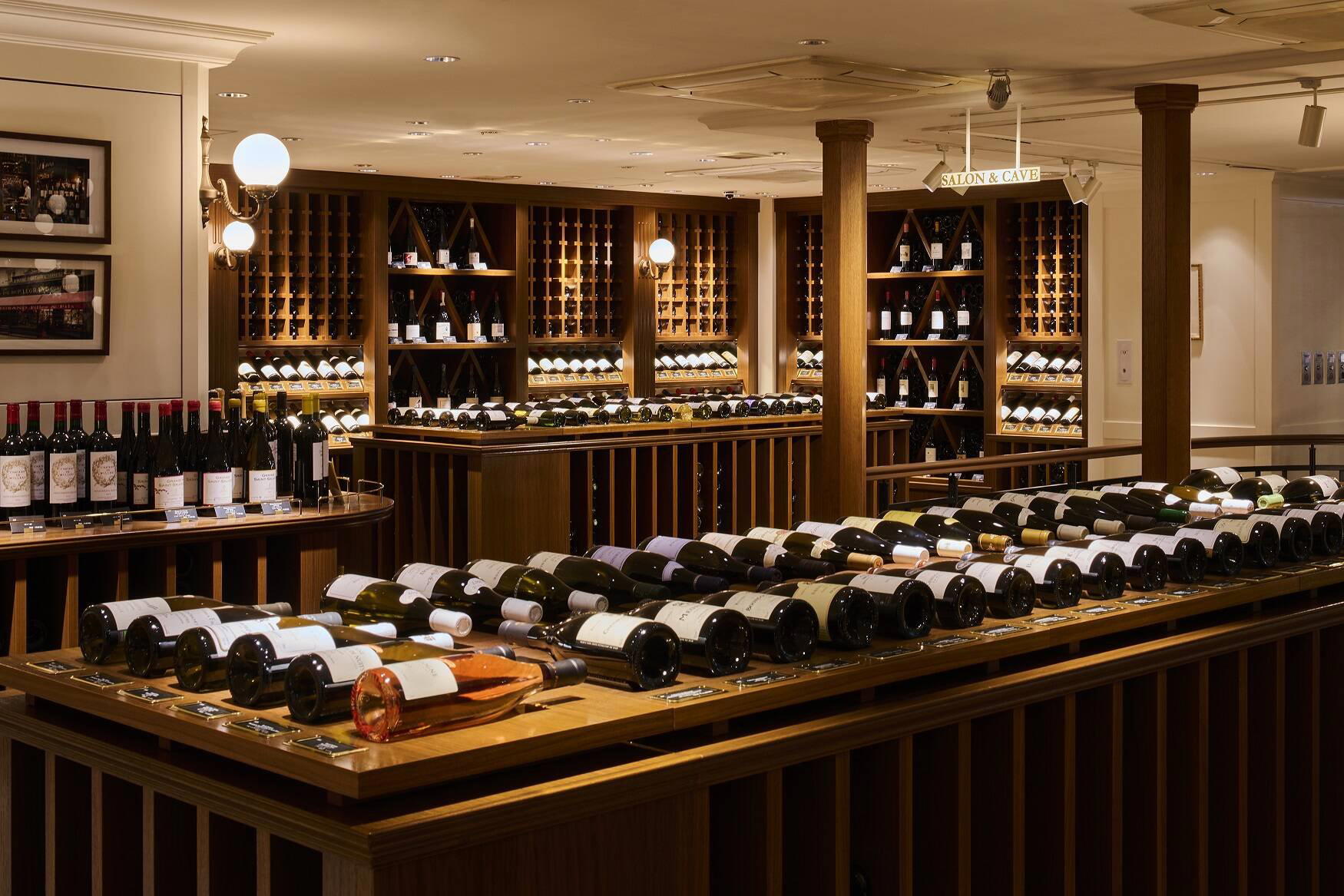
The wine-centred bar in this format differs from a restaurant wine program in one important respect: the cellar is the point, not the supporting cast. In cities like Paris or London, this model is well-documented. In Tokyo, it sits in a smaller niche, with operators who tend to have deep wine backgrounds and a deliberate preference for European structure, whether Burgundian, Bordeaux-inflected, or spanning further into Rhône or Italian territory. The format attracts a clientele that already knows what it wants, which shapes the service register accordingly: precise, knowledgeable, not performative.
SAVOY Classic fits within this tradition. The name itself signals alignment with European bar culture of an earlier era, and the Azabu-Juban location is consistent with the neighbourhood's long history of supporting quiet, quality-first venues that do not rely on visibility or foot traffic to fill their rooms.
Wine as the Central Argument
In a bar context, wine list curation operates differently from a restaurant cellar. The selection needs to function as a standalone proposition, holding its own across aperitif, mid-evening, and late-night registers without the scaffolding of a full kitchen to anchor progression. This demands a level of curatorial discipline that separates operators with deep wine knowledge from those who have simply licensed a European aesthetic.
The classic bar model in Tokyo's more serious venues tends to weight the list toward producers with recognisable track records: houses from Champagne, domaines from Burgundy's Côte d'Or, and increasingly, small-production Alsatian or Loire Valley bottlings that have found an audience among Tokyo drinkers who have moved past brand recognition toward a genuine interest in terroir and vintage variation. Pairing this with a spirits selection curated around the same philosophy, quality over novelty, produces the kind of back bar that rewards extended evenings rather than single-drink visits.
For venues operating in this tier, the sommelier or bar lead functions less as a guide for the uninitiated and more as a conversation partner for guests who already have strong opinions. The service dynamic is calibrated accordingly, which is a notable difference from the more didactic presentation common at restaurant-adjacent wine programs.
Azabu-Juban's Position in Tokyo's Broader Dining Circuit
The neighbourhood connects naturally to some of Tokyo's more considered dining at the upper end of the market. L'Effervescence represents the French tradition in the city at its most precise, while RyuGin anchors the kaiseki register at a level that invites direct comparison with Kyoto's leading rooms, including Gion Sasaki. Sézanne and Crony represent the French-leaning, technique-driven end of the Tokyo restaurant spectrum at ¥¥¥¥, while Harutaka exemplifies the omakase counter tradition that remains one of the city's most exported dining formats.
A venue like SAVOY Classic operates as a complement to this circuit rather than a competitor within it. The classic bar format fills a specific role in an evening's architecture: it is where a dinner at one of these restaurants might begin or, more often, conclude. The absence of a full kitchen actually clarifies the proposition. This is a place built around what is in the glass.
For comparison, the wine-focused bar tradition has found different expressions in other Japanese cities. HAJIME in Osaka operates at the restaurant end of the wine-food integration spectrum, while akordu in Nara has built a serious cellar around its tasting menu format. In Tokyo itself, the bar register occupies a distinct lane from these restaurant-anchored programs.
Beyond Japan, the classic bar model draws useful comparisons from Le Bernardin in New York City in terms of the seriousness of its beverage program philosophy, and from Atomix in terms of the premium it places on guest knowledge and curation over spectacle. Other EP Club venues across Japan, including Goh in Fukuoka, 一本杉 川島商店 in Nanao, 夕陽丘乃 in Sapporo, 湖畔荘 in Takashima, 鳥羽屋 in Nishikawa Machi, Birdland in Sakai, and Bistro Ange in Toyohashi, each demonstrate how seriously the country's dining culture takes the relationship between beverage and occasion, across formats from yakitori to French bistro.
See our full Tokyo restaurants guide for additional context on how the city's bar and restaurant tiers interact.
Planning Your Visit
The venue sits on the ground floor of Orient Azabu at 2-20-12 Azabu-Juban, Minato-ku, Tokyo 106-0045, accessible from Azabu-Juban Station on the Namboku Line (Exit 4) or the Oedo Line (Exit 7), both within a short walk. Reservations: Dress: The classic bar format in this neighbourhood typically aligns with smart-casual at minimum; the European register of the space suggests treating it accordingly. Budget: Timing: The classic bar format rewards mid-week visits, when the guest-to-service ratio allows for the kind of extended conversation around the list that the format is built to support.
Frequently asked questions
What do people recommend at SAVOY Classic (SAVOY クラシック)?
Because SAVOY Classic operates within the European classic bar tradition in Azabu-Juban, the strongest recommendation is to engage with the wine and spirits selection rather than arriving with a fixed order in mind. The classic bar format in this tier is built around conversation with whoever is behind the counter, who will have opinions about what is drinking well.
How far ahead should I plan for SAVOY Classic (SAVOY クラシック)?
Azabu-Juban is a neighbourhood where quality-first venues tend to fill on weekends without extensive advertising, so planning at least several days ahead for an evening visit is sensible. Midweek visits typically offer more availability and a more relaxed service pace.
Is SAVOY Classic suited to guests who want to explore Japanese wine alongside European producers?
The classic bar format in Tokyo's more serious venues has increasingly incorporated domestic Japanese producers alongside European references, particularly as Nagano, Hokkaido, and Yamagata wines have developed an audience among informed local drinkers. Guests with specific interests in Japanese wine would do well to raise the question directly when booking or on arrival.
Cost Snapshot
Comparable venues nearby, for context on price, style, and recognition.
| Venue | Cuisine | Price | Awards | Notes |
|---|---|---|---|---|
| SAVOY Classic (SAVOY クラシック)This venue (the venue you are viewing) | Neapolitan Pizza | $20–30 | Not listed | Not listed |
| CRAZY BRAVO | Italian Pizza / Neo-Italian | $50–100 | Tabelog 100 #88 | Shinjuku, Italian Pizza / Neo-Italian |
| Trattoria dai Paesani | Authentic Abruzzese Trattoria | $20–30 | Gambero Rosso 2 Forchette | Shinjuku, Authentic Abruzzese Trattoria |
| Pizzeria Parentesi | Organic-focused Neapolitan-style Pizzeria & Italian in Meguro | $30–50 | Tabelog 100 #34 | Meguro, Organic-focused Neapolitan-style Pizzeria & Italian in Meguro |
| Ostü | Authentic Piedmontese Italian | $50–100 | Not listed | Shibuya, Authentic Piedmontese Italian |
| Sala Amabile | Italian Fine Dining | $100–150 | Tabelog 100 #32 | Chūō, Italian Fine Dining |
Continue exploring
More in Tokyo
Restaurants in Tokyo
All restaurants in Tokyo →


Bars in Tokyo
All bars in Tokyo →



Details
- Intimate
- Well Known
- Minimalist
- Casual
- Casual Hangout
- Solo
- Group Dining
- Open Kitchen
- Chefs Counter
- Local Sourcing
- A La Carte
- Counter Dining
- Vegetarian Friendly
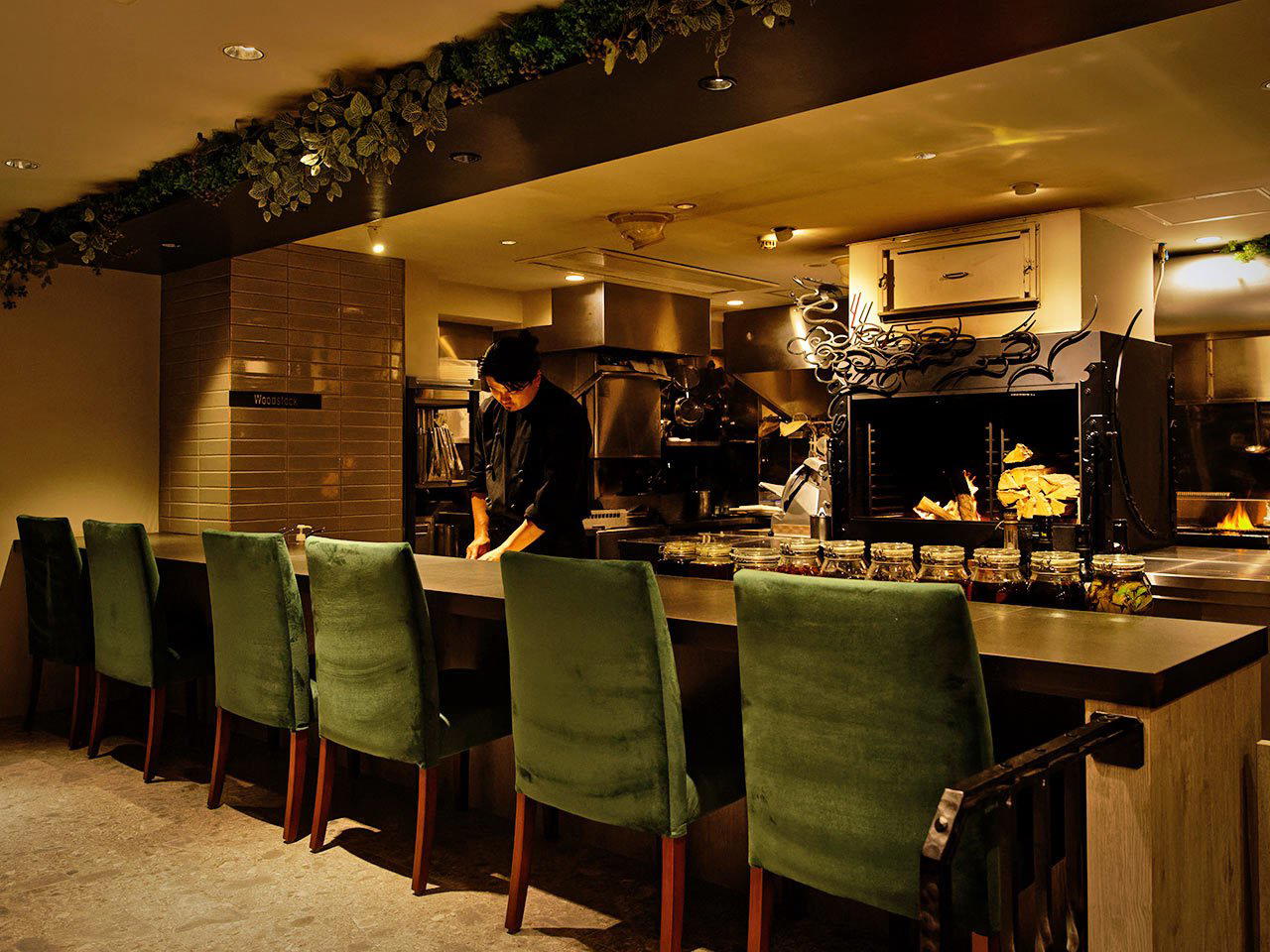
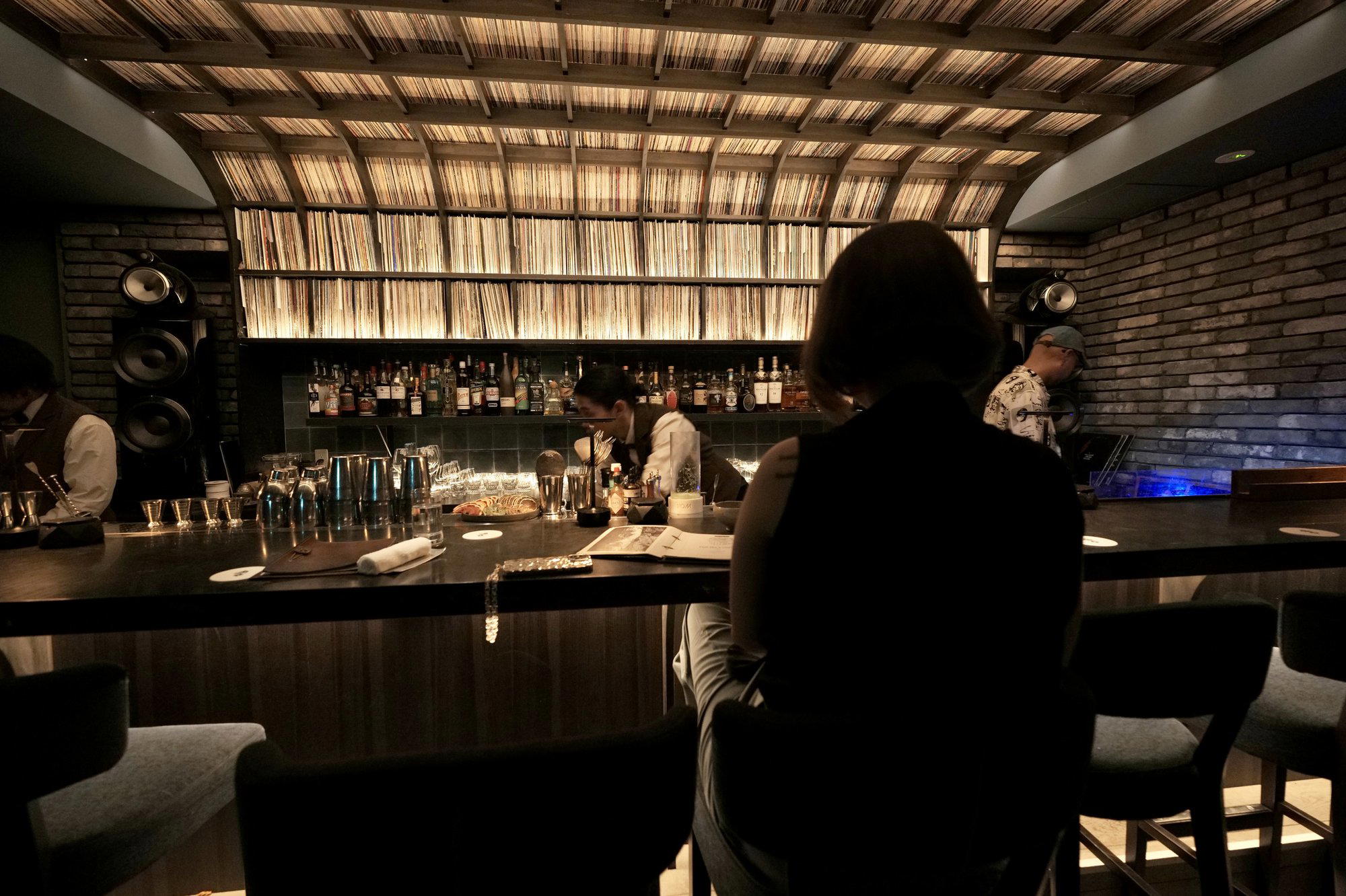
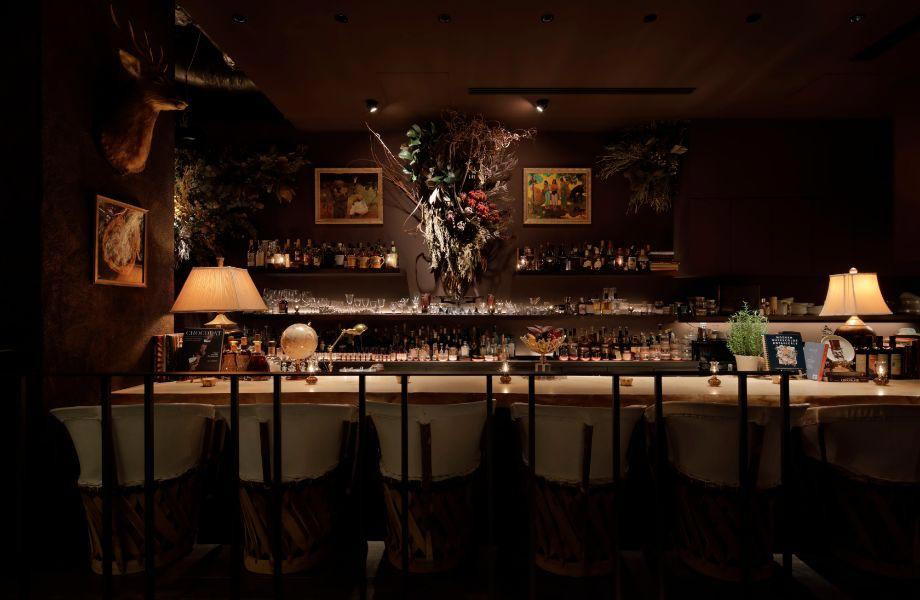
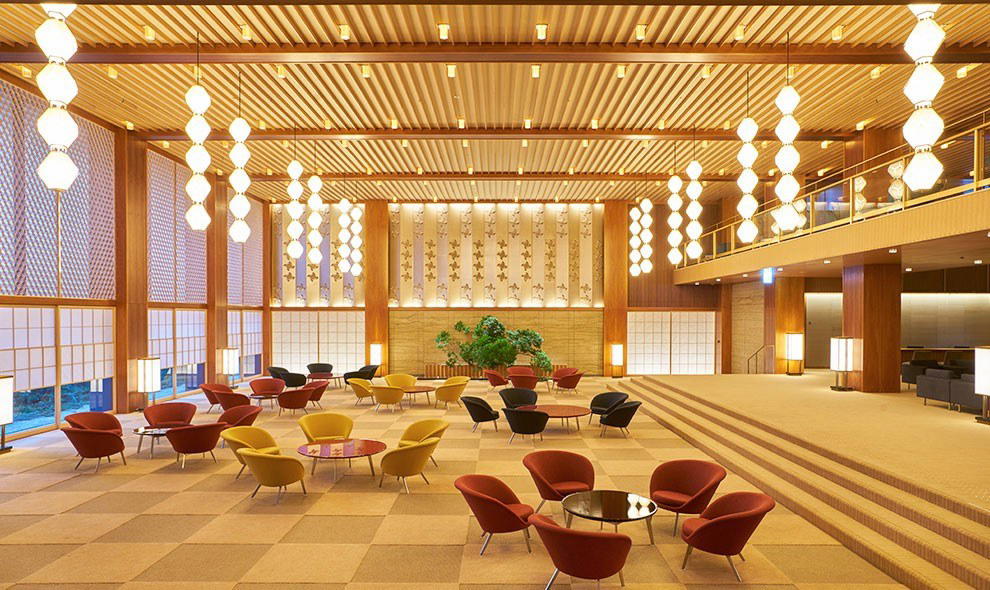
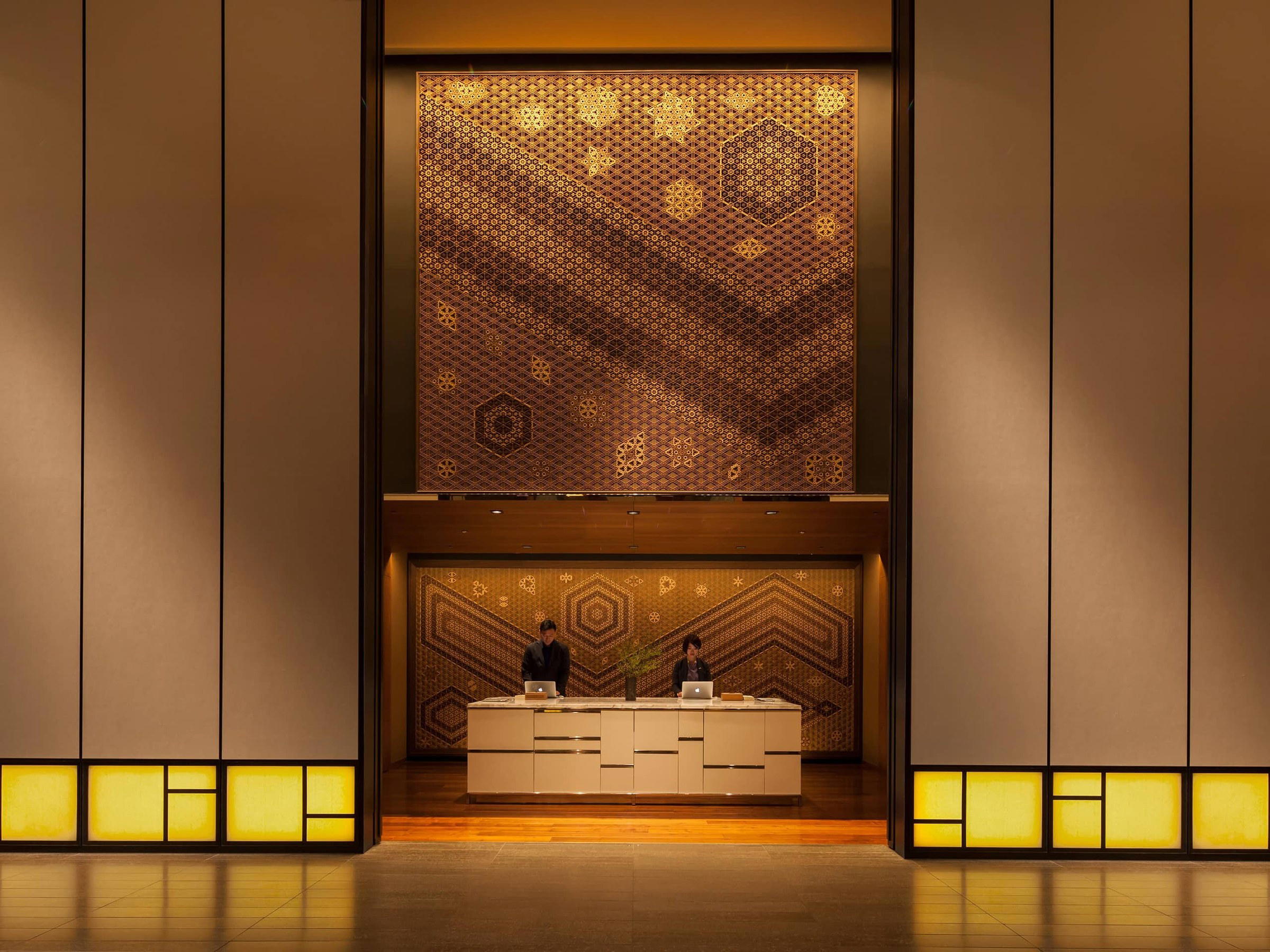
No-frills, casual, intimate counter seating with an open wood-fired oven where diners can watch pizza-making up close; jazz music plays in the background.