
In Ikejiri-Ohashi, Pizzeria Parentesi sits in Tokyo’s serious pizza tier: small-format, ingredient-conscious, and closer to a neighbourhood Italian counter than a spectacle restaurant. Its Tabelog Pizza 100 selections in 2018, 2019, 2021, 2023, and 2025 give the room measurable weight, while the menu’s domestic-wheat focus and fish-leaning Italian range make it more than a simple margherita stop.
Pearl is the En Primeur Club membership app — saves, bookings, and concierge access live there. Same editors, same standards.
- Address
- 東京都目黒区東山3-6-8 エクセル東山 2F
- Phone
- +81357226968
- Website
- tabelog.com
 Saves & bookings on Pearl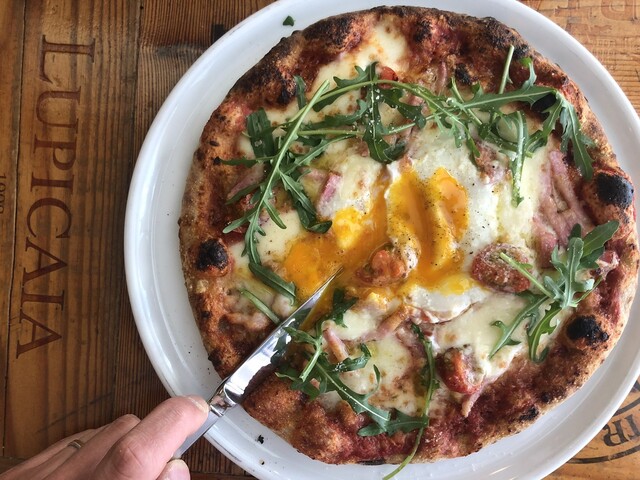
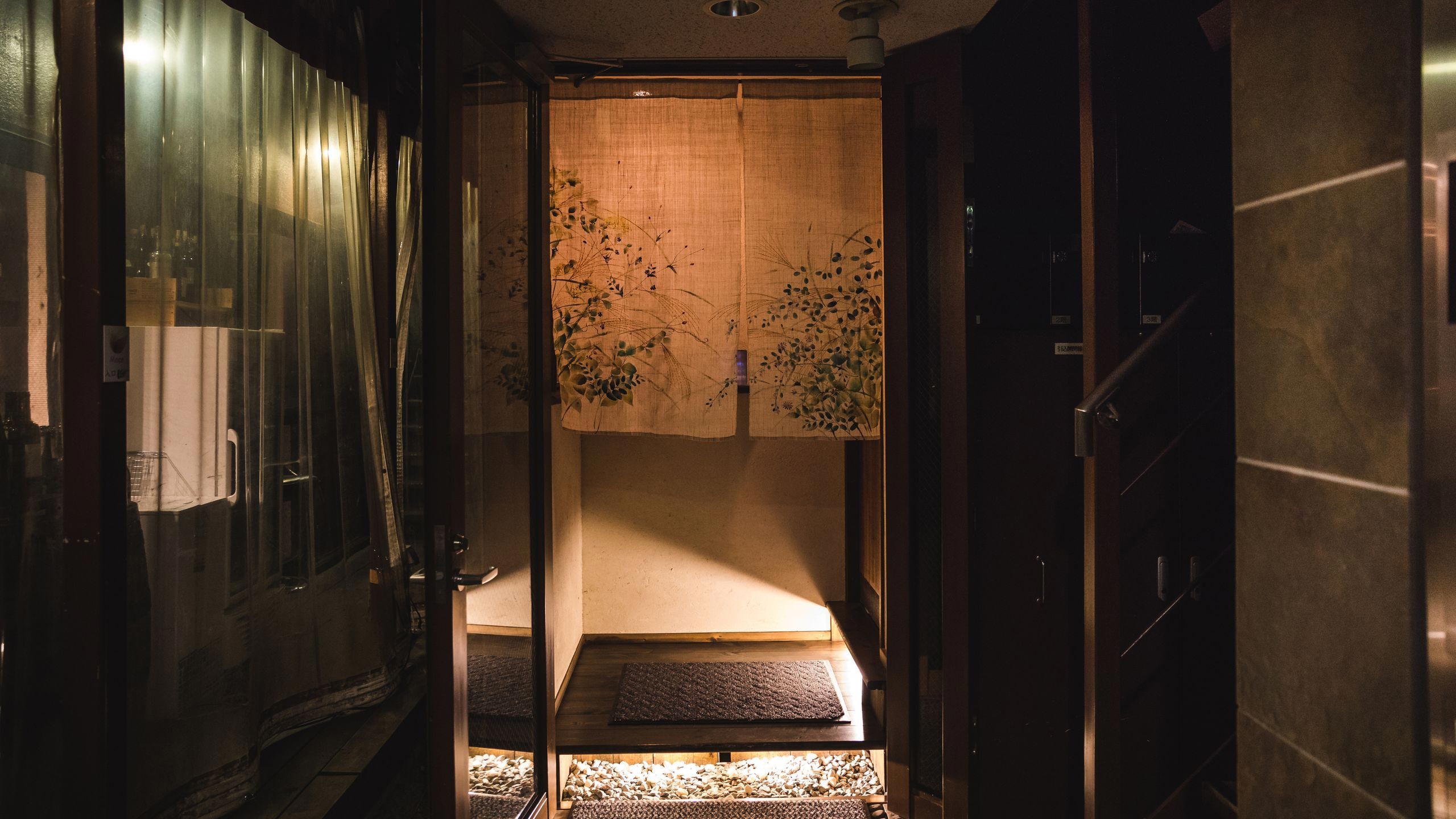
Pizzeria Parentesi fits Tokyo’s better small-restaurant pattern: not a grand frontage, but an upper-floor address in Higashiyama, close enough to Ikejiri-Ohashi to feel local rather than destination-theatre. The setting matters. Tokyo pizza has matured into a compact-room craft: ovens treated as instruments, sourcing beyond imported flour and nostalgic Naples signals.
At this level, pizza is no longer a casual fallback between sushi bookings. It has its own grammar: domestic wheat, tuned hydration, managed heat, and Italian menus that stretch into pasta, fish, wine, and shared plates. Pizzeria Parentesi belongs to that lane. Its Tabelog Pizza 100 recognition in 2018, 2019, 2021, 2023, and 2025 places it among the city’s consistently noted pizza rooms, not a one-year flash.
Domestic wheat moves Tokyo pizza away from imported-Neapolitan mimicry
The sustainability angle is practical, not slogan-led. A domestic-wheat focus turns attention to local grain, shorter sourcing chains, and a dough identity that need not pretend it was made in Campania. Tokyo has absorbed Neapolitan technique with unusual seriousness, but its stronger contemporary pizzerias now read less like replicas and more like Japanese interpretations of Italian structure.
That does not mean ascetic dining. The category listing covers pizza, Italian, and pasta, with wine and cocktails in the drinks mix. Fish is called out as a food emphasis, placing the kitchen closer to seafood-aware Tokyo Italian rooms than to a pizza-only counter. For environmentally conscious diners, fish-forward Italian cooking can be a sharper choice when broader sourcing discipline is evident, though specific species and suppliers should not be assumed unless listed on the menu at the time.
What makes this tier compelling is restraint. Tokyo pizza culture often rewards technical confidence over excess: less topping weight, more attention to dough, fermentation, and oven management. Pizzeria Parentesi’s long run since 1999 signals more than trend. Longevity here usually means surviving shifts in Japanese dining fashion, from Neapolitan boom years to today’s interest in local grain, lower-waste prep, and wine-led neighbourhood Italian formats.
Compared with nearby casual specialists, the pricing band puts Parentesi in a more deliberate evening bracket. YAKUMO works in ramen; L'atelier MOTOZO and TOLO PAN TOKYO follow pastry and bakery rhythms; Chugokusai Kan and Chii Sha answer different Chinese and casual-dining needs. Parentesi’s competitive set is the small Tokyo Italian room where pizza is central but not isolated from the meal.
A small-room format keeps the meal closer to neighbourhood Italian than destination dining
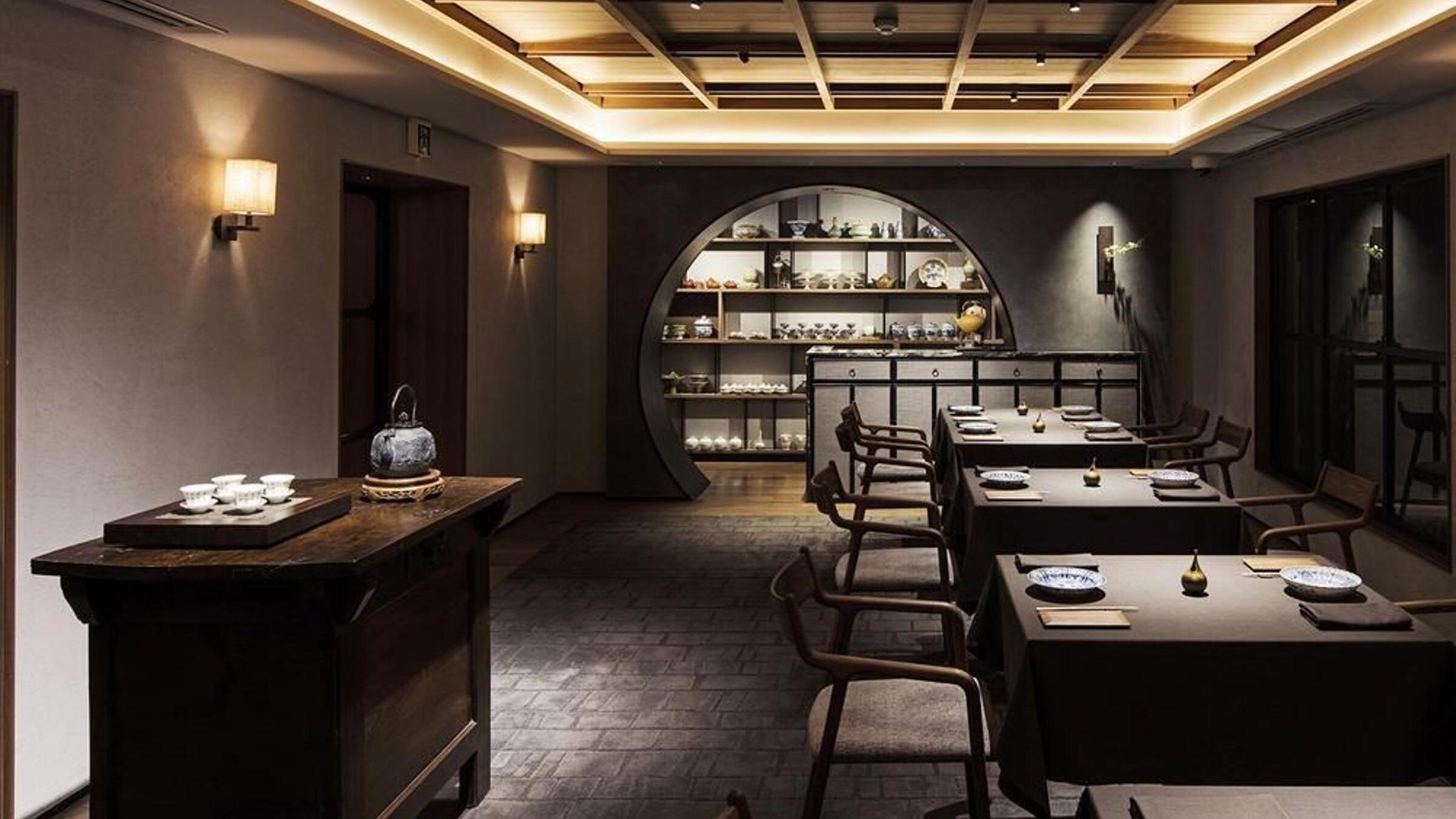
Tokyo can turn any food category into a reservation sport, but the appeal here is measured. The room has 23 seats, a scale that suits pizza better than a large dining hall. Pizza loses authority as banquet food; it gains focus when the kitchen can manage timing and heat for a small number of tables. Private use is listed for groups, though the natural reading remains intimate rather than corporate.
The no-smoking policy is practical in a city where older casual restaurants vary on this point. Children and strollers are accepted, making the restaurant easier for travellers to read: not a hushed counter for enthusiasts only, nor a loose family chain. It occupies useful middle ground, polished enough for dates and wine, relaxed enough for friends or family.
English-menu availability matters. Tokyo’s serious casual dining can be difficult for visitors not because the food is inaccessible, but because booking, menu reading, and ordering norms create friction. Here, non-Japanese speakers have a better chance of understanding the meal without the restaurant becoming tourist service. Credit cards are accepted; electronic money and QR payments are not, a small but relevant distinction in Tokyo.
For a broader Tokyo dining map, the contrast helps. The city can move from charcoal seafood at . 鮪と炭火焼き うお炭 秋葉原店 to Shinjuku dining rooms such as 12/10 Shinjuku ten, yakitori at 124. KAGURAZAKA (Yakitori), illustrated-café novelty at 2D Cafe, and curry specialists such as 3 Chome no Curry Ya San. Against that spread, Parentesi is a Tokyo Italian entry with craft credentials, not a novelty stop.
How to place it inside a Tokyo itinerary
A practical use case is an evening when the table wants Italian comfort with enough technical seriousness to justify planning ahead. Lunch sits in a lighter price band; dinner reads as the fuller expression. Ikejiri-Ohashi suits travellers already moving through Meguro, Nakameguro, or the western side of central Tokyo, rather than those bolting it onto a packed Ginza or Asakusa day.
Reservations are available, and the late-arrival policy is explicit: a delay of more than 15 minutes without contact may be treated as a cancellation. That is typical in Tokyo’s small dining rooms, where a short delay can disrupt limited seating. Strong perfume may also be an issue, aligning with ingredient-led restaurants where aroma matters to the room as much as to the plate.
For a wider trip, use Our full Tokyo restaurants guide alongside Our full Tokyo hotels guide, Our full Tokyo bars guide, Our full Tokyo wineries guide, and Our full Tokyo experiences guide. Regional comparisons sharpen the brief: beef-led dining at -Grilled beef Sukiyaki- KAMAKURA TANUKIAN 鎌倉 たぬき庵 in Kamakura, café culture at.cafe in Osaka, Kumamoto dining at.know in Kumamoto, Vietnamese cooking at (Shoku) Vietnam in Kawasaki, Sapporo curry at [Curry Senmon Ten] Maruyama Kyoju. in Sapporo, Kyoto minimalism at [ki:] in Kyoto, and Japanese-leaning dining abroad at Jōdo Saké Bar in Los Angeles and Onigiri Time in Pasadena.
The editorial read is clear: the restaurant is for diners who take pizza seriously but do not need ceremony around it. The evidence is in the repeated Tabelog Pizza 100 selections, domestic wheat, small room, and Italian menu structure around pizza rather than beside it. In Tokyo, that combination is more useful than another high-volume dining room with a longer menu and less focus.
Comparable Spots
Comparable options at the same price tier.
| Venue | Cuisine | Price | Notes |
|---|---|---|---|
| Pizzeria ParentesiThis venue — the venue you are viewing | Organic-focused Neapolitan-style Pizzeria & Italian in Meguro | $$ | Not listed |
| Trattoria Tsukiji Paradiso | Southern Italian Seafood Trattoria | $$ | Chūō |
| PIZZA DA BABBO | Traditional Neapolitan pizza & Italian trattoria | $$ | Chūō |
| Pizzeria Trattoria da Okapito | Neapolitan pizza & seasonal Italian trattoria | $$ | Suginami |
| Peppe Napoli Sta Ca' | Authentic Neapolitan Pizza | $$ | Minato |
| Alporto | Italian Kaiseki | $$$ | Minato |
Recognition history
Dated appearances from independent guides and award organizations, with the underlying list record or original source where available.
Tabelog 100 #34 · No. 34
Tabelog · Tabelog 100 - Pizza - 2025












At a Glance
- Cozy
- Lively
- Classic
- Intimate
- Casual Hangout
- After Work
- Date Night
- Group Dining
- Solo
- Standalone
- Open Kitchen
- Natural Wine
- Extensive Wine List
- Beer Program
- Farm To Table
- Organic
- Natural Wine
- Local Sourcing
- Biodynamic
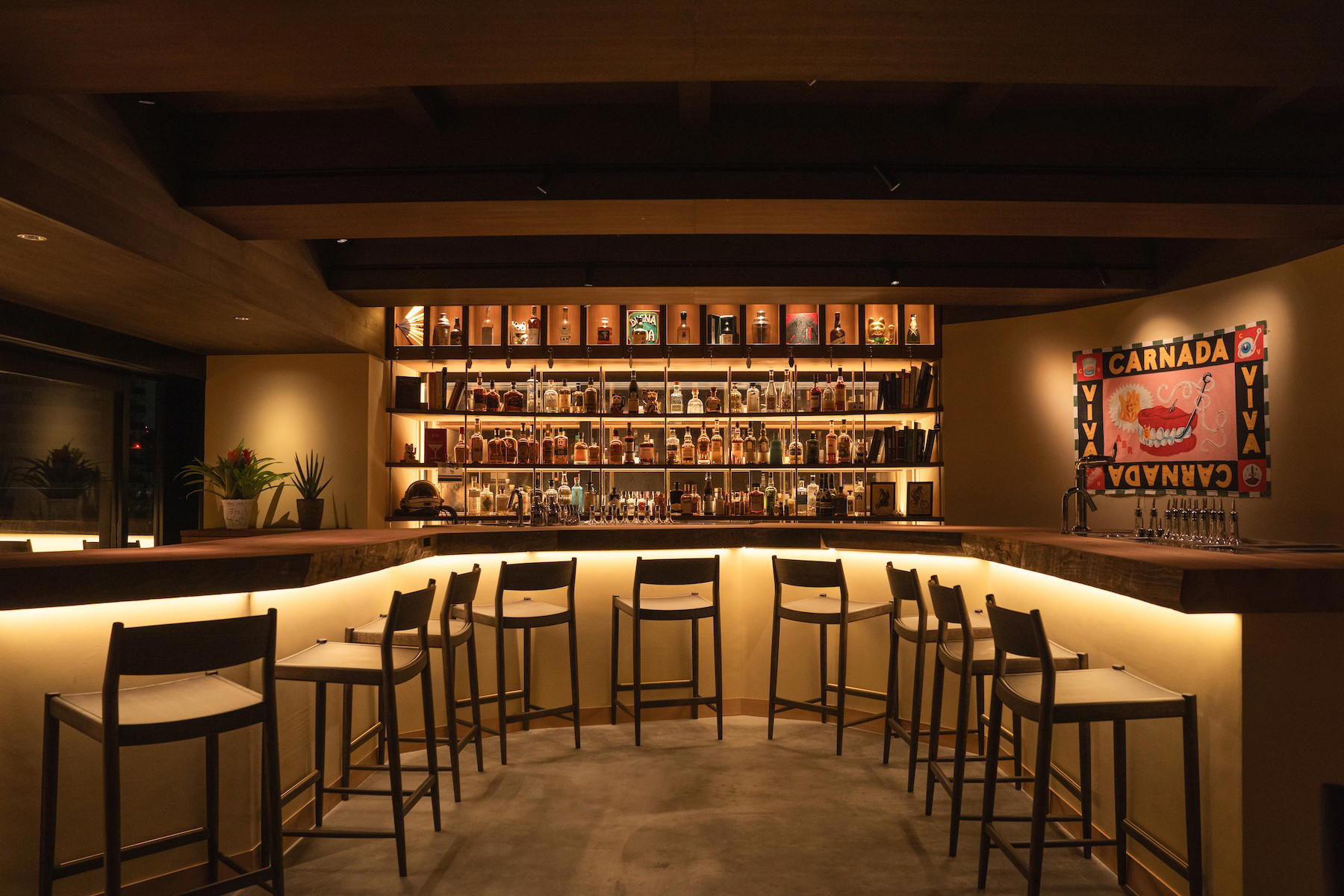
Small, cozy pizzeria with an intimate, classic Italian feel; a lively, cheerful atmosphere centered on the pizza oven and wine, suited more to casual dates and small groups than hushed fine dining.