Ruffino sits on Arbins gate in Oslo's Frogner district, placing it among the city's more address-conscious dining options. The Italian-leaning name and residential-quarter location position it distinctly from Oslo's New Nordic tasting-menu circuit, offering a different register of evening entirely. Visitors planning a table should treat advance contact as standard practice for this neighbourhood tier.
Pearl is the En Primeur Club membership app — saves, bookings, and concierge access live there. Same editors, same standards.
- Address
- Arbins gate 1, 0253 Oslo, Norway
- Phone
- +4722553280
- Website
- ruffino.no
- Directions
- Get directions
 Saves & bookings on Pearl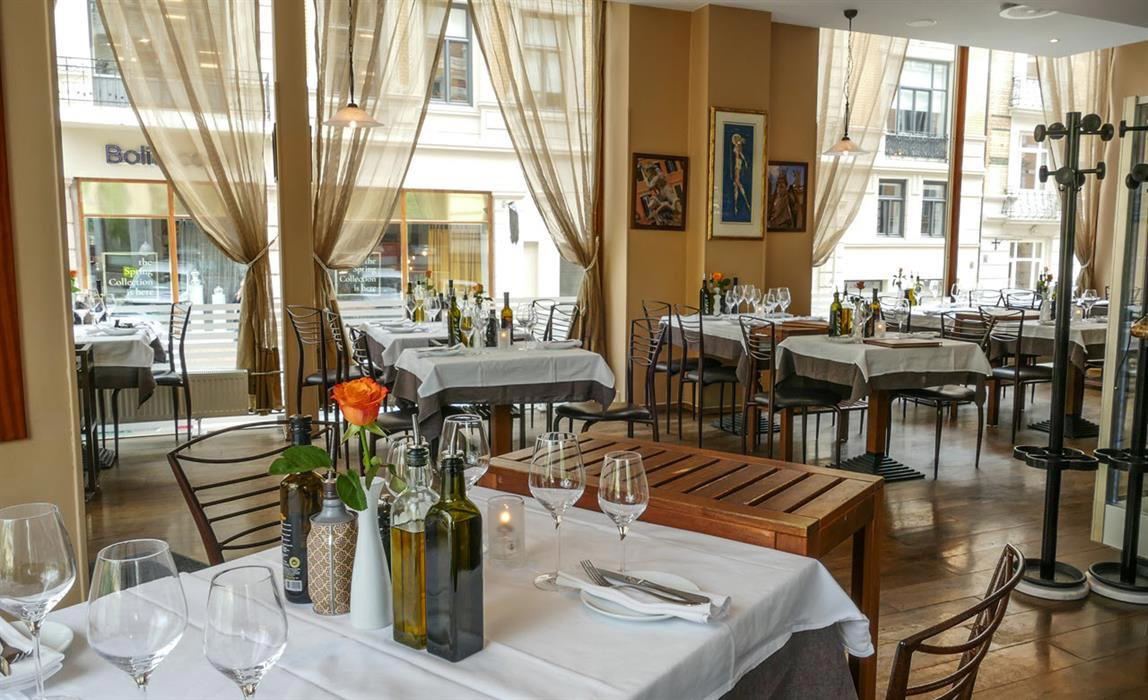
Frogner and the Rituals of the Unhurried Dinner
Oslo's Frogner district operates at a different register from the city centre's tasting-menu circuit. Where addresses like Maaemo and Kontrast anchor their reputations to rigorous New Nordic frameworks and multi-hour progression menus, the restaurants that line the residential streets west of the palace grounds tend toward a slower, more conversational model of dining. The meal here is less about ceremony and more about settlement: arriving, committing to the room, and letting the evening shape itself around the table rather than around a kitchen's timed sequence.
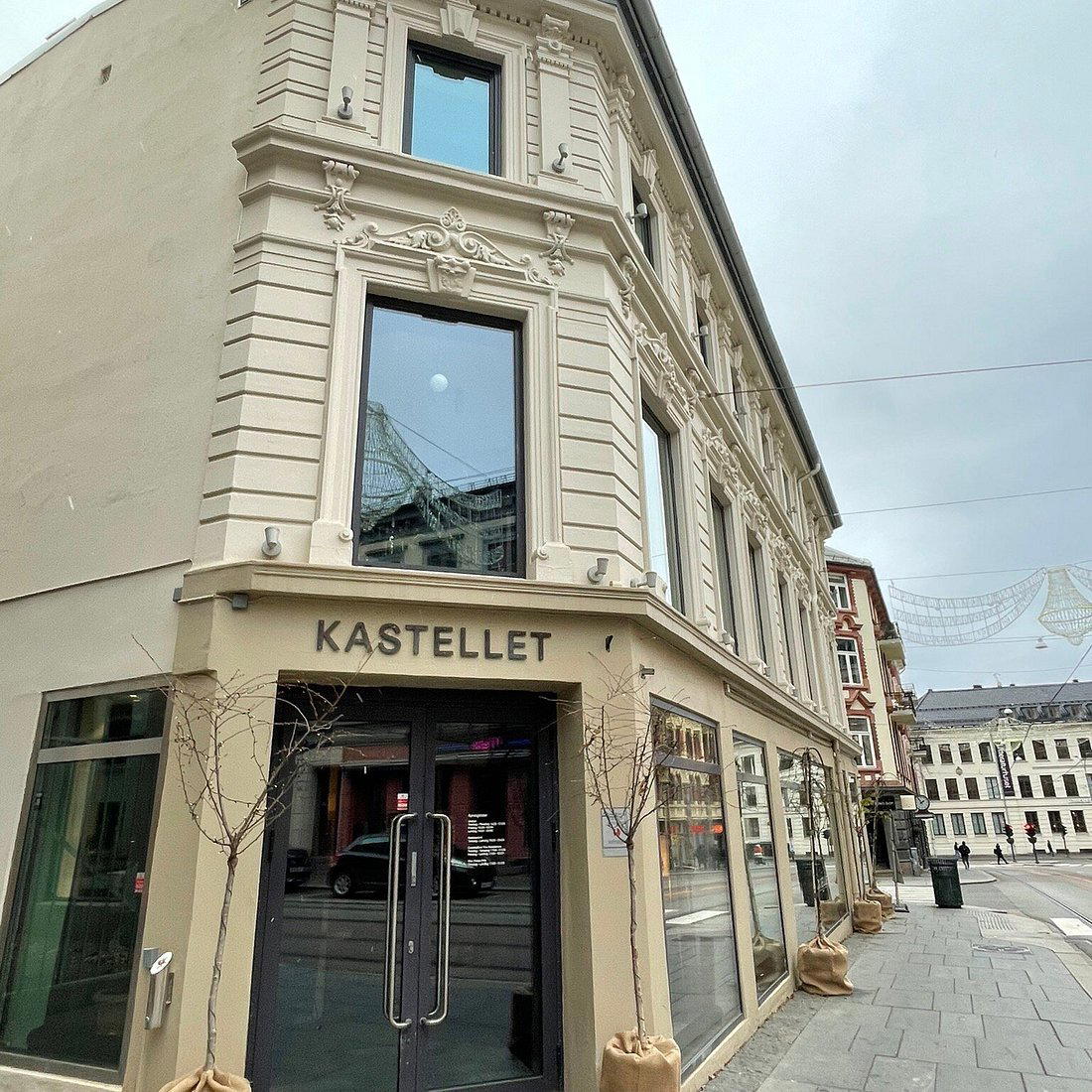
Ruffino, an authentic Italian trattoria at Arbins gate 1 in Oslo, is placed squarely inside that tradition. The address sits close to the water's edge at Tjuvholmen, in a pocket of the city where embassies, apartment blocks with serious doorbells, and a handful of neighbourhood restaurants coexist without the foot traffic of Aker Brygge's more tourist-facing waterfront. The positioning matters because it signals something about expected pace and clientele: this is not a destination that courts passing trade.
Reading the Room: What the Neighbourhood Tells You
In Oslo's dining geography, the Frogner and Skillebekk quadrant has historically housed restaurants that draw on European rather than strictly Nordic reference points. The Italian name Ruffino aligns with that pattern. Across Scandinavian capitals, Italian-inflected restaurants in premium residential districts tend to occupy a specific social function: they serve as the reliable, repeat-visit table for locals who know what they want and do not need to be guided through an experience. The dining ritual in these rooms is self-directed. You set the pace, the waiter reads it, and the kitchen's job is to support rather than conduct.
That contrast with Oslo's tasting-menu tier is worth holding. At venues like Hot Shop or the more composed end of the New Nordic spectrum, the kitchen controls sequence, portion size, and the arc of the meal from first bite to final petit four. At a neighbourhood European restaurant in Frogner, that control passes back to the guest. You order à la carte or you don't. You take a second glass of Barolo or you move to dessert. The meal's shape is yours to determine.
This model has its own discipline. It demands a kitchen that can execute across a range of requests simultaneously rather than building a single choreographed progression, and it demands front-of-house staff who can read tables in different states of progression without imposing a uniform tempo on all of them. For the diner, it rewards knowing how you eat: whether you graze across many small plates, build toward a main course, or eat in long pauses punctuated by extended conversation.
Oslo's Italian Register: Where Ruffino Sits in a Broader Pattern
Italian restaurants in Nordic cities have moved considerably in the past decade. The earlier generation of Italian dining in Oslo and Stockholm tended toward generic red-sauce formats or, at the opposite extreme, aspirational tasting menus built around imported Italian luxury products. The more interesting middle ground, which has expanded across the region, draws on regional Italian specificity: pasta made in-house with attention to regional variation, wine lists that move beyond Chianti and Barolo into less trafficked DOCs, and a willingness to treat simplicity as a technical standard rather than a fallback.
What the address and positioning suggest is a restaurant oriented toward the neighbourhood's established clientele rather than toward destination dining. That places it in a different competitive set from Mon Oncle's French bistro register or Bar Amour's more creative cocktail-and-small-plates format. Each represents a distinct answer to the question of what European dining in Oslo looks like when it steps away from the New Nordic framework.
Across Norway, that framework remains the dominant critical lens. The country's most discussed restaurants, from RE-NAA in Stavanger to FAGN in Trondheim and further afield to Under in Lindesnes, build their identity around Norwegian ingredients, season, and landscape. Coastal operations like Anita's Sjomat in Lofoten, Fiskekrogen in Henningsvær, and Aurora Restobar in Kirkenes make geography the explicit subject of the meal. Restaurants in Bergen like Gaptrast and the more remote Hardanger House in Jondal extend that logic into western Norway's fjord terrain. Even Børsen Spiseri in Svolvær and Underhuset Restaurant in Reine operate within this tradition of place-led cooking.
A restaurant named Ruffino, on a residential Oslo street, is making a different argument: that there is appetite in this city for an evening that does not need to explain its geography, that does not position itself within the Nordic canon, and that treats the European dining table as a complete and self-justifying format.
Planning a Visit: What to Know Before You Go
Arbins gate 1 is accessible from central Oslo within a short cab or tram journey, sitting west of the city's denser commercial core and close to the Tjuvholmen waterfront development. For international visitors using Oslo as a base, the Frogner neighbourhood is a reasonable detour from the main tourist circuit if the appeal of a quieter, residential-quarter dinner outweighs the draw of the centre's higher-density restaurant strip.
Ruffino is open Tuesday through Saturday from 4 to 11 PM and closed Monday and Sunday, so plan accordingly. For a neighbourhood restaurant of this type and location, walk-ins are plausible during quieter mid-week service, but Friday and Saturday evenings in Frogner's established restaurants tend to fill with regulars who book ahead.
For reference on what technically driven European fine dining looks like at a global level, Le Bernardin in New York City and Atomix represent the far end of that formality spectrum, useful calibration points for understanding how much structure you actually want in an evening.
Budget Reality Check
Comparable venues nearby, for context on price, style, and recognition.
| Venue | Cuisine | Price |
|---|---|---|
| RuffinoThis venue — the venue you are viewing | Ruselokka, Authentic Italian Trattoria | $$$ |
| Campo Osteria | Gimle, Authentic Italian Osteria | $$$ |
| Enoteca | Gimle, Authentic Italian Pizza and Pasta | $$ |
| Rugantino Oslo | Youngstorget, Authentic Roman Trattoria | $$ |
| Vinoteket | Ruselokka, Modern Neapolitan-Style Pizza | $$$ |
| Campo de' Fiori | Homans Byen, Authentic Roman Italian | $$$ |
At a Glance
- Elegant
- Romantic
- Classic
- Sophisticated
- Date Night
- Business Dinner
- Group Dining
- Celebration
- Special Occasion
- Standalone
- Open Kitchen
- Extensive Wine List
- Sommelier Led
- Local Sourcing
Current opening hours
- Monday
- Closed
- Tuesday
- 4–11 PM
- Wednesday
- 4–11 PM
- Thursday
- 4–11 PM
- Friday
- 4–11 PM
- Saturday
- 4–11 PM
- Sunday
- Closed
Hours can change for holidays and private events. Last verified .
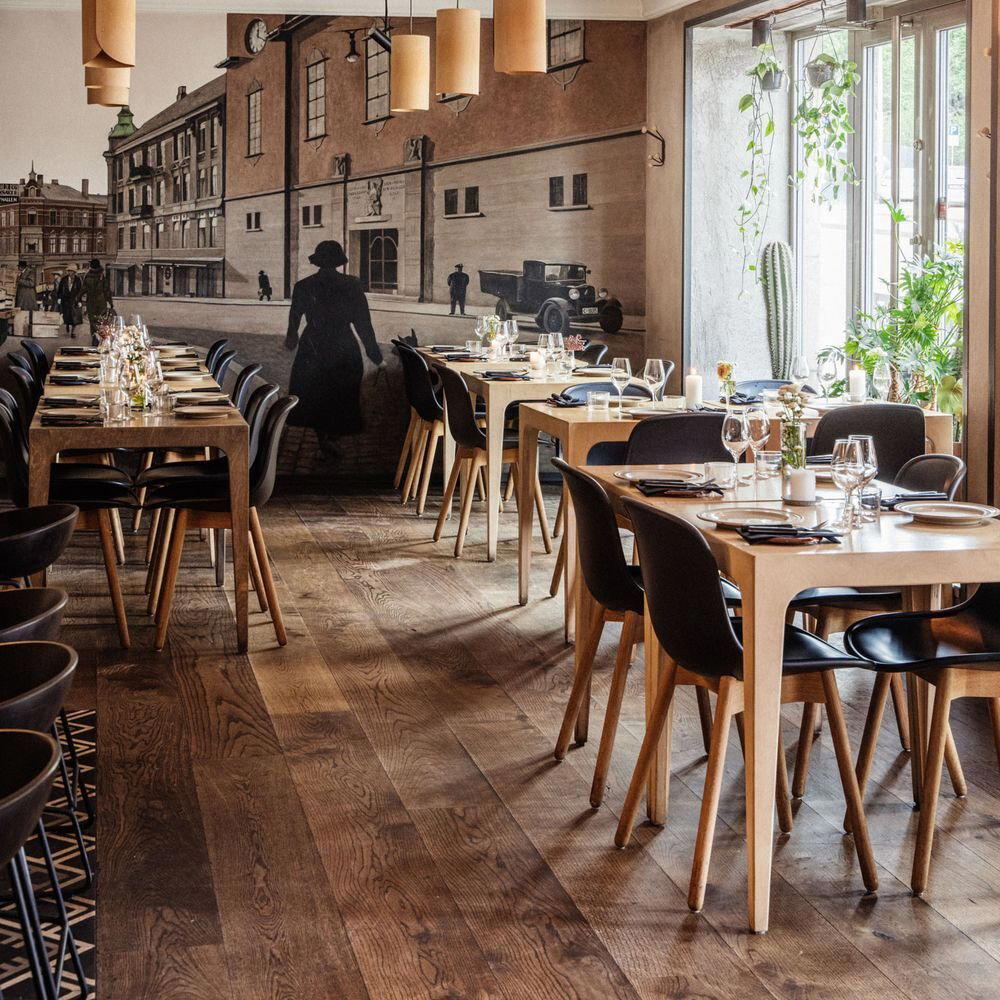
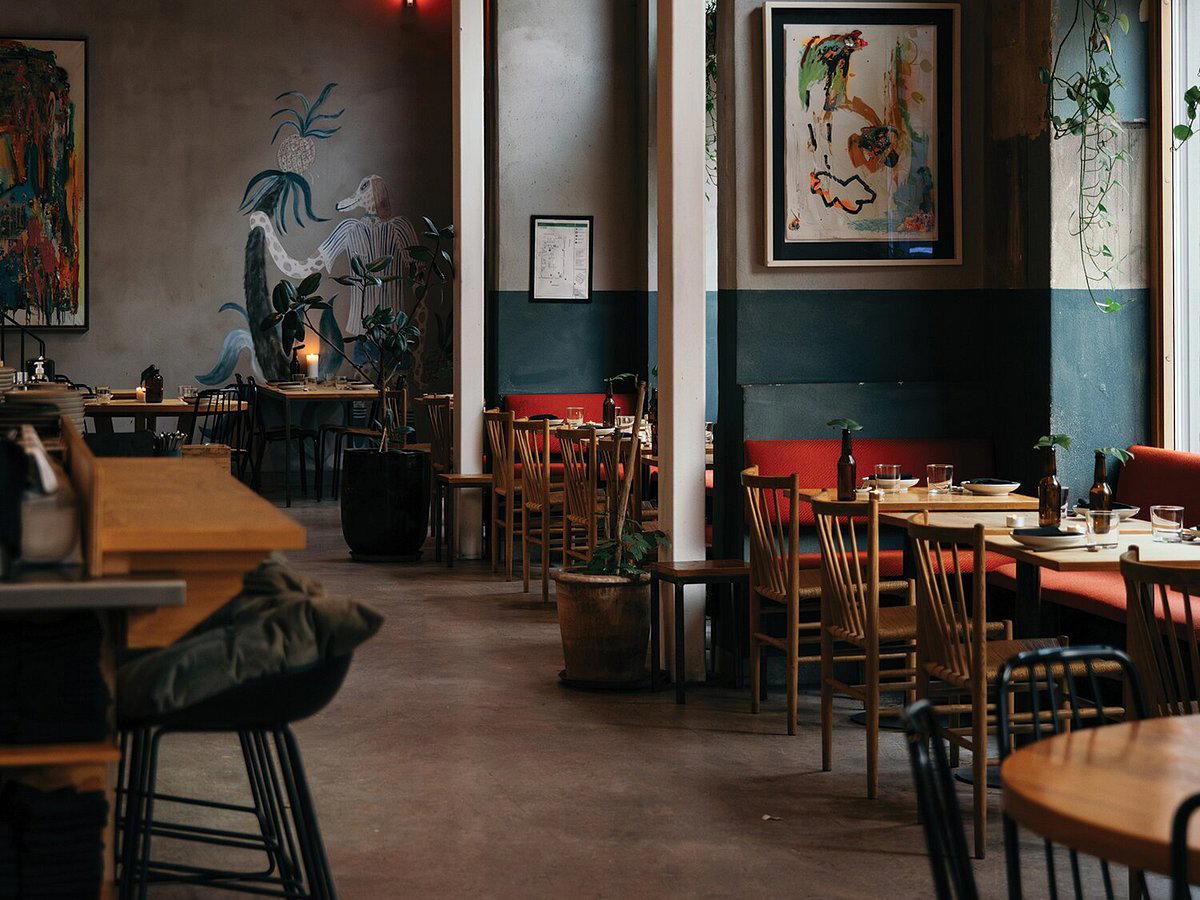
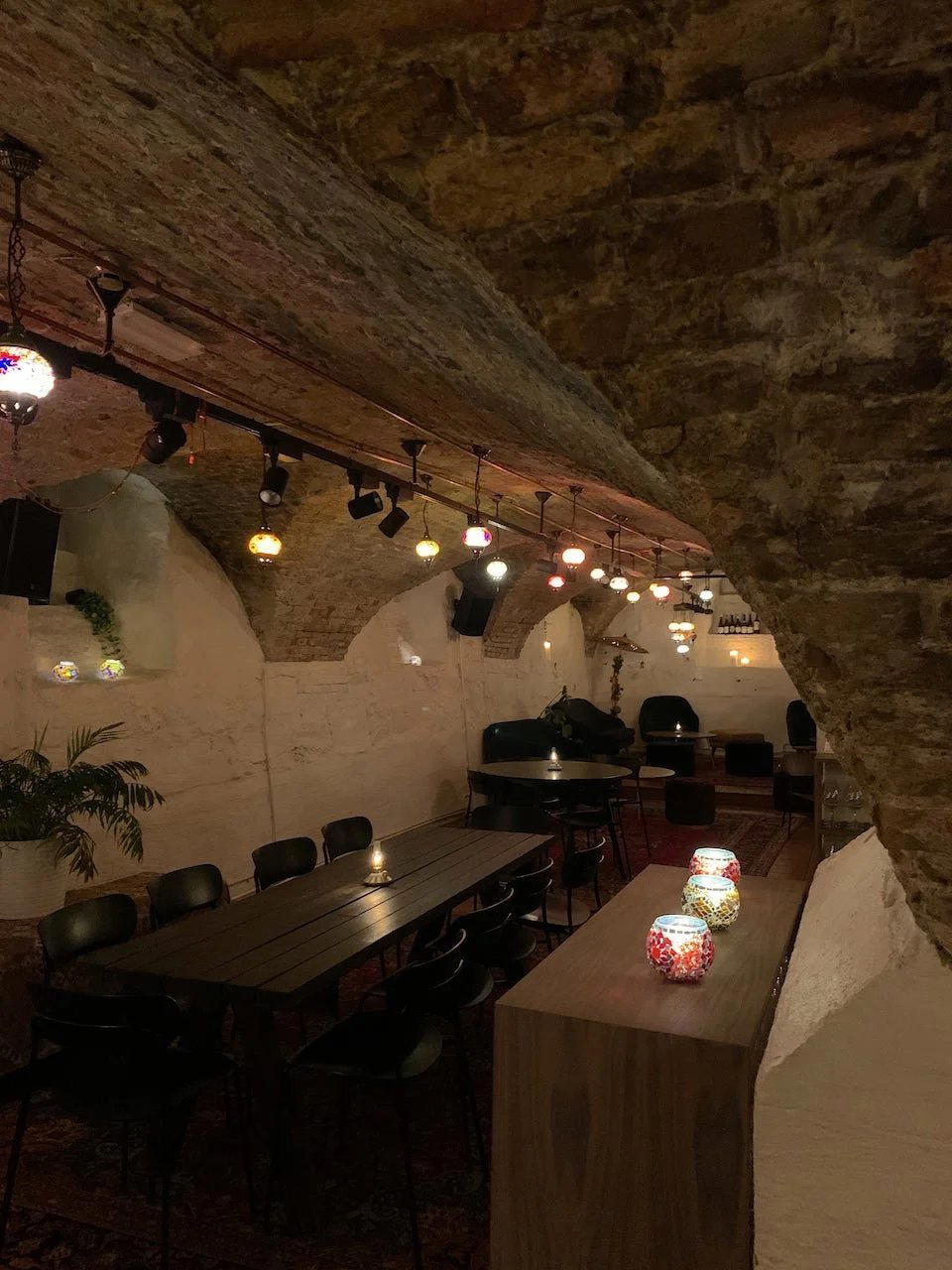
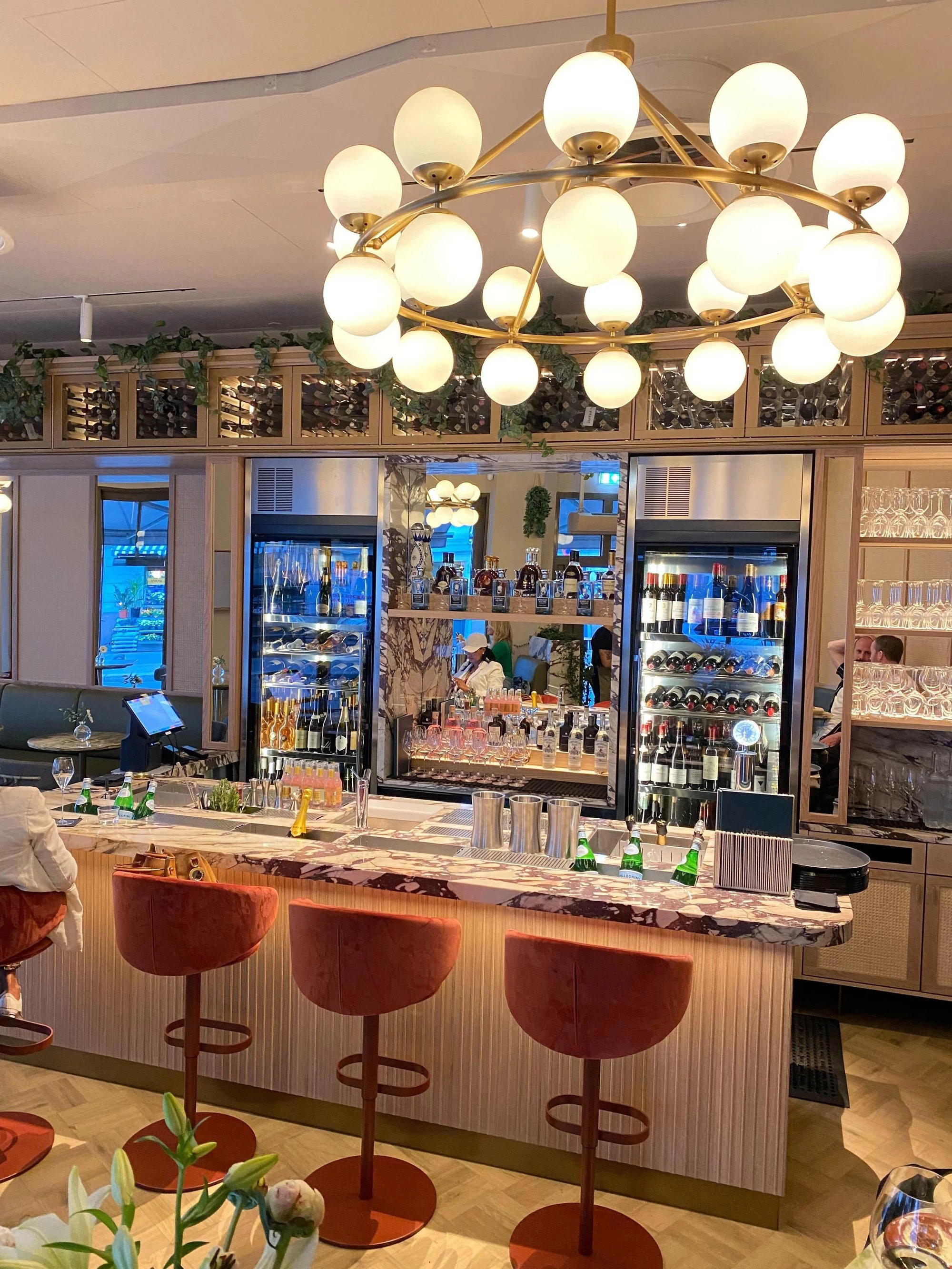
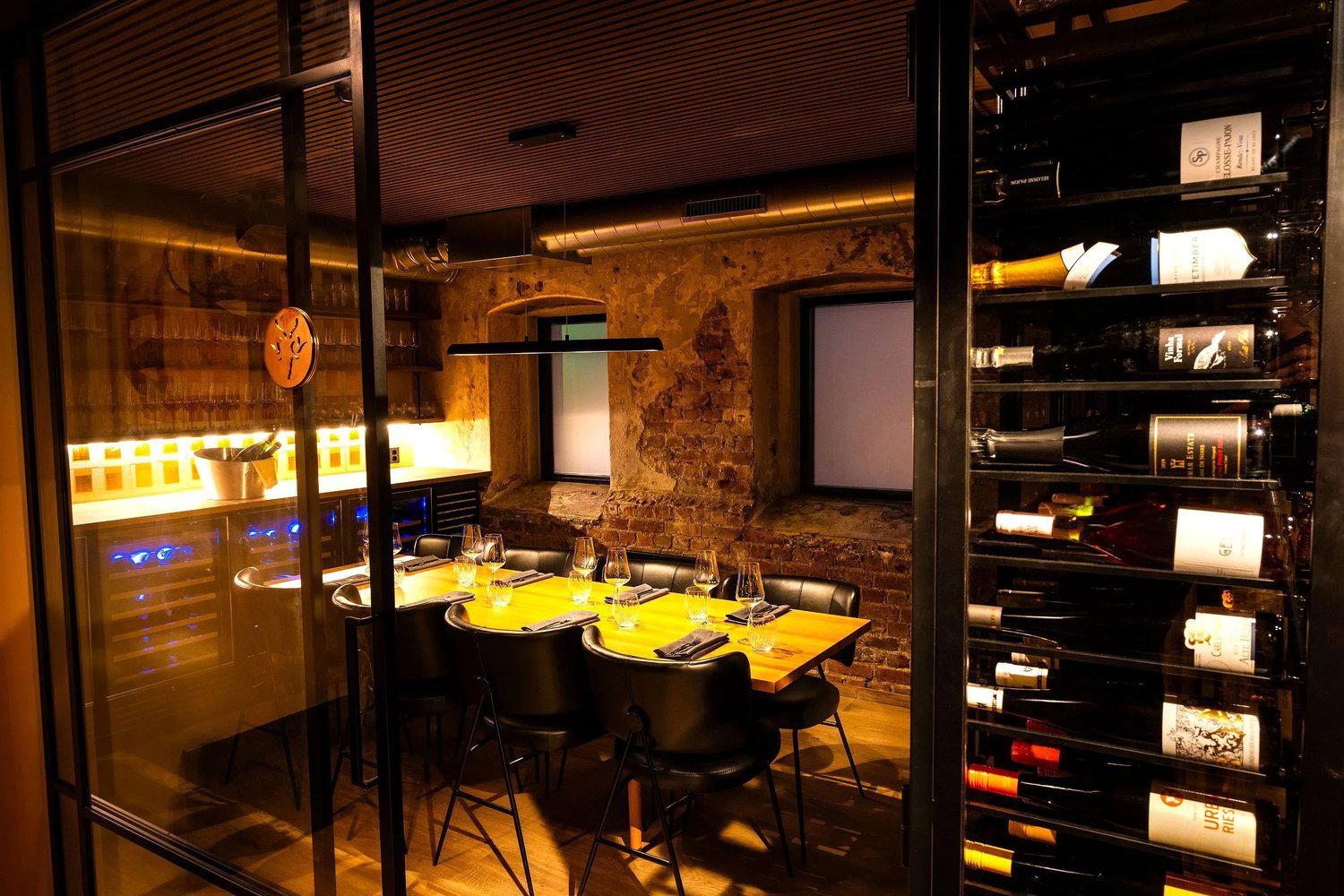
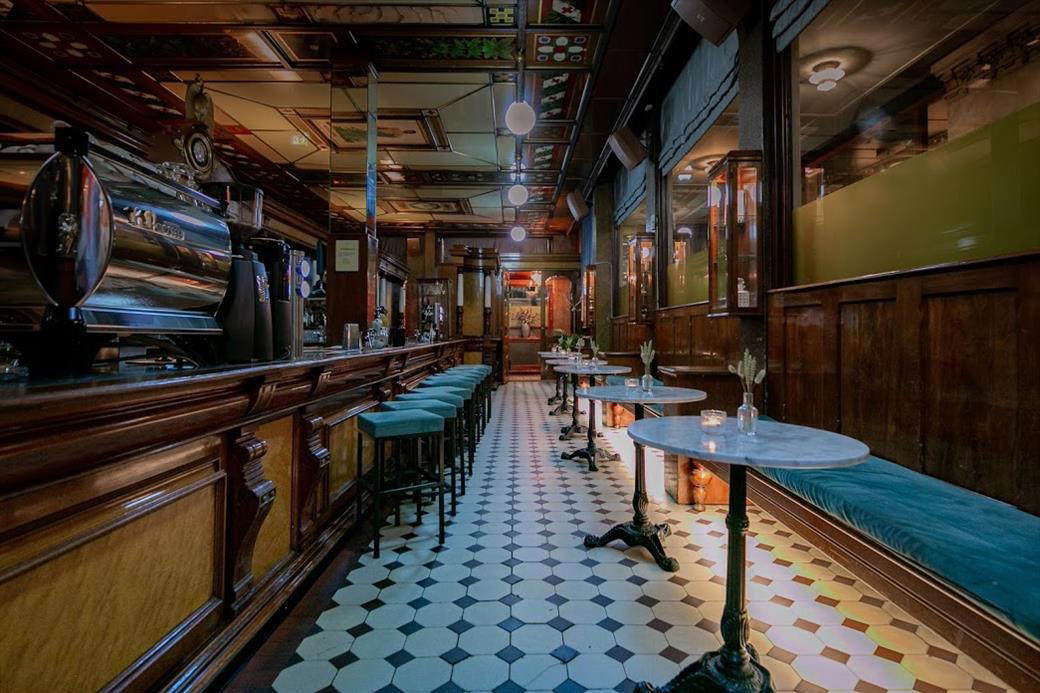
Soft and elegant atmosphere with white tablecloths and high ceilings; warm, welcoming ambiance enhanced by Italian staff and refined decor.