Our verdict
Campo de' Fiori sits on Josefines gate 23 in Oslo's Majorstuen district, a neighbourhood that has quietly built one of the city's most considered dining corridors. The restaurant occupies a tier of the Oslo dining scene that rewards advance planning, and for visitors making their way through the city's restaurant options, it warrants attention alongside the broader Italian-inflected dining conversation happening in Scandinavian capitals right now.

Pearl is the En Primeur Club membership app — saves, bookings, and concierge access live there. Same editors, same standards.
- Address
- Josefines gate 23, 0351 Oslo, Norway
- Phone
- +4722144444
- Hours
- Mon 4–9:30 PMTue–Thu 4–10 PMFri 1:30–10 PMSat 1–10 PMSun 4–9 PM
- Website
- campo.no
- Directions
- Get directions
- Booking
- Book on ResDiary
The menu
What to order
- Fettucine ar tartufo
- Pizza Tatler
- Roman-style pizza
- Gricia
Josefines Gate and the Quiet Side of Oslo Dining
Majorstuen is not where Oslo stages its most theatrical dining. The neighbourhood sits west of the city centre, away from the waterfront redevelopment zones that have attracted the highest-profile openings of the past decade. What it has instead is a residential consistency: streets lined with early-twentieth-century apartment buildings, local institutions that have held their positions across multiple economic cycles, and a dining character shaped by regulars rather than tourists. Josefines gate 23 sits inside that fabric. Campo de' Fiori occupies a location that speaks to Oslo's less-publicised dining geography — the kind of address that city residents know and that visitors often discover only on a second or third trip.
That positioning matters when reading Oslo's restaurant scene in 2024 and 2025. The city's critical attention has concentrated heavily on New Nordic formats: the tasting-menu counters, the fermentation-led kitchens, the Michelin-chasing fine dining that has made Oslo a reference point for Maaemo and Kontrast. A restaurant drawing from Italian culinary traditions operates as a counter-current to that dominant narrative, and in a city where diners are increasingly looking beyond the tasting-menu format, that position carries its own logic.
The Environment on Arrival
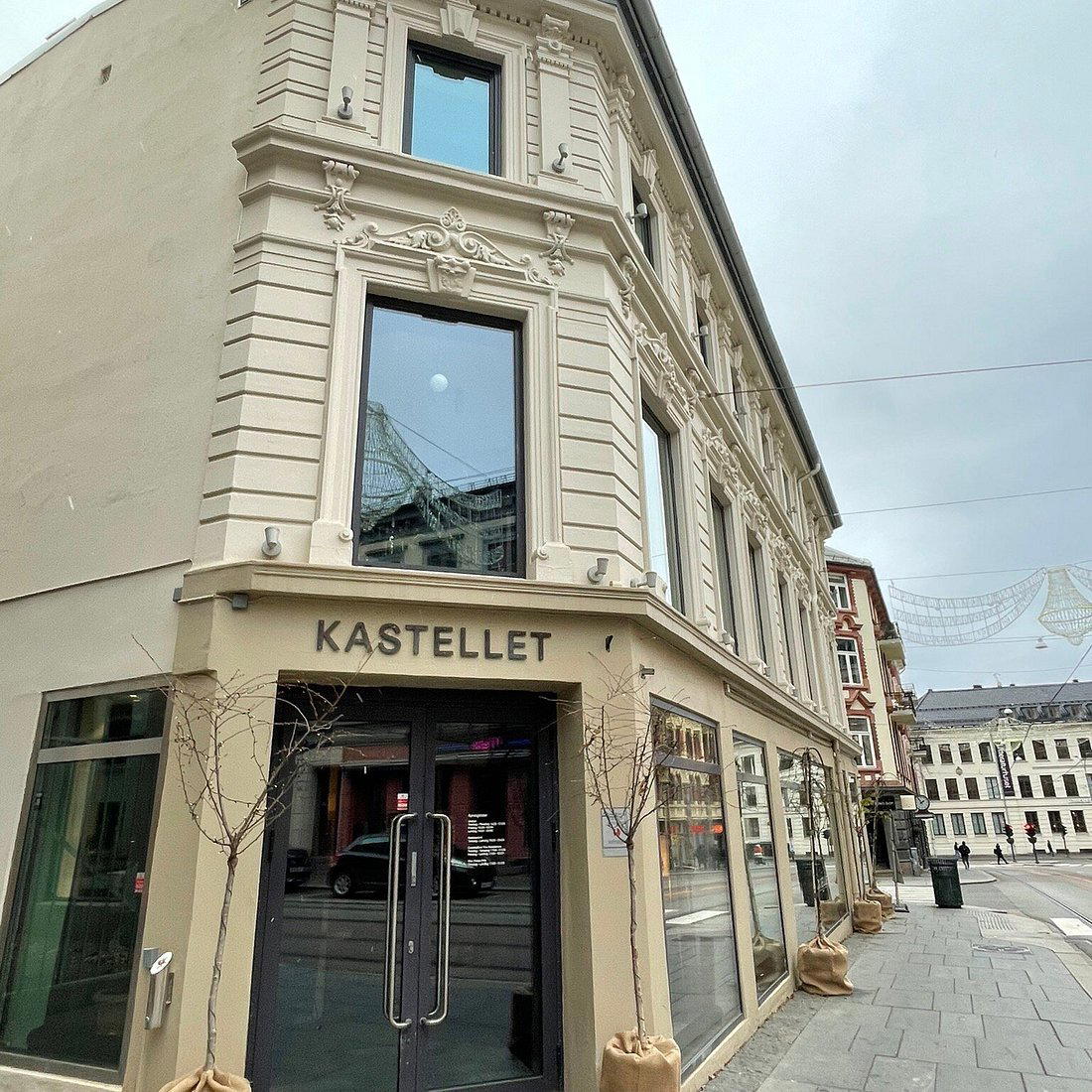
Approaches to restaurants in Majorstuen carry a particular quality of Oslo evenings: the light in summer arrives sideways for hours after dinner service has begun, turning the neighbourhood's stone facades amber; in winter, the same streets operate under deep dark by mid-afternoon, with lit windows doing the work of atmosphere before you reach the door. Campo de' Fiori's address on Josefines gate places it in a stretch where the street-level experience shifts from the broader commercial activity of Bogstadveien, two blocks north, into something quieter and more residential. Arriving here is a different entry condition than walking into the Aker Brygge or Tjuvholmen restaurant corridors, where foot traffic, harbour views, and designed exteriors compete for attention from the street.
Planning Your Visit: What the Booking Situation Tells You
Oslo dining at the upper-mid and fine dining tiers has become significantly harder to book over the past three years. Post-pandemic consolidation removed a number of venues from the market, concentrating demand onto a smaller number of addresses. The city's Michelin-recognised tables — including the three-star operation at Maaemo, now require planning windows of eight to twelve weeks for prime slots. Even restaurants outside the formal award tier have tightened, particularly at weekends, as Oslo's dining culture has shifted toward deliberate booking rather than walk-in expectations.
For Campo de' Fiori specifically, the absence of detailed booking data in the public record is itself informative. Venues without prominent online reservation infrastructure or widely publicised booking windows often operate through direct contact or through local word-of-mouth networks. Oslo's restaurant scene at this address tier does not typically hold large walk-in capacity on weekend evenings, and the most avoidable mistake in Oslo dining planning is assuming that a neighbourhood address will have more availability than a centre-city one. It frequently does not. For visitors building a broader Oslo itinerary, our full Oslo restaurants guide maps the city's dining tiers with booking guidance across neighbourhoods.
The comparison set for visitors trying to calibrate booking effort is useful here. Restaurants like Hot Shop and Bar Amour sit in Oslo's creative mid-tier and carry booking waits of two to four weeks for desirable slots. Mon Oncle, operating in the French bistro register, represents a format where the booking window has shortened relative to the tasting-menu tier but still requires advance contact for Friday and Saturday sittings. Campo de' Fiori occupies a neighbourhood position that suggests similar dynamics.
Oslo's Italian Dining Thread
Italian cooking in Scandinavian capitals has undergone a quiet reassessment over the past decade. The category was long associated with mid-market pasta-and-pizza formats aimed at family dining. What has changed is the arrival of kitchens that treat Italian regional traditions with the same sourcing rigour that New Nordic applied to Scandinavian ingredients, prioritising quality imports, seasonal alignment, and restraint over abundance. This shift is visible across Stockholm, Copenhagen, and Oslo, where a subset of Italian-reference addresses now compete on the same credibility terms as the New Nordic tier, without the tasting-menu format or the price points that come with it.
That context is the relevant frame for Campo de' Fiori. The name itself references Rome's central market square, a piazza associated historically with produce, daily commerce, and the kind of cooking that grows from proximity to ingredients rather than from formal kitchen hierarchy. Whether the kitchen's execution follows that lineage is something direct investigation will confirm, but the framing signals an intent that sits at a specific point in Oslo's restaurant spectrum, away from the New Nordic institutional format and toward a more ingredient-led, tradition-adjacent approach.
Norway's Broader Fine Dining Geography
Visitors using Oslo as a base who want to extend into Norway's wider restaurant network will find a country with surprising geographic spread of serious cooking. RE-NAA in Stavanger holds two Michelin stars. Speilsalen in Trondheim and Lysverket in Bergen represent the western coastal cities' contributions to the national dining conversation. More remote addresses like Under in Lindesnes, Glime Restaurant in Hardanger Fjord, and MiraBelle by Ørjan Johannessen in Bekkjarvik have built cases for destination dining outside the capital altogether. Further north, Restaurant 1893 in Stokmarknes operates in a category of its own. Inland, Vianvang in Vågå, Buer Restaurant in Odda, and Lily Country Club in Kløfta each map a different register of Norwegian hospitality. For international comparisons in tightly formatted, reservation-driven dining, Le Bernardin in New York City and Lazy Bear in San Francisco illustrate how the booking-experience model has developed in other markets.
Practical Notes
Campo de' Fiori is located at Josefines gate 23, 0351 Oslo. Majorstuen is served by the T-bane at Majorstuen station, which sits within a short walk of the address and connects directly to Oslo's central stations. The neighbourhood is walkable from Frogner and the park district to the southwest. Oslo restaurants in this tier increasingly handle dietary requirements as a standard part of reservation intake rather than as an exception, but confirmation in advance remains the practical approach.
Frequently asked questions
Where do I go for Campo de' Fiori?
Campo de' Fiori is located at Josefines gate 23, 0351 Oslo, Norway, Oslo.
Is Campo de' Fiori in Oslo suitable for a business dinner?
Majorstuen's residential character gives Campo de' Fiori a lower ambient noise level than comparable restaurants in Oslo's city centre or Aker Brygge waterfront, which matters for table conversation. The Italian format — longer courses, a pace that doesn't rush — suits a working dinner better than a quick bite. The Josefines gate 23 address is roughly ten minutes from the city centre by T-bane from Majorstuen station, making it accessible without being in the thick of the tourist circuit.
What's the must-try dish at Campo de' Fiori?
Specific menu details for Campo de' Fiori are not published in advance, which is consistent with how several Oslo Italian restaurants at this tier operate — the kitchen's direction becomes clear once you're seated. Given the venue's position in Majorstuen, where the Italian dining conversation in Oslo has shifted toward ingredient rigour over crowd-pleasing familiarity, the pasta courses are typically where kitchens in this category demonstrate their strongest hand. Confirm current offerings directly when you book.
How hard is it to get a table at Campo de' Fiori?
Oslo's upper-mid and fine dining tier has become noticeably harder to book since 2021, following post-pandemic venue closures that concentrated demand across fewer addresses. Campo de' Fiori at Josefines gate 23 sits in Majorstuen, a neighbourhood with limited competition at its level, which tends to compress availability further. Booking at least two to three weeks ahead is a reasonable baseline for weekend sittings; weekday availability is generally more flexible.
What's the standout thing about Campo de' Fiori?
The address itself says something: Josefines gate 23 in Majorstuen is west of the waterfront redevelopment where much of Oslo's dining attention currently sits, which means Campo de' Fiori draws a local, repeat-visit crowd rather than a tourist circuit. That self-selection tends to produce a more grounded room. The Italian category in Scandinavian capitals has moved toward seriousness over the past decade, and Campo de' Fiori operates in that current rather than against it.
Can Campo de' Fiori handle vegetarian requests?
No published menu is available to confirm the scope of vegetarian options at Campo de' Fiori. Italian cooking as a category carries structural advantages here — pasta, risotto, and vegetable-forward antipasti are foundations of the cuisine rather than adaptations. Contact the restaurant at Josefines gate 23 directly before your visit to clarify what the current menu can accommodate.
A Quick Peer Check
| Venue | Cuisine | Price | Awards | Notes |
|---|---|---|---|---|
| Campo de' FioriThis venue — the venue you are viewing | Authentic Roman Italian | $30–50 | Not listed | Not listed |
| Maaemo | New Nordic Fine Dining | $300–500 | 3 Michelin Stars · World's 50 Best #47 | New Nordic, Modern Cuisine |
| Kontrast | Modern Nordic Fine Dining | $200–300 | 2 Michelin Stars · La Liste Top Restaurants | New Nordic, Scandinavian |
| Hot Shop | Modern Nordic Tasting Menu | $100–150 | 1 Michelin Star · Star Wine List | New Nordic, Modern Cuisine |
| Statholdergaarden | Classic Norwegian-French Fine Dining | $200–300 | 1 Michelin Star · La Liste Top Restaurants | Modern European, Classic Cuisine |
| Arakataka | Modern Nordic | $50–100 | Michelin Plate · Star Wine List | Nordic, Norwegian |
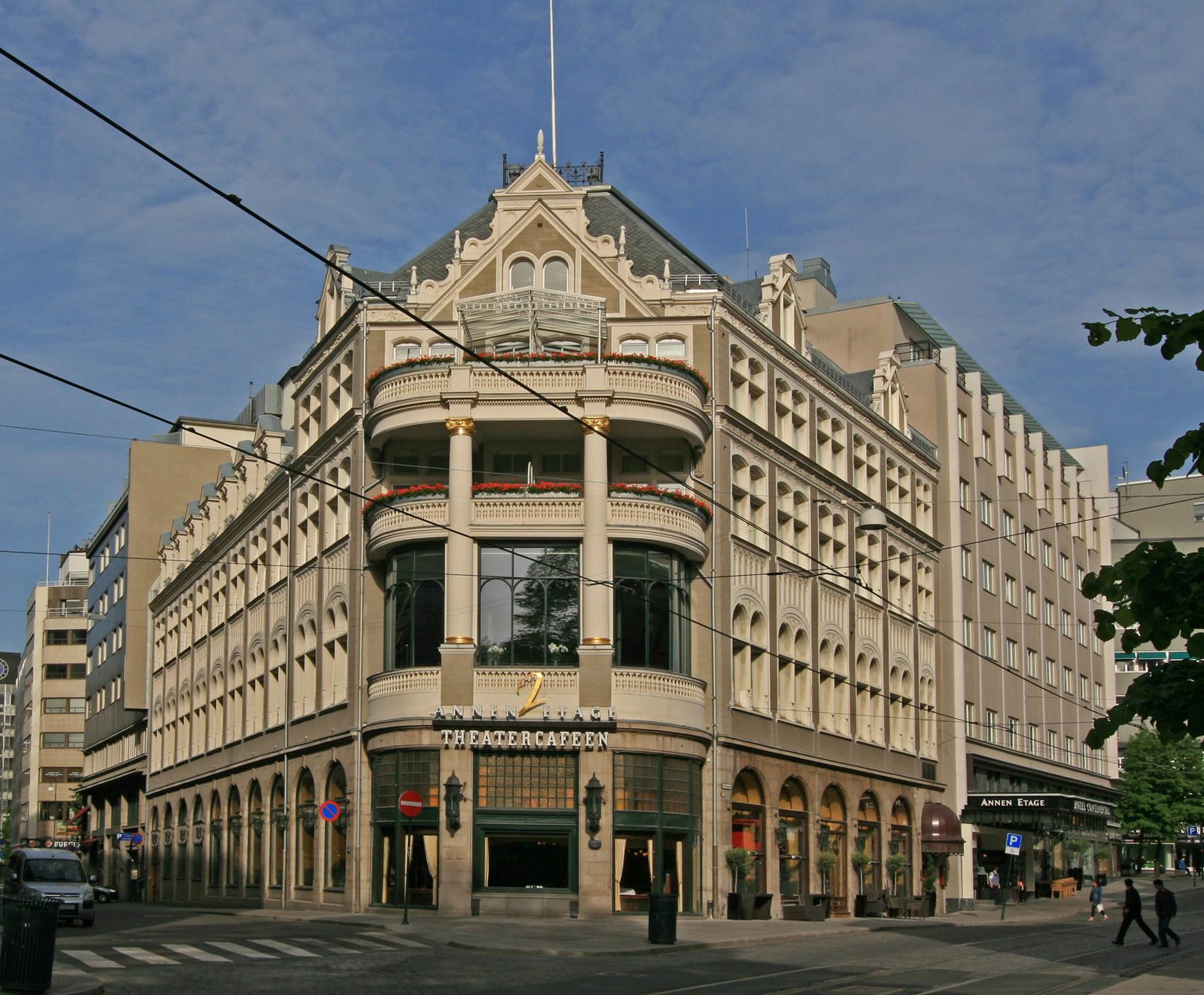
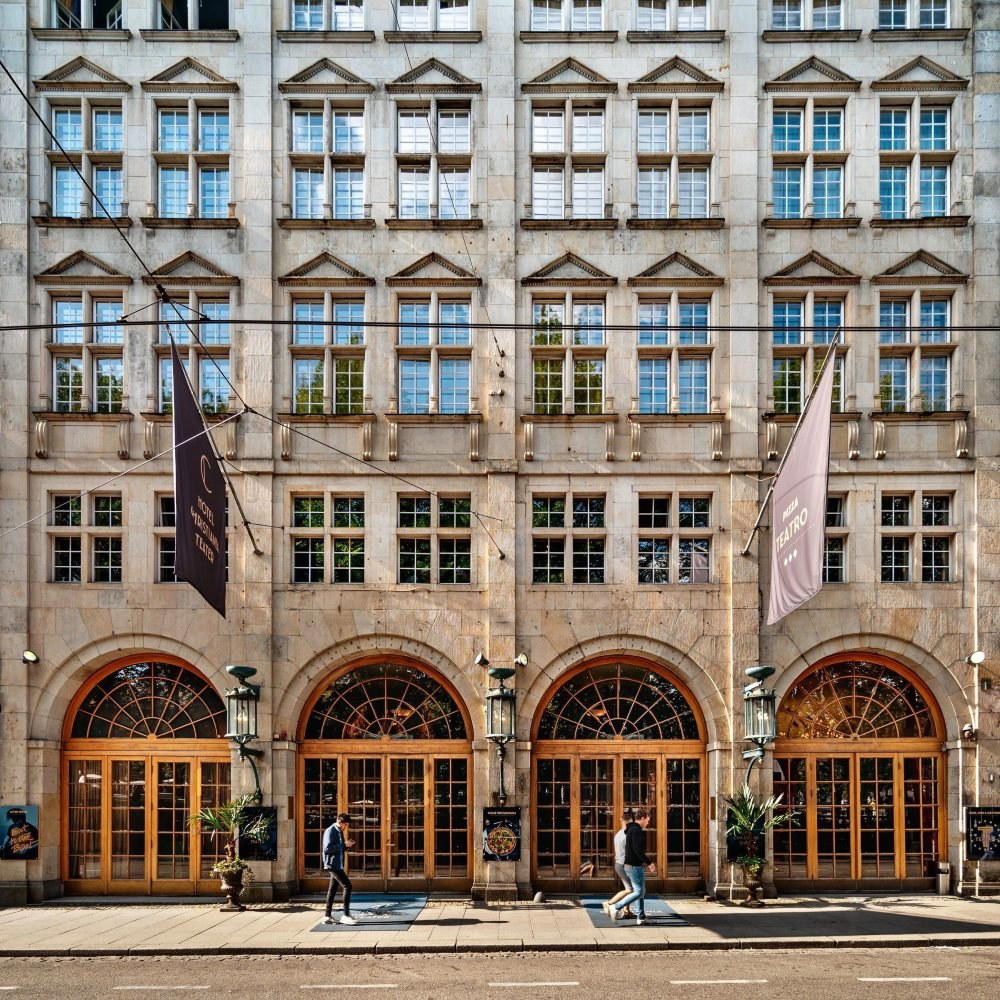
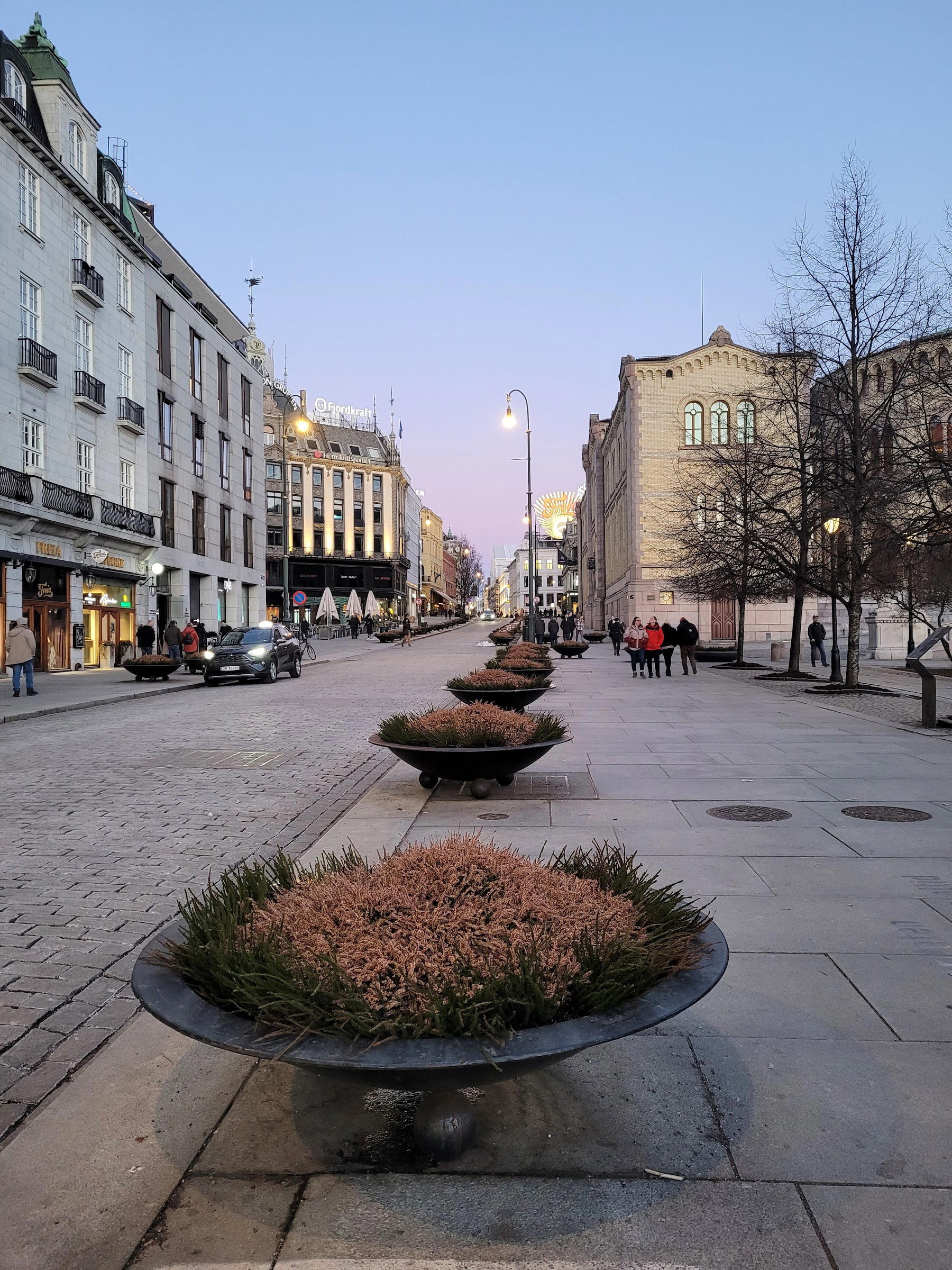
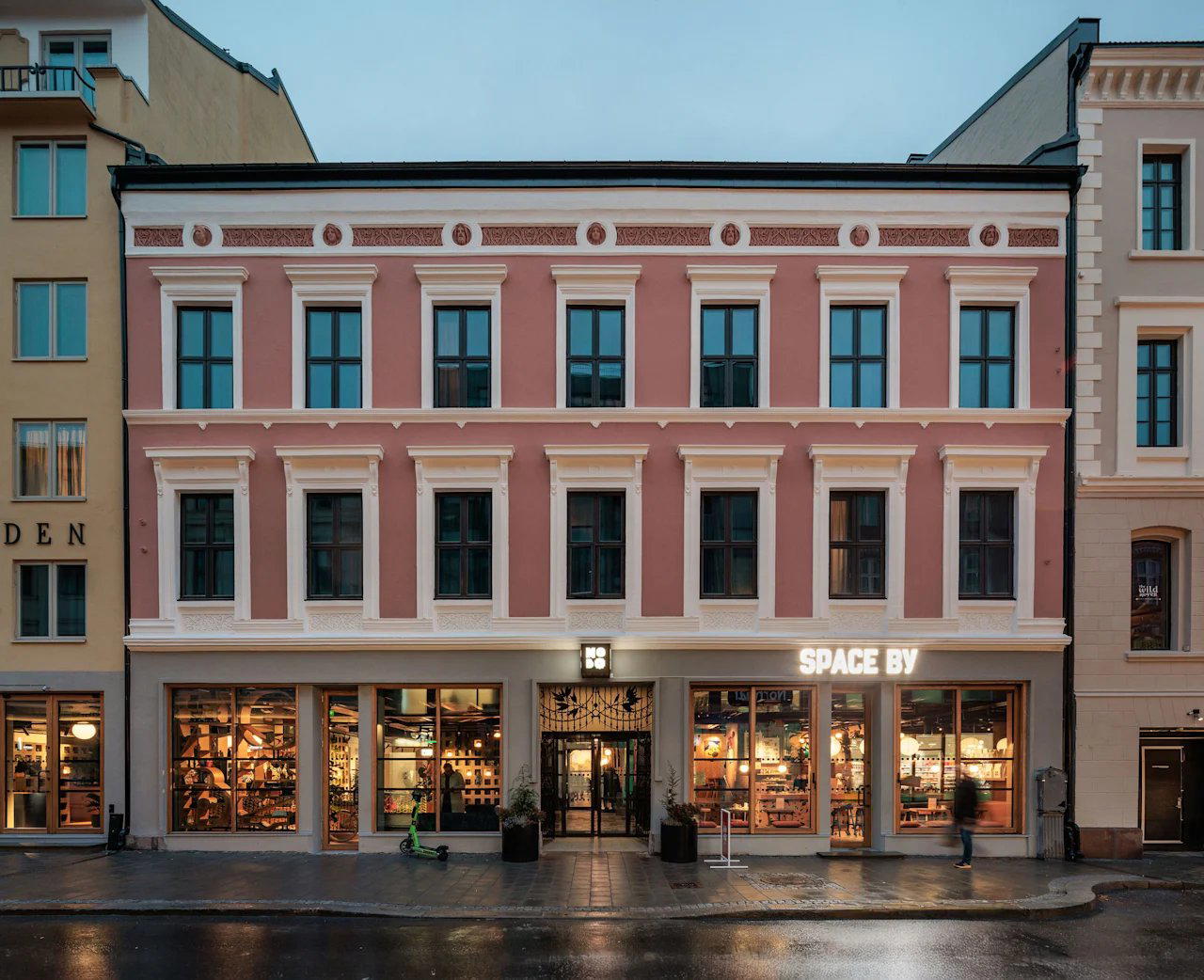
Campo de' Fiori
The wine
- Wine program
- Curated wine list
- Extensive wine list
Details
- Cozy
- Lively
- Rustic
- Date Night
- Group Dining
- Casual Hangout
- Open Kitchen
- Terrace
- Extensive Wine List
- A La Carte
- Small Plates
- Vegetarian Friendly
- Vegan Options
- Gluten Free Options
Current opening hours
- Monday
- 4–9:30 PM
- Tuesday
- 4–10 PM
- Wednesday
- 4–10 PM
- Thursday
- 4–10 PM
- Friday
- 1:30–10 PM
- Saturday
- 1–10 PM
- Sunday
- 4–9 PM
Hours can change for holidays and private events. Last verified .
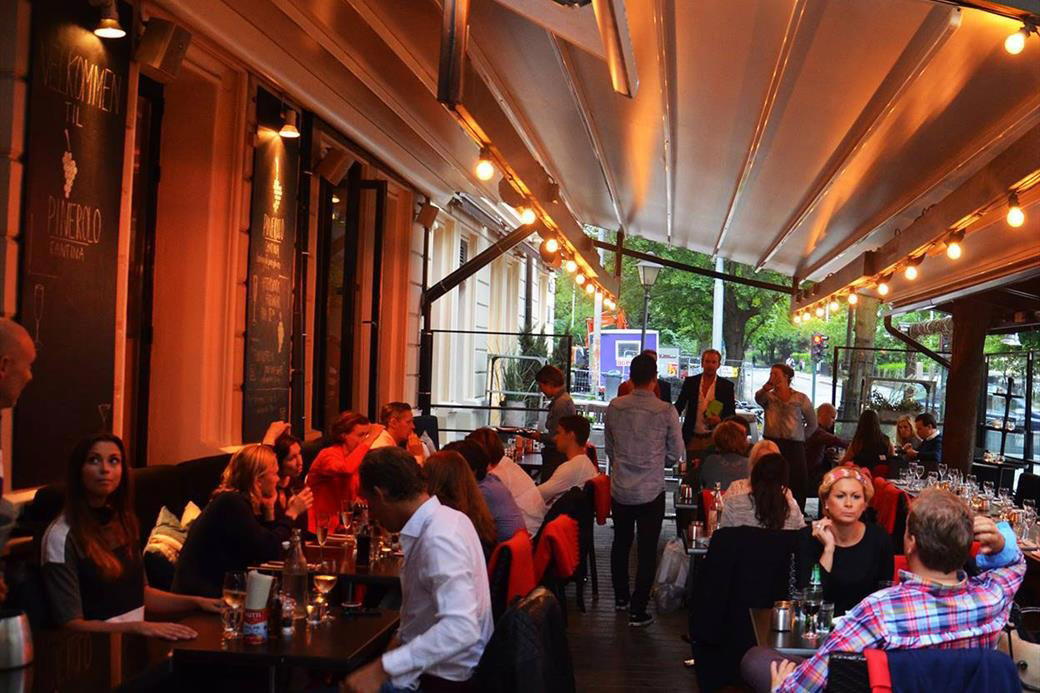
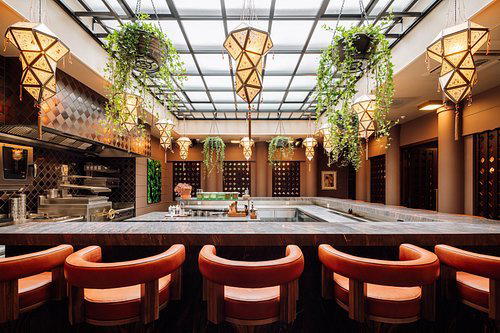
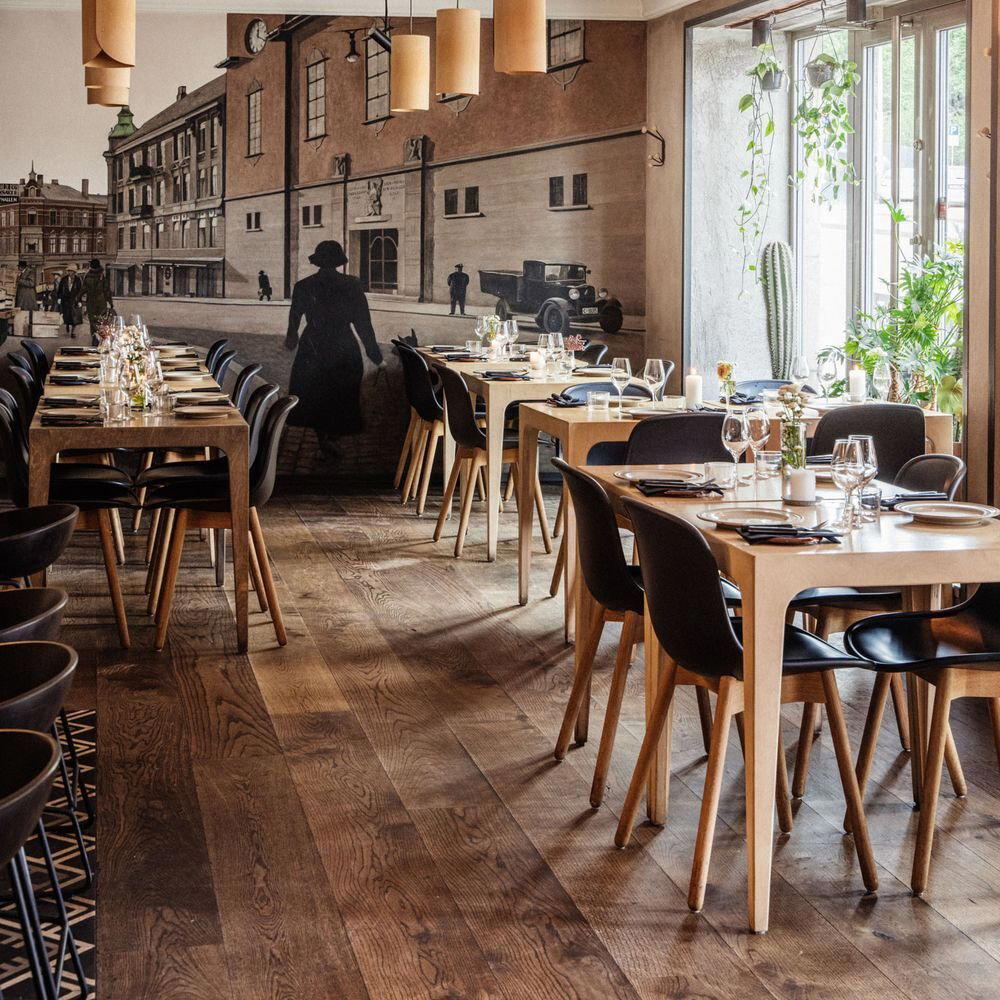
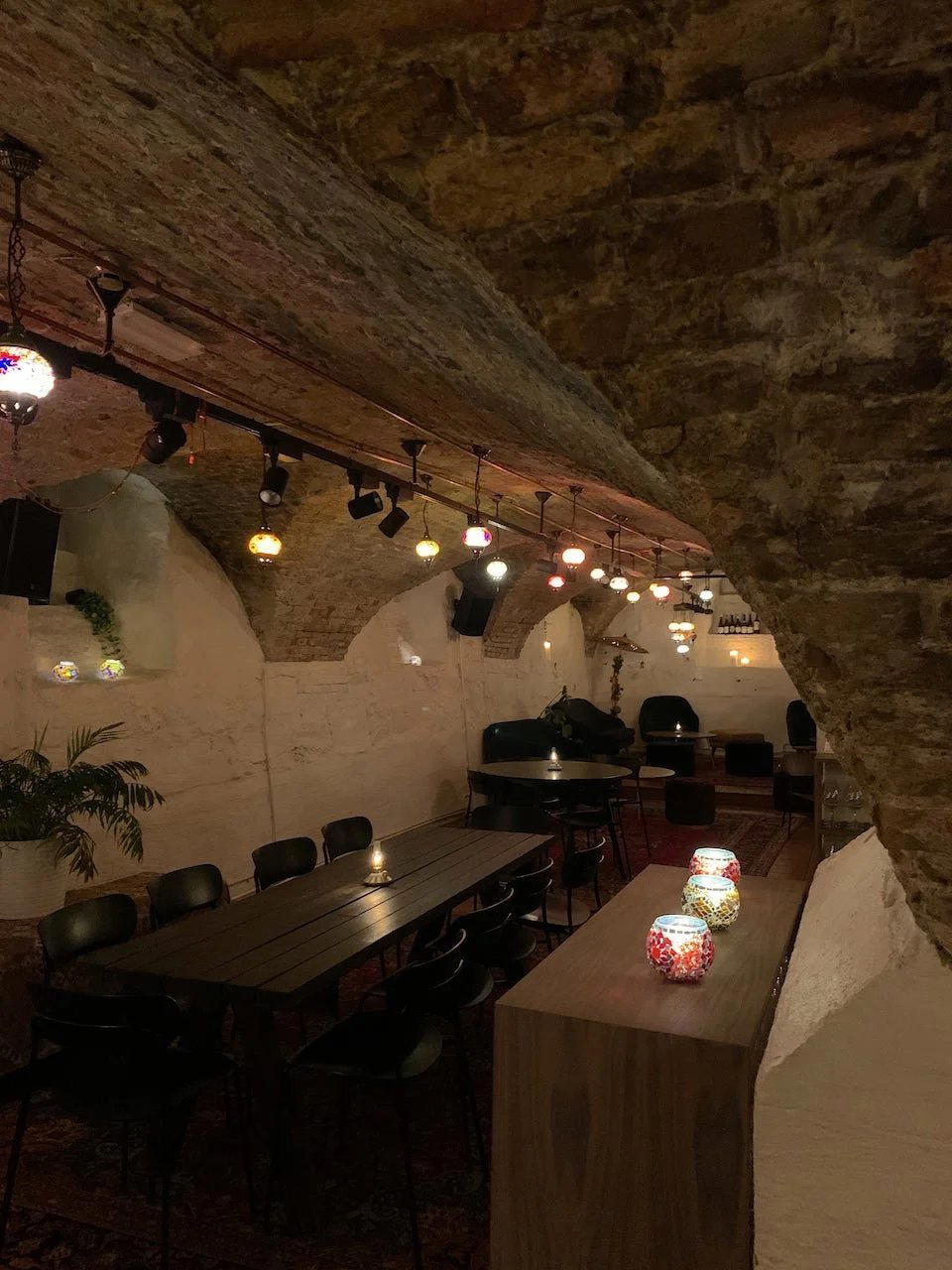
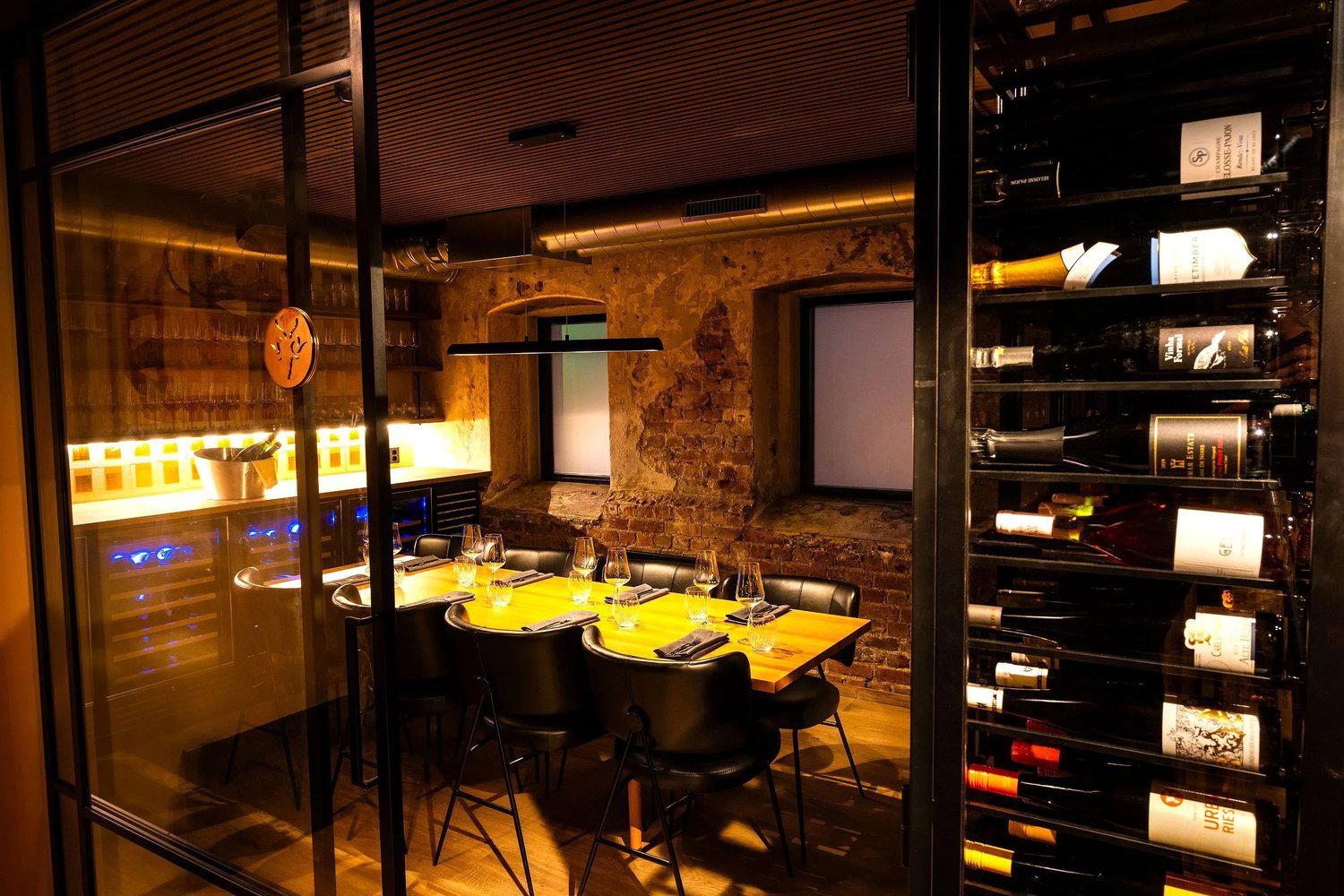
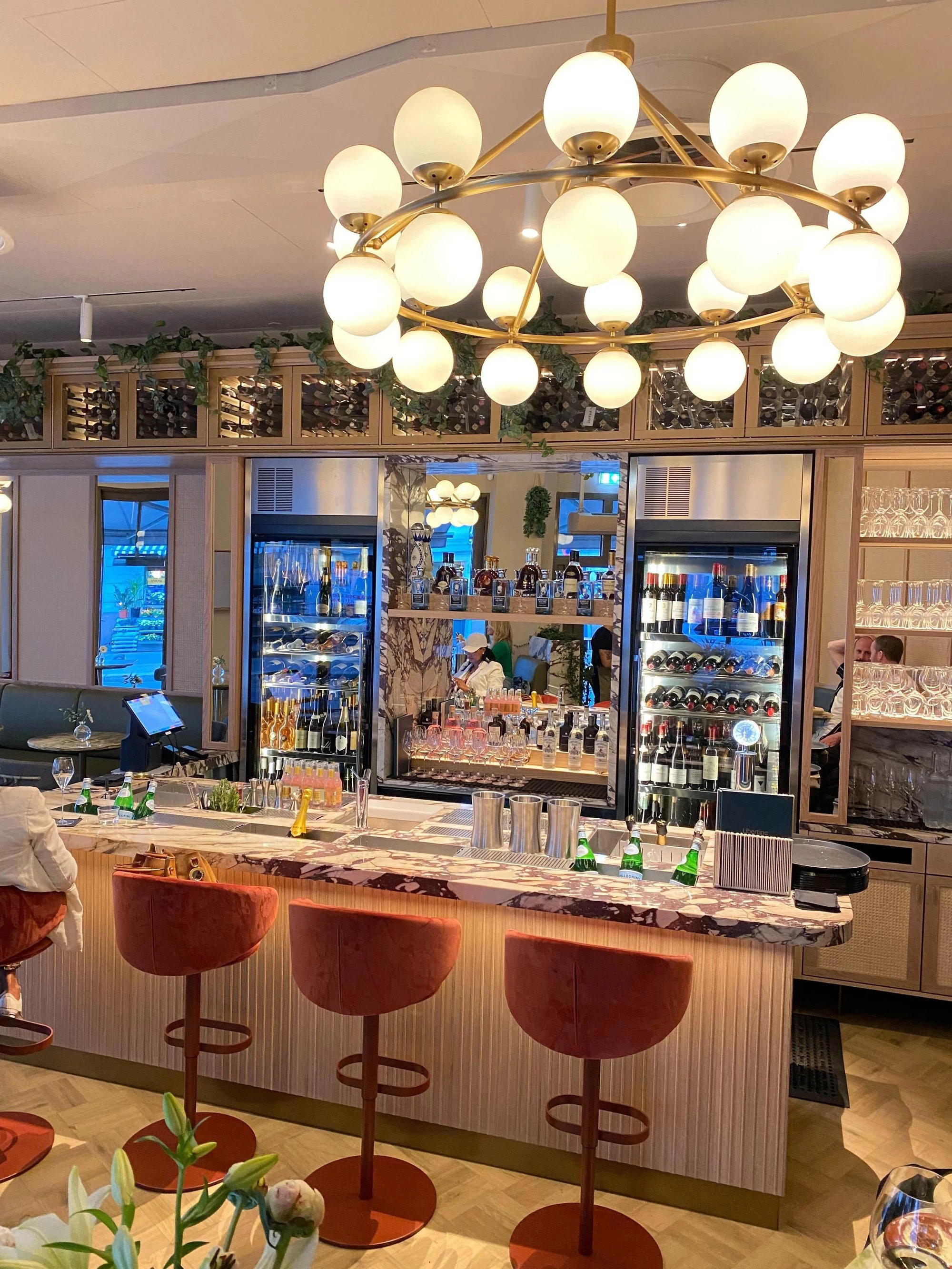
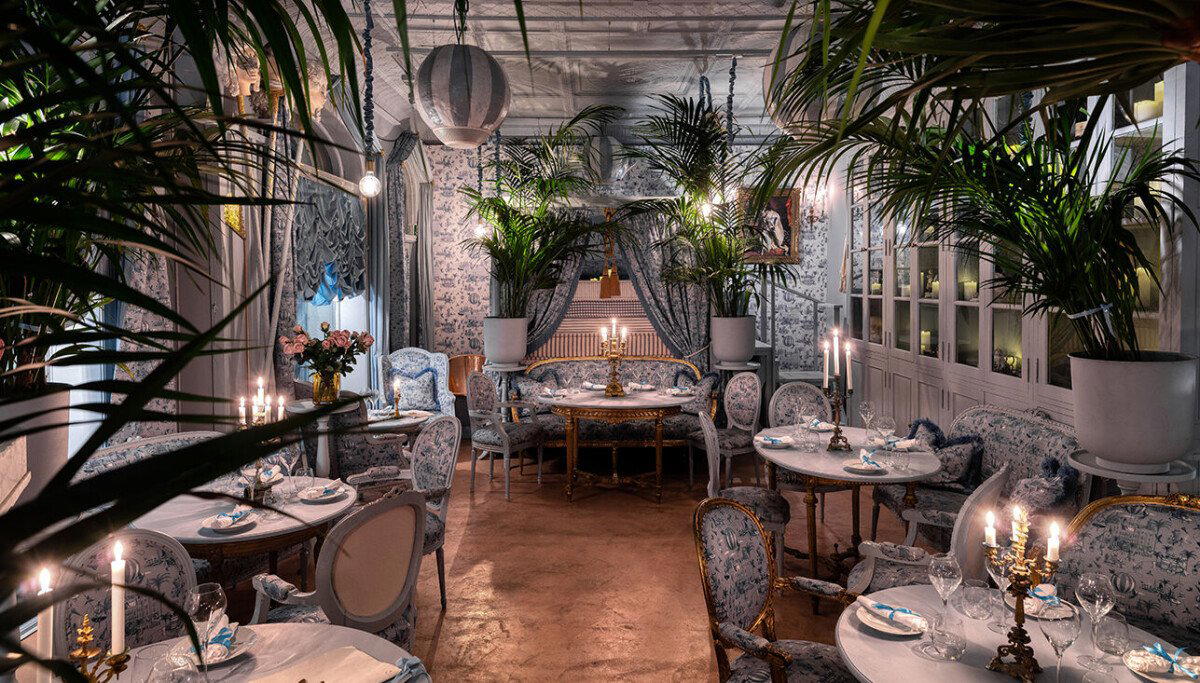
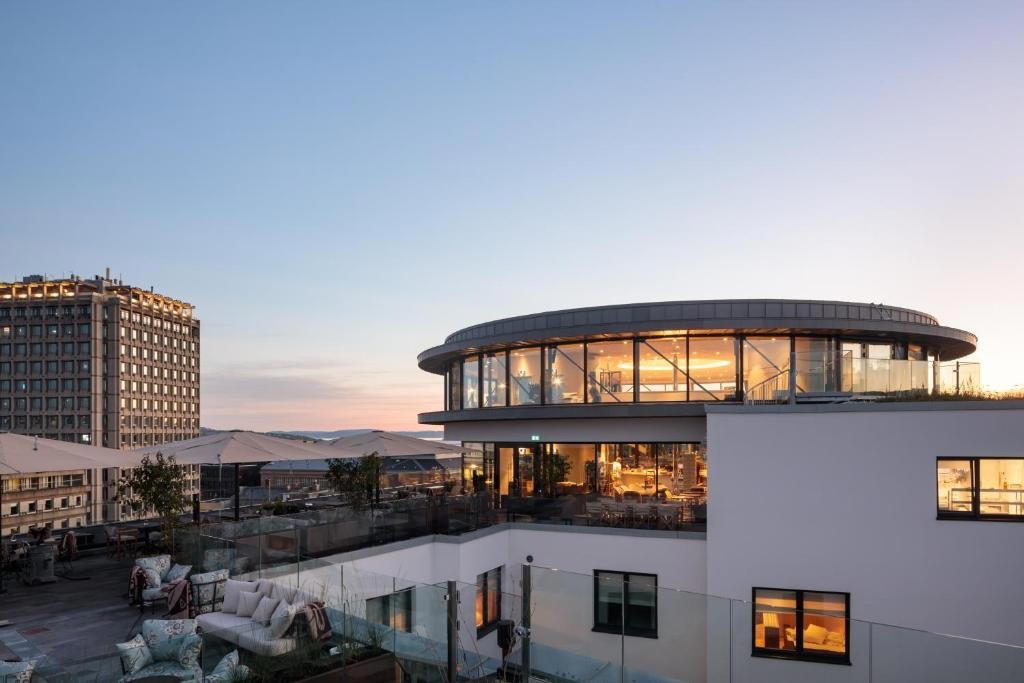
Cozy and lively osteria-style atmosphere built around the kitchen with warm lighting and an idyllic outdoor pergola area.