


Michelin Plate · Wine Spectator Best of Award of Excellence
Our verdict
Positioned on Oslo's Tjuvholmen waterfront, Tjuvholmen Sjomagasin holds a Michelin Plate and a consistent ranking in Opinionated About Dining's Casual Europe list, placing it in a different tier from the city's tasting-menu circuit. The focus is Nordic seafood with a European accent, backed by a wine list of 950 selections and 9,200 bottles of inventory spanning Burgundy, Bordeaux, Piedmont, and Germany.

Pearl is the En Primeur Club membership app, where members save venues, book tables and use the concierge.
The menu
What to order
- American Lobster
- Lobster with Chive Butter and Burdock Chips
- Ceviche of Scallops
- Panfried Cod
- Shellfish Platter
Waterfront Dining and the Oslo Seafood Tradition
Oslo's relationship with seafood is longer and more complicated than its recent fine-dining reputation suggests. The city sits at the head of the Oslofjord, with direct access to cold-water fish and shellfish that have sustained Norwegian coastal communities for centuries. What changed over the past two decades is the framing: where seafood once occupied the utilitarian end of the city's restaurant spectrum, it now anchors some of its most considered dining rooms. Tjuvholmen Sjomagasin occupies a particular position within that shift, operating as a casual-register seafood restaurant on the redeveloped Tjuvholmen peninsula, a former shipyard site that now houses galleries, hotels, and restaurants in a compact waterfront cluster.
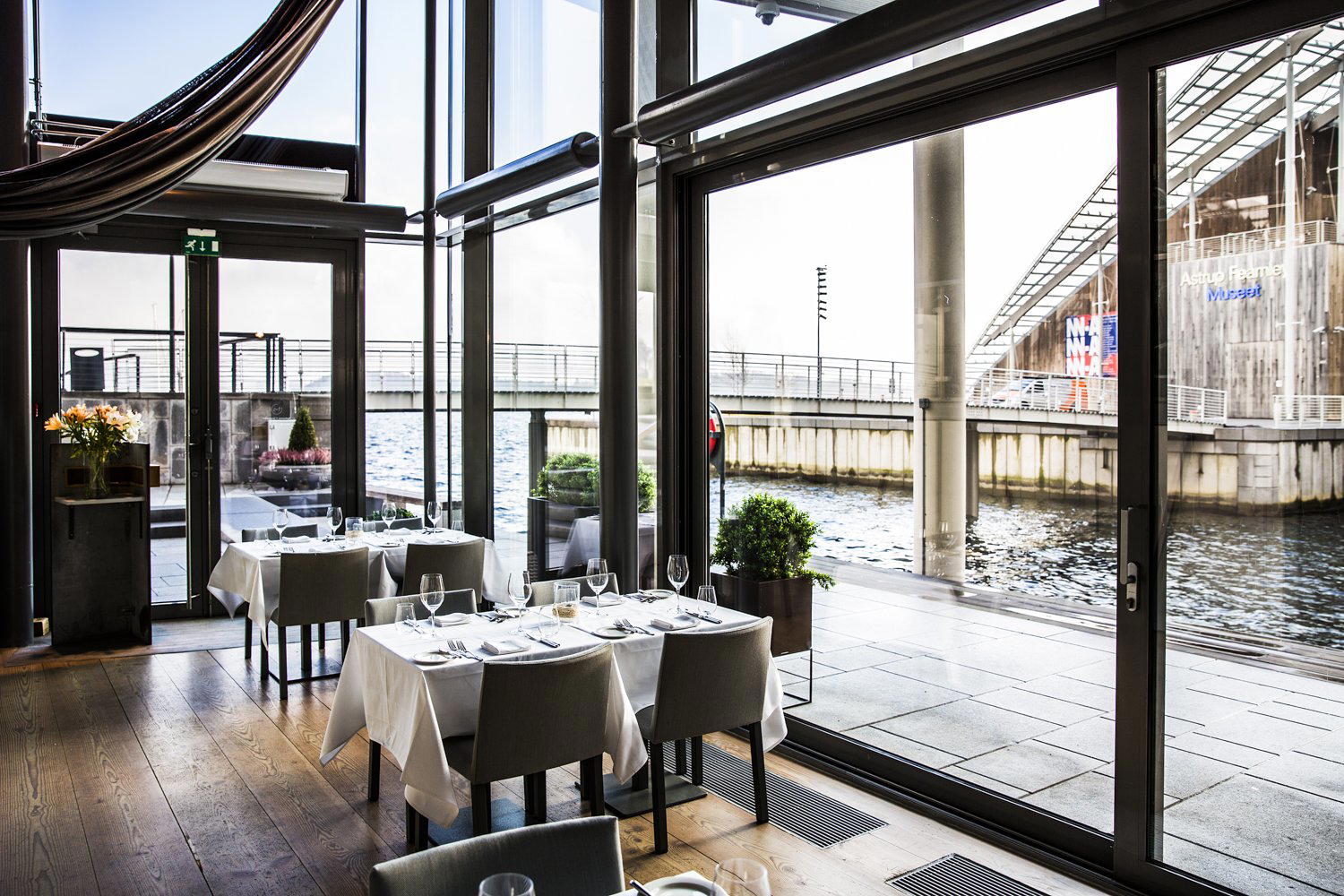
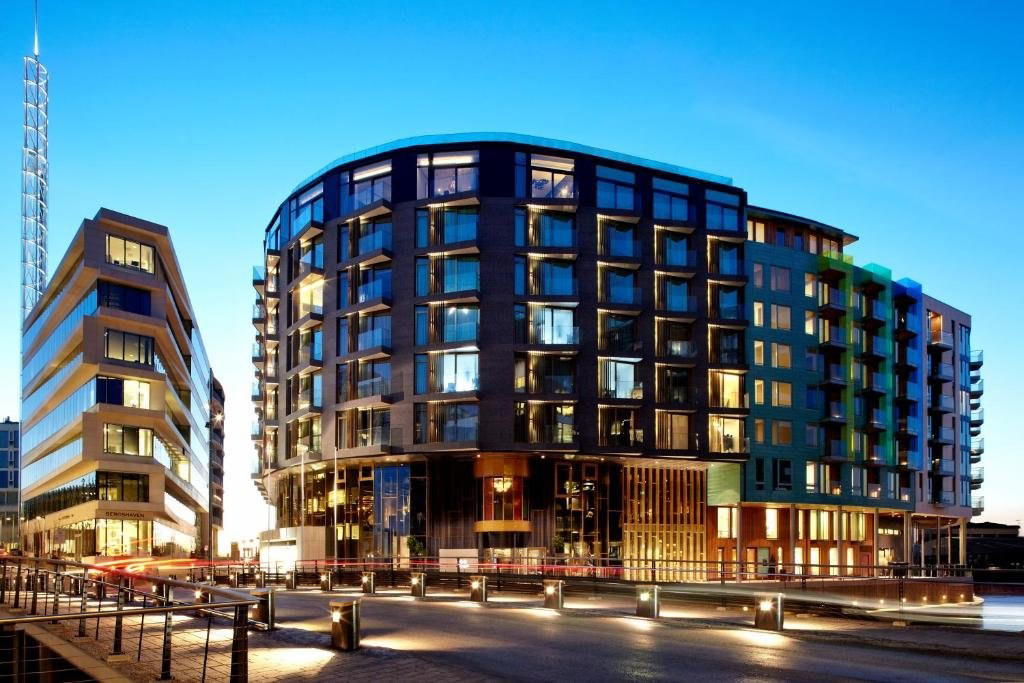
Approaching from the main quay, the address at Tjuvholmen allé 14 places the restaurant at the water's edge, the kind of location that Oslo planners reserved for leisure and hospitality when they redesigned this part of the harbour in the 2000s. The architectural character of Tjuvholmen, all raw concrete and glass punctuated by public art installations, gives the area a studied seriousness that sets it apart from Oslo's more casual waterfront stretches. Dining here carries that context: you are eating in a neighbourhood that was deliberately engineered for a certain quality of cultural and culinary experience.
Where It Sits in Oslo's Dining Spectrum
Oslo's restaurant hierarchy has grown sharper at the leading end. Maaemo (New Nordic, Modern Cuisine) and Kontrast (New Nordic, Scandinavian) anchor the tasting-menu tier at €€€€, while mid-range options like Hot Shop (New Nordic, Modern Cuisine) operate in a more accessible register. Tjuvholmen Sjomagasin sits closer to that accessible end, with cuisine pricing in the under-$40 bracket for a typical two-course meal and a format built around dinner service. That positioning makes it a different kind of destination from the commitment-heavy omakase or tasting-menu circuit. It answers a different question: where do you eat serious seafood in Oslo without blocking out an entire evening or a significant portion of a travel budget?
The Opinionated About Dining recognition provides a useful calibration. Ranked at #711 in Casual Europe for 2025 (up from #588 in 2024 and a Recommended listing in 2023), the restaurant has moved consistently through the OAD system over three years, a trajectory that signals sustained execution rather than a single strong year. The Michelin Plate, awarded in both 2024 and 2025, confirms kitchen-level seriousness without placing the restaurant in the city's starred tier occupied by Eero. For context on what Michelin recognition means across the Norwegian dining scene, comparable seriousness appears at RE-NAA in Stavanger, FAGN in Trondheim, and further afield at Under in Lindesnes, where the format shifts toward immersive experience rather than casual-register dining.
The Sustainability Argument in Nordic Seafood
Norway's commercial fishing industry is among the most closely regulated in the world, operating under a quota system that the Norwegian government has adjusted repeatedly over the past three decades in response to stock data. That regulatory framework matters for any Oslo seafood restaurant that sources from Norwegian waters, because provenance claims are, in principle, checkable. The broader Nordic food movement, which informed the vocabulary of restaurants from Iris in Rosendal to Gaptrast in Bergen, made traceable, low-waste sourcing a structural expectation rather than a marketing supplement.
Within that context, a waterfront seafood restaurant in Oslo operates inside a tradition where the supply chain is relatively short and the ethical sourcing conversation is already built into the national food culture. Norwegian skrei cod, Arctic char, and fjord-caught shellfish carry a provenance weight that Mediterranean seafood restaurants have to work harder to establish. Compare the situation at Gambero Rosso in Marina di Gioiosa Ionica or Alici Restaurant on the Amalfi Coast, where the challenge is navigating a fragmented artisanal fishing network, and the contrast with Norway's centralised quota-and-inspection regime becomes clear. Eating seafood in Oslo, particularly at a restaurant with a track record like this one's, carries a built-in assurance that the sourcing conversation at comparable Mediterranean addresses still requires more active investigation.
Chef Davide Floris works within this context. The cuisine type listed across the record is French and European, which at a Norwegian seafood address typically means classical technique applied to Northern raw material. That combination has a particular logic: French methodology, developed around Atlantic and Channel seafood traditions, translates with reasonable fidelity to Norwegian cold-water species. The European accent does not dilute the local ingredient story; it provides a structural vocabulary for presenting it.
The Wine Program
Wine director Jørn Damskjær oversees a list of 950 selections backed by 9,200 bottles of physical inventory, a scale that puts this well above what the casual-register pricing and format might suggest. The stated strengths are Burgundy, Bordeaux, Piedmont, and Germany, with wine pricing in the entry-level tier (many bottles under $50). A wine program of this depth at a restaurant priced in the under-$40 food bracket is an unusual combination. It signals that the wine operation functions as a genuine priority rather than a supporting element, and that the restaurant is drawing guests who treat the cellar as a reason to visit, not merely an accompaniment to the meal. Sommeliers Sara Hansson and Matilda Andersson (Andersson also serving as General Manager) support the program in service.
For Oslo visitors building an itinerary around wine-focused dining, our full Oslo bars guide covers the city's natural wine and cocktail addresses, while our full Oslo wineries guide covers the domestic wine scene. The restaurant is owned by Akershusgruppen AS, a Norwegian hospitality group, which provides operational stability and explains the investment in cellar depth.
Planning a Visit
The restaurant operates Tuesday through Friday from 11:30am to 11pm and Saturday from 1pm to 11pm; it is closed on Sunday and Monday, so weekend visitors planning a Saturday visit should note the later opening at 1pm. The Tjuvholmen address is walkable from the central Aker Brygge waterfront in under ten minutes, and the neighbourhood's concentration of galleries and the Astrup Fearnley Museum makes it a reasonable half-day programme combined with lunch or early dinner. For broader Oslo planning, our full Oslo restaurants guide maps the city's dining across price tiers and cuisine types, our full Oslo hotels guide covers accommodation options near the waterfront, and our full Oslo experiences guide includes the Tjuvholmen cultural precinct. For Oslo dining at a more creative, lower-commitment register, Bar Amour (Creative) and Boen Gård in Tveit represent different angles on what the broader Norwegian dining scene offers beyond the city centre.
What Should I Order at Tjuvholmen Sjomagasin?
The restaurant's cuisine record lists French and European cuisine with a seafood focus, but no specific dishes are available in verified data. The OAD Casual ranking and Michelin Plate recognition together point toward technically grounded seafood cookery with European structure. Given the wine program's Burgundy and German strengths, dishes pairing with leaner, acid-forward whites are likely well-supported on the list. The food pricing in the under-$40 bracket for a two-course meal means portion and dish selection decisions carry less financial consequence than at the tasting-menu tier. Arriving with the intention of building a meal around the wine list, rather than treating wine as an afterthought, is consistent with what the depth of the cellar implies about how the restaurant wants to be used.
Frequently asked questions
What awards or recognition does Tjuvholmen Sjomagasin have?
Tjuvholmen Sjomagasin has received recognition including: Opinionated About Dining Casual in Europe Ranked #711 (2025); Michelin Plate (2025); WINE: Wine Strengths: Burgundy, Bordeaux, Piedmont, Germany Pricing: $ i Wine pricing: Based on the list\'s general markup and high and low price points:$ ….
What should I order at Tjuvholmen Sjomagasin?
The kitchen works within a French and European framework built around a seafood focus, so fish and shellfish dishes are the core of the menu. No specific dishes are published in verified data, but the OAD Casual Europe ranking, #711 in 2025, reflects consistent execution rather than a destination tasting menu format, suggesting a menu structured around market-driven, approachable plates. The wine list, with 950 selections and a noted strength in Burgundy, pairs naturally with leaner fish preparations, and sommelier Sara Hansson is on hand to guide choices.
Just the Basics
A small set of peers for context, based on recorded venue fields.
| Venue | Cuisine | Price | Awards | Notes |
|---|---|---|---|---|
| Tjuvholmen SjomagasinThis venue (the venue you are viewing) | Modern Norwegian Seafood | $100–150 | Michelin Plate · Wine Spectator Best of Award of Excellence | Not listed |
| Maaemo | New Nordic Fine Dining | $300–500 | 3 Michelin Stars · World's 50 Best #47 | New Nordic, Modern Cuisine |
| Kontrast | Modern Nordic Fine Dining | $200–300 | 2 Michelin Stars · La Liste Top Restaurants | New Nordic, Scandinavian |
| Hot Shop | Modern Nordic Tasting Menu | $100–150 | 1 Michelin Star · Star Wine List | New Nordic, Modern Cuisine |
| Statholdergaarden | Classic Norwegian-French Fine Dining | $200–300 | 1 Michelin Star · La Liste Top Restaurants | Modern European, Classic Cuisine |
| Arakataka | Modern Nordic | $50–100 | Michelin Plate · Star Wine List | Nordic, Norwegian |
Recognition history
Dated appearances from independent guides and award organizations, with the underlying list record or original source where available.
Michelin Plate
Michelin
Opinionated About Dining Casual in Europe Recommended
Opinionated About Dining
Wine Spectator Best of Award of Excellence
Wine Spectator
Full recognition history (7 entries)
Opinionated About Dining Casual in Europe Ranked #711
Opinionated About Dining
Michelin Plate
Michelin
Opinionated About Dining Casual in Europe Ranked #588
Opinionated About Dining
Opinionated About Dining Casual in Europe Recommended
Opinionated About Dining
Continue exploring
More in Oslo
Restaurants in Oslo
All restaurants in Oslo →
Bars in Oslo
All bars in Oslo →
Sjømagasinet
The wine
Sjømagasinet holds the Wine Spectator Best of Award of Excellence, which Wine Spectator gives to lists of usually 350 or more selections.
- Wine program
- Deep wine list
- Wine Spectator
- Wine Spectator Best of Award of Excellence
- Selections
- 950
- Bottles in cellar
- 9,200
- List strengths
- Burgundy, Bordeaux, Piedmont, Germany
- Wine director
- Jørn Damskjær
- Extensive wine list
- Sommelier-led
Details
- Elegant
- Scenic
- Sophisticated
- Modern
- Date Night
- Business Dinner
- Group Dining
- Celebration
- Special Occasion
- Waterfront
- Open Kitchen
- Terrace
- Wine Cellar
- Extensive Wine List
- Sommelier Led
- Local Sourcing
- Sustainable Seafood
- Waterfront
Current opening hours
- Monday
- 11:30 AM–11 PM
- Tuesday
- 11:30 AM–11 PM
- Wednesday
- 11:30 AM–11 PM
- Thursday
- 11:30 AM–11 PM
- Friday
- 11:30 AM–11 PM
- Saturday
- 1–11 PM
- Sunday
- Closed
Hours can change for holidays and private events. Hours as of .
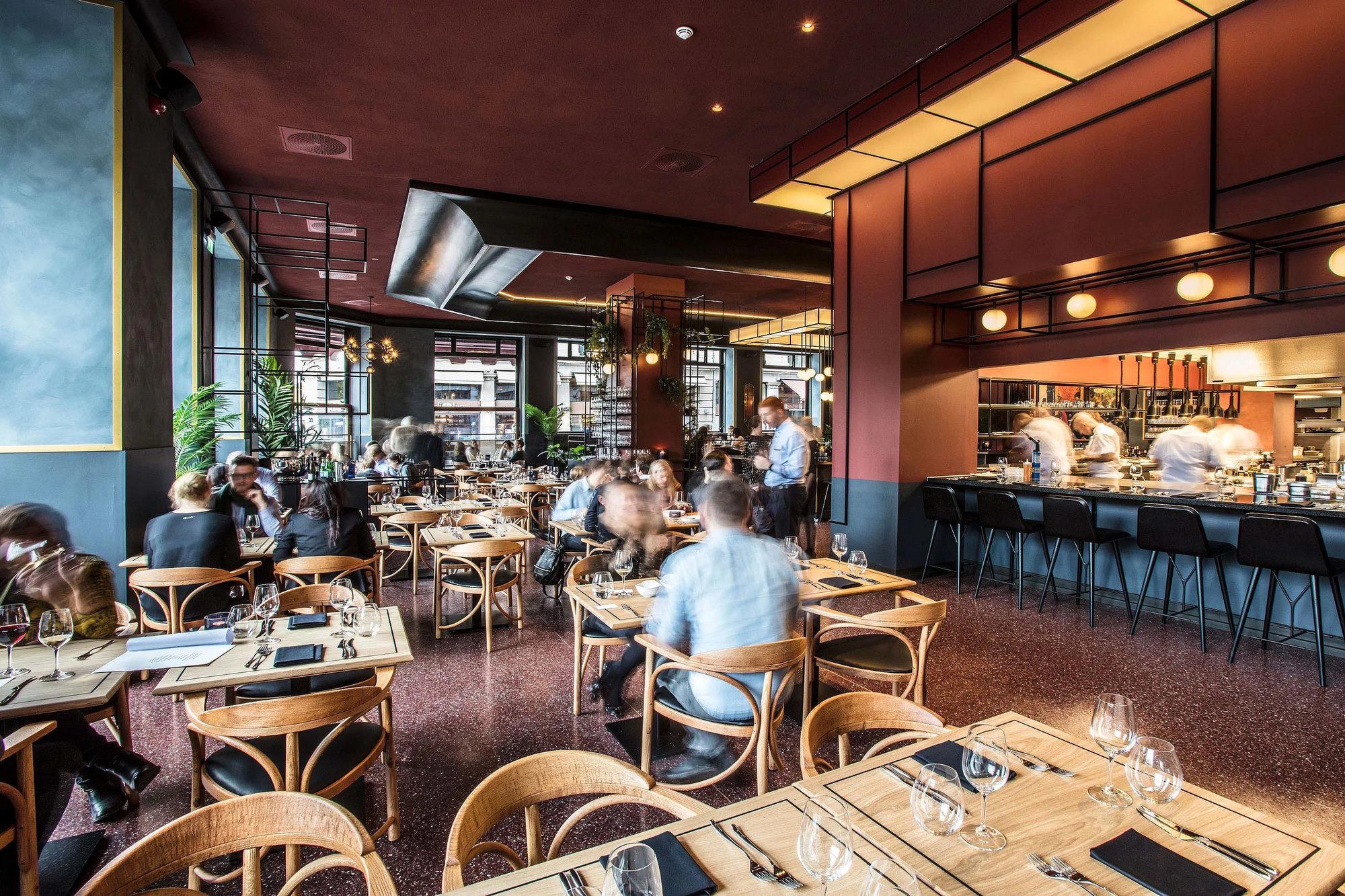
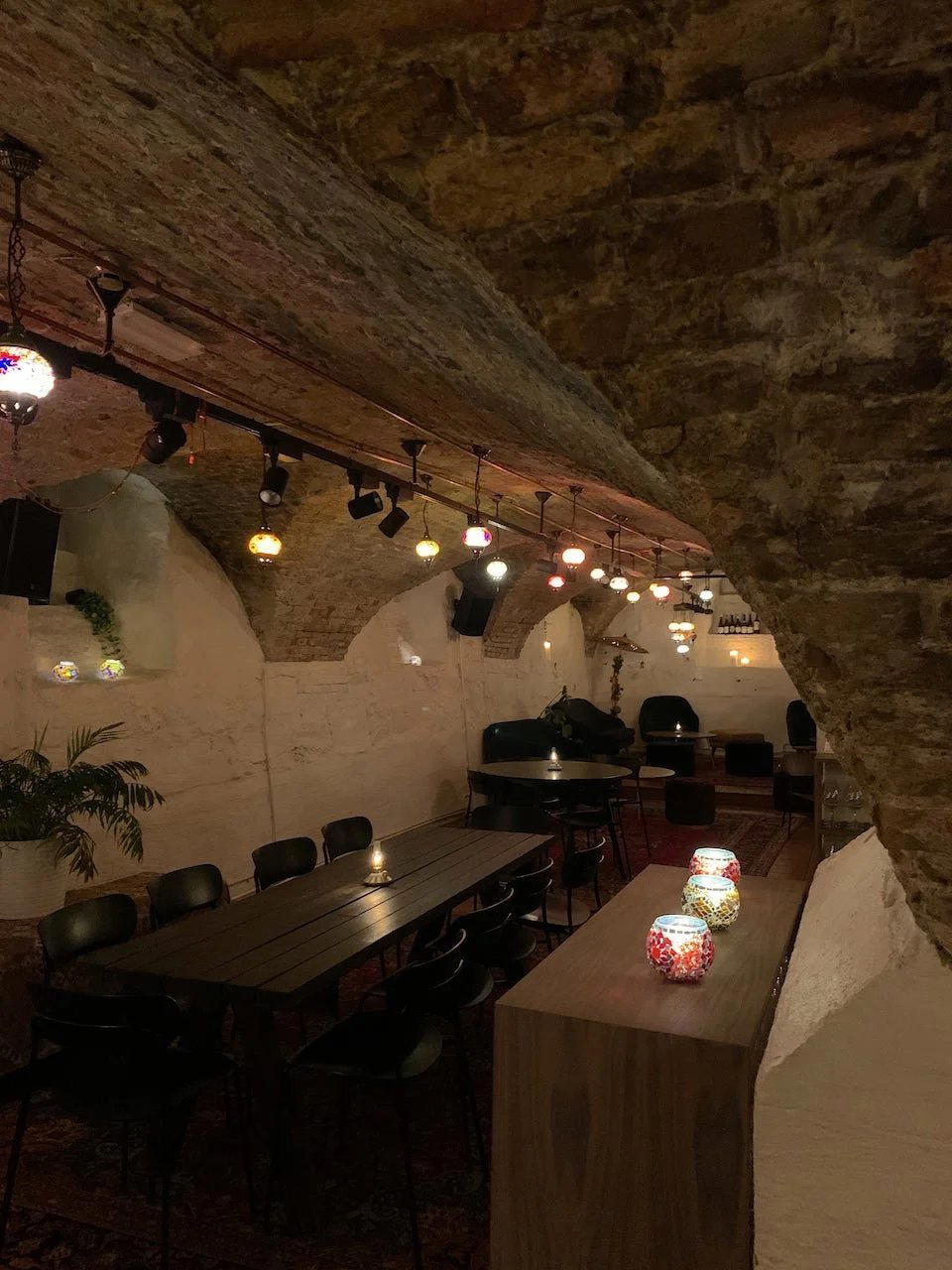
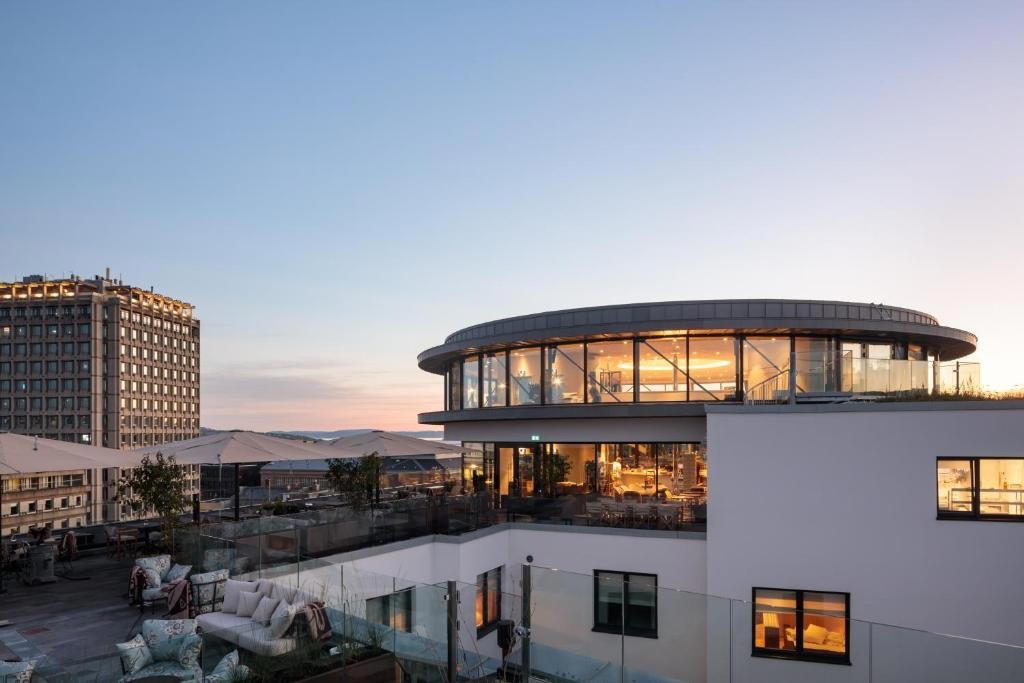
Elegant yet relaxed Scandinavian design with warm wooden floors, grey furnishings, and chic lounge areas; superb waterside terrace with moody ambient music creates a sophisticated but approachable atmosphere.