
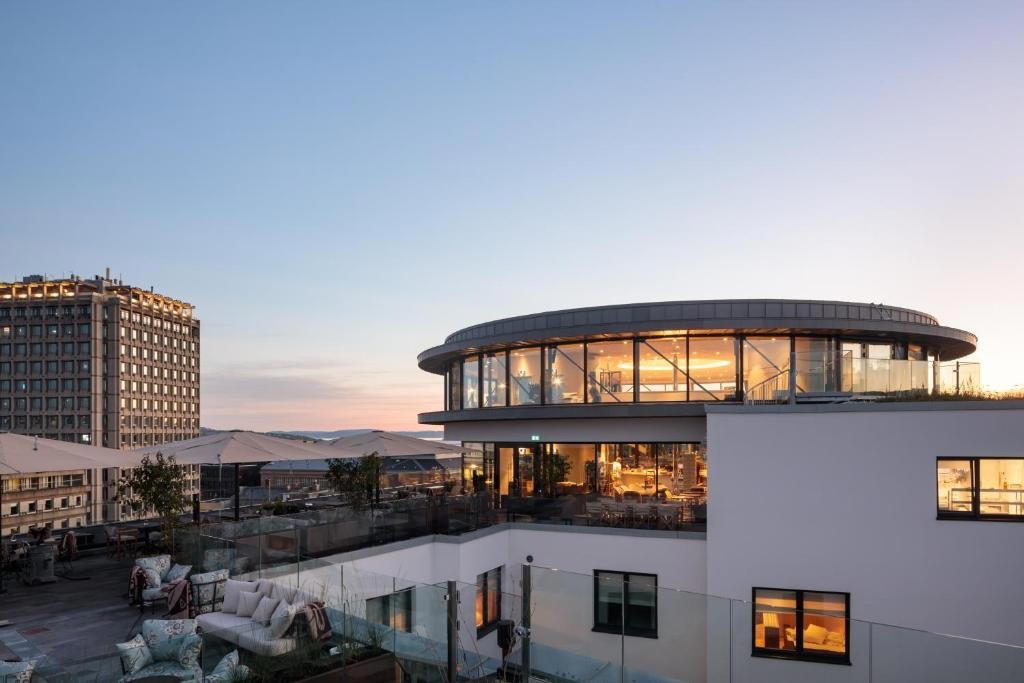
A Michelin Selected hotel occupying a converted theatre building on Stortingsgata, Hotel Christiania Teater sits in Oslo's civic core, a short walk from the National Theatre and the Royal Palace grounds. The address places it among the city's most historically layered accommodation options, where architectural heritage and central positioning carry more weight than square footage alone.
Pearl is the En Primeur Club membership app — saves, bookings, and concierge access live there. Same editors, same standards.
- Address
- Stortingsgata 16, 0161 Oslo, Norway
- Phone
- +47 21 04 38 00
- Website
- christianiateater.com
- Directions
- Get directions
 Saves & bookings on Pearl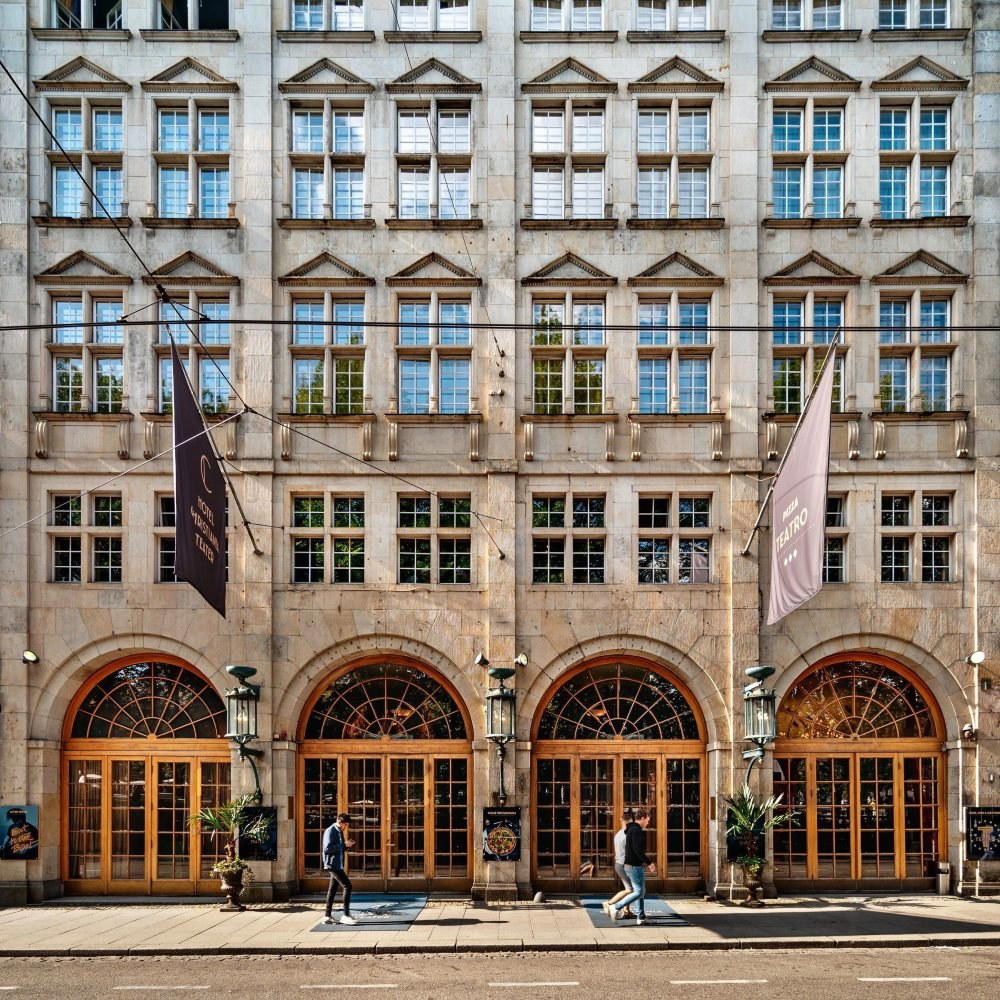
A Theatre Converted, a City Distilled
Stortingsgata 16 is not a quiet address. The street runs parallel to Karl Johans gate, Oslo's ceremonial spine, and the building that houses Hotel Christiania Teater was purpose-built for performance before it became accommodation. That origin matters architecturally. Converted theatre buildings in European city centres tend to carry proportions that purpose-built hotels rarely match: high ceilings, grand public volumes, and a relationship between interior and urban street that was designed to be seen. Oslo has accumulated a small number of hotels in this category, and Christiania Teater belongs to the cohort defined more by its physical envelope than by its room count or brand affiliation.
The neighbourhood context reinforces the point. The National Theatre sits nearby, and the Royal Palace grounds are within easy walking distance, placing the hotel inside the stretch of Oslo where nineteenth-century civic ambition is most legible in stone and plaster. This part of the city was developed during the period when Christiania (the city's name until 1925) was asserting itself as a capital in the modern sense, and the architecture reflects that self-consciousness. Staying here means sleeping inside that argument, which is a different proposition than staying in a contemporary tower or a waterfront design hotel.
Where It Sits in Oslo's Hotel Order
Oslo's accommodation market has fragmented over the past decade into recognisably distinct tiers and typologies. At one end, large-format international hotels occupy the business and convention segment. At the other, a smaller cohort of design-conscious independents and conversion projects competes on atmosphere and address rather than scale. Hotel Christiania Teater holds a Michelin Selected designation in the 2025 guide, which places it inside the latter group: properties the Michelin editors consider worth flagging for travellers who prioritise character and location over loyalty points. It is a 4-star hotel in Oslo with 102 rooms, and rates start from about $185 per night.
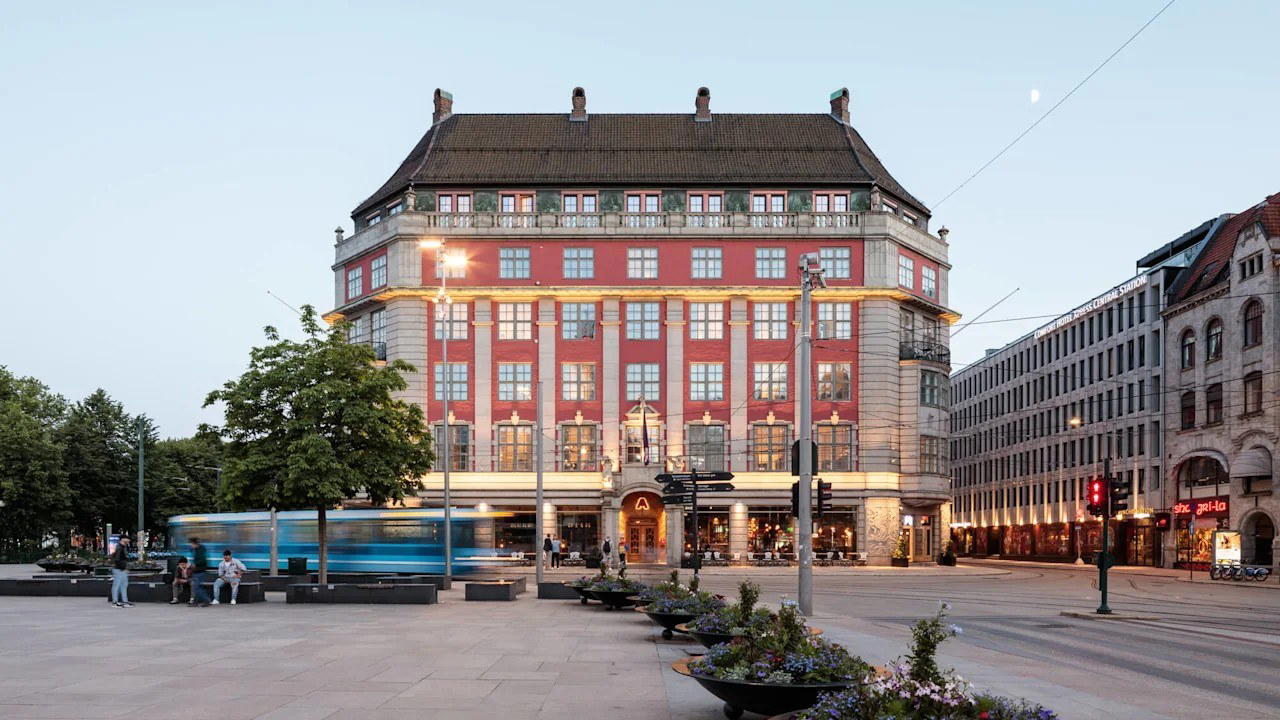
The Michelin Selected classification in hotels operates differently from the restaurant star system. It signals editorial endorsement without tiering, meaning the guide's inspectors judged the property worth including but did not rank it against peers. That framing is useful context: the designation tells you the property cleared a quality threshold, not that it sits at the apex of Oslo's hotel market. Peer properties in the Oslo Michelin hotel selection include Amerikalinjen, the converted American Line shipping headquarters in the Vika district, and Sommerro, a large-scale restoration of a 1930s functionalist power station in Frogner. Each of these properties derives its identity from a specific building history, and Christiania Teater belongs to that same conversion-led logic.
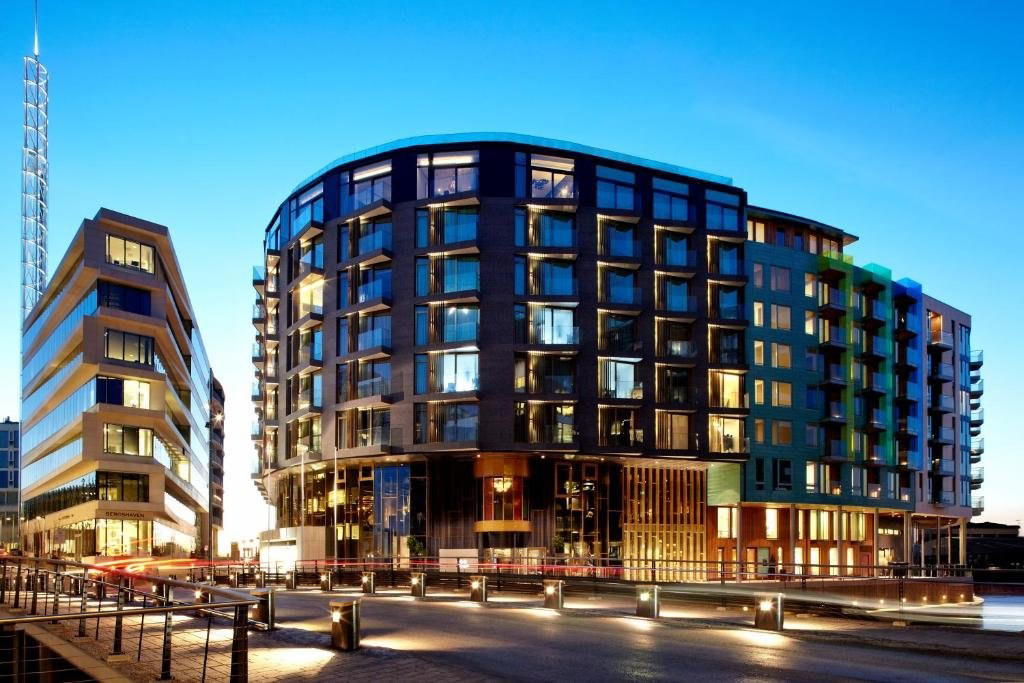
Further along Oslo's hotel spectrum, THE THIEF on Tjuvholmen occupies the contemporary art-hotel register, while Hotel Continental on Stortingsgata represents the long-established grand hotel format, and Radisson Blu Oslo Plaza serves the high-capacity business end. Christiania Teater competes with none of these directly. Its natural comparable set is the smaller pool of historically grounded city-centre properties where the building's biography is part of what a guest pays for.
The Architectural Case for Conversion
Theatre conversions across European capitals have produced particularly spatially interesting hotels of the past two decades. The challenge in any conversion of this type is preserving enough of the original programme to signal heritage while making the spatial experience liveable at a residential scale. Lobbies and public areas tend to benefit most directly from theatrical proportions; guest rooms require a more considered translation, because the stage and auditorium volumes that create drama in common spaces can work against the intimacy that sleeping rooms require.
Oslo's built fabric includes relatively few buildings of this typological category in active use as hotels, which means Christiania Teater occupies a specific architectural niche in the city's accommodation offer. The address on Stortingsgata puts it in immediate proximity to two of Oslo's most significant civic buildings, creating a density of institutional architecture that has no equivalent elsewhere in the city centre. For travellers whose sense of place is calibrated by urban fabric rather than waterfront views or neighbourhood cool, this concentration is the point.
Planning a Stay
The hotel's address at Stortingsgata 16 places it within walking distance of Oslo's central station, the Aker Brygge waterfront, and the main museum cluster. The National Theatre T-bane station is the closest metro stop, connecting to the airport express line at Nationaltheatret station, which makes transfers manageable without a taxi. For travellers arriving by train from Bergen, Stavanger, or the north, Oslo S is a short walk or one stop by metro.
The Michelin Selected status suggests the property operates at a level consistent with the broader Oslo upscale independent market, though travellers should verify specifics before committing.
For those building a longer Norwegian itinerary around architecturally interesting accommodation, the country offers considerable range beyond Oslo. Opus XVI in Bergen occupies a heritage building in the Bryggen-adjacent district. Hotel Union Øye in Norangsfjorden represents the nineteenth-century grand hotel format in a fjord setting. For landscape-first experiences, Juvet Landscape Hotel in Valldal operates at the opposite end of the typological spectrum from urban conversion projects. Further afield, Aurora Lodge in Tromsø and Manshausen in the Nordland archipelago address a different kind of Nordic travel entirely.
Internationally, the theatre-conversion hotel format appears in properties like The Fifth Avenue Hotel in New York City and grand civic properties like Hôtel de Paris Monte-Carlo and Badrutt's Palace Hotel in St. Moritz, each of which derives authority from a specific building moment in its city's history. Christiania Teater belongs to that same tradition, on a smaller and more specifically Norwegian scale.
Side-by-Side Snapshot
Comparable venues nearby, for context on price, style, and recognition.
| Venue | Cuisine | Price | Awards | Notes |
|---|---|---|---|---|
| Hotel Christiania TeaterThis venue — the venue you are viewing | Historic Nordic Neo-Renaissance theater converted to luxury boutique hotel with contemporary design sensibility | $$$ | 4-Star | Not listed |
| Radisson Blu Oslo Plaza | Contemporary high-rise landmark with Scandinavian design sensibility and state-of-the-art technology. | $$$ | 4-Star | Vaterland |
| Scandic Go Grensen | Compact, urban economy hotel positioned for price‑conscious city travellers in Oslo’s core shopping and entertainment district. | $ | 3-Star | Oslo city center |
| THE THIEF | Contemporary luxury boutique hotel positioned as a lifestyle destination combining Scandinavian design with international wellness culture. | $$$$ | 5-Star | Aker Brygge |
| Amerikalinjen | Historic boutique hotel blending maritime heritage with contemporary elegance. | $$$$ | Michelin 1 Key | St. Hanshaugen |
| Sommerro | Luxury heritage hotel blending restored 1930s Art Deco architecture with contemporary design in Oslo's elegant Frogner neighborhood. | $$$$ | Michelin 1 Key | Ruselokka |
Recognition history
Dated appearances from independent guides and award organizations, with the underlying list record or original source where available.
Michelin Selected
Michelin
Continue exploring
More in Oslo
Hotels in Oslo
Browse all →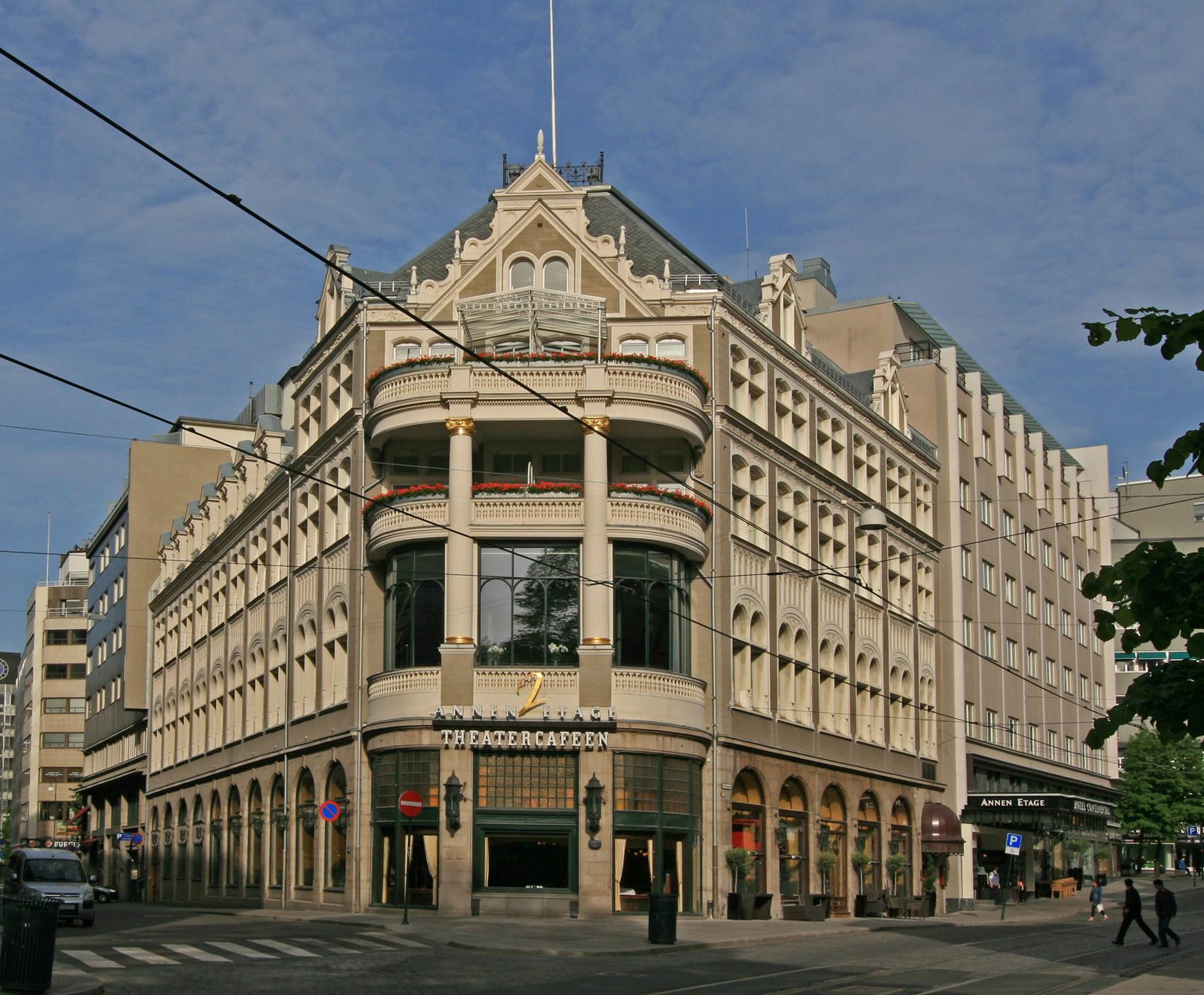
At a Glance
- Well Known
- Elegant
- Sophisticated
- Historic
- Business Trip
- Weekend Escape
- Romantic Getaway
- Historic Building
- Design Destination
- Private Dining
- Wi Fi
- Restaurant
- Bar
- Room Service
- Concierge
- Business Center
- Meeting Rooms
- Street Scene
- Wi Fi
- Restaurant
- Bar
- Room Service
- Concierge
- Business Center
- Meeting Rooms
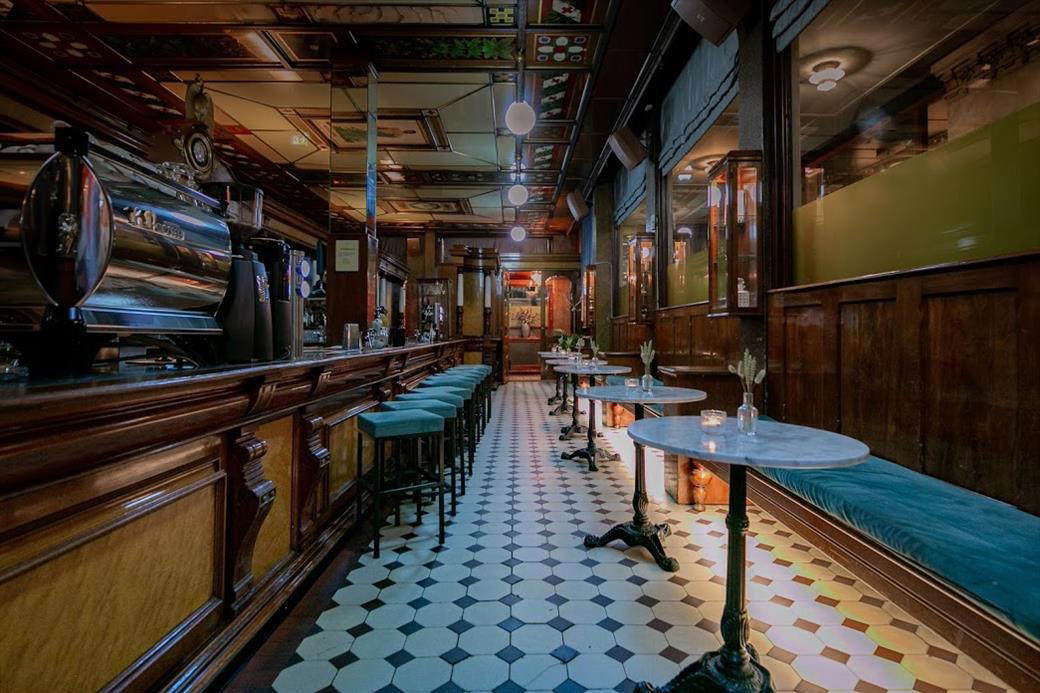
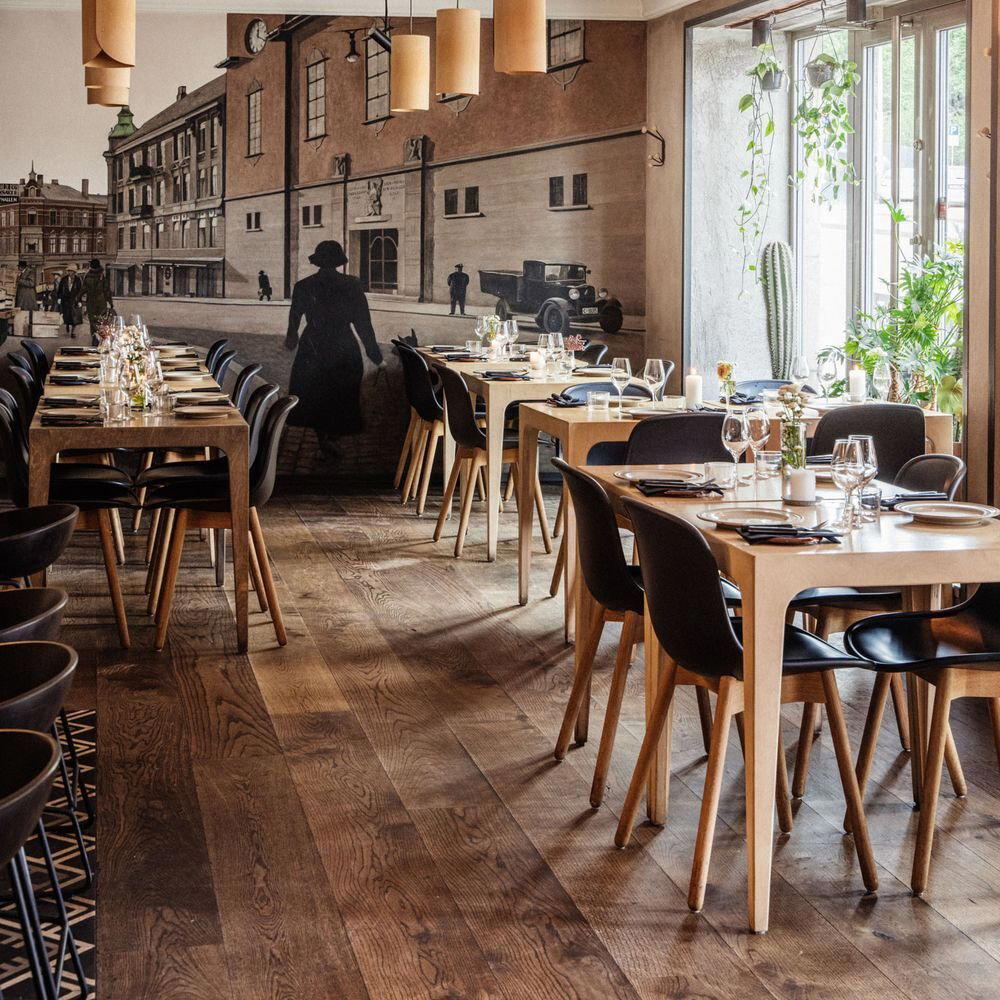
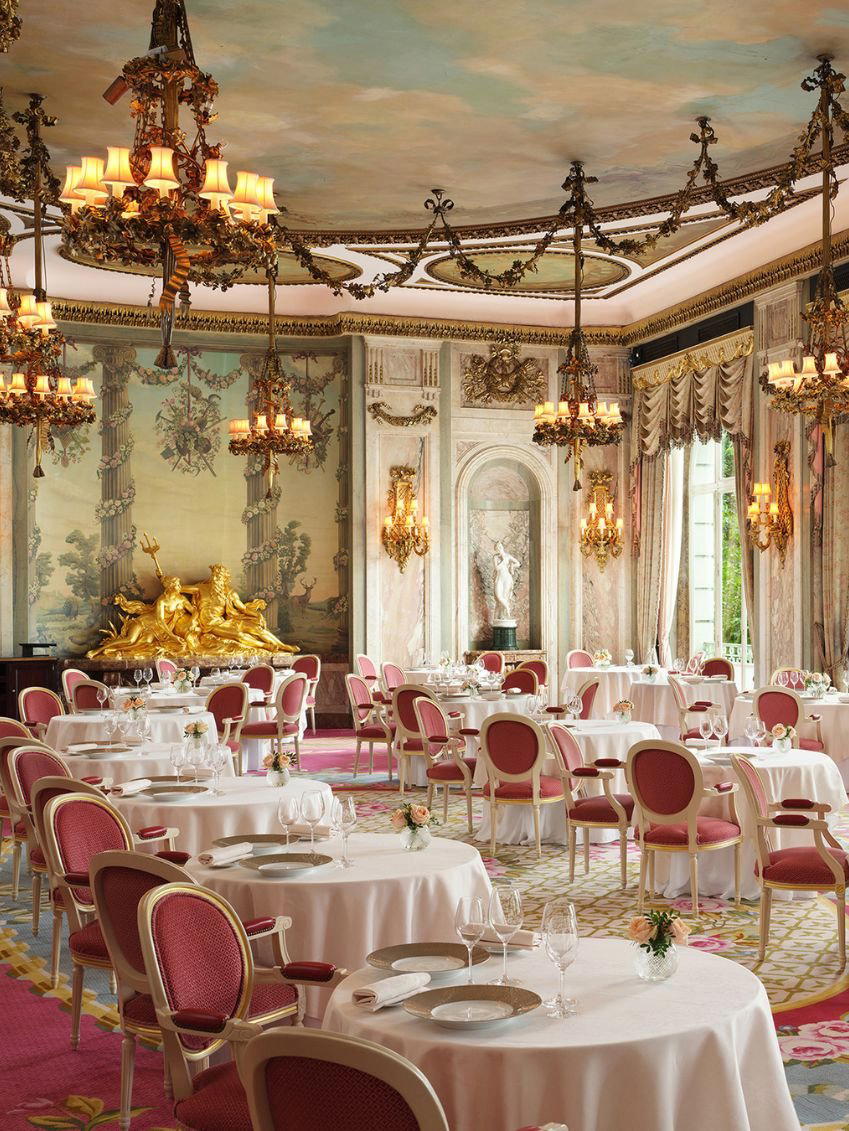
Contemporary design with ornamental details and historical awareness, blending modern luxury with the building's storied theatrical past; sophisticated yet welcoming atmosphere.