Our verdict
Enoteca on Bygdøy allé sits in one of Oslo's quieter residential corridors, where the city's appetite for Italian wine culture and produce-led cooking finds a more measured expression than the tasting-menu circuit. The address places it among neighbourhood regulars rather than destination tourists, and that civic grounding shapes both the wine list and the kitchen's point of view.

Pearl is the En Primeur Club membership app — saves, bookings, and concierge access live there. Same editors, same standards.
- Address
- Bygdøy allé 59, 0265 Oslo, Norway
- Phone
- +4723270927
- Hours
- Mon ClosedTue–Sat 4 PM–12 AMSun Closed
- Website
- enoteca.no
- Directions
- Get directions
- Booking
- Book on the venue's website
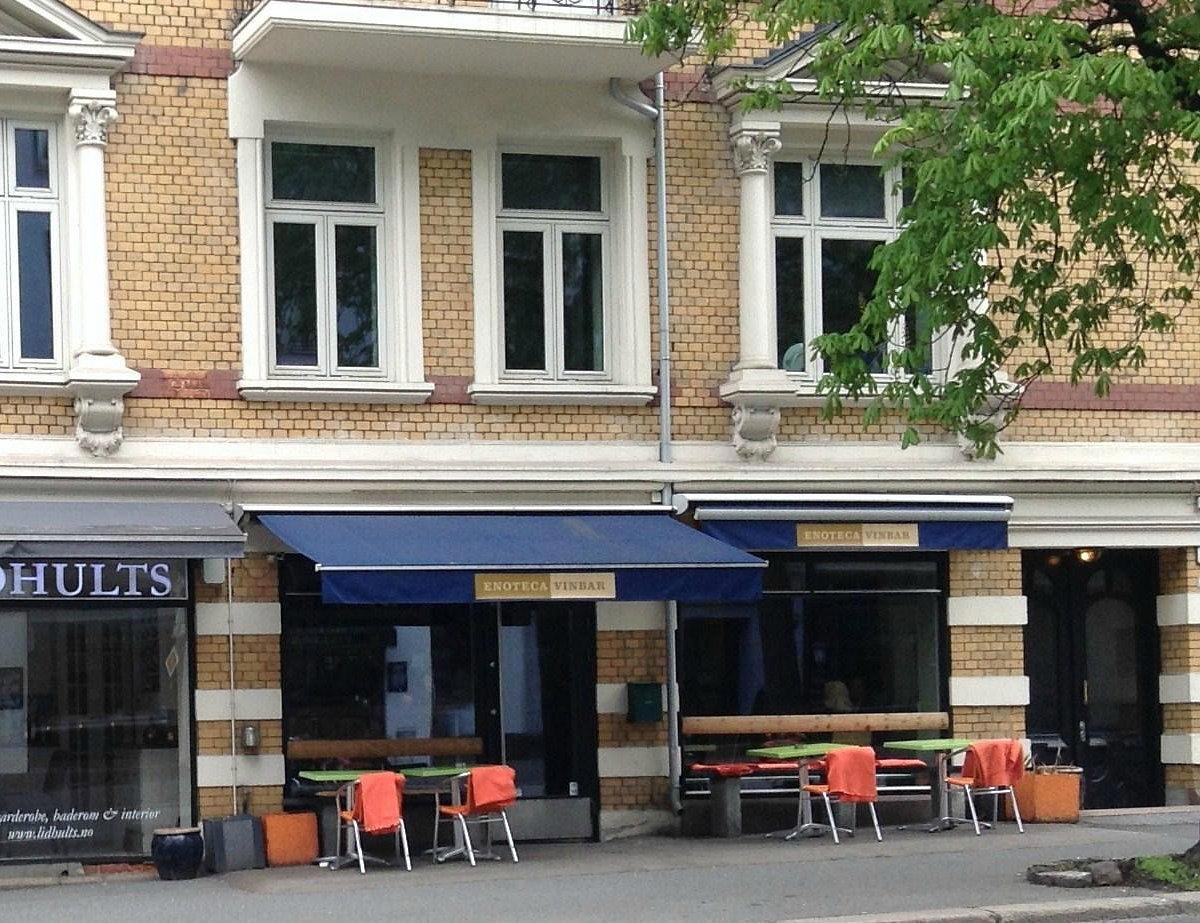
Bygdøy allé and the Italian Wine Tradition in Oslo
Oslo's wine bar scene has matured considerably over the past decade, splitting into two broad camps: large central-city operations built around spectacle and volume, and smaller neighbourhood addresses where the wine list does the editorial work. Bygdøy allé 59 belongs to the second category. The street runs through Frogner, one of Oslo's more settled residential districts, where the dining culture tends toward consistency over novelty. An enoteca format in this context is a deliberate choice: it signals a commitment to the Italian model of wine-as-anchor rather than wine-as-afterthought, where the bottle organises the meal rather than accompanies it.
The Italian enoteca tradition has particular resonance in Nordic cities because it provides a structural counterpoint to the New Nordic school. Where restaurants like Maaemo and Kontrast have defined Oslo's international reputation through hyper-local ingredient sourcing and tasting-menu formats, wine-led Italian-inflected addresses operate on a different axis entirely: the reference points are Mediterranean, the rhythm is more relaxed, and the guest is expected to linger rather than progress through a curated sequence.
Local Ingredients, Mediterranean Method
The intersection of imported technique and Norwegian produce is a recurring tension in Oslo dining, and it plays out differently depending on the kitchen's primary reference point. Nordic fish cookery, for instance, shares a logic with Italian crudo traditions: restraint, quality of raw material, minimal intervention. Norwegian coastal producers, supplying some of Europe's cleanest cold-water seafood, translate naturally into preparations that Italian technique handles well. The same applies to dairy, root vegetables, and foraged ingredients that appear across Norwegian seasons.
Oslo's more thoughtful wine-and-food addresses have understood this for some time. Rather than importing the Mediterranean wholesale, the better operators adapt: Italian structural principles applied to Norwegian seasonal availability. The result is a kitchen language that reads as coherent rather than confused, where the method is European but the larder is local. This is a materially different approach from the creative Nordic experimentation at Bar Amour or the sharper price-and-format proposition at Hot Shop, but it occupies a necessary position in the city's dining range.
For context across Norwegian dining more broadly, the same local-ingredient-plus-imported-technique dynamic appears at RE-NAA in Stavanger, Lysverket in Bergen, and at the far end of the ambition spectrum, Under in Lindesnes. Each handles the tension differently. Enoteca's address and format suggest the wine-bar register rather than the tasting-menu one, which means the trade-off between local and imported resolves toward accessibility and repeatability rather than singular intensity.
The Frogner Address and What It Implies
Neighbourhood positioning matters for how a venue functions across a week. Frogner draws a local residential clientele that returns regularly rather than a flow of first-visit destination diners. This shapes the economics differently from a central city operation: regulars demand depth in the wine list and seasonal movement in the food offering rather than a fixed showpiece menu. It is a more demanding audience in some respects, and a more forgiving one in others.
The Bygdøy allé corridor has enough residential density to support serious food and wine operations without relying on tourist traffic. This distinguishes it from addresses closer to the waterfront or Aker Brygge, where the guest mix skews toward visitors who book once and move on. A wine-led address at this postcode survives on repeat visits, which means the list must evolve and the kitchen must rotate. In Oslo terms, this is closer to the French neighbourhood bistro model than the Nordic tasting-menu circuit. Comparisons to Mon Oncle, which operates in a similar Franco-European register, are instructive for understanding where Enoteca sits in the city's informal dining tier.
Wine List as Editorial Statement
The enoteca model, as it functions across Italy and in its better international interpretations, treats the wine list as the primary editorial document. Food exists to serve the wine rather than the other way around. This is a structurally different proposition from a restaurant with a wine program, and the difference matters for how guests should approach the booking. The question is not which dish pairs with what, but which bottle anchors the meal and what the kitchen offers to support it.
In Oslo's price context, Italian wine at this neighbourhood tier sits below the €€€€ bracket occupied by Maaemo and Kontrast. The enoteca format across European cities typically delivers serious drinking at mid-market food pricing, which makes it a more accessible entry point into the city's quality dining without the commitment of a tasting menu. Norway's alcohol pricing structure, driven by the Vinmonopolet import model, means that wine costs more at retail than in most European markets, so a venue with buying intelligence and careful markup management offers measurable value to guests who know what they are looking at.
The Norwegian fine dining circuit extends well beyond Oslo, and guests spending time elsewhere in the country should note the quality clustering at addresses like Speilsalen in Trondheim, Glime Restaurant in Hardanger Fjord, MiraBelle by Ørjan Johannessen in Bekkjarvik, Restaurant 1893 in Stokmarknes, Vianvang in Vågå, Buer Restaurant in Odda, and Lily Country Club in Kløfta. For a full orientation to Oslo's dining options across formats and price points, the EP Club Oslo guide covers the city's range in detail.
For international comparisons in the wine-and-technique register, the gap between an address like Enoteca and the top tier of European and American fine dining, represented by operations such as Le Bernardin in New York City or the collaborative-format approach of Lazy Bear in San Francisco, is instructive for calibrating expectations. The neighbourhood wine bar operates at a different scale of ambition and a different price register, and that is precisely its function.
Planning a Visit
Enoteca is at Bygdøy allé 59 in Frogner, reachable by tram from central Oslo in under fifteen minutes. As a neighbourhood address rather than a destination booking, walk-in availability tends to be more generous than at Oslo's tasting-menu operations, though evenings later in the week fill with regulars. The Frogner district rewards an early evening arrival that allows time before or after for the neighbourhood itself, which has its own concentration of independent retail and café culture along the allé.
Frequently asked questions
What's Enoteca's location?
Enoteca is located at Bygdøy allé 59, 0265 Oslo, Norway, Oslo.
Is Enoteca in Oslo's Frogner neighbourhood worth visiting if I'm staying in the city centre?
Frogner is reachable from central Oslo by tram in under fifteen minutes, which makes a deliberate trip to Bygdøy allé 59 logistically straightforward. The neighbourhood operates on a residential rhythm rather than a tourist-facing one, which changes how the room feels on any given evening. For visitors specifically interested in wine-led dining rather than destination-restaurant theatre, that distinction is the point.
What should I order at Enoteca?
The wine list is the primary draw at Bygdøy allé 59, so the stronger approach is to anchor your visit around a bottle and let the kitchen follow. The enoteca model across Italy and its better international iterations treats food as a companion to wine rather than the reverse, and that logic applies here. Ask the floor what is pouring well that evening and work from there.
How far ahead should I plan for Enoteca?
Enoteca sits in Frogner, a residential Oslo neighbourhood that draws a loyal returning clientele rather than transient tourist traffic. That pattern tends to fill midweek slots steadily without the acute weekend bottleneck common to central-city venues. Booking a few days ahead is sensible for weekend evenings; weeknight visits allow more flexibility.
What's Enoteca best at?
The wine list is where Enoteca makes its argument. In Oslo's wine bar scene, the enoteca format positions the bottle selection as editorial content in its own right, not a supporting document to a food menu. Frogner regulars return for that consistency rather than rotating seasonal spectacle.
Can Enoteca handle vegetarian requests?
The Italian wine bar format, as practised across the enoteca tradition, typically supports vegetable-forward antipasti and cheese-led plates that accommodate plant-based diners without requiring substitutions. That said, specific current menu composition at Bygdøy allé 59 is best confirmed directly with the venue before your visit.
Same-City Peers
Comparable venues nearby, for context on price, style, and recognition.
| Venue | Cuisine | Price | Awards | Notes |
|---|---|---|---|---|
| EnotecaThis venue — the venue you are viewing | Authentic Italian Pizza and Pasta | $30–50 | Not listed | Not listed |
| Rugantino Oslo | Authentic Roman Trattoria | $30–50 | Not listed | Youngstorget |
| Trattoria Popolare | Rustic Italian Trattoria | $20–30 | Star Wine List | Enerhaugen |
| Arno | Authentic Italian | Not listed | Not listed | Fredensborg |
| Teatro | Modern Italian Pizza | $20–30 | Star Wine List · Wine Spectator Best of Award of Excellence | Vika |
| Ruffino | Authentic Italian Trattoria | $50–100 | Not listed | Ruselokka |
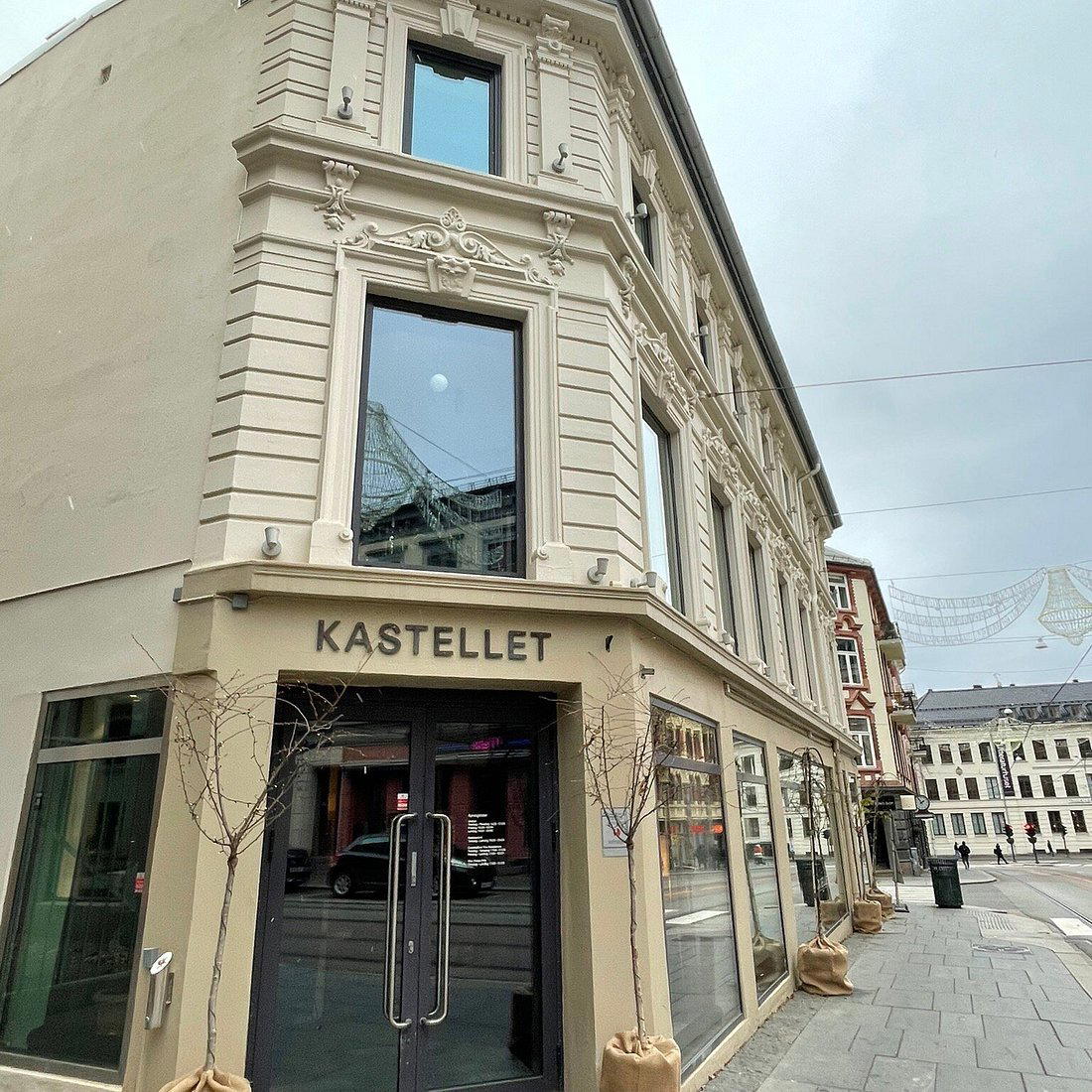
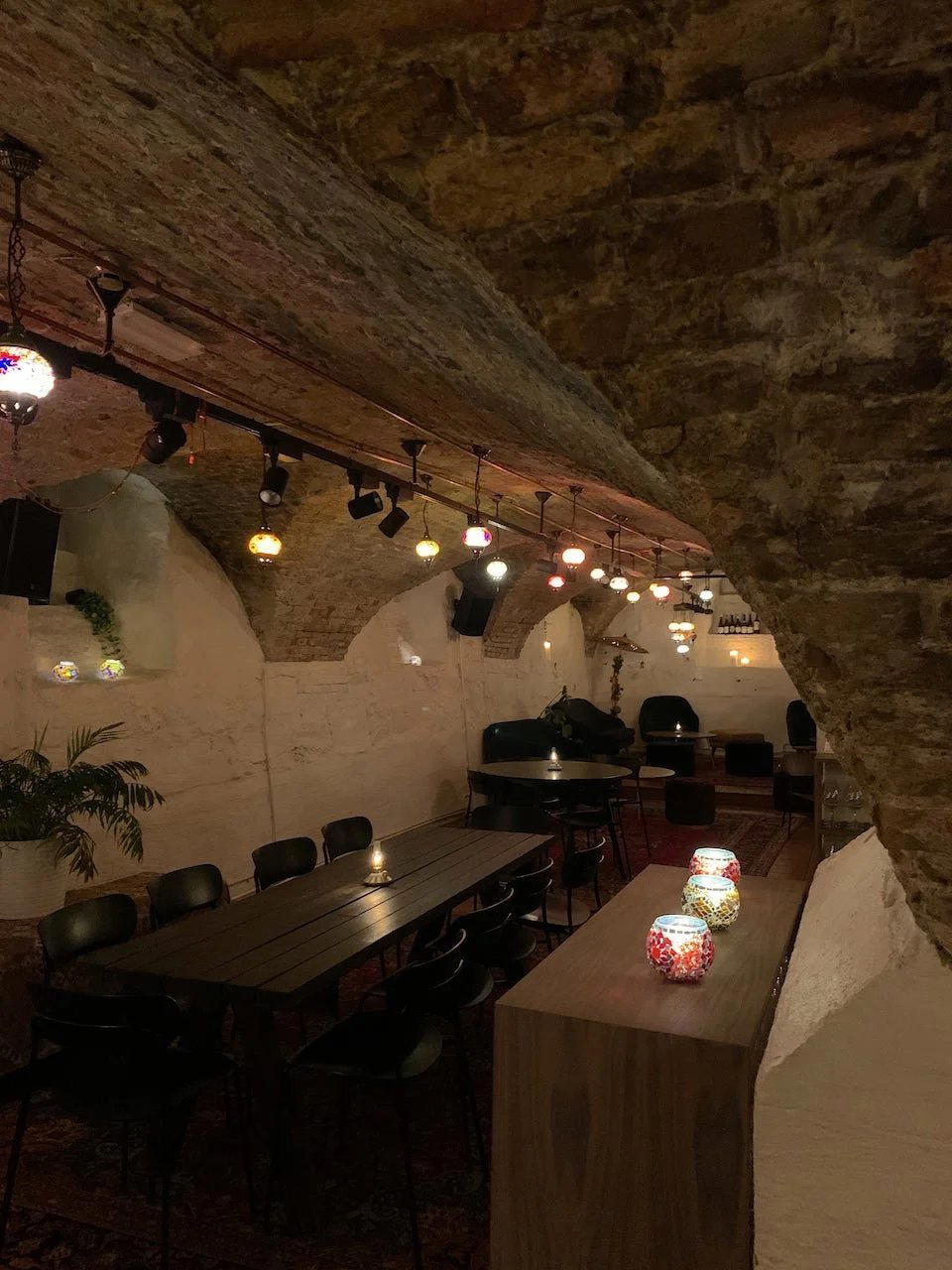
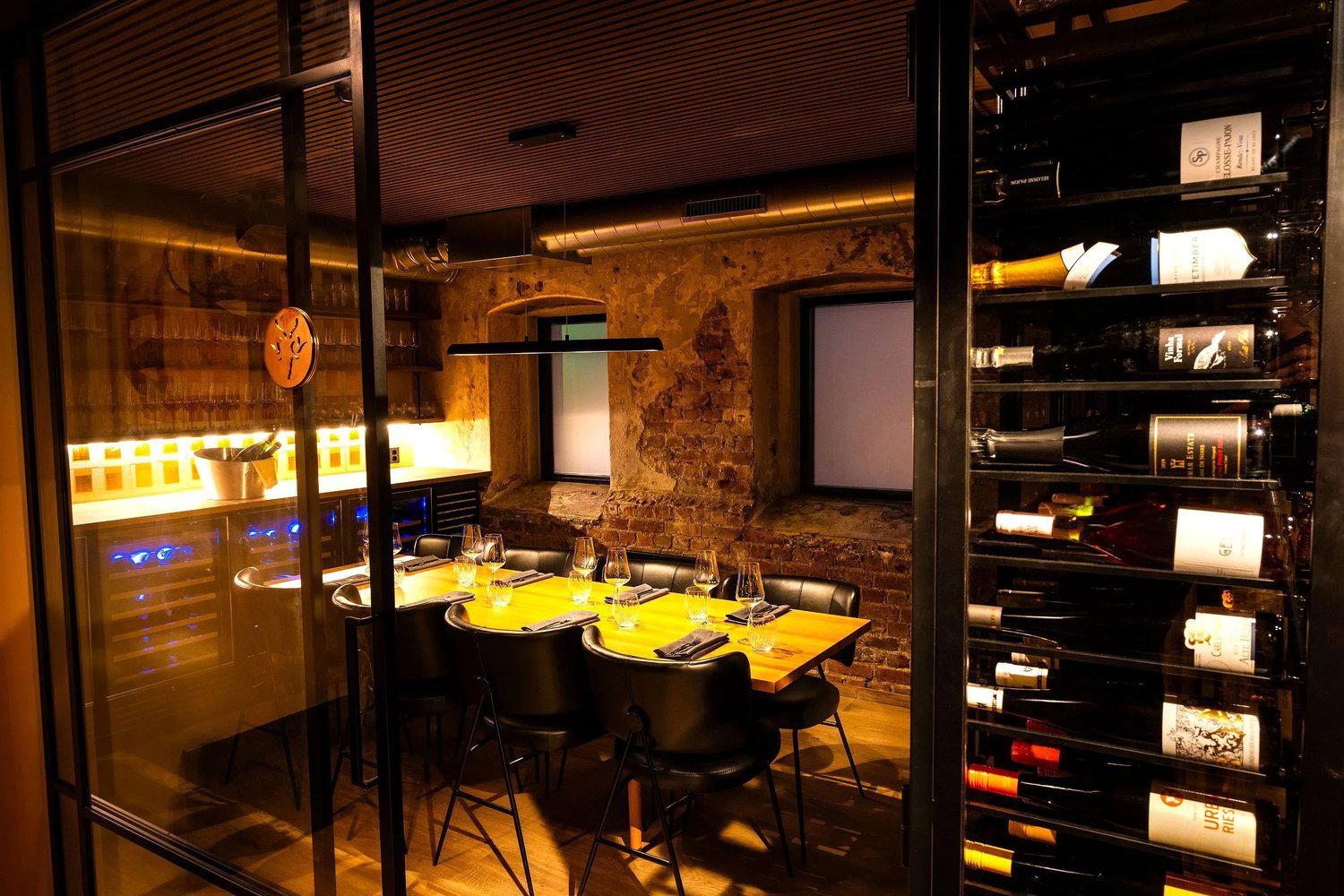
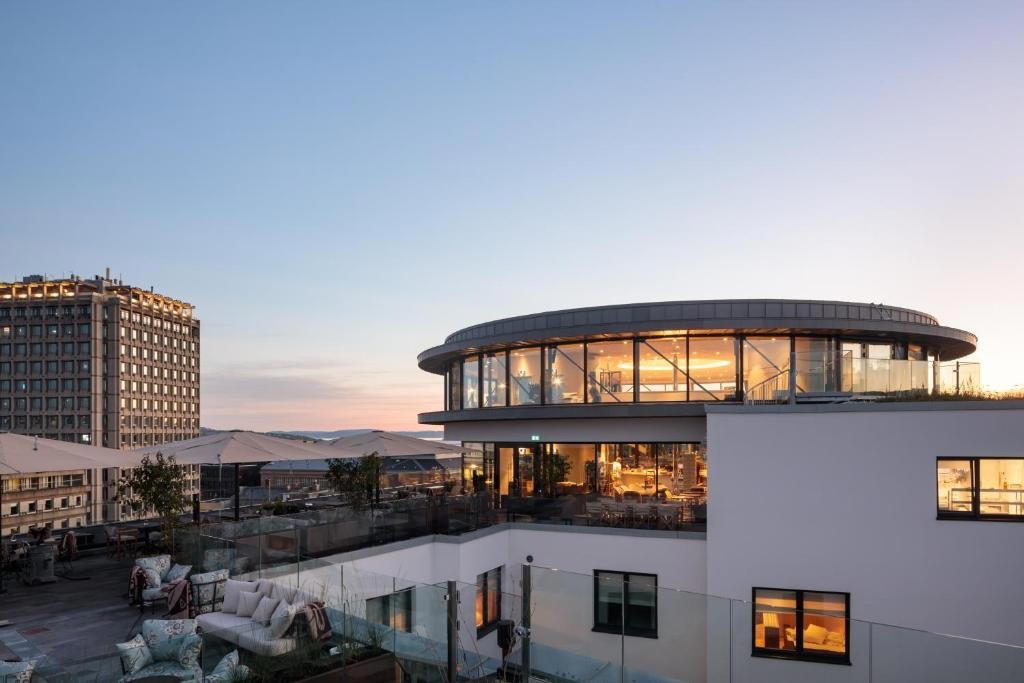
Details
- Cozy
- Intimate
- Classic
- Date Night
- Casual Hangout
- Late Night
- Wine Cellar
- Extensive Wine List
- Local Sourcing
- A La Carte
- Small Plates
- Wine
- Vegetarian Friendly
- Gluten Free Options
Current opening hours
- Monday
- Closed
- Tuesday
- 4 PM–12 AM
- Wednesday
- 4 PM–12 AM
- Thursday
- 4 PM–12 AM
- Friday
- 4 PM–12 AM
- Saturday
- 4 PM–12 AM
- Sunday
- Closed
Hours can change for holidays and private events. Last verified .
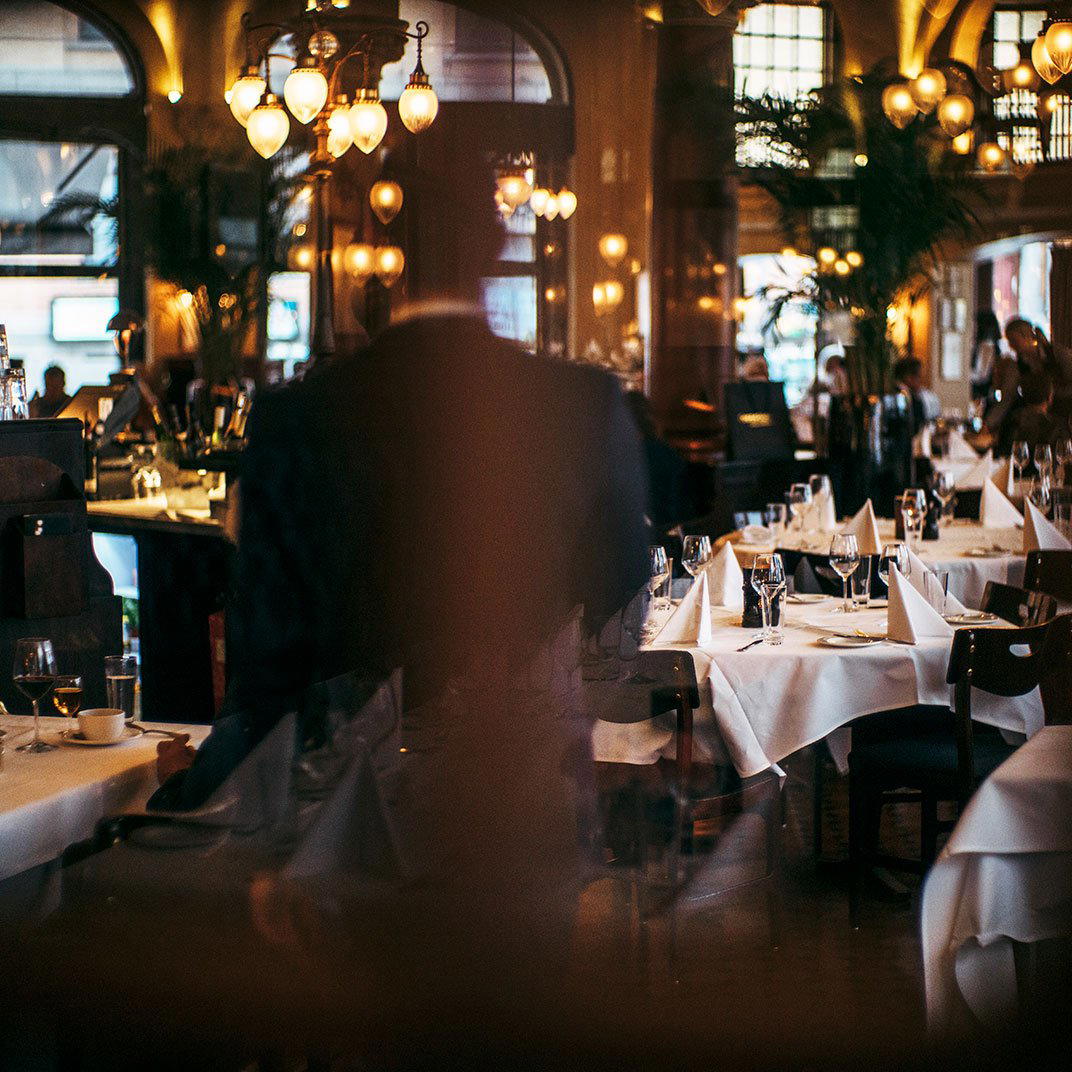
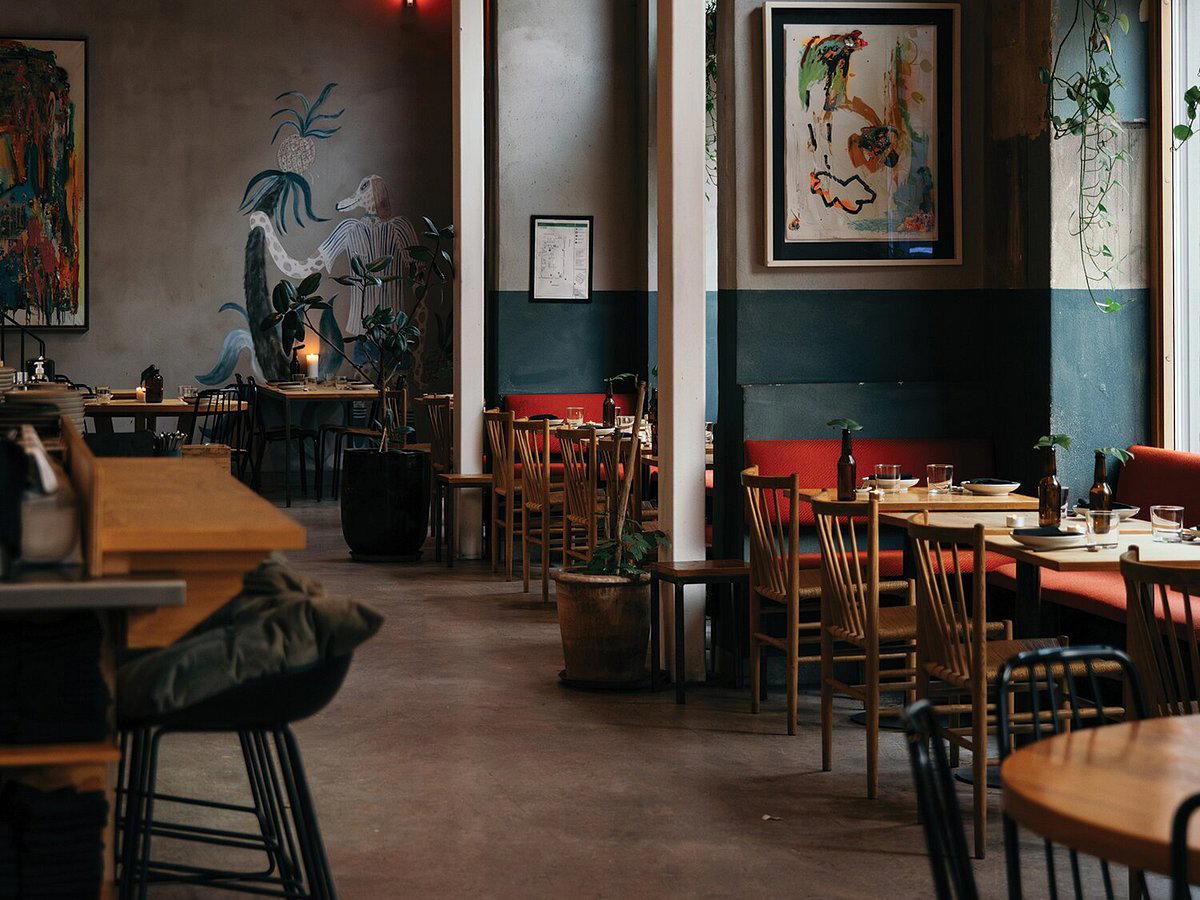
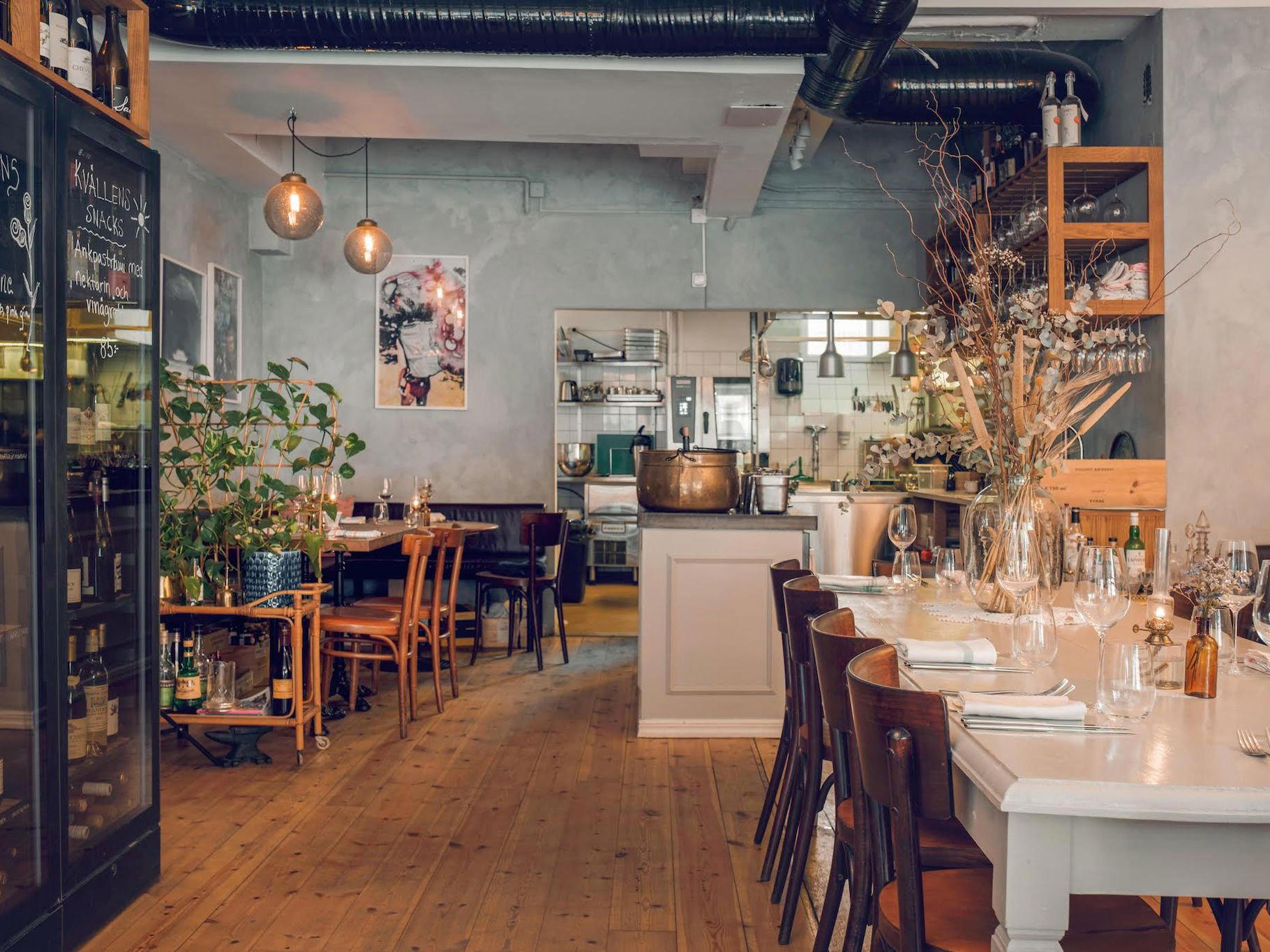
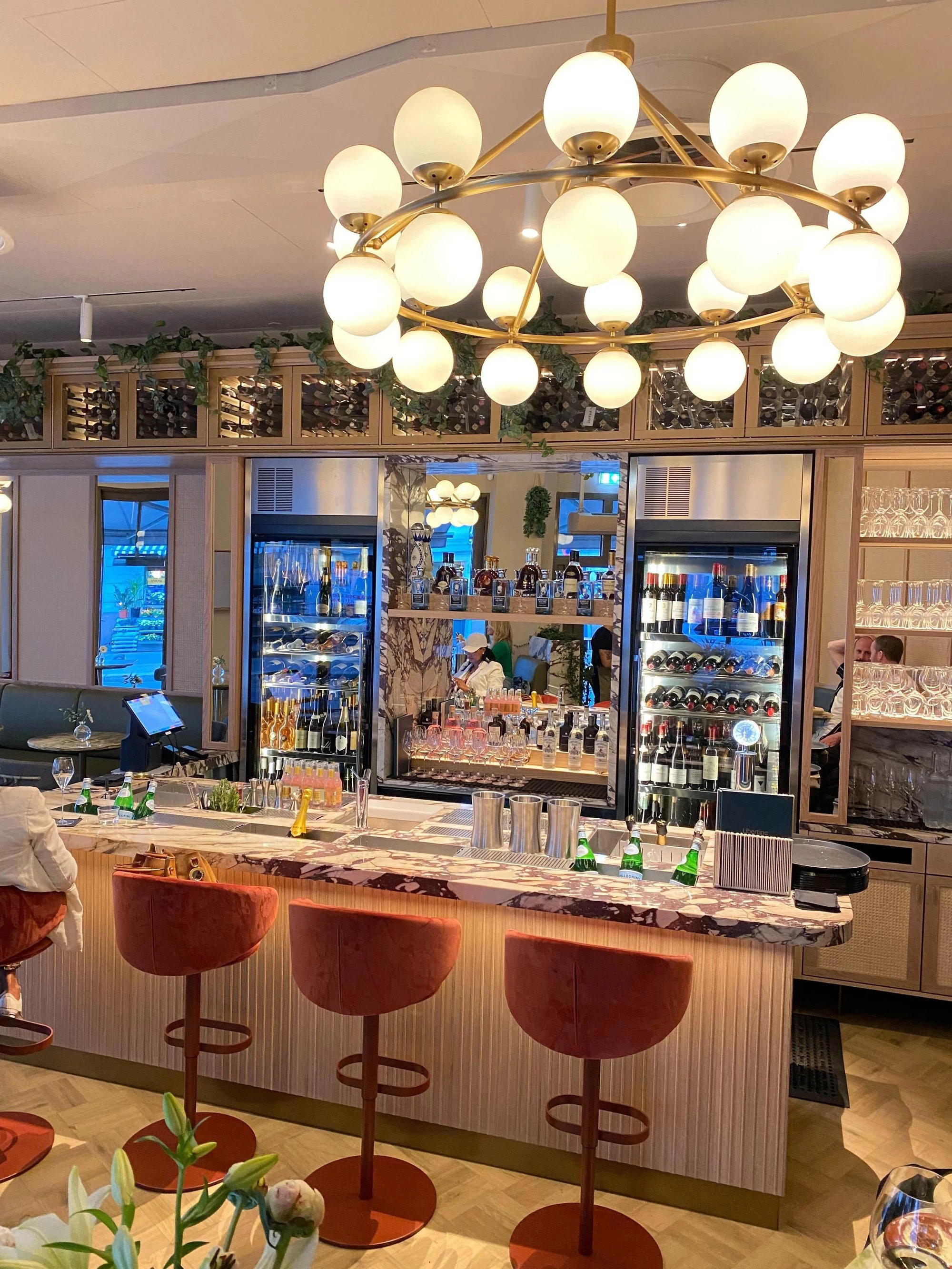
Warm and inviting with a cozy, welcoming atmosphere ideal for wine lovers.