
Gaptrast earned a Michelin star in 2025 under chef Martin Gehrlein, placing it among Bergen's most closely watched modern cuisine addresses. Located at Baneveien 16, the restaurant operates at the €€€€ price point and draws from the West Norwegian larder with the precision you'd expect at this recognition level. Early reception has been sharp.
Pearl is the En Primeur Club membership app — saves, bookings, and concierge access live there. Same editors, same standards.
- Address
- Baneveien 16, 5010 Bergen, Norway
- Phone
- +47 90 78 50 22
- Website
- gaptrast.no
- Directions
- Get directions
 Saves & bookings on Pearl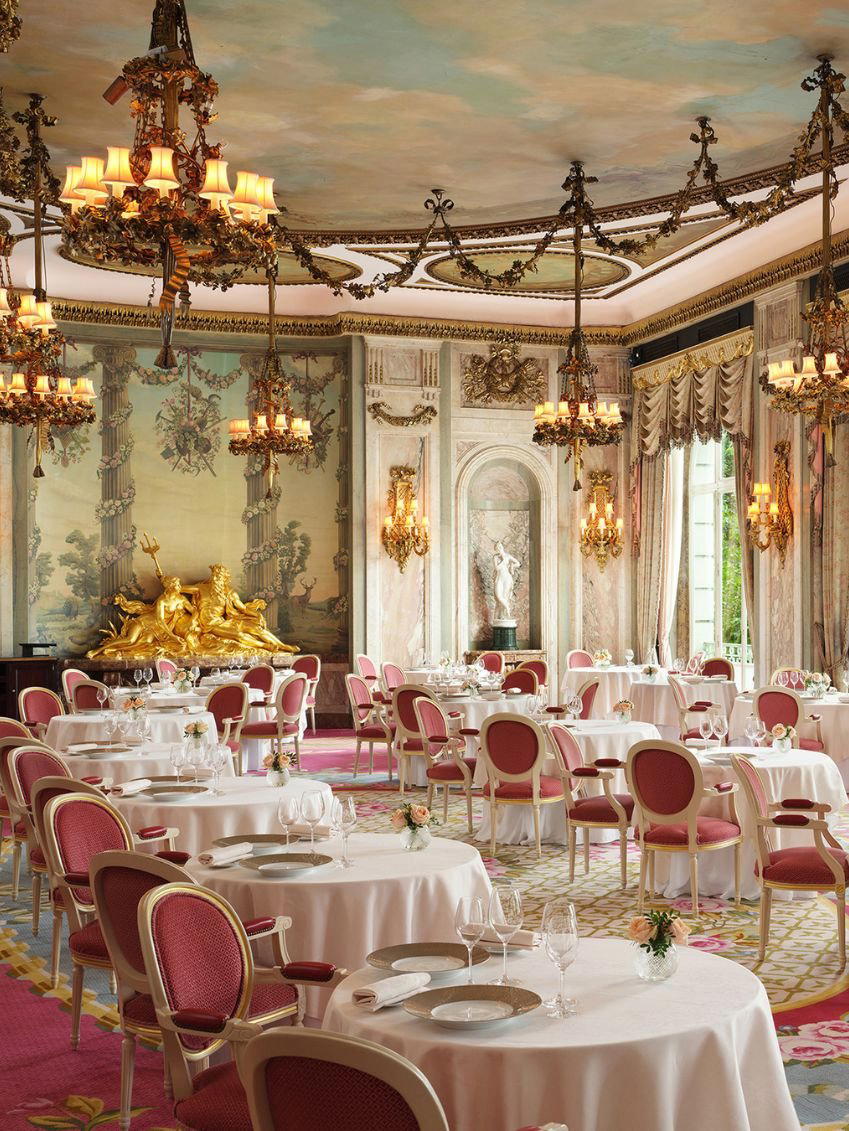
Bergen's Ingredient-Driven Fine Dining Scene
Norway's west coast has spent the past decade producing a disproportionate share of the country's most seriously ingredient-led restaurants. Bergen sits at the centre of that pattern: the city is within reach of some of Europe's most productive cold-water fishing grounds, mountain farms producing lamb and game, and a network of small-scale producers whose output rarely travels far. That proximity to raw material has shaped what serious cooking in Bergen looks like, leaner on technique for its own sake, heavier on the question of where everything actually comes from.
Gaptrast, at Baneveien 16, holds a Michelin star and is led by chef Martin Gehrlein. That comparable set now gives the city three Michelin-starred tables operating at the €€€€ price tier, a concentration that would have seemed unlikely for a Norwegian city of Bergen's size even five years ago.
The Address and the Approach
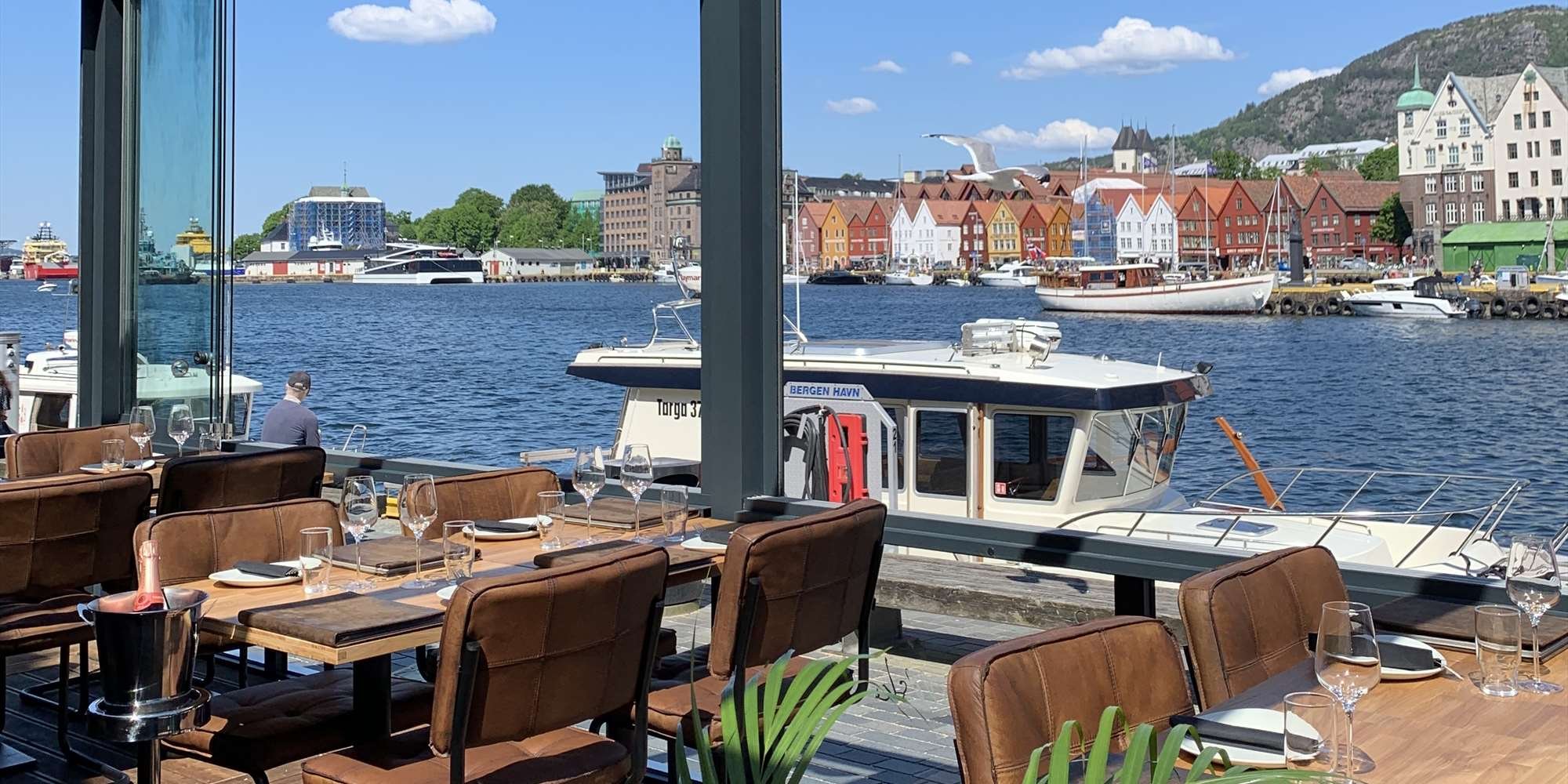
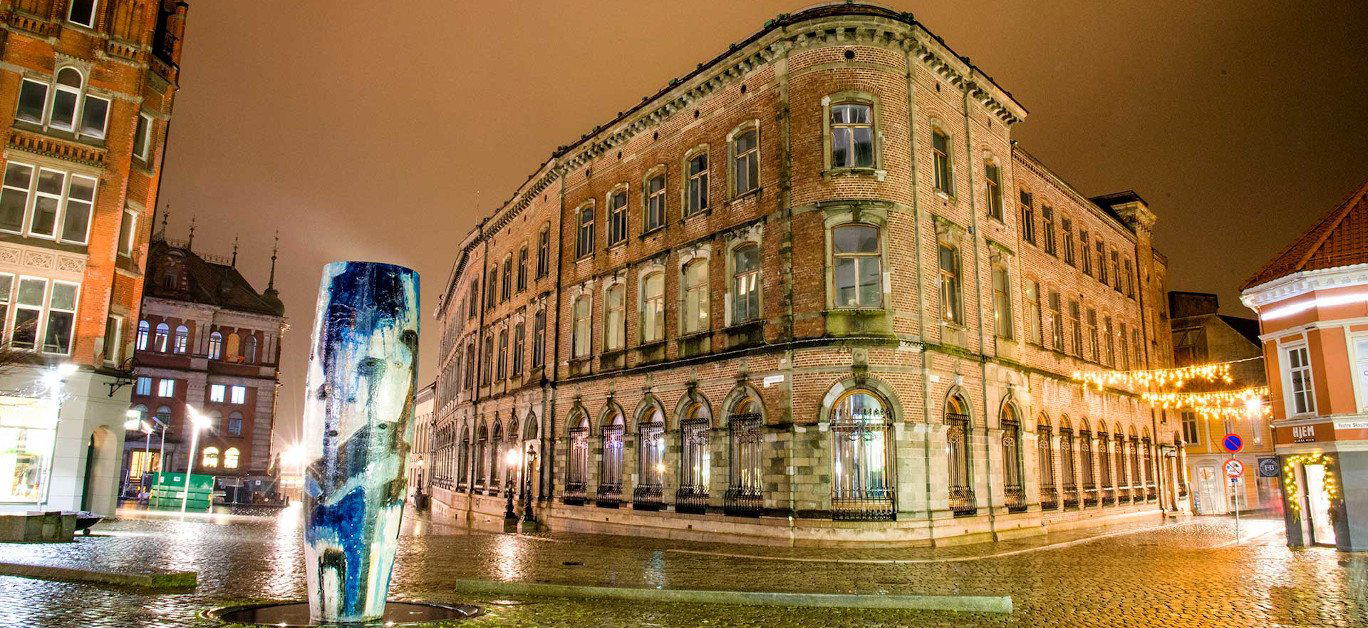
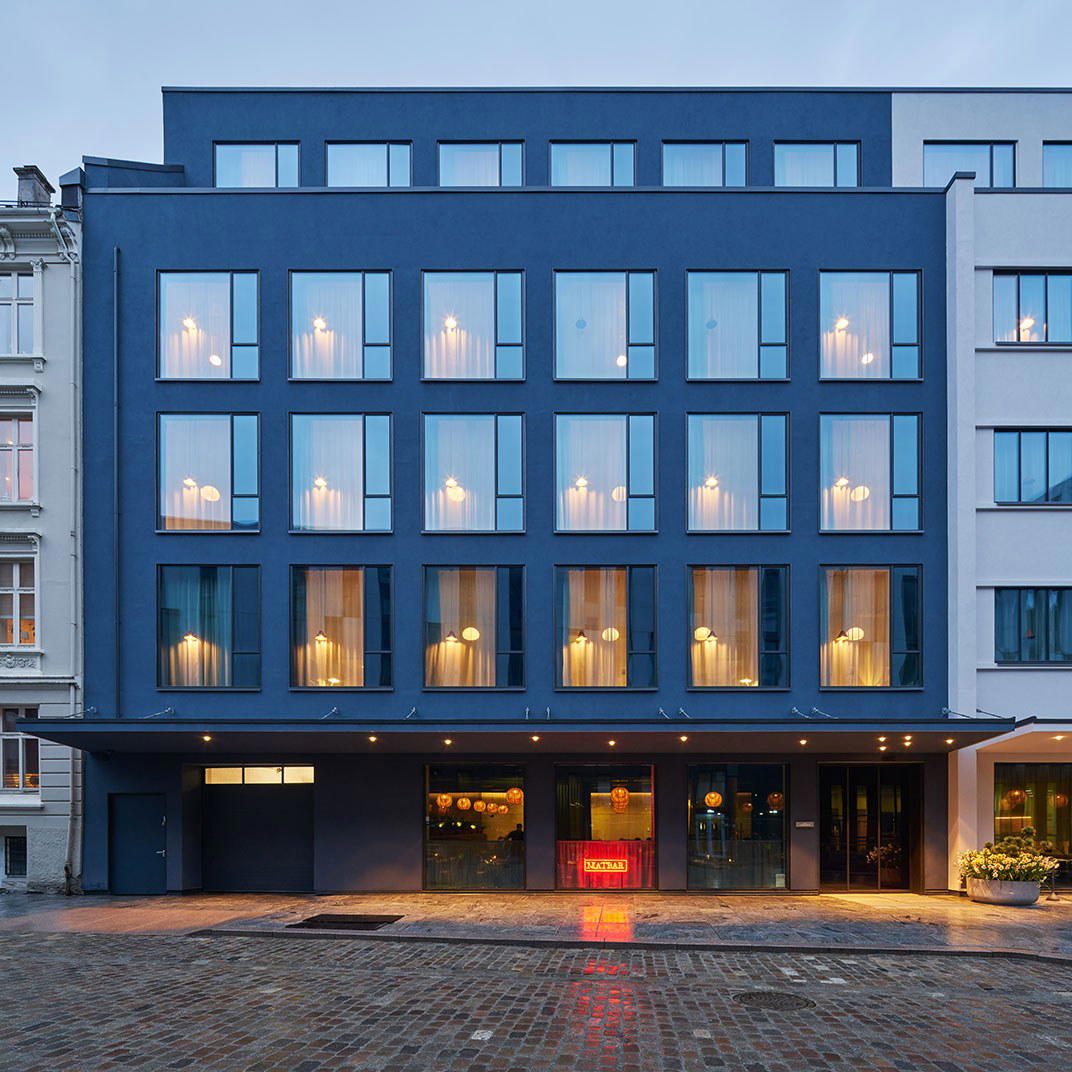
Baneveien 16 sits in a part of Bergen that favours the kind of quiet, residential-adjacent location that serious tasting-menu restaurants in Scandinavian cities often prefer: far enough from the tourist circuit around Bryggen to attract a deliberate diner rather than a passing one, close enough to the city's transport spine to remain accessible. Arriving, the building reads as considered rather than theatrical, the architectural tone that increasingly defines Nordic fine dining, where the interior signals intent without announcing it.
The modern cuisine classification at Gaptrast aligns it with a broader Norwegian fine dining movement that treats the local larder as both constraint and advantage. The constraint: you work with what the season and the geography offer. The advantage: what the season and the geography offer here is, by almost any measure, notable raw material. Cold-water fish from the North Sea and Norwegian Sea, shellfish from the fjords, lamb and game from inland farms, foraged coastal and mountain produce, these are the building blocks that Norway's starred kitchens have been refining into a distinct national cuisine over the past fifteen years.
Sourcing as the Kitchen's Core Logic
At the price point Gaptrast operates, ingredient provenance is not decoration. It is central to the menu. The Michelin inspectors who awarded the 2025 star are assessing kitchens in part on whether that logic holds: whether the sourcing story is legible on the plate, whether technique serves the material rather than overtaking it, and whether the overall sequence demonstrates coherence across multiple courses.
Bergen's geographical position makes the sourcing argument particularly credible. The city sits on Norway's west coast within direct supply chains to some of the country's most productive marine environments. Skrei cod from northern Norwegian waters, king crab, scallops pulled from cold fjords, sea urchin, these appear routinely on the menus of the city's serious kitchens because the supply chains are short and the quality holds at altitude. At Gaptrast's level, the expectation is that sourcing goes further: named farms, specific fishing vessels, producers with whom the kitchen has built ongoing relationships rather than purchasing through intermediaries.
That model has precedent across Norway's starred scene. Maaemo in Oslo built its three-star identity substantially on biodynamic and certified organic sourcing, with producers listed explicitly on the menu. RE-NAA in Stavanger operates with comparable rigour around regional supply. FAGN in Trondheim and Iris in Rosendal each demonstrate how outside the major Norwegian cities, proximity to specific terroir can become the defining feature of a restaurant's identity. Gaptrast, with its 2025 star, is the latest entry in that national pattern.
Bergen's Wider Fine Dining Map
Understanding where Gaptrast sits requires a working knowledge of Bergen's restaurant tiers. The city's fine dining scene has developed in distinct layers. At the €€ range, addresses like Moon and Izakaya Skostredet cover French and Japanese registers respectively. The Japanese influence on Bergen's food culture is notable: both BARE Restaurant and Omakase by Sergey Pak operate in that tradition, the latter at the starred level. Lysverket occupies the New Nordic territory at the €€€€ bracket, with Michelin recognition that predates Gaptrast's arrival in the guide.
Gaptrast's modern cuisine classification is deliberately broad, a category that in the Michelin system typically accommodates kitchens that draw from multiple traditions while remaining anchored to a specific place. In Bergen, that place-anchor is non-negotiable. A kitchen that bills itself as modern cuisine at the starred level and ignores the west coast larder would be making an unusual choice; the critical and diner audience here expects the geography to show up on the plate.
For Norwegian fine dining in a broader Scandinavian context, the reference points extend beyond Norway's own borders. Frantzén in Stockholm, operating at the three-star level, represents the upper ceiling of what Nordic modern cuisine can achieve at scale. Bergen's starred kitchens occupy a different tier but operate within the same general conversation about how northern European kitchens should relate to their regional materials.
The 2025 Star in Context
A first Michelin star awarded in 2025 carries particular weight for how quickly the restaurant has registered within the Guide's framework. Inspectors typically require multiple visits across service styles and seasons before awarding any star; a 2025 recognition for a kitchen operating at this address means the quality signal has been consistent enough, and early enough in the restaurant's timeline, to meet that threshold.
The comparison within Norway's wider Michelin map is instructive. Under in Lindesnes and Boen Gård in Tveit each demonstrate how Norwegian fine dining has spread well beyond Oslo, finding recognition in locations where proximity to specific natural environments drives the menu logic. Bergen, as Norway's second city and the gateway to the fjords, was always a plausible location for a growing cluster of starred tables. Gaptrast's 2025 award solidifies that cluster.
Planning a Visit
Gaptrast operates at Bergen's highest price tier, €€€€, which in Norway's fine dining context typically means a multi-course tasting format with an optional drinks pairing. Reservations are essential, particularly for weekend service and summer visits. The restaurant is at Baneveien 16, accessible from central Bergen by foot or short taxi from the main transport hubs.
What Regulars Order at Gaptrast
What the Michelin award and the available ratings signal collectively is that the kitchen's approach to sourcing and seasonal variation is landing with exactly the audience a modern cuisine restaurant at this price point is targeting: diners who are eating across Bergen's starred tier and measuring consistency rather than novelty. At Gaptrast's level, returning diners typically track how the kitchen handles seasonal transitions, the shift from autumn game and root vegetables into winter fish and preserved ingredients, and again into spring's first coastal forage. That rhythm, executed with the discipline the 2025 star implies, is what the regular audience at a Michelin-starred Norwegian kitchen is coming back to verify.
Cost and Credentials
Comparable venues nearby, for context on price, style, and recognition.
| Venue | Cuisine | Price | Awards | Notes |
|---|---|---|---|---|
| GaptrastThis venue — the venue you are viewing | Modern Cuisine | $$$$ | Michelin 1 Star | Not listed |
| Omakase by Sergey Pak | Bergen center, Modern Japanese Omakase | $$$$ | Michelin 1 Star | Not listed |
| Lysverket | Sentrum, Modern Norwegian Fine Dining | $$$$ | Michelin 1 Star | Not listed |
| Frescohallen | city centre, Modern Norwegian Seafood | $$$ | Not listed | Not listed |
| Moon | Not listed | $$$$ | Michelin Plate | Sentrum, French Bistro with Norwegian Influences |
| Fjellskål | Vågen, Norwegian Seafood | $$$ | Not listed | Not listed |
Recognition history
Dated appearances from independent guides and award organizations, with the underlying list record or original source where available.
Michelin 2 Stars
Michelin
Michelin 1 Star
Michelin





At a Glance
- Elegant
- Sophisticated
- Intimate
- Modern
- Date Night
- Special Occasion
- Celebration
- Open Kitchen
- Chefs Counter
- Live Music
- Extensive Wine List
- Sommelier Led
- Farm To Table
- Local Sourcing
- Sustainable Seafood
Current opening hours
- Monday
- Closed
- Tuesday
- Closed
- Wednesday
- 6 PM–12 AM
- Thursday
- 6 PM–12 AM
- Friday
- 6 PM–12 AM
- Saturday
- 6–11:30 PM
- Sunday
- Closed
Hours can change for holidays and private events. Last verified .
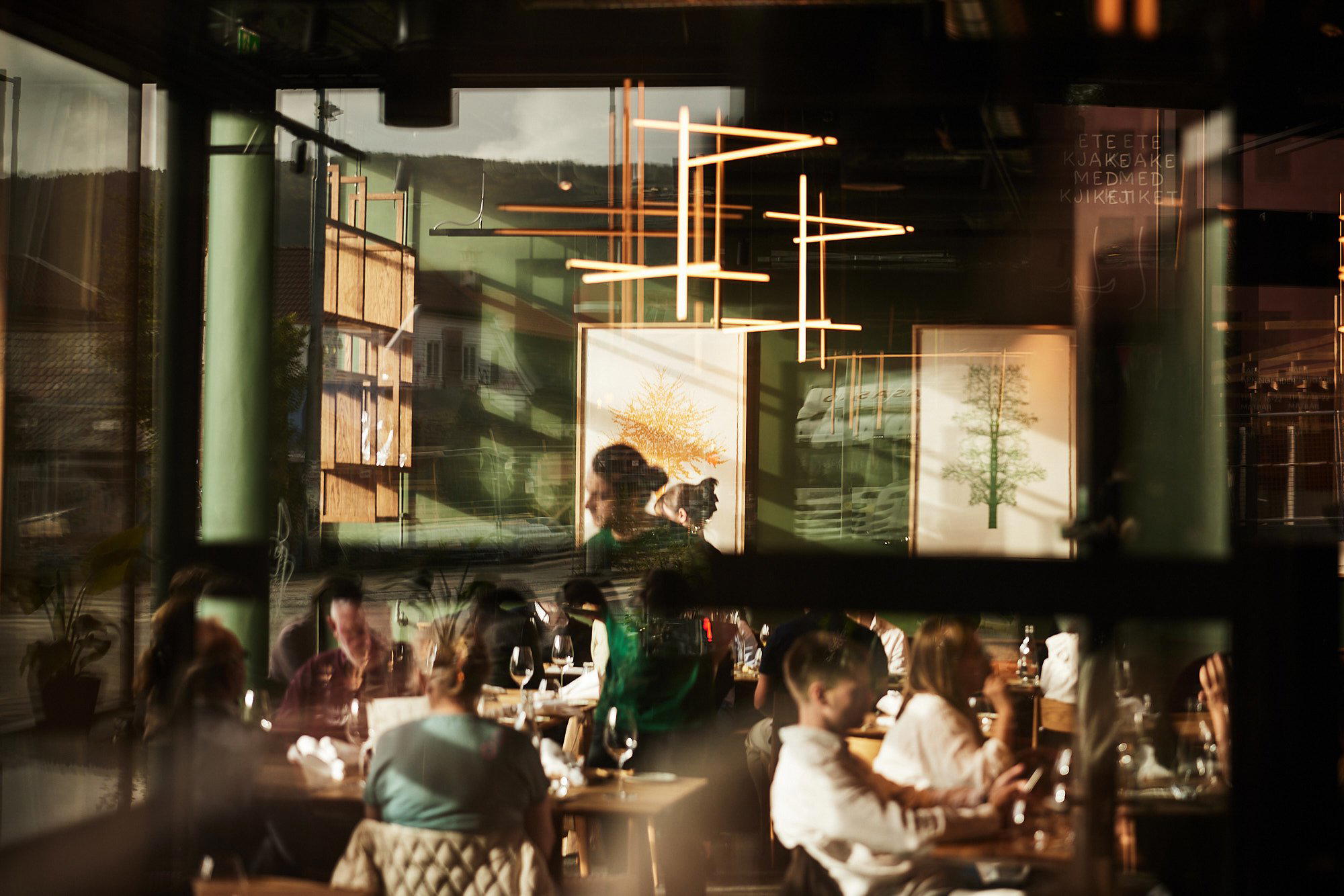
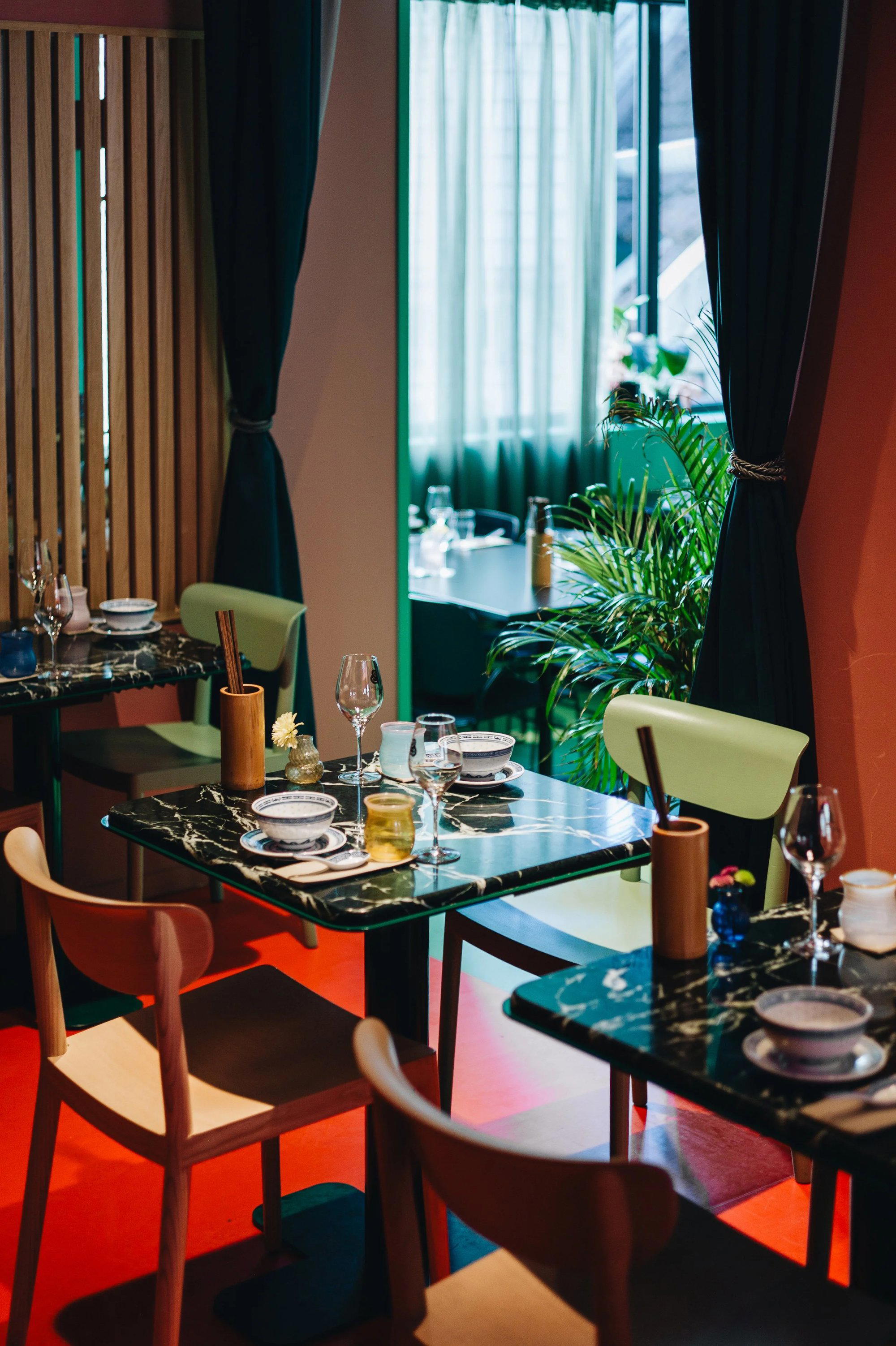
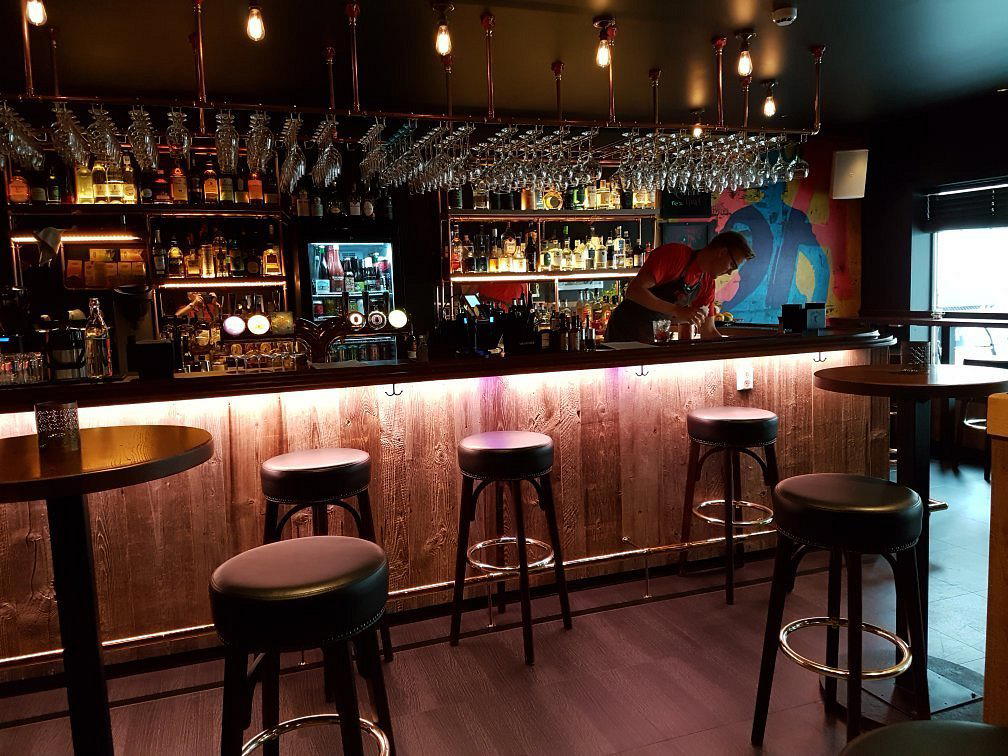
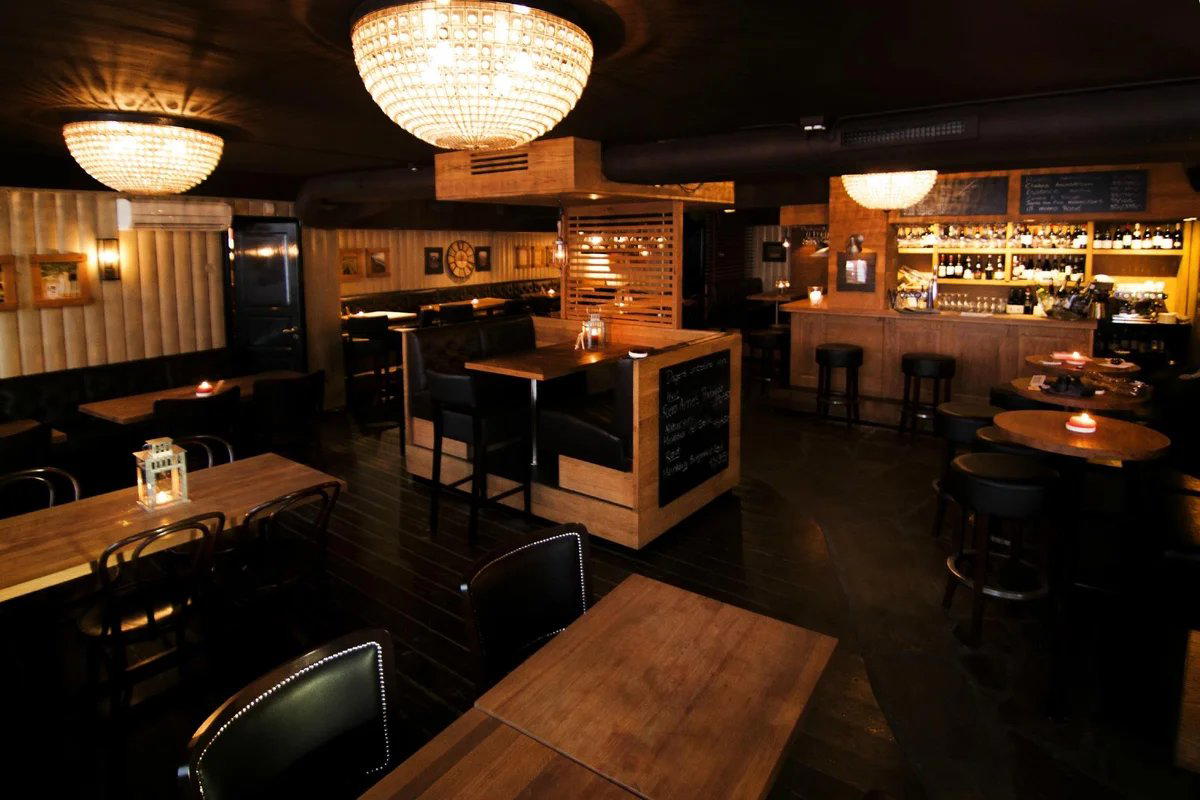
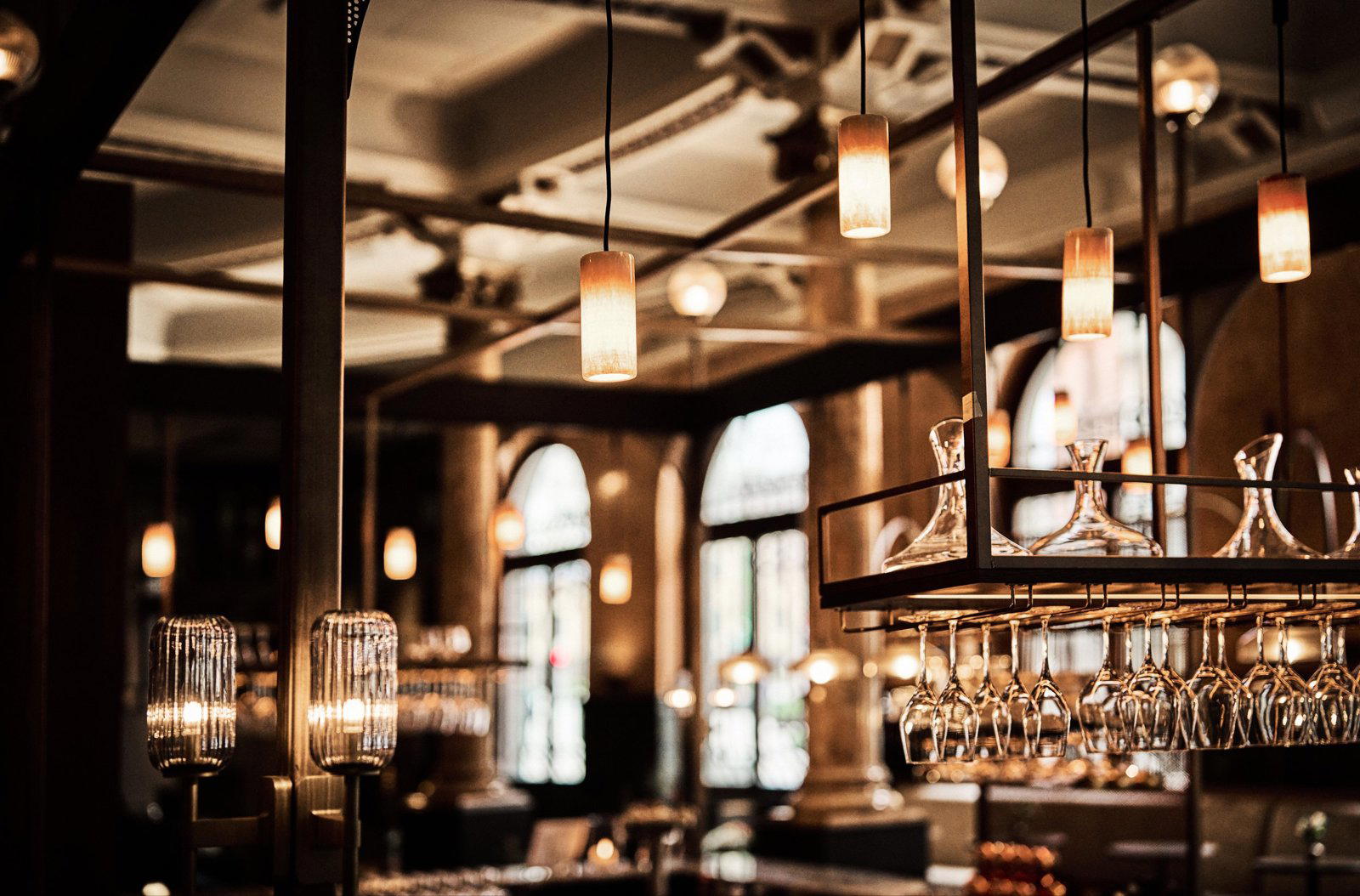
Dark, moody lighting with focus drawn to the open kitchen where a charcoal fire blazes; sophisticated and elegant decor with close attention to detail throughout the dining room and lounge.