


1 Michelin Key · Virtuoso Luxury Hotel Partner · Leading Hotels of World Member
A member of Leading Hotels of the World, Hotel Continental has occupied the same address on Stortingsgata since 1900, remaining family-owned across five generations. Its 151 individually designed rooms sit steps from the National Theatre and Karl Johans gate, while the Viennese-style Theatercaféen has been a fixture of Oslo dining for over a century. The property balances classical European hotel traditions with a dining programme that draws both guests and Osloers.

Pearl is the En Primeur Club membership app — saves, bookings, and concierge access live there. Same editors, same standards.
- Address
- Stortingsgata 24/26, 0117 Oslo
- Phone
- +47 22 82 40 00
- Website
- hotelcontinental.no
- Directions
- Get directions
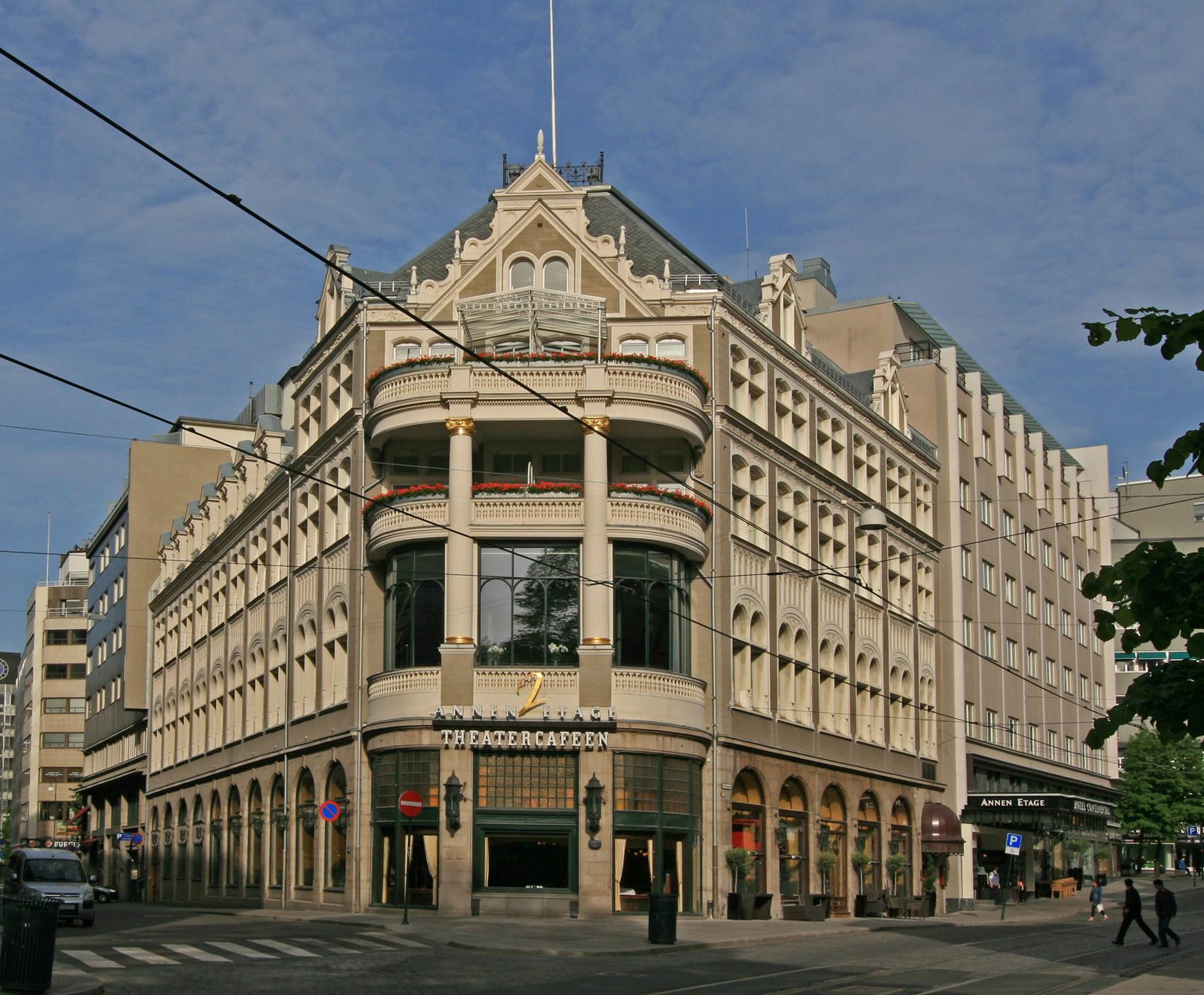
Oslo's Grand Hotel Tradition, Centred on Stortingsgata
Grand hotels in European capitals tend to follow one of two trajectories: absorption into an international chain or slow drift into irrelevance. Hotel Continental, on Oslo's Stortingsgata, has followed neither. Family-owned since it opened in 1900 and a current member of Leading Hotels of the World, it has held its position at the top of Oslo's traditional hotel tier while the city around it has shifted considerably. The Parliament building (the Storting), the Royal Palace, and the National Theatre form a triangle around the address, placing the hotel at the administrative and cultural core of a capital of 593,000 people. That positioning was deliberate in 1900 and remains the property's clearest asset today.
Oslo's hotel market has diversified sharply over the past decade. Properties like Sommerro and Amerikalinjen have introduced a design-forward, neighbourhood-rooted model that attracts a younger international traveller. THE THIEF, on Tjuvholmen, pitches at the contemporary art crowd. Radisson Blu Oslo Plaza competes on scale and conference infrastructure. Continental occupies a different position: the classical grand hotel with genuine institutional history, a notable art collection displayed through the lobby salons, and a dining programme that operates as a local institution rather than a hotel amenity.
Theatercaféen and the Dining Identity of the Continental
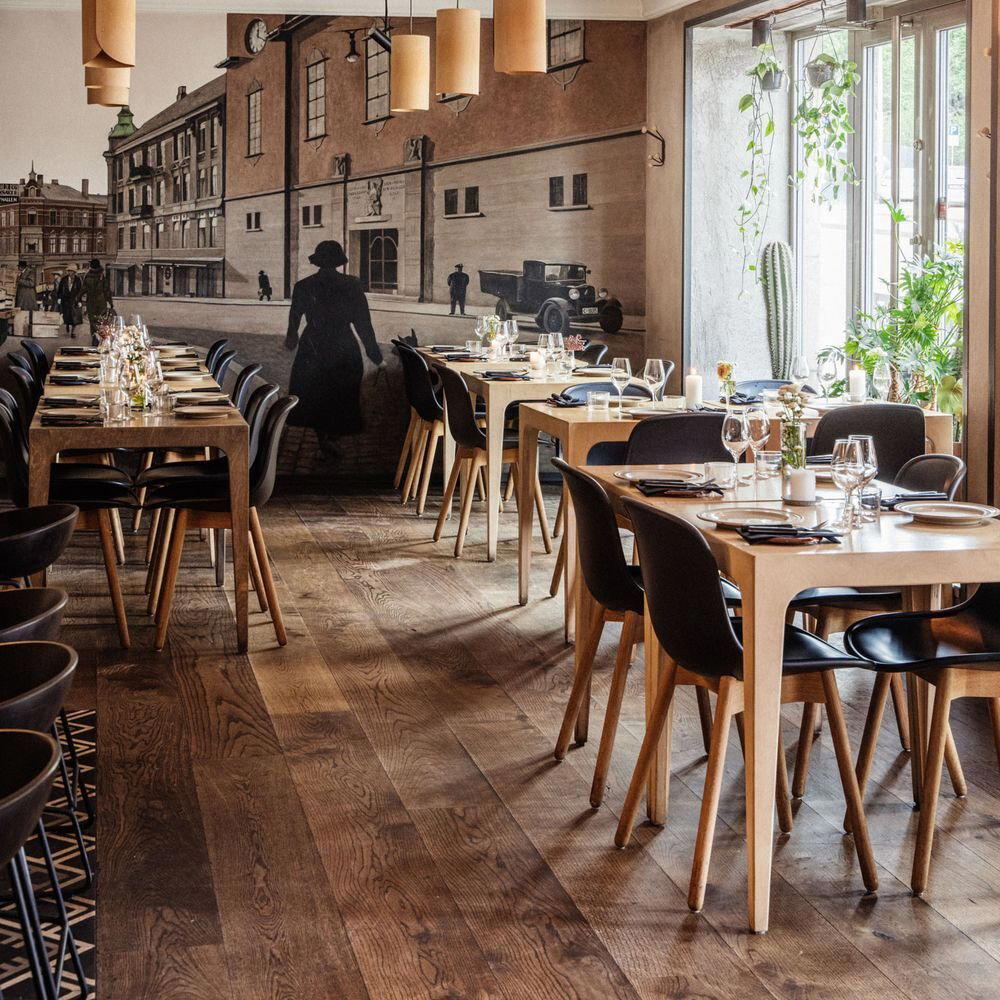
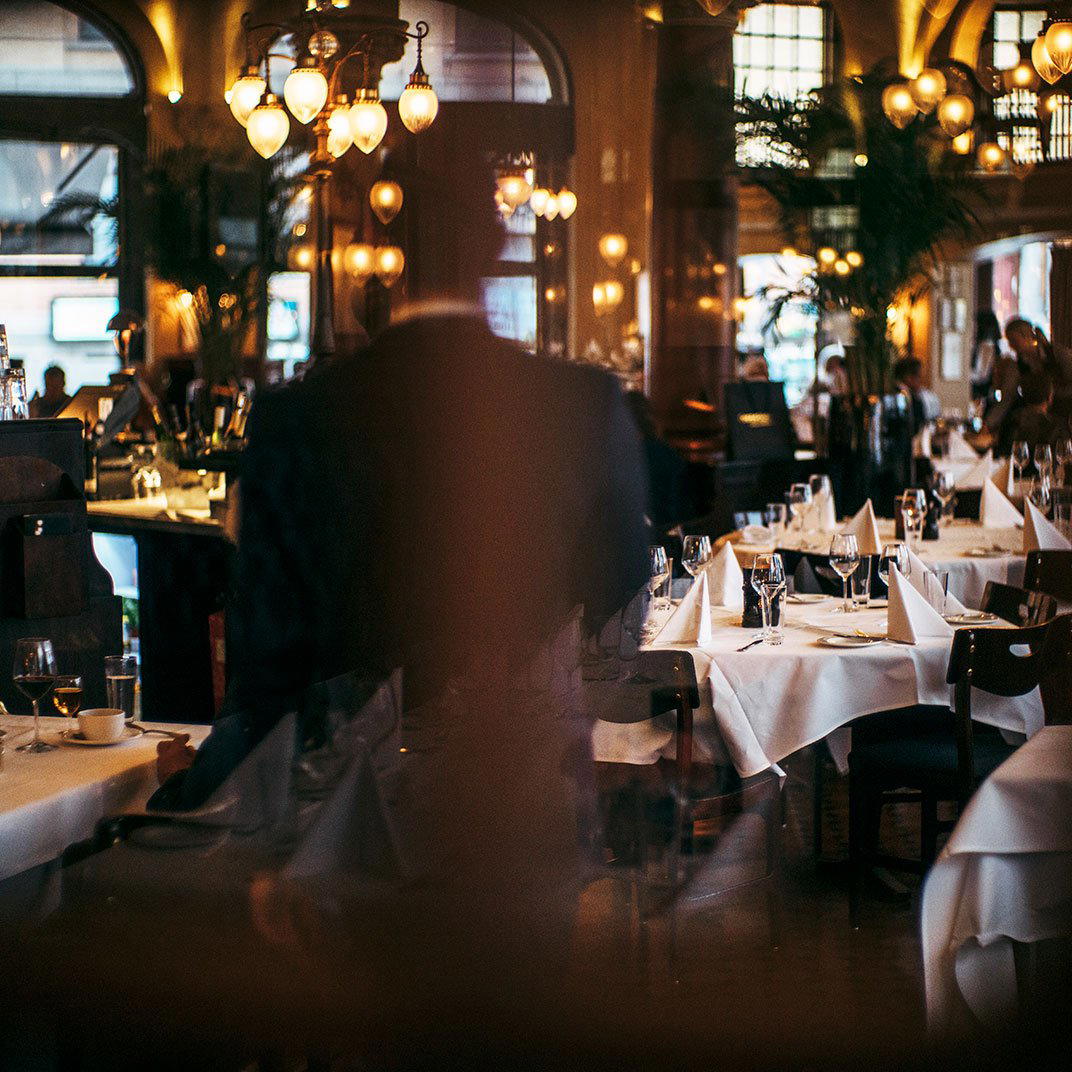
The oldest and most significant element of the Continental's food and beverage programme is Theatercaféen, which has operated since the hotel's opening in 1900. Viennese-style grand cafés are not common in Scandinavia, and Theatercaféen is among the few in the region that has maintained both the format and a credible reputation across more than a century of service. The café model it follows, characterised by long hours, an international menu, and a mix of functions from breakfast through late evening, predates the contemporary all-day dining concept by decades. That it remains a local institution, drawing Oslo residents alongside hotel guests, is the measure of its durability rather than its age.
Grand café culture in northern Europe carries specific expectations: a room with presence, a menu broad enough to accommodate a working lunch and a pre-theatre dinner, and a level of service that reads as professional rather than performative. Where Oslo's newer dining venues have moved toward Nordic tasting formats and intimate covers, Theatercaféen holds the opposite position, functioning as the kind of room where the city's political and cultural figures have always convened. The National Theatre sits directly opposite, which has shaped the café's clientele and its rhythms since day one.
Beyond Theatercaféen, the Continental operates four additional restaurant and bar spaces, giving the property a five-venue food and beverage footprint that is unusual for a 151-room hotel. The programme covers breakfast, which the property has built into a full buffet format regarded as one of the stronger hotel breakfasts in central Oslo, through to a five-course dinner format with wine. That range is practical for guests who prefer to keep evenings in-house, but it also positions the Continental as a destination for Oslo residents rather than a closed hotel ecosystem. See our full Oslo restaurants guide for how the city's broader dining scene compares.
Rooms: 151 Individual Spaces, Not a Uniform Product
The 151 rooms and suites are individually configured, with patterned wallpaper, tiled bathrooms, and art selected on a per-room basis rather than applied from a system-wide template. This is the design approach of a family-owned property where accumulated choices layer over time, rather than a single-concept hotel where consistency is the primary value. The result reads as character rather than coherence, which suits travellers who prefer rooms that feel inhabited and particular over those that feel rigorously resolved.
Continental's core clientele has historically leaned toward executive travellers, a natural outcome of its proximity to government offices and Parliament. That base shapes the service register: formal without being stiff, attentive to the logistics of business travel, and reliable in a way that design-led boutique hotels sometimes are not. The fitness facilities on the fifth floor and the exclusive arrangement with DaiKai, described as Oslo's largest massage retreat, address the wellness requirements of that same demographic. But the property's art collection and the personality of its public spaces broaden the appeal beyond the standard corporate stay.
Location as Infrastructure
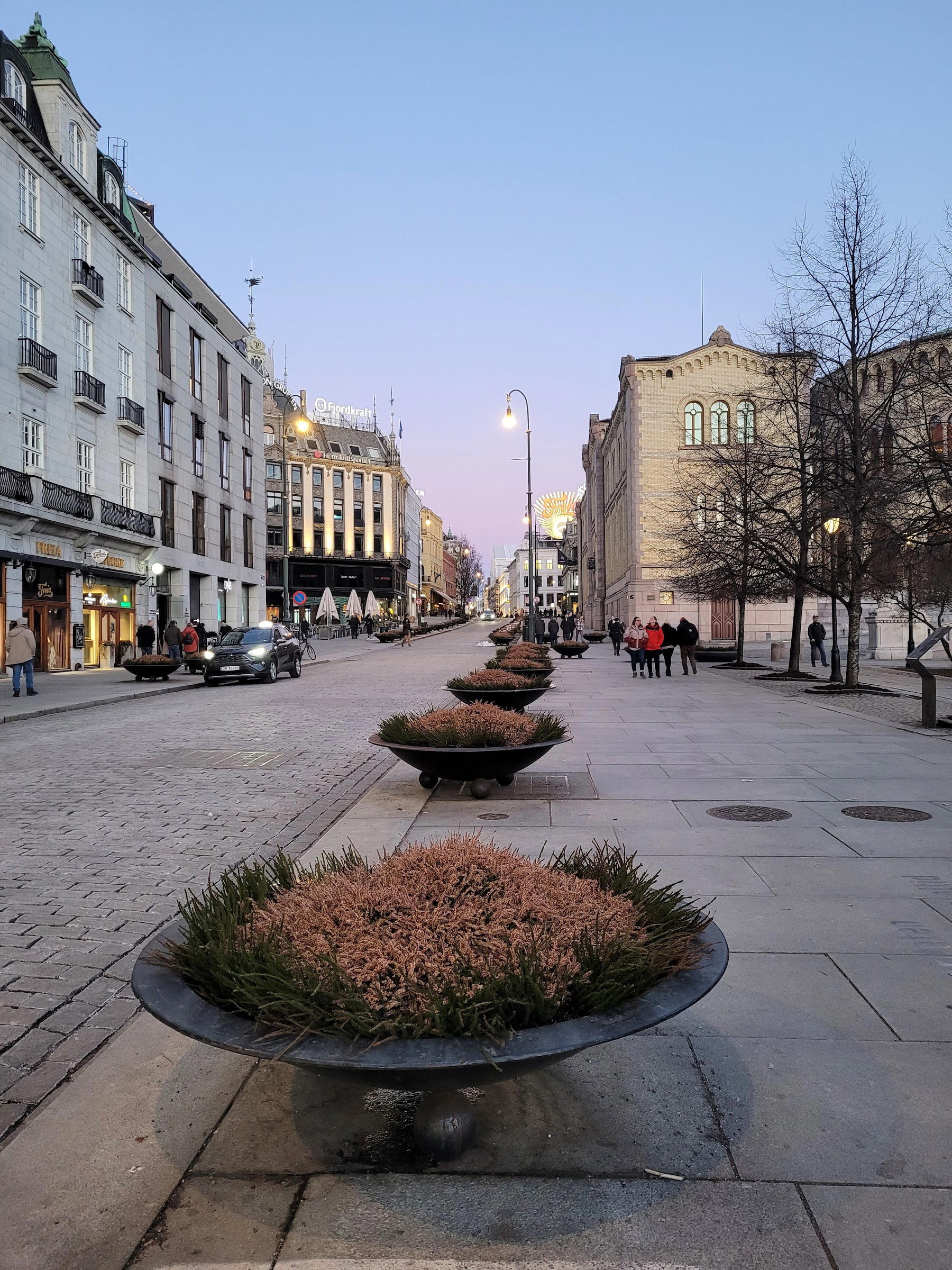
Proximity to Oslo's central institutions is more than a convenience. Karl Johans gate, the city's main pedestrian thoroughfare, runs directly past the hotel, connecting the Royal Palace at one end to Oslo Central Station at the other. The high-end shopping referenced around the property, including Eger, Steen and Strøm, Glasmagasinet, House of Oslo, and Paléet, is walkable. The waterfront is a short walk south. The city's network of cross-country ski tracks and eight downhill slopes within city limits makes Oslo an unusual European capital in winter terms, and the Continental's central address provides access to both the urban and outdoor versions of the city without requiring a car.
For travellers building a wider Norwegian itinerary, Oslo is the entry point to a country with a considerable range of distinctive properties beyond the capital. The Britannia Hotel in Trondheim occupies a comparable grand hotel tier in Norway's third city. Further into the landscape, properties like the Juvet Landscape Hotel in Valldal, Hotel Union Øye in Norangsfjorden, and Walaker Hotel in Solvorn represent the fjord-country alternative to urban stays. In the Lofoten archipelago, Sakrisøy Rorbuer in Reine and Nusfjord Village and Resort in Ramberg offer a fishing-village format at the opposite end of the spectrum. For those travelling to the Arctic, Aurora Lodge in Tromso is the northern-lights reference point. Other notable Norwegian options include the Eilert Smith Hotel in Stavanger, Opus XVI in Bergen, Hotel Brosundet in Ålesund, Boen Gård in Kristiansand, Manshausen on Manshausen Island, Lilløy Lindenberg in Herdla, Elva Hotel in Skulestadmo, Storfjord Hotel in Glomset, Vestlia Resort in Geilo, and The Well in Sofiemyr. For travellers comparing grand hotel formats internationally, The Fifth Avenue Hotel in New York City and Aman New York offer useful reference points in that tier, as does Aman Venice in Europe.
Planning a Stay
Hotel Continental is at Stortingsgata 24/26, 0117 Oslo, within walking distance of Oslo Central Station and a short taxi or transit ride from Oslo Airport Gardermoen. The property carries 151 rooms across individually styled configurations. Meetings and events facilities were recently refurbished, expanding the venue's capacity for private programming. The DaiKai wellness cooperation is available to guests during their stay. For current availability and rates, check directly with the property, as room configuration and pricing vary by season and demand.
Budget and Context
Comparable venues nearby, for context on price, style, and recognition.
| Venue | Price | Awards | Notes |
|---|---|---|---|
| Hotel ContinentalThis venue — the venue you are viewing | $300–500 | 1 Michelin Key · Virtuoso Luxury Hotel Partner | Not listed |
| Amerikalinjen | Not listed | 1 Michelin Key · La Liste Top Hotels | St. Hanshaugen, Historic boutique hotel blending maritime heritage with contemporary elegance. |
| Sommerro | $300–500 | 1 Michelin Key · Virtuoso Luxury Hotel Partner | Ruselokka, Luxury heritage hotel blending restored 1930s Art Deco architecture with contemporary design in Oslo's elegant Frogner neighborhood. |
| THE THIEF | $300–500 | Michelin Selected · Star Wine List | Aker Brygge, Contemporary luxury boutique hotel positioned as a lifestyle destination combining Scandinavian design with international wellness culture. |
| Hotel Christiania Teater | $100–200 | Michelin Selected | Vika, Historic Nordic Neo-Renaissance theater converted to luxury boutique hotel with contemporary design sensibility |
| Radisson Blu Oslo Plaza | $200–300 | World Luxury Hotel Awards WLHA Regional Winner | Vaterland, Contemporary high-rise landmark with Scandinavian design sensibility and state-of-the-art technology. |
Recognition history
Dated appearances from independent guides and award organizations, with the underlying list record or original source where available.
Michelin 1 Key
Michelin
Virtuoso Luxury Hotel Partner
Virtuoso
Leading Hotels of World Member
Leading Hotels of World
Full recognition history (4 entries)
Michelin 1 Key
Michelin
Details
- Elegant
- Classic
- Sophisticated
- Well Known
- Business Trip
- Romantic Getaway
- Anniversary
- Historic Building
- Terrace
- Wi Fi
- Fitness Center
- Room Service
- Concierge
- Business Center
- Valet Parking
- Street Scene
- Wheelchair Accessible
- Elevator
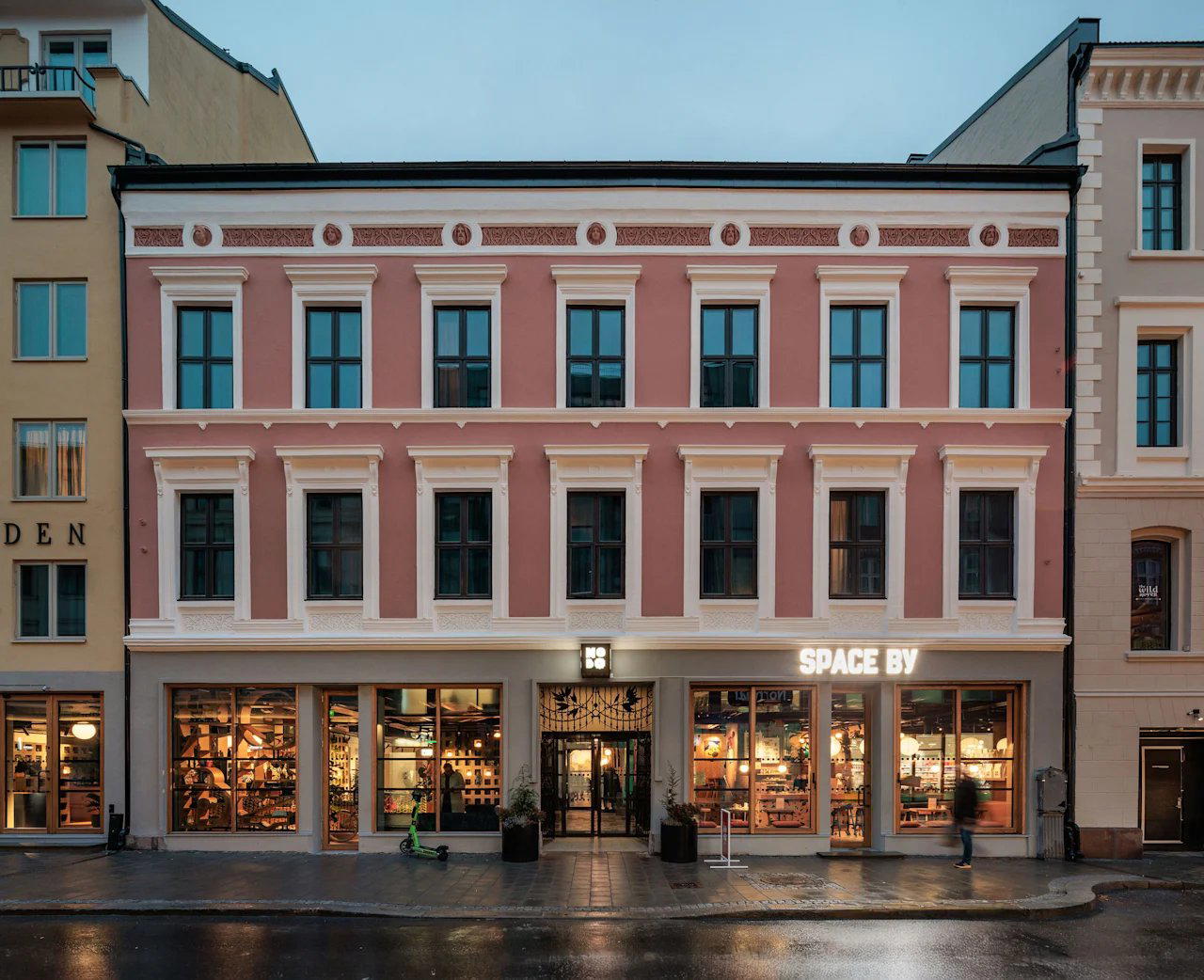
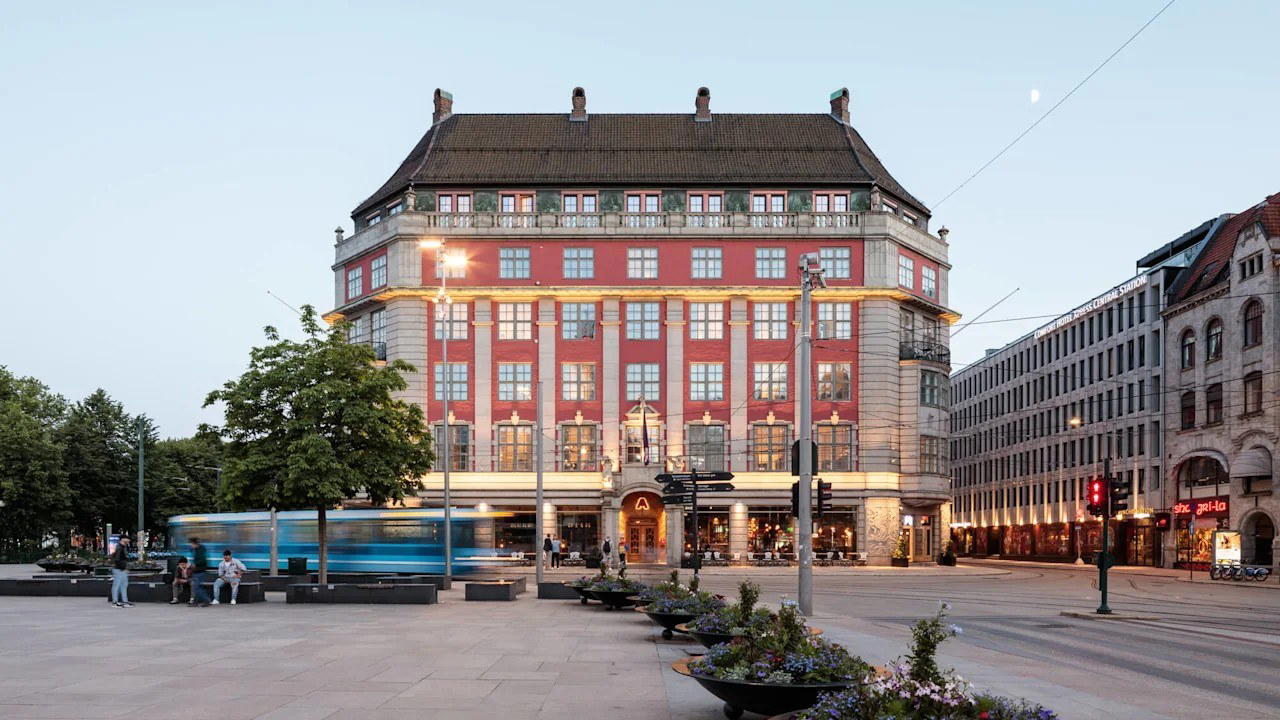
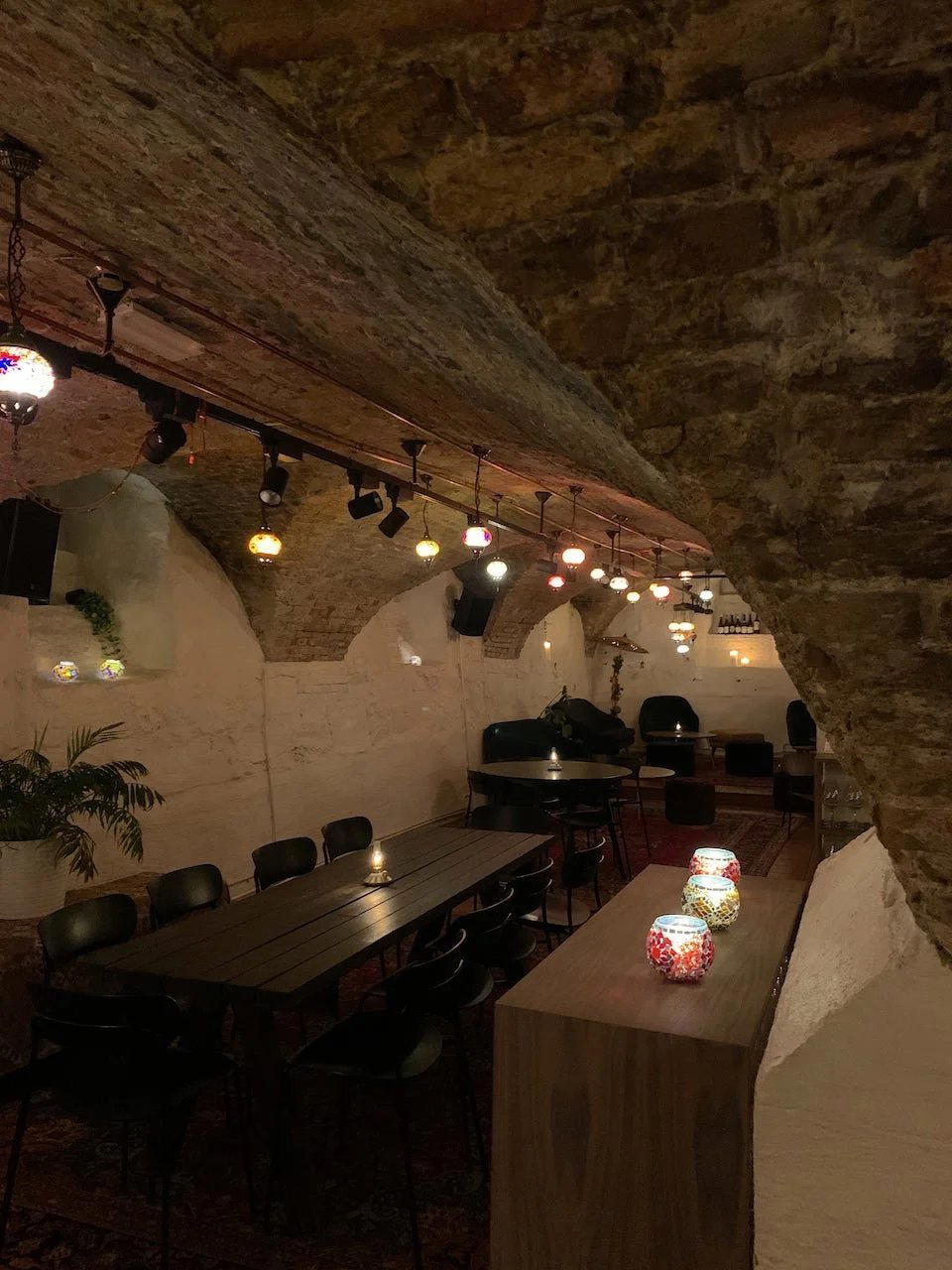
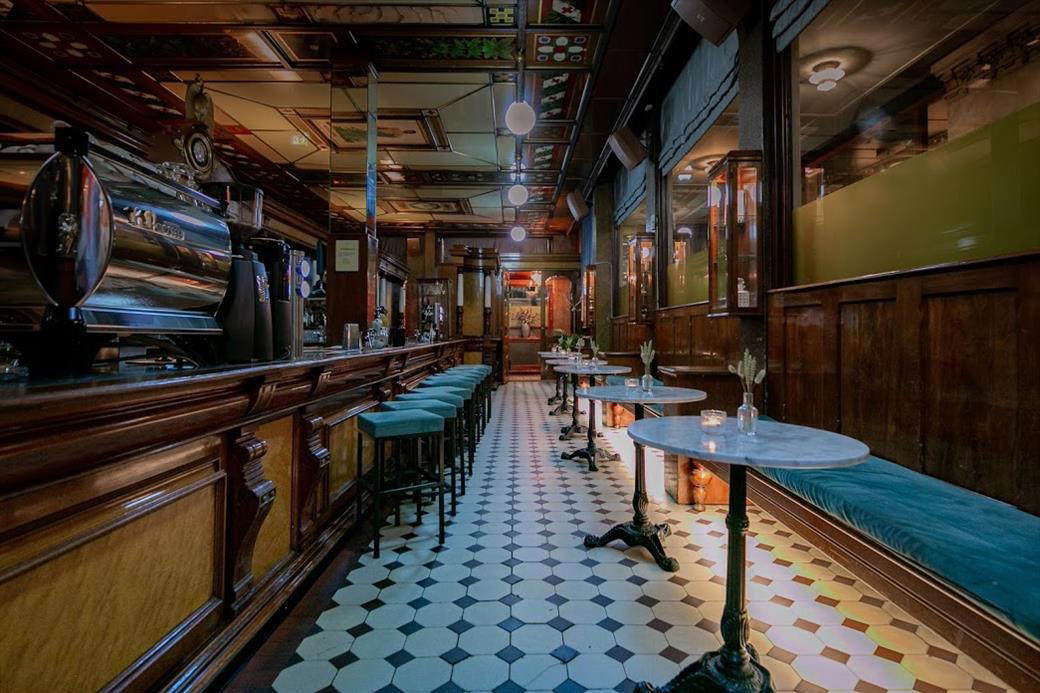
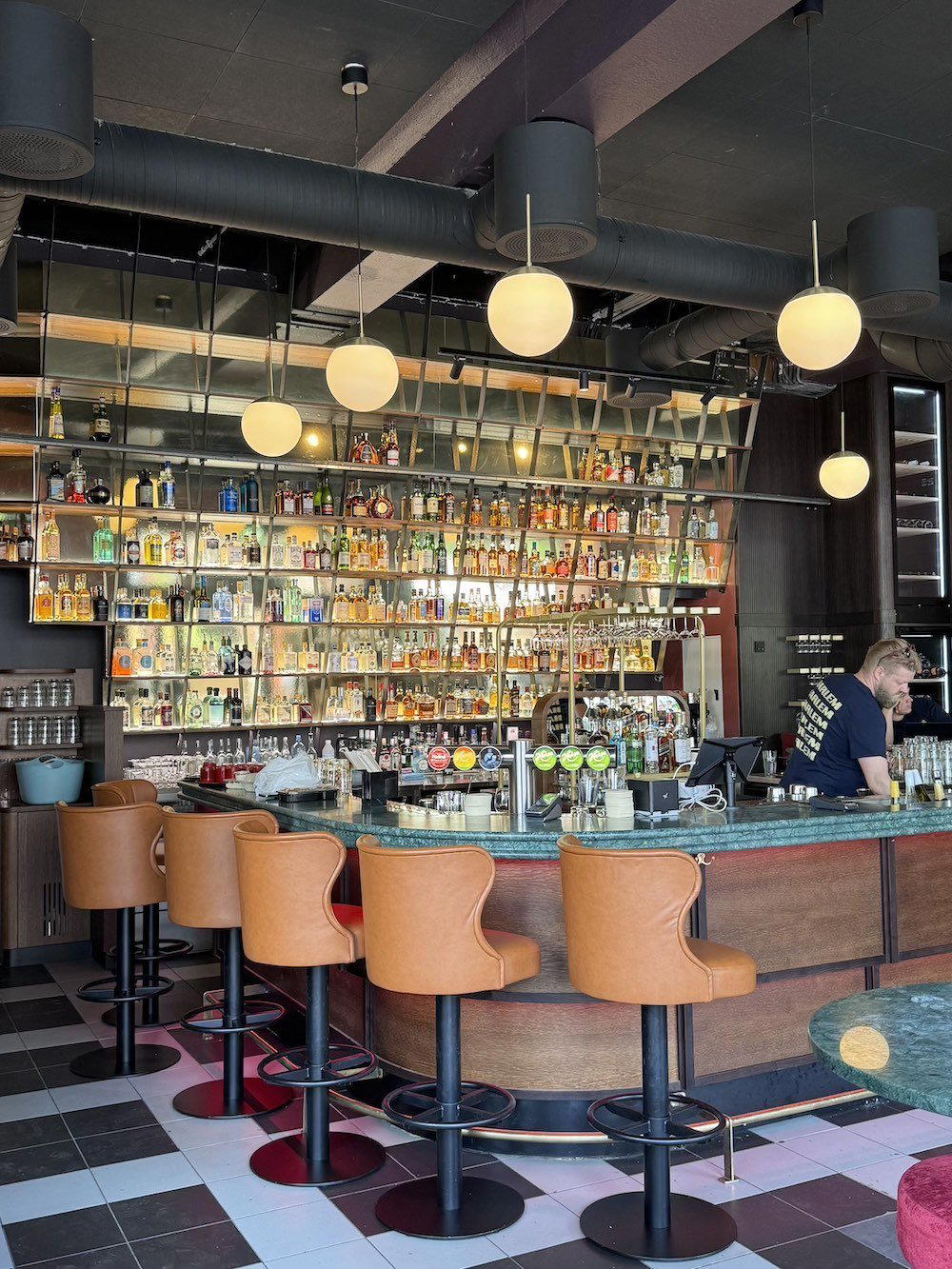
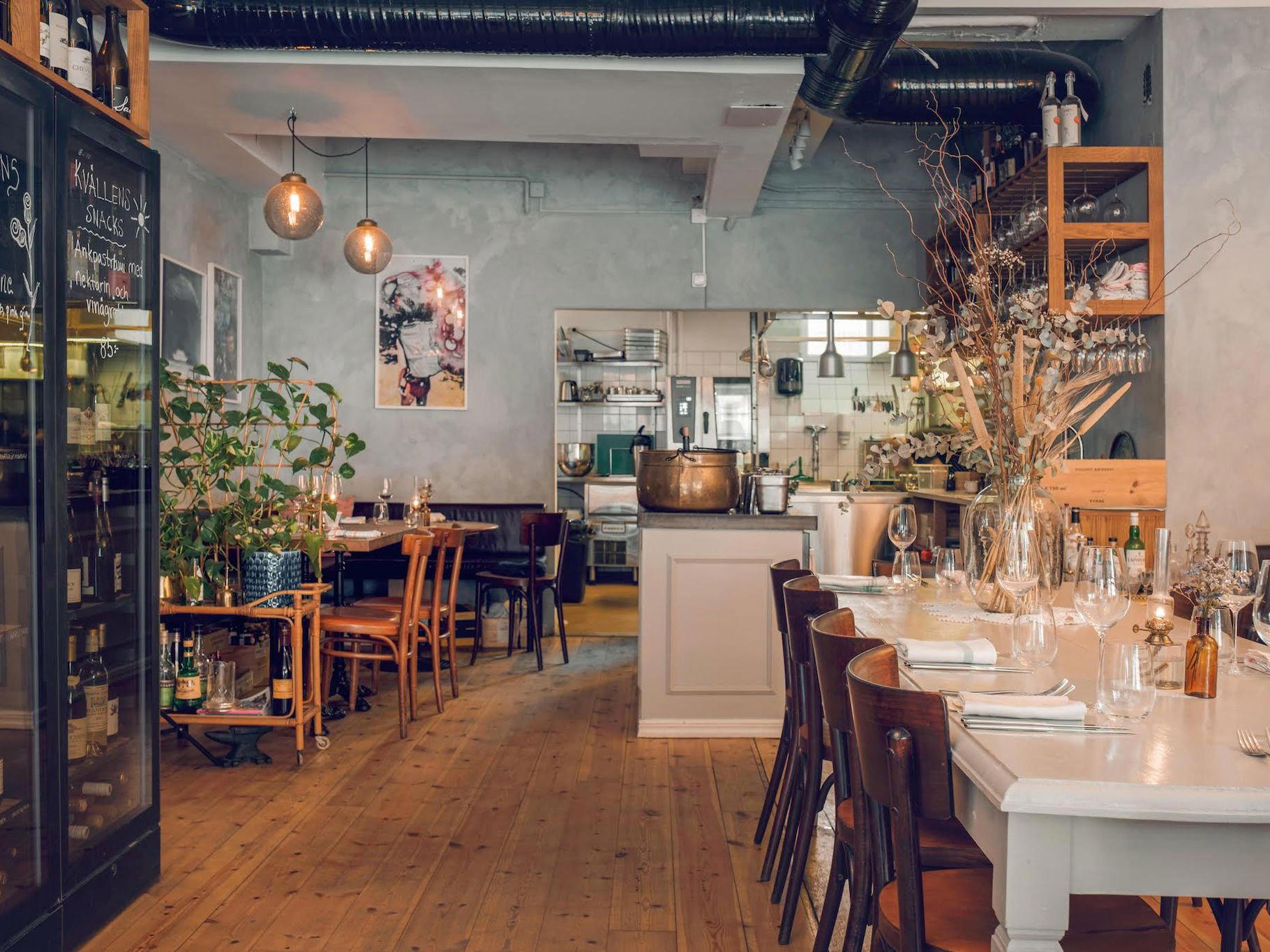
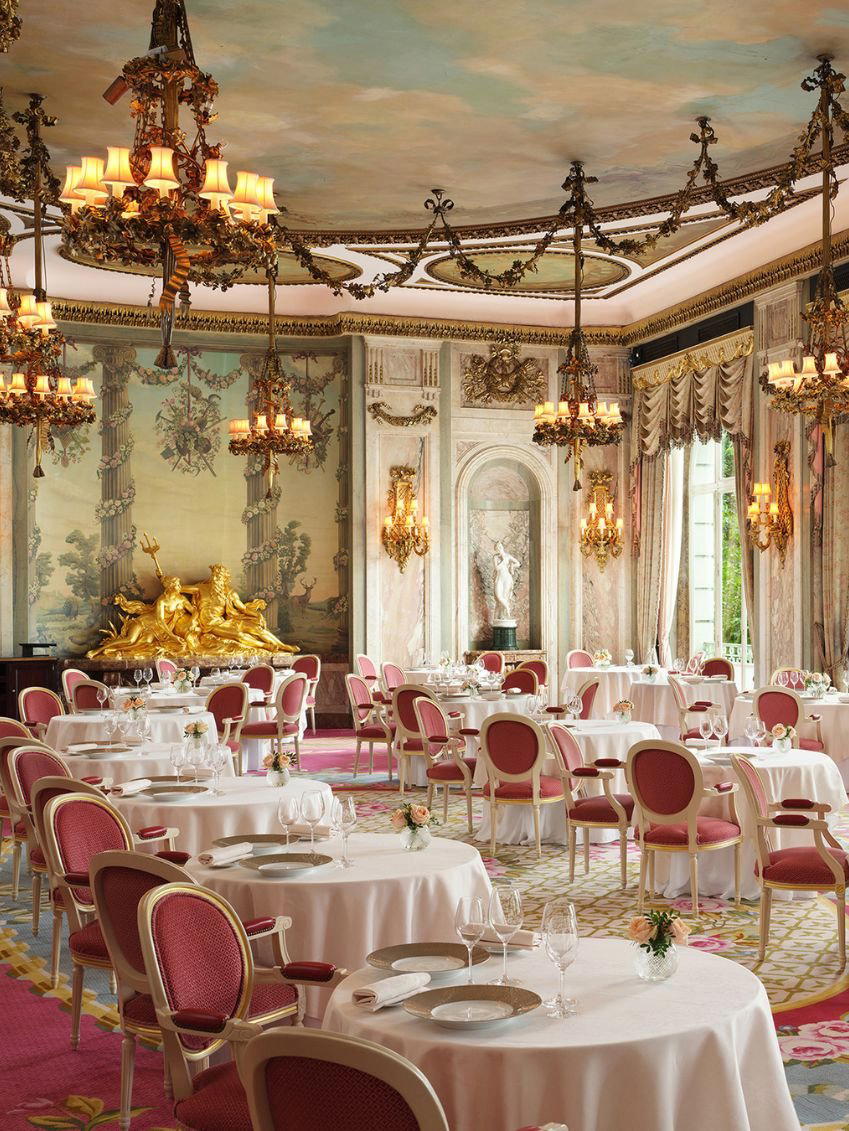
Elegant classic atmosphere with individually decorated rooms featuring patterned wallpaper, art collections in lobby salons, and a lively yet refined vibe in public spaces like the hip lobby bar.