Fiskekrogen
Our verdict
In Henningsvær, the small fishing village on the Lofoten archipelago where cod has been the economic engine for centuries, Fiskekrogen sits at the direct intersection of that harvesting tradition and a modern kitchen. The address on Dreyers gate places it squarely in a village where the sea is never more than a short walk in any direction, and the menu reflects that proximity with a focus on locally sourced seafood.

Pearl is the En Primeur Club membership app, where members save venues, book tables and use the concierge.
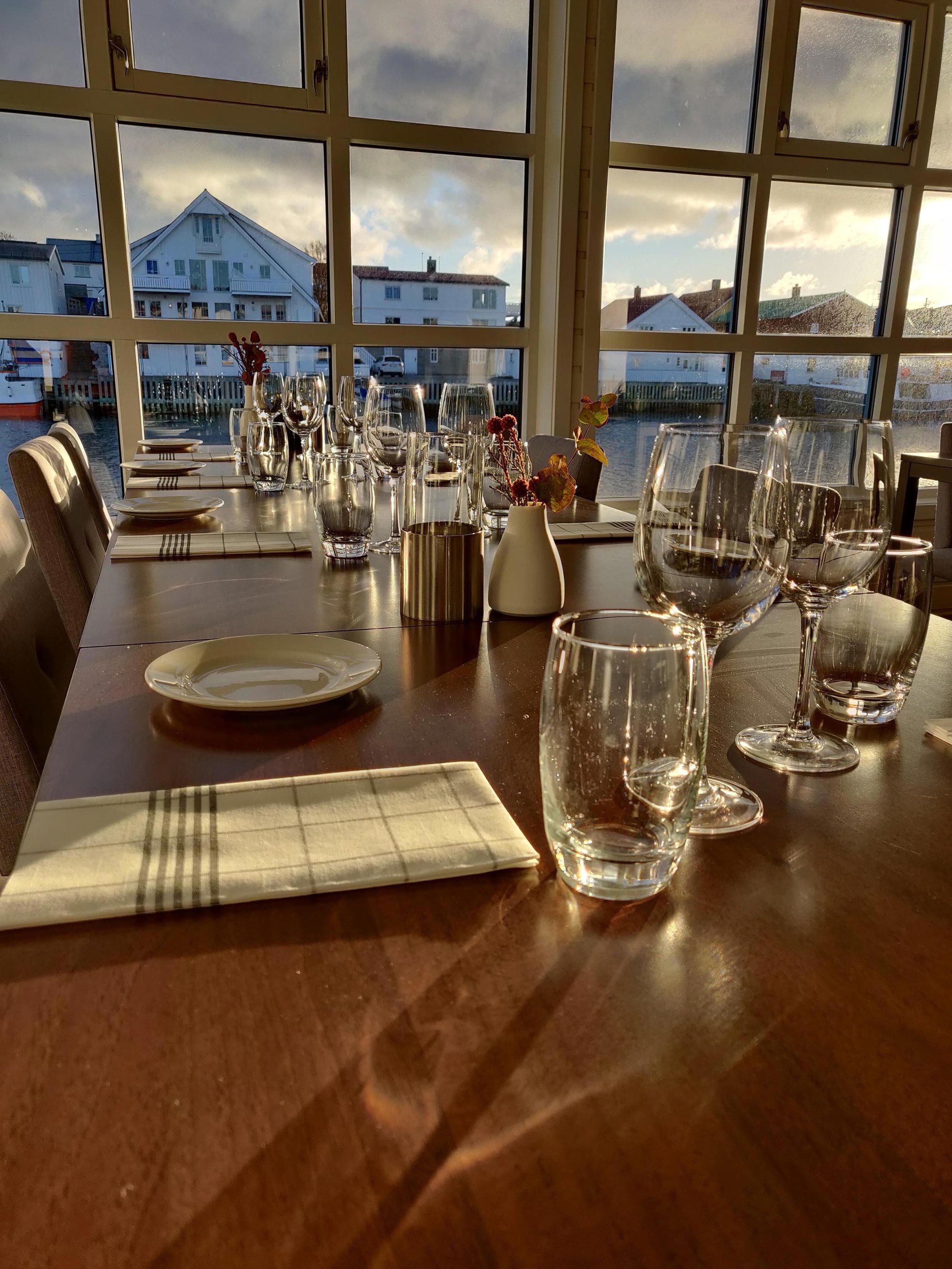
Where the Catch Defines the Kitchen
Henningsvær is not a stop on the way to somewhere else. The village occupies a cluster of small islands connected by low bridges at the southwestern tip of Austvågøya in the Lofoten archipelago, and to arrive here requires a deliberate choice to come this far north. That specificity of place matters when you sit down at Fiskekrogen, because the restaurant's entire logic is grounded in it. The waters around Lofoten are among the most productive in the North Atlantic, shaped by the meeting of the Gulf Stream and Arctic currents that produce cold, oxygen-rich conditions. Skrei, the migratory Arctic cod that swims south from the Barents Sea to spawn in these waters between January and April, has been the economic and cultural axis of this region for more than a thousand years. A seafood restaurant in Henningsvær does not need to make a case for local sourcing as a concept; it operates inside a tradition where local sourcing was the only sourcing long before it became a culinary talking point.
The Lofoten Seafood Tradition in Context
Norway's more prominent fine-dining addresses, Maaemo in Oslo, RE-NAA in Stavanger, Speilsalen in Trondheim, and Lysverket in Bergen, all work within a New Nordic framework that privileges regional ingredients and seasonal discipline. What separates Lofoten from those urban settings is the absence of distance between source and plate. In Oslo or Bergen, chefs work hard to build supply chains that reach this far north. In Henningsvær, the supply chain is the village itself. Fishing boats unload at the harbor. Stockfish racks line the hillsides above town through winter. The ingredient is not imported into the kitchen; the kitchen is built around the ingredient. That proximity is the structural difference, and it shapes what a meal at Fiskekrogen represents within the broader Norwegian dining picture.
The comparison to venues like Under in Lindesnes or MiraBelle by Ørjan Johannessen in Bekkjarvik is instructive: Norway has developed a category of destination seafood restaurants in coastal locations where the draw is partly geographic and partly culinary. These are places that require travel, and that travel is part of the experience's value. Fiskekrogen occupies this category in the Lofoten context, where visitors are already committing to a journey that most find transformative on a purely landscape level before they have eaten anything. For a broader survey of where Norwegian seafood kitchens are developing, Glime Restaurant in Hardanger Fjord and Buer Restaurant in Odda represent parallel experiments in remote, ingredient-led dining.
Arriving at Dreyers Gate
Fiskekrogen sits at Dreyers gate 29, in the compressed street grid of central Henningsvær. The village is small enough that no address is genuinely hard to find, but the approach matters. Coming from the mainland, most visitors drive the E10 across the series of bridges and causeways that connect the Lofoten islands before turning south toward Henningsvær on a narrow road that ends, somewhat dramatically, at the water's edge. The village has no rail connection and no commercial air service; Svolvær, roughly 30 minutes by car, is the nearest town with a domestic airport. That logistical commitment filters the visitor profile toward people who have specifically chosen to be here, which gives the dining room a different energy than a restaurant that captures passing trade.
The physical setting of Henningsvær is hard to separate from the experience of eating in it. Colorful wooden rorbu cabins line the water, the Lofoten Wall of mountains rises to the north, and light behaves differently this far above the Arctic Circle, with long summer days and the possibility of northern lights in winter. Vind Brasserie is the other notable dining address in the village, and between them they represent the range of what Henningsvær offers to visitors who come to eat seriously. For a complete picture of what the village and its surroundings offer, our full Henningsvær restaurants guide maps the dining options in more detail.
Skrei, Stockfish, and the Seasonal Calendar
The ingredient logic of a Lofoten kitchen follows the cod calendar more than any other single factor. Skrei season, running from late January through April, is the peak period for fresh Arctic cod in the finest condition, firm, white-fleshed, and carrying the particular quality that comes from fish that have swum thousands of kilometers from the Barents Sea. Outside that window, the tradition shifts toward dried and salted preparations: stockfish (tørrfisk) and klippfisk, both of which are Lofoten exports with centuries of trade history behind them, reaching as far as Portugal, Brazil, and West Africa. A kitchen in Henningsvær that works with these ingredients is not making a culinary statement about preservation; it is working within a food culture where preservation was the technology that made this remote economy viable.
This positions Fiskekrogen within a culinary tradition that has global reach through the dried-fish trade even as it remains hyper-local in its sourcing. The parallel in French terms would be a kitchen in Normandy that works with both fresh Channel fish and aged Camembert, products of the same geography, different stages of processing, each with its own techniques and demand. For reference points outside Norway, Le Bernardin in New York City represents the apex of the French approach to pure seafood technique, while Lazy Bear in San Francisco shows how a tasting-menu format can be built around a single strong regional identity. Fiskekrogen operates in a different register, more rooted in a specific fishing culture than in tasting-menu architecture, but the underlying principle of letting the ingredient lead the kitchen is shared.
Norway's Regional Dining Circuit
The growth of serious dining in smaller Norwegian towns and coastal settlements reflects a broader shift in how the country's food culture has developed since the New Nordic moment of the early 2000s. Restaurants in locations like Restaurant 1893 in Stokmarknes, Vianvang in Vågå, Hvelvet in Lillehammer, Lily Country Club in Kløfta, Boen Gård in Tveit, and Smag & Behag Grimstad in Grimstad all suggest that the country's most interesting eating is no longer concentrated in its three or four largest cities. Lofoten, with its combination of dramatic geography, deep fishing heritage, and growing tourism infrastructure, is a natural setting for this regional expansion. A visit to Fiskekrogen sits comfortably within a trip designed around Norway's coastal food culture rather than a city-to-city itinerary.
Planning Your Visit
Henningsvær is a seasonal destination in the practical sense: summer brings near-constant daylight and the largest visitor numbers, while winter offers the northern lights and skrei season simultaneously, which represents the strongest combination for visitors whose primary interest is eating well. Svolvær Airport, served by domestic routes from Oslo and Bodø, is the most practical entry point. Accommodation in Henningsvær itself is limited and books well ahead during peak periods, so planning several weeks in advance is advisable for winter stays in particular. The village is compact and walkable; a car is useful for reaching the airport and exploring the broader Lofoten chain but not necessary once you are in Henningsvær itself.
Frequently asked questions
Is Fiskekrogen a family-friendly restaurant?
Henningsvær draws a broad visitor mix, families, climbers, fishing enthusiasts, and touring cyclists, and a harbour-side seafood restaurant in that context tends to be accommodating across age groups. The village itself, centred around Dreyers gate and the waterfront, is compact and walkable, which suits family travel.
What should I expect atmosphere-wise at Fiskekrogen?
Henningsvær is a working fishing village on a cluster of small islands connected by low bridges, the setting shapes the room before the food arrives. Fiskekrogen sits at Dreyers gate 29 in the dense street grid of central Henningsvær, where the proximity to the harbour is not incidental but structural to how the kitchen operates. The atmosphere in a place like this is defined by the catch calendar rather than interior design trends: winter skrei season and summer midnight-sun crowds produce noticeably different energies.
Is Fiskekrogen the right choice for dining in Henningsvær during skrei season?
Skrei season, running from late January through April, is when the migratory Arctic cod reaches peak condition and Lofoten kitchens are at their most ingredient-focused. Henningsvær sits at the southwestern tip of the Lofoten archipelago, close to the fishing grounds that have defined the region's identity for generations. A restaurant at Dreyers gate 29 operating within that tradition is well-positioned to work directly with seasonal catch, though specific skrei menu details and opening hours during the winter season should be confirmed with Fiskekrogen ahead of travel.
What do regulars order at Fiskekrogen?
In a Lofoten kitchen, the cod calendar dictates the menu more than any standing house signature. Skrei, the migratory Arctic cod that arrives from late January through April, is the reference point for the season's serious dishes, while stockfish, the air-dried product that made the Lofoten islands economically significant for centuries, tends to appear year-round in various preparations. Specific current dishes are not listed here, so checking directly with the restaurant gives the most accurate picture of what the kitchen is running.
What part of town is Fiskekrogen in?
Fiskekrogen is located at Dreyers gate 29, 8312 Henningsvær, Norway, Henningsv R.
| Venue | Cuisine | Price | Awards | Notes |
|---|---|---|---|---|
| FiskekrogenThis venue (the venue you are viewing) | Traditional Norwegian Seafood | $50–100 | Not listed | Not listed |
| Maaemo | New Nordic Fine Dining | $300–500 | 3 Michelin Stars · World's 50 Best #47 | New Nordic, Modern Cuisine |
| RE-NAA | Modern Nordic Coastal Tasting Menu | $500+ | 3 Michelin Stars · La Liste Top Restaurants | New Nordic, Creative |
| Kontrast | Modern Nordic Fine Dining | $200–300 | 2 Michelin Stars · La Liste Top Restaurants | New Nordic, Scandinavian |
| Speilsalen | Contemporary Norwegian Seafood Fine Dining | $200–300 | 1 Michelin Star · Star Wine List | Nordic, Contemporary |
| FAGN | Modern Nordic Fine Dining | $200–300 | 1 Michelin Star · Star Wine List | Nordic, Modern Cuisine |
Continue exploring
More in Henningsvær
Restaurants in Henningsvær
All restaurants in Henningsvær →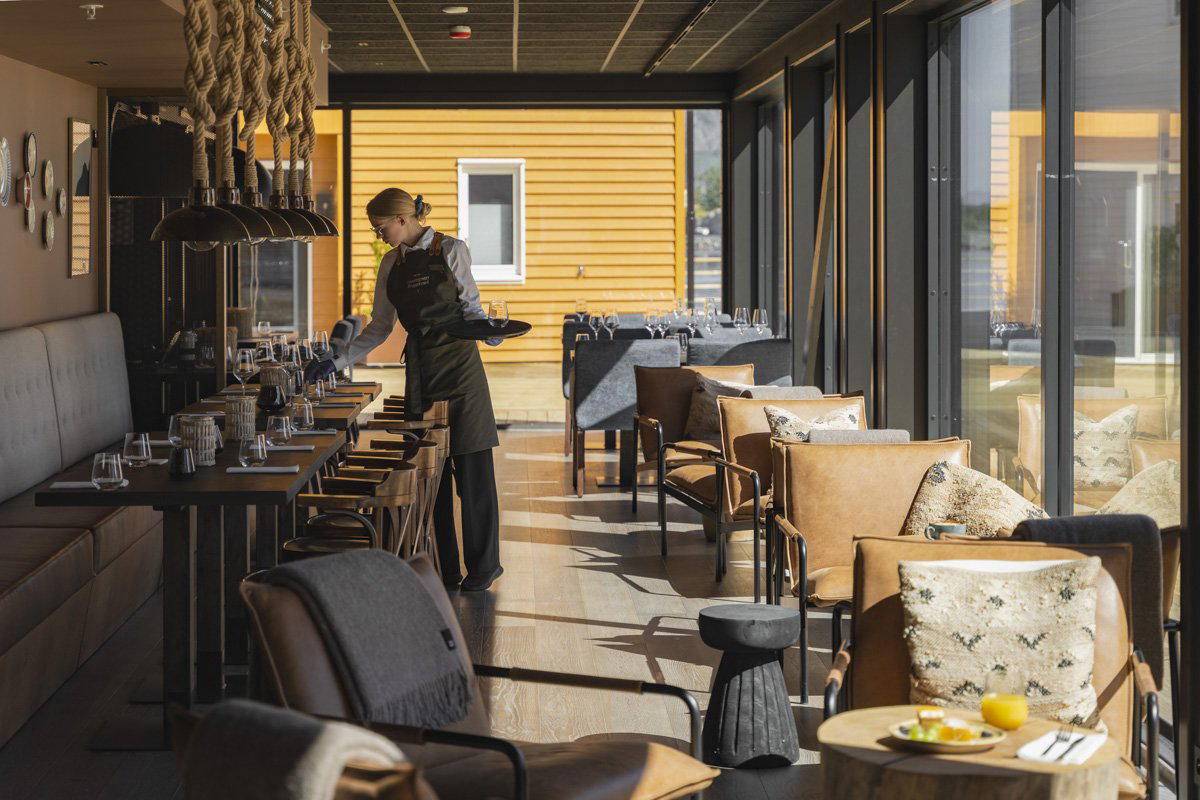

Details
- Cozy
- Rustic
- Scenic
- Classic
- Special Occasion
- Date Night
- Casual Hangout
- Waterfront
- Open Kitchen
- Local Sourcing
- Sustainable Seafood
- Waterfront
- Street Scene
- A La Carte
- Vegetarian Friendly
- Vegan Options
- Gluten Free Options
Current opening hours
- Monday
- 12–8 PM
- Tuesday
- 12–8 PM
- Wednesday
- 12–8 PM
- Thursday
- 12–8 PM
- Friday
- 12–8 PM
- Saturday
- 12–8 PM
- Sunday
- 12–8 PM
Hours can change for holidays and private events. Hours as of .
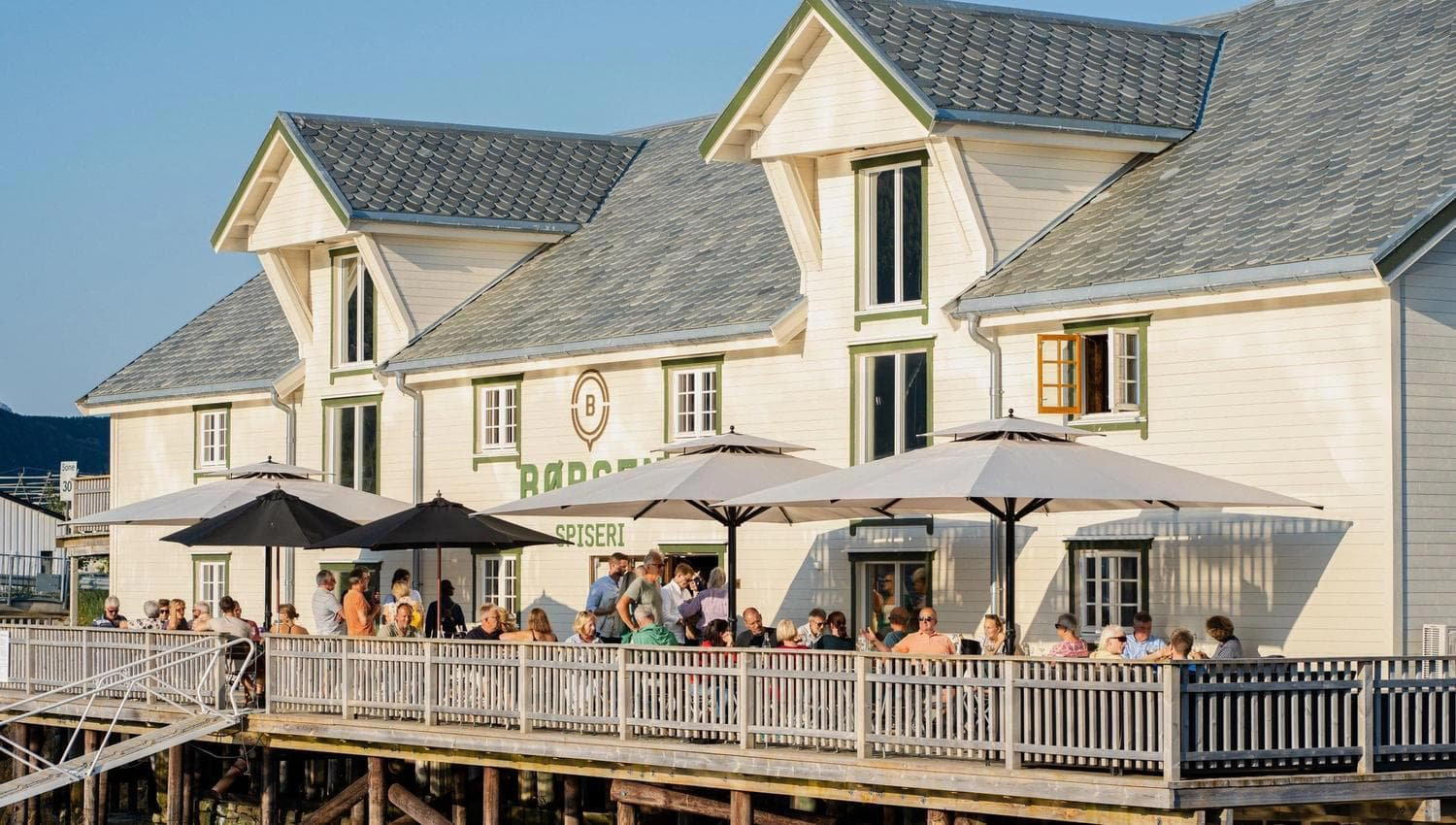
Cozy harbor-side atmosphere with dramatic views of the fishing village and sea.