Our verdict
In the Lofoten archipelago, where the Norwegian Sea delivers cod, crab, and skrei within hours of the catch, Anita's Sjomat operates as a direct expression of that supply chain. The kitchen works with what the surrounding waters provide, placing it inside a well-established Arctic Norwegian tradition of letting proximity to source do the heavy editorial work on the plate.

Pearl is the En Primeur Club membership app, where members save venues, book tables and use the concierge.
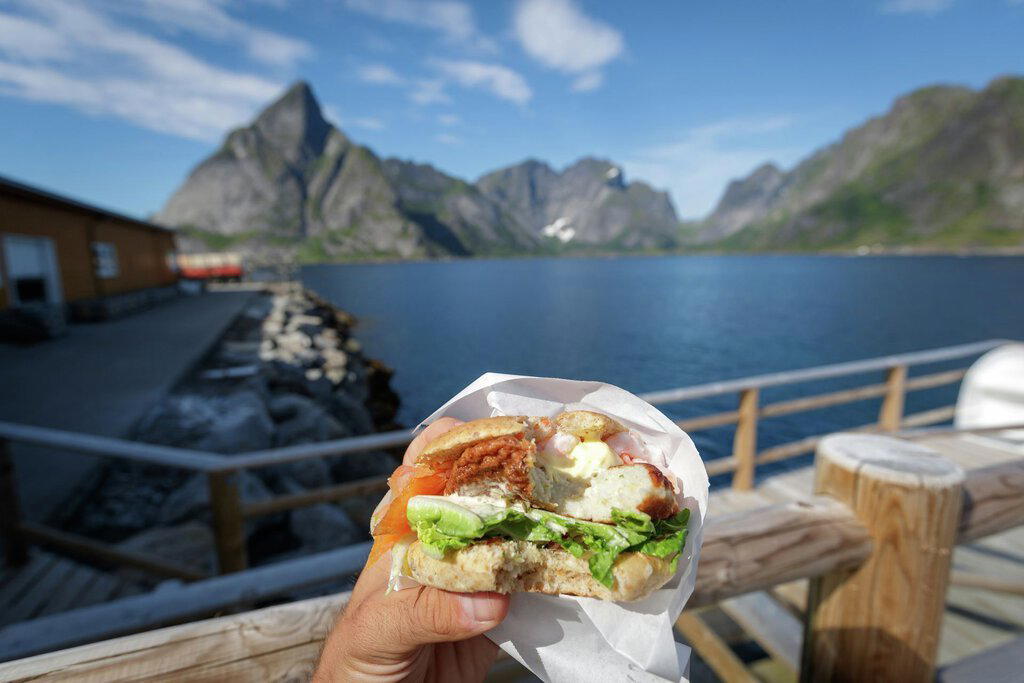
Where the Arctic Supply Chain Becomes the Menu
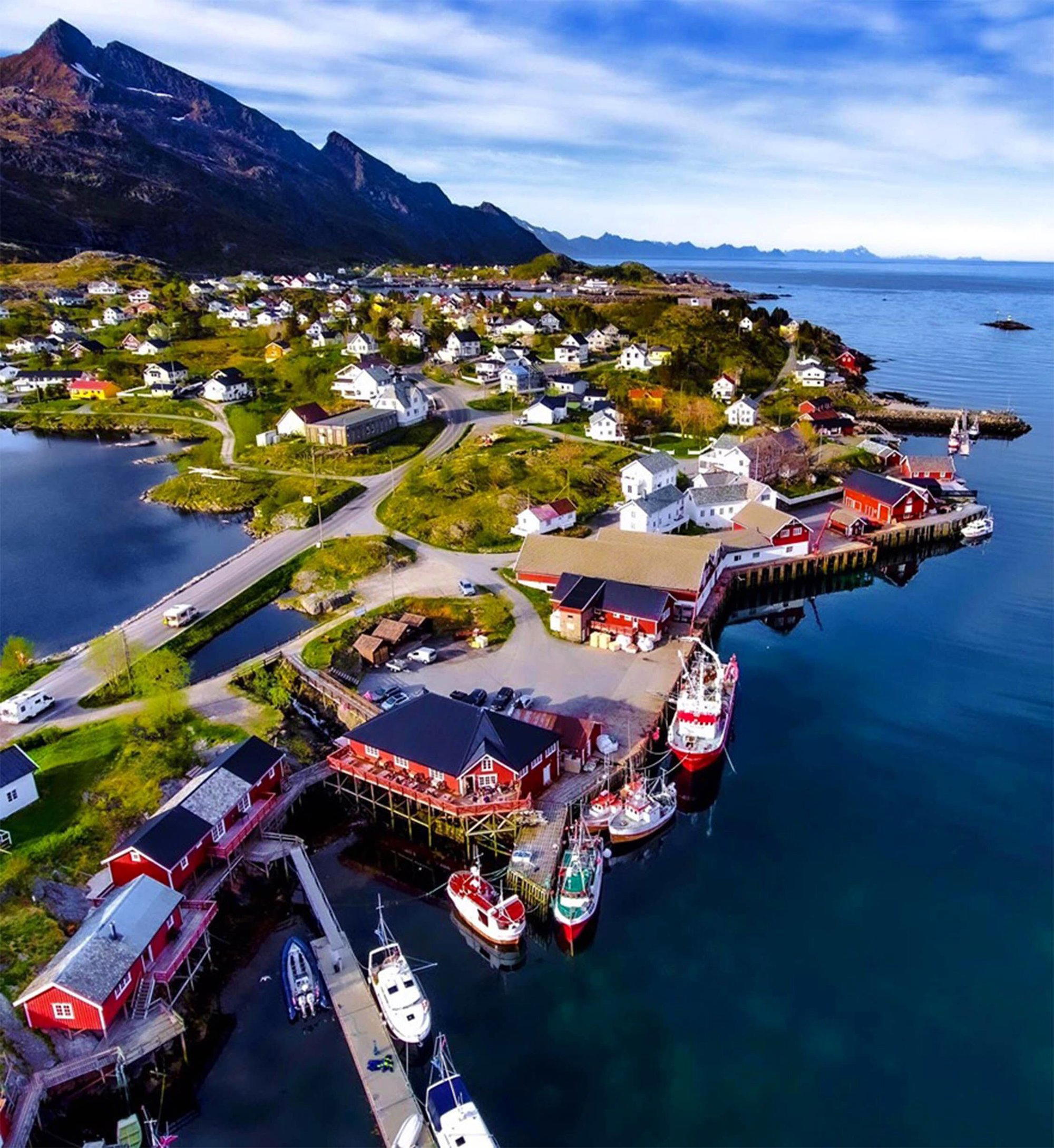
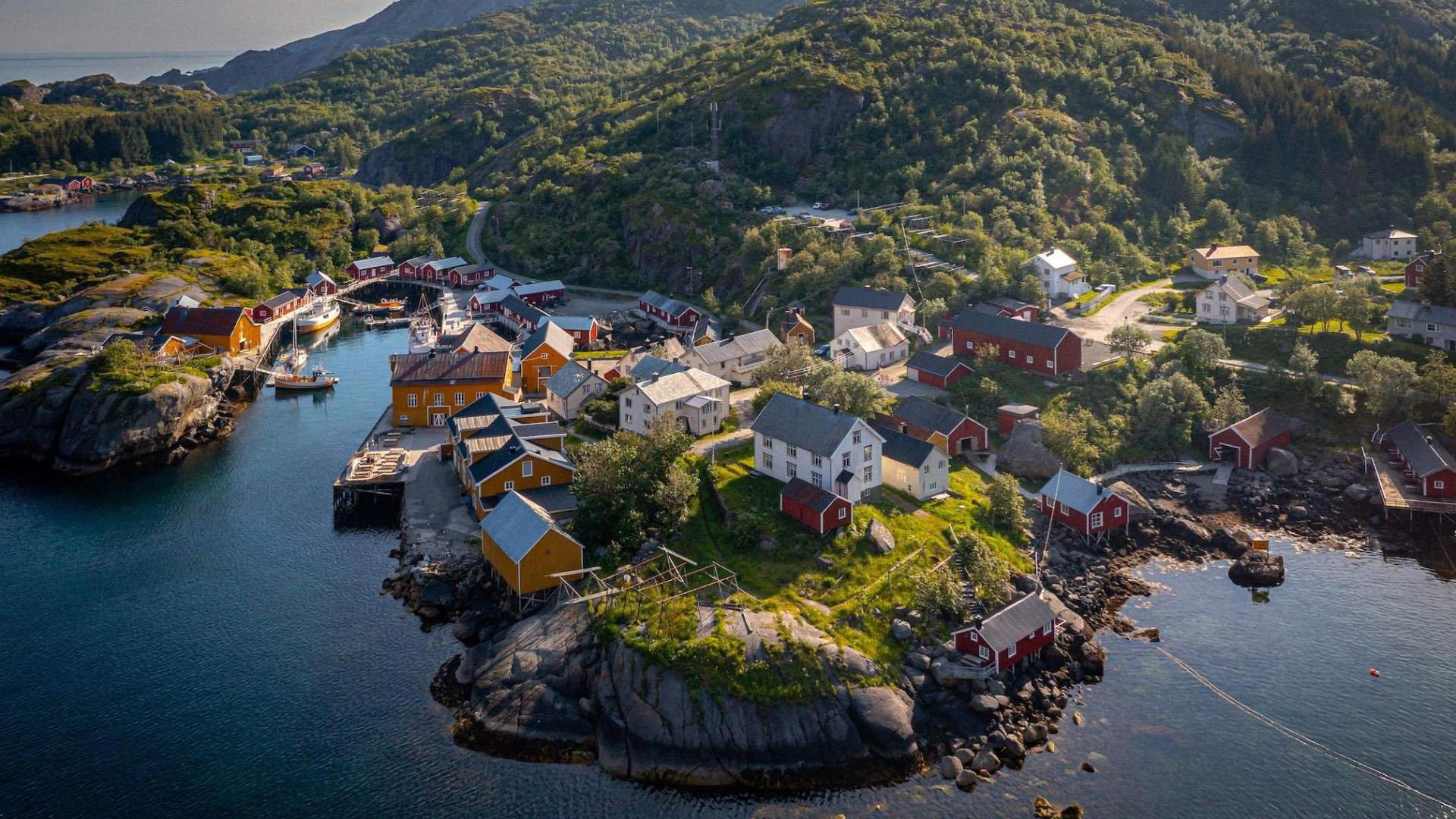
Arrive in Lofoten by road and the sea is never far from view. The E10 highway threads through fishing villages where red rorbu cabins crowd the shoreline and drying racks for stockfish frame the horizon in winter. The archipelago's restaurant culture has always been shaped by this proximity: the Norwegian Sea here is not backdrop but infrastructure, delivering skrei cod, king crab, wolffish, and shellfish at a pace that makes sourcing from further afield largely redundant. Anita's Sjomat sits inside that logic. In a region where the ingredient story is genuinely determined by geography rather than marketing language, the kitchen's character follows from the water rather than from any imposed culinary concept.
For context on how Norway's serious dining rooms approach this same coastal-to-plate philosophy at higher price points, Under in Lindesnes offers a useful reference: its kitchen operates beneath the sea surface and sources accordingly, with a Michelin star to anchor its credibility. At the other end of Norway's fine-dining spectrum, Maaemo in Oslo and RE-NAA in Stavanger each hold three Michelin stars and represent the country's most ambitious New Nordic kitchens. Anita's Sjomat does not compete in that tier, but it participates in the same broader conversation about what Norwegian waters produce and why that specificity matters.
The Arctic Pantry: Lofoten as a Sourcing Address
Lofoten's most significant culinary export is skrei, the migratory Northeast Arctic cod that arrives from the Barents Sea between January and April each year. The fishery is one of the oldest in the world, documented by trading records stretching back centuries, and the fish that passes through Lofoten's ports during those months is among the most prized in European kitchens. Restaurants across the archipelago treat skrei season as a fixed point in the culinary calendar, adjusting menus around it rather than working against it.
Beyond skrei, the surrounding waters supply king crab, spotted wolffish, halibut, and a range of shellfish that arrive at local fish markets with the kind of frequency that makes same-day cooking the default rather than a selling point. Seaweed harvesting has also become part of the Lofoten sourcing story, with coastal foragers supplying local kitchens with dulse, kelp, and sea lettuce. This is the pantry that shapes what kitchens like Anita's Sjomat work with, and it is a notably well-stocked one by any measure. For comparison, FAGN in Trondheim draws on a similar northern Norwegian sourcing tradition at a higher price tier, translating local ingredients into a tasting menu format that has earned Michelin recognition.
The Lofoten restaurant scene divides broadly between places that treat this sourcing reality as table stakes and those that foreground it as the organizing principle of every dish. The latter approach is more demanding to execute consistently but produces a more coherent dining proposition for visitors who have travelled specifically to eat what the archipelago actually produces. Anita's Sjomat, as its name signals directly, is a fish and seafood address. That alignment between name, location, and product is a reasonable indicator of kitchen priorities.
Lofoten's Dining Context: Where Anita's Sjomat Sits
The archipelago's restaurant options range from waterfront cafes oriented toward summer tourism to more serious kitchens with year-round commitments to local product. Fiskekrogen in Henningsvær and Børsen Spiseri in Svolvær both operate within this seafood-focused tier, and Underhuset Restaurant in Reine and Karoline Restaurant in Ramberg extend the map further across the islands. Together, these form the practical dining network available to visitors moving through Lofoten rather than anchoring in one village. Our full Lofoten restaurants guide maps that network in detail.
Across northern Norway more broadly, the pattern holds: seafood-focused kitchens in fishing communities tend to draw credibility from supply relationships and seasonal fidelity rather than from tasting menu ambition. Aurora Restobar in Kirkenes and Umami Harstad in Harstad each occupy their own local seafood context, while Brasserie 8622 in Mo i Rana and Experience Restaurant in Steinkjer represent the wider Norwegian northern dining circuit. Internationally, kitchens built on premium seafood sourcing, like Le Bernardin in New York City, demonstrate how rigorously a single-product focus can be taken when the supply chain is treated as the kitchen's primary discipline.
Visitors planning time in western Norway before or after Lofoten can consult our coverage of Gaptrast in Bergen, Hardanger House in Jondal, and Elysée in Voss for a fuller picture of Norway's regional dining spectrum. Seoul's Atomix rounds out the international reference set for kitchens that treat ingredient provenance as the organizing principle of the menu.
Planning a Visit
Lofoten is most accessible between May and September, when the Midnight Sun extends daylight into the early hours and visitor numbers are at their peak. The skrei season, running January through April, draws a smaller but more specifically food-motivated crowd willing to deal with Arctic winter conditions for the sake of eating the cod at its finest. Flying into Svolvær or Leknes covers the two main entry points; the road network connecting the islands means most villages are reachable by car within an hour or two of either airport. Given the archipelago's seasonal rhythms and the kitchen's likely dependence on what the day's catch provides, checking current opening status before travelling is advisable.
Frequently asked questions
Is Anita's Sjomat child-friendly?
Lofoten's fishing-village restaurants generally operate in a relaxed, informal register that suits families, and Anita's Sjomat fits that pattern. The seafood-forward menu means children comfortable with fish dishes will eat well.
What's the vibe at Anita's Sjomat?
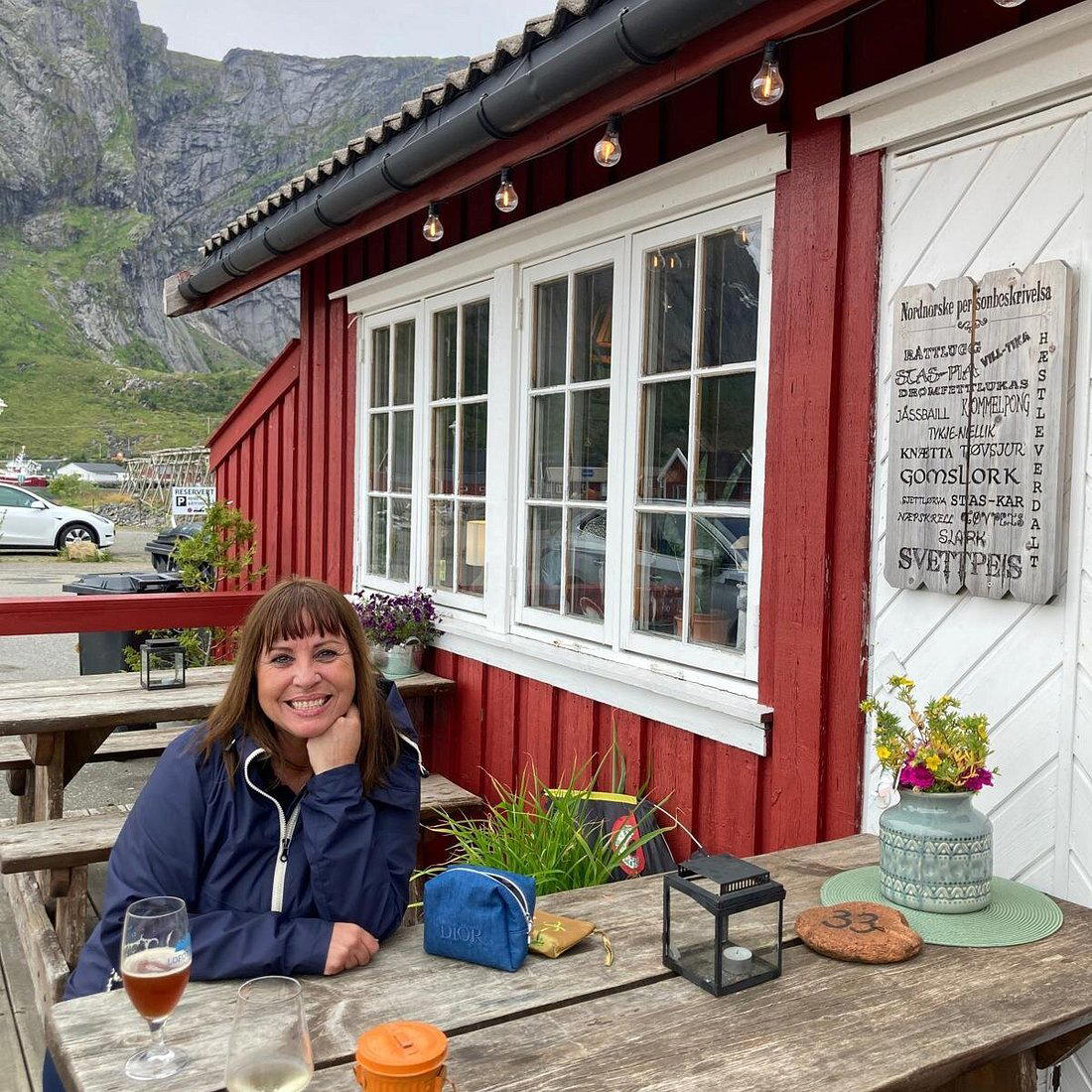
Anita's Sjomat sits within Lofoten's working waterfront context, where the distance between the fishing boat and the kitchen is measured in metres rather than supply chains. Expect a no-frills, harbour-facing atmosphere consistent with the archipelago's rorbu-village aesthetic. This is a place oriented around the catch, not the decor.
Is Anita's Sjomat open year-round, and does the menu change with the fishing seasons in Lofoten?
Lofoten's culinary calendar is shaped by two distinct peaks: the skrei cod season from January to April, when the Barents Sea migratory stock arrives, and the Midnight Sun summer window from May to September. Restaurants with year-round commitments in the archipelago tend to adjust their menus around what the local fleet is landing. Confirming seasonal hours directly with Anita's Sjomat before travelling is advisable, particularly for visits in the shoulder months of October through December.
What do people recommend at Anita's Sjomat?
Given Lofoten's position as Norway's primary skrei landing ground, the migratory Northeast Arctic cod is the dish that defines this region's restaurants between January and April. Anita's Sjomat draws visitors specifically for local seafood tied to that supply chain. For current menu specifics, checking recent visitor accounts closer to your travel date will give the most accurate picture.
Can I walk in to Anita's Sjomat?
Lofoten's peak season runs May through September, when Midnight Sun tourism pushes visitor numbers substantially higher and popular local restaurants fill quickly. Walk-in availability is most realistic outside that window. During summer or the January-to-April skrei season, calling ahead is the safer approach, though no booking policy is formally documented.
A Quick Peer Check
Comparable venues nearby, for context on price, style, and recognition.
| Venue | Cuisine | Price | Awards | Notes |
|---|---|---|---|---|
| Anita's SjomatThis venue (the venue you are viewing) | Traditional Norwegian Seafood Bar | $20–30 | Not listed | Not listed |
| Fisketorget Stavanger | Fresh Norwegian Seafood | $30–50 | Not listed | Vågen |
| Kitchen & Table Fishery | Norwegian Seafood | Not listed | Not listed | Youngstorget |
| Restaurant PA17 | Modern Brasserie | Not listed | Star Wine List | center |
| Fiskeriet | Norwegian Seafood | $20–30 | Not listed | Gardermoen Airport |
| Solsiden Lofoten | Italian & Local Seafood | $50–100 | Star Wine List | Ballstad |
Continue exploring
More in Lofoten
Restaurants in Lofoten
All restaurants in Lofoten →
Bars in Lofoten
Browse all →
Hotels in Lofoten
Browse all →
Details
- Rustic
- Cozy
- Scenic
- Casual Hangout
- Waterfront
- Beer Program
- Local Sourcing
- Waterfront
- Mountain
- Small Plates
- Counter Dining
- Gluten Free Options
Cozy rustic interior with wooden tables, fireplace, and warm welcoming atmosphere enhanced by dramatic sea and mountain views.