

Star Wine List · Falstaff Wine Bar - Listed
Our verdict
Vinoteket arrived on Oslo's Frogner dining scene in 2018 with a formula that still feels quietly subversive: a wine list priced well below the city's norm, creative pizzas that reward attention, and a sommelier pedigree from a former European Sommelier Championship winner. The result is a room where serious wine knowledge meets an accessible format, sitting at an interesting angle to Oslo's broader restaurant scene.

Pearl is the En Primeur Club membership app — saves, bookings, and concierge access live there. Same editors, same standards.
- Address
- Henrik Ibsens gate 60a, 0255 Oslo, Norway
- Phone
- +47 97 43 20 20
- Hours
- Mon ClosedTue–Sat 4–11 PMSun Closed
- Website
- vinoteket.no
- Directions
- Get directions
- Booking
- Book on the venue's website
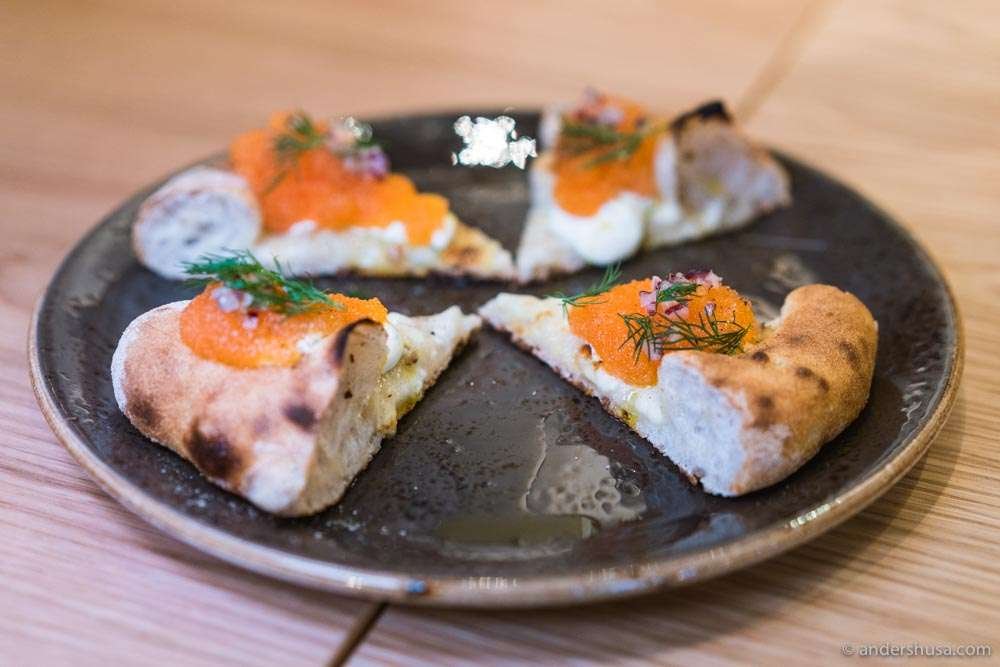
The menu
What to order
- Butter chicken pizza
- Pata negra and burrata pizza
- Entrecote pizza
Where the Wine List Does the Talking
Oslo's drinking culture has long been shaped by punishing alcohol taxes and a retail monopoly that keeps bottle prices high and selection cautious. Against that backdrop, a restaurant on Henrik Ibsens gate offering wine at prices well below what the market would normally bear is less a nice-to-have and more a structural statement. Vinoteket opened in 2018 with that statement already in place, and the room filled quickly because of it.
The address sits in Frogner, the residential quarter west of the city centre where the streets are quieter, the buildings broader, and the dining options tend toward the considered rather than the buzzy. It is a neighbourhood that rewards knowing where you are going. Vinoteket, at number 60a on Henrik Ibsens gate, fits that character: the kind of place that earns its following from locals who return regularly rather than from passing trade.
The Menu Architecture: Pizza as a Serious Format
What made Vinoteket's opening story interesting was not simply the wine pricing, but the deliberate pairing of that list with a pizza format. In most European cities, pizza and serious wine operate in separate rooms. The decision to combine them here is an editorial one: it signals that the kitchen is confident the food can carry the weight of a thoughtful cellar, and that the wine can be enjoyed without the ceremony that usually surrounds it at this level of curation.
Oslo's restaurant scene in the years around Vinoteket's opening had been shaped heavily by the New Nordic template, with tasting menus, foraged ingredients, and minimalist plating dominating the conversation at the serious end of the market. Places like Maaemo and Kontrast were defining what ambitious Oslo dining looked like. Vinoteket did not compete in that category. It occupied a different tier, where the question being asked was whether a straightforwardly enjoyable format could be done with genuine expertise rather than corner-cutting.
The answer the pizza menu gives to that question is in its description as innovative, which in this context means the kitchen is not reproducing a canonical Neapolitan or Roman style but working with the format as a base for its own ideas. In a city where Hot Shop and Bar Amour have both made cases for creative informality at the mid-range, Vinoteket's approach to pizza sits alongside those efforts as part of a broader Oslo argument that approachable formats deserve serious kitchen attention.
The Sommelier Credential and What It Does to the Room
Wine programs earn their reputations through two routes: the list itself, and the person behind it. Former European Sommelier Championship winner Rob's involvement at Vinoteket from its opening belongs to the second route, and it explains something important about how the wine pricing works. A list with aggressively accessible prices, built and maintained by someone who has competed at the highest level of European wine service, is not the same as a cheap wine list. The curation does different work. The value is not in low-quality bottles at low prices but in the selection decisions that make the list interesting at the price points it occupies.
That credential also changes the service dynamic. Sommelier-competition training emphasizes technical precision, grape variety knowledge, and the ability to match wines to food under pressure. In a room where the food format is relatively relaxed, that expertise level is available to guests in a way it rarely is at comparable price points. The comparison set for service quality is closer to Oslo's fine dining rooms than to its casual wine bars, even if the format and pricing suggest otherwise.
Norway's broader restaurant culture outside Oslo has produced serious wine programs at destinations like RE-NAA in Stavanger and FAGN in Trondheim, where wine service operates as an integral part of multi-course experiences. Vinoteket's approach reverses the usual hierarchy, leading with the wine program and using the food format to support it rather than the other way around.
Oslo Context: Where Vinoteket Sits in the City
Oslo's dining scene has matured considerably since 2018. The tasting-menu tier has consolidated around a handful of addresses with genuine international recognition. The casual end has diversified, with natural wine bars, neighbourhood trattorias, and creative sandwich and pizza formats all finding footholds. Vinoteket has remained in a particular position: too serious about wine to be dismissed as a casual drop-in, too informal in format to compete directly with the white-tablecloth end.
That positioning has an analog in other European capitals. In Paris, wine-bar restaurants that pair accessible food formats with serious cellars have become a distinct category, with a different customer base from both bistros and gastronomic restaurants. Oslo was slower to develop that category, and Vinoteket arrived early in its formation. Whether that category has fully established itself in the city since is worth considering when deciding where Vinoteket fits now. For the broader Oslo picture, our full Oslo restaurants guide maps the current scene in detail.
Frogner's contribution to that scene includes Mon Oncle, which takes a French bistro approach to a similar neighbourhood audience. The quarter's dining character tends toward rooms where repeat visits are the point and where the crowd is primarily local rather than tourist-driven. Vinoteket fits that pattern.
For visitors building a wider Norwegian itinerary, the country's restaurant scene extends well beyond Oslo, with notable addresses at Gaptrast in Bergen, Iris in Rosendal, Under in Lindesnes, and Boen Gård in Tveit. For accommodation and other Oslo planning, our Oslo hotels guide, bars guide, wineries guide, and experiences guide cover the full range.
Planning a Visit
Vinoteket is at Henrik Ibsens gate 60a in the Frogner quarter, west of the city centre and accessible by tram from central Oslo. For a restaurant of this profile in a city where alcohol-related dining costs run high, the combination of sommelier-level wine curation and accessible pricing has historically been enough to keep the room well-occupied. Planning ahead rather than walking in is the safer approach.
Frequently asked questions
What is the signature dish at Vinoteket?
Vinoteket built its reputation on innovative pizza, and that format remains the clearest expression of the kitchen's point of view. The pizzas are not designed as a background to the wine but as dishes worth ordering on their own terms, developed with enough creative input to sit alongside the wine program's seriousness rather than beneath it. For a restaurant where the high-end Oslo tasting menu and the casual neighbourhood pizza place occupy opposite ends of the spectrum, Vinoteket's pizza occupies the intelligent middle ground: familiar in format, considered in execution. Specific dish details would need to be confirmed at the venue directly, as the menu has had time to evolve since the 2018 opening.
How hard is it to get a table at Vinoteket?
Oslo's mid-range dining with serious wine credentials is a competitive space, and Vinoteket's combination of below-market wine pricing and a former European Sommelier Championship winner's cellar creates demand that the address alone would not generate. In a city where restaurants at the tasting-menu tier require booking weeks out, a well-regarded wine-bar format is unlikely to have walk-in availability on busy evenings. The Frogner location draws a regular local crowd rather than a high tourist-turnover one, which means midweek tables may be more accessible than weekend slots. Internationally minded travellers who have dealt with reservation dynamics at places like Le Bernardin in New York or Emeril's in New Orleans will find Oslo's booking culture comparatively direct at this level.
Recognition, Side-by-Side
Comparable venues nearby, for context on price, style, and recognition.
| Venue | Cuisine | Price | Awards | Notes |
|---|---|---|---|---|
| VinoteketThis venue — the venue you are viewing | Modern Neapolitan-Style Pizza | $50–100 | Star Wine List · Falstaff Wine Bar - Listed | Not listed |
| Arno | Authentic Italian | Not listed | Not listed | Fredensborg |
| Trattoria Popolare | Rustic Italian Trattoria | $20–30 | Star Wine List | Enerhaugen |
| Campo Osteria | Authentic Italian Osteria | $50–100 | Star Wine List | Gimle |
| Baltazar Ristorante e Enoteca | Classic Italian Trattoria | $50–100 | Star Wine List | St. Hanshaugen |
| Enoteca | Authentic Italian Pizza and Pasta | $30–50 | Not listed | Gimle |
Recognition history
Dated appearances from independent guides and award organizations, with the underlying list record or original source where available.
Star Wine List
Star Wine List
Falstaff Wine Bar - Listed
Falstaff
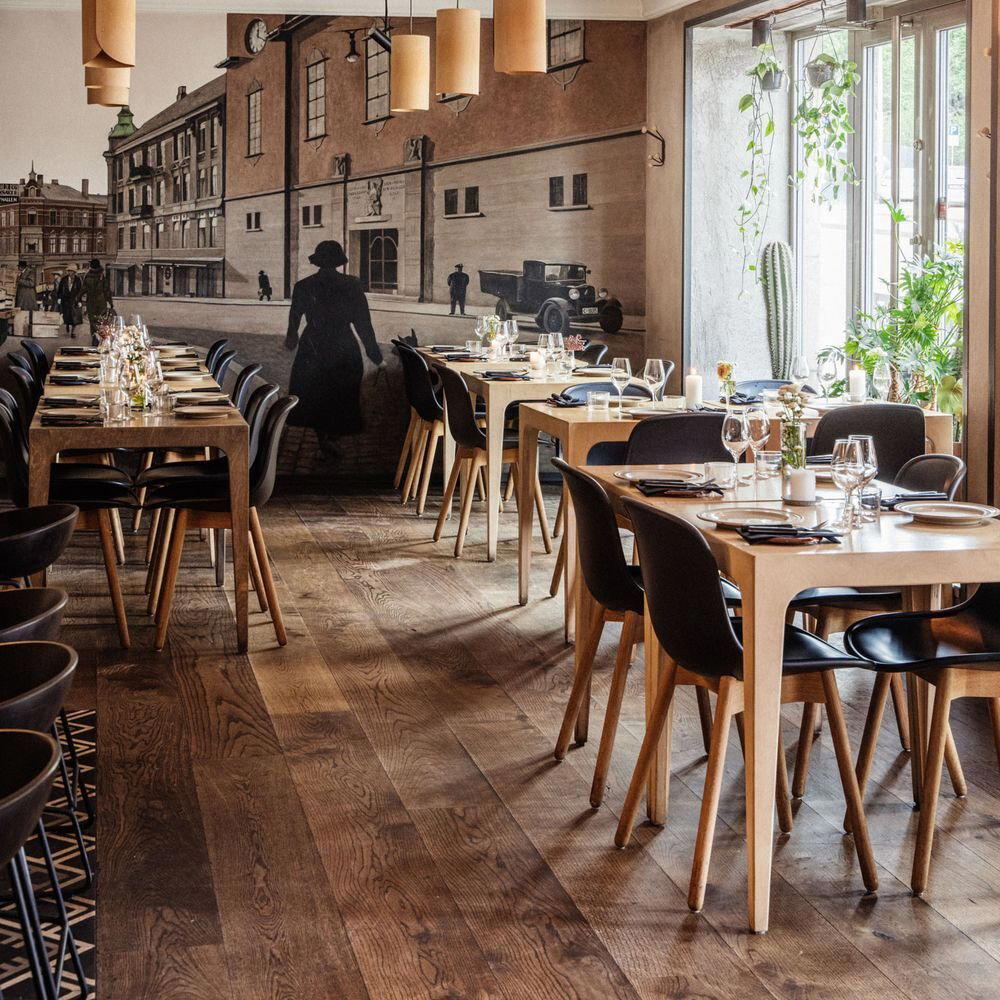
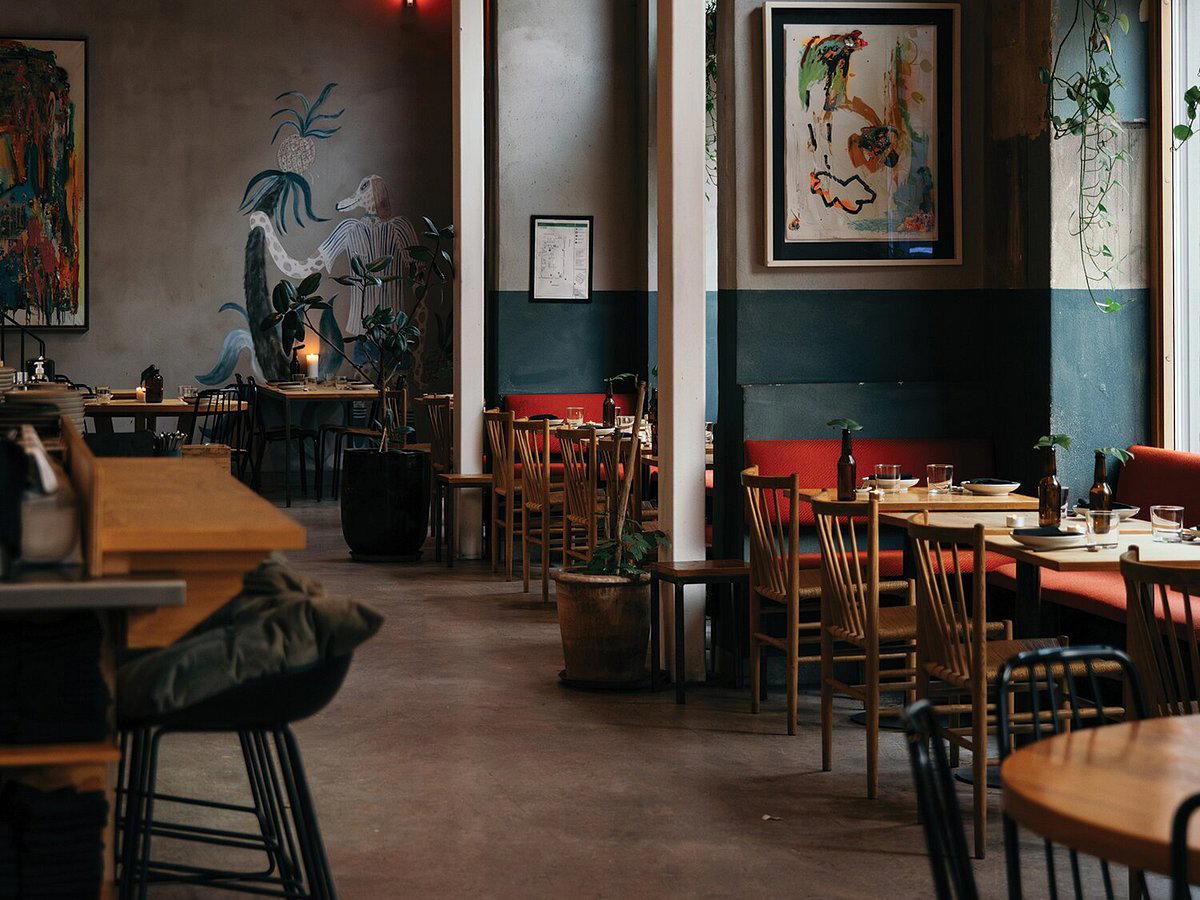
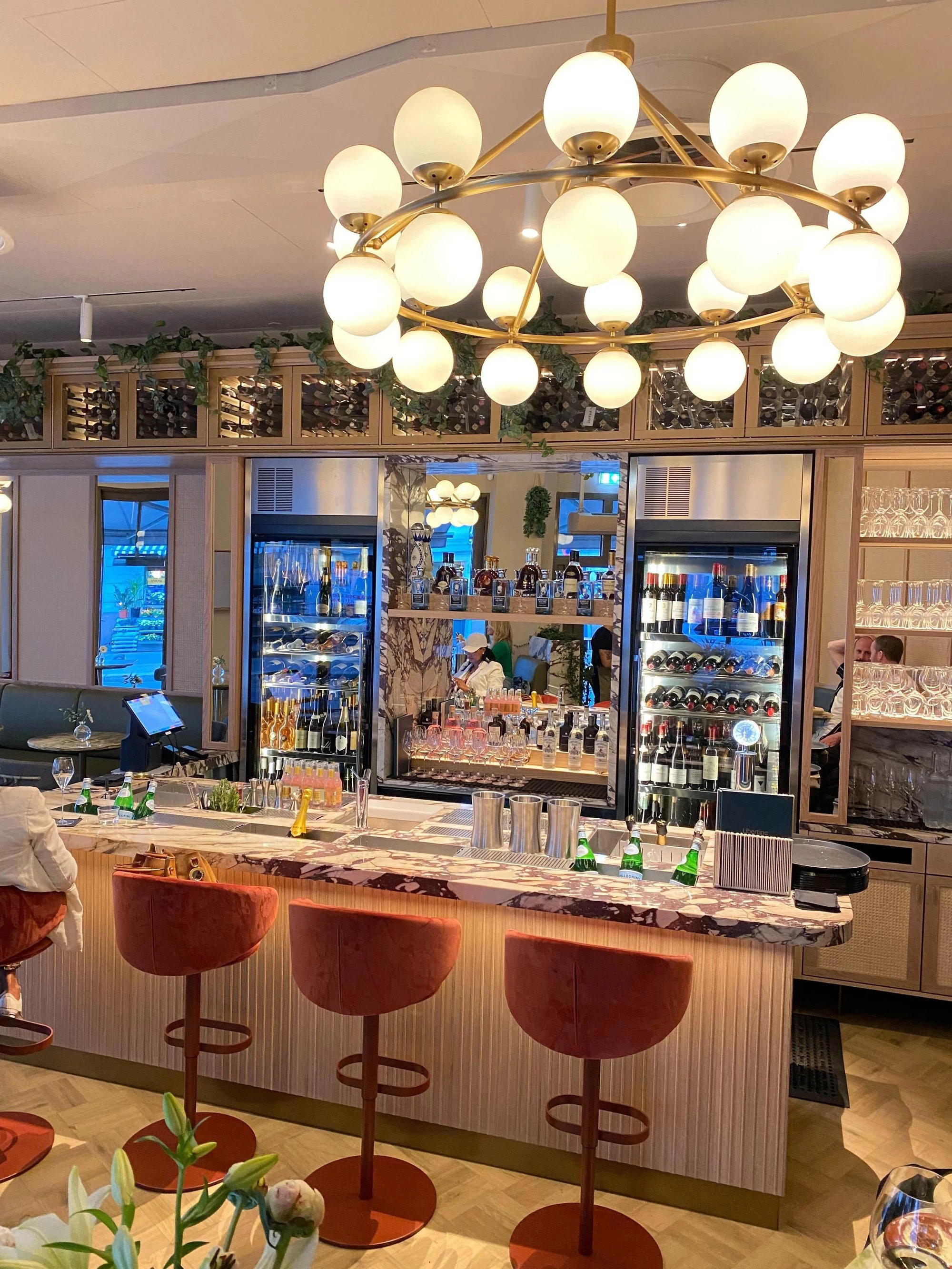
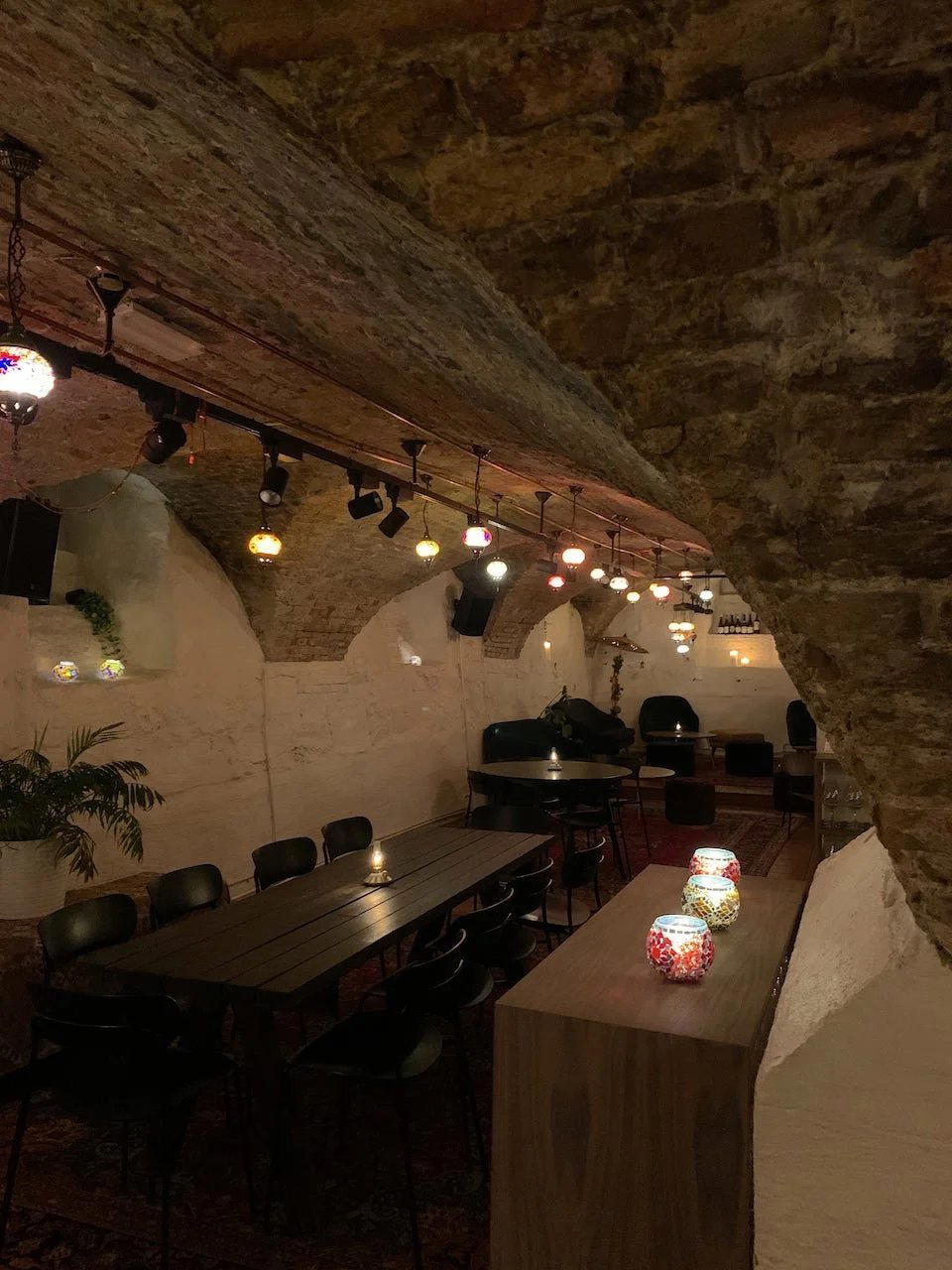
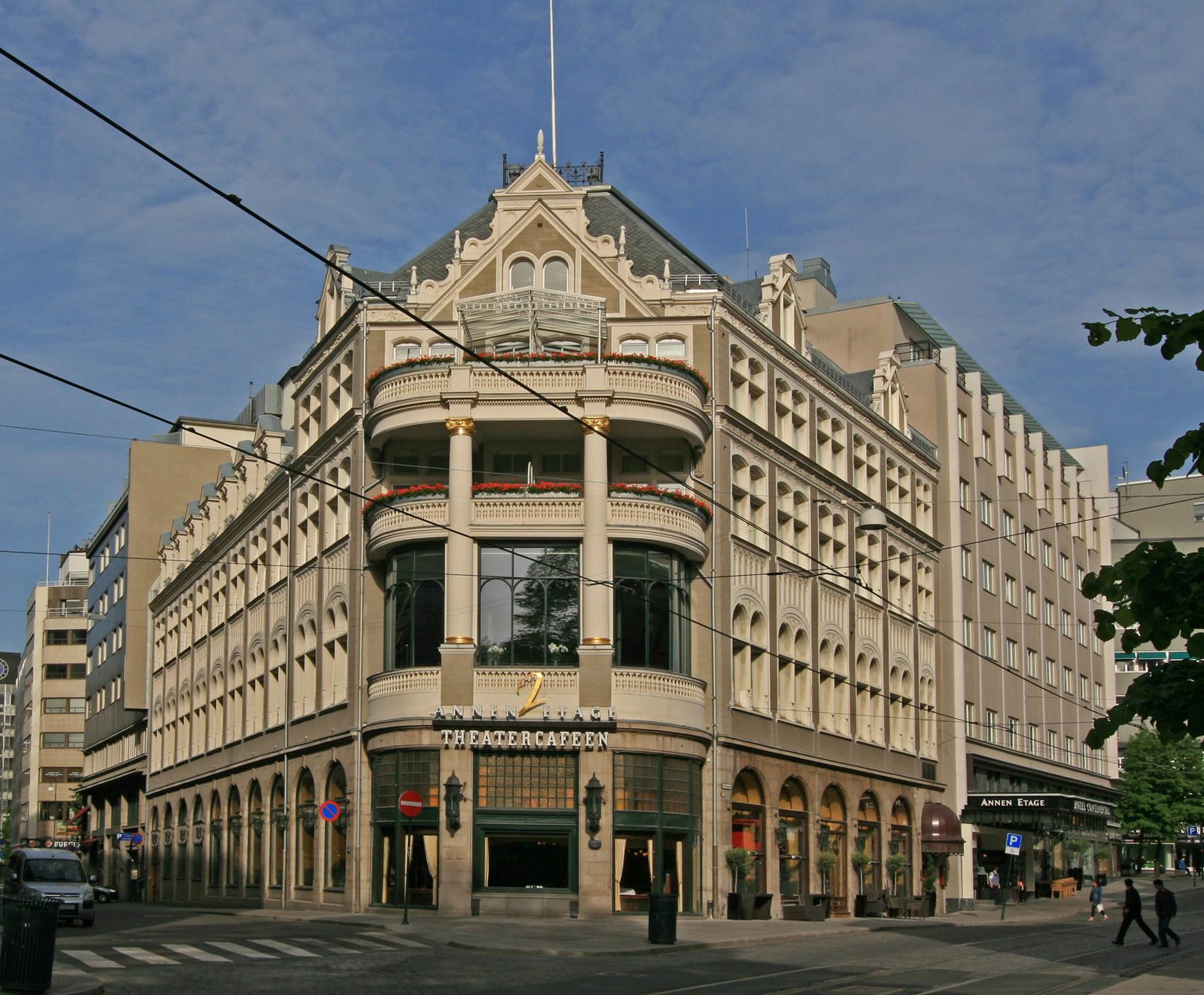
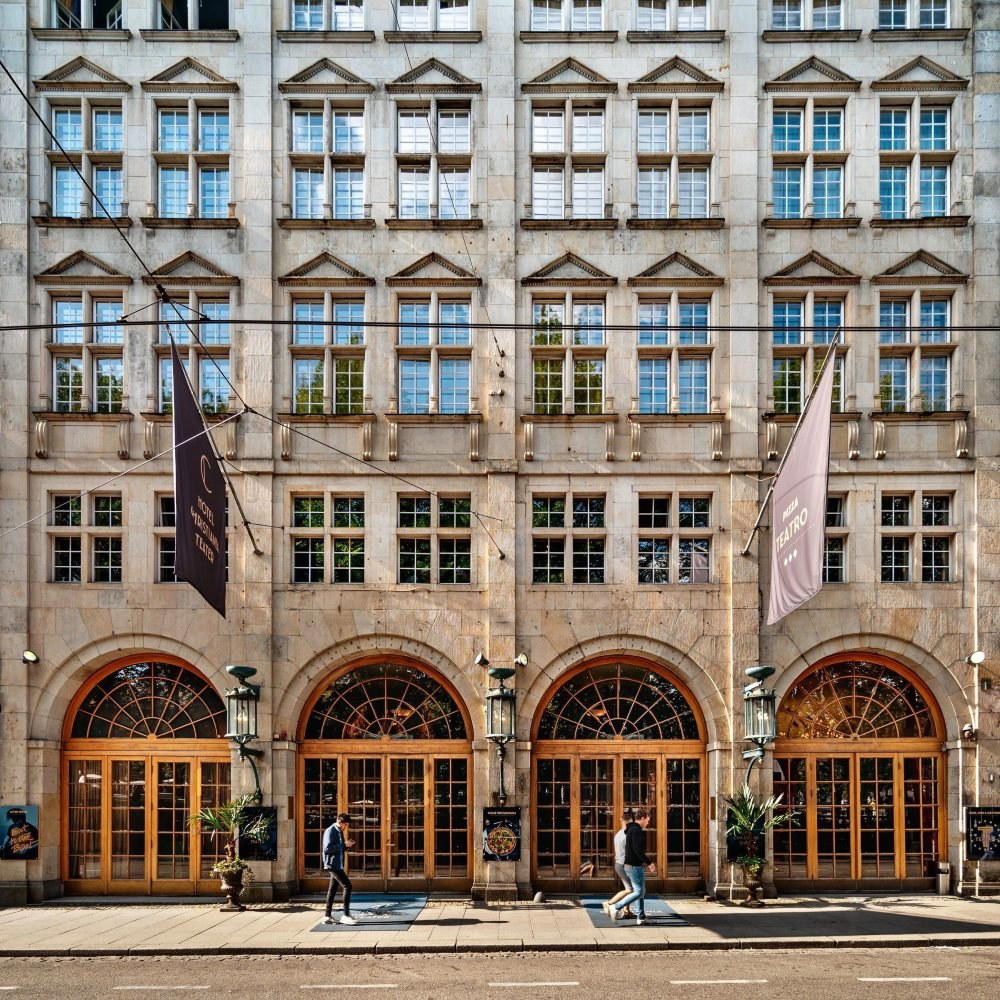
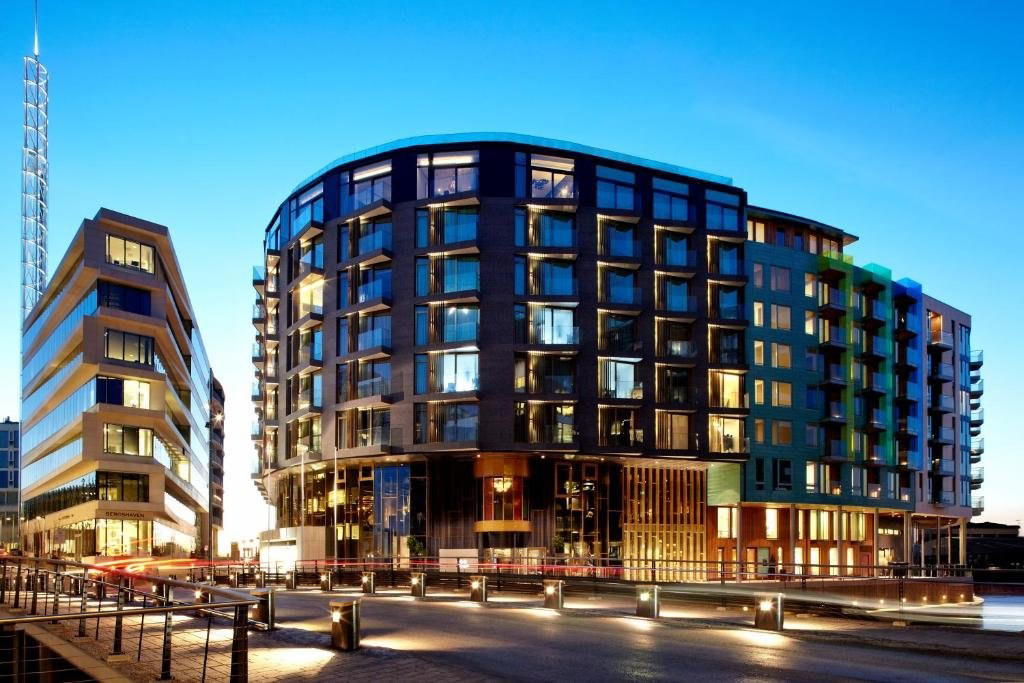
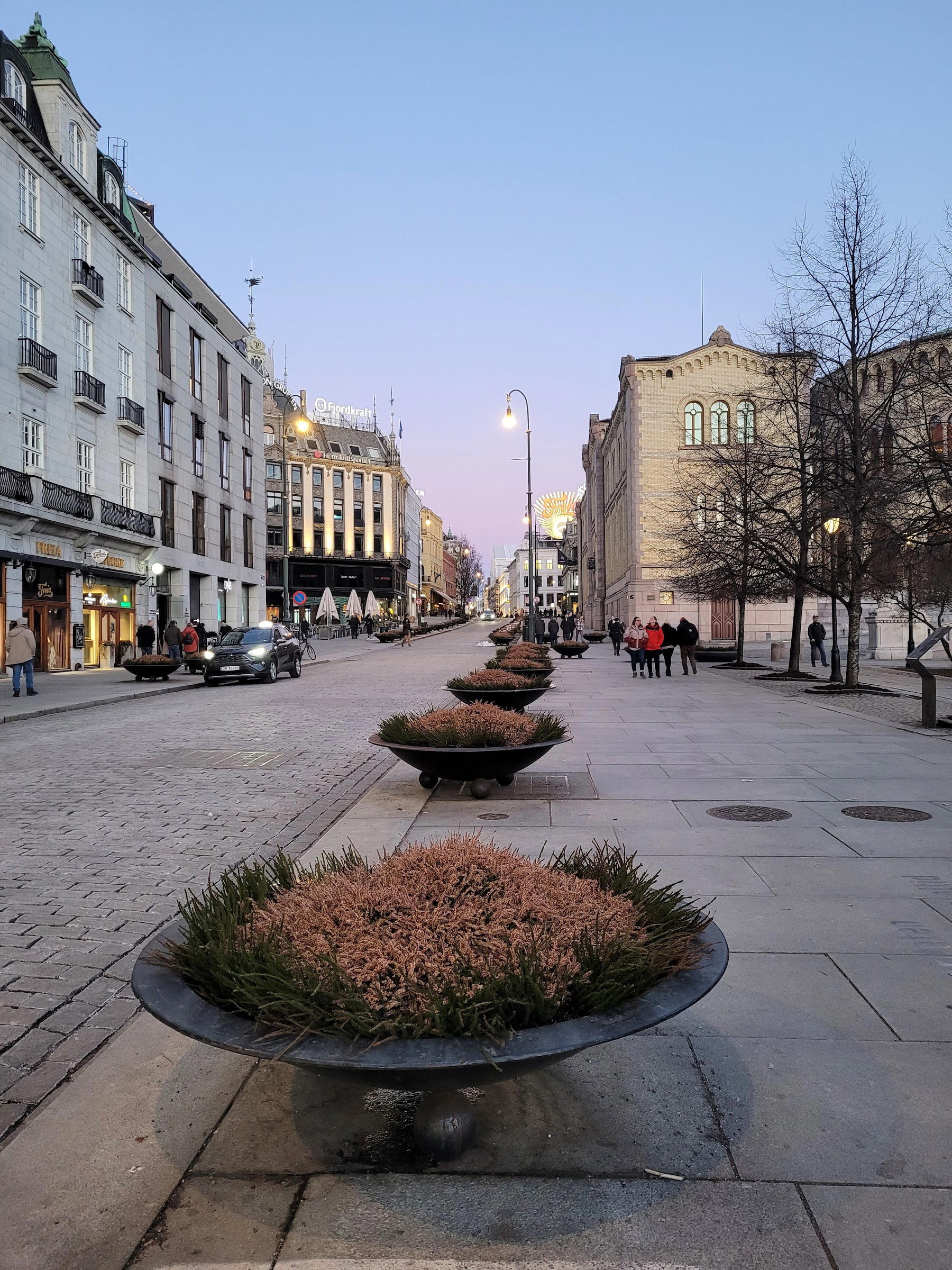
Vinoteket
The wine
- Wine program
- Exceptional wine program
- Extensive wine list
Details
- Modern
- Cozy
- Trendy
- Date Night
- Group Dining
- Casual Hangout
- Wine Cellar
- Open Kitchen
- Extensive Wine List
- Street Scene
- Tasting Menu
- A La Carte
- Small Plates
- Wine
- Vegetarian Friendly
Current opening hours
- Monday
- Closed
- Tuesday
- 4–11 PM
- Wednesday
- 4–11 PM
- Thursday
- 4–11 PM
- Friday
- 4–11 PM
- Saturday
- 4–11 PM
- Sunday
- Closed
Hours can change for holidays and private events. Last verified .
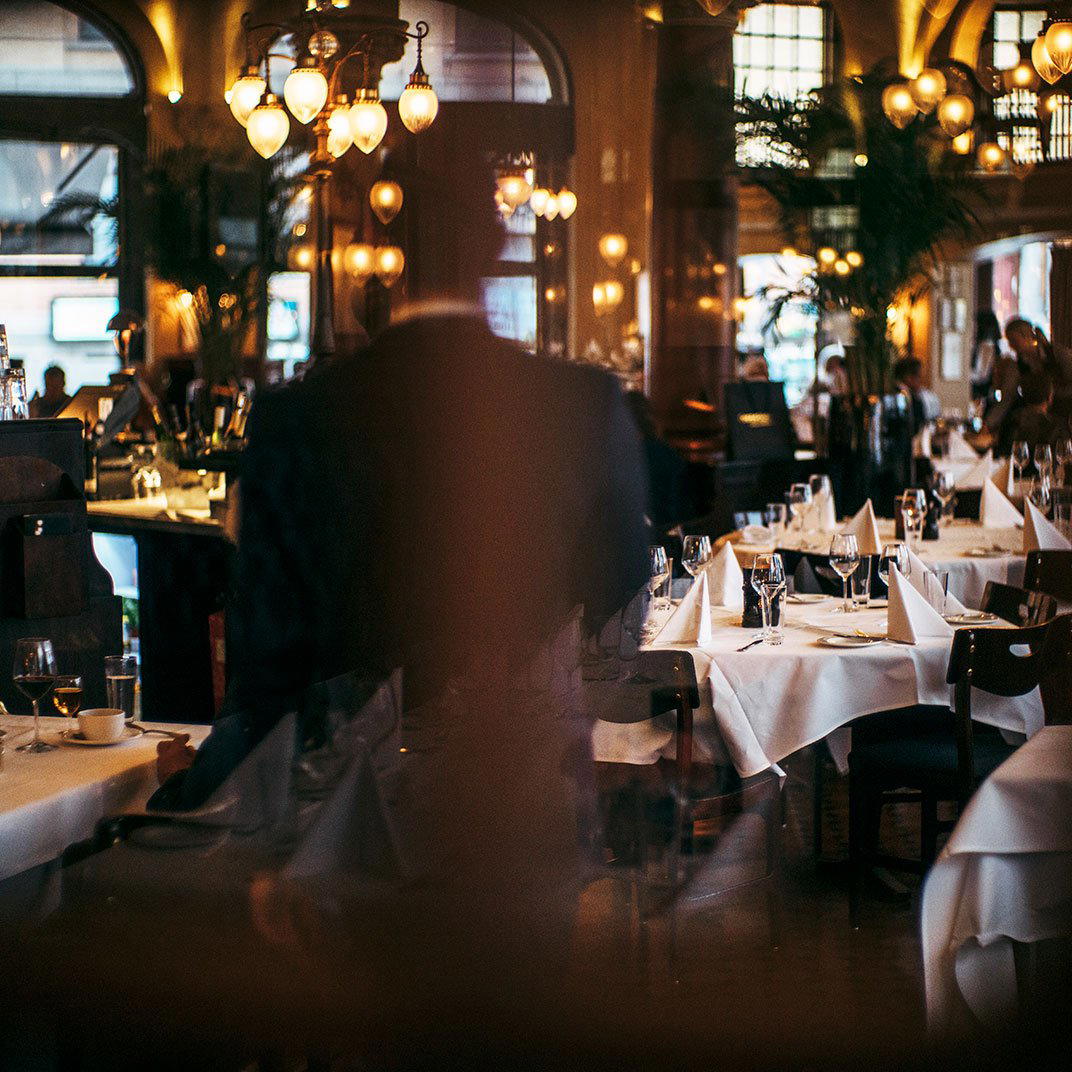
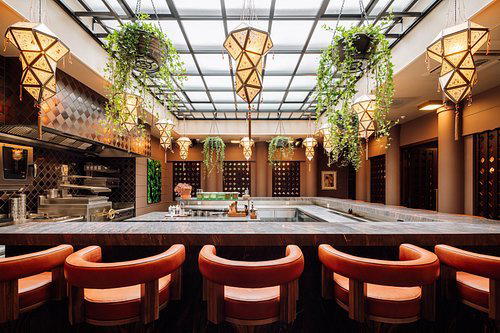
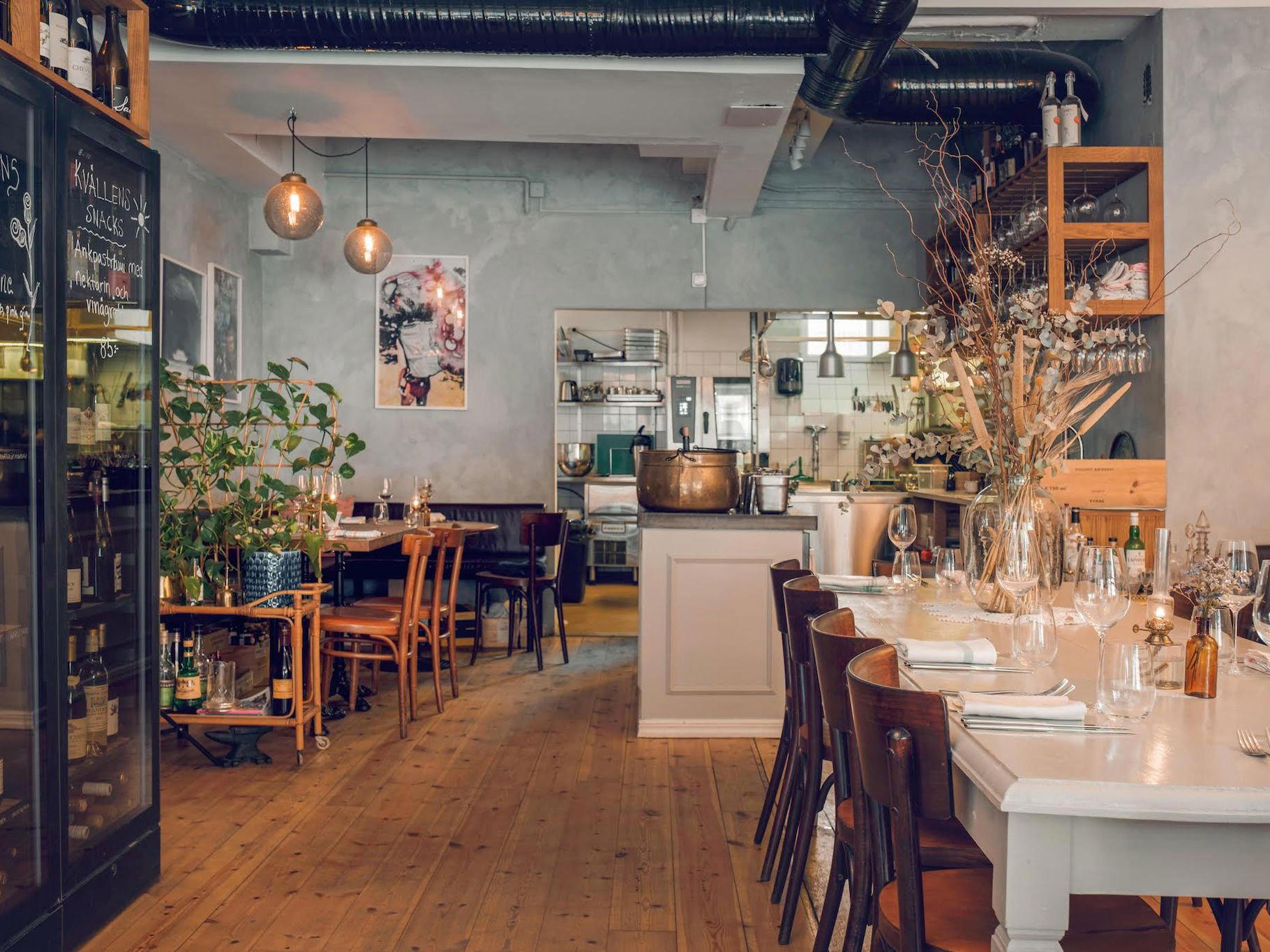
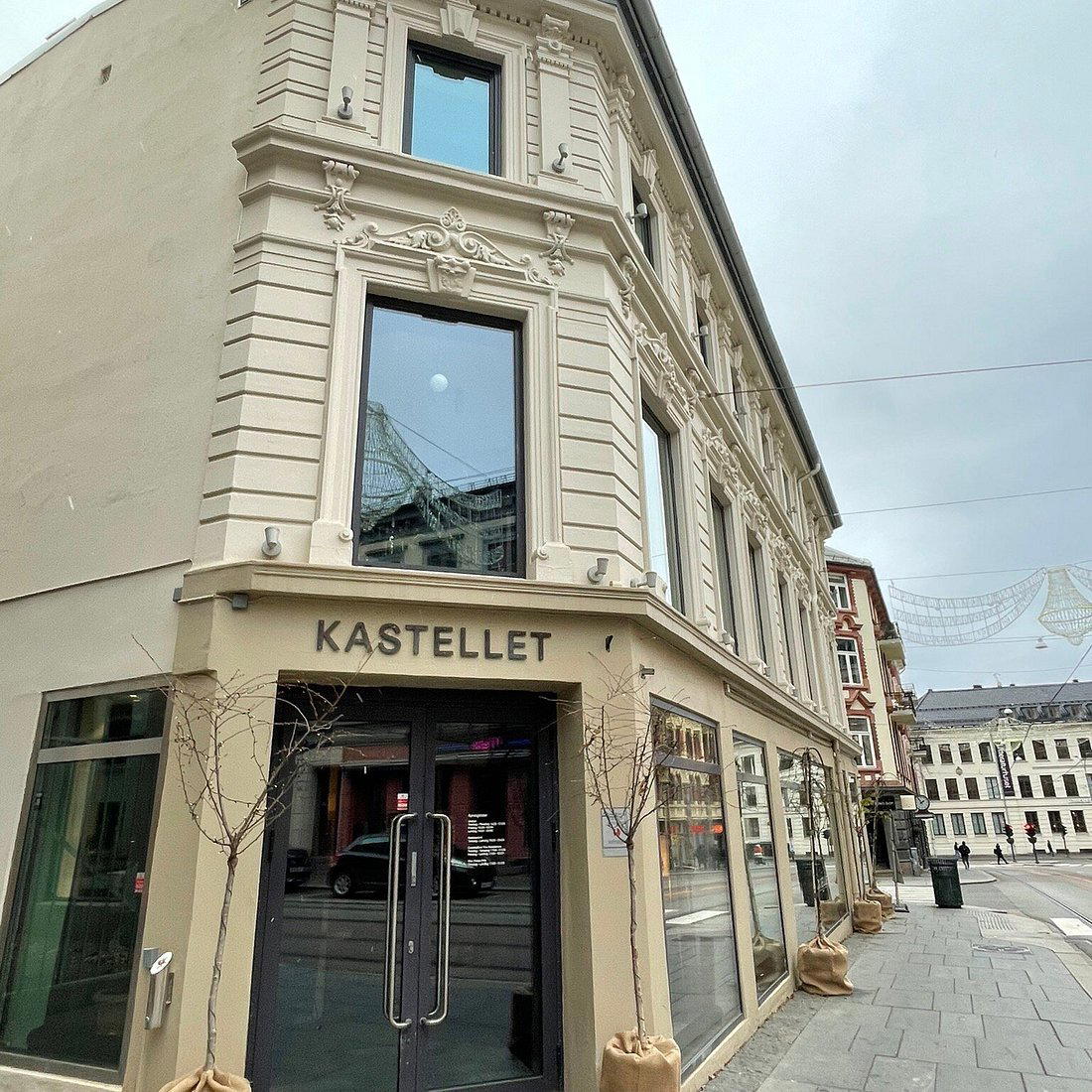
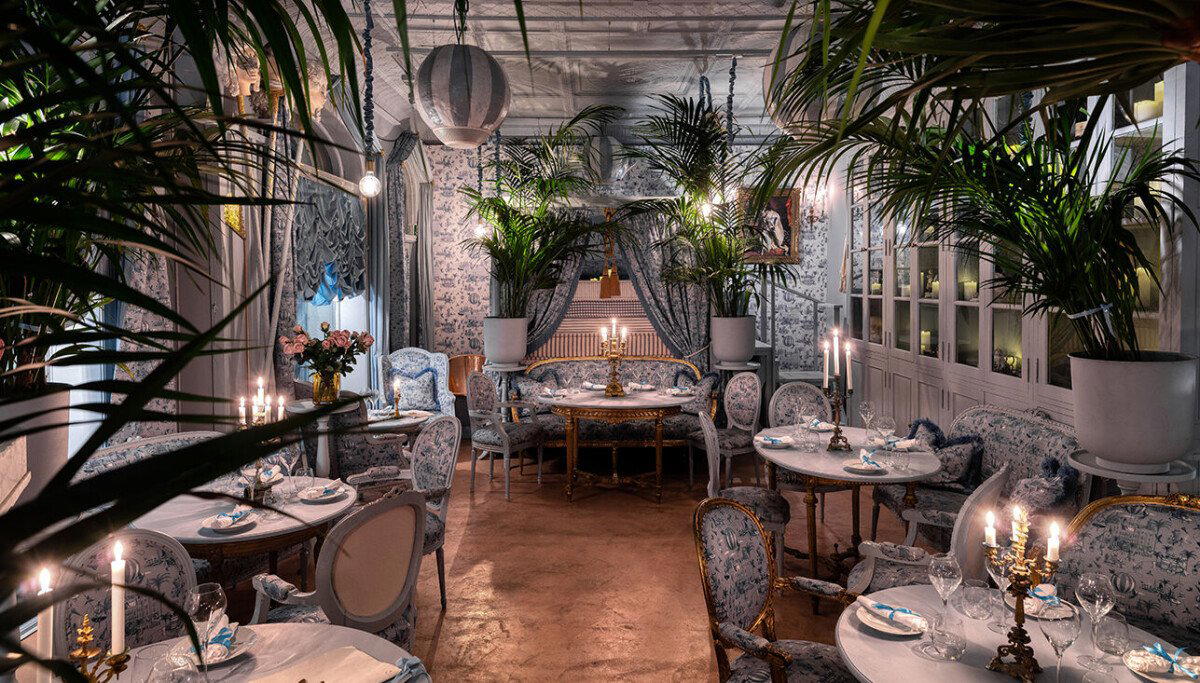
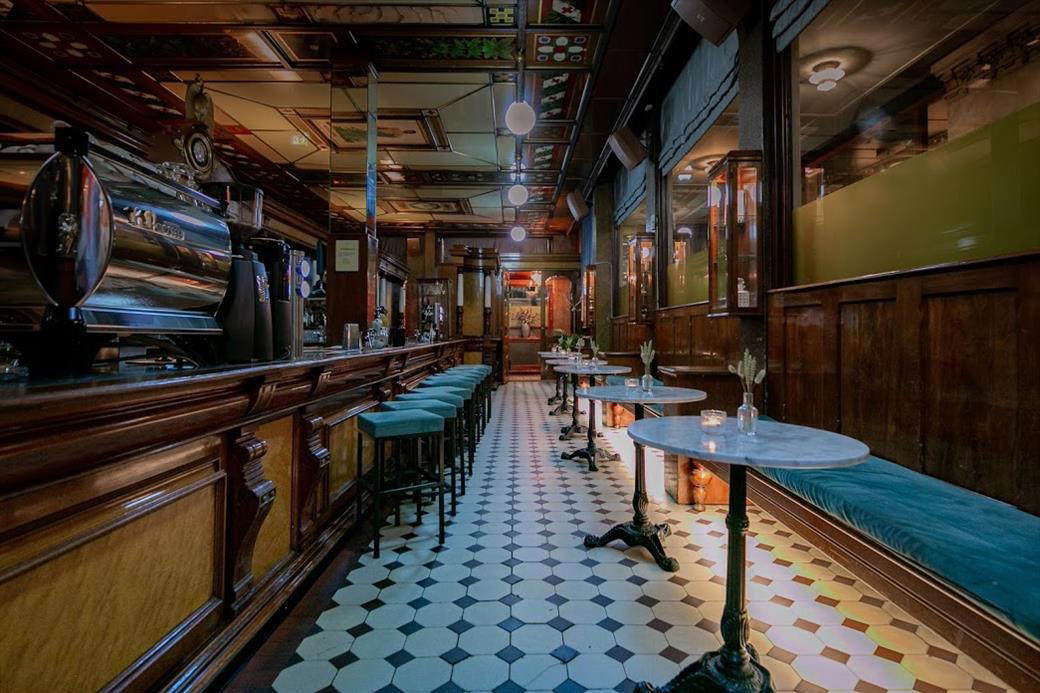
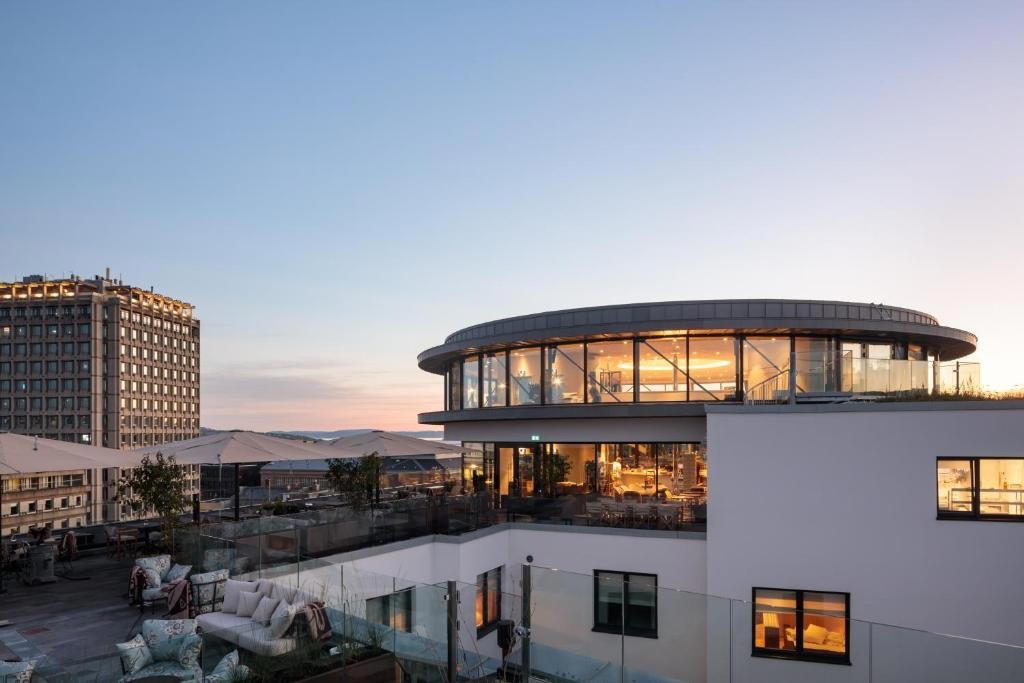
Modern and cozy with large street-facing windows, relaxed atmosphere, and blue upholstered seating.