

1 Michelin Star · Star Wine List
Our verdict
Sabi Omakase Oslo transforms Norwegian seafood through Japanese mastery at chef Airis Zapašnikas's intimate ten-seat counter, where three-hour omakase experiences showcase pristine Arctic ingredients via traditional sushi techniques. This exclusive fine dining destination represents Oslo's most coveted reservation, combining educational theater with exceptional Nordic-Japanese cuisine.

Pearl is the En Primeur Club membership app, where members save venues, book tables and use the concierge.
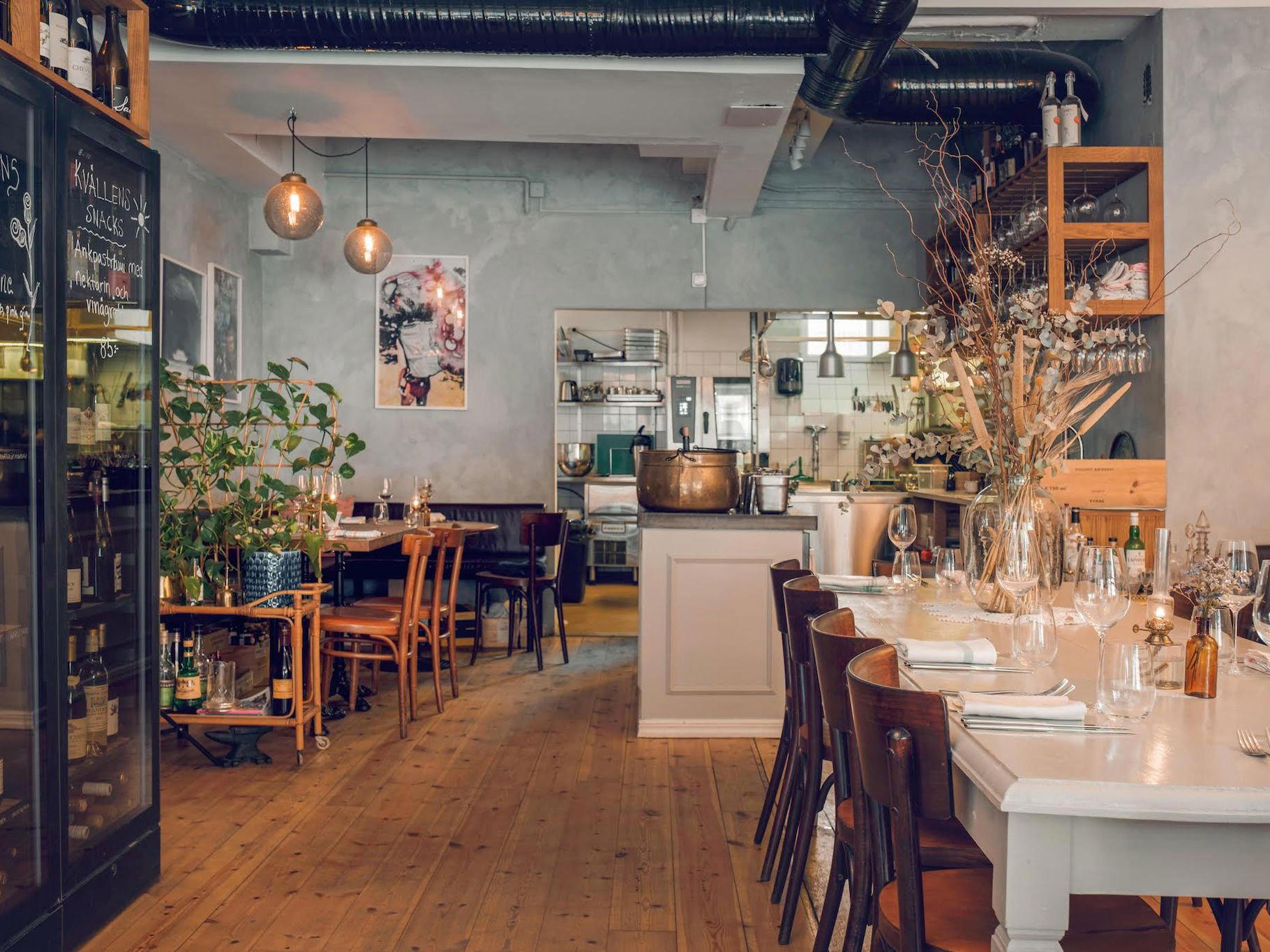
A Counter Format That Michelin Has Recognised Twice Running
At Ruseløkkveien 3 in Oslo's Aker Brygge-adjacent district, the omakase counter has become one of the city's most discussed dining formats. Walk in off the street and the scale is immediately apparent: fifteen seats, arranged around a counter where every movement is visible, every course served directly to you. There is no buffer of a dining room here, no tables set apart from the action. The format is Tokyo-derived in the strictest sense, where the counter acts as both kitchen and table, and the distance between preparation and consumption collapses entirely.
Sabi Omakase Oslo has held a Michelin star in both 2024 and 2025, consecutive recognition that places it among a handful of Oslo restaurants maintaining that level of consistent critical standing. In a city where New Nordic tasting menus have long dominated the high-end conversation, a Japanese counter earning back-to-back Michelin recognition represents something worth examining in context.
Oslo's Fine Dining Tier and Where Japanese Omakase Sits Within It
Oslo's top-end restaurant scene clusters around a small number of formats. The dominant pole has always been the long Nordic tasting menu: Maaemo and Kontrast both operate in the €€€€ tier with multi-course seasonal structures that draw directly on Norwegian ingredients and foraging traditions. That model has shaped how Oslo diners understand premium dining for over a decade.
The Japanese omakase counter operates on a fundamentally different logic. Where the Nordic tasting menu foregrounds provenance and terroir as its central narrative, omakase foregrounds technique and trust. You hand authority to the chef. The menu is not announced in advance. The pacing, the temperature, the sequencing of fish and rice and fermented elements, all of it is decided for you. This is not a Norwegian dining habit by default, which makes Michelin's willingness to award it twice a marker of how seriously Oslo's critical apparatus now engages with non-Nordic fine dining formats.
At the €€€€ price tier, Sabi Omakase Oslo prices against its Nordic-format peers rather than against casual sushi operations. That dynamic is familiar in Tokyo, where the leading omakase counters in Ginza price at multiples of casual sushi specifically because the counter format itself carries value. Oslo has adopted that logic.
Chef Airis Zapa and the Credentials Behind the Counter
Omakase, as a format, is inseparable from the chef who runs the counter. Chef Airis Zapa leads the kitchen at Sabi Omakase Oslo. Those numbers are not typical for a restaurant operating outside the dominant local tradition. They indicate that the counter has built genuine trust with Oslo's dining public and with Michelin's inspectors.
High-volume restaurants accumulate reviews easily; fifteen-seat counters accumulate them slowly, meaning each data point represents a deliberate choice to eat at this price tier. That 4.9 figure reflects consistent execution, not a lucky run of good press.
The Format Itself: What a Tokyo-Style Counter Means in Practice
The term "Tokyo-style" is used loosely in European sushi contexts and deserves precision. A Tokyo omakase counter in the traditional sense means nigiri served directly from chef to diner, one or two pieces at a time, at a pace set by the chef. The rice is warm. The fish is at a temperature that reflects time spent in precise cold storage followed by deliberate rest. There is no sharing, no ordering, no negotiation. The meal ends when the chef decides it ends, usually signalled by tamago or a small sweet piece.
Fifteen seats is the practical upper limit for a single chef to maintain this level of direct service. Above that number, the intimacy degrades and additional staff must mediate between kitchen and counter. The seat count at Sabi Omakase Oslo is therefore not an aesthetic choice alone, it is the structural requirement of the format done properly. For comparison, many of the most recognised omakase counters in Tokyo operate at eight to twelve seats. Fifteen sits at the outer edge of what allows the format to function as intended.
For readers arriving from outside Norway, the counter format also means you are eating with other guests you likely don't know, in close proximity, in a shared rhythm. This is different from the privacy of a hotel restaurant table. It is not the right format for long private conversations. It is the right format for paying attention to food.
Sabi Omakase in the Wider Norwegian Fine Dining Picture
Norway's Michelin-starred restaurant scene extends well beyond Oslo. RE-NAA in Stavanger, FAGN in Trondheim, Gaptrast in Bergen, Iris in Rosendal, Under in Lindesnes, and Boen Gård in Tveit collectively demonstrate that Norwegian fine dining has diversified well beyond the capital. But within Oslo itself, a Michelin-starred Japanese counter is a distinct proposition. It is one of the few places in Norway where the evaluation criteria are explicitly non-local: Michelin inspectors are assessing the counter against an international standard for Japanese cuisine, not against a Norwegian culinary tradition.
That distinction matters for the informed diner. When you book a table at Maaemo or Kontrast, you are eating a Norwegian interpretation of premium dining. When you sit at the Sabi counter, you are engaging with a format that traces its authority to Tokyo. The reference points shift entirely. The benchmarks are counters like Harutaka in Tokyo or Sushi Shikon in Hong Kong rather than the Nordic tasting menu tradition.
Oslo's Broader Dining Context Around Ruseløkkveien
Ruseløkkveien sits in a part of central Oslo that has absorbed a range of restaurant formats at different price points. The neighbourhood is not a dedicated restaurant district in the way that Grünerløkka is for casual dining, but it holds several places worth knowing alongside the omakase counter. Bar Amour operates nearby with a creative format that occupies a different tier and mood. Hot Shop and Mon Oncle extend the range of options for an Oslo evening that moves through more than one stop. For visitors building a full Oslo dining itinerary, our full Oslo restaurants guide maps the full range across neighbourhoods and formats. For accommodation context, the Oslo hotels guide covers options at the relevant tier. Bars, wineries, and experiences are covered in our Oslo bars guide, Oslo wineries guide, and Oslo experiences guide.
Planning a Visit: What to Know Before Booking
The fifteen-seat counter and the €€€€ price tier are the two facts that most directly shape how you approach booking. Counters at this scale in any major city tend to book out weeks in advance, and Oslo's omakase options are narrow enough that Sabi carries more of the city's demand than a Tokyo counter would. The Michelin recognition in consecutive years will have tightened availability further. Arriving in Oslo without a confirmed reservation and expecting to secure a counter seat the same week is unlikely to succeed. This is a venue where planning ahead, typically several weeks minimum, is the operative condition of access rather than a preference.
The address at Ruseløkkveien 3 places the counter in central Oslo, accessible from the main hotel and transit corridors without requiring a journey to the outer districts. For a city like Oslo, where premium dining is distributed fairly centrally, that location is a practical convenience rather than a hardship.
Frequently asked questions
How much does it cost to eat at Sabi Omakase Oslo?
Pricing at Sabi Omakase Oslo is listed as €€€€.
Is Sabi Omakase Oslo award-winning?
Sabi Omakase Oslo has received recognition including: Omakase is a Japanese restaurant offering an “omakase” menu, which means “to trust the chef”. With only 15 seats around the counter, Omakase offers a unique, personal Tokyo style eating experience. Th...; Michelin 1 Star (2025); Michelin 1 ….
What's the must-try dish at Sabi Omakase Oslo?
Sabi runs a format where the menu is entirely at Chef Airis Zapa's discretion and is not published in advance, that is the point of omakase. The fifteen-seat counter and back-to-back Michelin stars in 2024 and 2025 suggest the kitchen is consistent enough that the sequencing of the meal, rather than any single dish, is what you're paying for at the €€€€ price tier.
Comparison Snapshot
| Venue | Cuisine | Price | Awards | Notes |
|---|---|---|---|---|
| Sabi Omakase OsloThis venue (the venue you are viewing) | Edomae-Style Japanese Omakase | $300–500 | 1 Michelin Star · Star Wine List | Not listed |
| Maaemo | New Nordic Fine Dining | $300–500 | 3 Michelin Stars · World's 50 Best #47 | New Nordic, Modern Cuisine |
| Kontrast | Modern Nordic Fine Dining | $200–300 | 2 Michelin Stars · La Liste Top Restaurants | New Nordic, Scandinavian |
| Hot Shop | Modern Nordic Tasting Menu | $100–150 | 1 Michelin Star · Star Wine List | New Nordic, Modern Cuisine |
| Statholdergaarden | Classic Norwegian-French Fine Dining | $200–300 | 1 Michelin Star · La Liste Top Restaurants | Modern European, Classic Cuisine |
| Arakataka | Modern Nordic | $50–100 | Michelin Plate · Star Wine List | Not listed |
Recognition history
Dated appearances from independent guides and award organizations, with the underlying list record or original source where available.
Michelin 1 Star
Michelin
Star Wine List
Star Wine List
Full recognition history (4 entries)
Michelin 1 Star
Michelin
Michelin 1 Star
Michelin
Continue exploring
More in Oslo
Restaurants in Oslo
All restaurants in Oslo →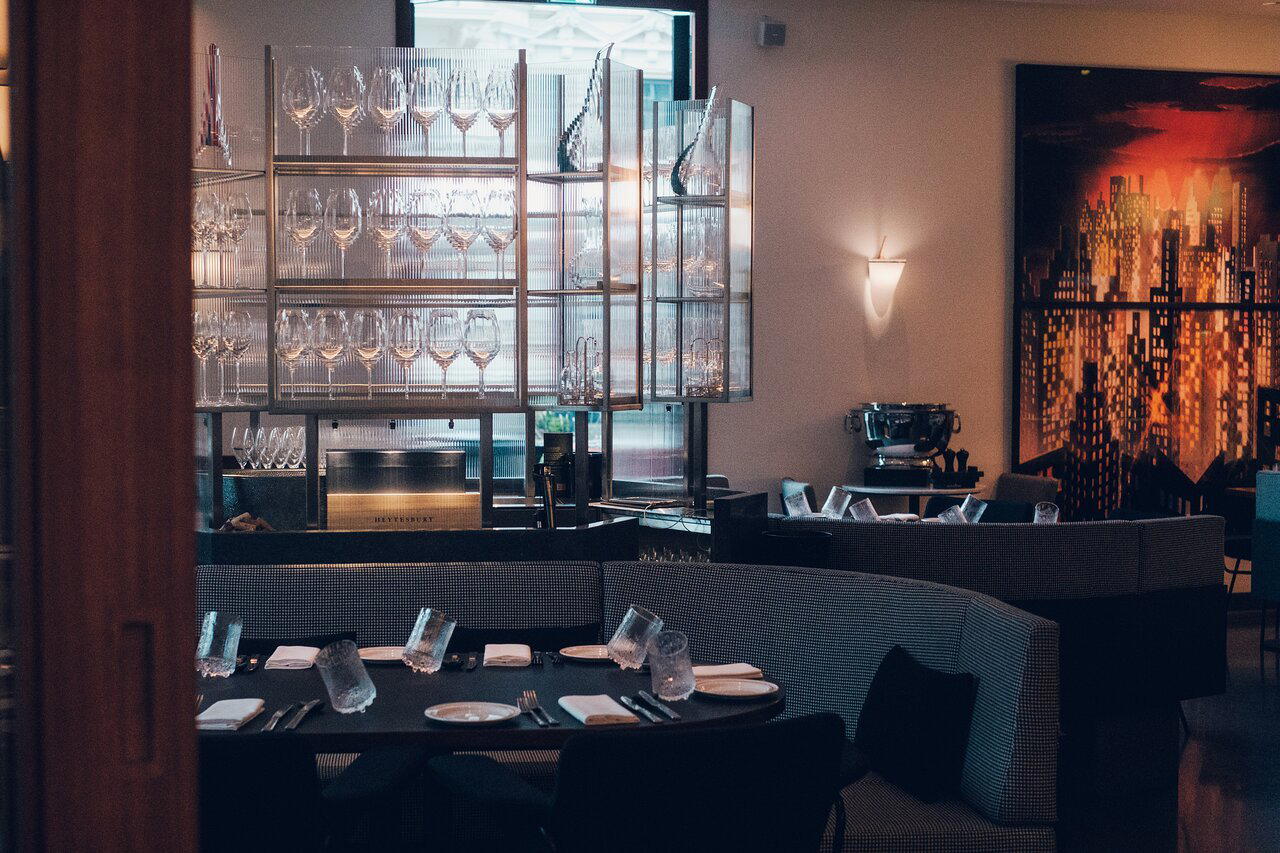
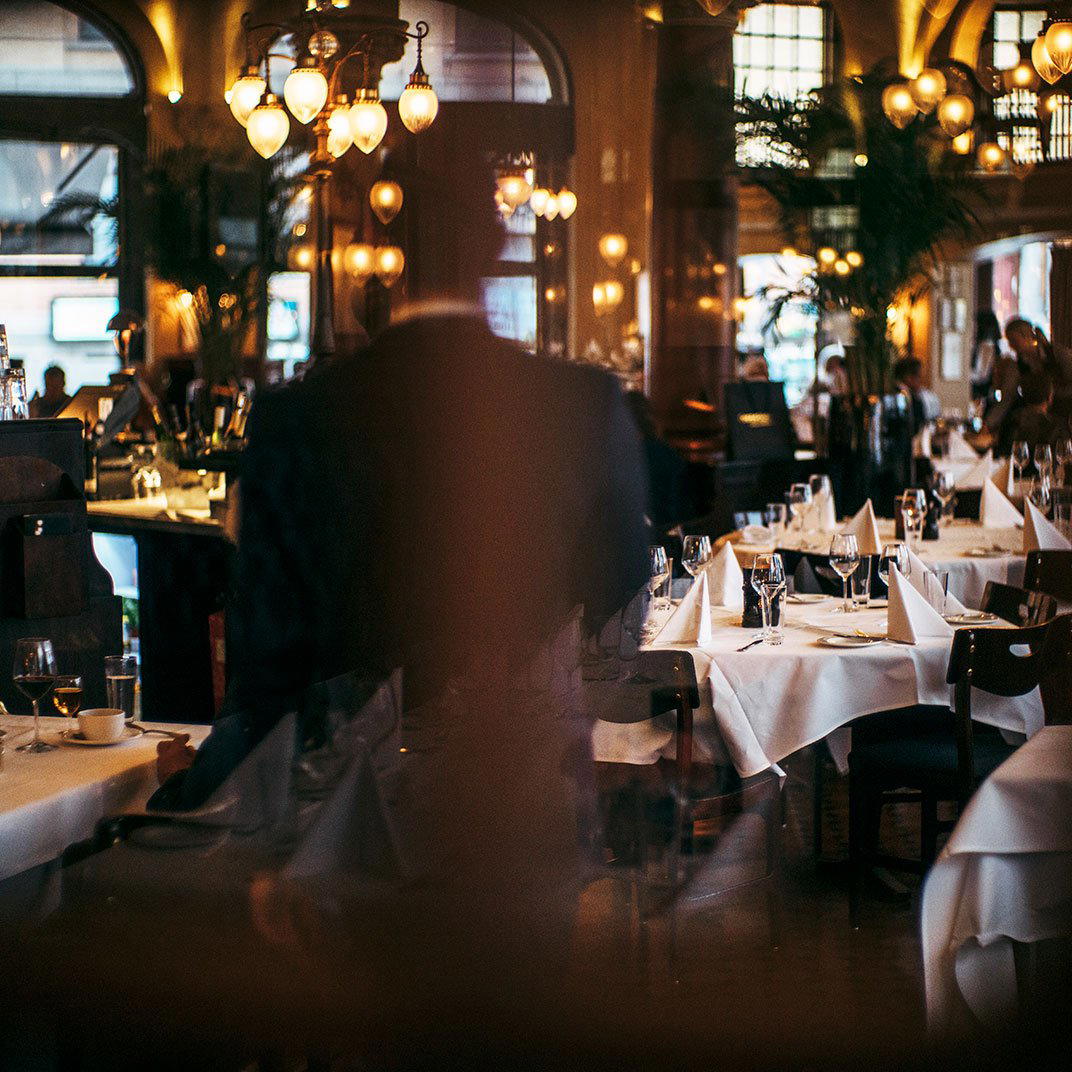
Bars in Oslo
All bars in Oslo →
Sabi Omakase Oslo
The wine
- Extensive wine list
- Sommelier-led
- Sake program
Details
- Intimate
- Elegant
- Sophisticated
- Minimalist
- Date Night
- Special Occasion
- Solo
- Chefs Counter
- Open Kitchen
- Sake Program
- Extensive Wine List
- Sommelier Led
- Local Sourcing
- Omakase
- Counter Dining
- Tasting Menu
- Sake
- Wine
Current opening hours
- Monday
- Closed
- Tuesday
- Closed
- Wednesday
- 5–11 PM
- Thursday
- 5–11 PM
- Friday
- 5–11 PM
- Saturday
- 5–11 PM
- Sunday
- Closed
Hours can change for holidays and private events. Hours as of .
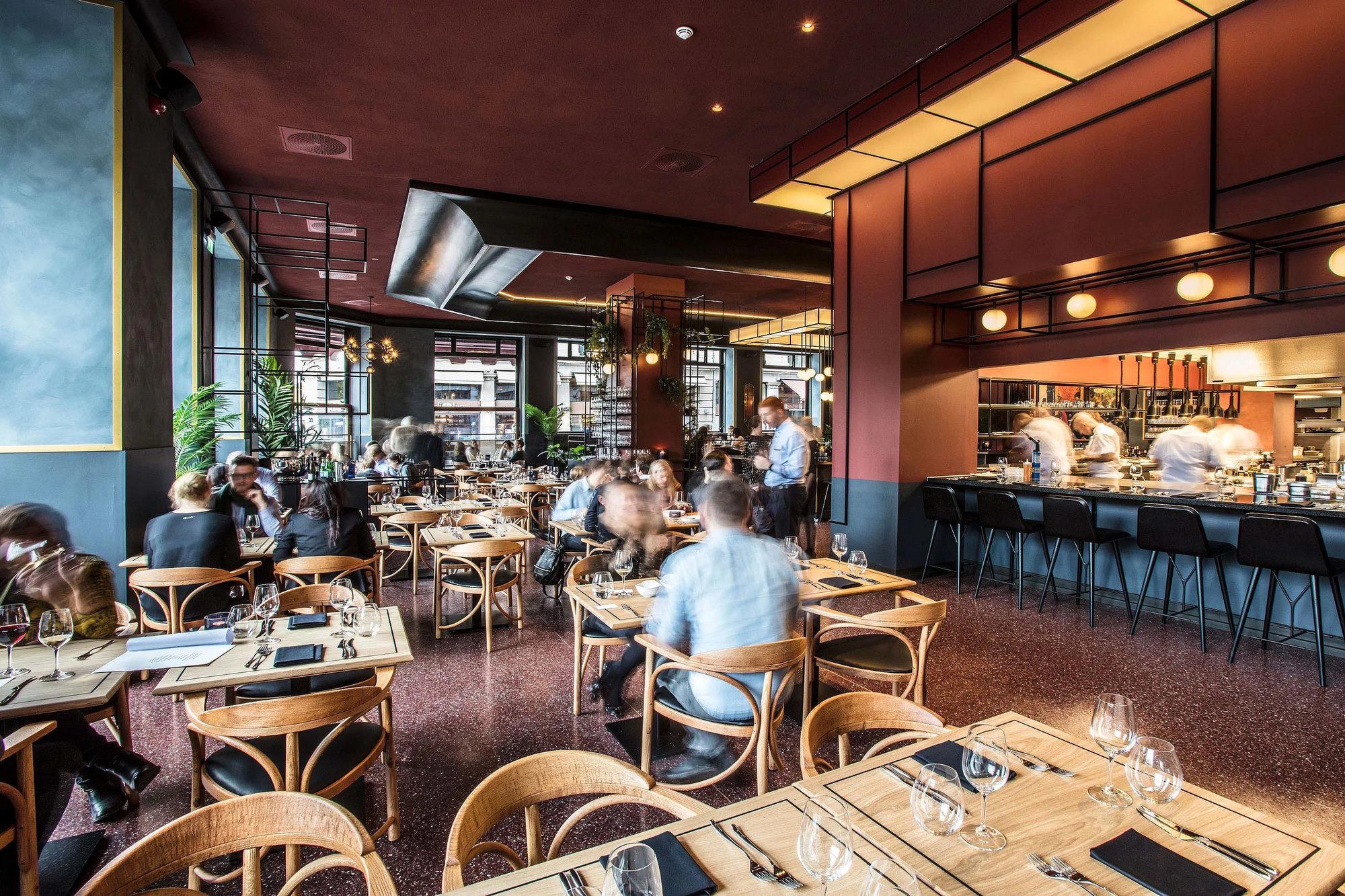
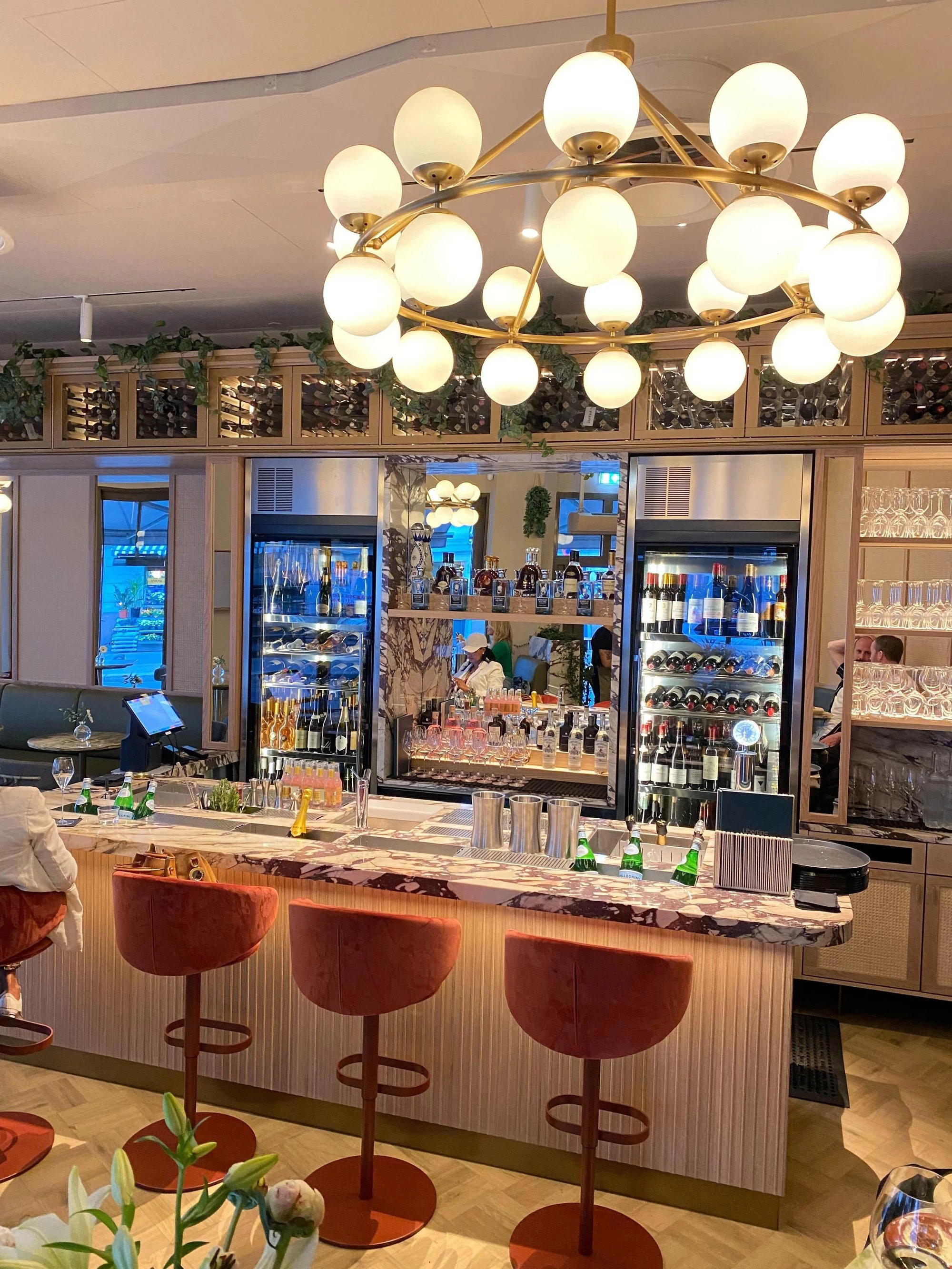
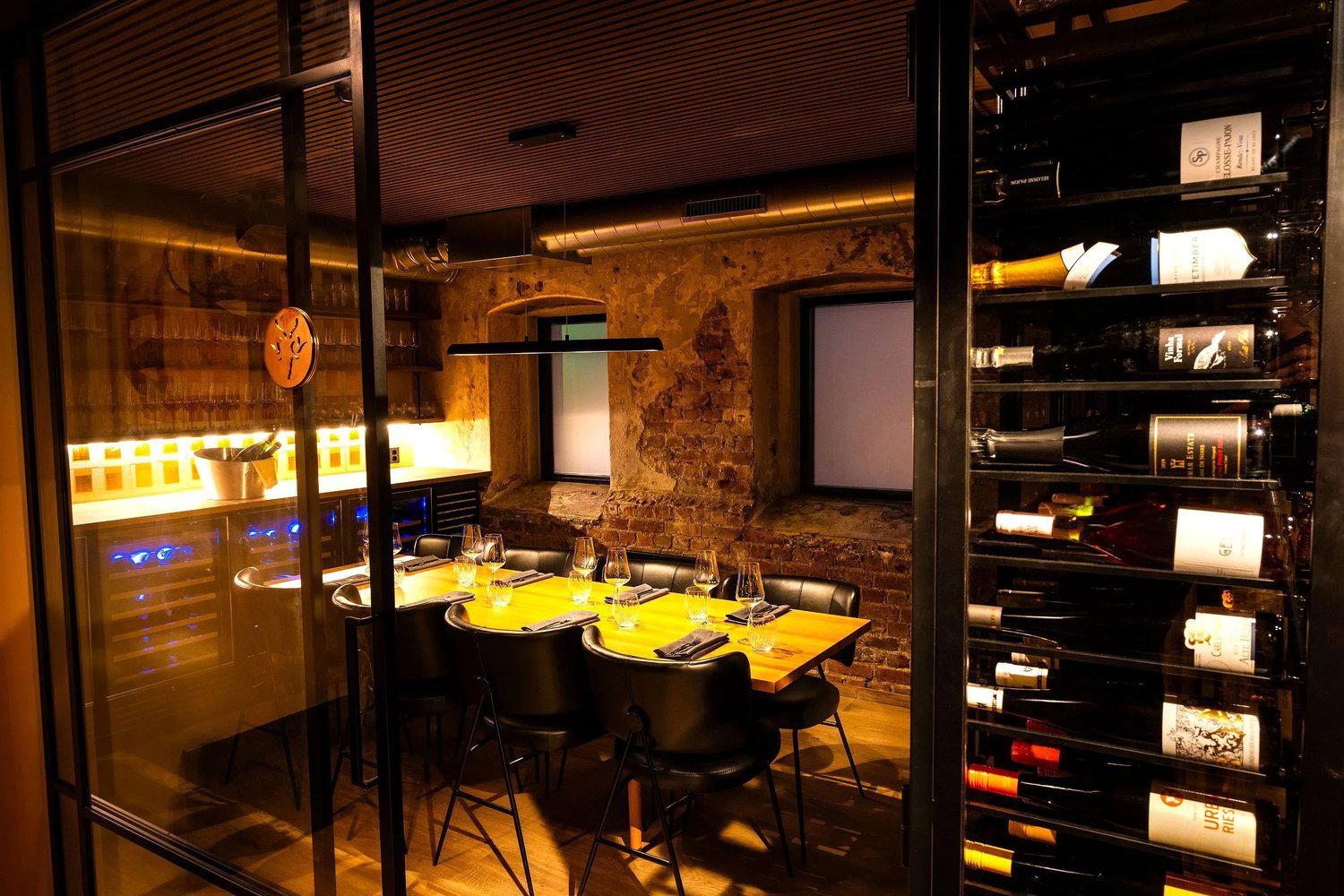
Refined atmosphere blending Japanese minimalism and modern Scandinavian design, featuring seasonal plants and a focused, harmonious dining environment.