Our verdict
Underhuset Restaurant sits within the Sakrisøy Rorbuer complex in Reine, one of the Lofoten Islands' most photographed fishing settlements. The kitchen draws on the extreme provenance that defines Arctic Norwegian dining, with cold-water seafood harvested from the surrounding fjords forming the backbone of its menu. For visitors to Lofoten, it represents the most direct way to eat the place itself.

Pearl is the En Primeur Club membership app, where members save venues, book tables and use the concierge.
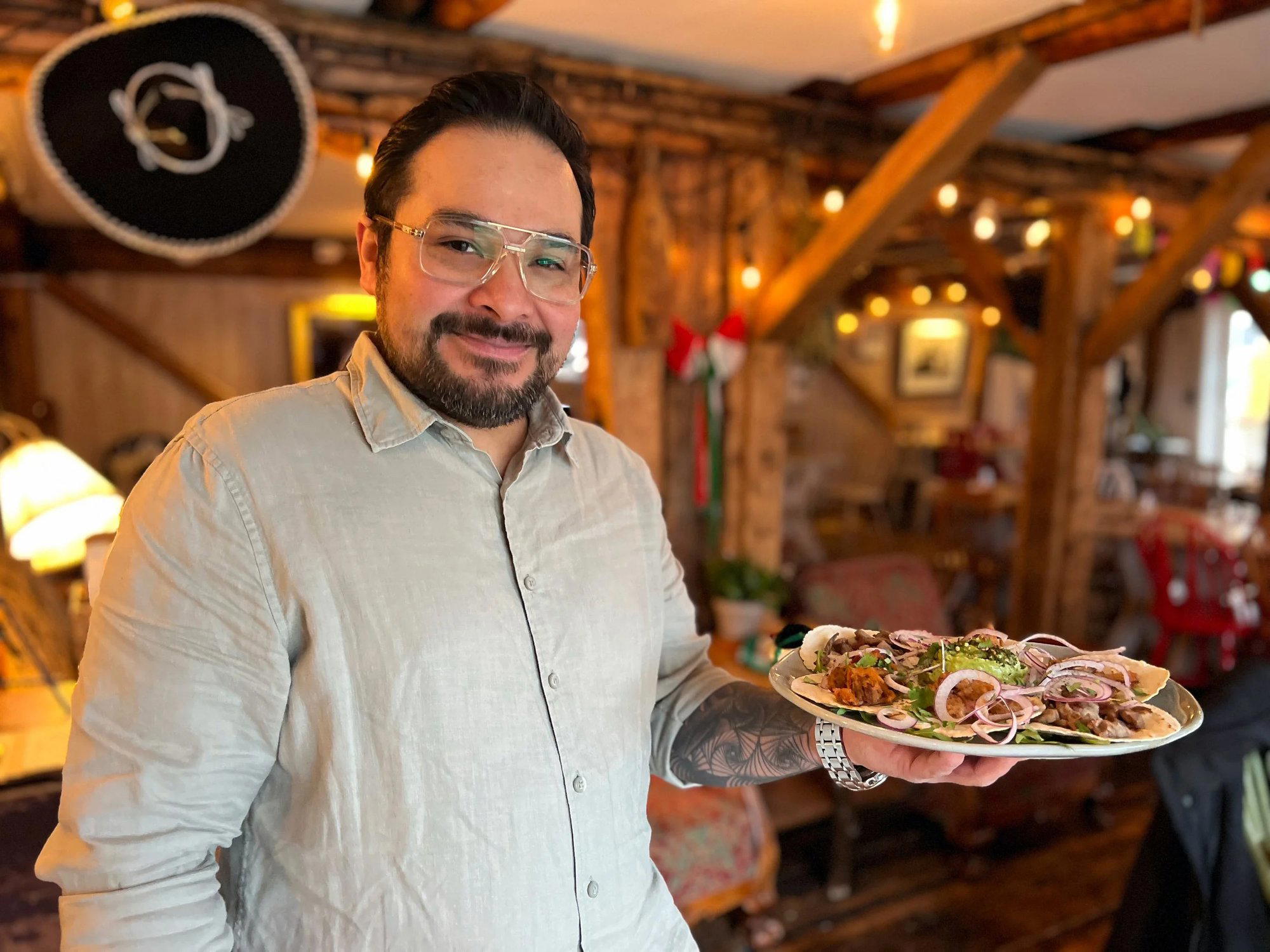
Where the Fjord Meets the Table
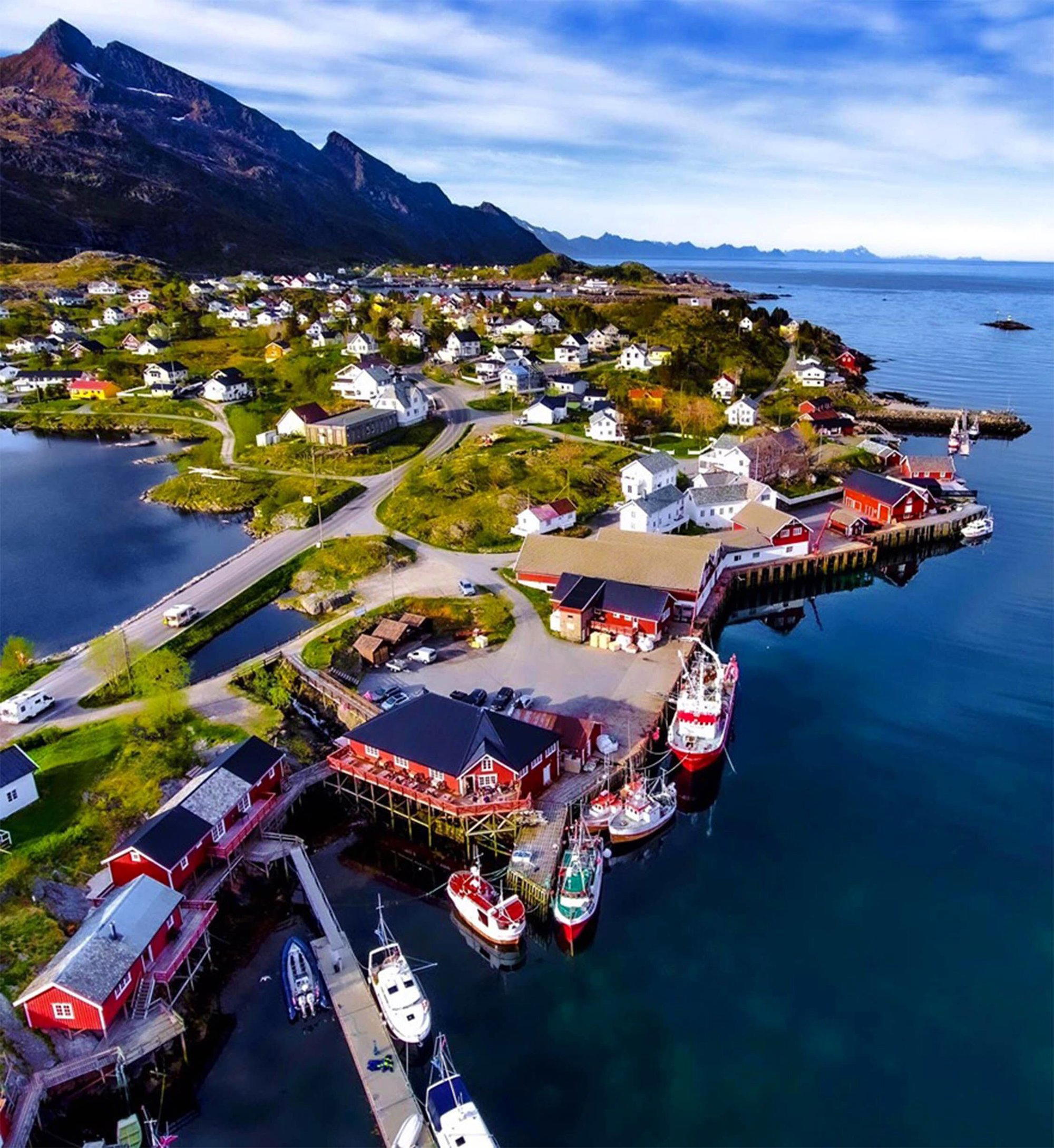
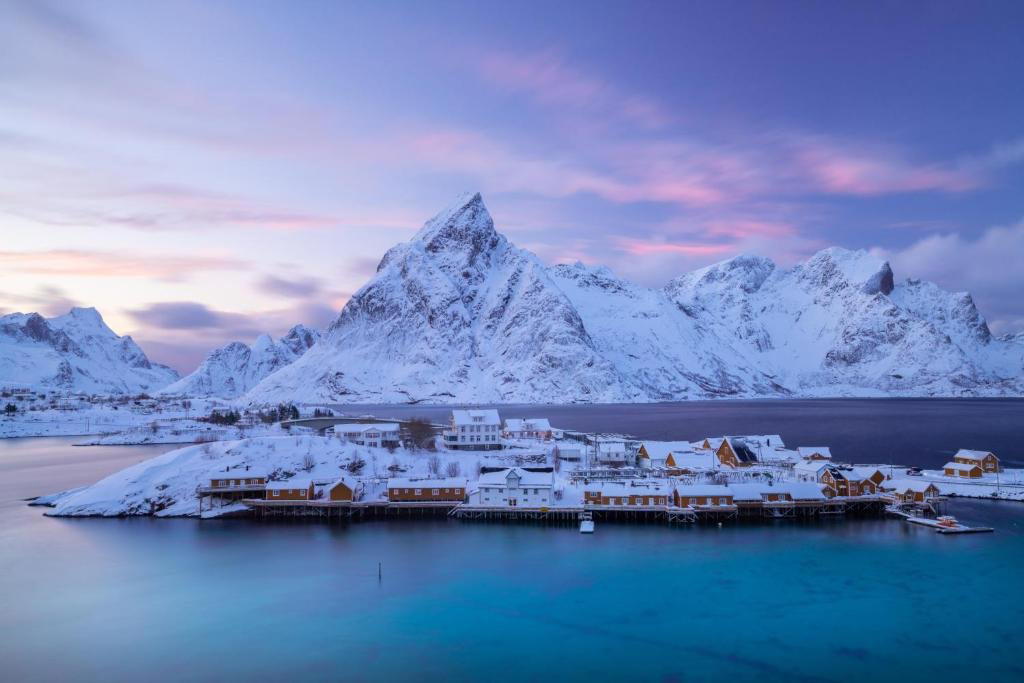
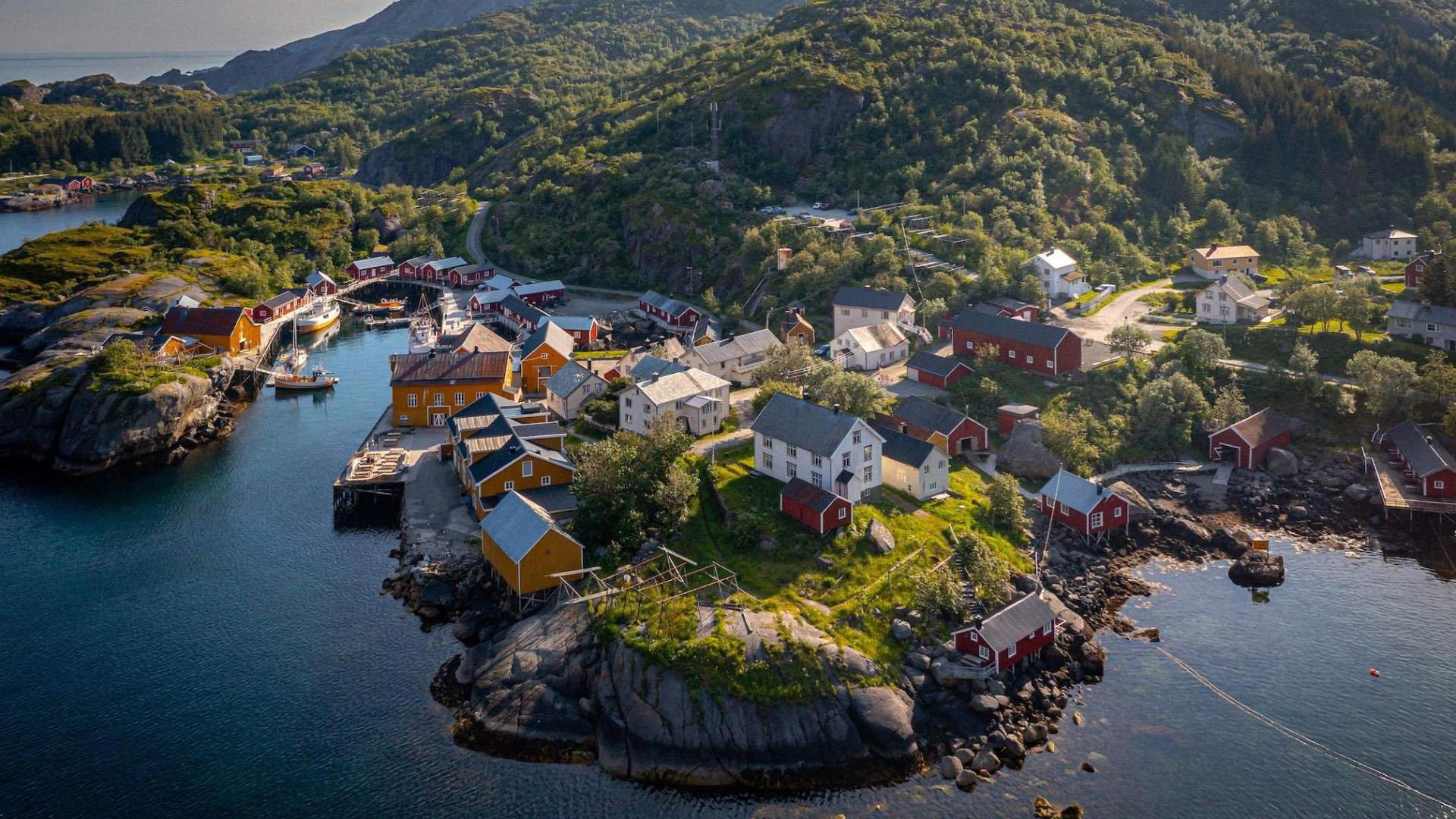
Reine occupies a position in the Lofoten archipelago that most Norwegian fishing villages can only approximate. The settlement sits at the edge of a fjord system where the Vestfjorden meets a chain of jagged peaks, and the wooden rorbuer, the traditional fishermen's cabins that line the water, have been photographed so often they function almost as a symbol of Arctic Norway. Underhuset Restaurant operates within the Sakrisøy Rorbuer complex, one of the historic rorbu clusters in the area, which means eating here comes with a physical context that no urban restaurant can replicate. The approach to the dining room is itself a statement about where the food will come from.
This is not a coincidence. In Norwegian coastal dining, the premise that geography determines the menu has moved from romantic idea to operational reality over the past two decades. Restaurants from Maaemo in Oslo to RE-NAA in Stavanger have built their reputations on traceable, hyper-local sourcing, but they do so from urban bases, often sourcing from producers hundreds of kilometres away. A restaurant sitting directly on an Arctic fjord in Lofoten has a materially different relationship to its ingredients. The fish here comes from water you can see from the window.
The Sourcing Argument This Far North
Lofoten's cold, nutrient-rich waters produce some of the most sought-after seafood in Norway. The archipelago is most associated with skrei, the migratory Northeast Arctic cod that arrives in Lofoten waters between January and April each year, and with stockfish, the wind-dried cod that has been exported from these islands since the twelfth century. These are not artisanal novelties. They are the economic and cultural foundation of the entire region, and any kitchen in Reine that ignores them would be making a deliberate argument against its own geography.
Beyond cod, the surrounding waters yield Arctic char, wolf fish, haddock, and various shellfish depending on season, while the short but intense Arctic growing season produces foraged ingredients that have become central to the New Nordic movement. FAGN in Trondheim and Gaptrast in Bergen work with similar northern ingredients, but they do so at a remove from primary sources. In Lofoten, the supply chain collapses almost entirely. A kitchen at Sakrisøy Rorbuer is not sourcing Arctic seafood from a distributor, it is sourcing it from the same water system that has defined this settlement for centuries.
This distinction matters for how you approach the meal. The dining experience at a rorbu-based restaurant in Reine functions as an argument for place-based eating, not just as dinner. It sits in the same broader category as Under in Lindesnes, Norway's submarine restaurant, in the sense that both venues make the local marine environment the explicit subject of the table. The execution differs entirely, but the editorial premise is shared.
Eating in Lofoten: The Wider Context
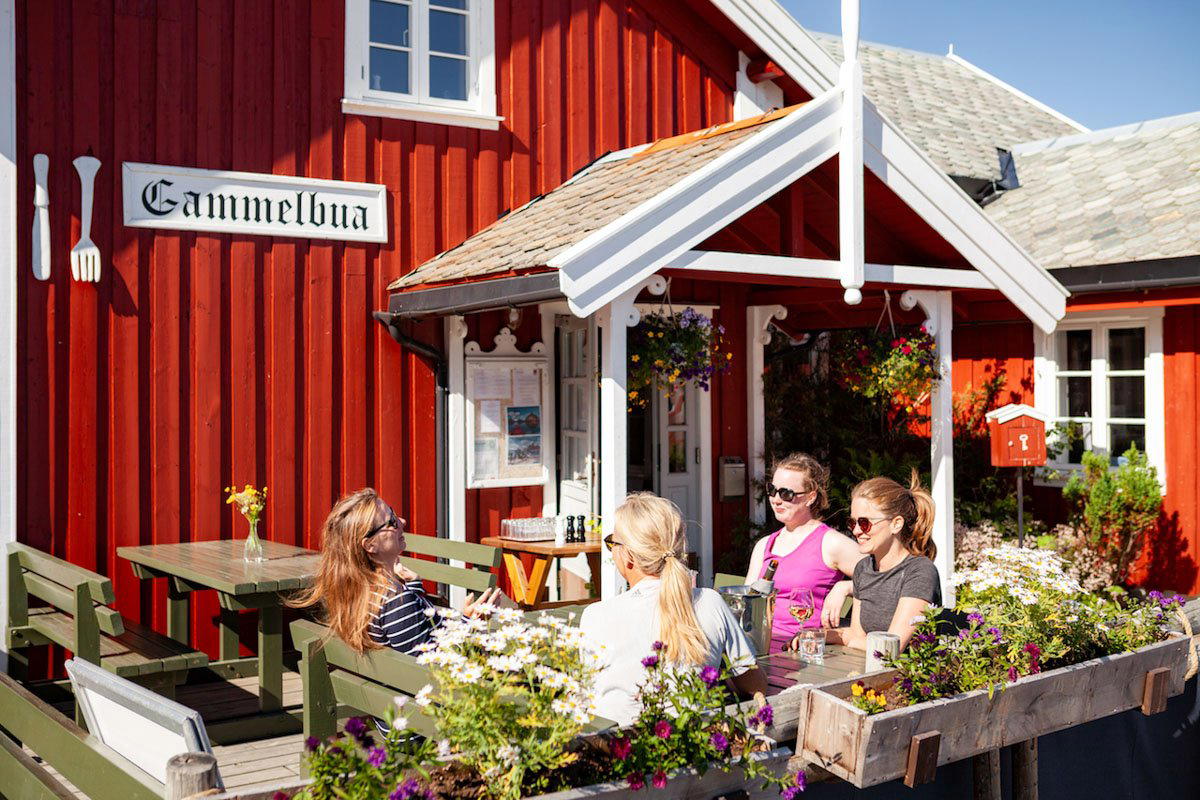
Reine's dining options are deliberately limited by the island's scale and seasonality. The village and its surrounding settlements support a small number of restaurants, most of which operate within the tourism season roughly from late spring through early autumn, with some maintaining limited winter service for the skrei season and the northern lights corridor. Gammelbua Restaurant and Tapperiet Bistro represent the other main options in the immediate area, each occupying a distinct price and format position.
Across Lofoten more broadly, the dining tier has expanded in the past decade. Anita's Sjømat in Lofoten operates as a well-known fish counter and casual eating destination, while Fiskekrogen in Henningsvær represents the more formal end of the archipelago's seafood dining. Underhuset sits within this geography, and its position at Sakrisøy Rorbuer places it in a specific niche: a restaurant where the heritage accommodation setting reinforces rather than merely decorates the food's provenance story.
Further afield in Arctic Norway, Aurora Restobar in Kirkenes and Børsen Spiseri in Svolvær anchor their respective towns as the serious dining option. Karoline Restaurant in Ramberg and Umami Harstad in Harstad extend the northern Norway dining map further. What links these venues is a shared dependence on extreme-latitude sourcing as the primary creative driver, a dynamic that is now well-established enough to function as a recognizable school of Norwegian coastal cooking. The ambition at any of these tables is fundamentally different from, say, Le Bernardin in New York City or Atomix in New York City, where sourcing is one variable among many, in Lofoten, it is the organizing principle.
Planning Your Visit
Reine is accessible by car via the E10 highway, which runs the length of the Lofoten archipelago and is one of the most traveled scenic routes in Norway. The nearest airport with scheduled service is Leknes (LKN), approximately 45 minutes by road, with connections to Bodø. Harstad/Narvik (EVE) is a larger hub with more frequency. Given Reine's small scale, accommodation at or near Sakrisøy Rorbuer is worth considering if you want to eat at Underhuset without the constraints of a long drive after dinner on single-lane island roads. The broader region rewards a multi-day stay, particularly if you want to time a visit around the skrei season in late winter or the midnight sun period in June and July. Lofoten's visitor numbers have increased sharply over the past decade, and restaurants in high season can fill quickly, advance planning applies across the archipelago, not just to any single venue. Check current operating hours and seasonal schedules directly with the Sakrisøy Rorbuer complex before travel, as Arctic Norway restaurants often adjust service periods in response to seasonal demand. See our full Reine restaurants guide and the broader northern Norway network including Brasserie 8622 in Mo i Rana and Hardanger House in Jondal for context across the wider region.
Frequently asked questions
Would Underhuset Restaurant be comfortable with kids?
Underhuset sits within Sakrisoy Rorbuer in Reine, a working fishing settlement rather than a resort complex. The setting is low-key and unhurried, which generally accommodates families, though Reine's remote position on the Lofoten archipelago means the experience is shaped by the landscape rather than amenities designed for children. Confirm directly with Sakrisoy Rorbuer before visiting with young children.
How would you describe the vibe at Underhuset Restaurant?
The address says a great deal: Sakrisoy Rorbuer, 8390 Reine, places the restaurant inside a traditional Norwegian rorbu, the red-painted fishermen's cabins that define Lofoten's shoreline character. Expect a grounded, utilitarian aesthetic shaped by the fishing-village setting rather than formal dining conventions. The atmosphere in Reine broadly runs quiet and seasonal, with summer months bringing extended daylight and a noticeable uptick in visitors passing through on the E10 route.
Is Underhuset Restaurant open year-round, and when is the best season to visit Reine?
Reine and the wider Lofoten archipelago operate on a pronounced seasonal rhythm: summer (June to August) draws the largest visitor numbers under the midnight sun, while winter brings the northern lights and the skrei cod season, which peaks between January and April. Underhuset is located within Sakrisoy Rorbuer at 8390 Reine, a property whose operations are tied to that seasonal pattern. Verify current opening periods with Sakrisoy Rorbuer before planning a trip around a specific dining visit.
What do regulars order at Underhuset Restaurant?
Lofoten's primary culinary identity is built on skrei, the migratory Arctic cod that returns to these waters each winter and drives the archipelago's fishing economy. Restaurants in Reine and its surrounding settlements work within that tradition, and Underhuset's position inside Sakrisoy Rorbuer places it squarely in that local sourcing context. For current menu specifics, contact Sakrisoy Rorbuer directly.
At-a-Glance Comparison
Comparable venues nearby, for context on price, style, and recognition.
| Venue | Cuisine | Price | Notes |
|---|---|---|---|
| Underhuset RestaurantThis venue (the venue you are viewing) | Authentic Mexican with Local Lofoten Fusion | $30–50 | Not listed |
| Tapperiet Bistro | Norwegian Bistro | $20–30 | Reine |
| Gammelbua Restaurant | Traditional Norwegian Seafood | $50–100 | Reine |
| Fiskeriet | Norwegian Seafood | $20–30 | Gardermoen Airport |
| Karoline Restaurant | Arctic Nordic Seafood | $50–100 | Nusfjord |
| Krambua Restaurant | Scandinavian | $20–30 | Trondheim |
Continue exploring
More in Reine
Restaurants in Reine
All restaurants in Reine →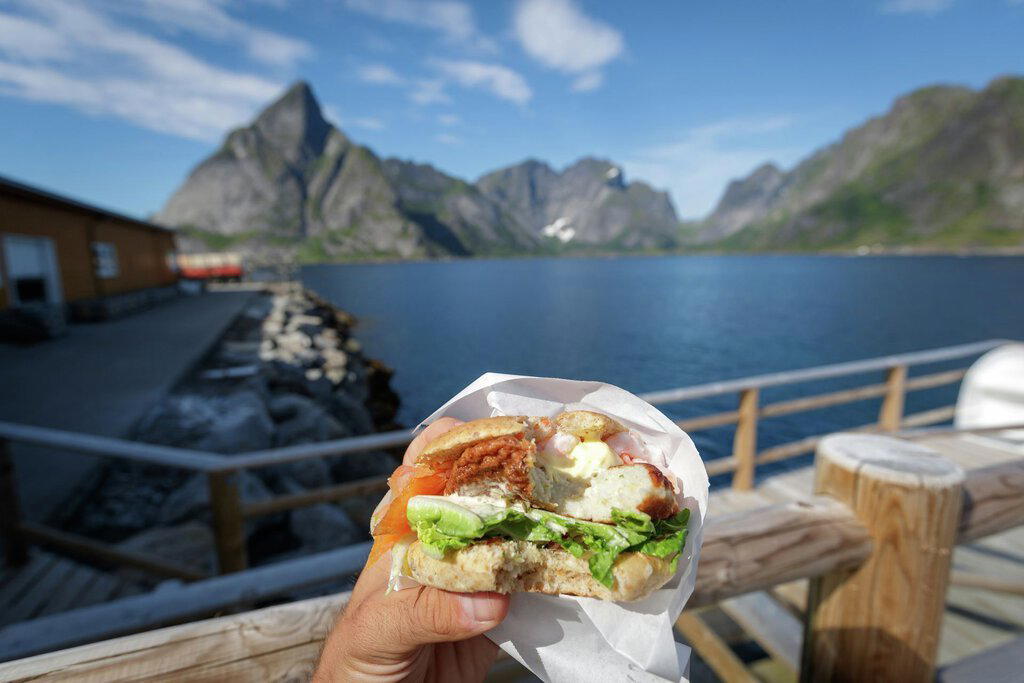
Bars in Reine
Browse all →
Details
- Cozy
- Rustic
- Intimate
- Date Night
- Casual Hangout
- Historic Building
- Waterfront
- Local Sourcing
- Waterfront
- A La Carte
- Vegetarian Friendly
- Vegan Options
Current opening hours
- Monday
- 9–10 AM, 6–9 PM
- Tuesday
- 9–10 AM, 6–9 PM
- Wednesday
- 9–10 AM, 6–9 PM
- Thursday
- 9–10 AM, 6–9 PM
- Friday
- 9–10 AM, 6–9 PM
- Saturday
- 9–10 AM, 7 PM–2 AM
- Sunday
- Closed
Hours can change for holidays and private events. Hours as of .
Cozy historic building with fireplace, nice music, warm lighting, and welcoming atmosphere.