



1 Michelin Key · Virtuoso Luxury Hotel Partner · Preferred Hotels Preferred Residences
A former 1930s power company headquarters in Oslo's Frogner district, Sommerro has been converted into a 250-room Art Deco hotel with seven dining outlets, a restored public bathhouse, and the city's first rooftop pool. It won Best Hotel in Norway 2023 at the Grand Travel Awards and appears on both the Condé Nast Traveller Hot List and the Travel + Leisure IT List.

Pearl is the En Primeur Club membership app, where members save venues, book tables and use the concierge.
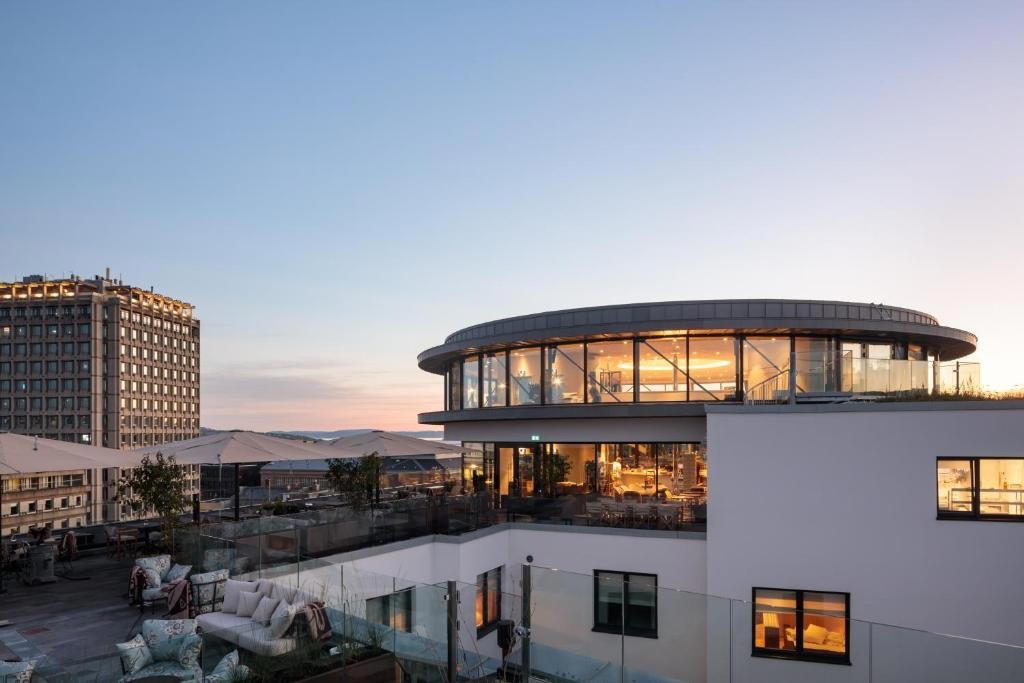
A Building That Earns Its Address
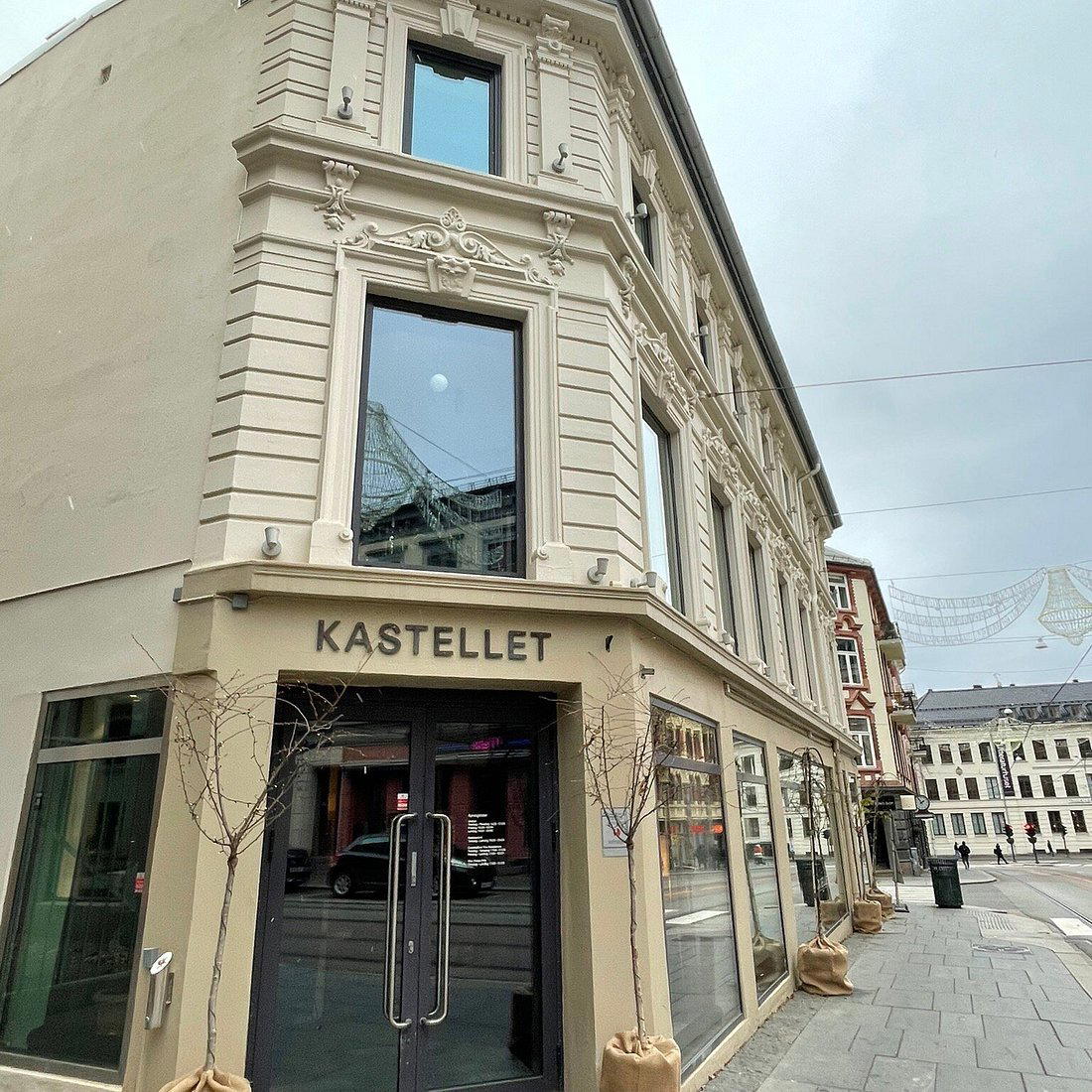
The approach to Sommerro along Sommerrogata tells you something about where Oslo's hospitality ambitions have landed. Frogner, the residential district directly behind the Royal Palace, is not the city's flashiest neighbourhood, but it is one of its most considered ones: wide streets, pre-war apartment blocks, independent boutiques, and a quiet authority that larger tourist zones rarely sustain. Slotting a 250-room hotel into that fabric requires a building with enough presence to carry the weight, and the former Oslo Lysverker headquarters, completed in the 1930s as the city's electric company offices, has exactly that. The original marble floors, brass fixtures, and restored murals by Norwegian artist Per Krohg survived the conversion intact, and the result sits closer to a grand European civic building repurposed for hospitality than to anything built as a hotel from scratch.
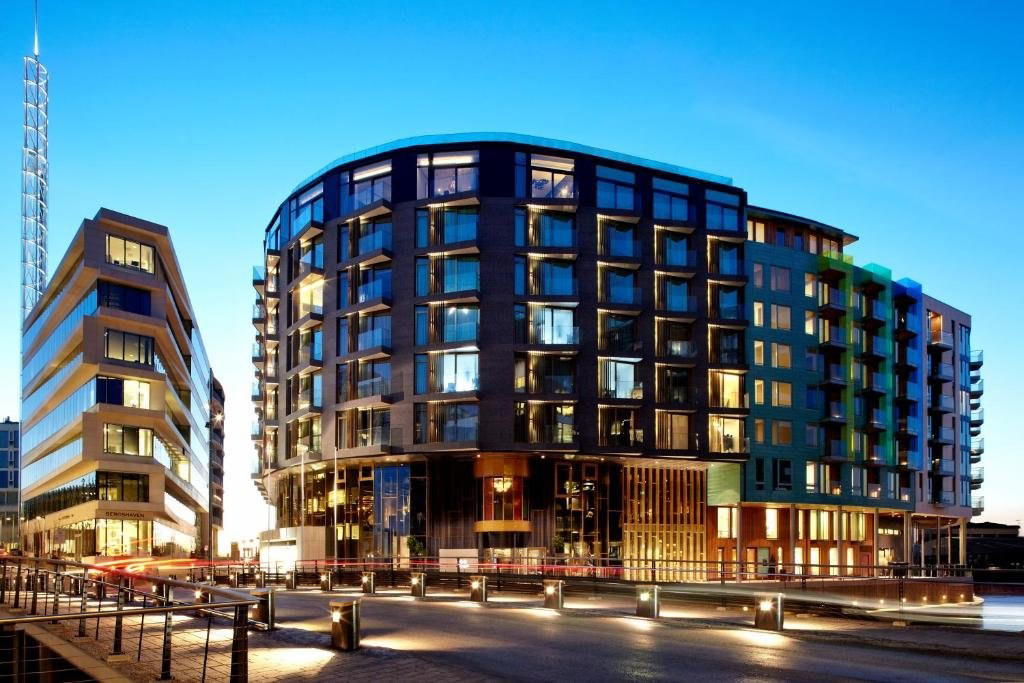
That distinction matters when you map Sommerro against its Oslo peers. Amerikalinjen and THE THIEF occupy the same premium tier but operate from different physical histories and neighbourhood logics. Hotel Continental works from a longer Oslo pedigree in the theatre district, while Radisson Blu Oslo Plaza leans on vertical scale rather than heritage character. Sommerro's positioning is specifically Frogner, specifically Art Deco, and specifically civic-institutional in its bones, which places it in a niche that none of those properties directly occupy.
What the Frogner Address Actually Delivers
The location argument for Sommerro is less about proximity to a single landmark and more about radius. The Royal Palace is a short walk north. The National Museum, which holds one of Europe's largest collections of Norwegian art, is walkable. The Munch Museum and Vigeland Sculpture Park sit within reasonable distance, and Aker Brygge, the waterfront commercial and dining district, is reachable on foot for guests willing to walk fifteen minutes or so. For those arriving by air, Nationaltheatret station connects to the airport express train and is approximately ten minutes on foot from the hotel, which removes the need for a taxi on arrival or departure.
What Frogner adds beyond proximity is neighbourhood texture. Guests who step outside for a morning walk are in a residential quarter with an established daily rhythm rather than a hotel corridor surrounded by other hotels. That separation from the tourist centre tends to read as calm rather than inconvenient, particularly for travellers who have already done Oslo's main circuit and want a base with a different register. For a broader map of where to eat and drink around the city, our full Oslo restaurants guide covers the relevant neighbourhoods in detail.
Seven Outlets, Each With a Different Logic
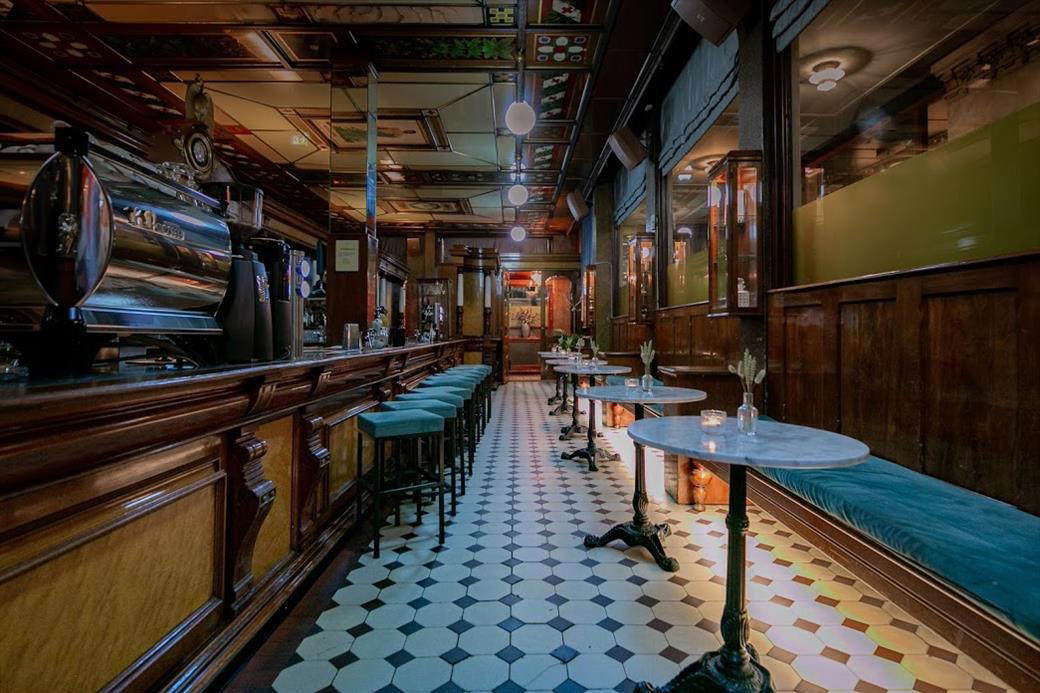
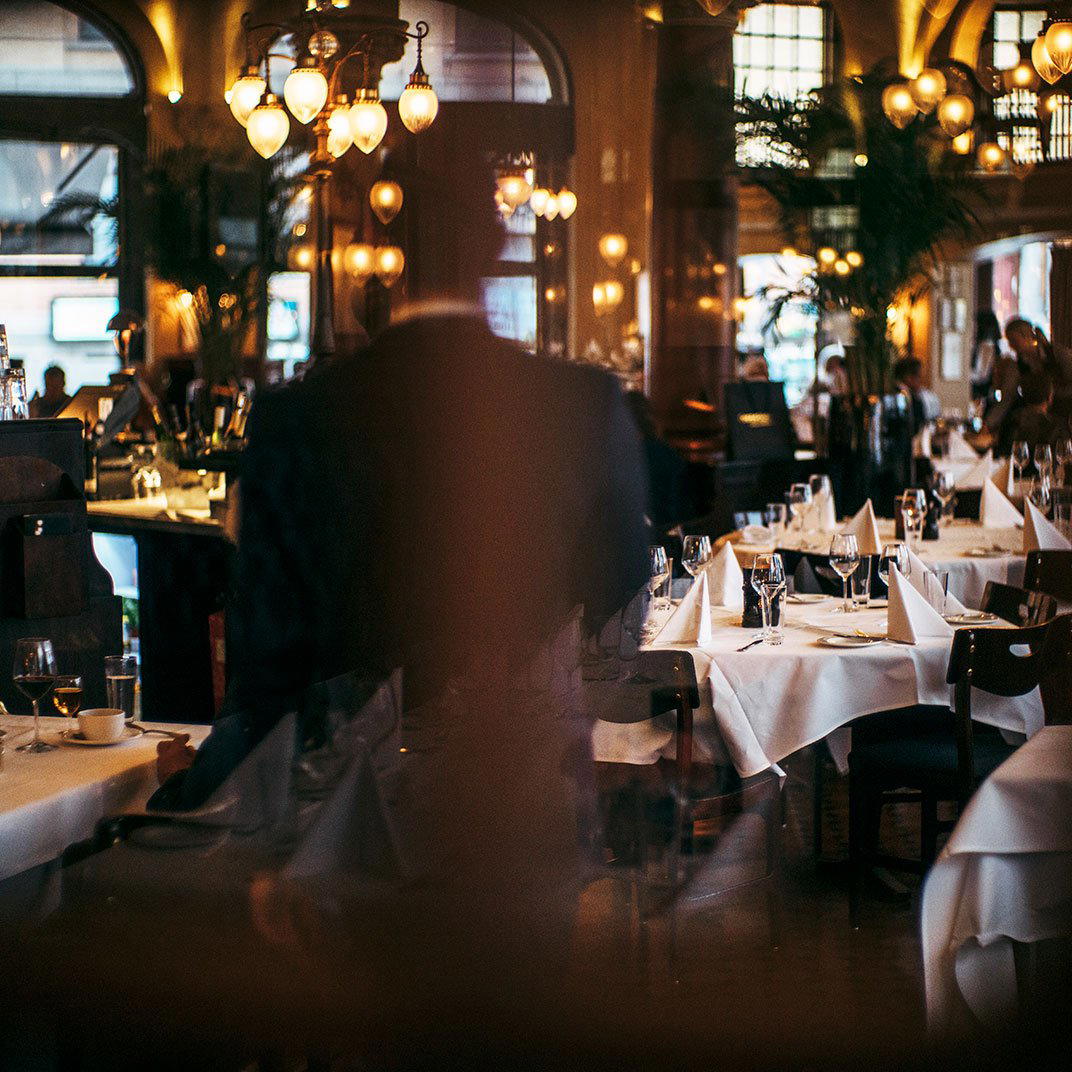
Oslo hotels at this scale sometimes consolidate their food and beverage into one or two large, undifferentiated spaces. Sommerro takes the opposite approach, running seven distinct outlets with formats that don't overlap. Ekspedisjonshallen, set in the former grand hall of Oslo Lysverker, operates as an all-day brasserie anchored by seasonal Norwegian produce, running from breakfast through dinner with live jazz in the mix. The seasonal menu moves between smoked Norwegian salmon at breakfast and a porterhouse at dinner without losing coherence.
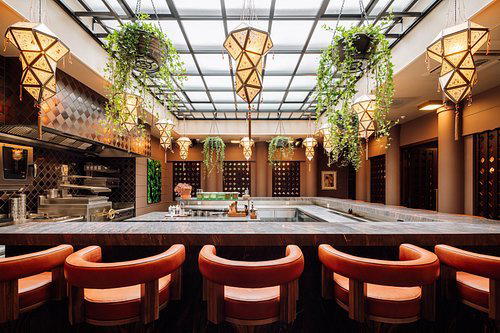
The rooftop position goes to Tak Oslo, a Nordic-Japanese fusion restaurant with panoramic city views and an open kitchen. Dishes like turbot with wasabi emulsion and duck magret with butter-miso sauce signal a kitchen working at the intersection of two ingredient traditions rather than simply using one as decoration on the other. The rooftop format, with sake service and the city laid out below, makes it Oslo's first rooftop restaurant in that configuration.
Barramon operates as a wine bar with Basque pintxos and Spanish varietals, occupying a narrower format than the brasserie. Plah and Ahaan, the Thai-Norwegian hybrid built around an open kitchen, offers a tasting menu from Chef Terje Ommundsen featuring langoustines and tamarind-glazed duck, Norwegian produce processed through Thai technique. To Sostre serves Afternoon Tea in a light-filled parlour with a range extending from jasmine oolong to matcha latte, and the hotel positions this as the city's reference Afternoon Tea, a claim that reflects both the format's rarity in Oslo and the deliberateness of the execution.
The Spa as Architectural Argument
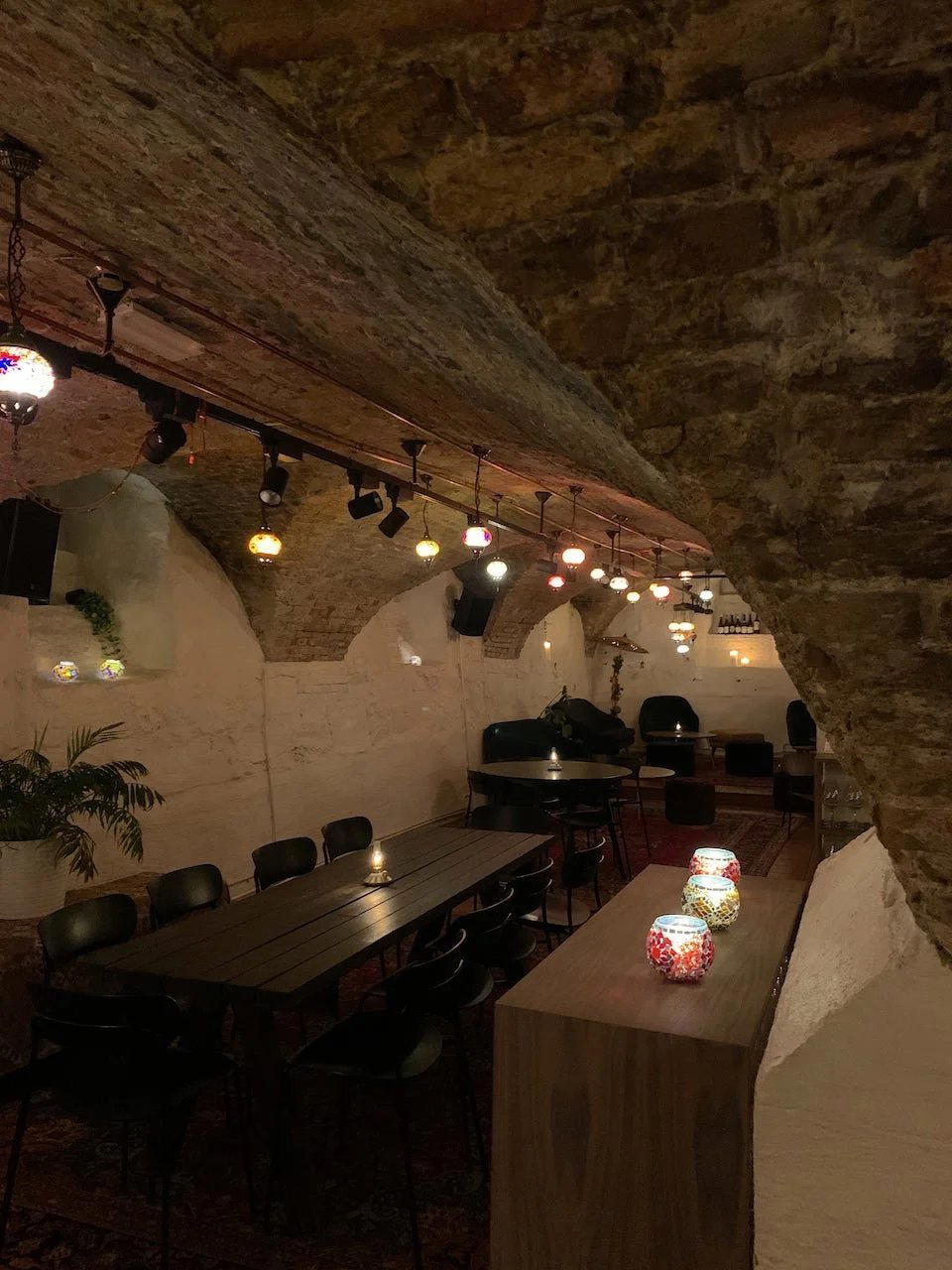
Wellness infrastructure at Oslo hotels has expanded considerably in the past decade, but Sommerro's Vestkantbadet spa operates from a foundation that most competitors cannot replicate: the original 1932-vintage public bathhouse, restored and incorporated into the hotel's lower level. The mosaic work and antique lighting survived the restoration, and the result is a spa environment that reads as historical rather than designed-to-feel-historical. Treatment rooms, pools, and saunas sit alongside a 400 square metre gym for guests who want contemporary fitness facilities alongside the period atmosphere.
Above the building rather than below it, the rooftop pool operates year-round, which in Oslo's climate is a logistical commitment as much as an amenity. The combination of heated water and city views over the fjords creates a use case that persists across seasons, unlike summer-only rooftop additions that close when the temperature drops. A small cinema with weekly screenings rounds out the in-house offer, giving guests a reason to stay on-site in the evenings beyond the dining outlets.
Rooms and Recognition
The 250 accommodations work from a palette of Murano chandeliers, oak parquet flooring, and bronze accents that keeps the Art Deco register consistent throughout. Hand-knotted rugs and patterned fabrics depicting scenes from Norwegian folklore add specificity without tipping into folk-museum territory. The scale sits at 250 rooms, which places Sommerro in a category between the smaller boutique properties and the larger international chain hotels operating in the city.
The recognition profile is concrete. Sommerro won Leading Hotel in Norway 2023 at the Grand Travel Awards, and appears on Condé Nast Traveller's Hot List and Travel + Leisure's IT List, two editorial selections with sufficiently narrow criteria that inclusion is meaningful rather than automatic. Rooms from approximately $261 per night place it in the upper-mid bracket of Oslo hotel pricing.
Norway Beyond the Capital
For travellers using Oslo as an entry point into a wider Norwegian itinerary, the country's hotel offer spans a wide range of formats beyond the city. Design-led properties like Juvet Landscape Hotel in Valldal and remote-access stays like Manshausen in Manshausen Island represent one end of the spectrum, while heritage properties like Britannia Hotel in Trondheim and Opus XVI in Bergen sit closer to Sommerro's urban-heritage register. Coastal and fjord options include Hotel Brosundet in Ålesund, Hotel Union Øye in Norangsfjorden, and Walaker Hotel in Solvorn. Further north, Aurora Lodge in Tromso and Nusfjord Village and Resort in Ramberg serve travellers oriented toward Arctic Norway. For wellness-specific travel within driving range of Oslo, The Well in Sofiemyr runs one of Scandinavia's larger dedicated spa operations. Other properties worth considering in the broader Norwegian network include Boen Gård in Kristiansand, Eilert Smith Hotel in Stavanger, Elva Hotel in Skulestadmo, Vestlia Resort in Geilo, Lilløy Lindenberg in Herdla, Storfjord Hotel in Glomset, and Sakrisøy Rorbuer in Reine. For European comparisons in the converted-landmark hotel category, Aman Venice and urban properties like Aman New York and The Fifth Avenue Hotel in New York City occupy a similar heritage-conversion niche in their respective cities.
Planning Your Stay
Sommerro sits at Sommerrogata 1, 0255 Oslo, in the Frogner district. Nationaltheatret station, the airport express train stop, is approximately ten minutes on foot, making arrival from Oslo Gardermoen airport direct without a taxi transfer. Rooms start from around $261 per night across the 250-room inventory. The seven dining outlets operate across different service windows; the rooftop pool and Vestkantbadet spa are available to hotel guests. The cinema programme runs weekly screenings, and the meetings and events facilities range from boardroom scale to full banquet capacity for groups.
At a Glance
Comparable venues nearby, for context on price, style, and recognition.
| Venue | Price | Awards | Notes |
|---|---|---|---|
| SommerroThis venue (the venue you are viewing) | $300–500 | 1 Michelin Key · Virtuoso Luxury Hotel Partner | Not listed |
| Hotel Continental | $300–500 | 1 Michelin Key · Virtuoso Luxury Hotel Partner | Vika, Grand classic hotel blending historic elegance with modern luxury |
| Amerikalinjen | Not listed | 1 Michelin Key · La Liste Top Hotels | St. Hanshaugen, Historic boutique hotel blending maritime heritage with contemporary elegance. |
| THE THIEF | $300–500 | Michelin Selected · Star Wine List | Aker Brygge, Contemporary luxury boutique hotel positioned as a lifestyle destination combining Scandinavian design with international wellness culture. |
| Scandic Go Grensen | $100–200 | Not listed | Oslo city center, Compact, urban economy hotel positioned for price‑conscious city travellers in Oslo’s core shopping and entertainment district. |
| Radisson Blu Oslo Plaza | $200–300 | World Luxury Hotel Awards WLHA Regional Winner | Vaterland, Contemporary high-rise landmark with Scandinavian design sensibility and state-of-the-art technology. |
Recognition history
Dated appearances from independent guides and award organizations, with the underlying list record or original source where available.
Michelin 1 Key
Michelin
Virtuoso Luxury Hotel Partner
Virtuoso
Forbes Recommended
Forbes
Preferred Hotels Preferred Residences
Preferred Hotels
Full recognition history (5 entries)
Michelin 1 Key
Michelin
Continue exploring
More in Oslo
Hotels in Oslo
All hotels in Oslo →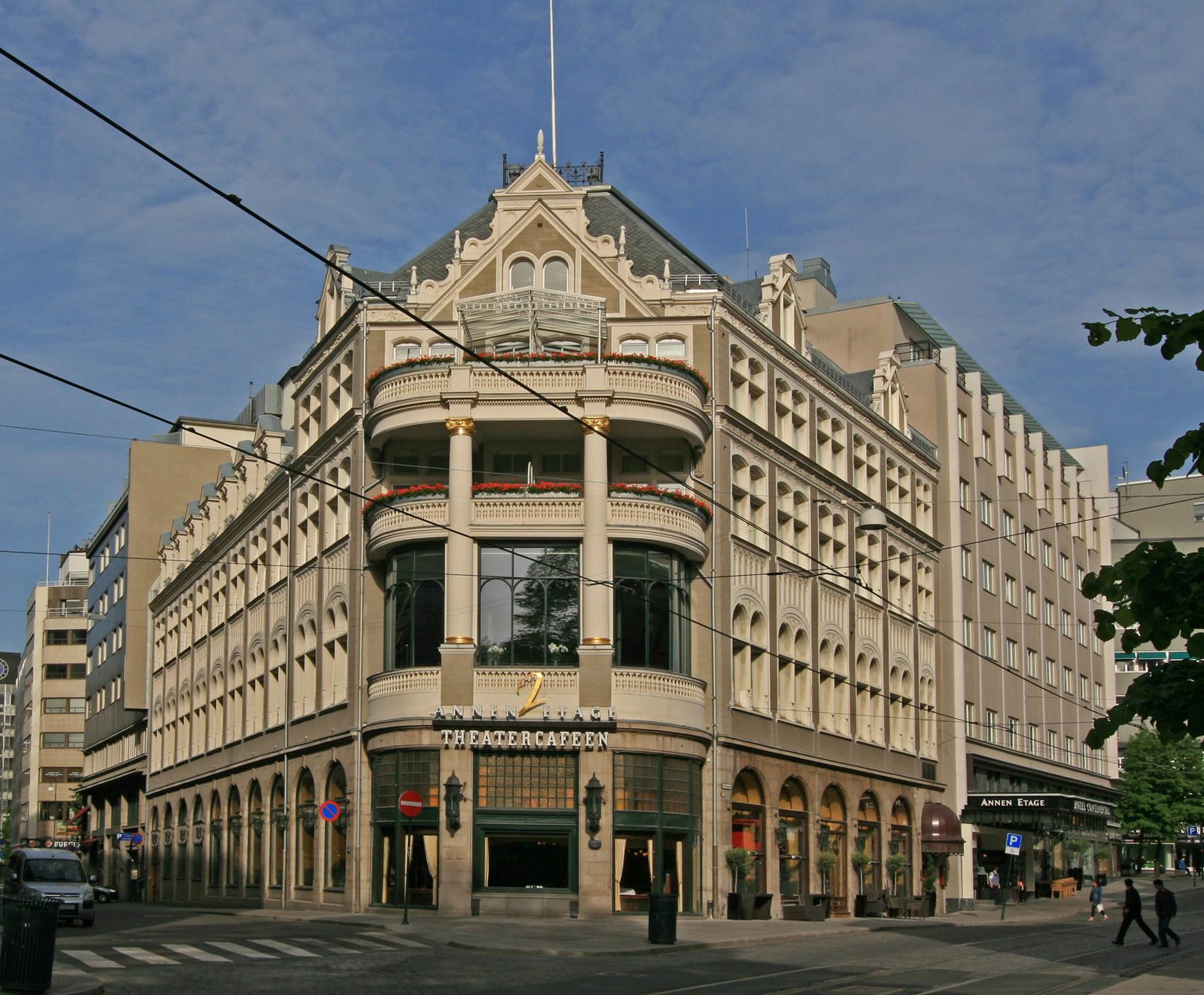
Bars in Oslo
All bars in Oslo →
Details
- Elegant
- Sophisticated
- Well Known
- Lively
- Modern
- Romantic Getaway
- Wellness Retreat
- Celebration
- Anniversary
- Weekend Escape
- Rooftop Pool
- Destination Spa
- Historic Building
- Design Destination
- Panoramic View
- Waterfront
- Wi Fi
- Pool
- Spa
- Fitness Center
- Room Service
- Concierge
- Valet Parking
- EV Charging
- Restaurant
- Bar
- Skyline
- Waterfront
- Elevator
- Wheelchair Accessible
- Accessible Restroom
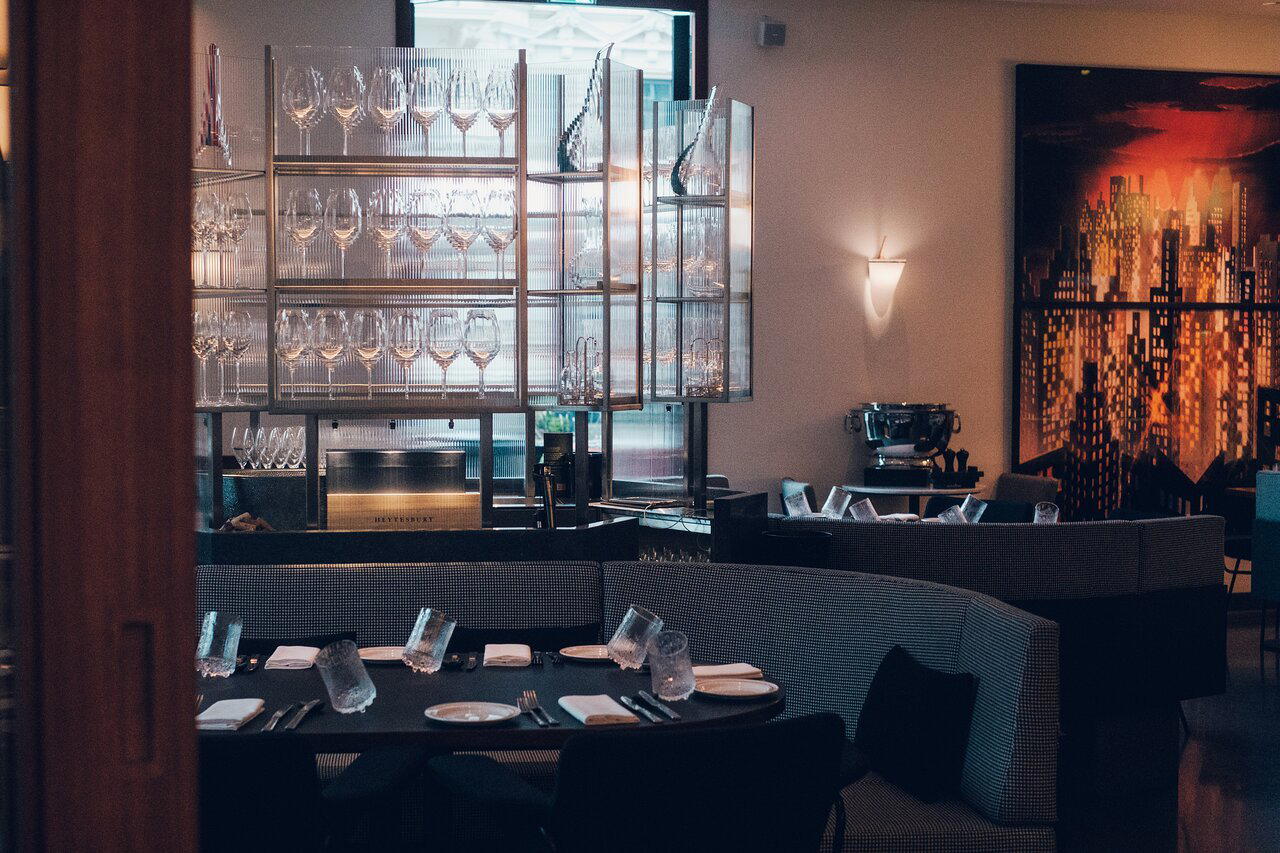
Glamorous yet welcoming Art Deco interiors with warm lighting, lively social spaces, and a sophisticated yet relaxed atmosphere blending heritage architecture with contemporary luxury.