Our verdict
The address places it within reach of orchards, cold-water fish, and mountain terrain that define the regional larder. For travelers willing to cross the fjord by ferry, the reward is a dining address embedded directly in its source landscape.

Pearl is the En Primeur Club membership app, where members save venues, book tables and use the concierge.
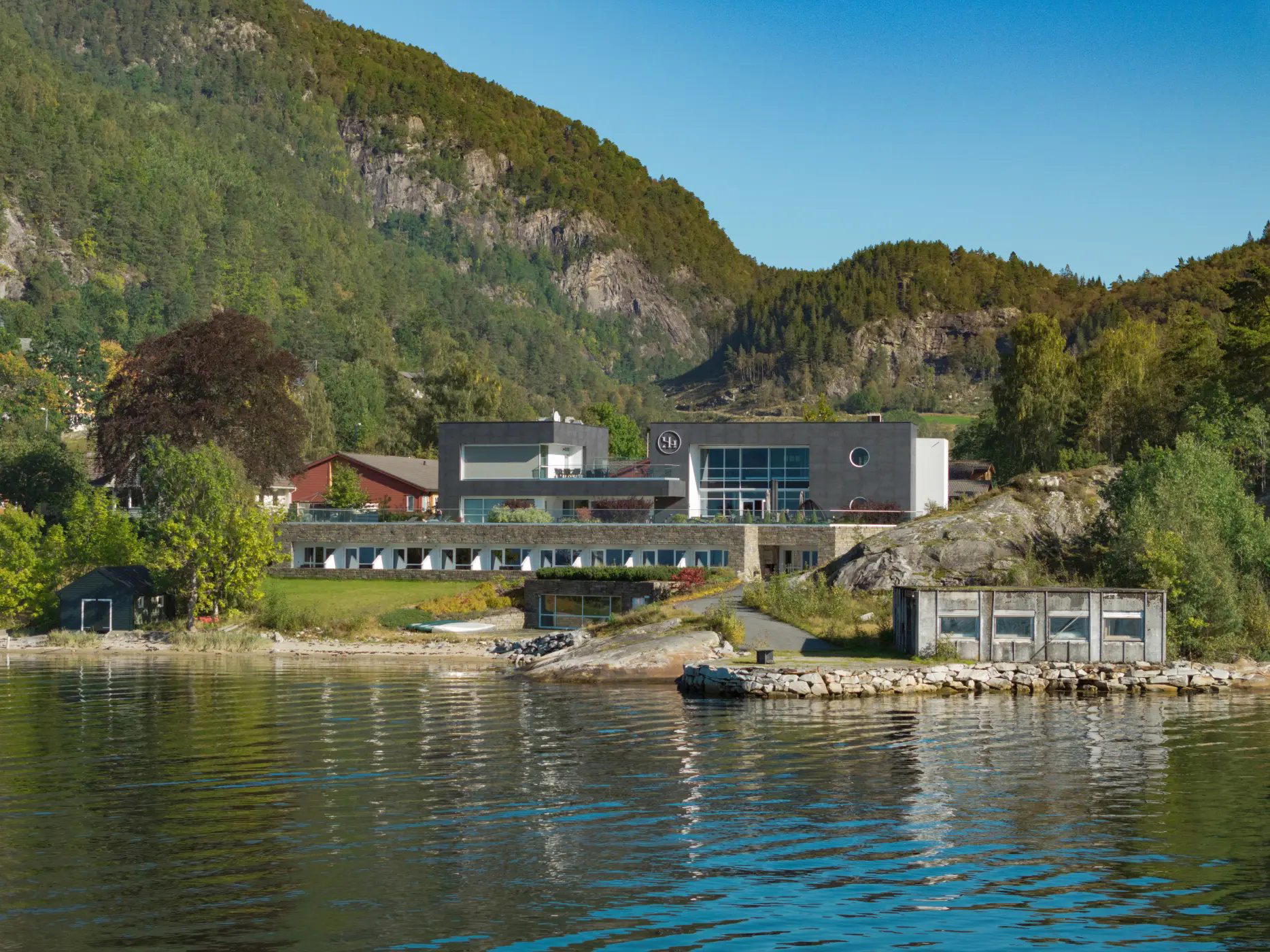
Jondal is not a dining destination in the way that Bergen is, or even Voss. It receives a fraction of the visitor traffic that flows along the main Hardangerfjord tourist corridor, and it has none of the infrastructure that supports a formal restaurant scene. That scarcity is precisely what makes an address like this worth tracking. For our full overview of where to eat in the area, see our full Jondal restaurants guide. Maaemo in Oslo operates at the apex of that tradition, with a format built almost entirely around Norwegian ingredients interpreted through a fine-dining lens. RE-NAA in Stavanger and FAGN in Trondheim occupy similarly rigorous positions in their respective cities. What those addresses share is a deliberate translation of regional ingredients into structured tasting formats, where the sourcing is narrated and the kitchen mediates between raw material and diner.
Hardanger House operates in a different register. A venue positioned here, at source, has access to that larder without the supply chain that larger city restaurants must manage. Whether the kitchen fully exploits that advantage is the question any informed visit should test. Bergen-adjacent addresses like Gaptrast in Bergen draw on similar coastal and agricultural supply lines. Further south, Under in Lindesnes has built an internationally recognized concept around its physical relationship with the seabed. The distinction between a restaurant that talks about local sourcing and one that is genuinely shaped by its geography is one of the more reliable measures of quality in Norwegian dining, and Jondal's position within the Hardanger fruit and fjord corridor gives Hardanger House the raw conditions to sit in the latter category. The distinction matters for how you book, what you wear, and how long you plan to sit. City-tier operations such as FAGN in Trondheim or the tasting-menu format at RE-NAA in Stavanger operate at the formal end. Jondal, as a settlement, does not support that tier of operation, and Hardanger House reads accordingly as a venue where the emphasis falls on the setting and ingredient quality rather than on service formality or prix-fixe structure.
For travelers arriving from the broader Norwegian fjord circuit, that informality is a feature. The ferry crossing from Tørvikbygd on the north shore takes roughly fifteen minutes and runs on a schedule that makes Jondal a viable half-day detour from the Bergen-Voss corridor. Factor the crossing time into any planning around meal hours. Elysée in Voss offers a comparison point for travelers moving along that corridor who want a more formal sit-down option before or after reaching Jondal. The Lofoten model is instructive: addresses like Anita's Sjømat in Lofoten, Fiskekrogen in Henningsvær, Børsen Spiseri in Svolvær, and Underhuset Restaurant in Reine have each built their identity around the archipelago's fish supply and the logistical fact that importing ingredients at scale is impractical. Further north, Aurora Restobar in Kirkenes and Umami Harstad in Harstad operate under similar geographic constraints. Inland, Brasserie 8622 in Mo i Rana, Karoline Restaurant in Ramberg, and Experience Restaurant in Steinkjer each reflect versions of this same dynamic: limited supply lines, strong regional identity, menus that change with what's available rather than what's fashionable.
Hardanger House occupies a variant of that position. The Hardangerfjord region's agricultural specificity, particularly its fruit production and protected-status produce, gives it a more defined larder identity than many Norwegian rural addresses. That specificity is a meaningful differentiator for a venue willing to build a menu around it rather than defaulting to the generic fjord-fish-and-lamb template that Norwegian tourism cooking sometimes defaults to.
For travelers calibrating expectations against international benchmarks, the Hardanger approach has closer parallels with farm-adjacent addresses in France or northern Italy, where the kitchen's job is primarily to not get in the way of exceptional primary produce, than with the technique-driven tasting formats at, say, Le Bernardin in New York City or Atomix in New York City, where sourcing is one variable among many in a highly constructed dining experience.
Planning a Visit
Jondal is accessible by ferry from Tørvikbygd, with crossings running regularly enough to support a deliberate day trip from Bergen (roughly two hours by road and ferry combined) or as part of a Hardangerfjord loop. The Hardanger fruit season, which runs from late summer into autumn, represents the strongest argument for timing a visit around the harvest months, when the local ingredient base is at its widest and most defined.
Frequently asked questions
Would Hardanger House be comfortable with kids?
Jondal is a small fjord village reached largely by ferry, and Hardanger House sits within a quiet, unhurried setting that suits families travelling at a relaxed pace. The village scale and waterfront access tend to make the area child-friendly in practical terms. That said, specific family facilities at the venue are not documented, so it is worth contacting them directly before visiting with young children.
Is Hardanger House a good base for exploring the Hardangerfjord by ferry?
Jondal, where Hardanger House is located at Nordbøen 6, sits on a ferry route from Tørvikbygd that connects into the broader Hardangerfjord network. That makes it a practical stop within a wider fjord itinerary rather than purely a destination restaurant visit. The crossing from the Bergen side takes roughly two hours in total, meaning Hardanger House can anchor a deliberate day trip or serve as a meal point within a longer route through the region.
What should I eat at Hardanger House?
Hardanger House is positioned in one of Norway's most agriculturally distinctive regions, where the Hardangerfjord microclimate supports stone-fruit orchards and the surrounding waters yield cold-water seafood. Dishes rooted in that local larder, orchard produce and fresh catch, represent the strongest case for eating here.
How do I find Hardanger House?
Hardanger House is located at Nordbøen 6, 5627 Jondal, Norway, Jondal.
Comparison Snapshot
Comparable venues nearby, for context on price, style, and recognition.
| Venue | Cuisine | Price | Awards | Notes |
|---|---|---|---|---|
| Hardanger HouseThis venue (the venue you are viewing) | Locally Sourced Norwegian Hotel Dining | $50–100 | Not listed | Not listed |
| Elysée | International with Local Norwegian Ingredients | Not listed | Not listed | Vossevangen |
| Brasserie Posten | Norwegian Brasserie | $30–50 | Not listed | Geiranger sentrum |
| BARK Mat | Modern Nordic Fine Dining | $50–100 | Not listed | Bergen sentrum |
| Kitchen & Table Fishery | Norwegian Seafood | Not listed | Not listed | Youngstorget |
| Frescohallen | Modern Norwegian Seafood | $50–100 | Star Wine List | city centre |
Continue exploring
More in Jondal
Restaurants in Jondal
All restaurants in Jondal →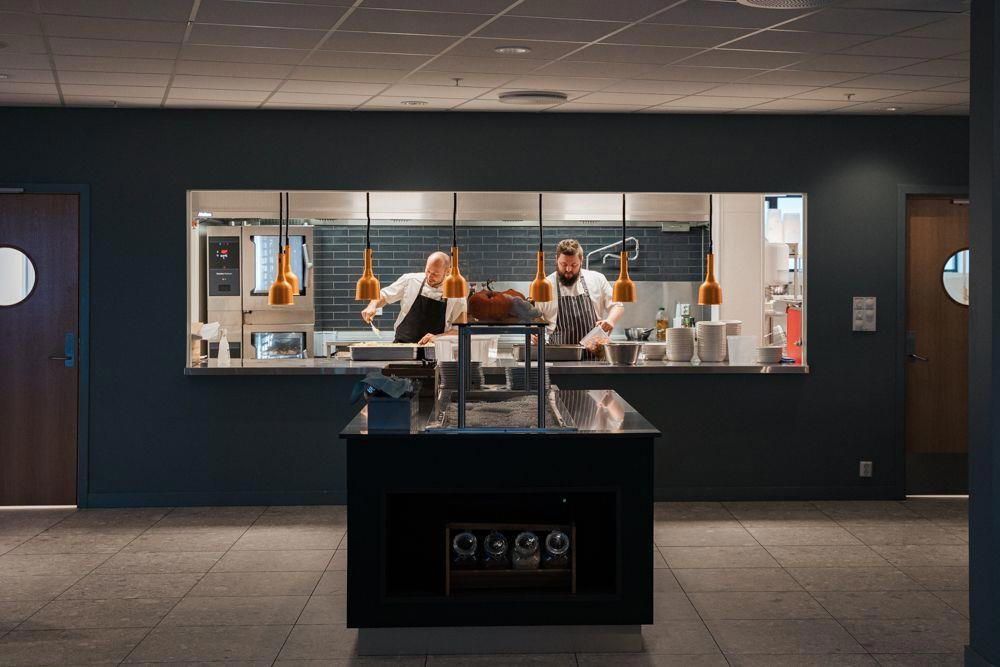
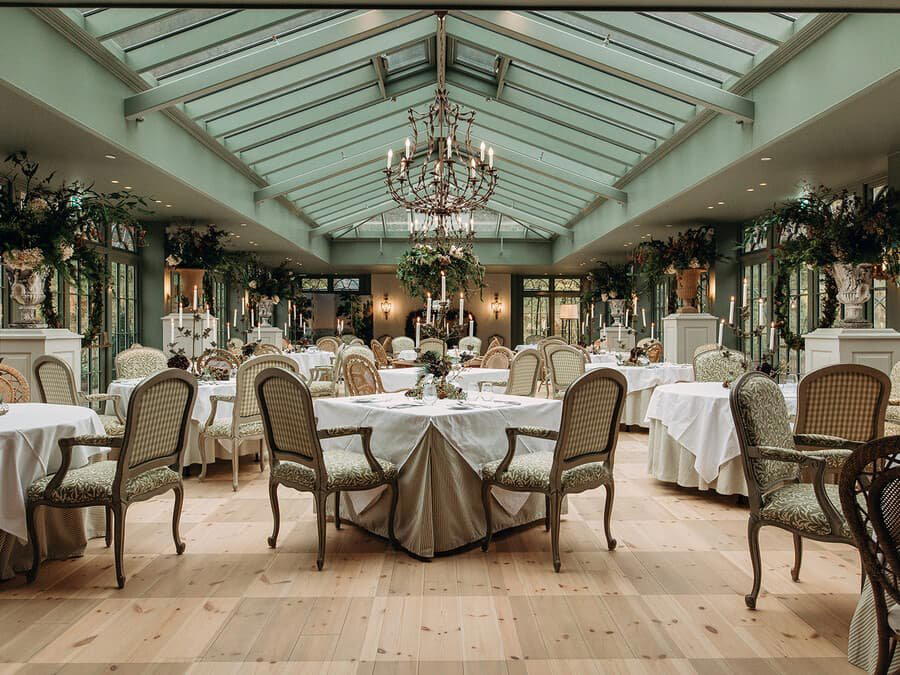
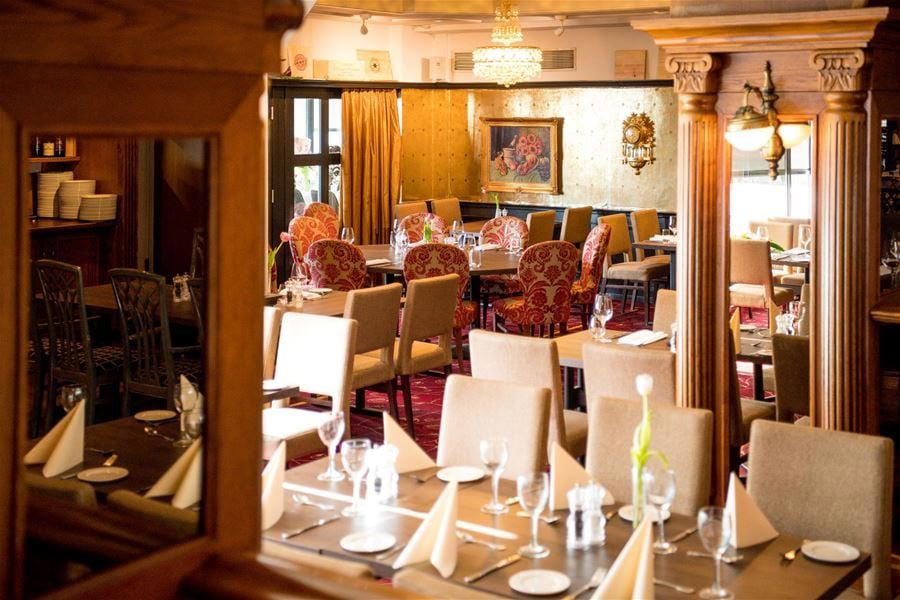
Hotels in Jondal
Browse all →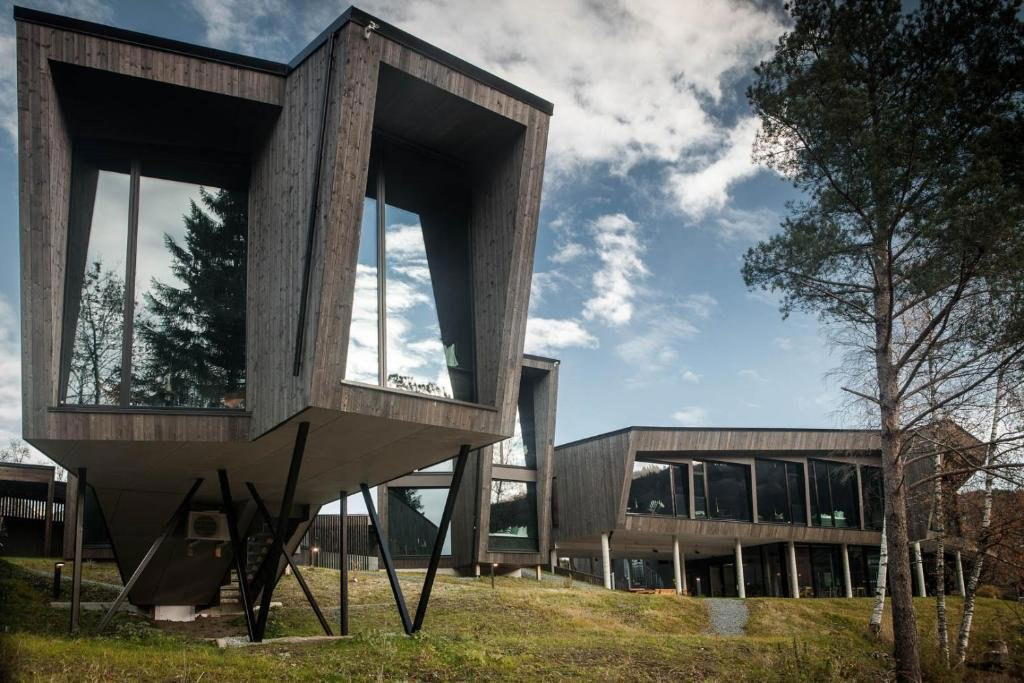
Details
- Scenic
- Modern
- Minimalist
- Sophisticated
- Intimate
- Special Occasion
- Date Night
- Private Event
- Group Dining
- Waterfront
- Panoramic View
- Hotel Restaurant
- Design Destination
- Terrace
- Extensive Wine List
- Local Sourcing
- Waterfront
- Mountain
- A La Carte
- Wine
Modern, design-led and minimalist, with a scenic fjord-and-mountain setting and an intimate house-guest feel supported by personalized service.