
Campo Osteria opened on Bygdøy allé in the summer of 2025, bringing a neighbourhood Italian format to one of Oslo's quieter residential stretches. The kitchen deliberately sidesteps the red-sauce canon in favour of regional Italian cooking that rarely surfaces in Scandinavia. It sits in a city better known for New Nordic tasting menus, which makes its specific angle worth understanding before you book.
Pearl is the En Primeur Club membership app — saves, bookings, and concierge access live there. Same editors, same standards.
- Address
- Bygdøy allé 53, 0265 Oslo, Norway
- Phone
- +47 22 44 44 44
- Website
- camposteria.no
- Directions
- Get directions
 Saves & bookings on Pearl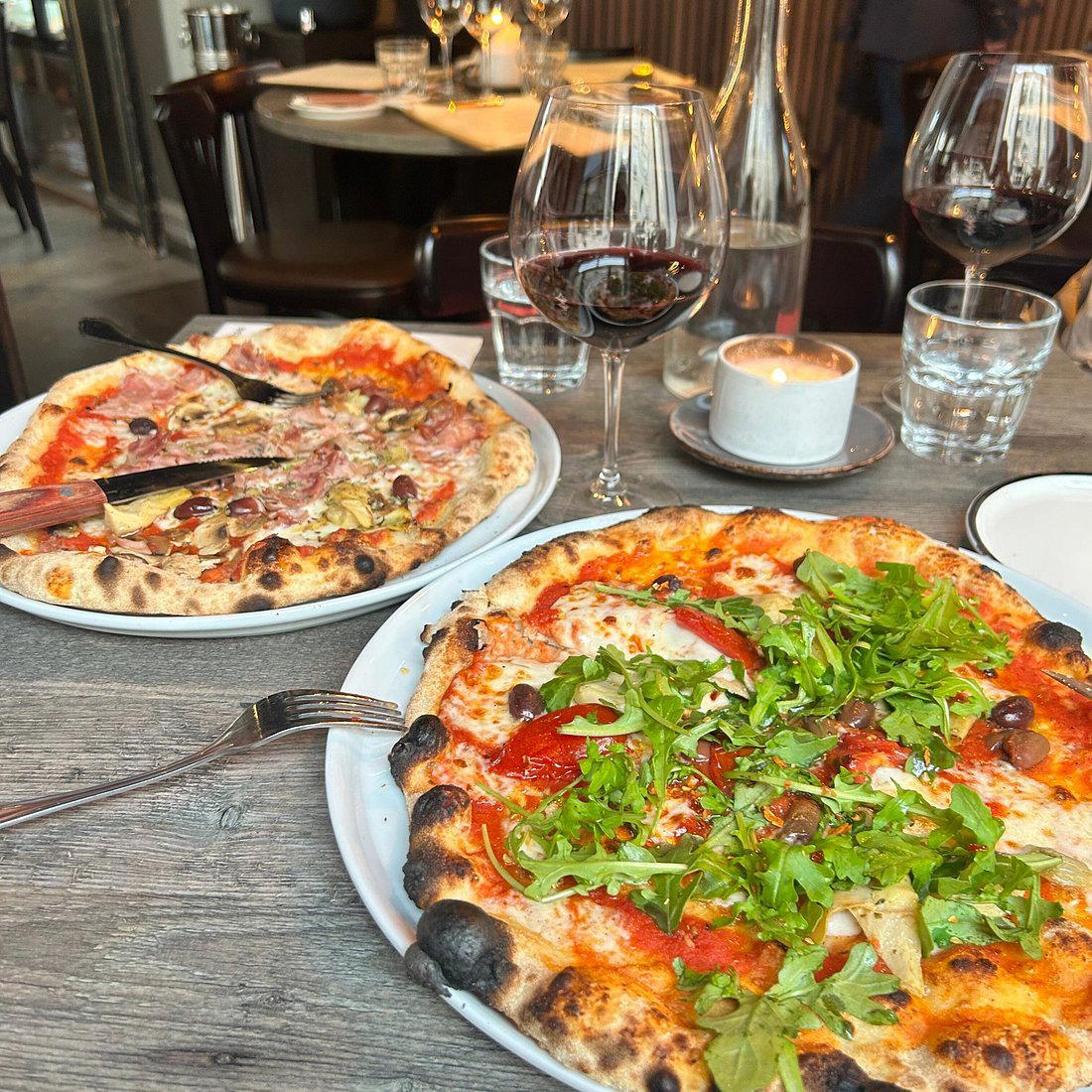
Bygdøy allé and the Italian Restaurant Oslo Was Missing
Bygdøy allé runs west from Frogner toward the peninsula museums, lined with apartment buildings and the kind of neighbourhood businesses that serve residents rather than tourists. It is not the strip you walk to find Oslo's most-talked-about tables; those tend to cluster further east or in the centre. That geography matters for Campo Osteria, an authentic Italian osteria in Oslo. The address positions it as a genuine neighbourhood restaurant rather than a destination play, and the cooking appears designed to match that intention.
Oslo's Italian restaurant sector has long defaulted to a familiar playbook: pasta with cream, pizzas sized for sharing, tiramisu to finish. That format has its place, but it leaves a gap for operators willing to draw from the less-exported regions of Italian cooking. Campo Osteria's stated approach sits in that gap, foregrounding dishes that don't appear on the standard Italian-in-Scandinavia template. In a city where the highest-profile dining rooms, including Maaemo and Kontrast, push Scandinavian ingredients through a high-technique lens, a restaurant anchored in Italian regional specificity occupies a noticeably different position.
What Kind of Italian Restaurant This Actually Is
Italian food in northern Europe tends to be filtered through the same narrow set of regions: Neapolitan pizza, Bolognese ragù, Roman pasta formats. The dishes that define Basilicata, Friuli, or coastal Calabria rarely make it this far north in recognisable form. Campo Osteria's pitch is that its menu does not replicate what you already know from Italian restaurants in Oslo. That is a meaningful distinction, even if the full picture of what it serves in practice requires a visit to verify.
The neighbourhood restaurant format it has chosen carries its own set of expectations: approachable pricing relative to Oslo's dining scene, a room that fills with regulars rather than one-off special-occasion bookings, and a menu that rewards return visits. Compare that to the format at Bar Amour or Hot Shop, both of which operate with a more curated, high-rotation energy. The restaurant appears to be building toward something slower and more rooted, which is a different kind of ambition.
For readers tracking how Italian cooking is evolving across European cities, Oslo is not the first name that comes to mind. But the city's dining scene has matured to a point where specialist formats can find an audience. Mon Oncle has demonstrated that a city built on New Nordic credentials will support a well-executed French bistro. The same logic applies here: Oslo diners increasingly want depth and specificity, not just local produce and foraged herbs.
Planning a Visit: What to Know Before You Go
The restaurant opened in summer 2025, which means it is operating in its earliest months at the time of writing. New restaurants at this stage are still calibrating everything from staffing rhythms to booking volume, and the experience of visiting in month two will differ from month eight. That context shapes how you should think about planning.
The restaurant sits at Bygdøy allé 53 in Oslo, Norway. Frogner is accessible by tram from central Oslo and is a short taxi or ride-share journey from most central hotels. Parking exists in the area, though Bygdøy allé itself is a through road rather than a quiet side street. The neighbourhood has a residential feel that suits an evening walk before or after dinner, particularly in the longer daylight hours that Oslo's summer and early autumn provide.
Reservations are recommended. New neighbourhood restaurants in Oslo at this price position typically fill weekend slots faster than weekdays, and Italian-format rooms with a focused menu tend to attract repeat bookings from locals who lock in regular tables early. If you are visiting Oslo for a specific date, treating this as a reservation-required venue and planning accordingly is the sensible position.
For context on the broader Oslo scene before you arrive,
Norway's Wider Dining Circuit
Oslo is the densest concentration of notable restaurants in Norway, but the country's dining scene extends well beyond the capital. RE-NAA in Stavanger and FAGN in Trondheim represent the high end of Norway's regional table. On the western coast, Gaptrast in Bergen and Iris in Rosendal offer different registers of the country's relationship with landscape and ingredient. Under in Lindesnes and Boen Gård in Tveit complete a picture of Norwegian fine dining that extends from the southern tip to well north of Bergen.
The restaurant does not compete with any of those. The Italian neighbourhood restaurant is a different category entirely, one that fills a gap in Oslo's offer rather than claiming a position on the tasting-menu circuit. That is what makes it interesting to watch: in a city where the critical conversation has centred on New Nordic for the better part of two decades, the arrival of a restaurant explicitly focused on Italian regional specificity signals that Oslo's dining public is ready for a wider frame of reference.
Globally, the Italian neighbourhood restaurant format has proved durable in cities as different as New York and New Orleans, where the question is rarely whether the city wants Italian cooking but whether the kitchen has something specific to say. The restaurant's opening premise suggests it does. Whether it delivers on that premise over its first year will determine where it sits in Oslo's evolving restaurant conversation.
Price Lens
Comparable venues nearby, for context on price, style, and recognition.
| Venue | Cuisine | Price | Notes |
|---|---|---|---|
| Campo OsteriaThis venue — the venue you are viewing | Gimle, Authentic Italian Osteria | $$$ | Not listed |
| Trattoria Popolare | Enerhaugen, Rustic Italian Trattoria | $$ | Not listed |
| Baltazar Ristorante e Enoteca | Not listed | $$$ | St. Hanshaugen, Classic Italian Trattoria |
| Code Restaurant | Vaterland, Modern European | $$$ | Not listed |
| B VIN | Enerhaugen, European Wine Bar | $$$ | Not listed |
| Mamma Pizza | Not listed | $$ | St. Hanshaugen, Authentic Neapolitan Pizza & Italian Trattoria |
Recognition history
Dated appearances from independent guides and award organizations, with the underlying list record or original source where available.
Star Wine List
Star Wine List
At a Glance
- Cozy
- Rustic
- Lively
- Elegant
- Date Night
- Group Dining
- Family
- Special Occasion
- Open Kitchen
- Terrace
- Extensive Wine List
Current opening hours
- Monday
- Closed
- Tuesday
- 4–10 PM
- Wednesday
- 4–10 PM
- Thursday
- 4–10 PM
- Friday
- 4–10 PM
- Saturday
- 1–10 PM
- Sunday
- 2–9 PM
Hours can change for holidays and private events. Last verified .
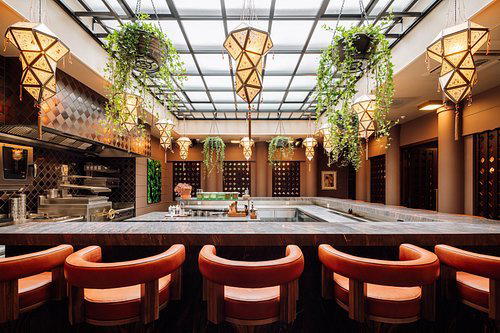
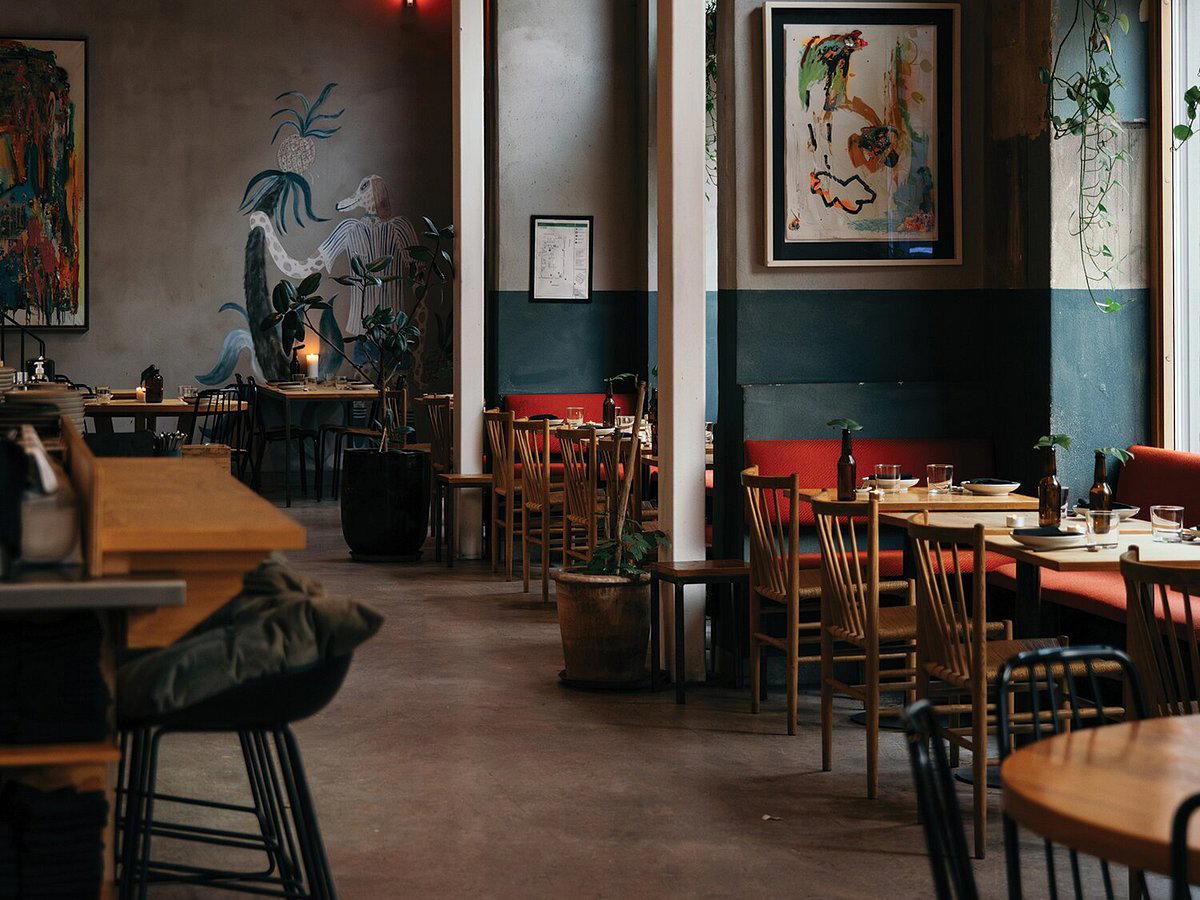
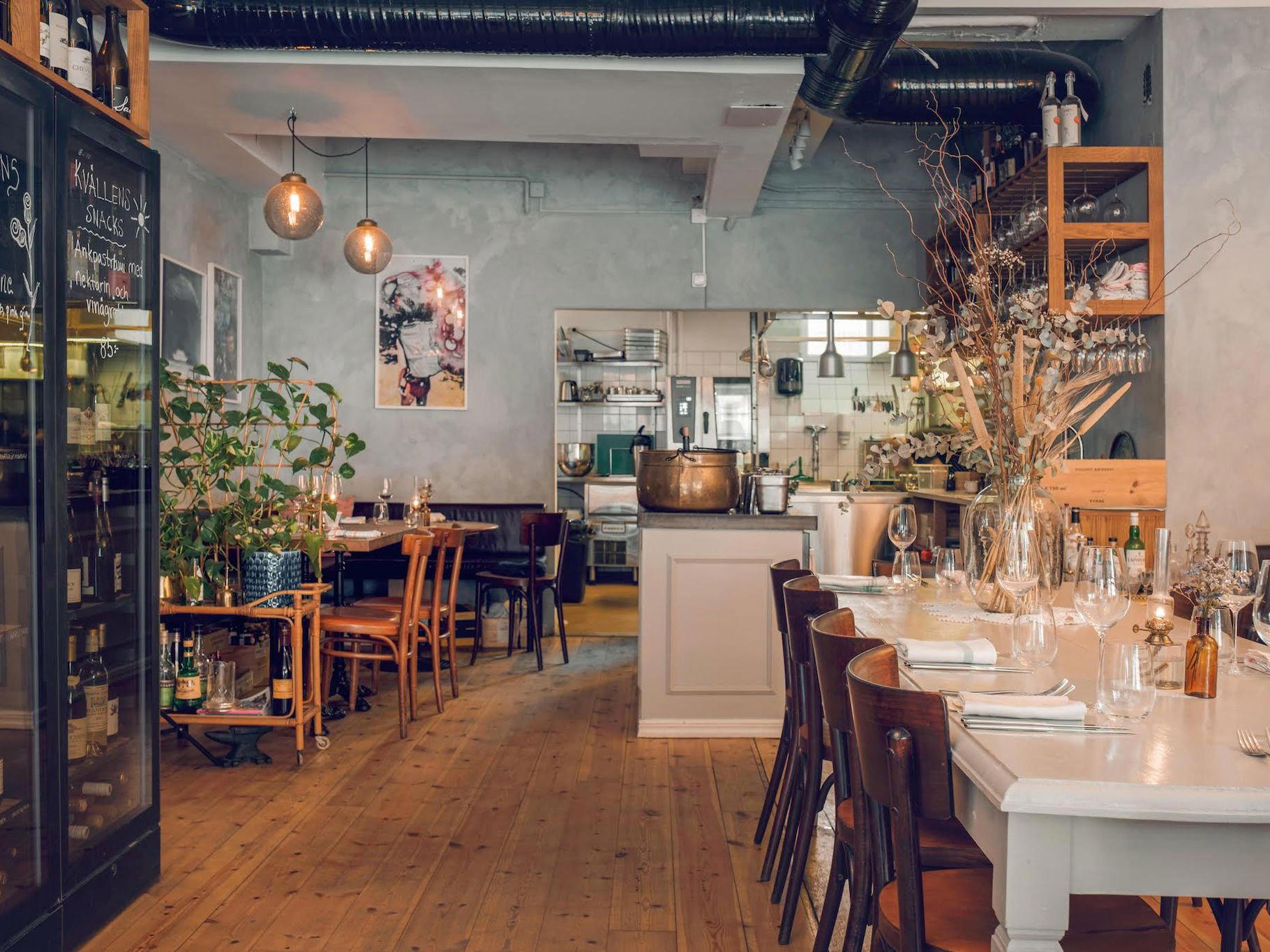
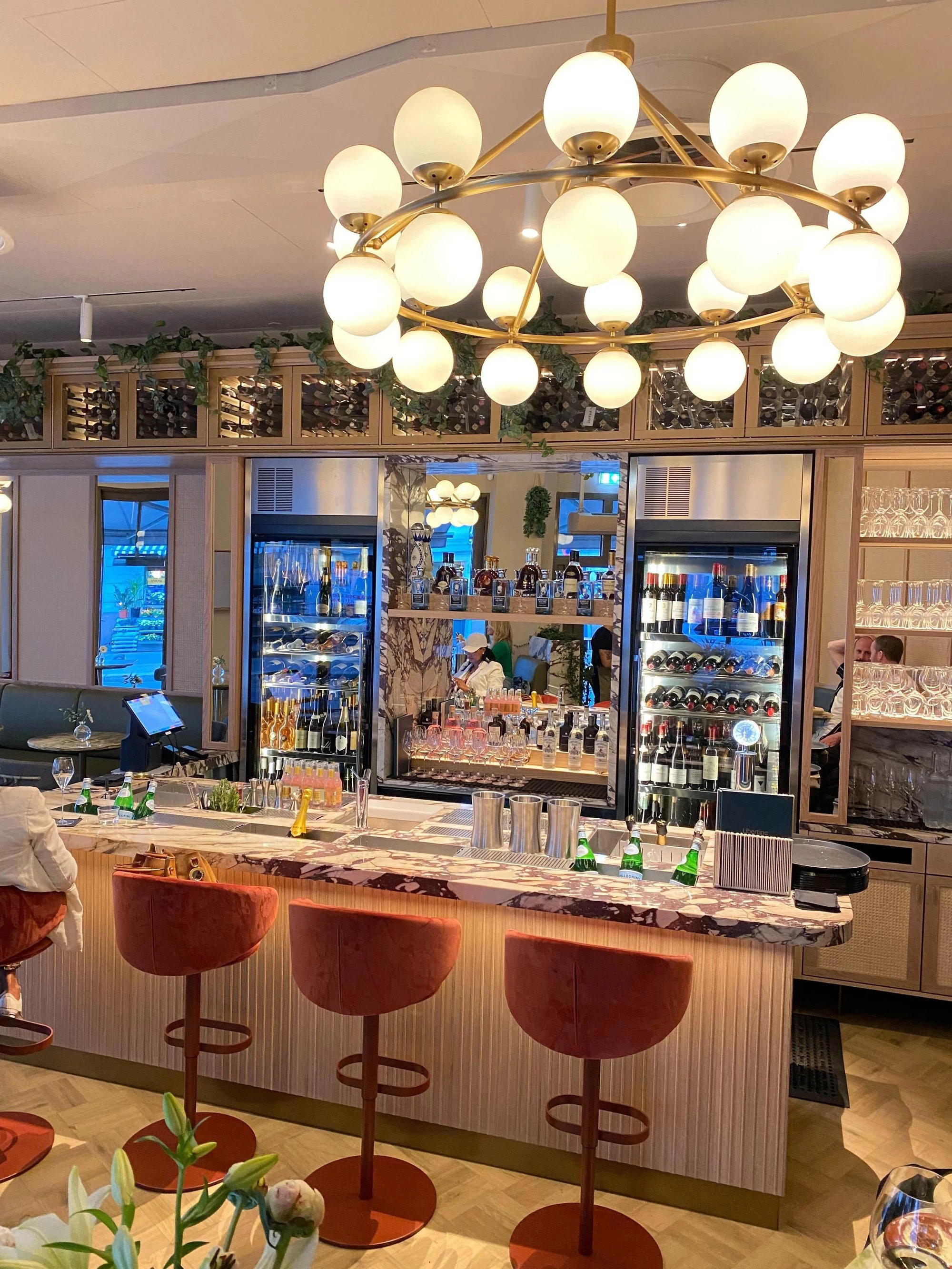
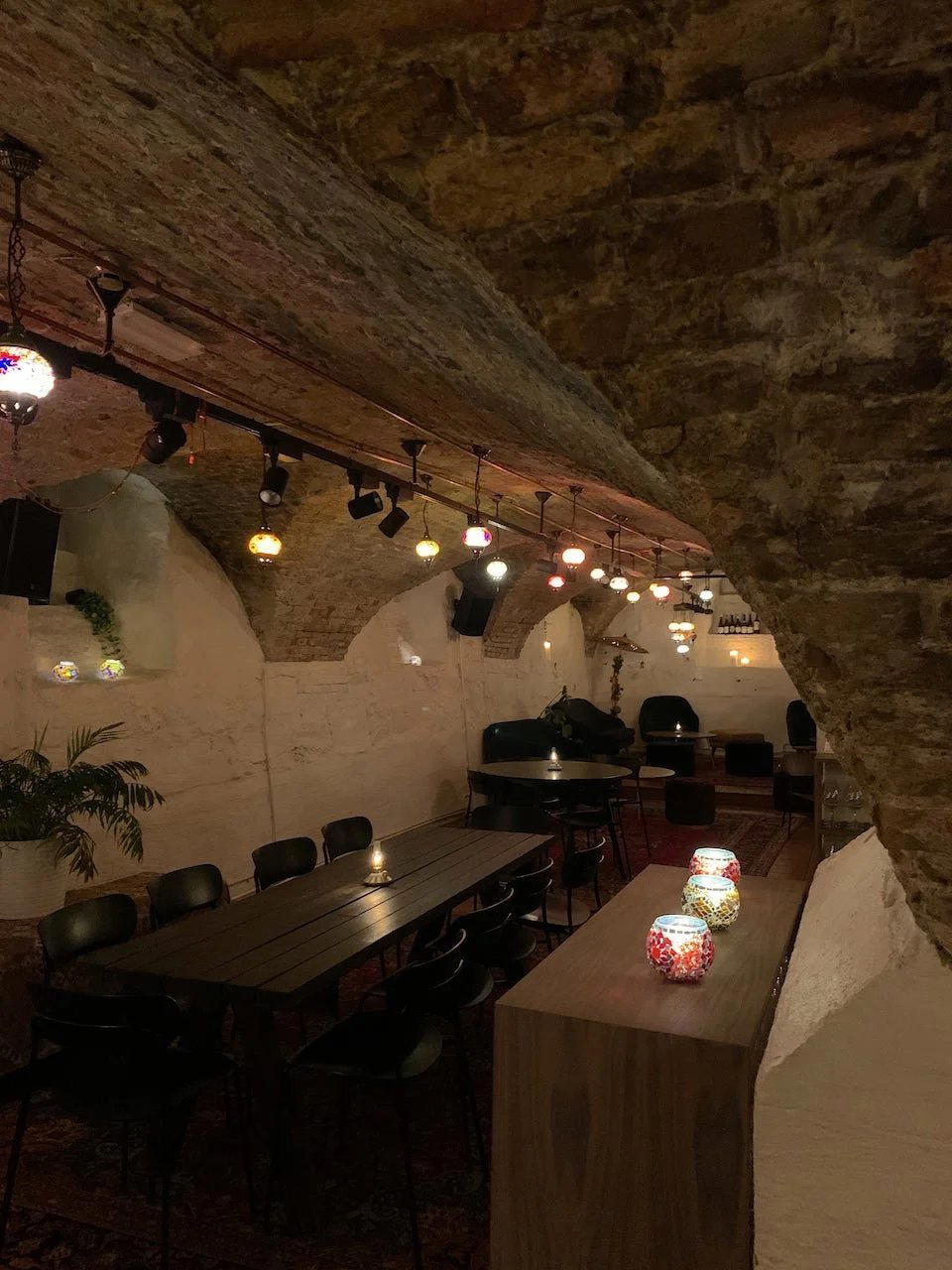
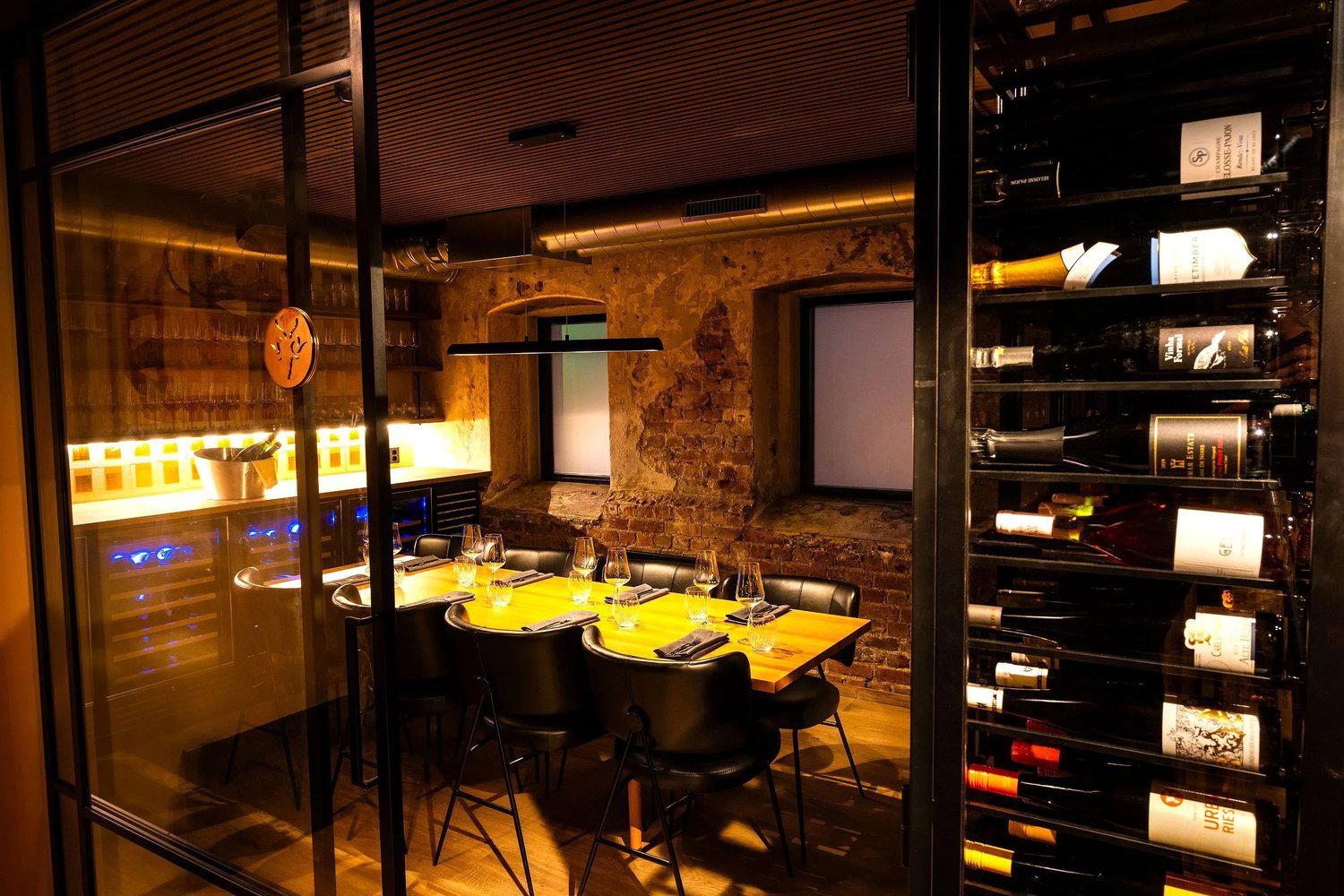
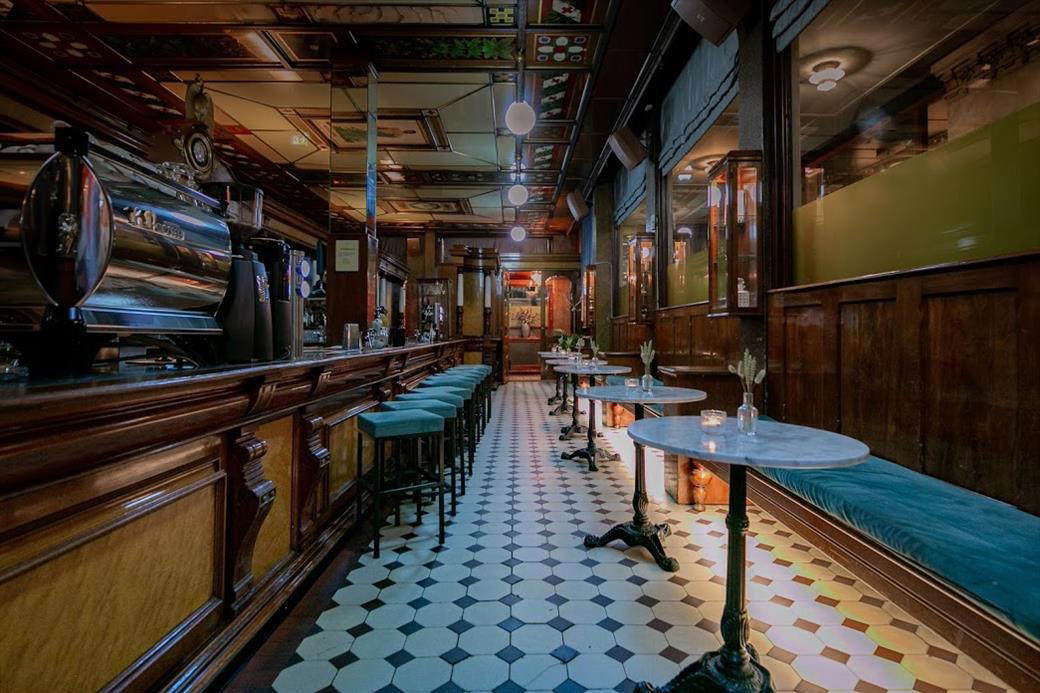
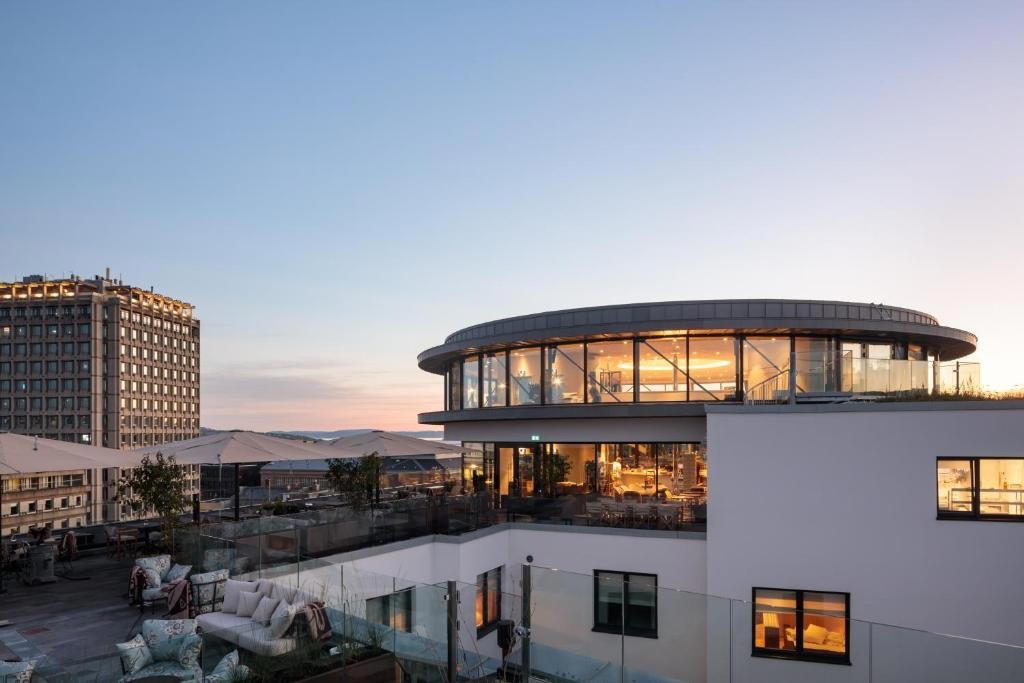
Warm, inviting, and rustic with lively chatter, background music, and an elegant yet relaxed atmosphere.