



1 Michelin Star · Star Wine List · White Guide Nordic Restaurants - Masters Level
Our verdict
A Michelin-starred neighbourhood fixture on the northern edge of Grünerløkka, Hot Shop runs a surprise tasting menu built around cold-season Nordic produce and ranked #200 in Opinionated About Dining's Europe list for 2024. The canteen-style format and accessible price point place it in a different tier from Oslo's grand-table New Nordic rooms, making it one of the city's more credible overperformers at the €€€ mark.

Pearl is the En Primeur Club membership app, where members save venues, book tables and use the concierge.
The menu
What to order
- Reindeer with chanterelle and porcini broth
- White asparagus with oyster sauce
- Celery root with truffle
- Scallops
A Neighbourhood Room With a Serious Kitchen
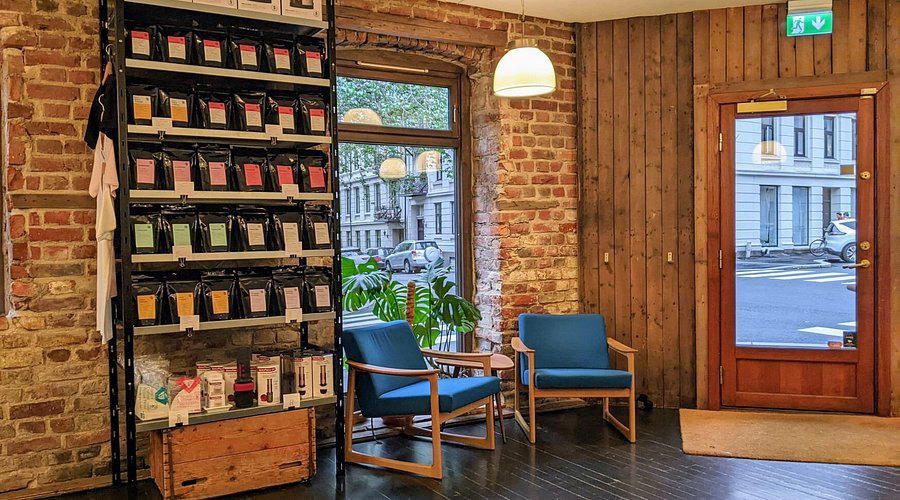
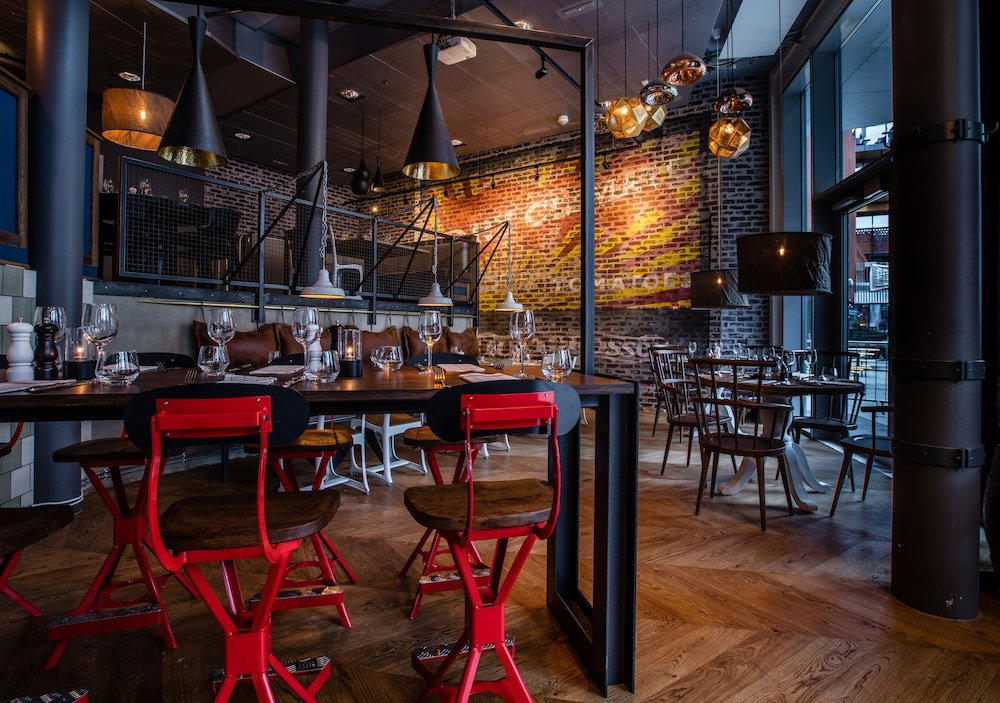
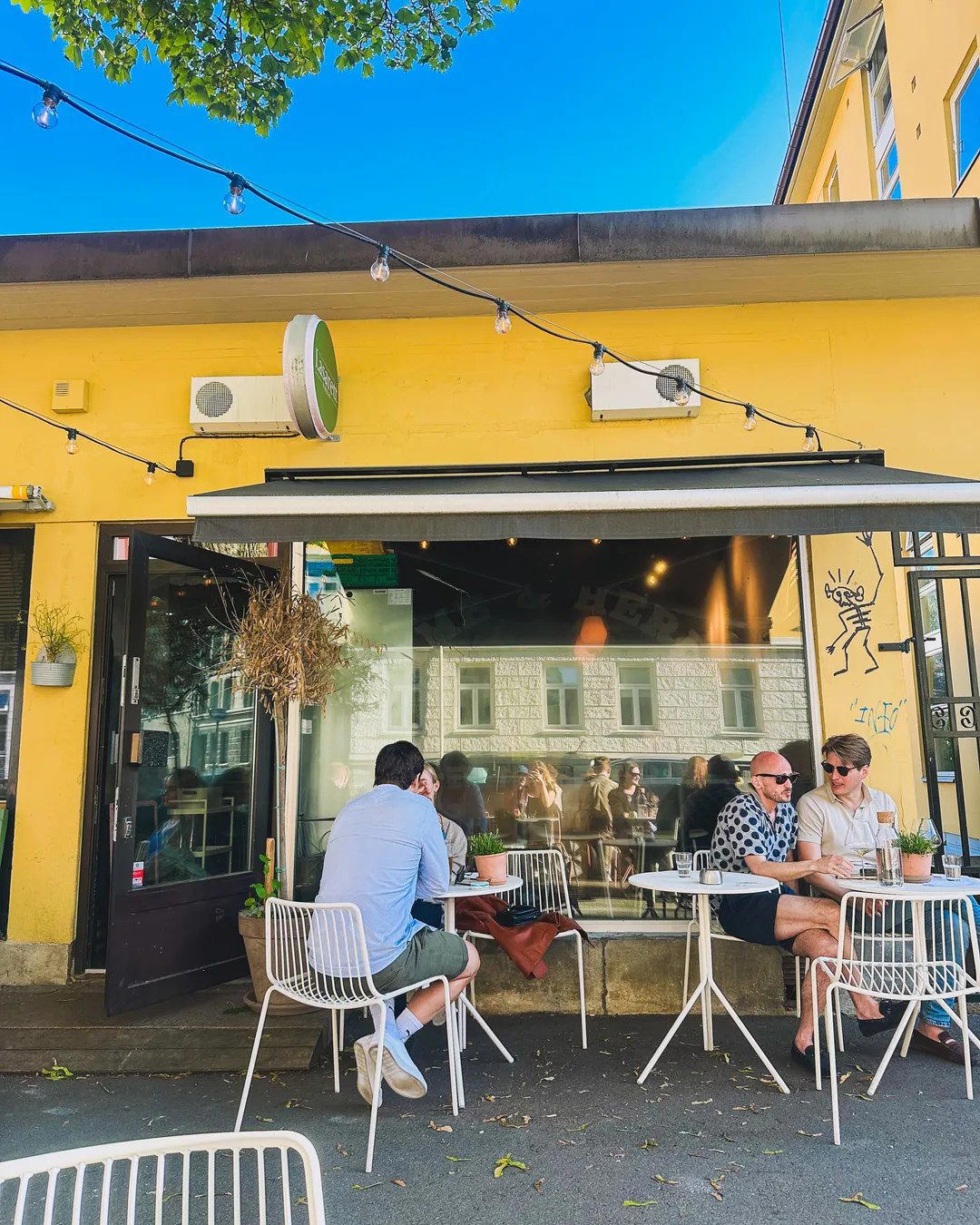
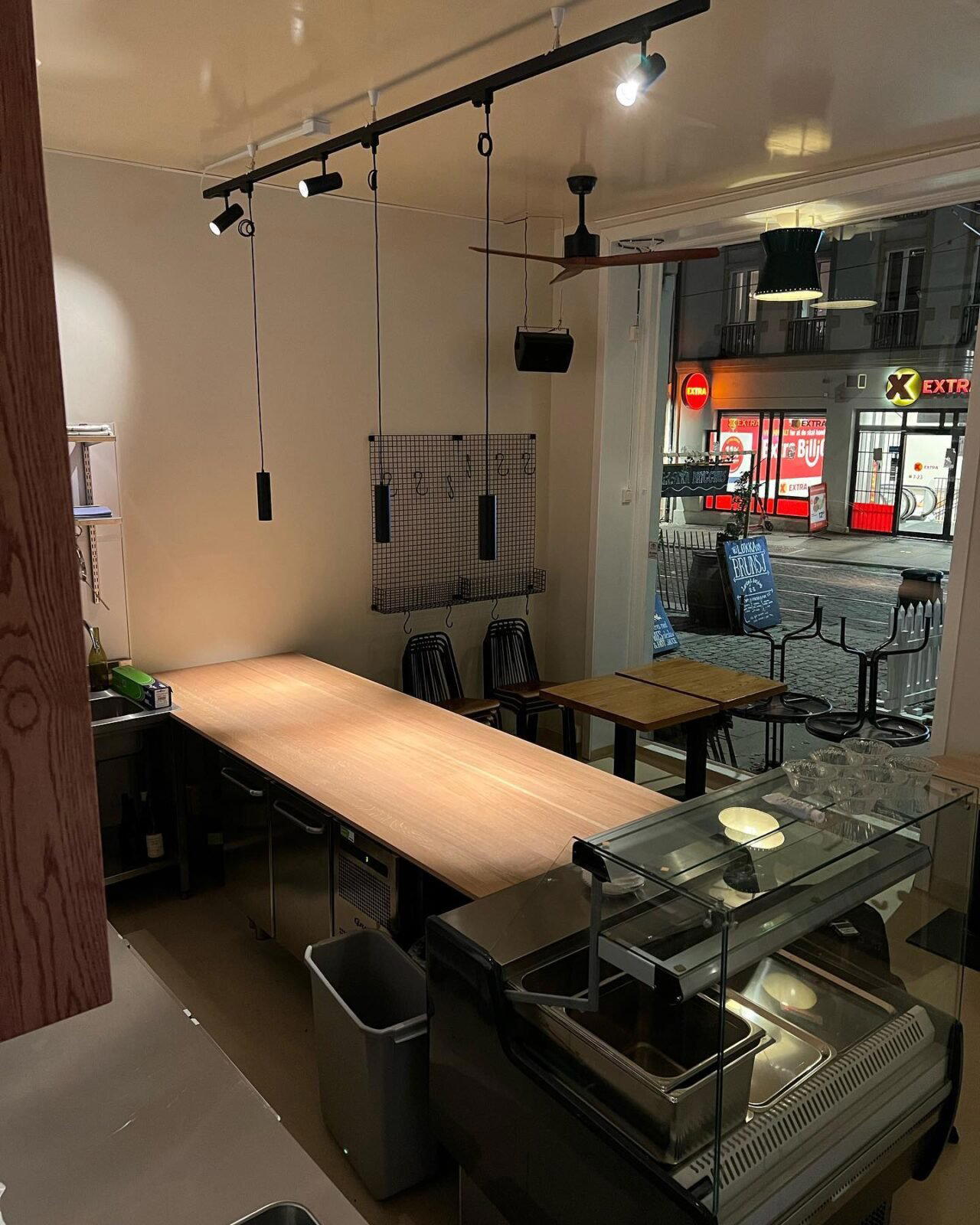
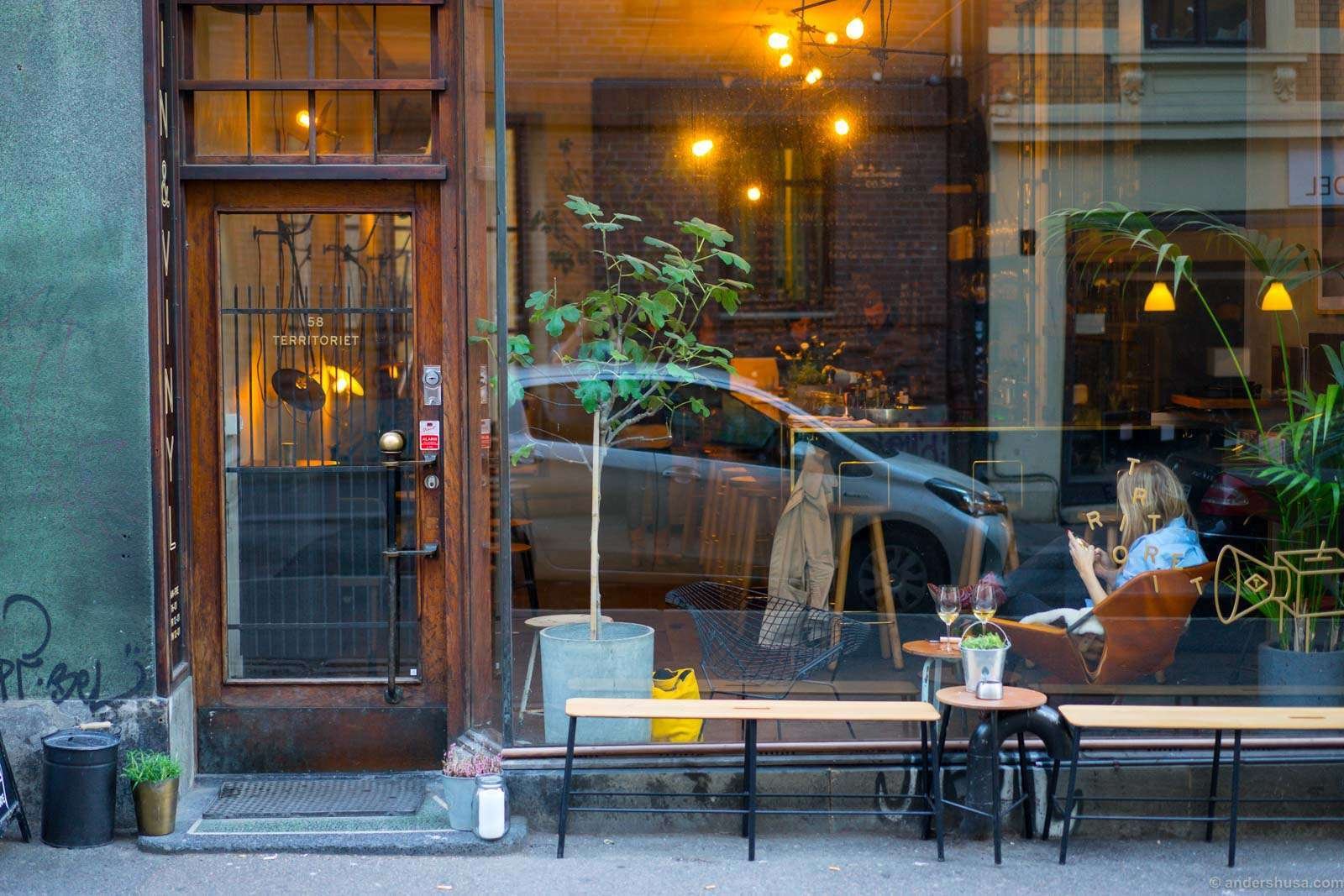
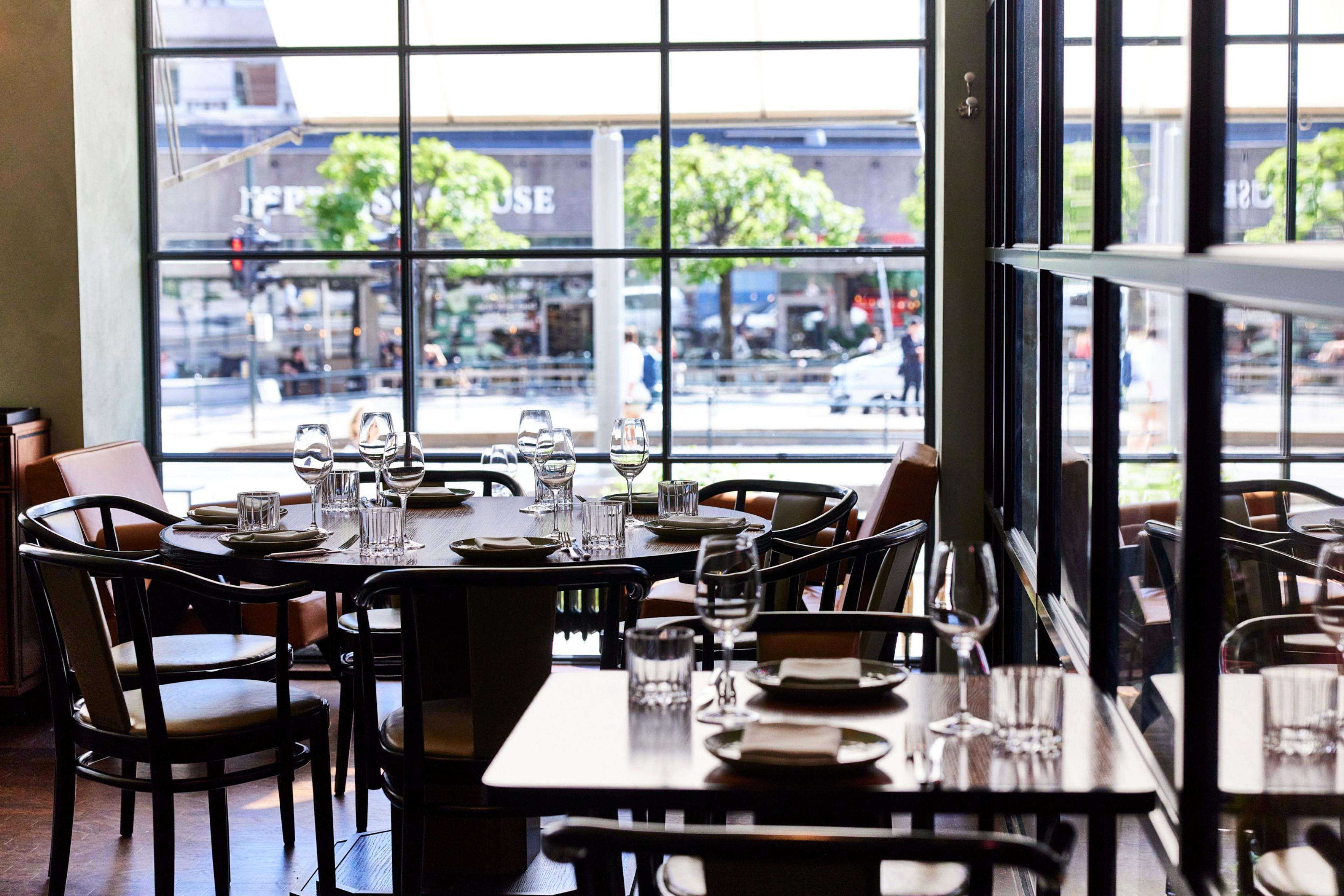
The outer edge of Grünerløkka, Oslo's most closely watched dining district, has a particular texture: converted industrial units, low-lit corner spots, and the kind of street-level unpretentiousness that tends to attract kitchens more interested in cooking than ceremony. Hot Shop, at Københavngata 18, sits squarely in that register. The name is a holdover from the building's previous life as a sex shop, kept for reasons that are either pragmatic or deadpan, possibly both. The décor follows the same logic: canteen-style, unfussy, without the designed-restraint aesthetic that Oslo's more self-conscious New Nordic rooms have adopted as a kind of uniform.
What that setting frames, however, is a kitchen operating well above its surroundings. Hot Shop holds one Michelin star (2024), ranked #200 on Opinionated About Dining's Europe list in 2024 and moved up to #222 in 2025, and has taken the Star Wine List leading ranking in both 2023 and 2024. For a neighbourhood bistro on Oslo's northern fringe, that accumulation of recognition across cooking, service, and wine is not standard.
Where It Sits in Oslo's New Nordic Tier
Oslo's fine dining map has sharpened into a fairly legible hierarchy over the past decade. At the leading, Maaemo operates at three Michelin stars and €€€€ pricing, with the kind of international profile that pulls destination diners from outside Norway. Below that, rooms like Kontrast (two stars, €€€€) anchor a mid-to-upper band where tasting menus carry price tags that reflect both ambition and the city's cost base.
Hot Shop occupies a distinct position: Michelin-starred but priced at €€€, with a fixed surprise menu format that removes à la carte complexity and keeps the operation lean. In that sense it reads more like the neighbourhood tasting rooms that have proliferated in Copenhagen and Stockholm than like Oslo's grand-table tradition. The comparison is instructive. Formats like this, small room, surprise menu, strong local sourcing, tend to generate the kind of regular return visits that larger venues rarely see, because the menu shifts with supply rather than with the season on a calendar.
For context, comparable Oslo addresses at lower price points, such as Arakataka or Kolonialen Bislett, work in a different register entirely: Nordic inflection without the tasting menu structure or the Michelin recognition. Hot Shop is the point on Oslo's map where neighbourhood informality and genuine technical ambition actually overlap. That overlap is rarer in the city than it appears.
The Cold-Water Larder
Norwegian cuisine's most authoritative ingredient set comes from the sea, and specifically from the cold-water harvest that runs along one of the longest and most productive coastlines in Europe. Cod, herring, Arctic char, langoustine, and the broader catalogue of cold-water fish and crustaceans have defined Norwegian cooking at its most honest for centuries, and the better New Nordic kitchens treat this not as provenance marketing but as genuine culinary structure.
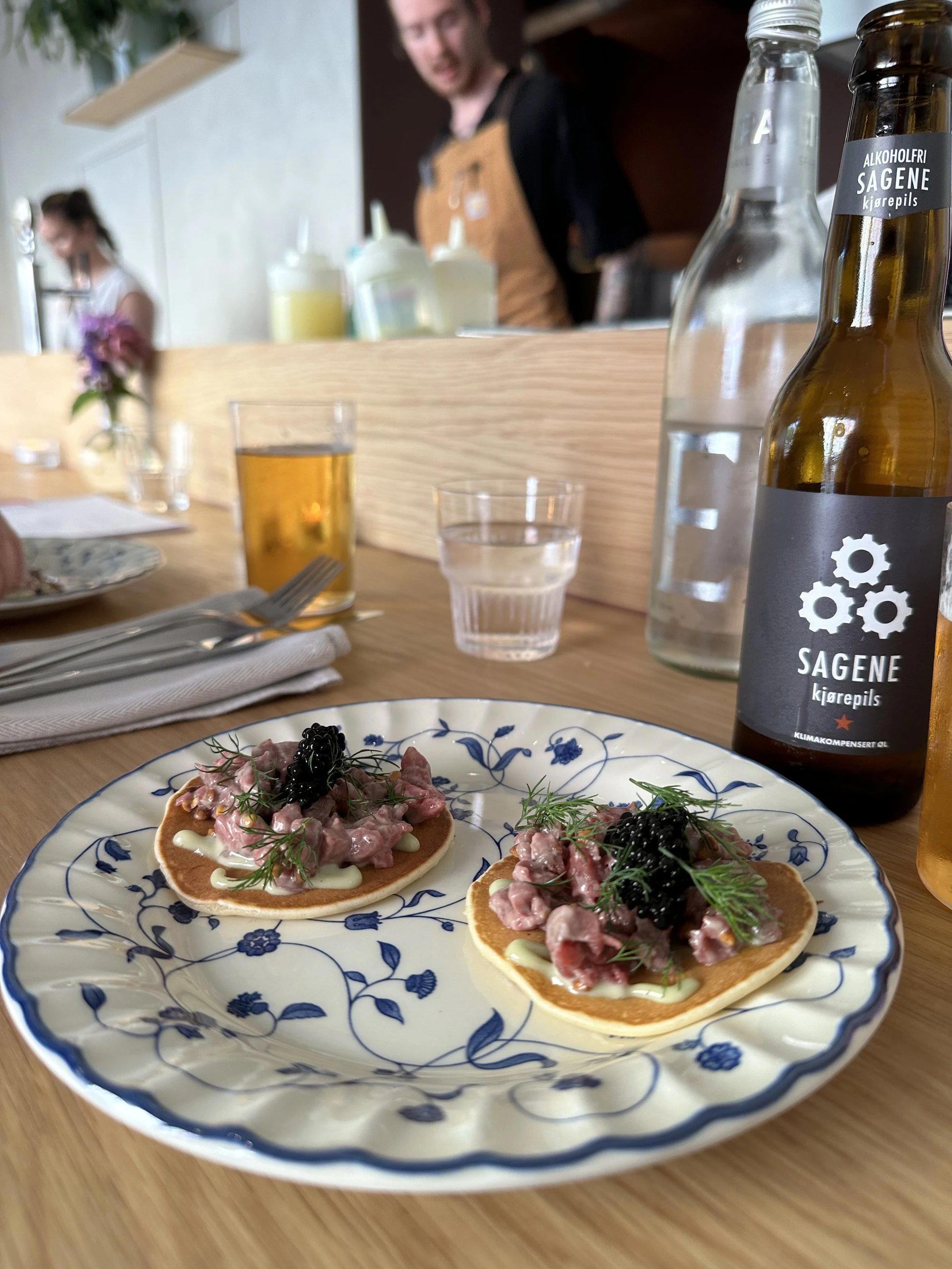
Hot Shop's approach to the surprise tasting menu leans heavily into this tradition. The format, leading available local ingredients, composed into dishes that shift with supply, is well-suited to a kitchen working the Norwegian cold-water larder, where what arrives from the coast on a given week is genuinely superior to what can be sourced a month earlier or later. Reindeer with aromatic chanterelle and porcini broth, cited in recognition notes as a representative dish, signals a kitchen equally comfortable with the forest-floor forage tradition that runs alongside the coastal one. That dual fluency, cold water and boreal land, is characteristic of New Nordic cooking at its most coherent.
The Michelin citation notes an extreme focus on local ingredients alongside the neo-Nordic framing, which in practice means the menu tracks Norwegian seasons more precisely than it follows any fixed structure. For a diner arriving without knowledge of what will be served, this is either a feature or a constraint depending on temperament. The format has no provision for those who need to know in advance.
Beyond Oslo, the Norwegian restaurant scene that Hot Shop belongs to extends to addresses like RE-NAA in Stavanger, FAGN in Trondheim, Gaptrast in Bergen, and further afield to Iris in Rosendal and Under in Lindesnes. Each of these operates from the same cold-water and boreal larder, but in very different formats and at different price points.
The regional comparison extends across the Nordic countries. Domestic in Aarhus and Kaskis in Turku occupy similar territory in their respective cities: neighbourhood-scale, produce-led, technically serious. The format has become a recognisable sub-category in Nordic fine dining, one that consistently overperforms its price point because the overhead structure allows the kitchen budget to go almost entirely into ingredients.
Wine and Service
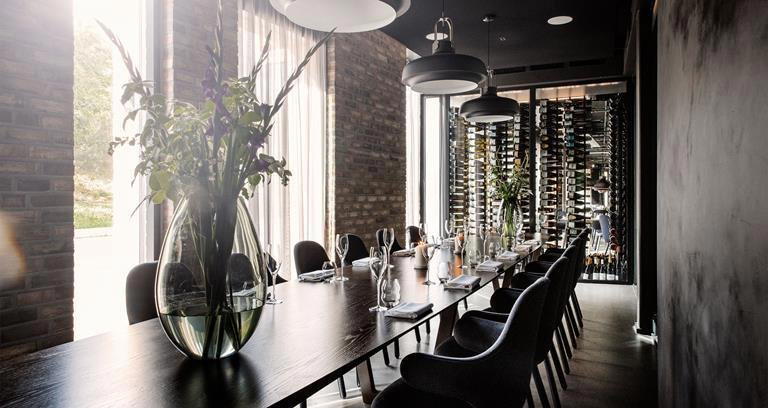
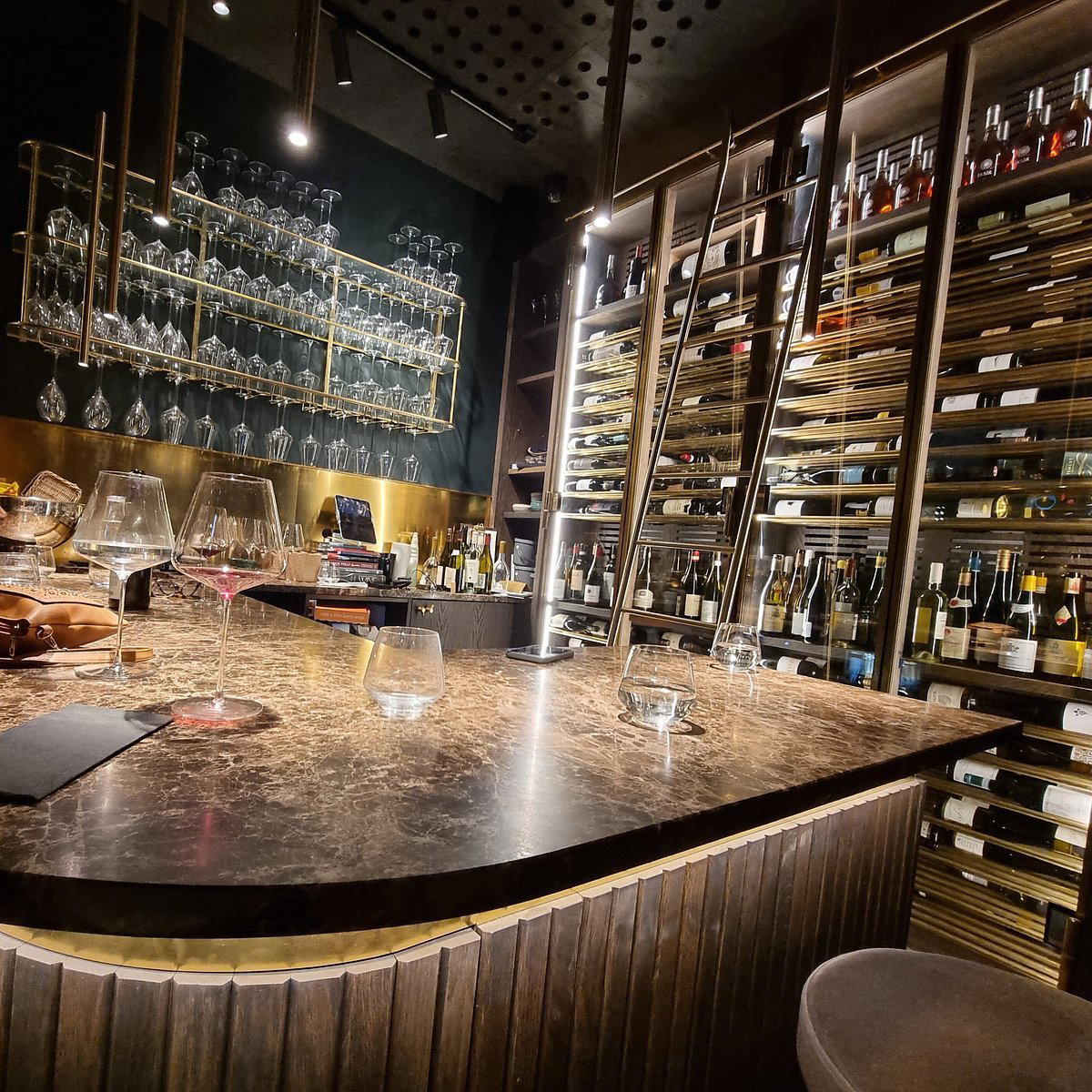
The Star Wine List leading ranking in both 2023 and 2024 is the detail that most distinguishes Hot Shop from other one-star neighbourhood rooms. A wine program strong enough to take that recognition two consecutive years in the context of Oslo, a city with a seriously developed wine culture and significant competition, indicates a list built with real depth and editorial conviction rather than a standard Scandinavian natural-wine shelf.
Michelin notes specifically flag the Jura wines as a particular draw, which points to a list organised around a distinct point of view rather than a broad-strokes by-the-glass selection. Jura, with its oxidative whites and Poulsard-based reds, sits in an interesting relationship with Nordic food: the wines' saline, mineral quality and relatively high acidity make them credible partners for cold-water fish and foraged vegetables in a way that more extracted styles often are not. That the list has built a Jura reputation inside a restaurant already known for its kitchen is the kind of alignment that wine-focused diners specifically travel for.
Service, per the Michelin descriptor, reads as genuinely friendly rather than formally attentive, which fits the canteen-style room and the neighbourhood address. The combination of relaxed hospitality and a technically serious kitchen and wine program is a format that works particularly well in cities where formal service can feel at odds with the food's actual character.
Planning Your Visit
Hot Shop opens Wednesday through Saturday only. Wednesday and Thursday service runs from 6 PM to 10 PM; Friday and Saturday from 5 PM to 10 PM. Monday, Tuesday, and Sunday are closed. The compressed weekly schedule and the room's neighbourhood scale mean that tables require advance planning, and given the Michelin recognition and consistent OAD ranking, booking well ahead of your intended visit is advisable.
The address is Københavngata 18, 0566 Oslo, placing it on the northern edge of Grünerløkka, accessible by tram from central Oslo. The €€€ price point for a Michelin-starred fixed menu format represents reasonable value relative to Oslo's broader fine dining market, where €€€€ is the standard tier for starred cooking. The surprise menu format means the kitchen determines the structure; guests surrender menu choice entirely in exchange for a sequenced meal built around whatever the kitchen is working with that service.
For other perspectives on eating and drinking in Oslo, our full Oslo restaurants guide covers the city across formats and price points. Our Oslo bars guide includes addresses like Bar Amour for post-dinner drinking, and Mon Oncle for French-leaning alternatives. Sabi Omakase represents the city's serious Japanese counter tradition. Our Oslo hotels guide, Oslo wineries guide, and Oslo experiences guide cover the broader picture for visitors planning an extended stay. Also worth noting if visiting Oslo is the world beneath the waves at Boen Gård in Tveit for those exploring the wider Norwegian dining circuit.
Frequently asked questions
What does dinner at Hot Shop typically cost?
Pricing at Hot Shop is listed as €€€.
Who runs the kitchen at Hot Shop?
The chef associated with Hot Shop is Jo Bøe Klakegg.
What's the must-try dish at Hot Shop?
Hot Shop runs a surprise tasting menu built around whatever local ingredients the kitchen judges to be at their peak that week, so no single dish is fixed on the card. Michelin's notes single out a reindeer course with aromatic chanterelle and porcini broth as a representative example of the kitchen's direction. Chef Jo Bøe Klakegg's approach is rooted in cold-water and Nordic larder ingredients, so expect the menu to shift with the season. The format means each visit produces a different set of dishes rather than a signature item to chase.
Is Hot Shop focused on a specific cuisine style?
What are the opening hours for Hot Shop?
Hours at Hot Shop: Monday closed Tuesday closed Wednesday 6 PM-10 PM Thursday 6 PM-10 PM Friday 5 PM-10 PM Saturday 5 PM-10 PM Sunday closed.
Where is Hot Shop located?
Hot Shop is located at Københavngata 18, 0566 Oslo, Norway, Oslo.
Is Hot Shop award-winning?
Hot Shop has received recognition including: This Michelin-starred neighbourhood joint is on the northern outskirts of vibrant Grünerløkka, serving a well-priced fixed menu. The kitchen leans toward (neo) Nordic fare, with an extreme focus on th...; Opinionated About Dining Top Restau….
A Tight Comparison
| Venue | Cuisine | Price | Awards | Notes |
|---|---|---|---|---|
| Hot ShopThis venue (the venue you are viewing) | Modern Nordic Tasting Menu | $100–150 | 1 Michelin Star · Star Wine List | Not listed |
| Maaemo | New Nordic Fine Dining | $300–500 | 3 Michelin Stars · World's 50 Best #47 | New Nordic, Modern Cuisine |
| Kontrast | Modern Nordic Fine Dining | $200–300 | 2 Michelin Stars · La Liste Top Restaurants | New Nordic, Scandinavian |
| Statholdergaarden | Classic Norwegian-French Fine Dining | $200–300 | 1 Michelin Star · La Liste Top Restaurants | Modern European, Classic Cuisine |
| Arakataka | Modern Nordic | $50–100 | Michelin Plate · Star Wine List | Nordic, Norwegian |
| Kolonialen Bislett | Modern Scandinavian Bistro | $50–100 | Michelin Plate · White Guide Nordic Restaurants - Masters Level | Modern Cuisine |
Recognition history
Dated appearances from independent guides and award organizations, with the underlying list record or original source where available.
Michelin 1 Star
Michelin
Star Wine List
Star Wine List
Falstaff Restaurant - 95 Falstaff Points
Falstaff
Opinionated About Dining Top Restaurants in Europe Highly Recommended
Opinionated About Dining
White Guide Nordic Restaurants - Masters Level
White Guide
Full recognition history (11 entries)
Michelin 1 Star
Michelin
Opinionated About Dining Top Restaurants in Europe Ranked #222
Opinionated About Dining
Michelin 1 Star
Michelin
Opinionated About Dining Top Restaurants in Europe Ranked #200
Opinionated About Dining
Star Wine List
Star Wine List
Star Wine List
Star Wine List