Our verdict
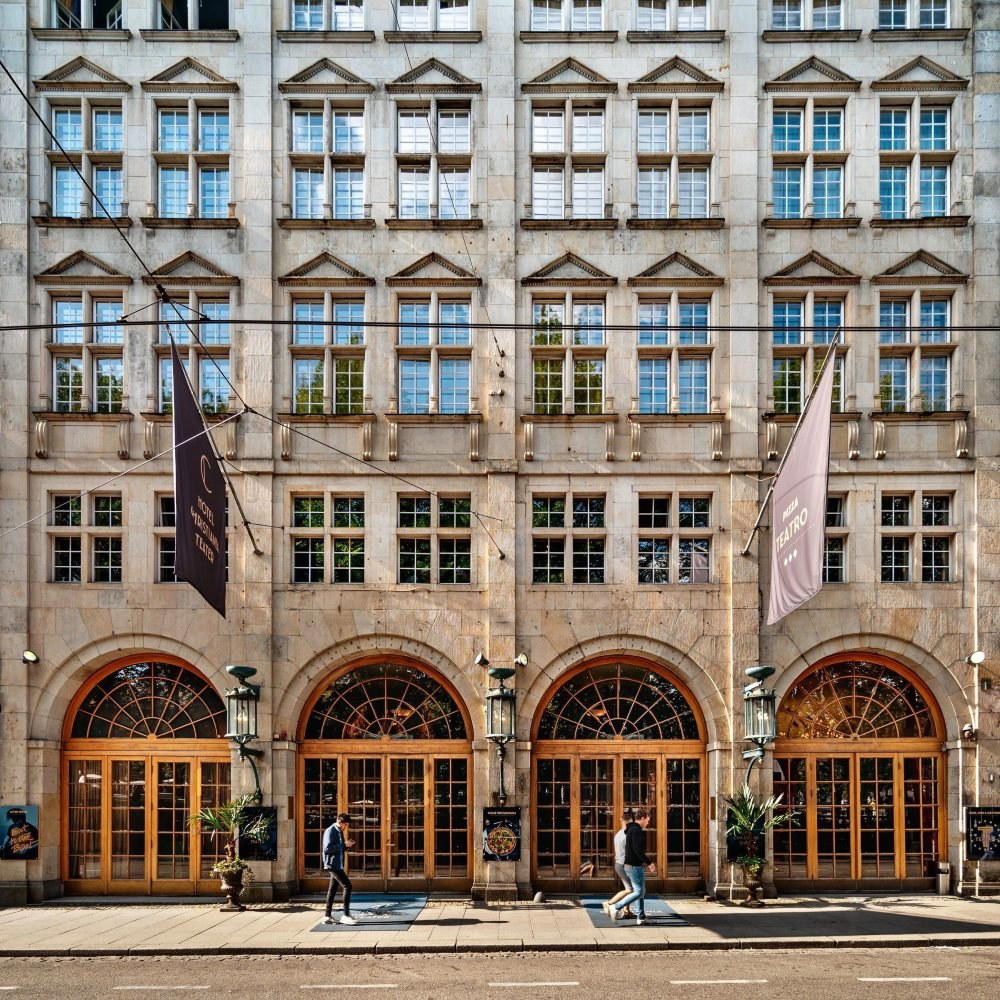
Rugantino Oslo sits on Youngs gate in the Grønland-adjacent stretch of central Oslo, a part of the city where Italian trattorias have quietly built loyal neighbourhood followings outside the fine-dining circuit. The kitchen draws on southern Italian traditions in a city more commonly associated with New Nordic tasting menus, offering a different register entirely for those who want something closer to the table than the gallery.

Pearl is the En Primeur Club membership app — saves, bookings, and concierge access live there. Same editors, same standards.
- Address
- Youngs gate 9, 0181 Oslo, Norway
- Phone
- +4723650710
- Hours
- Mon–Thu 4–11 PMFri 4 PM–1 AMSat 1 PM–1 AMSun Closed
- Website
- rugantino.no
- Directions
- Get directions
- Booking
- Book on the venue's website
Where Youngs Gate Places You
Youngs gate runs through one of Oslo's more textured central corridors, sitting between the institutional weight of the city centre and the more lived-in character of Grønland and Tøyen to the east. It is not the address you would associate with the tasting-menu circuit that has given Oslo its international dining reputation. Maaemo and Kontrast occupy a different register entirely, where reservation windows stretch months ahead and the evening runs to a fixed, multi-course programme. Youngs gate operates on a different social contract. The restaurants here are the ones Osloites return to without an occasion, and that distinction matters when you are trying to read a city's actual dining character rather than just its awards trail.
Rugantino Oslo at number 9 belongs to that neighbourhood-anchored tier. The name itself carries Italian trattoria associations rooted in Roman dining culture, where Rugantino as a figure represents a particular strain of earthy, unaffected local character. Whether the kitchen leans into that lineage directly is something a visit settles, but the positioning within this part of Oslo already signals something: this is not a restaurant competing against the New Nordic canon. It is operating in a different conversation, one that has its own logic and its own regulars.
Italian Dining in a New Nordic City
Oslo's relationship with Italian food follows a pattern visible across Northern European capitals. The fine-dining tier has been dominated for years by hyper-local, ingredient-led Scandinavian cooking, which has pushed imported culinary traditions into a different market position. Italian restaurants in cities like Oslo, Stockholm, and Copenhagen tend to polarise between high-concept modern Italian with a premium price point and the kind of direct, Rome-or-Naples-referencing trattoria that builds a following through repetition and consistency rather than novelty. Neither tier is inherently lesser. They are just answering different questions.
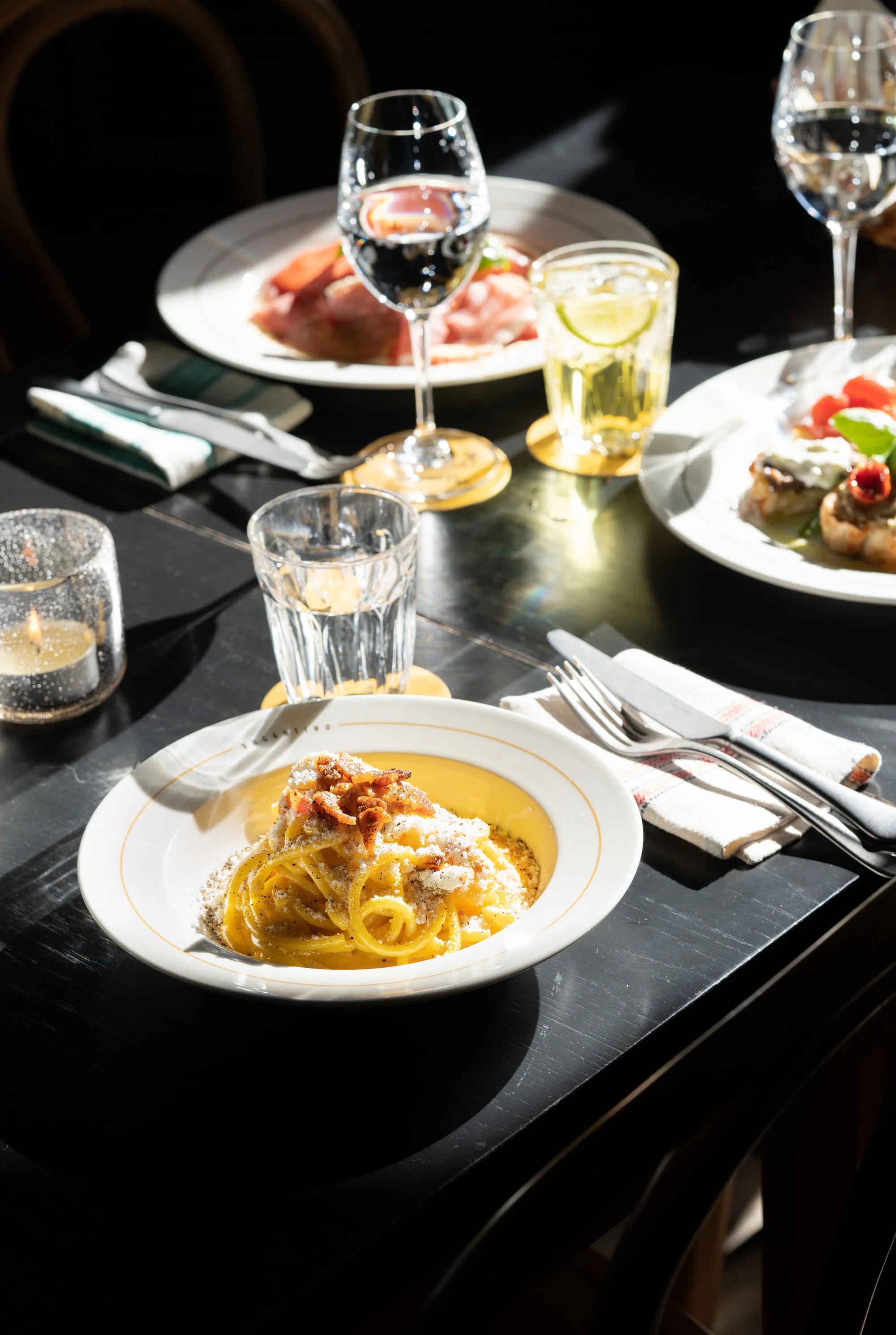
The trattoria model, when it works in a Northern European context, succeeds by not trying to compete with the local fine-dining identity. Bar Amour and Hot Shop show how Oslo's more casual creative end has developed its own confident voice. Italian restaurants operate adjacent to that scene without needing to join it. The appeal is familiarity executed with care: pasta made correctly, wine lists that do not require a lecture, and a room that accommodates a two-hour dinner without theatre. In a city that has invested heavily in the idea that dinner should be an event, a restaurant that treats it as a meal occupies genuinely useful ground.
For French-inflected alternatives in Oslo's mid-register, Mon Oncle covers comparable territory in a different culinary language. Both sit outside the €€€€ bracket that defines the Michelin-chasing tier and both draw a crowd more interested in a good evening than a curated experience.
Norway's Dining Range: Context for Visitors
Placing Rugantino Oslo within the national picture requires a brief step back. Norway's food scene has developed a genuinely broad range over the past decade, from the extreme ambition of RE-NAA in Stavanger and FAGN in Trondheim at the top of the formal tier, to coastal institutions like Anita's Sjomat in Lofoten and Fiskekrogen in Henningsvær that are doing something entirely different with Norwegian seafood. In Bergen, Gaptrast represents a design-conscious approach to western Norwegian produce. Further afield, Under in Lindesnes remains one of the more architecturally arresting dining propositions in Europe, while Hardanger House in Jondal and Aurora Restobar in Kirkenes show how geographically dispersed the country's food culture has become. Even in Lofoten, Børsen Spiseri in Svolværr and Underhuset in Reine demonstrate that serious cooking is not confined to the capital.
Oslo itself is the concentration point, and our full Oslo restaurants guide maps the range in detail. Within that range, a reliable Italian address on Youngs gate fills a slot that the New Nordic circuit leaves deliberately empty. International visitors who have eaten at comparable counters in other cities, whether at Le Bernardin in New York or Atomix, often find that the most useful local restaurants are precisely the ones not trying to match that level of formal ambition.
Planning a Visit: What to Know
Youngs gate 9 is centrally located and accessible from most of Oslo's accommodation clusters without significant travel. The address sits within walking distance of several tram and metro connections, making it a practical choice before or after other central Oslo plans. Weekday dinners generally offer more flexibility.
Visitors accustomed to the price architecture of Oslo's formal tier should find that a neighbourhood Italian at this address operates at a more accessible point, though Oslo's cost base means that even casual dining sits above the European average. The relevant comparison is not against Maaemo's multi-course pricing but against the mid-range European trattoria bracket, where pasta, wine, and a shared starter represent a complete meal rather than an opening act.
Frequently asked questions
What part of town is Rugantino Oslo in?
Rugantino Oslo is located at Youngs gate 9, 0181 Oslo, Norway, Oslo.
Is Rugantino Oslo suitable for a business dinner in central Oslo?
Youngs gate 9 is within walking distance of Oslo's main transport links and accommodation clusters, making it a practical choice for guests staying in the city centre. Italian restaurants operating under the Rugantino name typically run a format suited to table service and longer meals, which aligns with business dining expectations.
What do regulars order at Rugantino Oslo?
The address at Youngs gate 9 places it in a central corridor where lunch and dinner trade both run strong, suggesting a menu structured for multiple dayparts.
What is Rugantino Oslo known for?
Rugantino Oslo is an Italian restaurant operating from Youngs gate 9 in central Oslo, a location that sits between the city's institutional core and its more neighbourhood-driven eastern districts. The name Rugantino references a well-established Roman trattoria tradition, suggesting an Italian regional rather than Nordic-fusion identity. No Michelin recognition or named awards are currently documented.
Cuisine-First Comparison
Comparable venues nearby, for context on price, style, and recognition.
| Venue | Cuisine | Price | Awards | Notes |
|---|---|---|---|---|
| Rugantino OsloThis venue — the venue you are viewing | Authentic Roman Trattoria | $30–50 | Not listed | Not listed |
| Bettola | Italian Aperitivo Bar | $30–50 | Not listed | Enerhaugen |
| Café Tekehtopa | Italian Homestyle | $20–30 | Not listed | St. Olavs Plass |
| Vesuvio Café og Pizza | Authentic Neapolitan Pizza | $20–30 | Not listed | Fredensborg |
| Prima Fila | Authentic Italian with Norwegian ingredients | $30–50 | Not listed | Vika |
| Baltazar Ristorante e Enoteca | Classic Italian Trattoria | $50–100 | Star Wine List | St. Hanshaugen |