



Michelin Selected · Star Wine List · Preferred Hotels Member
On Aker Brygge's waterfront, The Thief positions itself within Oslo's small tier of design-led boutique hotels. Its address at Landgangen 1 puts guests within walking distance of the Astrup Fearnley Museum and the fjord promenade.

Pearl is the En Primeur Club membership app — saves, bookings, and concierge access live there. Same editors, same standards.
- Address
- Landgangen 1, 0252 Oslo
- Phone
- +47 24 00 40 00
- Website
- thethief.com
- Directions
- Get directions
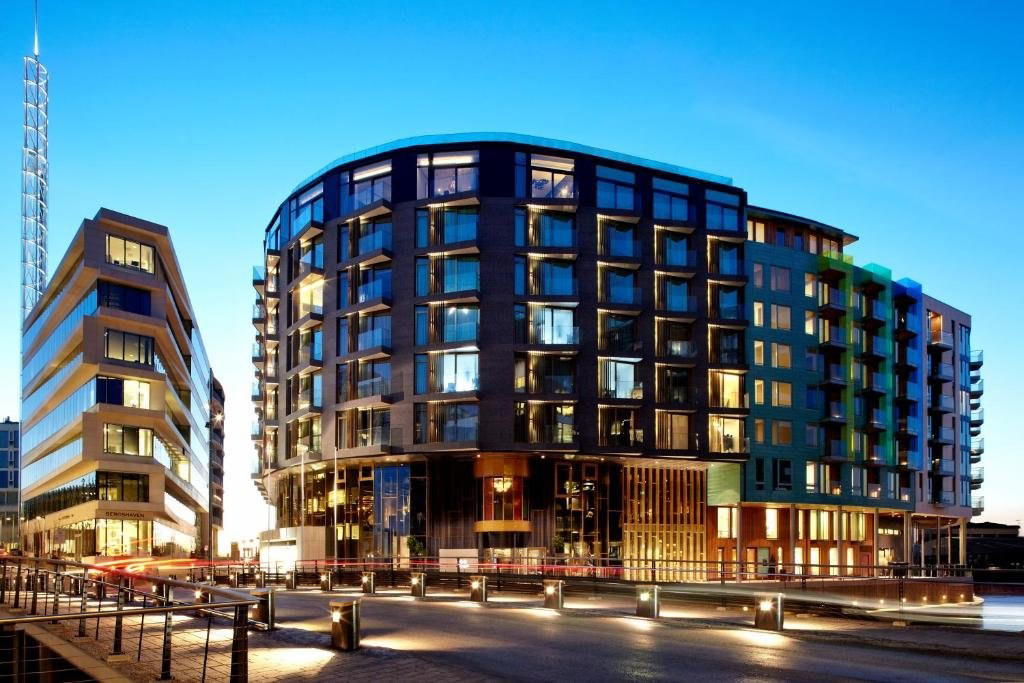
Aker Brygge and the boutique tier
Oslo's hotel market has sharpened into recognisable layers. At one end sit the large-footprint internationals, including the Radisson Blu Oslo Plaza, operating at scale with conference infrastructure and broad amenity ranges. At the other, a smaller cohort of design-conscious independents competes on atmosphere, art programming, and the kind of spatial restraint that large properties cannot replicate. The Thief, at Landgangen 1 on the Aker Brygge peninsula, belongs firmly to that second group. With 114 rooms and a World Travel Awards title as Norway's Leading Boutique Hotel in 2025, it occupies a position in Oslo's premium accommodation market that is closer in character to Amerikalinjen or Sommerro than to anything operating under a global chain flag.
The address matters more than it might initially appear. Landgangen 1 places the hotel on a narrow spit of reclaimed land where the Oslofjord opens directly in front and the Astrup Fearnley Museum of Modern Art sits just steps away. This is not the retail-heavy pedestrian core around Karl Johans gate, where Hotel Continental holds its long-established position. Aker Brygge operates at a quieter register, especially in the early morning and late evening when the waterfront empties and the light off the fjord becomes the main event. That geography shapes what kind of retreat The Thief can offer, and it is a meaningful distinction for guests whose priority is recovery and decompression rather than proximity to the city's cultural institutions on foot.
The retreat framework: water, art, and deliberate quiet
In Scandinavian hospitality, wellness is rarely packaged as a bolt-on. The Nordic tradition treats thermal bathing, physical quiet, and considered materiality as baseline assumptions rather than premium upgrades, and the better Oslo properties have absorbed that sensibility into their spatial and programming logic. The Thief's waterfront position feeds directly into this. The fjord view from Aker Brygge is not incidental scenery; in a city where light quality shifts dramatically across the year, access to open water and horizon line carries genuine psychological weight, particularly for guests arriving from compressed urban environments elsewhere in Europe.
Art integration functions as a second layer of the retreat offer. The property's proximity to the Astrup Fearnley Museum, one of Norway's most significant collections of international contemporary art, means that guests who want to anchor their stay in cultural engagement can do so within a few minutes' walk. This proximity is not a coincidence of geography: Aker Brygge has been developed with a deliberate density of cultural infrastructure, and hotels that sit within it inherit that framing. For a certain kind of traveller, the combination of water access, contemporary art, and a contained 114-room scale creates conditions that function as a retreat even without a dedicated spa programme, though Oslo's broader wellness infrastructure fills that gap efficiently. Those seeking dedicated thermal facilities should note that The Well in Sofiemyr, one of the largest spa complexes in Northern Europe, is accessible from the city by a short drive.
Wine programme and evening anchor
The Star Wine List recognition, awarded in 2026, signals something specific about where The Thief invests editorially. Star Wine List does not distribute its recognition widely; it identifies programmes with genuine depth, whether in cellar range, by-the-glass quality, or sommelier coherence. For a boutique hotel operating at 114 rooms, this kind of third-party validation places the food and drink offer in a different bracket from properties of similar scale that treat the bar as an afterthought. In a city where the cost of alcohol remains among the highest in Europe due to taxation policy, a hotel bar with a credentialled wine list becomes a meaningful practical asset, not just a prestige signal. Guests who would otherwise absorb significant cost at Oslo's independent wine bars gain a viable in-house alternative that has been externally assessed for quality.
This matters particularly for the retreat-minded guest whose preference is to stay close to the property in the evening. The combination of fjord-facing outlook, a wine programme with serious credentials, and the contained scale of a boutique hotel creates an evening rhythm that does not require leaving the building. For anyone arriving from a long-haul connection or a packed northern Norway itinerary that might include properties like the Aurora Lodge in Tromso or Manshausen, The Thief functions well as a decompression stop before or after the wilder parts of a Norway trip.
Boutique hotels in Oslo operate across a range of neighbourhood positions and design philosophies. Sommerro, the conversion of a 1930s brutalist power station on Frogner, represents the heritage-led end of the spectrum. Amerikalinjen, in a former shipping company headquarters near Oslo Central Station, anchors its identity in a different kind of industrial history. The Thief, by contrast, occupies a site with no legacy building to reference; its identity is built outward toward the water and the contemporary art scene rather than inward toward architectural memory. This makes it a distinct option rather than a competitor in the traditional sense, since guests self-select based on which version of Oslo they want to be closest to.
For a fuller picture of where The Thief sits relative to Oslo's dining and drinking culture, the EP Club Oslo city guide maps the city's food and hospitality scene with neighbourhood-level specificity. Norway's wider boutique hotel landscape also offers useful contrast points: the Britannia Hotel in Trondheim represents the grand-hotel tradition further north, while properties like the Juvet Landscape Hotel in Valldal and the Hotel Union Øye in Norangsfjorden define a completely different register of Norwegian retreat, one built around fjord wilderness rather than urban waterfront. Those contrasts help calibrate what The Thief is and is not. It is a city hotel with genuine design credentials and a credentialled wine programme, positioned on one of Oslo's most considered waterfronts. It is not a nature immersion experience, and guests looking for that should look further west or north, perhaps toward the Storfjord Hotel in Glomset, Walaker Hotel in Solvorn, or the Elva Hotel in Skulestadmo.
Planning a stay
The Thief is located at Landgangen 1, 0252 Oslo, on the Aker Brygge waterfront. The area is walkable from the central city and well-connected by tram. The property operates 114 rooms, placing it at a scale where service personalisation is possible without the formality of a large luxury chain. Given the Star Wine List recognition and the World Travel Awards 2025 designation as Norway's Leading Boutique Hotel, the property tends to draw guests who have done enough research to arrive with specific expectations, which generally means the baseline experience is better matched to those expectations than at properties where the awards are older or the programme has drifted. For international visitors combining Oslo with other parts of Norway, the hotel's location makes it a practical city anchor before or after trips to properties in Bergen (see Opus XVI), Stavanger (see Eilert Smith Hotel), or the Lofoten archipelago (see Sakrisøy Rorbuer in Reine or Nusfjord Village and Resort in Ramberg).
Where the Accolades Land
Comparable venues nearby, for context on price, style, and recognition.
| Venue | Cuisine | Price | Awards | Notes |
|---|---|---|---|---|
| THE THIEFThis venue — the venue you are viewing | Contemporary luxury boutique hotel positioned as a lifestyle destination combining Scandinavian design with international wellness culture. | $300–500 | Michelin Selected · Star Wine List | Not listed |
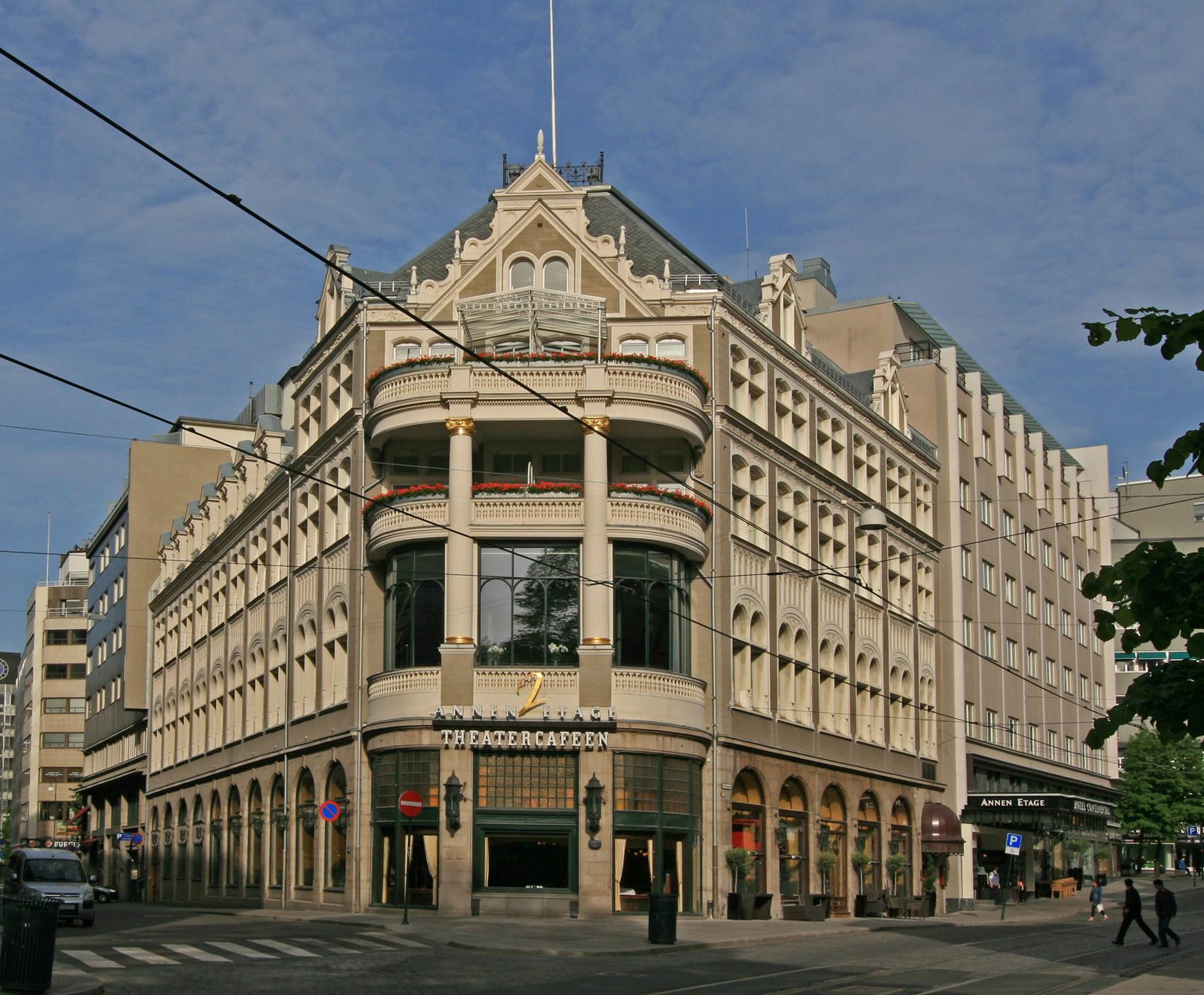
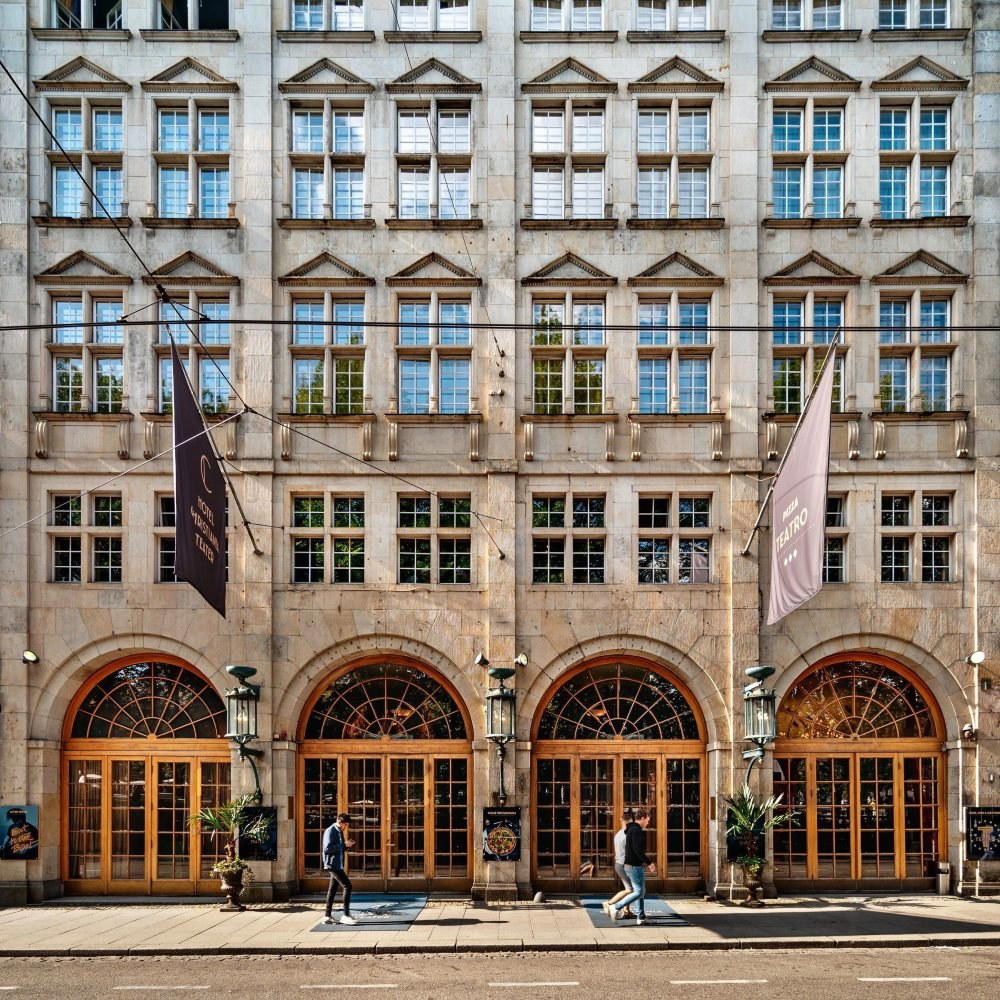
| Hotel Christiania Teater | Historic Nordic Neo-Renaissance theater converted to luxury boutique hotel with contemporary design sensibility | $100–200 | Michelin Selected | Vika |
| Radisson Blu Oslo Plaza | Contemporary high-rise landmark with Scandinavian design sensibility and state-of-the-art technology. | $200–300 | World Luxury Hotel Awards WLHA Regional Winner | Vaterland |
| Amerikalinjen | Historic boutique hotel blending maritime heritage with contemporary elegance. | Not listed | 1 Michelin Key · La Liste Top Hotels | St. Hanshaugen |
| Scandic Go Grensen | Compact, urban economy hotel positioned for price‑conscious city travellers in Oslo’s core shopping and entertainment district. | $100–200 | Not listed | Oslo city center |
| Sommerro | Luxury heritage hotel blending restored 1930s Art Deco architecture with contemporary design in Oslo's elegant Frogner neighborhood. | $300–500 | 1 Michelin Key · Virtuoso Luxury Hotel Partner | Ruselokka |
Recognition history
Dated appearances from independent guides and award organizations, with the underlying list record or original source where available.
Michelin Selected
Michelin
Star Wine List
Star Wine List
Preferred Hotels Member
Preferred Hotels
World Travel Awards
World Travel Awards
Details
- Modern
- Elegant
- Sophisticated
- Scenic
- Romantic Getaway
- Wellness Retreat
- Business Trip
- Anniversary
- Weekend Escape
- Waterfront
- Rooftop Pool
- Destination Spa
- Panoramic View
- Private Dining
- Design Destination
- Wi Fi
- Pool
- Spa
- Fitness Center
- Room Service
- Concierge
- Business Center
- Valet Parking
- EV Charging
- Restaurant
- Bar
- Sauna
- Waterfront
- Wheelchair Accessible
- Elevator
- Accessible Restroom
- Accessible Parking
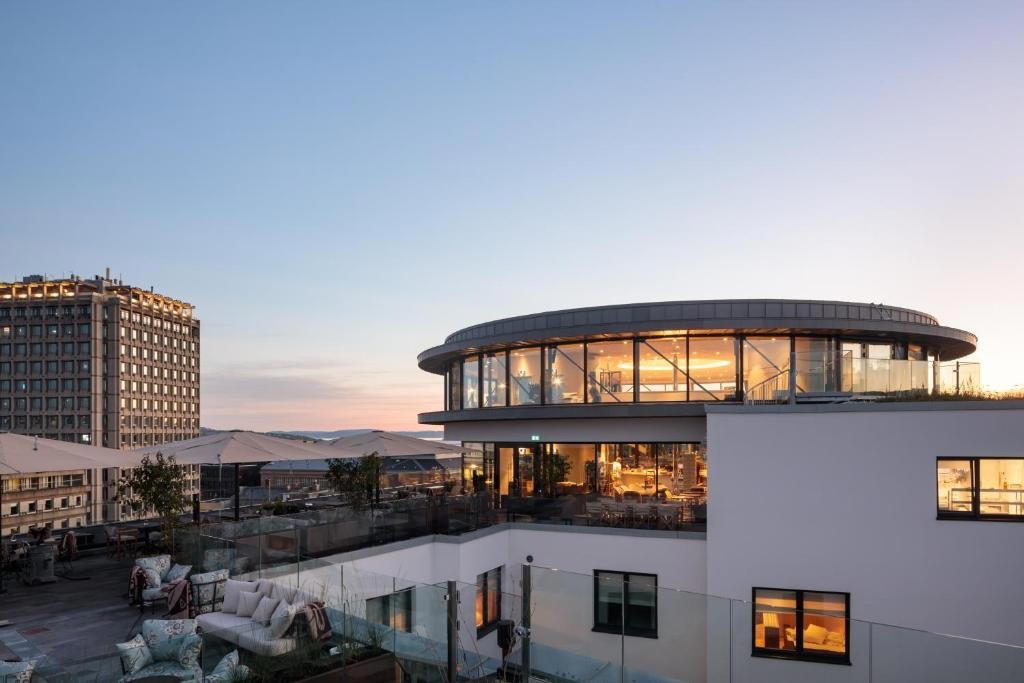
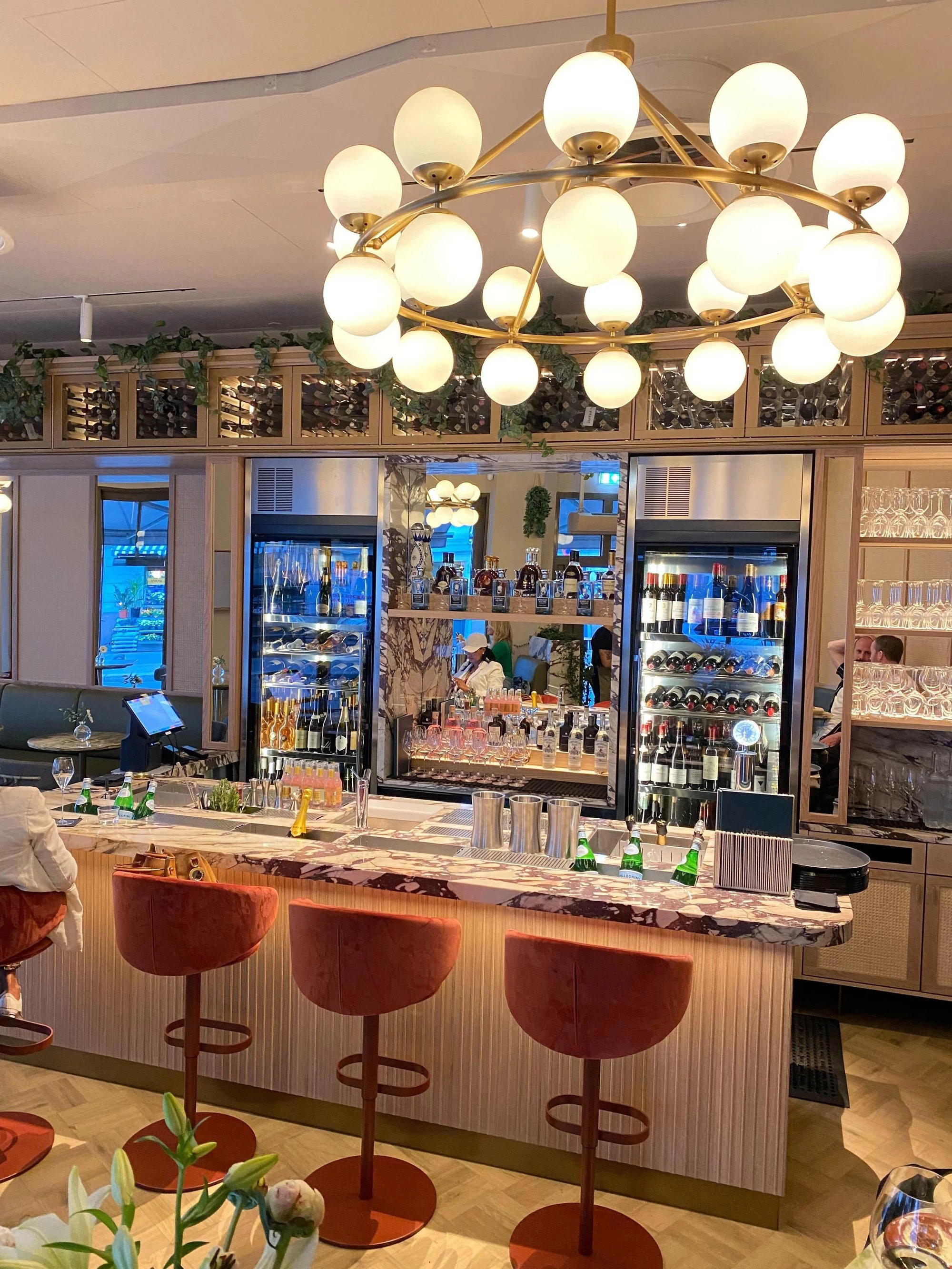
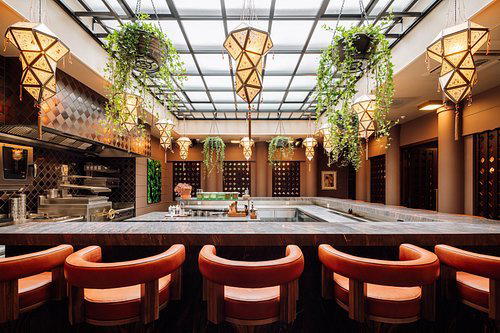
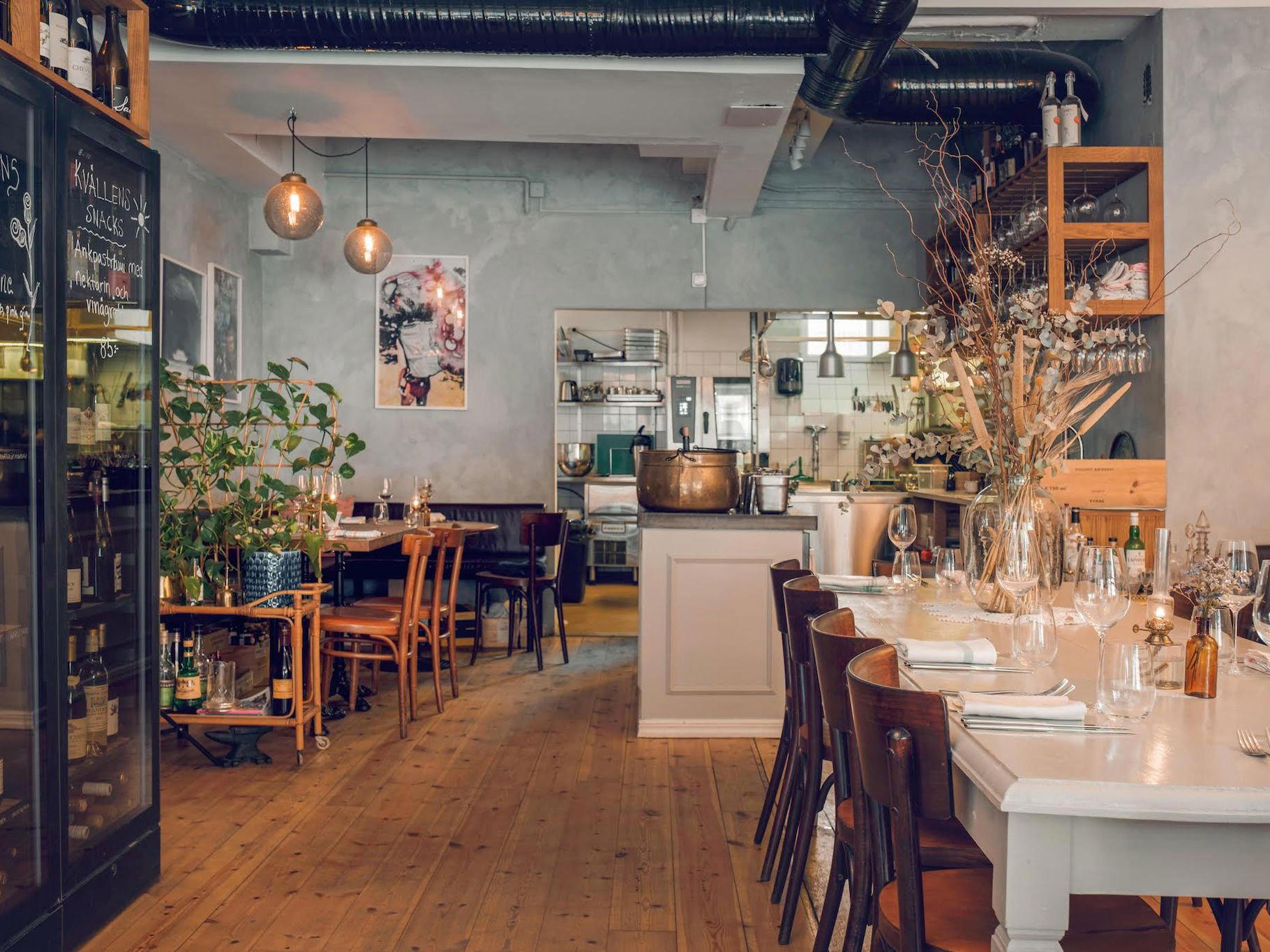
Luxurious and modern with warm, inviting atmosphere; public spaces resemble high-end design magazine spreads with curated contemporary art; rooms feature designer furnishings, floor-to-ceiling windows, and Nordic-inspired spa aesthetic with natural materials like slate and moss.