Our verdict
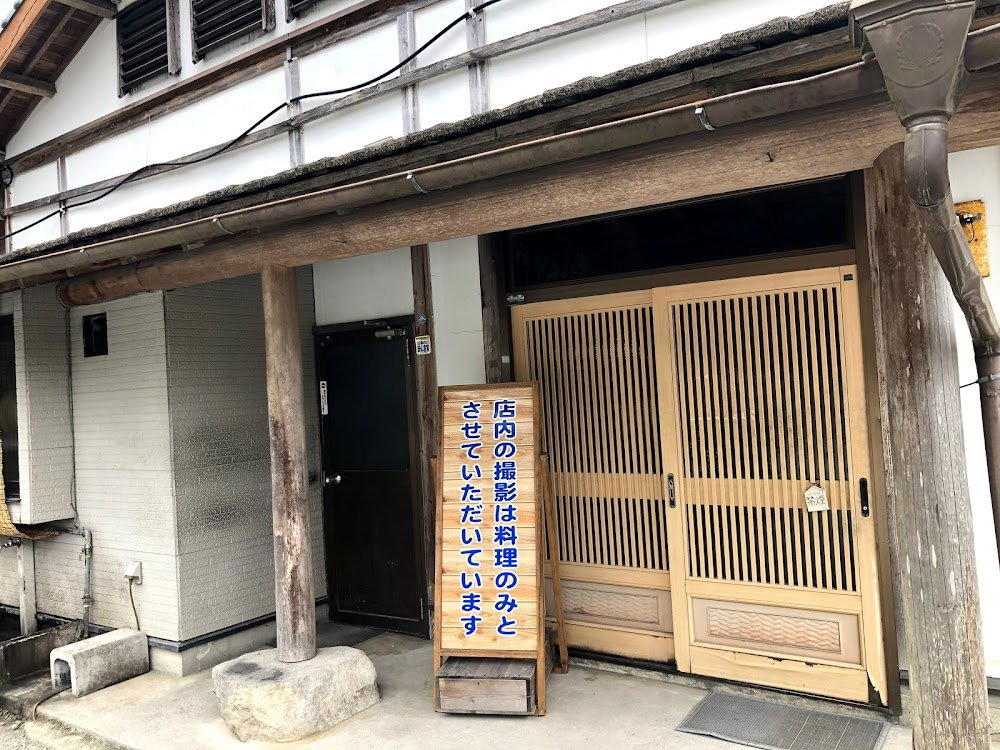
Robatayaki Sanroku brings the slow-fire tradition of robata grilling to Yamaga, Kumamoto — a prefecture defined by the volcanic terroir of Aso and the agricultural depth of the Kuma valley. The address in Kahokumachi Shiimochi places it away from tourist circuits, in the working grain of a town that still measures dining by seasonal availability and the quality of what the surrounding land produces.

Pearl is the En Primeur Club membership app — saves, bookings, and concierge access live there. Same editors, same standards.
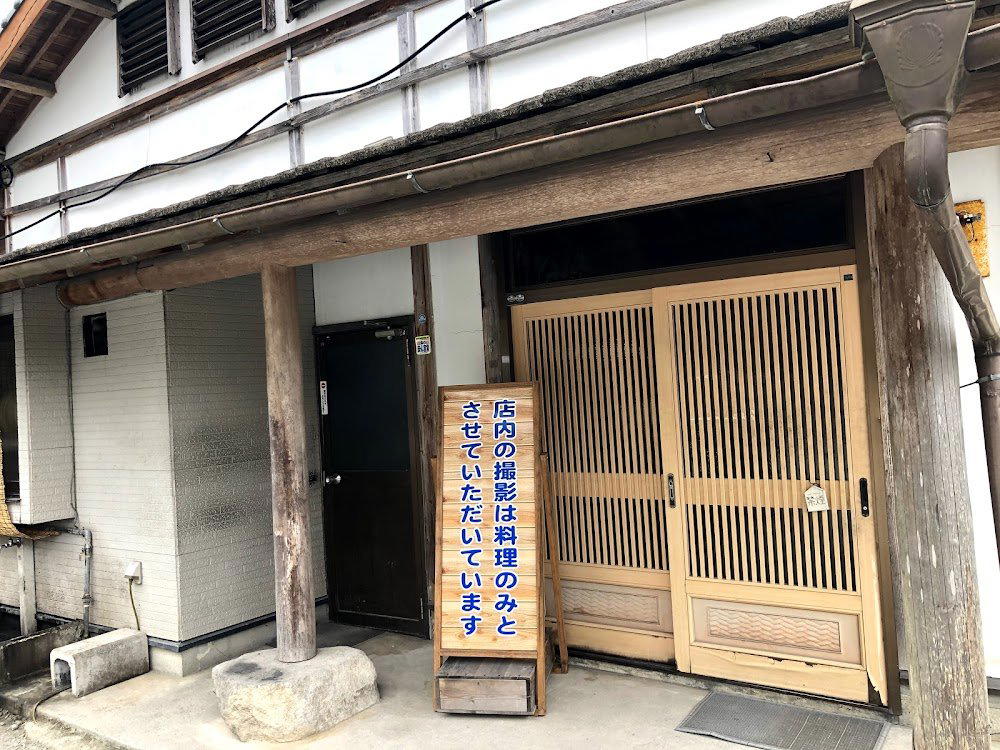
The menu
What to order
- Grilled Chicken Parts
- Egg-Cooked Rice
- Charred Bacon
Fire, Sourcing, and the Logic of a Kumamoto Grill
Robatayaki as a format is built on a direct premise: the quality of the fire matters less than the quality of what you place above it. Across Japan, the tradition developed in fishing communities where the grill was a practical tool before it became a dining format, and the discipline it imposed — no sauce, no transformation, no concealment — meant that ingredient provenance was always the central variable. In Yamaga and the wider Kumamoto prefecture, that logic finds particularly fertile ground. Kumamoto sits on one of Japan's most consequential agricultural zones, with the volcanic soil of the Aso plateau to the east and a coastal stretch along the Ariake Sea that produces shellfish and flatfish with a mineral specificity that inland grilling menus elsewhere can rarely match.
Robatayaki Sanroku occupies an address in Kahokumachi Shiimochi, a district that sits within Yamaga's quieter residential fabric rather than its commercial centre. That positioning is not incidental to what the format here represents. Robata counters in city centres, particularly those in Tokyo or Osaka that have migrated upmarket, as covered in our reviews of venues like Harutaka in Tokyo and HAJIME in Osaka, operate in a very different ecosystem, where premium sourcing is a marketing point as much as a practical one. In a place like Yamaga, the sourcing relationship is more direct: the prefecture's producers are the immediate neighbours, and the grill format exposes that directly.
Kumamoto's Ingredient Geography and Why It Matters Here
Understanding what a Kumamoto robatayaki draws from requires a brief account of the prefecture's food geography. The Aso region, one of the world's largest volcanic calderas, produces beef cattle grazed on mineral-rich pasture at elevation, Akaushi, the reddish-brown wagyu native to Kumamoto, is the most tangible expression of that terroir. It is leaner than the heavily marbled Kuroge Wagyu of Kobe or Matsusaka, and advocates of the cut argue that the grassfed character holds up better over direct flame than the fat-heavy cuts that perform leading on teppan or sukiyaki. For a robatayaki operation in Yamaga, proximity to Aso producers is a structural advantage.
Equally relevant is the Ariake Sea, a shallow tidal basin that borders Kumamoto to the west and is one of Japan's most productive shellfish environments. The tidal range, among the largest in the country, creates extreme nutrient cycling and the brackish, mineral-loaded water that gives Ariake clams, oysters, and the region's distinctive nori seaweed their character. At a grill counter where shellfish arrives from that proximity, the difference from a Tokyo robata drawing on Tsukiji-intermediated supply is measurable at the table. Comparable sourcing specificity is part of what separates regional grill formats from their urban equivalents, a point illustrated in the kaiseki tradition as well, Gion Sasaki in Kyoto has long made seasonal proximity to Kyoto's market gardens central to its editorial identity.
For further regional context, the wider Kyushu grill and fire-cooking scene includes operations like Goh in Fukuoka, where the influence of Hakata's ingredient culture shapes what appears on the counter. The comparison is useful: Fukuoka's dining culture skews toward offal and pork-heavy preparations reflecting its proximity to Saga's pig farms, while Kumamoto's equivalent gravitates toward beef and bivalves from its own agricultural specificity.
The Robata Format and What the Counter Demands of the Guest
Robatayaki is one of the less mediated dining formats in Japanese cuisine. There is no broth to adjust seasoning, no sauce to add complexity, no knife work to reframe a cut. The grill produces char, rendering, and smoke, and the ingredient either carries that or it doesn't. For a guest accustomed to the edited, multi-course grammar of kaiseki (well represented in the Kyushu context and further afield at operations like akordu in Nara), the robata counter can read as deliberately spare. That sparseness is the point. The traditional paddle presentation, the chef extending skewered or whole items across the counter on a long wooden oar, is a form of transparency about what you're receiving and where it came from.
Regional robata counters outside major cities tend to operate with a shorter, seasonally adjusted menu that reflects availability rather than a fixed program, and that means the timing of a visit matters. Kumamoto's seasonal calendar peaks in spring for the Ariake shellfish and in autumn for Akaushi, when cattle have spent the summer on Aso pasture. Visiting outside those windows doesn't negate the experience, but it shifts what's at the centre of the counter. This type of temporal intelligence is the main planning variable that distinguishes a well-timed visit from a generic one, an observation that applies equally to the regional formats covered in our wider Japan restaurant coverage, from Nanao to Takashima.
Yamaga as a Base and What the Address Implies
Yamaga is not a dining destination in the sense that Fukuoka or Kyoto are, where the restaurant concentration alone justifies the trip. It is a small city in northern Kumamoto with a lantern festival tradition (the Yamaga Toro Matsuri in August draws significant regional attention) and an onsen culture that predates the current wellness tourism wave. Visitors who arrive primarily for the hot springs or the historical townscape will find that dining options reflect local rather than tourist demand, which, for a robatayaki counter in the Kahokumachi district, tends to produce more honest pricing and a guest profile that skews toward regulars rather than one-off visitors.
That context positions Robatayaki Sanroku within the broader category of regional Japanese dining that the EP Club editorial team has been tracing across less-covered prefectures, alongside entries from Sapporo, Nishikawa Machi, and operations that sit outside the main city circuits. For those building a Kumamoto itinerary, the address in Kahokumachi Shiimochi (3264 Kahokumachi Shiimochi, Yamaga, Kumamoto 861-0604) is accessible from central Yamaga and sits within a neighbourhood where the surrounding streets give a clearer reading of the town's character than anything near the main tourist sites. Full context for planning a Yamaga visit, including other dining options in the city, is available in our full Yamaga restaurants guide.
For readers who want to benchmark the regional robata format against fire-led cooking in other contexts, the yakitori tradition at Birdland in Sakai or the wood-fire approaches documented in venues as varied as Denko Sekka in Hiroshima and bodai offer comparative anchors. Further afield, the sourcing rigour that defines the top tier of fire-based cooking internationally, demonstrated at places like Le Bernardin in New York City or the Korean-American format of Atomix, confirms that the underlying logic of ingredient-first cooking transcends any single format or geography.
Planning a Visit
Robatayaki Sanroku is located at 3264 Kahokumachi Shiimochi in Yamaga, Kumamoto, a city reachable by bus from Kumamoto city in roughly 70 minutes, making it a feasible day trip or stopover on a northern Kumamoto circuit. Timing toward spring or autumn will align your visit with the most representative range of Kumamoto's seasonal ingredients. Further regional dining comparisons and practical travel notes are available through Bistro Ange in Toyohashi, Blue Ocean Steak in Nakagami District, and Cafe Naoshima Konichiwa in Naoshima for those building a broader Japan itinerary.
Frequently asked questions
Does Robatayaki Sanroku work for a family meal?
Robatayaki as a format tends toward accessibility — grilled skewers ordered at the counter suit mixed groups without the formality of a kaiseki or omakase setting. Yamaga operates as a locally oriented city rather than a destination dining circuit, which typically means venues here are calibrated for residents rather than visiting enthusiasts. That orientation generally makes for a relaxed, low-ceremony meal. Families with older children comfortable at an open-fire counter should find the format manageable.
What kind of setting is Robatayaki Sanroku?
Sanroku sits at 3264 Kahokumachi Shiimochi in Yamaga, a small onsen city in northern Kumamoto with no major award-listed restaurant concentration. Venues here serve a predominantly local clientele, which shapes the atmosphere toward neighbourhood familiarity rather than destination theatre. The robatayaki format itself — a live-fire counter where the cook grills and passes food to seated guests — creates a degree of casual intimacy regardless of setting.
Is Robatayaki Sanroku worth a detour from Kumamoto city?
Yamaga is roughly 70 minutes from Kumamoto city by bus, which makes a dedicated trip a considered decision rather than a casual add-on. The case for going rests on the robatayaki format itself — direct-fire grilling of Kumamoto-prefecture ingredients in a local, non-tourist setting is a different experience from what the city's more visited restaurants offer.
What's the signature dish at Robatayaki Sanroku?
Robatayaki counters in Kumamoto are shaped by the prefecture's two defining ingredients: Akaushi wagyu from the Aso region and seafood from the Ariake Sea. Either would represent the likely anchors of any serious grill menu here, though which cuts or species Sanroku focuses on is not documented.
What's Robatayaki Sanroku's location?
Robatayaki Sanroku is located at 3264 Kahokumachi Shiimochi, Yamaga, Kumamoto 861-0604, Japan, Yamaga.
Comparison Snapshot
Comparable venues nearby, for context on price, style, and recognition.
| Venue | Cuisine | Price | Awards | Notes |
|---|---|---|---|---|
| Robatayaki SanrokuThis venue — the venue you are viewing | Charcoal-Grilled Robatayaki | $50–100 | Not listed | Not listed |
| Jidori An Sanzou | Charcoal-grilled jidori chicken & tofu (Yakitori-style Japanese) | $20–30 | Tabelog 100 #75 | Hirayama Onsen, Yamaga |
| Kawakyu (とんかつ川久) | 鹿児島黒豚とんかつ | Not listed | Not listed | 鹿児島中央 |
| Kappa | Tonkatsu with Demi-Glace Sauce | $10–20 | Tabelog 100 #78 | Achi |
| Tonkatsu Kawakyu | Kagoshima Black Pork Tonkatsu | Not listed | Not listed | Chuocho |
| Boteyan | Okonomiyaki (Japanese Savory Pancake) | $10–20 | Not listed | Toyama Station area |
Continue exploring
More in Yamaga
Restaurants in Yamaga
All restaurants in Yamaga →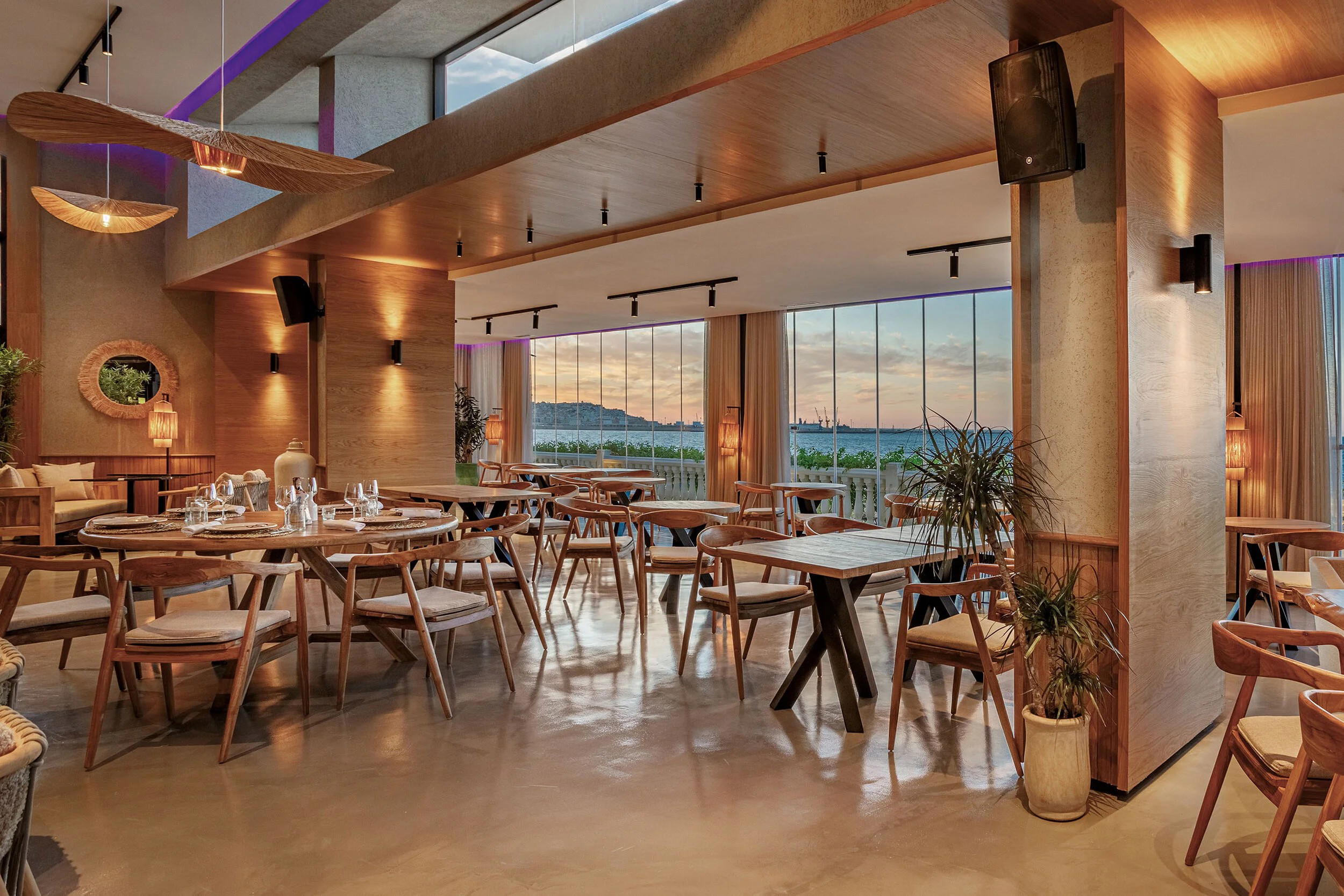
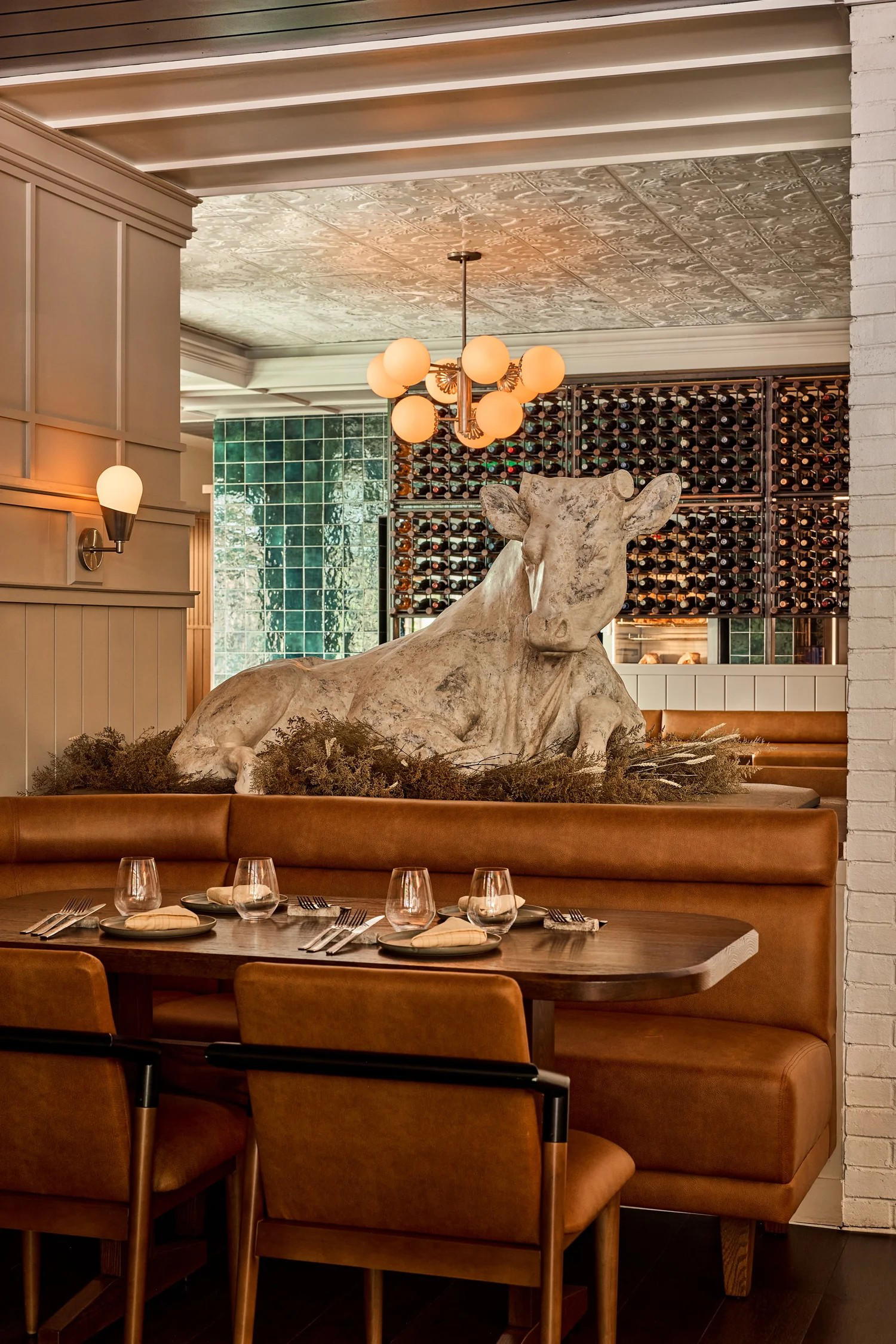
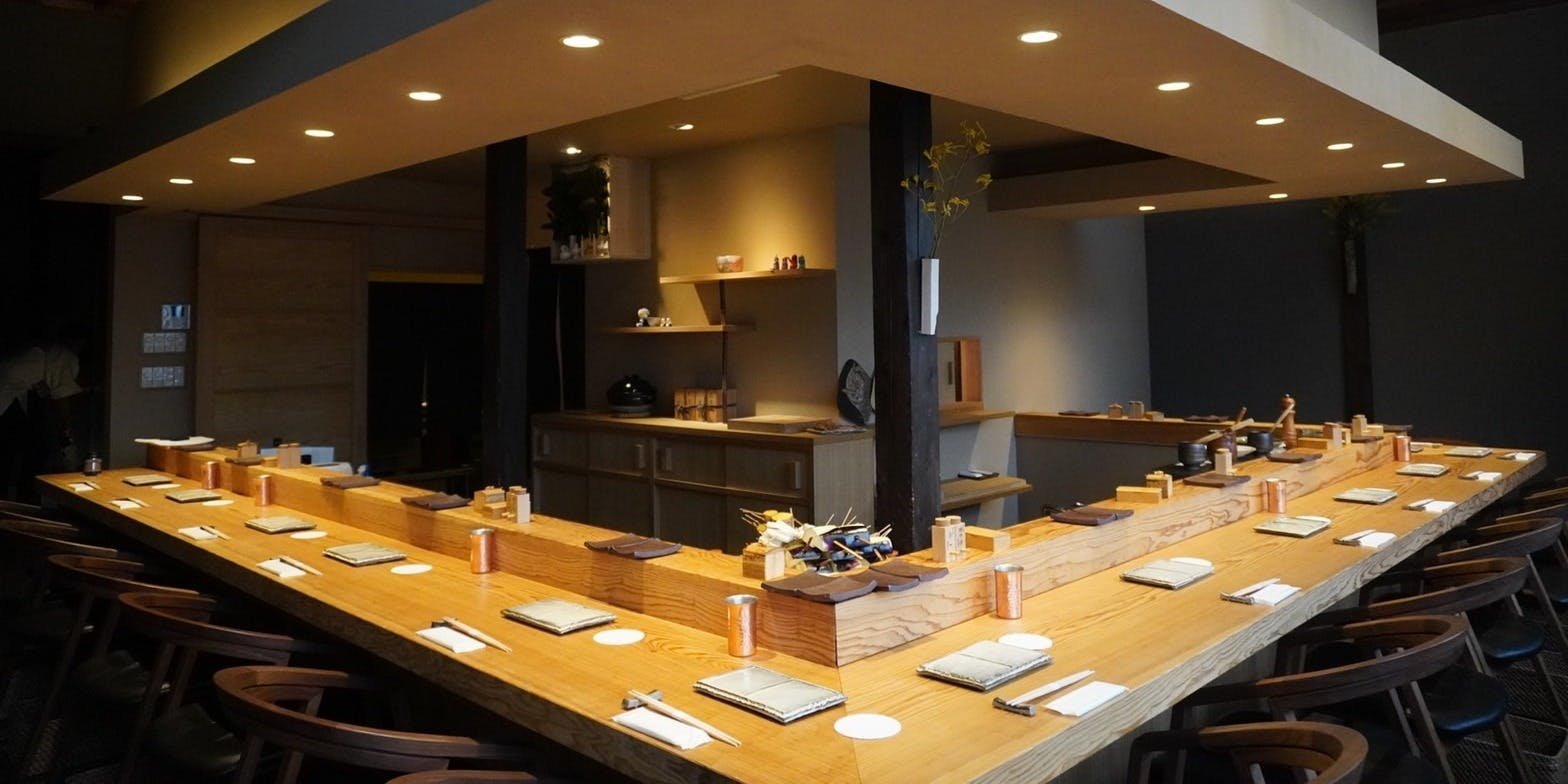
Bars in Yamaga
Browse all →
Details
- Rustic
- Intimate
- Classic
- Special Occasion
- Group Dining
- Open Kitchen
- Standalone
- Farm To Table
- Local Sourcing
- Mountain
- A La Carte
- Family Style
Current opening hours
- Monday
- 11:30 AM–2 PM
- Tuesday
- 11:30 AM–2 PM
- Wednesday
- Closed
- Thursday
- 11:30 AM–2 PM
- Friday
- 11:30 AM–2 PM
- Saturday
- 11 AM–2 PM
- Sunday
- 11 AM–2 PM
Hours can change for holidays and private events. Last verified .
Intimate tatami-mat seating with low tables and zabuton cushions in a secluded mountain setting; warm charcoal grill smoke and fragrant wood-fire aromas create an authentic, rustic dining atmosphere.