

Tabelog Silver #138
Our verdict
Takeuchi places Fukuoka tempura in a quieter register than the city’s ramen-and-yatai shorthand suggests. The draw is a small, counter-led format in Nakagawa, backed by Tabelog Award Silver 2026 recognition, repeated Tabelog Award Bronze wins, and selection for Tabelog 100 Tempura 2025.

Pearl is the En Primeur Club membership app — saves, bookings, and concierge access live there. Same editors, same standards.
- Address
- 6 Chome-64-1 Imamitsu, Nakagawa, Fukuoka 811-1211, Japan
- Phone
- +81 92-953-1699
- Hours
- Mon ClosedTue–Sun 12–2 PM, 6–10 PM
- Website
- tabelog.com
- Directions
- Get directions
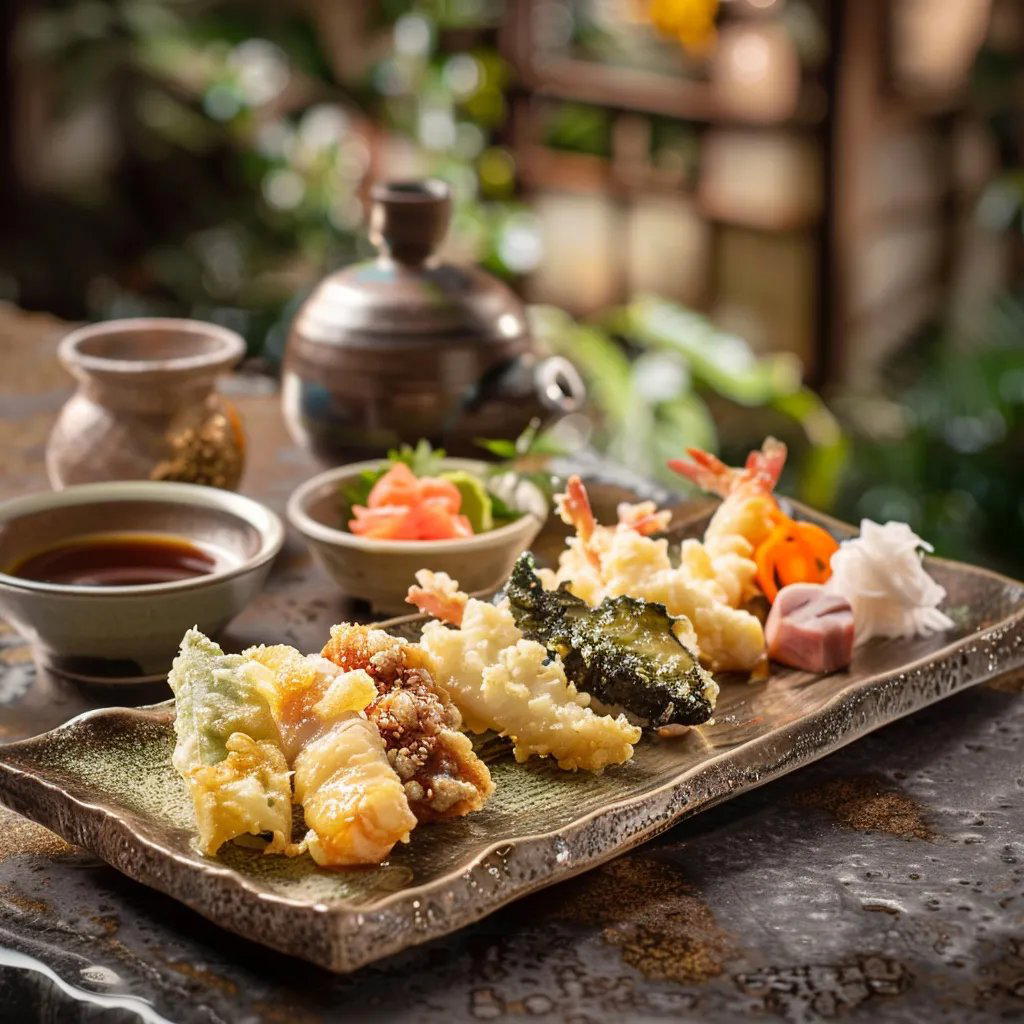
The menu
What to order
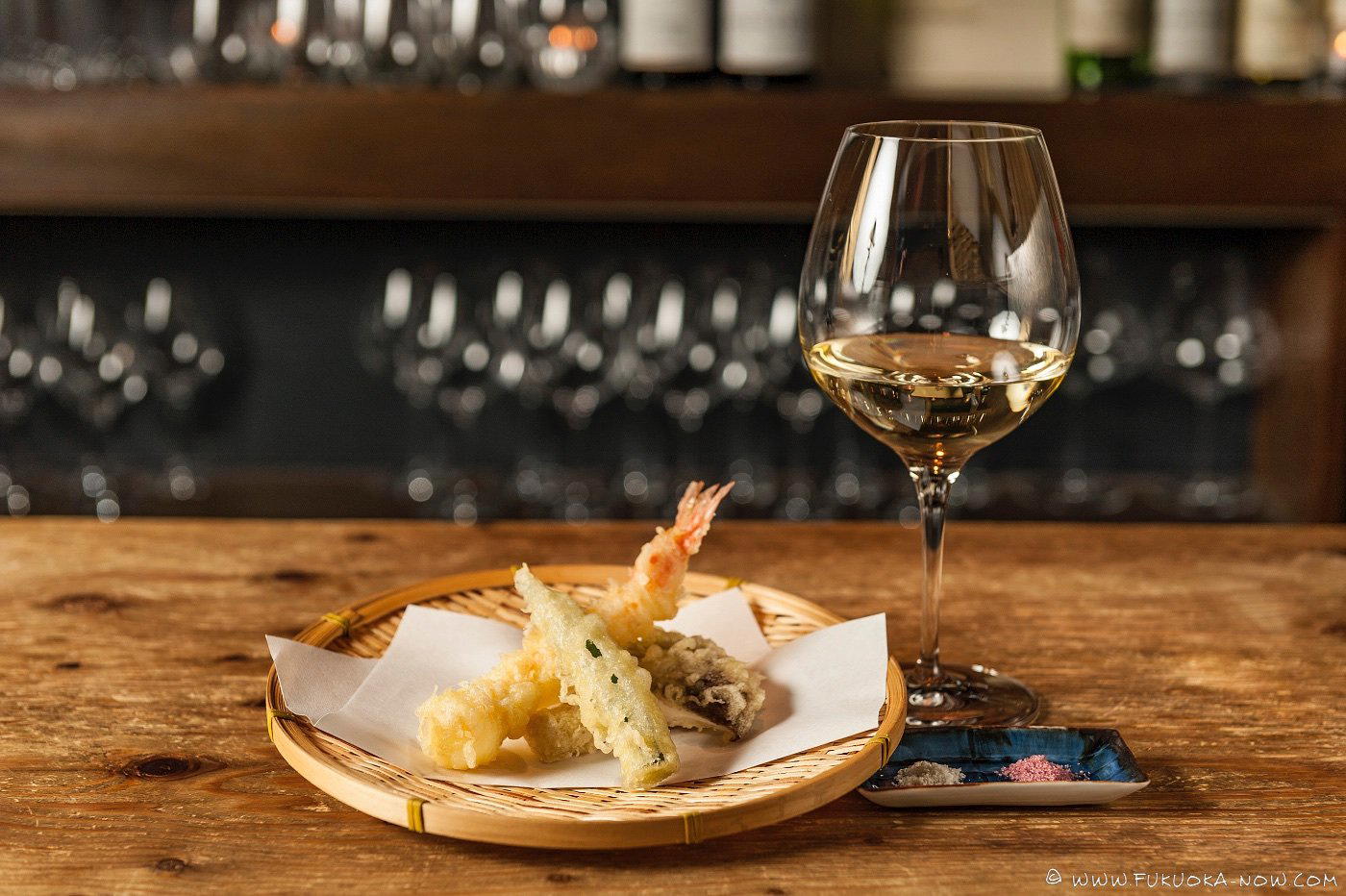
- Tsushima Anago Tempura
- Itoshima Aji Tempura
- Aji Nigiri
A house-restaurant setting changes the tempo before the first course arrives. In Nakagawa, away from the denser restaurant corridors of central Fukuoka, tempura reads less as theatre and more as concentration: a compact room, a counter-led format, and a meal built around oil, timing, seafood, and restraint. That matters in Kyushu, where ingredient identity often carries the argument before technique starts speaking.
Fukuoka dining is frequently reduced to Hakata ramen, mentaiko, yatai culture, and late-night drinking, but its stronger restaurant culture is broader and more regional than that shorthand allows. The city has long acted as a collecting point for Kyushu produce, coastal fish, sake, shochu, and itinerant diners moving between Hakata, Tenjin, and suburban addresses with serious local followings. Takeuchi belongs to that second Fukuoka: smaller, reservation-led, ingredient-sensitive, and less dependent on street-level spectacle.
Kyushu tempura with fish at the center
Tempura at this level is not a generic fried-food category. The discipline depends on sourcing, batter control, oil management, and the sequence in which ingredients are served. Tokyo’s high-end tempura tradition often frames the craft through Edomae lineage and luxury counter codes; Fukuoka’s version can feel closer to the market and the coast, particularly when fish and seasonal produce shape the meal. Takeuchi’s public listing identifies tempura as the category and notes a particular focus on fish, which places the restaurant inside a Kyushu conversation rather than a copied capital-city template.
The recognition supports that reading. Takeuchi is a Tabelog Award 2026 Silver winner, after Bronze recognition from 2021 through 2025, and it was selected for Tabelog 100 Tempura in 2022, 2023, and 2025. Opinionated About Dining also includes Tempura Takeuchi in its 2026 Japan recommended restaurant list. Those signals do not make the meal self-explanatory, but they show sustained attention across multiple years, which is more useful than a single burst of acclaim.
The competitive set in Fukuoka is fragmented by genre. Sushi counters such as Morita and Sushi Osamu speak to the city’s seafood seriousness from another angle, while Bikkuri Tei Honke Honten represents a lower-priced, local comfort-food lane with a different rhythm entirely. Takeuchi sits in the quieter middle of fine Japanese dining: more specialized than a general kaiseki room, less international-facing than a trophy sushi counter, and anchored by a cuisine where seconds matter.
A small room changes the value equation
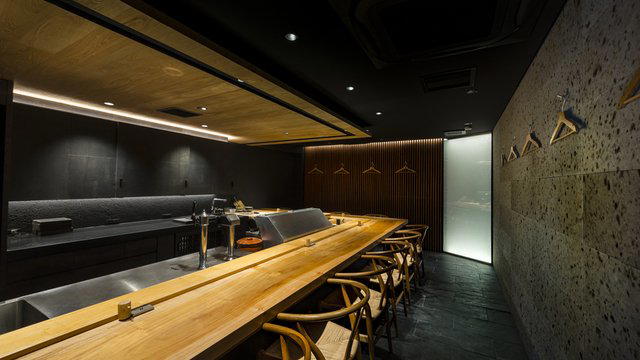
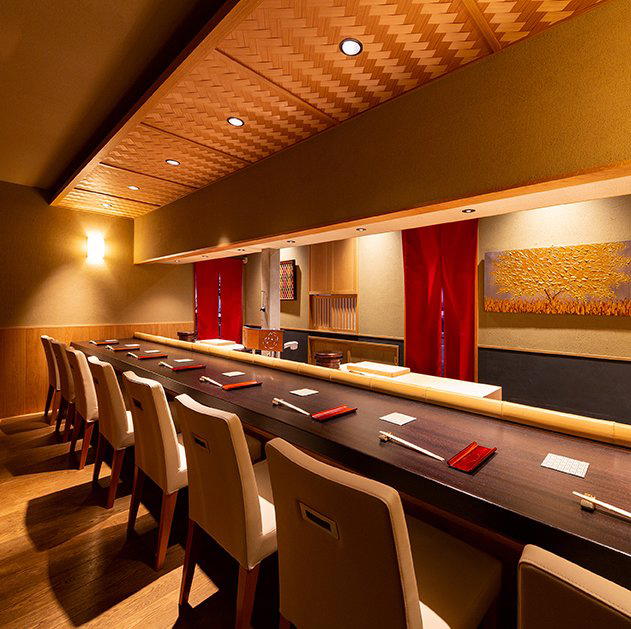
Format is part of the assessment. Thirteen seats, including seven at the counter and two table seats, create a meal where the kitchen’s pacing is visible and the margin for drift is narrow. In tempura, that scale is not decorative. A small counter lets a chef manage heat, rest, and service order with the kind of control that larger dining rooms struggle to maintain. It also means the experience is less suited to casual drop-ins or flexible group dining than to diners who want a focused Japanese meal.
Pricing places the restaurant in a serious but not extreme bracket for recognized tempura in Japan: listed budgets sit at JPY 8,000 to JPY 9,999 for both lunch and dinner, with review-based spending shown at JPY 10,000 to JPY 14,999. For travelers using Fukuoka as a food city rather than a transit point, that is a compelling category: specialist cooking, multi-year recognition, and a suburban address that filters for intent.
The address also changes expectations. Nakagawa is not Tenjin, Hakata, or the waterfront hotel zone, and that distance is part of the editorial point. Fukuoka’s stronger meals are not always clustered where visitors first look. A diner moving between 106 South Indian Fukuoka tenjin ten, Afterglow, Aji Dokoro Taro Gen Sougyou ten, Aji Furai Shokudo Kaba, and Aji no Katsueda sees the city’s range more clearly: South Asian cooking, curry, fish-fry dining, local Japanese rooms, and specialist tempura all coexist without needing the same audience.
How to place it in a Fukuoka itinerary
Takeuchi makes sense for a diner who wants one meal in Fukuoka that is neither ramen shorthand nor hotel dining. The better comparison is not a night market crawl, but a compact counter meal built around technique and produce. The no-smoking policy, adult-oriented seating, and children-not-allowed note reinforce the room’s focused character. Payment is another practical filter: cards, electronic money, and QR payments are not accepted, so cash planning matters.
For a broader city plan, use Our full Fukuoka restaurants guide alongside Our full Fukuoka hotels guide, Our full Fukuoka bars guide, Our full Fukuoka wineries guide, and Our full Fukuoka experiences guide. Travelers building a wider Japan dining map can also compare the category spread with -Grilled beef Sukiyaki- KAMAKURA TANUKIAN 鎌倉 たぬき庵 in Kamakura. 鮪と炭火焼き うお炭 秋葉原店 in Tokyo.cafe in Osaka.know in Kumamoto, (Shoku) Vietnam in Kawasaki, [Curry Senmon Ten] Maruyama Kyoju. in Sapporo, Jōdo Saké Bar in Los Angeles, and Onigiri Time in Pasadena.
The editorial case is clear: this is a specialist tempura counter with repeated recognition, a fish-forward identity, and a location that asks diners to treat Fukuoka as a regionally grounded food city rather than a checklist of familiar dishes. That is exactly where the city becomes more interesting.
Frequently asked questions
Does Takeuchi work for a family meal?
For adult groups, the reservation-only setup and counter seating make it a workable choice in Fukuoka.
What should I expect atmosphere-wise at Takeuchi?
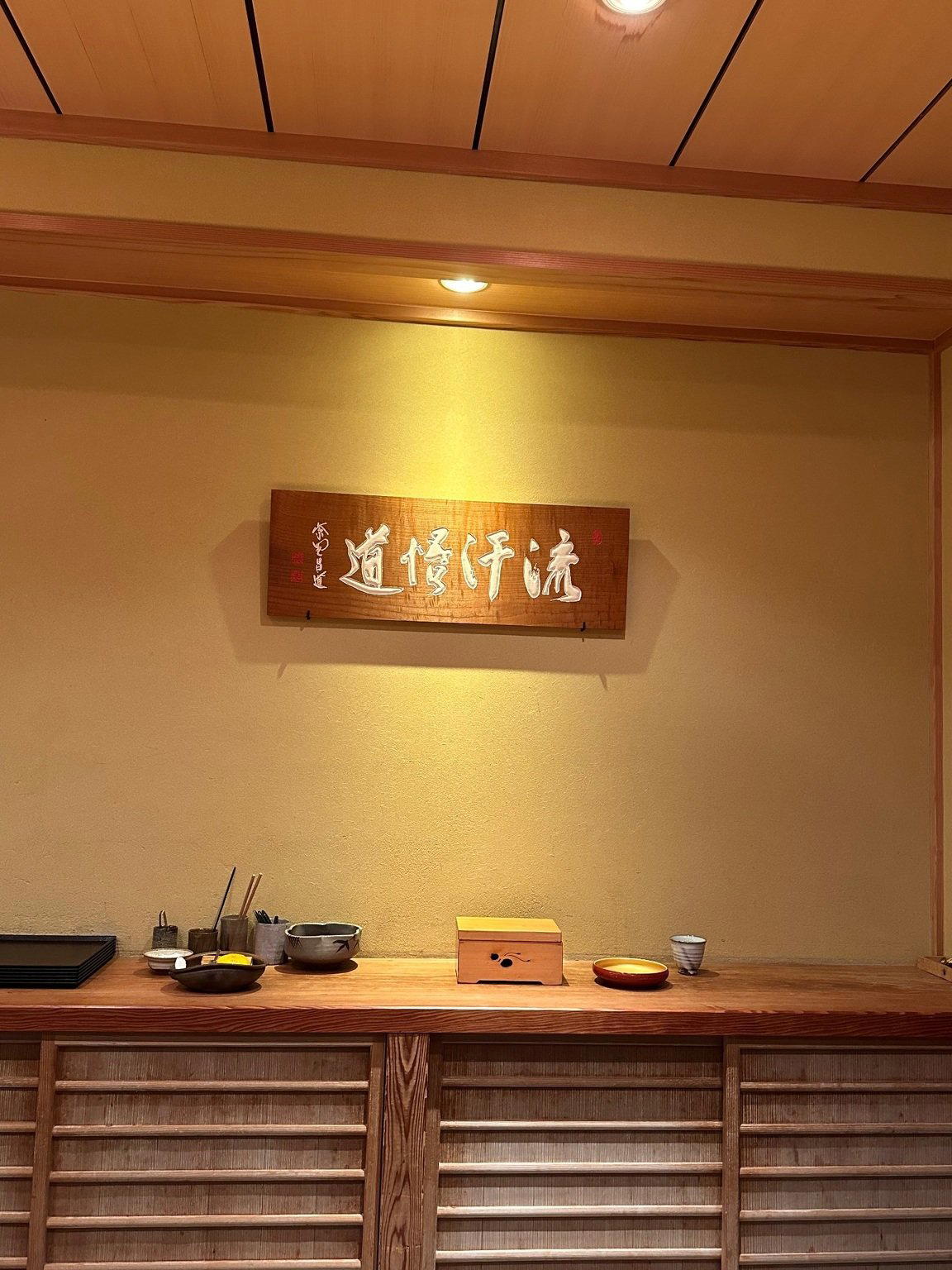
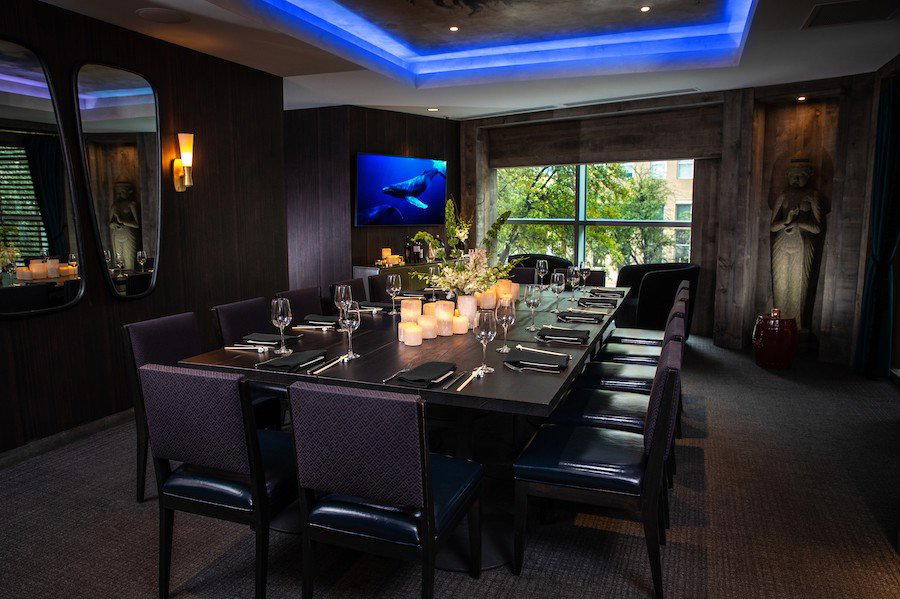
Expect a compact house restaurant in Nakagawa with 13 seats, including 7 at the counter and 2 table seats. The listing points to a stylish, relaxing space rather than a formal dining room, with no smoking and no private rooms.
When can I go to Takeuchi?
Hours at Takeuchi: Tue, Wed, Thu, Fri, Sat, Sun 12:00 - 14:00 18:00 - 22:00.
What is Takeuchi known for?
Takeuchi is primarily known for its core concept and execution in Fukuoka.
Side-by-Side Snapshot
Comparable venues by cuisine and price in the same metro.
| Venue | Cuisine | Price | Awards | Notes |
|---|---|---|---|---|
| TakeuchiThis venue — the venue you are viewing | Tempura Kaiseki | $50–100 | Tabelog Silver #138 | Not listed |
| Mihara Tofuten | Traditional Japanese Tofu Izakaya | $30–50 | Not listed | Chūō |
| Ichitaka | Modern Kyushu Sushi Omakase | $200–300 | Tabelog Bronze | Hakata |
| Tokishirazu | Creative Japanese Izakaya-style Dining | $30–50 | Tabelog 100 #30 | Chūō |
| Hinai Matomi | Seasonal Soba & Nabe Kaiseki | $50–100 | Tabelog 100 #15 | Chūō |
| Nishimura | Edomae Sushi Omakase | $30–50 | Tabelog 100 #64 | Hakata |
Recognition history
Dated appearances from independent guides and award organizations, with the underlying list record or original source where available.
Opinionated About Dining Top Restaurants in Japan Recommended
Opinionated About Dining
Tabelog Silver #138
Tabelog
Full recognition history (4 entries)
Tabelog Bronze
Tabelog
Tabelog 100 #25 · No. 25
Tabelog · Tabelog 100 - Tempura - 2025
Details
- Intimate
- Minimalist
- Cozy
- Special Occasion
- Solo
- Chefs Counter
- Open Kitchen
- Sake Program
- Local Sourcing
- Counter Dining
- Sake
Current opening hours
- Monday
- Closed
- Tuesday
- 12–2 PM, 6–10 PM
- Wednesday
- 12–2 PM, 6–10 PM
- Thursday
- 12–2 PM, 6–10 PM
- Friday
- 12–2 PM, 6–10 PM
- Saturday
- 12–2 PM, 6–10 PM
- Sunday
- 12–2 PM, 6–10 PM
Hours can change for holidays and private events. Last verified .
Minimalist counter seating with wooden counter, indirect lighting, red curtains, and calm atmosphere focused on the chef's work.