
Tabelog Bronze #29
Our verdict
Akama Chaya Asago in Fukuoka's Shirogane district has held a place on the Tabelog Soba 100 continuously since 2018, earning Tabelog Bronze in both 2025 and 2026. The eight-seat counter operates a dual format: daytime à la carte and an omakase course from 17:00. Cash only, closed Tuesdays, and the omakase books ahead by phone.

Pearl is the En Primeur Club membership app, where members save venues, book tables and use the concierge.
Where Sarashina Soba Sits in Fukuoka's Dining Order
Fukuoka's restaurant culture is most often framed around ramen, tonkatsu, and the izakaya circuit of Nakasu and Tenjin. The city's fine-dining tier, increasingly international in ambition, with addresses like Goh (French) and Bekk drawing attention, occupies a different register entirely. Between those poles, a smaller number of specialist craft restaurants hold ground by doing one thing with long-accumulated precision. Asago, trading under its full name Akama Chaya Asago in the Shirogane neighbourhood of Chuo Ward, is the clearest example of that middle position in the soba category. It has appeared on the Tabelog Soba 100 every year since 2018, earned the Tabelog Award Bronze in 2025 and again in 2026, and carries a Tabelog score of 4.00, a level at which peer restaurants across Japan include Harutaka in Tokyo and Gion Sasaki in Kyoto in their respective categories. For a soba counter in western Japan, sustained inclusion in the national Tabelog 100 is a meaningful credential; the WEST designation in recent editions specifically benchmarks it against the strongest soba operations outside the Tokyo–Kyoto corridor.
Sarashina: The Style That Demands the Grain
The classification matters before anything else. Sarashina soba is the most technically exacting expression of buckwheat noodle craft, produced by milling only the starchy core of the grain, the innermost endosperm, and discarding the outer hull. The result is a pale, almost white noodle with a fine texture and a delicate sweetness that stands in contrast to the earthier, speckled appearance of inaka or chagiri soba styles that use the whole grain. Where a rustic country soba can absorb variation in milling or buckwheat vintage more forgivingly, sarashina offers no such margin. The sourcing of the buckwheat itself becomes the primary variable: the mineral profile of the growing region, the harvest year's weather, and the elapsed time since milling each leave a direct imprint on the noodle. What the awards record confirms is that whatever the sourcing approach, it has produced consistent results across multiple harvest years and review cycles since the restaurant opened in February 2003.
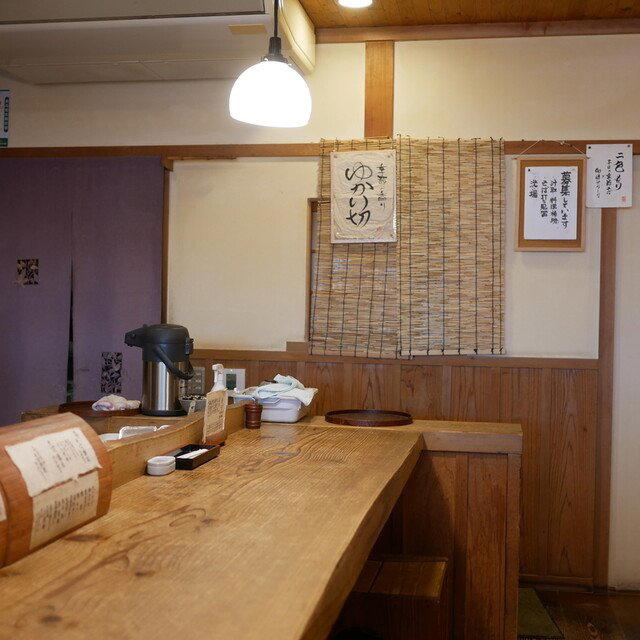
The Eight-Seat Counter and What It Implies
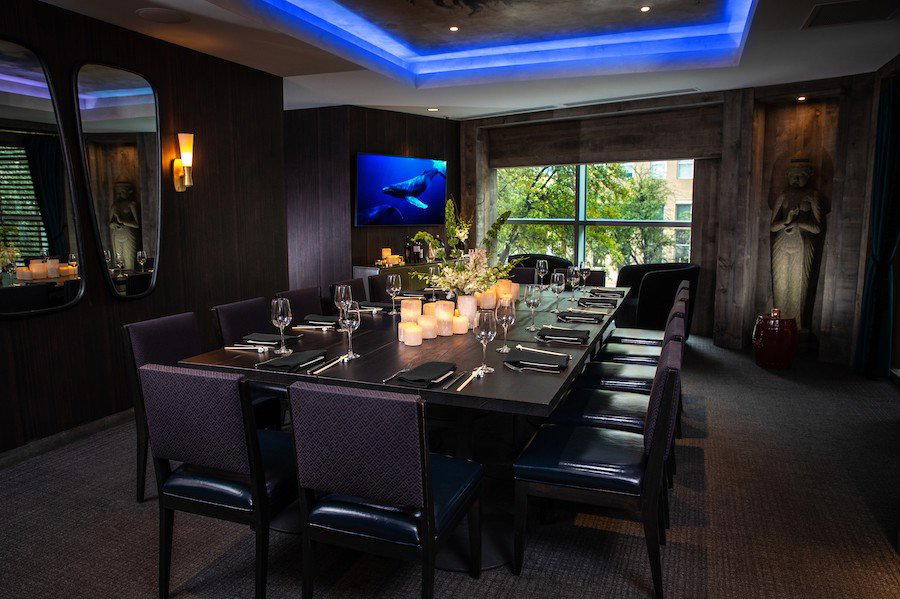
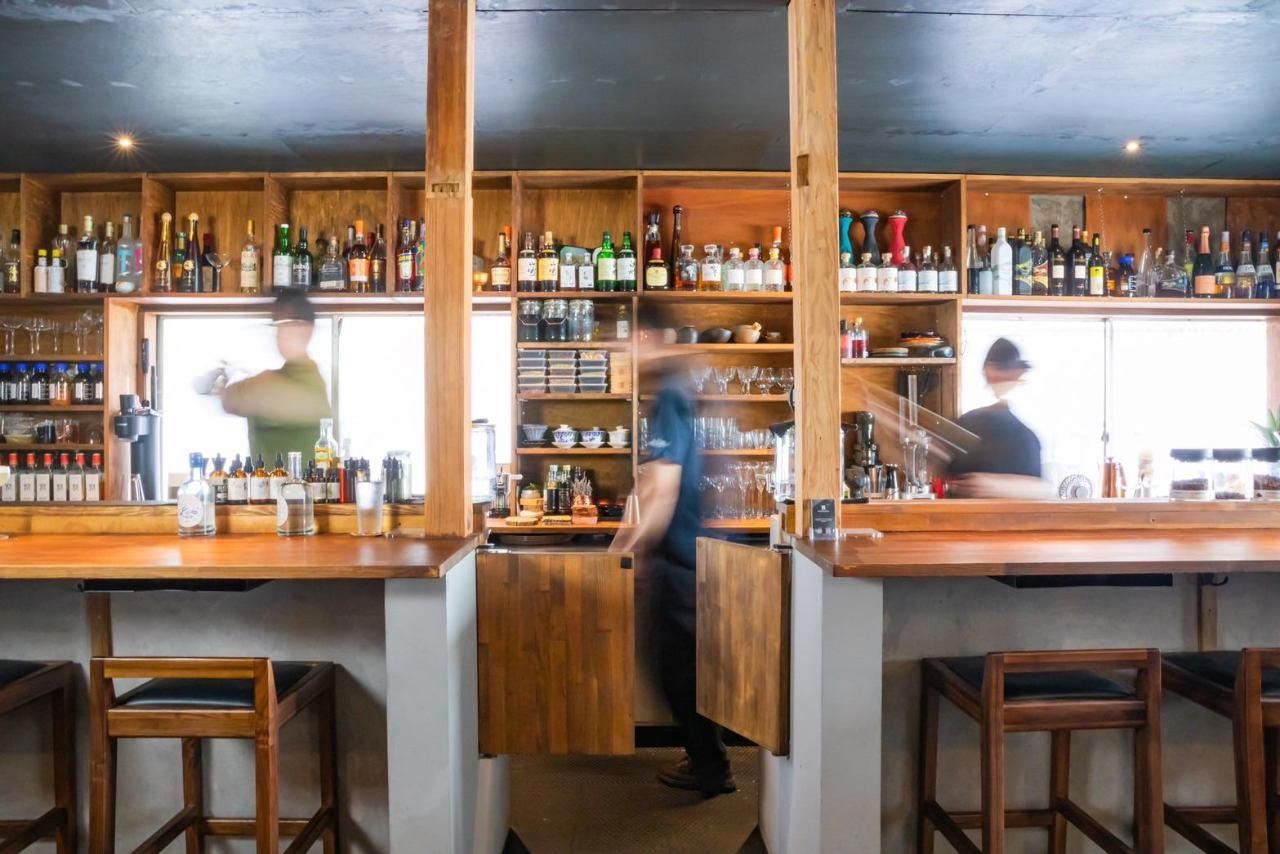
Japan's most respected specialist counters frequently operate at the same physical scale regardless of category: sushi-ya, kappo, tempura, and soba alike tend toward configurations of eight to fourteen seats, a scale that allows one craftsperson to maintain quality control across the pass without delegation. Asago's eight-seat counter-only format places it squarely in that tradition. There are no private rooms and no overflow space. The counter is the entire operation. This is not a limitation, it is the format's logic. The Tabelog reviewer average, which reflects actual spend rather than listed pricing, sits at JPY 10,000 to JPY 14,999 per head, above the listed dinner range of JPY 6,000 to JPY 7,999, suggesting that most visitors who leave a review are dining on the evening omakase course rather than the daytime menu. At lunch, pricing drops to the JPY 2,000 to JPY 2,999 range, a significant difference that positions the lunch service as one of the more accessible entry points in Fukuoka's award-recognised restaurant tier. Compare that to the investment required for an evening at Chikamatsu or Chiso Nakamura, and the lunch format here represents genuine value against its peer awards cohort.
Two Services, Two Distinct Experiences
The dual-format structure is worth understanding before booking. From 11:30, the restaurant operates standard daytime service, no reservation required for this period based on available information, and the format is direct à la carte. From 17:00 onward, the kitchen shifts exclusively to an omakase course, with the last seating accepted at 18:00. Reservations are accepted only for the omakase; walk-in access in the evening is not accommodated. This split is common among serious soba counters that want to serve a volume lunch trade while reserving capacity for a more considered evening sequence, but the 18:00 last-entry cut-off is tighter than most, making timing coordination important for visitors arriving from elsewhere in Fukuoka's dining circuit. The restaurant closes on Tuesdays, plus occasional Mondays. Cash is the only accepted payment method, credit cards, electronic money, and QR payment are all declined, so arriving prepared is not optional.
Shirogane and Its Place in Chuo Ward
The address in Shirogane, Chuo Ward, places Asago roughly three minutes on foot from Yakuin Station on the Nishitetsu Tenjin Omuta Line, and approximately 316 metres from the station exit. Yakuin is a neighbourhood that sits south of Tenjin's commercial density, with a character defined more by residential streets, independent cafes, and quieter specialist restaurants than by the tourist-facing energy of Nakasu or the department-store concentration of Tenjin proper. For visitors building a Fukuoka itinerary around the city's award-bearing independent restaurant scene, which also includes CUCCAGNA among others, Yakuin functions as a useful anchor. The area is walkable within the broader Chuo Ward grid and well-served by Nishitetsu bus connections. Parking is noted as available for two small cars directly in front of the building, which is relevant given the cash-only policy that makes planning ahead preferable to improvising on arrival.
How Asago Sits Against Japan's Wider Soba Scene
Japan's specialist soba category sits in a particular relationship with the country's broader fine-dining framework. Unlike sushi or kaiseki, which have attracted Michelin attention and international travel specifically oriented around them, soba remains largely evaluated within domestic critical structures, Tabelog being the primary reference for the category. Appearing in the Tabelog 100 for seven consecutive editions (2018 through 2025) is the clearest available signal of sustained national standing in that framework. For context, addresses like HAJIME in Osaka, akordu in Nara, and 1000 in Yokohama each carry comparable multi-year award records in their respective categories, and the common thread is longevity of recognition rather than single-year spikes. Asago fits that pattern. Opened in February 2003, it has been operating for more than two decades, accumulating a record that resists easy dismissal as a trend. Internationally, the discipline of sourcing single-origin grain and producing a noodle that reflects provenance has parallels in movements visible at restaurants like Le Bernardin in New York City and Atomix in New York City, though the mechanisms and cultural contexts differ substantially. The shared logic is that the ingredient's origin carries meaning the preparation alone cannot supply.
Planning Your Visit
Asago operates Monday, Wednesday, Thursday, Friday, Saturday, and Sunday from 11:30 to 20:00, closed Tuesdays and occasional Mondays. The omakase course runs from 17:00 with a last seating at 18:00, and reservations for that format are by phone at 092-526-4582. The eight-seat counter can be reserved exclusively for private use. Payment is cash only across all formats. Lunch runs approximately JPY 2,000 to JPY 2,999; dinner is listed at JPY 6,000 to JPY 7,999, though reviewer-reported spend averages higher, in the JPY 10,000 to JPY 14,999 range. Sake (nihonshu) is available. Children and strollers are welcome, and the space is described as relaxed in character. For broader context on Fukuoka's dining, drinking, and hotel scene, see our full Fukuoka restaurants guide, our full Fukuoka hotels guide, our full Fukuoka bars guide, our full Fukuoka wineries guide, and our full Fukuoka experiences guide. If your trip extends to other parts of Japan, 6 in Okinawa represents a comparable specialist counter format at the southern edge of the archipelago.
Frequently asked questions
What's Asago's location?
Asago is located at Japan, 〒810-0012 Fukuoka, Chuo Ward, Shirogane, 1 Chome−4−14 原ビル 1F, Fukuoka.
Does Asago have a Michelin star or similar recognition?
Asago has received recognition including:
What do regulars order at Asago?
Asago's entire awards record is built around its sarashina soba, the pale, refined style milled from the innermost part of the buckwheat grain. The restaurant has held Tabelog 100 status in the soba category continuously since 2018, which signals that the noodle itself is the reason to visit. Reservations are accepted only for the evening omakase course, which begins at 17:00 with last entry at 18:00; daytime visitors arrive without booking and order from the standard service.
What are the operating hours at Asago?
Hours at Asago: Mon, Wed, Thu, Fri, Sat, Sun 11:30 - 20:00.
A Quick Peer Check
Comparable venues nearby, for context on price, style, and recognition.
| Venue | Cuisine | Price | Awards | Notes |
|---|---|---|---|---|
| AsagoThis venue (the venue you are viewing) | Authentic Sarashina Soba | $50–100 | Tabelog Bronze #29 | Not listed |
| Mihara Tofuten | Traditional Japanese Tofu Izakaya | $30–50 | Not listed | Chūō |
| ginmi | Kyushu Izakaya | $50–100 | Tabelog 100 #66 | Chūō |
| Taigen Honkan | Yakiniku & Teppanyaki with House-Raised Wagyu | $50–100 | Tabelog 100 #51 | Chūō |
| Warayaki Mikan | Traditional Japanese Izakaya & Warayaki | $50–100 | Tabelog 100 #53 | Chūō |
| Hyogo Dori | Yakitori Izakaya | $50–100 | Tabelog 100 #91 | Chūō |
Recognition history
Dated appearances from independent guides and award organizations, with the underlying list record or original source where available.
Tabelog Bronze #29
Tabelog
Full recognition history (2 entries)
Tabelog 100 #45 · No. 45
Tabelog · Tabelog 100 - Soba - WEST - 2025
Continue exploring
More in Fukuoka
Restaurants in Fukuoka
All restaurants in Fukuoka →
Details
- Cozy
- Intimate
- Classic
- Solo
- Date Night
- Open Kitchen
- Sake Program
- Omakase
- A La Carte
- Vegetarian Friendly
Current opening hours
- Monday
- 11:30 AM–3 PM, 5–8 PM
- Tuesday
- Closed
- Wednesday
- 11:30 AM–3 PM, 5–8 PM
- Thursday
- 11:30 AM–3 PM, 5–8 PM
- Friday
- 11:30 AM–3 PM, 5–8 PM
- Saturday
- 11:30 AM–8 PM
- Sunday
- 11:30 AM–8 PM
Hours can change for holidays and private events. Hours as of .
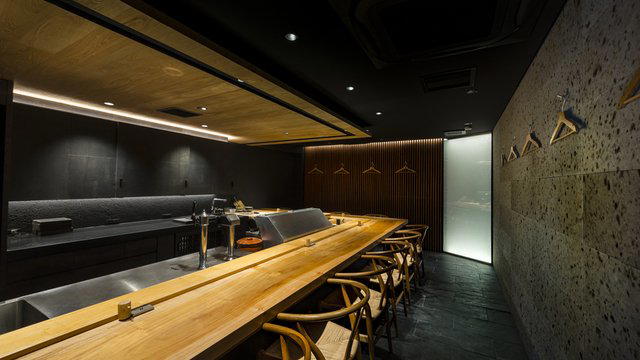
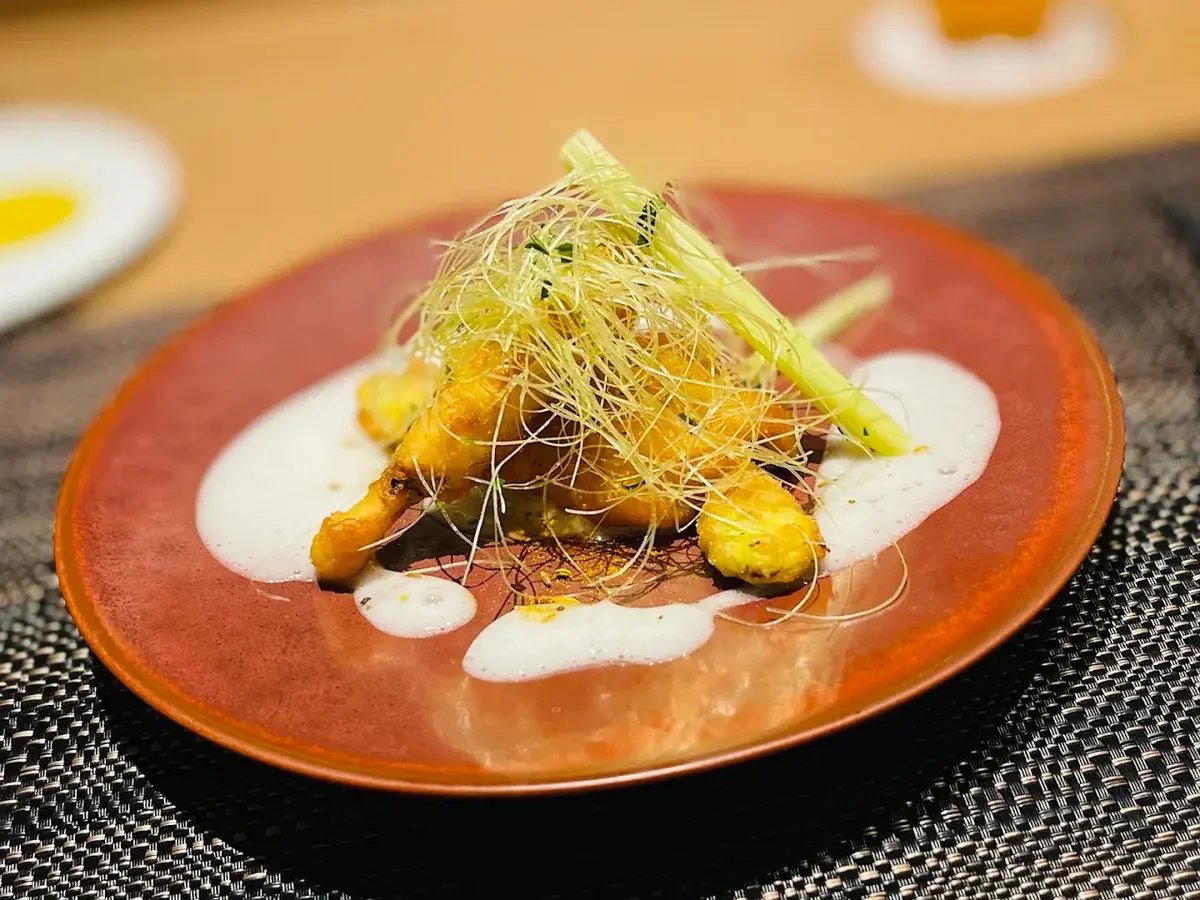
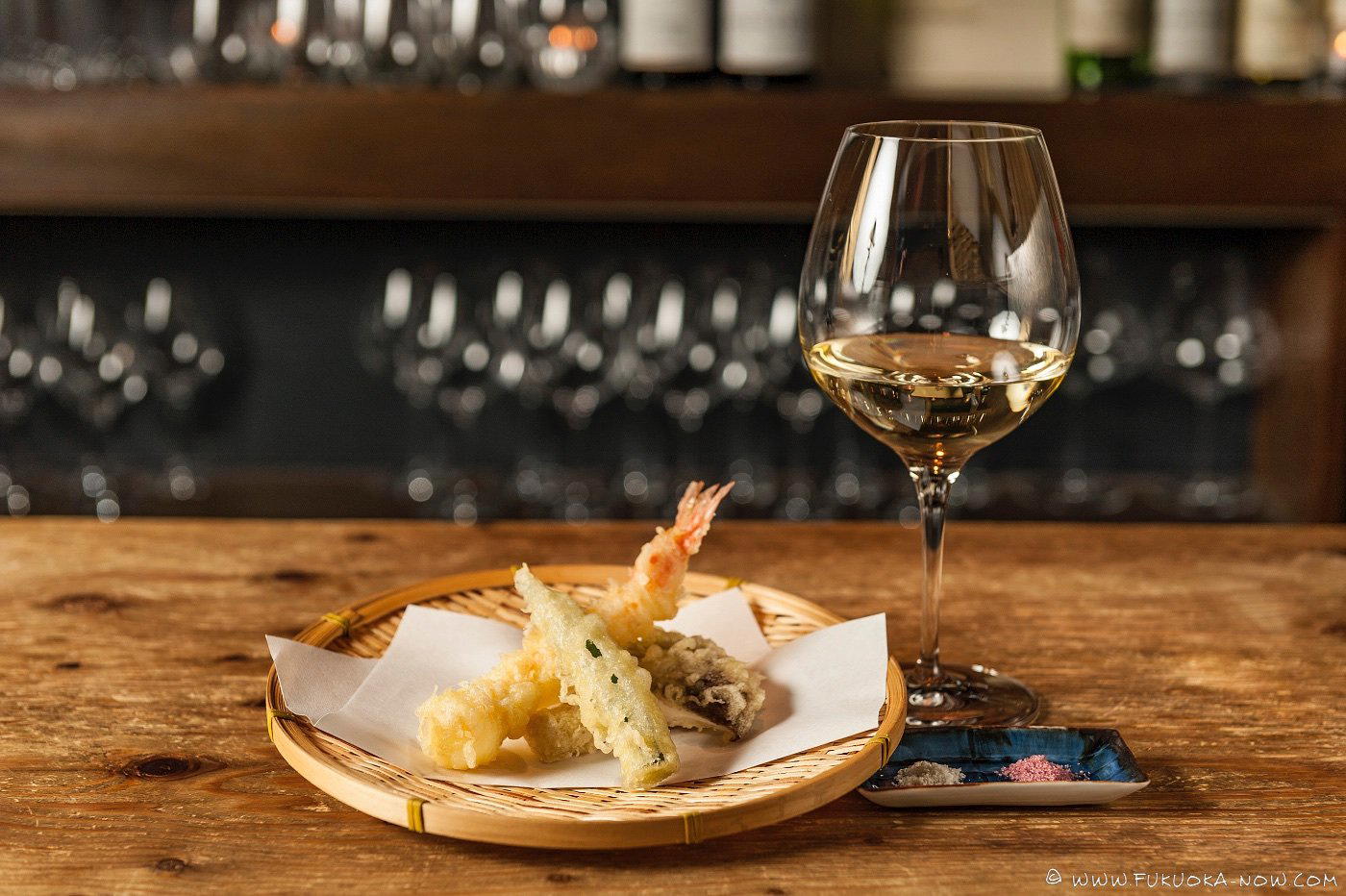
Warm wooden counter seating in a relaxing, intimate space with an open kitchen where the chef personally crafts dishes.