ANA Holiday Inn Tosu is better read through Tosu’s practical geography than through resort language: a business-hotel proposition in a Kyushu rail-and-road city where convenience matters more than spectacle. With on awards, price range, room count, dining, or booking channels, the useful assessment is cautious: judge it as a functional base for Saga and northern Kyushu, not as a design-led destination hotel.

Pearl is the En Primeur Club membership app — saves, bookings, and concierge access live there. Same editors, same standards.
- Address
- Tosu, Japan
- Directions
- Get directions
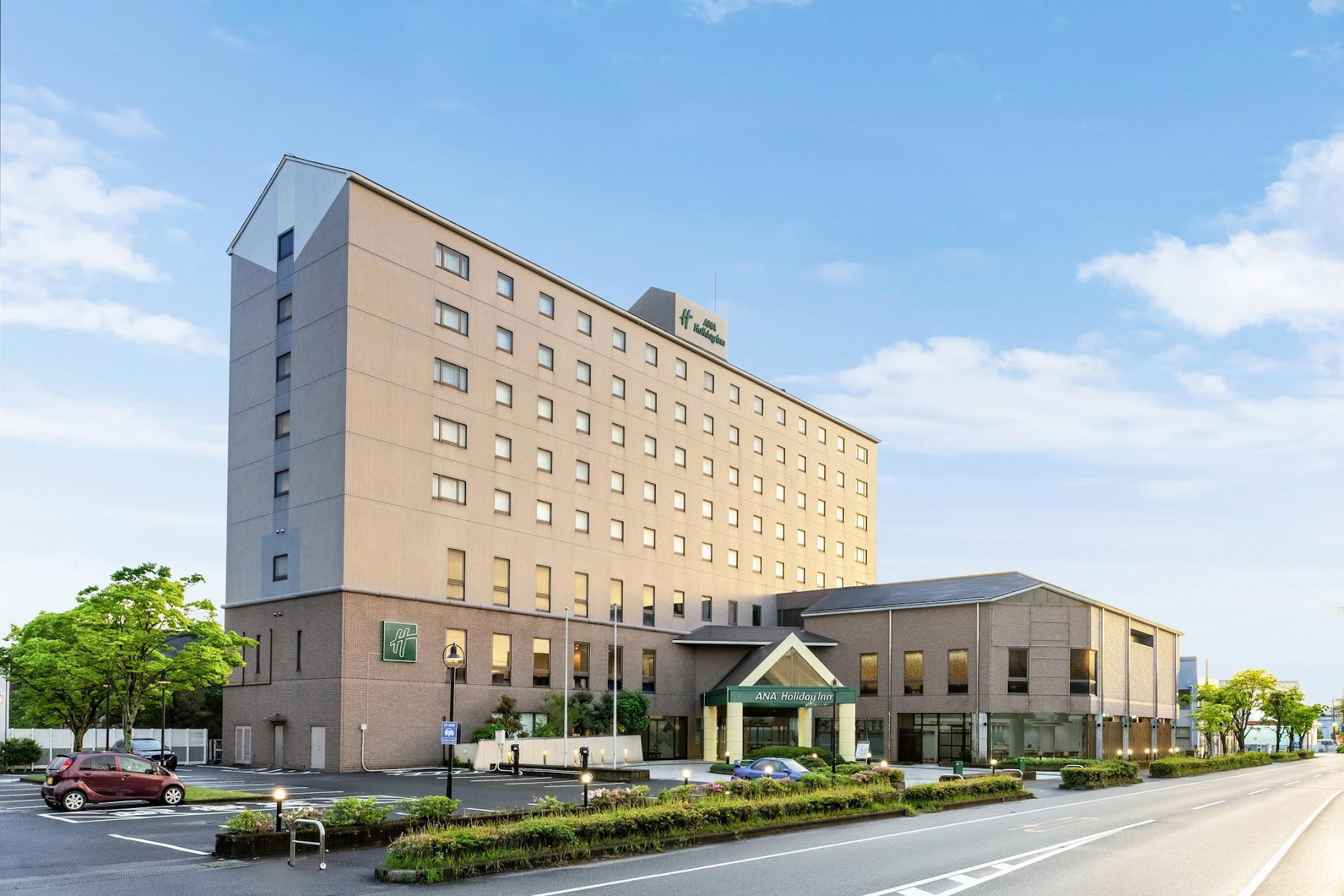
First impression: a city hotel shaped by movement
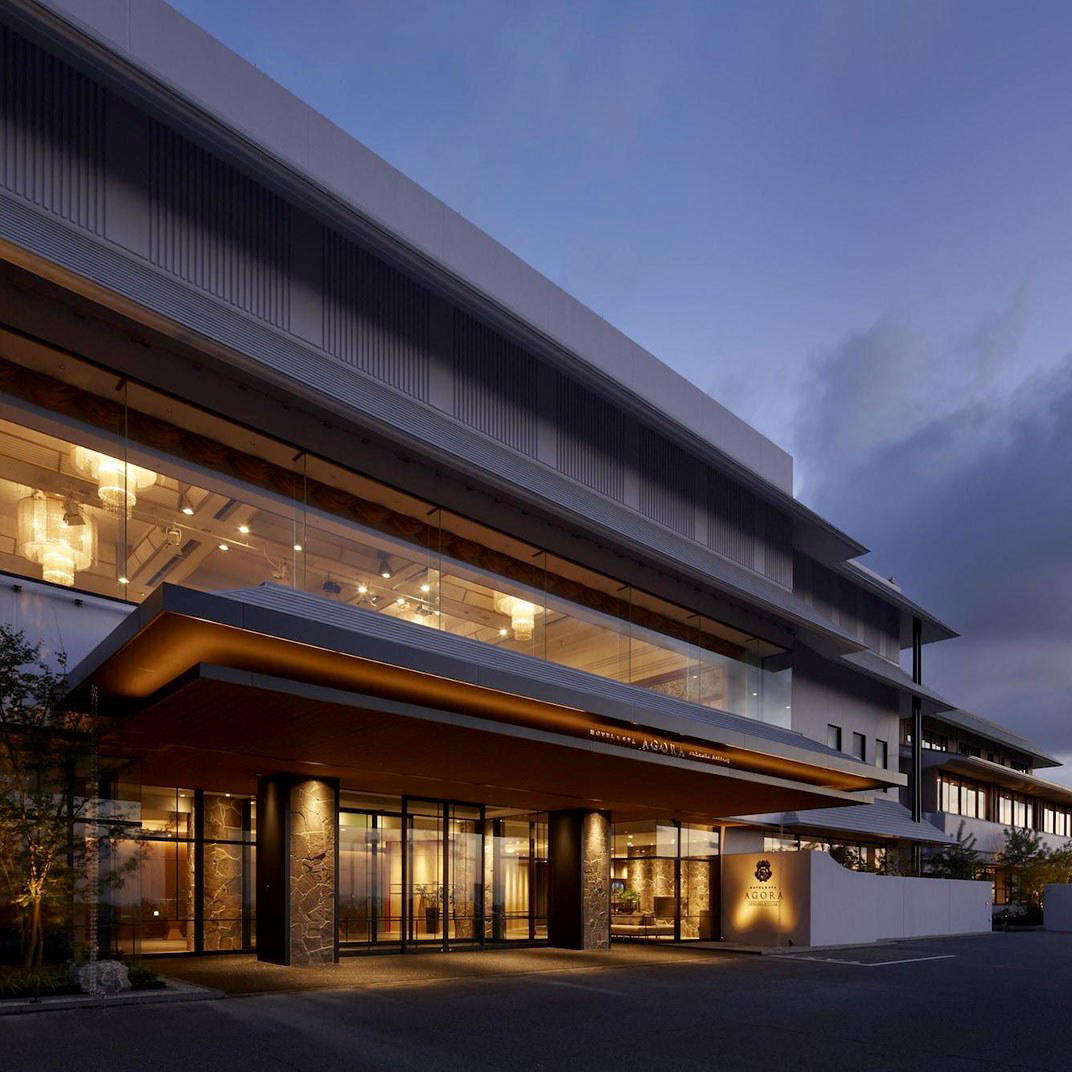
Approaching a hotel in Tosu is rarely about theatrical arrival. The city sits in Saga Prefecture at a useful Kyushu junction, where rail lines, expressways, shopping districts, sports traffic, and day-trip itineraries create a different hospitality rhythm from Kyoto ryokan corridors or Tokyo tower hotels. In that context, ANA Holiday Inn Tosu belongs to the practical Japanese city-hotel category: the kind of address chosen for access, predictability, and a room that supports a day built elsewhere. The physical impression should be judged against that brief. This is not a countryside inn organized around baths and gardens, nor a capital-city statement property using architecture as cultural display. It is a branded hotel in Tosu, and the editorial question is how well that format fits the city’s travel pattern.
Tosu rewards a clear-eyed hotel choice. The city is not selling the fantasy of isolation; it works as a base. Travelers pass through for business in Saga and Fukuoka, outlet shopping, football fixtures, logistics corridors, and onward movement across northern Kyushu. A hotel here needs circulation more than ceremony: legible entrances, efficient public areas, rooms that do not demand interpretation, and enough food-and-beverage practicality to keep a schedule intact. Where design-led Japanese hotels often slow the guest down, the Tosu city-hotel model is about reducing friction. That is the atmosphere to expect, and the lens through which ANA Holiday Inn Tosu makes sense.
Design in Tosu is measured by usefulness, not spectacle
Japanese hospitality design splits into several recognizable tiers. At one end sit highly authored properties where materials, gardens, art programs, and architect names carry much of the value. At another end sit compact urban hotels where repeatable standards, staff process, room ergonomics, and transport access matter more than visual drama. Tosu is better suited to the second category. The safer, more useful reading is typological: this is a branded hotel format in a secondary Japanese city, where the built environment is likely expected to be clear, durable, and schedule-friendly rather than expressive.
That distinction matters for travelers comparing Japan hotels. A property such as Bvlgari Hotel Tokyo in Tokyo competes in a capital-luxury tier where skyline, brand theatre, restaurants, and suite product are central to the purchase. HOTEL THE MITSUI KYOTO in Kyoto sits in a heritage-and-design conversation shaped by temple-city architecture and formal calm. Tosu has a different brief. Here, architectural value is not only what is photographed; it is how quickly a guest can arrive, reset, work, eat, sleep, and leave without the hotel becoming an obstacle. That is a less glamorous form of design, but in transit-oriented cities it is often the more relevant one.
The name gives a brand cue, but not enough evidence for claims about service level, renovation quality, restaurant ambition, or room specification. The editorial stance is therefore restrained: read the property as a functional Tosu base unless verified booking information, room category data, or current guest materials indicate a higher design or service proposition.
Where it fits in Tosu's hotel map
Tosu does not operate like a single-attraction resort town. Its appeal is distributed across movement patterns. The city is in Saga Prefecture, close enough to the broader Fukuoka metropolitan orbit to draw travelers who want access without committing to a larger-city hotel bill or a late-night urban pace. That geography shapes demand. Hotels need to serve early departures, short stays, business travelers, event visitors, and people using Tosu as a hinge between destinations. In such markets, consistency is a serious asset. A guest may not need a destination lobby; they need the room to perform after a train, a meeting, or a drive.
For EP Club readers, the decision is less about romance and more about itinerary architecture. If the trip is built around Kyushu rail movement, Saga-side business, or a night that needs to be close to Tosu rather than Fukuoka, ANA Holiday Inn Tosu enters the conversation. If the trip is built around hot-spring seclusion, craft-led food, or spatial drama, Japan has stronger matches elsewhere: Gora Kadan in Hakone for ryokan lineage, Amanemu in Mie for coastal resort calm, Asaba in Izu for classical inn culture, or Kamenoi Besso in Yufu for the onsen-town register. Tosu asks a different question: does the hotel support the day efficiently?
That is why the city-hotel category deserves more respect than it often receives in luxury travel writing. Not every good hotel stay is a grand statement. In Japan especially, small operational details can define comfort: predictable check-in flow, quiet corridors, compact rooms that use storage sensibly, breakfast timing aligned with departures, and public areas that do not force guests through unnecessary theatre. They are the right criteria for judging this address.
Food, drink, and the limits of the record
That absence is meaningful. It suggests that food and drink should not be treated as the primary reason to choose the hotel unless a traveler verifies current dining details directly through official channels. In Japanese city hotels, in-house dining often serves convenience first: breakfast before work, a simple dinner option after arrival, or private function needs.
The stronger editorial advice is to separate lodging choice from dining ambition. Tosu and the surrounding region can be approached through local restaurants and casual eating patterns rather than expecting the hotel to carry the full culinary weight of the stay. For broader planning, Our full Tosu restaurants guide is the more appropriate companion to a hotel decision. Travelers building an evening around drinks can also cross-reference Our full Tosu bars guide, while those using Tosu as a wider regional base may find context in Our full Tosu experiences guide. The hotel decision and the meal decision should be allowed to do separate jobs.
This is a common issue in secondary-city travel. International hotel names can create expectations that the property will also anchor the dining itinerary. In many Japanese regional cities, the more interesting meal may be off-property, sometimes in a modest room with regulars and a narrower specialty. The hotel’s role is then logistical, not gastronomic. That is not a demotion. It is a clearer division of labor.
How to compare it with Japan's design-led stays
Japan’s hotel culture is unusually broad, from business hotels with compact efficiency to inns where architecture, bathing, seasonality, and dining are inseparable. Comparing a Tosu city hotel with destination properties is useful only if the comparison clarifies the traveler’s choice. Zaborin in Kutchan belongs to the remote-luxury vocabulary of Hokkaido; Sekitei in Hatsukaichi-shi draws from ryokan aesthetics near Miyajima; Benesse House in Naoshima connects lodging with the island’s art architecture; Halekulani Okinawa in Okinawa answers a resort brief. Those properties ask guests to spend time with the site itself.
By contrast, a Tosu stay is usually justified by what it enables beyond the room. The design question becomes operational: does the building make a short stay calm, legible, and efficient? Does the public space suit business use rather than leisure posing? Does the location work for the next morning’s plan? In the absence of verified room and amenity data, those are the questions that should lead the booking analysis. The hotel is not being asked to compete with Nishimuraya Honkan in Kinosaki-cho on ryokan depth or with Jusandi in Ishigaki on island privacy. It is competing with other practical bases in and around Tosu.
It includes hotels that handle regional business travel, domestic tourism, and overnight stops between larger Kyushu destinations. It is contextual: the property’s named presence in Tosu and its recognizable hotel format place it within a dependable category for travelers who value consistency over discovery.
Planning the stay: what to verify before committing
That means planning should be verification-led. Before treating the hotel as the anchor for a time-sensitive itinerary, confirm the current address, access route, check-in and check-out times, room category, breakfast availability, parking arrangements, and cancellation terms through an official booking source or direct hotel channel. For travelers arriving by train or car, access details matter more in Tosu than decorative amenities; the wrong assumption can turn a practical overnight into a costly transfer problem.
Seasonality also affects how the city is used. Japan’s spring and autumn travel periods can tighten hotel availability across regional routes, while event dates and holiday weeks can shift prices and room supply even in cities that do not feel tourist-saturated day to day. No price range is listed for ANA Holiday Inn Tosu, so rate expectations should not be inferred from the name alone. Compare live rates against nearby cities, especially if Fukuoka, Saga, Kurume, or onward rail access is part of the same itinerary. For a broader hotel scan, Our full Tosu hotels guide is the natural starting point, with Our full Tosu wineries guide available for readers mapping drinks and regional side trips.
The practical verdict is simple but not simplistic. Choose this kind of hotel when Tosu itself is the right node. Do not choose it expecting the narrative density of Fufu Nikko in Nikko, the lake-and-forest mood of Fufu Kawaguchiko in Fujikawaguchiko, the rural design conversation around Satoyama-Jujo in Niigata, or the resort-villa register of Nasu Mukunone in Nasu.
Further hotel context for calibration
Travelers who calibrate hotels by architecture and service tier should compare across formats rather than countries alone. Fufu Kyu-Karuizawa Restful Forest in Karuizawa speaks to Japan’s forest-retreat market; The Fifth Avenue Hotel in New York City belongs to a dense urban-luxury conversation; Hôtel de Paris Monte-Carlo in Monte Carlo carries grand-hotel history; Badrutt's Palace Hotel in St. Moritz is tied to alpine society and winter-season ritual. Those references are not substitutes for Tosu; they clarify why ANA Holiday Inn Tosu should be assessed through function, access, and category fit rather than borrowed glamour.
Reputation & Price
Comparable venues nearby, for context on price, style, and recognition.
| Venue | Price | Awards | Notes |
|---|---|---|---|
| ANA Holiday Inn TosuThis venue — the venue you are viewing | $1–100 | Not listed | Not listed |
| Tamao | Not listed | Michelin Selected | Shimogyō, Intimate Japanese-style house converted into a modern boutique hotel. |
| Yufuincho Kawakami | Not listed | Not listed | Yufuincho Kawakami, Vacation rental home in onsen area |
| Hotel Indigo Nagasaki Glover Street | Not listed | Michelin Guide New Hotels New Hotel · Michelin Selected | Minamiyamate, Historic redbrick building reimagined as boutique hotel celebrating Nagasaki's multicultural heritage |
| Wasure-no-sato Gajeon (忘れの里 雅叙苑) | $200–300 | 2 Michelin Keys | Kirishima, Traditional Japanese heritage property with relocated historic thatched-roof farmhouses arranged as a village-like settlement. |
| Miyamasou | Not listed | Not listed | Sakyō, Traditional sukiya-zukuri tea house architecture renovated from historic temple pilgrims' lodgings. |
Details
- Modern
- Quiet
- Cozy
- Family Vacation
- Business Trip
- Group Retreat
- Wi Fi
- Restaurant
- Fitness Center
- Meeting Rooms
- Parking
- Air Conditioning
- Luggage Storage
- 24 Hour Front Desk
- Street Scene
- Wheelchair Accessible
- Elevator
- Accessible Parking
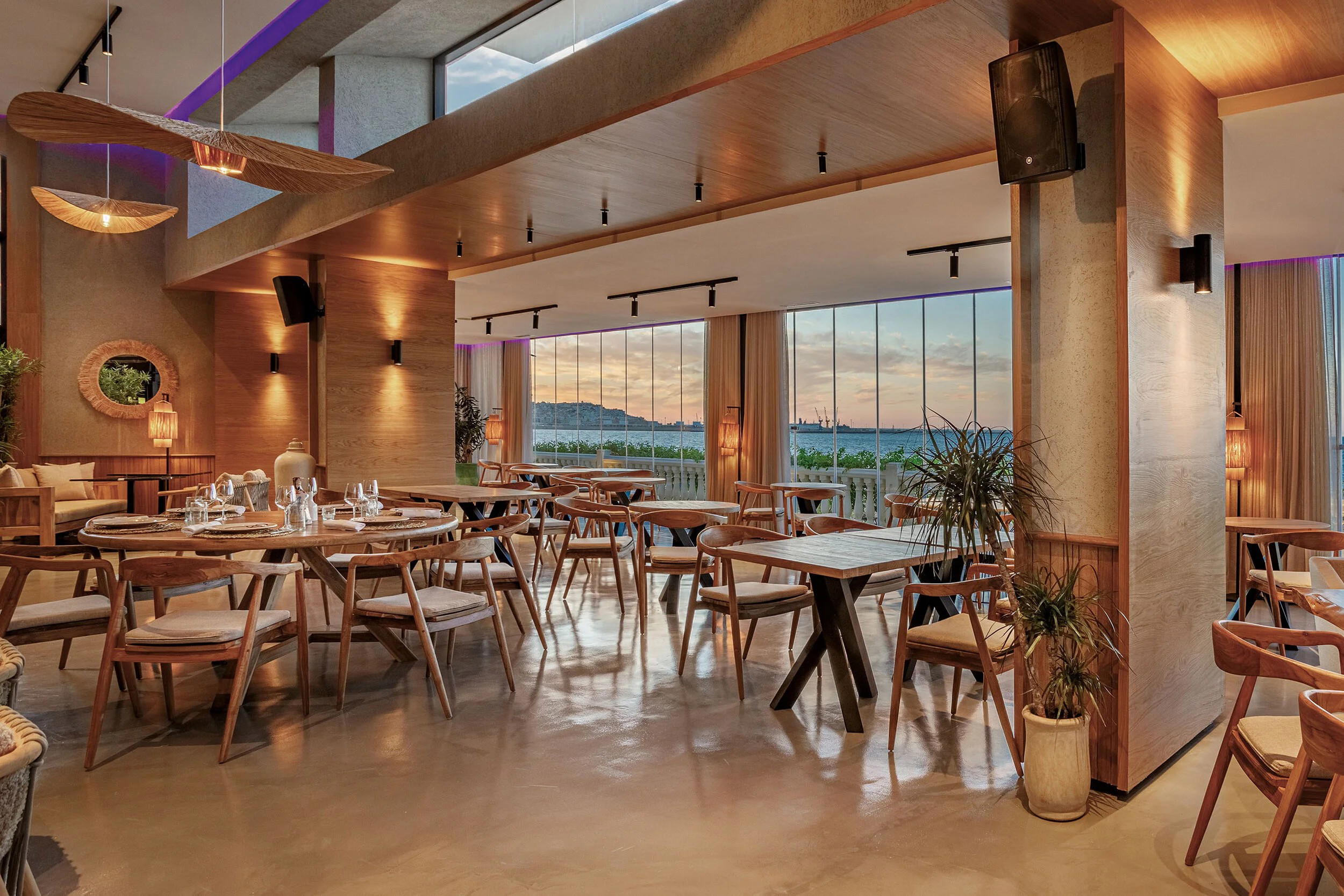
Quiet, modern, and business-friendly, with Holiday Inn’s Open Lobby concept creating a relaxed space for working, dining, or unwinding.