
Tabelog 100 #78
Our verdict
Kurashiki's preserved Bikan historical quarter sets an exacting standard for what surrounds it, and Kappa answers that standard with a kitchen oriented around the produce and proteins of Okayama Prefecture. The restaurant draws on a regional ingredient tradition that puts seasonal sourcing at the centre of every decision, placing it firmly within the smaller, more serious tier of dining that provincial Japan does quietly and well.

Pearl is the En Primeur Club membership app, where members save venues, book tables and use the concierge.
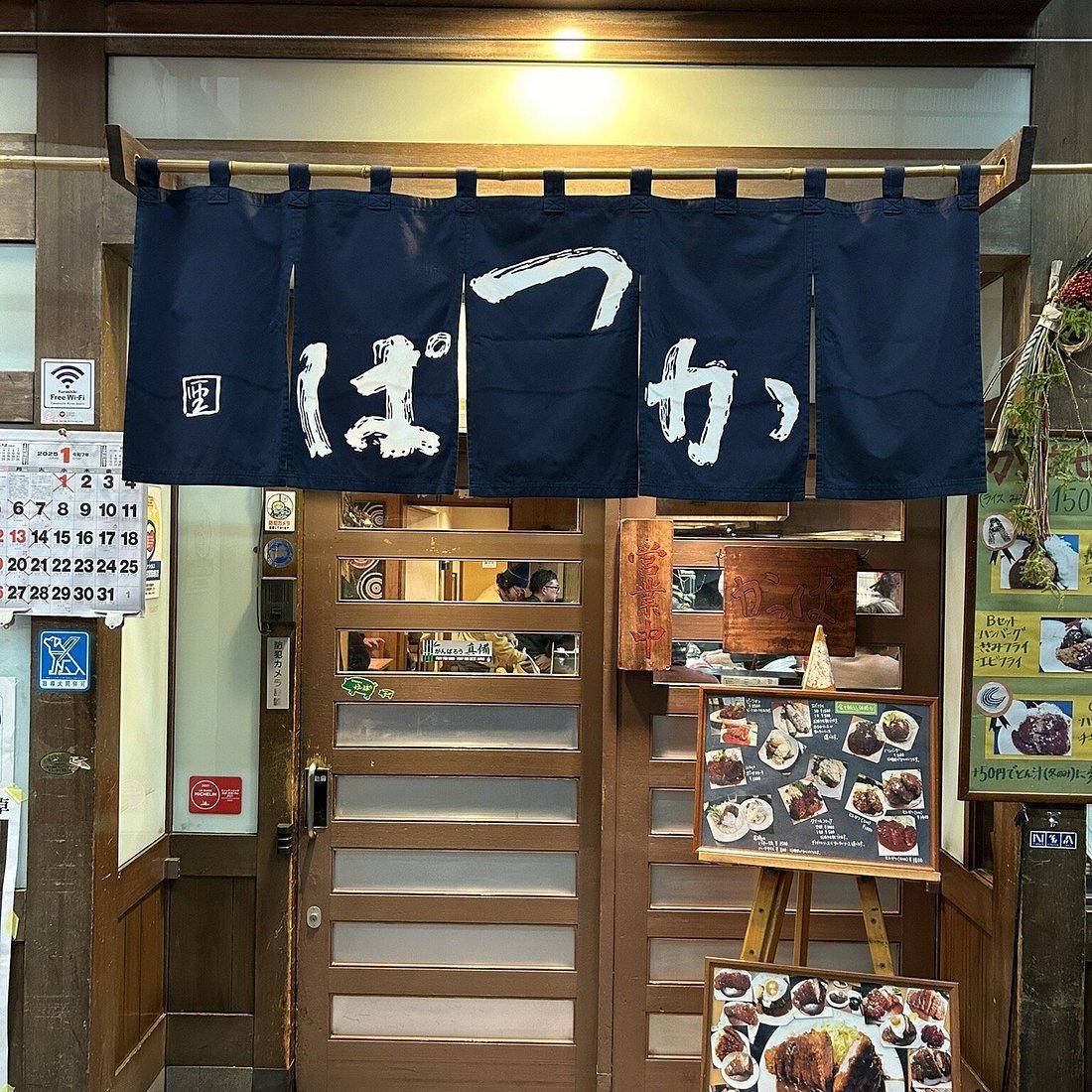
The menu
What to order
- Tonkatsu Set with Demi-Glace Sauce
- Meishiro Tontei
Where the Canal Quarter Sets the Terms
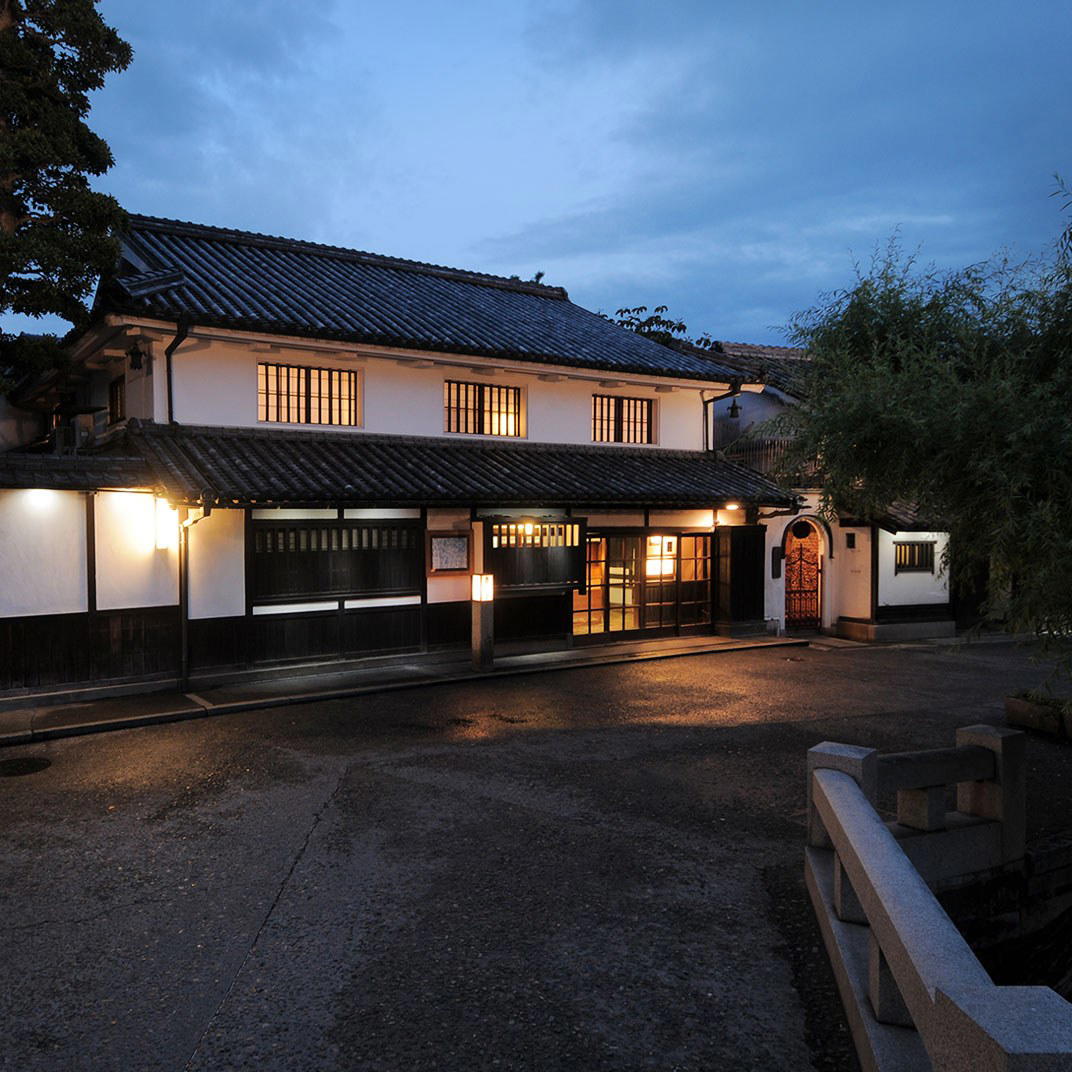
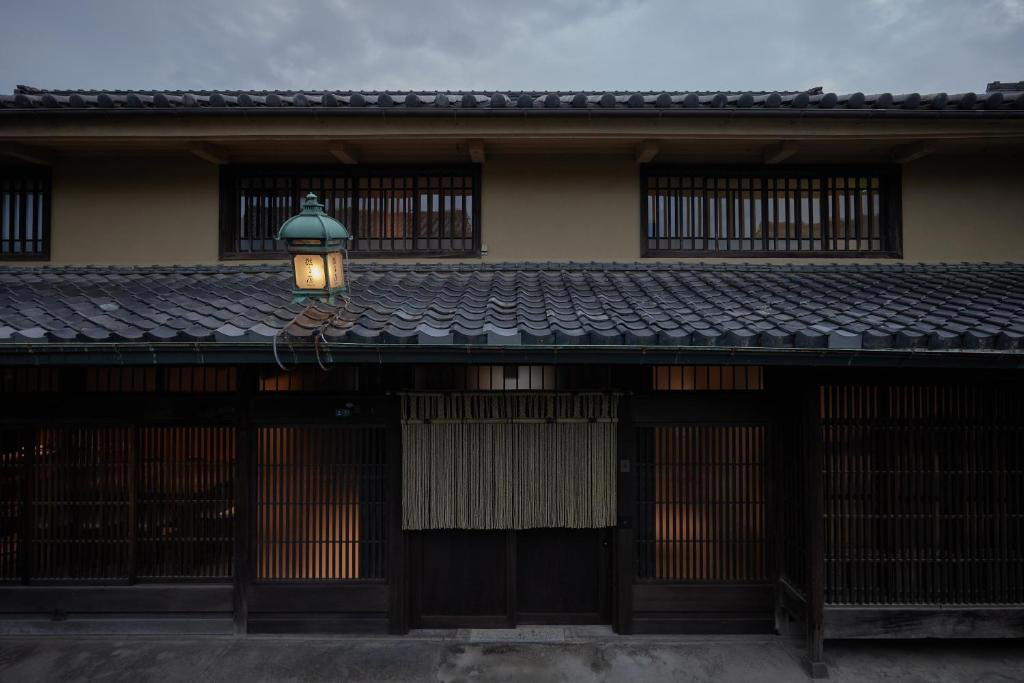
Kurashiki's Bikan district does not forgive careless neighbours. The white-walled kura storehouses along the willow-lined canal represent one of the most disciplined preservation zones in western Japan, and the restaurants that endure here tend to share that discipline in how they cook. The atmosphere approaching any serious table in this part of the city is one of deliberate restraint: narrow stone streets, the low murmur of water, the sense that everything has been considered and nothing is accidental. Kappa occupies that context, and the kitchen reads that way too.
Okayama's Larder and Why It Matters Here
Okayama Prefecture sits in a privileged agricultural position. The Seto Inland Sea to the south delivers some of Japan's most consistent shellfish and white fish harvests, protected from Pacific swells by the island chains that make the sea almost lake-calm for much of the year. Inland, the Kibi Plain has centuries of rice cultivation behind it, and the surrounding mountains feed rivers that support freshwater catches rarely found at this quality outside the prefecture. A kitchen in Kurashiki that ignores this geography is making a choice. Kappa's orientation toward local sourcing suggests it is not making that mistake.
This matters beyond local pride. Japan's serious provincial restaurants, from 三本木 花川亭 in Nanao to 湖畔荘 in Takashima, have built reputations partly by refusing to outsource their identity to Tokyo's supply chains. The argument is practical as much as philosophical: produce that travels fewer miles arrives at a different stage of its life, and a kitchen close to Okayama's farms and fishing boats has access to ingredients at a point of quality that larger city restaurants rarely see. The freshness question is not rhetorical. It changes what a kitchen can do.
Ingredient-Led Cooking in the Provincial Mode
Japan's kaiseki tradition was always built around the calendar rather than the recipe. The kaiseki framework that developed in Kyoto through the tea ceremony context gave seasonal sourcing a structural role, not a decorative one. Dishes changed because the ingredients changed, not because the kitchen decided to refresh the menu. That discipline has spread outward from Kyoto over decades, and it now operates in regional cities like Kurashiki with as much rigour as in better-publicised centres.
What ingredient-sourcing discipline looks like in practice, at a restaurant working at this tier in a mid-sized Okayama city, is a menu that shifts with genuine responsiveness to what is available rather than what is convenient. Comparison venues at the highest national level, such as Gion Sasaki in Kyoto or HAJIME in Osaka, have made sourcing decisions famous enough to attract international attention. At the provincial level, the same discipline operates with less fanfare but often with a tighter relationship to a single regional supply base. There is an argument that this produces a more coherent plate: fewer ingredients in contention, each chosen from a narrower and better-understood geography.
Kurashiki in the Context of Japan's Provincial Dining Circuit
Japan's serious dining does not begin and end in Tokyo or Kyoto. The provincial circuit, connecting cities like Fukuoka, Nara, Sapporo, and Kurashiki through independent restaurants with strong local identities, represents a different kind of density. Goh in Fukuoka and akordu in Nara both demonstrate that regional positioning does not mean second-tier ambition. The same logic applies in Kurashiki, where a small number of serious restaurants work within a competitive set defined by local knowledge rather than tourist volume.
Kurashiki draws visitors to its historical district reliably, but the city's dining is not primarily calibrated for tourists. The restaurants that matter here, including はしまや and ブリコール, answer to a local clientele with consistent expectations. Kappa sits within that context, operating in a city where serious eating is a local habit rather than an imported one. For a fuller picture of where Kappa fits within Kurashiki's restaurant scene, our full Kurashiki restaurants guide maps the competitive field in more detail.
The comparison is useful internationally, too. At the highest tier of technique, venues like Le Bernardin in New York City or Atomix in New York City have built sustained reputations around ingredient integrity and sourcing transparency. The principle is not geographically restricted. A kitchen that commits to knowing where its produce comes from, and builds its menu around that knowledge, is doing something recognisable across culinary traditions regardless of whether the city is New York or Kurashiki.
Planning a Visit
Kurashiki is reached most directly by shinkansen to Okayama Station, then a local train to Kurashiki taking roughly fifteen minutes. The Bikan historical quarter is a short walk from Kurashiki Station, and most serious restaurants in the area operate within that walkable radius. Given the limited number of covers that characterise this tier of provincial Japanese dining, and given Kurashiki's status as a destination in its own right during peak travel periods for the Bikan quarter, reservations at Kappa should be arranged in advance, particularly for weekend evenings in spring and autumn when the canal district is at its most visited. Evenings in this part of the city tend to quiet considerably after the day-trip crowd departs, which shapes the tone of dinner service: the Bikan district after dark is one of the few places in provincial Japan where preservation and atmosphere work entirely in the diner's favour.
Frequently asked questions
Can I bring kids to Kappa?
Kappa sits inside the Bikan historic district, where the architecture and atmosphere lean toward quiet, considered dining rather than casual family meals. The canal quarter setting in Kurashiki generally rewards adult visitors who can engage with the pace. Families with older children comfortable in formal Japanese dining environments are better placed than those with young children.
Is Kappa better for a quiet night or a lively one?
The Bikan district operates on restrained terms: white-walled storehouses, willow-lined canals, and a neighbourhood that closes early by Japanese city standards. Kappa fits that register. Visitors expecting an energetic, late-running evening should calibrate expectations; the surrounding Kurashiki context favours conversation-pace dining over a buzzing room.
Is Kappa a good choice for dining in Kurashiki if I'm travelling from Okayama on a day trip?
Kurashiki is roughly fifteen minutes by local train from Okayama Station, making it a manageable day-trip destination. The Bikan district concentrates its restaurants and attractions within a compact walkable area, and Kappa is positioned within that quarter. Day-trippers should note that the canal district quiets considerably by early evening, so lunch or an early dinner sitting aligns better with the neighbourhood's rhythm than a late arrival.
What should I eat at Kappa?
Okayama Prefecture's position between the Seto Inland Sea and productive agricultural inland gives the kitchen access to some of Japan's more consistent shellfish, seasonal fish, and local produce. Provincial kaiseki cooking in this region follows the calendar closely, so the menu shifts with the season rather than staying fixed. Dishes grounded in Seto Inland Sea ingredients are the natural reference point for first-time visitors.
How hard is it to get a table at Kappa?
Kurashiki draws a steady flow of visitors to the Bikan district, and restaurants within that preserved quarter can fill quickly, particularly on weekends and during autumn foliage or spring seasons. Booking ahead is advisable; walk-in availability in the canal quarter is unreliable at peak periods.
A Quick Peer Check
Comparable venues nearby, for context on price, style, and recognition.
| Venue | Cuisine | Price | Awards | Notes |
|---|---|---|---|---|
| KappaThis venue (the venue you are viewing) | Tonkatsu with Demi-Glace Sauce | $10–20 | Tabelog 100 #78 | Not listed |
| Machiya Kissa Miyake Shoten | Seasonal Japanese Machiya Café | $10–20 | Tabelog 100 #88 | Kurashiki Bikan Historical Quarter |
| Honkaku Teuchi Udon Tomosaku | Authentic Handmade Udon & Oden | $1–10 | Tabelog 100 #33 | Nakasho |
| ブリコール | Setouchi Regional Japanese Cuisine | $50–100 | Not listed | Kurashiki (Bikan Historical Quarter) |
| はしまや | Southern Italian with Local Japanese Influences | $50–100 | Not listed | Oku-Kurashiki |
| Kashiwaya Kobayashi | Yakitori & Chicken Specialties | $50–100 | Tabelog 100 #82 | Achi |
Recognition history
Dated appearances from independent guides and award organizations, with the underlying list record or original source where available.
Tabelog 100 #78 · No. 78
Tabelog · Tabelog 100 - Diner - 2026
Continue exploring
More in Kurashiki
Restaurants in Kurashiki
All restaurants in Kurashiki →
Bars in Kurashiki
All bars in Kurashiki →
Details
- Cozy
- Classic
- Family
- Casual Hangout
- Solo
- Open Kitchen
- A La Carte
Comforting, down-to-earth atmosphere in a traditional Japanese exterior Western-style eatery with open kitchen and family warmth.