

NONOKA RESTAURANT places Fukuoka’s innovative cooking conversation outside the usual city-centre orbit, in Yame, a district better known for agriculture and tea than luxury dining circuits. Its Tabelog Award Bronze recognition in 2025 and 2026, plus selection for Tabelog 100 Innovative / Creative Cuisine 2025, make it a serious regional reference for produce-led French-inflected cooking.
Pearl is the En Primeur Club membership app — saves, bookings, and concierge access live there. Same editors, same standards.
- Address
- Japan, 〒834-0004 Fukuoka, Yame, Noso, 597-1 2F
- Phone
- +81 943-24-1712
- Website
- instagram.com
- Directions
- Get directions
 Saves & bookings on Pearl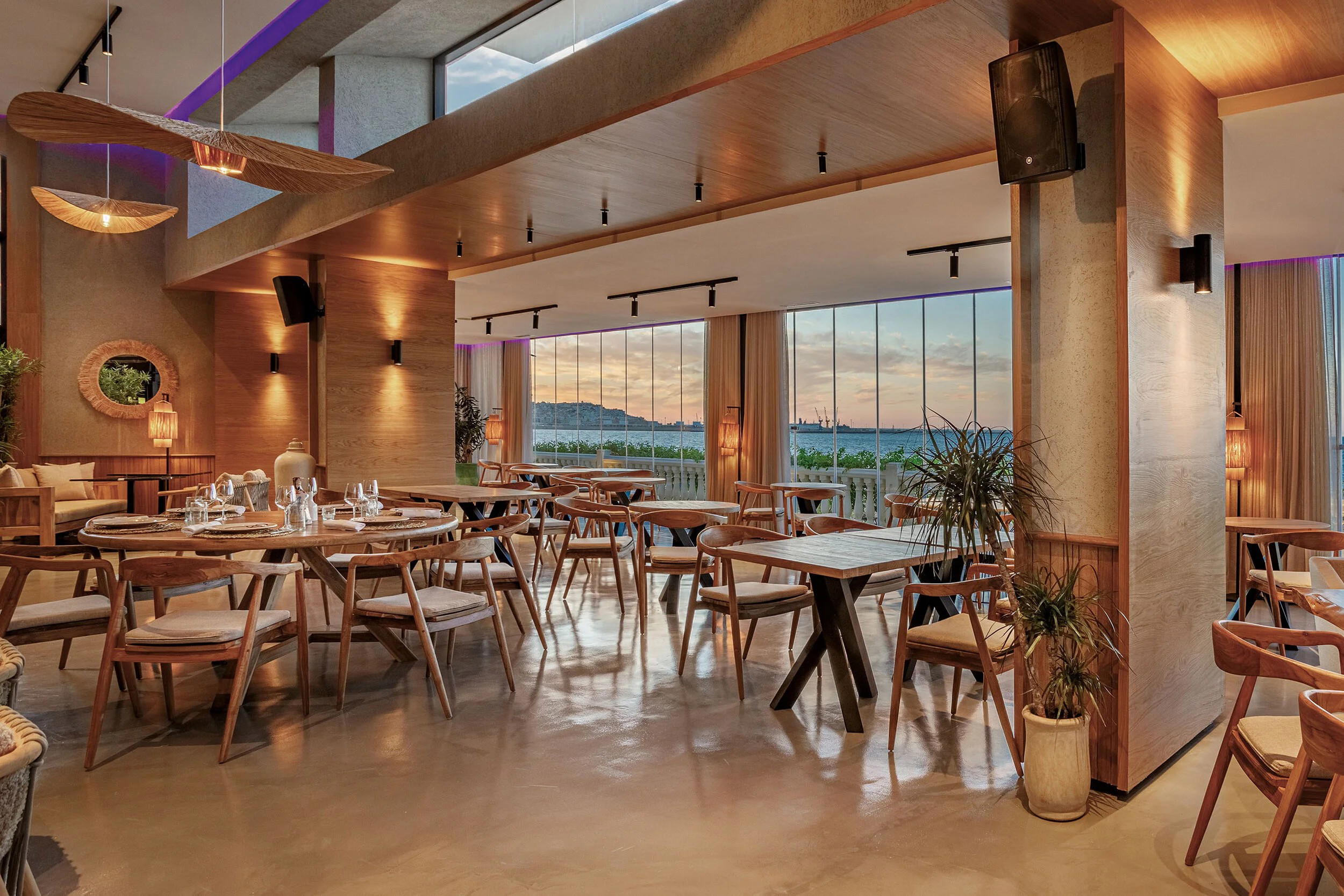
Yame changes the tempo before the meal begins. Fukuoka’s restaurant map usually pulls attention toward Hakata and Tenjin, where counters, izakaya, and ramen shops run on urban compression. Out here, the frame is agricultural: tea country, vegetable fields, and a slower rhythm that suits a kitchen working in the category Tabelog classifies as Innovative, Creative, and French. NONOKA RESTAURANT belongs to that smaller Japanese genre where French technique is less about imported luxury and more about structure, pacing, and what local produce can carry.
The useful way to read the restaurant is not as a rural detour from Fukuoka, but as a statement about where ambitious cooking in Japan has been moving. Regional restaurants no longer need to mimic Tokyo or Kyoto formats to be taken seriously. A Tabelog Award Bronze in both 2025 and 2026, together with inclusion in Tabelog 100 Innovative / Creative Cuisine 2025, puts this Yame address in a national conversation rather than a purely local one. That matters because the category rewards restaurants that sit between classical dining rooms, creative kappo, and modern tasting-menu formats.
Yame produce gives the French framework a reason to be here
Ingredient sourcing is the central argument. Yame is one of Japan’s serious tea-growing areas, and the surrounding part of southern Fukuoka gives chefs access to vegetables, fruit, and rural supply chains that feel different from the fish-market logic of the city. In this context, French technique becomes a grammar for local materials rather than a performance of Parisian reference points. The restaurant’s recognition in an innovative and creative cuisine category signals that diners should expect a composed meal with modern technique, not a bistro or casual French room.
This is a useful contrast with much of Fukuoka dining, where the city’s reputation is built on directness: noodles, offal hot pot, grilled fish, gyoza, curry, and late-night drinking food. For that side of the city, readers can cross-reference 106 South Indian Fukuoka tenjin ten, Afterglow, Aji Dokoro Taro Gen Sougyou ten, Aji Furai Shokudo Kaba, and Aji no Katsueda. Those addresses explain the city’s appetite for specificity. NONOKA applies that same seriousness to a slower, more composed meal built around the region rather than a single comfort-food format.
The comparison set also shows why the Yame address matters. Tachibana Udon, Mitsuya Stand, Goju Ban, Tashu Kurumeten, and Gyoza Nyannyan operate in a far more casual price and format bracket, the everyday side of out-of-metro Fukuoka eating. NONOKA sits at the other end of the decision: a planned meal, modern cooking, and award recognition rather than an easy stop between errands. The gap is not merely cost; it is intent.
Award signals, not city-centre convenience, define the draw
For Japan-focused diners, Tabelog carries particular weight because its scoring culture can be demanding, especially outside the main tourist corridors. A 2026 Tabelog score of 3.88, preceded by a 3.90 score on the 2025 Tabelog 100 listing, is a meaningful signal in a market where small differences often separate serious destination restaurants from competent local favourites. The Bronze awards in consecutive years sharpen that signal. This is not a case of a charming countryside meal being overpraised for geography; the recognitions place it among Japanese restaurants being judged on craft and consistency.
The format also clarifies the mood. Private rooms are not part of the setup, smoking is not permitted, and the drinks direction runs through sake and wine. Those details point to a dining room built for focus rather than ceremony. It reads as intimate without needing grand hotel language, and serious without the stiffness that can attach to formal French dining in Japan. The absence of a chef-profile narrative is almost useful here: the stronger story is regional cooking stepping into a national awards conversation.
Yame’s distance from Fukuoka’s central dining districts will filter the audience. That is a strength for the right diner. A meal here makes sense for travellers already treating Kyushu as a food region, not as a single night in Hakata before moving on. It pairs well with a broader itinerary that separates restaurants from the rest of the trip planning: Our full Fukuoka restaurants guide for dining, Our full Fukuoka hotels guide for where to stay, Our full Fukuoka bars guide for drinking, Our full Fukuoka wineries guide for wine-related stops, and Our full Fukuoka experiences guide for days built around culture rather than transit.
Who this meal is for
The strongest case for the restaurant is for diners who care where a meal is rooted. Fukuoka’s coastal identity is easy to understand through seafood and street-level eating; Yame asks for a different lens, with fields, tea, and regional produce carrying the argument. That makes the restaurant a sharper choice for experienced Japan travellers than for visitors trying to sample the city’s obvious signatures in one evening.
It also suits diners who like the Japanese interpretation of French technique: controlled pacing, seasonal attention, and restraint around luxury cues. Anyone looking for spectacle, a famous chef biography, or a rapid-fire counter show may be happier elsewhere. The appeal here is quieter: a regional restaurant with national recognition, using a creative-French frame to make Fukuoka’s inland produce feel central rather than peripheral.
For a wider view of how Japanese dining ranges from regional cooking to urban specialism, compare the broader EP Club restaurant map: -Grilled beef Sukiyaki- KAMAKURA TANUKIAN 鎌倉 たぬき庵 in Kamakura. 鮪と炭火焼き うお炭 秋葉原店 in Tokyo.cafe in Osaka.know in Kumamoto, (Shoku) Vietnam in Kawasaki, and [Curry Senmon Ten] Maruyama Kyoju. in Sapporo. For readers tracing Japanese food culture beyond Japan, Jōdo Saké Bar in Los Angeles and Onigiri Time in Pasadena show how specific formats travel, while Yame shows why origin still matters.
Snapshot
Comparable venues by cuisine and price in the same metro.
| Venue | Cuisine | Price | Notes |
|---|---|---|---|
| NONOKA RESTAURANTThis venue — the venue you are viewing | Modern Innovative French Fusion | $$$$ | Not listed |
| torila | Modern Yakitori Omakase | $$$$ | Chūō |
| Sola Factory | Modern French with Kyushu Ingredients | $$$$ | Hakata |
| Sagano | Traditional Kaiseki | $$$$ | Hakata |
| 鮨おさむ | Hakata-style Omakase Sushi | $$$$ | Takamiya |
| Sushi Karashima | Kyushu-Style Edomae Omakase | $$$$ | Chūō |
Recognition history
Dated appearances from independent guides and award organizations, with the underlying list record or original source where available.
Tabelog Bronze #327
Tabelog
Tabelog Bronze
Tabelog
Tabelog 100 #14 · No. 14
Tabelog · Tabelog 100 - Innovative / Creative cuisine - 2025
We're Smart World 4 Radishes
We're Smart World
At a Glance
- Elegant
- Modern
- Intimate
- Sophisticated
- Date Night
- Special Occasion
- Sake Program
- Local Sourcing
Current opening hours
- Monday
- 11:30 AM–2:30 PM, 6–10 PM
- Tuesday
- Closed
- Wednesday
- 11:30 AM–2:30 PM, 6–10 PM
- Thursday
- 11:30 AM–2:30 PM, 6–10 PM
- Friday
- 11:30 AM–2:30 PM, 6–10 PM
- Saturday
- 11:30 AM–2:30 PM, 6–10 PM
- Sunday
- 11:30 AM–2:30 PM, 6–10 PM
Hours can change for holidays and private events. Last verified .
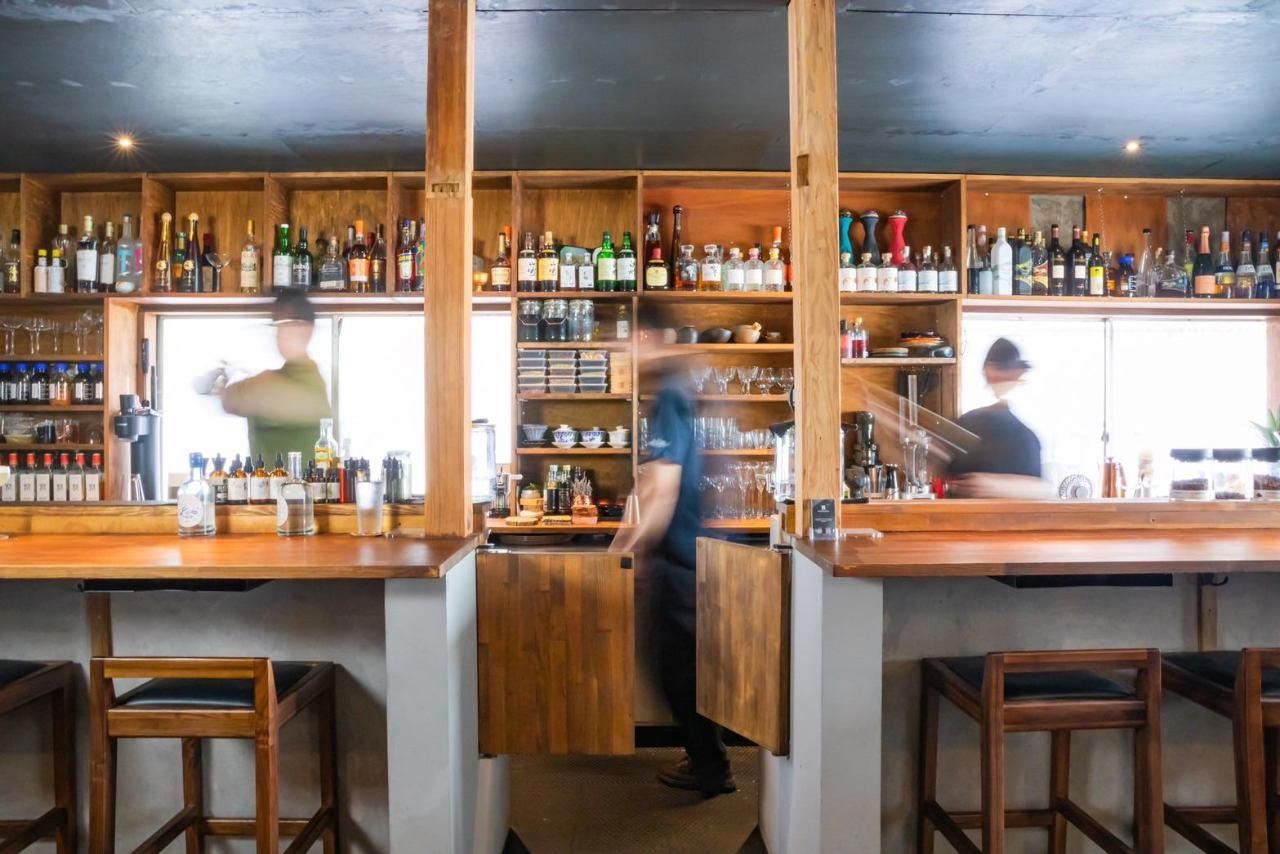
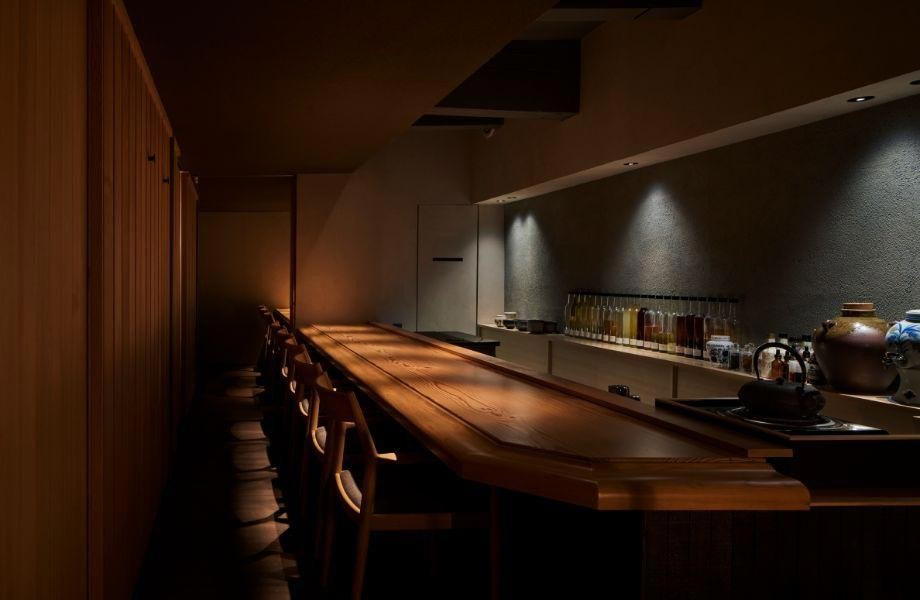
Simple, chic interior with gray tones, wooden tables, spacious yet intimate atmosphere, and welcoming homey service.