
Tabelog Bronze #423
Our verdict
The point is sourcing discipline rather than spectacle, with wine service and a reservation-only format shaping the meal around beef provenance and timing.

Pearl is the En Primeur Club membership app — saves, bookings, and concierge access live there. Same editors, same standards.
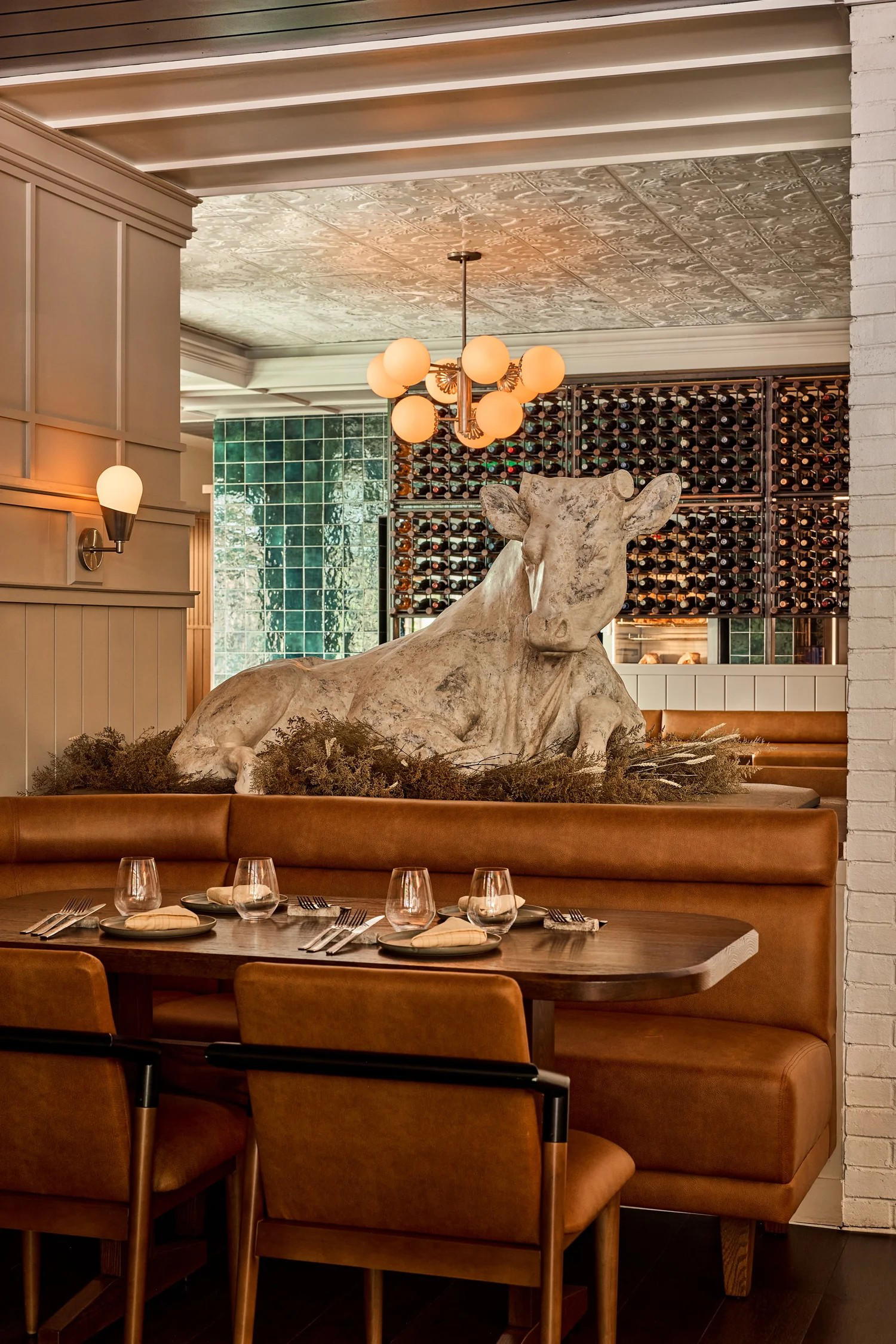
The menu
What to order
- Kobe Beef Chateaubriand
- Ultra-Premium Kobe Beef T-bone Steak
- Specially Selected Ribeye
- Kobe Beef Sirloin Steak
That is the context for STEAK HOUSE Baron, listed by Tabelog as steak and recognised with The Tabelog Award Bronze in 2026, 2025, 2023 and 2022. It also appeared in Tabelog 100 for Steak・Teppanyaki WEST in 2025 and 2024, and in earlier steak and teppanyaki selections. For a city visitors often know through ramen, horse meat and izakaya routes, repeated steak recognition matters: it signals a specialist room operating in a national category, not simply a local splurge address. One is the hotel-grill language of visible luxury, broad wine lists and thick-cut familiarity. The other is smaller and more exacting: counter seating, close control of the cooking surface, and a narrow focus on how beef is bought, rested, portioned and served. The island’s agricultural base gives beef restaurants a different starting point from cities where prestige often arrives by procurement alone.
BARON sits in that second camp. For travellers, the meal is less about choosing a large steak from a laminated hierarchy and more about trusting a narrow format built around meat quality, pacing and service. The presence of a sommelier, and a wine-forward listing, reinforces the point: beef is treated as a central ingredient that needs structure around it, not simply a main course. BARON belongs to a different decision category, closer to a destination dinner than a spontaneous stop. That makes it a precise recommendation for diners who care more about beef sourcing and counter discipline than range or novelty.
A counter format with national signals
Tabelog’s score of 3. Here the pattern is consistent: multiple Bronze years, repeated Tabelog 100 selections, and placement in the WEST steak and teppanyaki category.
The counter is not a minor layout note. In a steak format, it changes how the meal is read. Heat, carving and timing become visible, while the limited seat count keeps the room closer to a specialist atelier than a celebratory dining hall. Private rooms are not part of the format, and the non-smoking policy keeps attention on the grill and wine service.
Ingredient sourcing is the critical distinction. A steak counter here has to justify itself through product integrity and controlled service. At this level, beef is not generic luxury. The questions are where it comes from, how much intervention the kitchen applies, and whether the cooking format protects texture rather than overwhelming it with ceremony. A meal here makes sense alongside smaller, sharply focused addresses rather than a broad greatest-hits crawl.enprimeurclub.com/restaurants/know-43015731">.know, Amakusa Daiou Senmon Ten Tosaka, antica locanda MIYAMOTO and China Sichuan Togen point to a city whose serious dining is more varied than first-time visitors assume.
Frequently asked questions
What are STEAK HOUSE Baron's hours?
Hours at STEAK HOUSE Baron: Mon, Tue, Wed, Thu, Fri, Sat 18:00 - 22:30.
How do I find STEAK HOUSE Baron?
STEAK HOUSE Baron is located in Kumamoto.
What do critics highlight about STEAK HOUSE Baron?
Critics point first to the credentials: a 2026 Tabelog Bronze award, earlier Bronze awards in 2025, 2023, and 2022, plus selection for the Tabelog 100 list in 2025 and 2024. The small 13-seat counter in Kumamoto’s Shimotori district gives it a tighter format than a broad dining room, which is part of the appeal.
What is STEAK HOUSE Baron known for?
STEAK HOUSE Baron is primarily known for its core concept and execution in Kumamoto.
Quick Comparison
Nearby venues at a similar price tier for orientation.
| Venue | Cuisine | Price | Awards | Notes |
|---|---|---|---|---|
| STEAK HOUSE BaronThis venue (the venue you are viewing) | Premium Kobe Beef Steakhouse | $300–500 | Tabelog Bronze #423 | Not listed |
| BARON | Premium Kobe Beef Steakhouse | $300–500 | Tabelog Bronze #423 | Shimotori, Chuo-ku |
| Steak Matsushita | Steakhouse | Not listed | Tabelog 100 #30 | Suizenji |
| むら上 | High-end Sushi Omakase | $150–200 | Tabelog Bronze #295 | Chuo-ku |
| Amakusa Daiou Senmon Ten Tosaka | Omakase Yakitori with Amakusa Daio Chicken | $50–100 | Tabelog 100 #84 | Kamitori / Torichosuji |
| Sushi Taito | Traditional Amakusa Omakase Sushi | $150–200 | Tabelog Bronze #444 | Amakusa City |
Recognition history
Dated appearances from independent guides and award organizations, with the underlying list record or original source where available.
Tabelog Bronze #423
Tabelog
Full recognition history (3 entries)
Tabelog 100 #98 · No. 98
Tabelog · Tabelog 100 - Steak / Teppanyaki - WEST - 2025
Tabelog Bronze
Tabelog
Continue exploring
More in Kumamoto
Restaurants in Kumamoto
All restaurants in Kumamoto →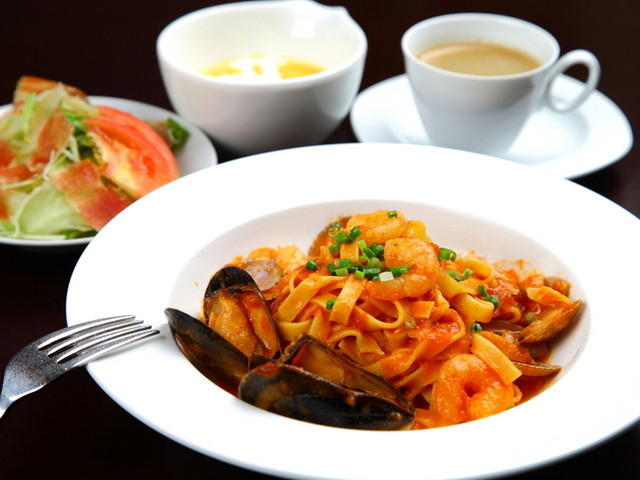
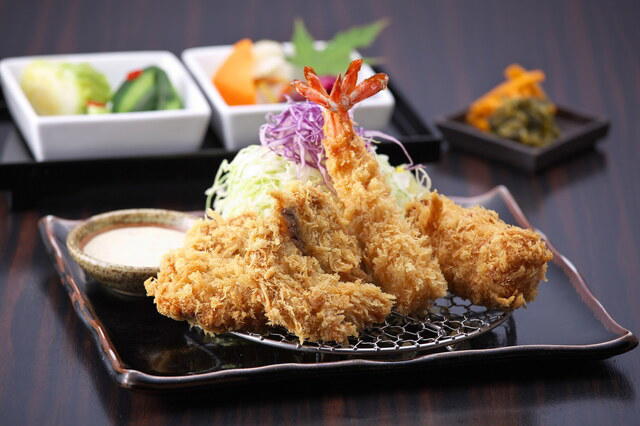
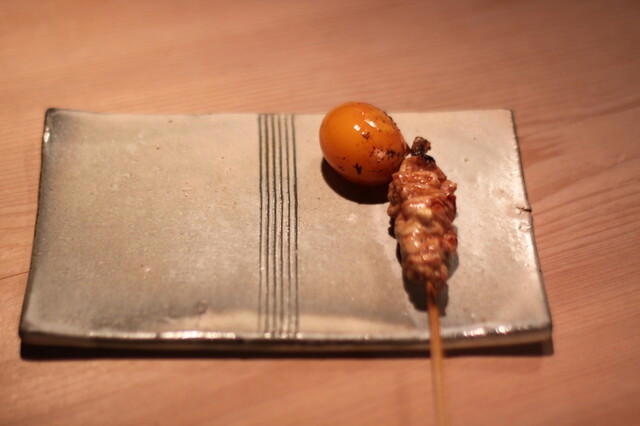
Bars in Kumamoto
All bars in Kumamoto →

Details
- Elegant
- Classic
- Sophisticated
- Intimate
- Special Occasion
- Business Dinner
- Date Night
- Chefs Counter
- Open Kitchen
- Standalone
- Local Sourcing
- Sustainable
- Counter Dining
- Prix Fixe
- Set Menu
Current opening hours
- Monday
- 6–10:30 PM
- Tuesday
- 6–10:30 PM
- Wednesday
- 6–10:30 PM
- Thursday
- 6–10:30 PM
- Friday
- 6–10:30 PM
- Saturday
- 6–10:30 PM
- Sunday
- Closed
Hours can change for holidays and private events. Last verified .
Intimate counter-style setting with relaxing space and nostalgic Showa-era charm; refined yet approachable atmosphere befitting a long-established luxury steakhouse.