
Tabelog Silver #115
Our verdict
Sanroku puts Kumamoto’s poultry culture in a rural, ingredient-led frame rather than a city tasting-menu one. The draw is chicken and meat cookery with Tabelog Award recognition, a 13-seat tatami setting, cash-only payment, and a lunch rhythm that rewards planning rather than improvisation.

Pearl is the En Primeur Club membership app — saves, bookings, and concierge access live there. Same editors, same standards.
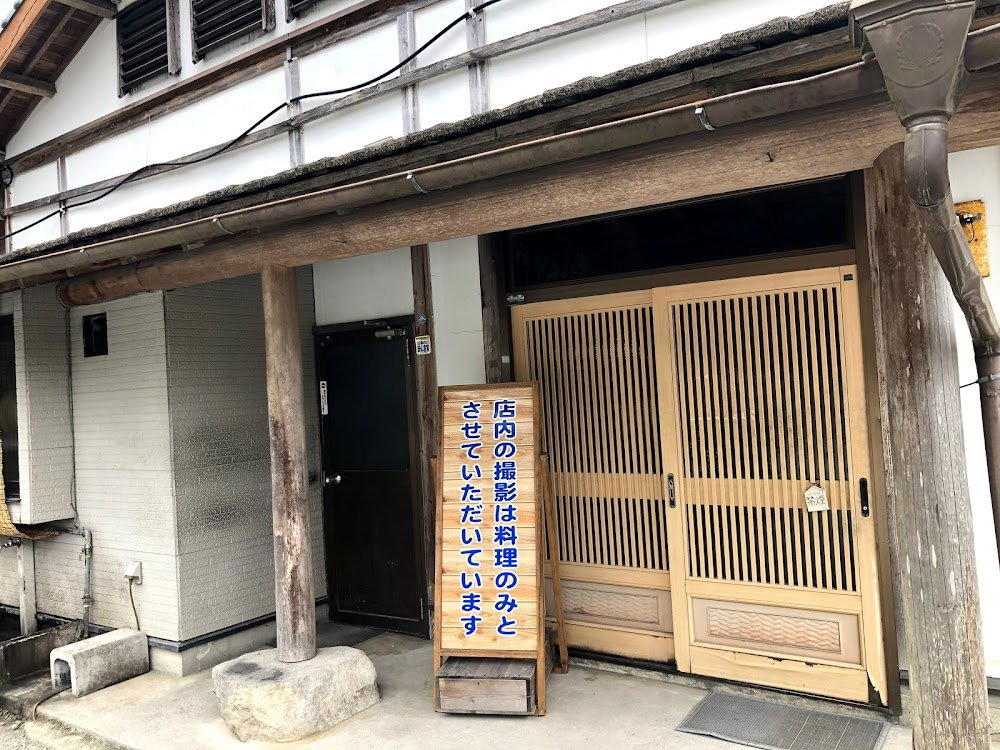
The approach to rural Kumamoto dining changes the expectations before the first order is placed. City restaurants often announce themselves through counters, wine lists, and polished service choreography; mountain-area chicken houses speak through smoke, proximity, and the confidence of a short category focus. Sanroku belongs to that second tradition: a small robatayaki address where poultry and meat cookery carry the argument, not decorative luxury.
Kumamoto’s restaurant identity is too often reduced to ramen, basashi, and hot-spring town comfort food. The more interesting reading is agricultural. Aso’s grazing land, Yamaga’s inland villages, and the prefecture’s long habit of local sourcing give its better rural tables a different grammar from Fukuoka or Tokyo. Chicken, when treated as a serious ingredient rather than a casual yakitori snack, becomes a way to read place: breed, cut, grill, smoke, and timing matter as much as sauce or garnish.
Chicken cookery as Kumamoto terroir, not city theatre
Sanroku is listed for chicken dishes and meat dishes, a pairing that places it closer to ingredient-specific rural restaurants than to the urban yakitori counter model. That distinction matters. Yakitori in major cities often becomes a sequencing exercise, with rare cuts, counter pacing, and drink pairing doing much of the work. Robatayaki, by contrast, keeps the fire and the table in clearer view. The format is less about chef performance and more about heat management, portioning, and the quality of the raw material.
The awards signal that this is not just local affection. Sanroku holds The Tabelog Award 2026 Silver, following Bronze recognition from 2021 through 2025, and was selected for Tabelog’s 2025 chicken-cuisine list. A 2026 score of 4.34 puts it in a serious bracket for a countryside restaurant with a narrow category focus. Those numbers do not replace judgment, but they explain why a place built around poultry can sit in the same conversation as more formal dining rooms in Kumamoto.
Price also frames the experience. Review-based budgets sit around JPY 5,000 to JPY 5,999 at lunch and JPY 6,000 to JPY 7,999 at dinner in the award listing, while the 2025 chicken-cuisine selection showed a lower JPY 4,000 to JPY 4,999 band. Either way, this is not cheap countryside eating; it is destination poultry cooking priced above casual rural lunch stops such as Rakuda Yama Jidori no Mise, Imakin Shokudo, and Yabeno Farm, and closer in intent to ingredient-led regional dining than everyday set-meal culture.
That sourcing angle is the point. The strongest rural restaurants in Japan often ask diners to travel toward the ingredient instead of transporting the ingredient into a city room. Sanroku’s category focus makes sense in that context. It is not trying to be an all-purpose Kumamoto restaurant; it sits in the narrower lane where chicken and meat are treated as reasons to drive, wait, and plan.
A small tatami room changes the pace of the meal
The room reinforces the rural reading. There are 13 seats, with tatami noted among the facilities, and no private rooms. This is the opposite of a multi-room urban operation built to absorb walk-ins, groups, and hotel guests. A small room makes the meal feel closer to a specialist visit: fewer seats, less anonymity, and a narrower margin for casual timing.
The setting also separates it from Kumamoto City dining. Restaurants such as .know, antica locanda MIYAMOTO, BARON, and China Sichuan Togen speak to a broader urban appetite for technical dining, Italian craft, contemporary restaurant polish, and regional Chinese cooking. Sanroku is more elemental: a countryside table built around fire, poultry, and a limited operating window.
Within Kumamoto’s poultry conversation, Amakusa Daiou Senmon Ten Tosaka offers another way to think about breed-led cooking, but the comparison is useful mainly for theme rather than format. Kumamoto rewards diners who understand that poultry here can be a destination category in its own right, not a fallback order between beef and seafood.
For broader planning, Our full Kumamoto restaurants guide gives the city and prefecture context, while Our full Kumamoto hotels guide, Our full Kumamoto bars guide, Our full Kumamoto wineries guide, and Our full Kumamoto experiences guide help turn a meal into a tighter regional itinerary.
The planning discipline is part of the value
Sanroku is not an easy add-on between sightseeing stops. The practical shape is strict: lunch service, limited seats, Wednesday closure with additional Thursday closures, and reservations limited to weekday 11:30 arrivals. Late arrival can cancel the reservation, Sunday and holiday reservations are not accepted, and service runs until sold out. Payment is cash only, with credit cards, electronic money, and QR code payments not accepted. Parking is available, and the public-transport route involves a bus to Yamaga Bus Center followed by a reserved shared taxi on limited departures. The meal asks for travel discipline before it asks for appetite.
That discipline will not suit every itinerary. Diners looking for a polished city evening, a long drinks program, or flexible arrival should stay in central Kumamoto. Diners willing to shape a day around a narrow food category get something more specific: a rural poultry restaurant with sustained award recognition, a small room, and pricing that reflects destination demand rather than convenience.
Japan has countless regional restaurants built on a single ingredient or technique, from beef-focused rooms such as -Grilled beef Sukiyaki- KAMAKURA TANUKIAN 鎌倉 たぬき庵 in Kamakura to charcoal-led tables like. 鮪と炭火焼き うお炭 秋葉原店 in Tokyo, café formats such as.cafe in Osaka, and sharper specialist addresses including (Shoku) Vietnam in Kawasaki, [Curry Senmon Ten] Maruyama Kyoju. in Sapporo, [ki:] in Kyoto, Jōdo Saké Bar in Los Angeles, and Onigiri Time in Pasadena. Sanroku’s place in that wider pattern is clear: it rewards diners who treat format, sourcing, and location as inseparable.
Frequently asked questions
Would Sanroku be comfortable with kids?
Sanroku has 13 seats, spacious seating, and a tatami room, so it can work for families that are comfortable with a compact lunch-only setting in Kumamoto. The weekday reservation rule and early sell-out format mean it suits planned outings rather than spontaneous stops.
What kind of setting is Sanroku?
Sanroku is a small, non-smoking restaurant in Kumamoto’s Aso District with 13 seats and tatami-room seating. Parking is available, and the venue is set up for a restrained, rural lunch service rather than a large dining room.
When can I go to Sanroku?
Hours at Sanroku: Mon, Tue, Thu, Fri 11:30 - 15:00.
How do I find Sanroku?
Sanroku is located in Kumamoto.
What is Sanroku known for?
Sanroku is listed for chicken dishes and meat dishes, and it was selected for Tabelog 100 in chicken cuisine for 2025. It also received the Tabelog Award 2026 Silver, which places it among the most closely watched poultry-focused addresses in the prefecture.
How It Stacks Up
Comparable venues by cuisine and price in the same metro.
| Venue | Cuisine | Price | Awards | Notes |
|---|---|---|---|---|
| SanrokuThis venue (the venue you are viewing) | Traditional Japanese Robatayaki Chicken | $20–30 | Tabelog Silver #115 | Not listed |
| Hyogo Dori | Yakitori & Chicken Dishes | $50–100 | Tabelog 100 #57 | Chuo Ward |
| むら上 | High-end Sushi Omakase | $150–200 | Tabelog Bronze #295 | Chuo-ku |
| Kumamoto Ramen Kokutei Honten | Kumamoto Ramen | $10–20 | Tabelog 100 #22 | Nihongi |
| Amakusa Daiou Senmon Ten Tosaka | Omakase Yakitori with Amakusa Daio Chicken | $50–100 | Tabelog 100 #84 | Kamitori / Torichosuji |
| Mimuro | Edomae Sushi Omakase | $100–150 | Tabelog Bronze #275 | Hitoyoshi |
Recognition history
Dated appearances from independent guides and award organizations, with the underlying list record or original source where available.
Tabelog Silver #115
Tabelog
Full recognition history (2 entries)
Tabelog 100 #91 · No. 91
Tabelog · Tabelog 100 - Chicken cuisine - 2025
Continue exploring
More in Kumamoto
Restaurants in Kumamoto
All restaurants in Kumamoto →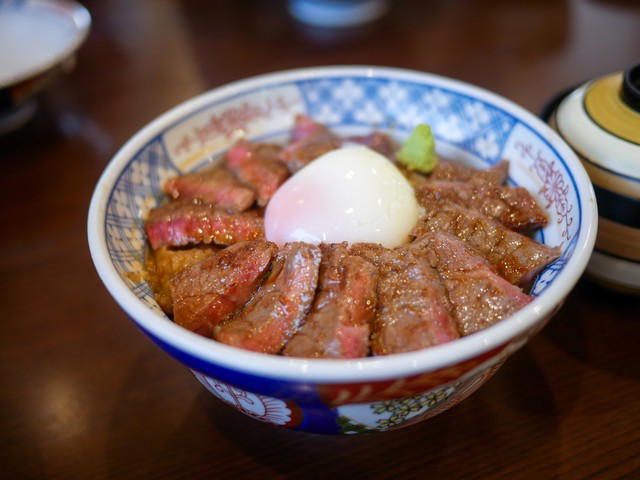
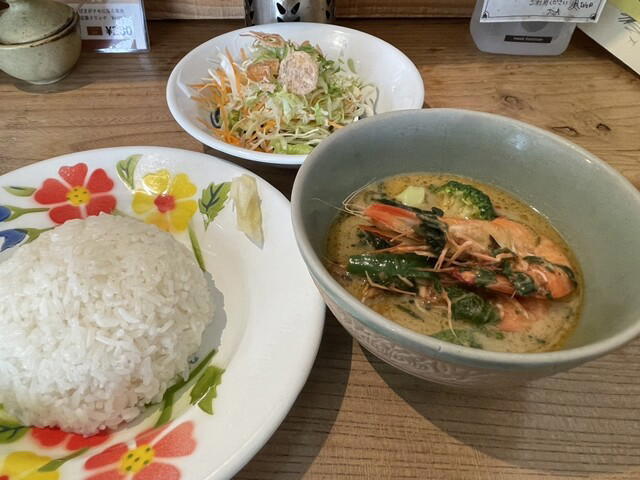
Bars in Kumamoto
All bars in Kumamoto →
Details
- Rustic
- Cozy
- Intimate
- Casual Hangout
- Open Kitchen
- Local Sourcing
- Mountain
- A La Carte
Current opening hours
- Monday
- 11 AM–7 PM
- Tuesday
- 11 AM–7 PM
- Wednesday
- 11 AM–7 PM
- Thursday
- 11 AM–7 PM
- Friday
- 11 AM–7 PM
- Saturday
- 11 AM–7 PM
- Sunday
- 11 AM–6 PM
Hours can change for holidays and private events. Last verified .
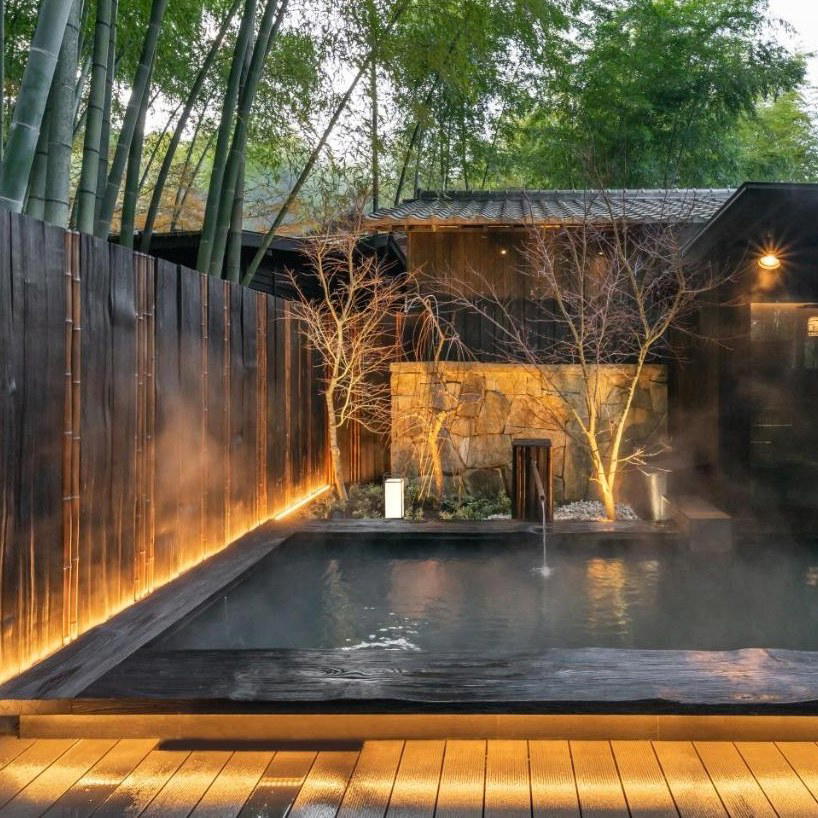
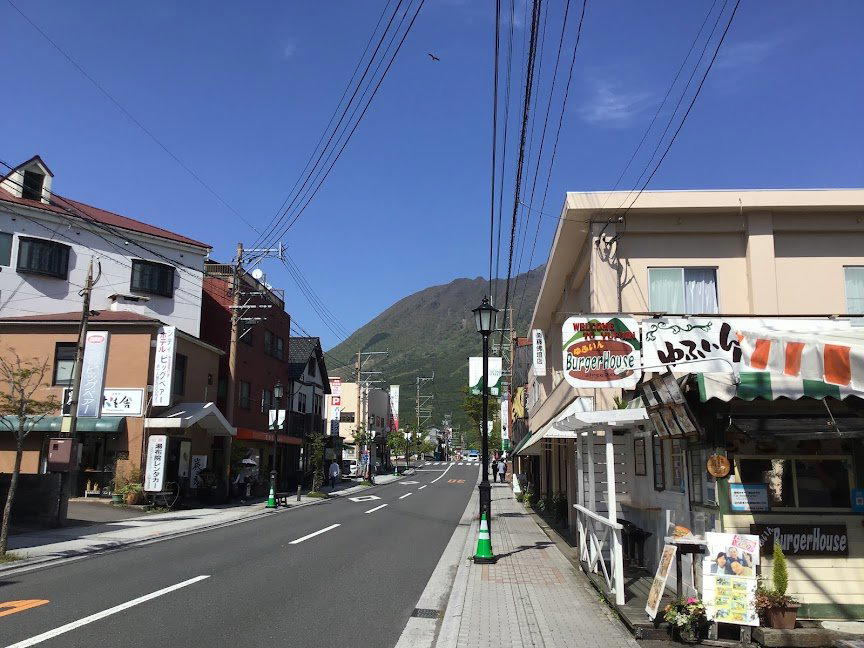
Charcoal hearth seating in a nature-surrounded mountain hideaway with a rustic, traditional atmosphere.