Takefue

Michelin Selected
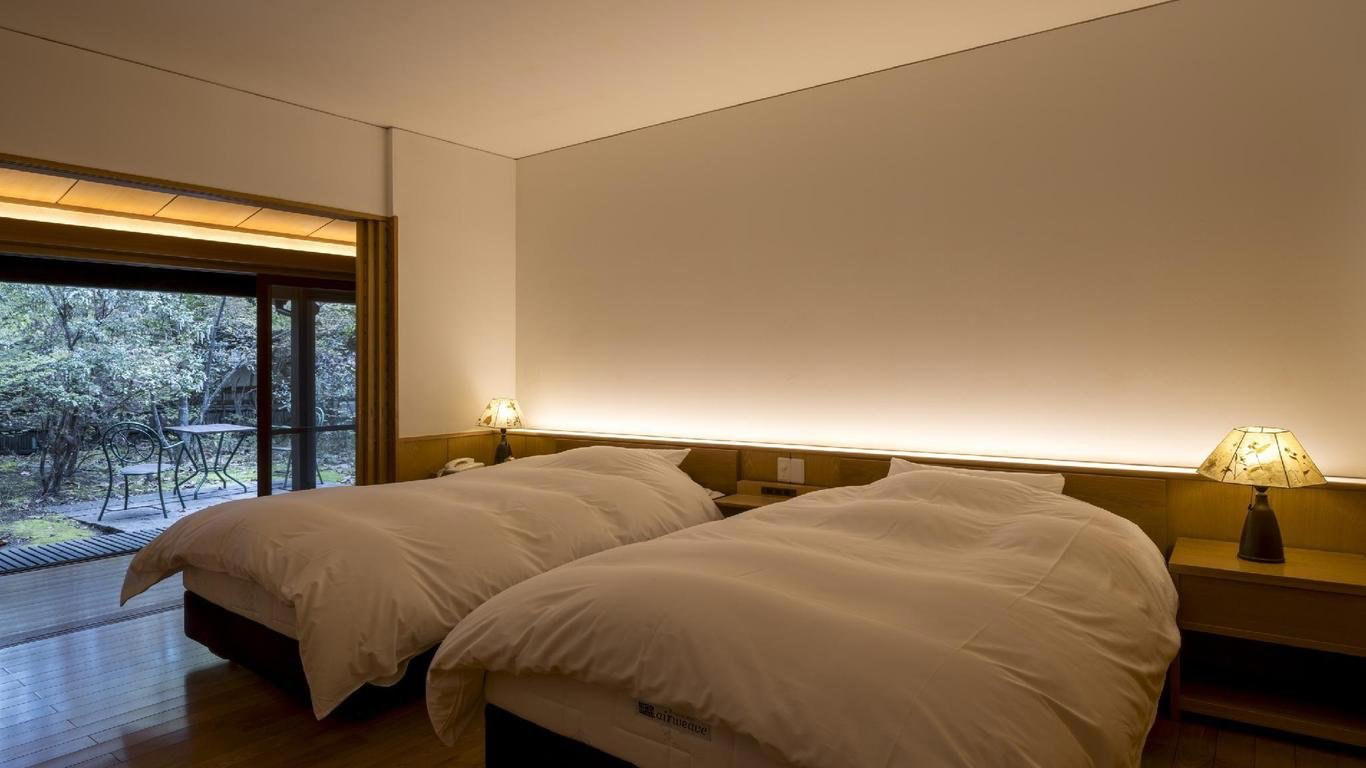
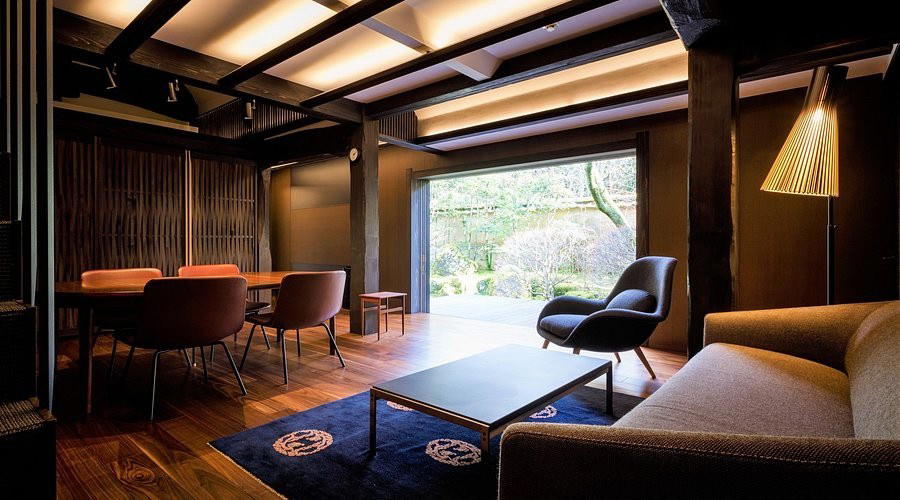
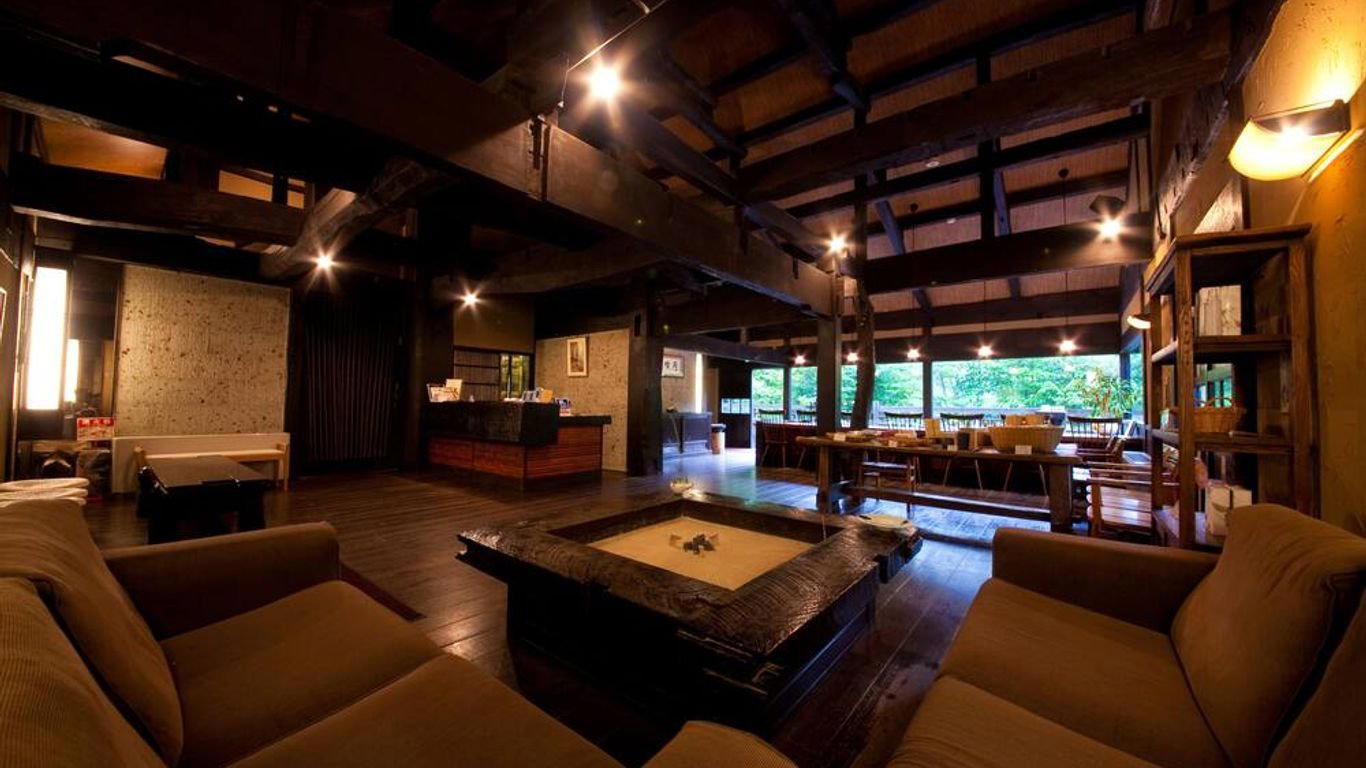
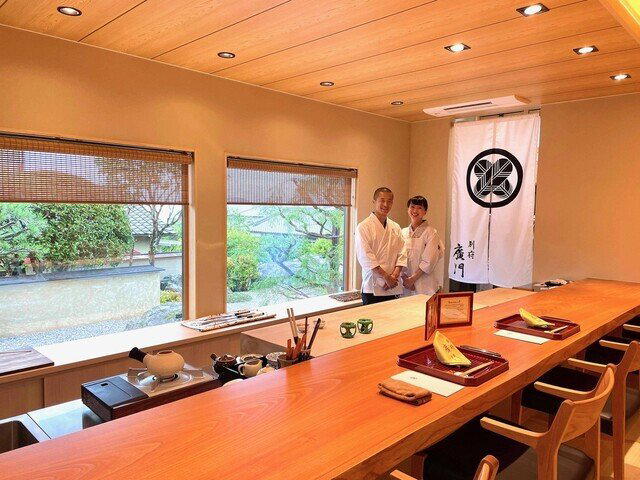
Hikyou Shirakawagensen Sansou Takefue, situated on Kyūshū, the southernmost island of Japan’s main archipelago, takes full advantage of the region’s geothermal activity. This is classic onsen hospitality, hot springs and all. Traditional Japanese décor prevails, harmoniously blending dark wood, stonework, paper screens, and tatami to create a sense of enduring tranquility. All-suite accommodations include multiple rooms, private open-air hot baths, a delightful indoor-outdoor layout, and yukata (traditional, lightweight kimonos to wear while relaxing).

Pearl is the En Primeur Club membership app — saves, bookings, and concierge access live there. Same editors, same standards.
- Address
- Manganji 5725, Minamioguni, Japan
- Phone
- 0570-064-559
- Directions
- Get directions
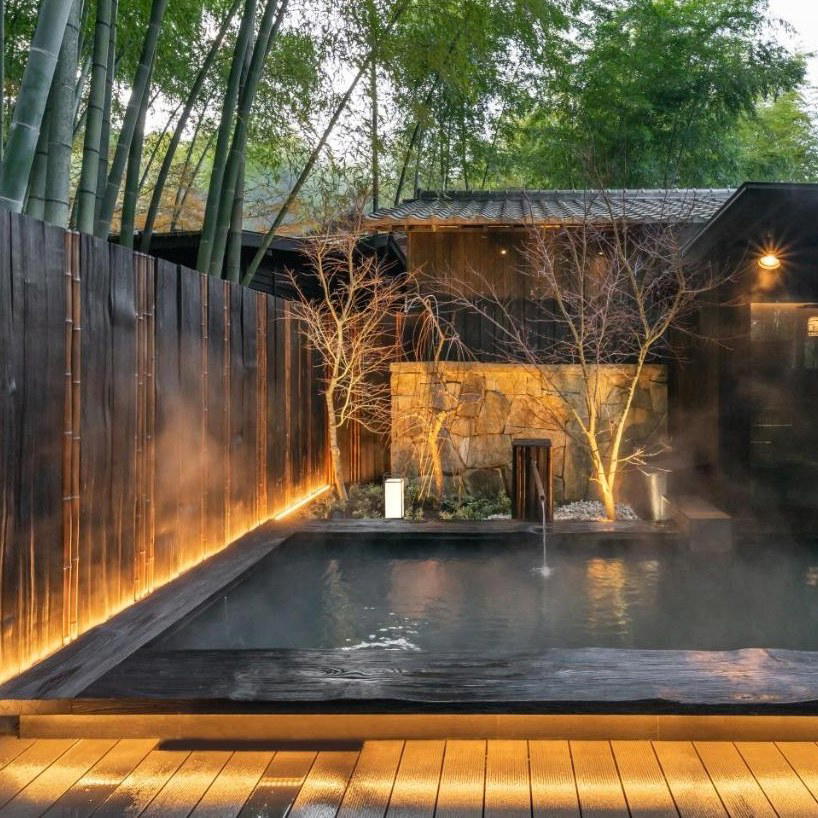
Bamboo, Steam, and Silence: The Architecture of Retreat at Tekefue
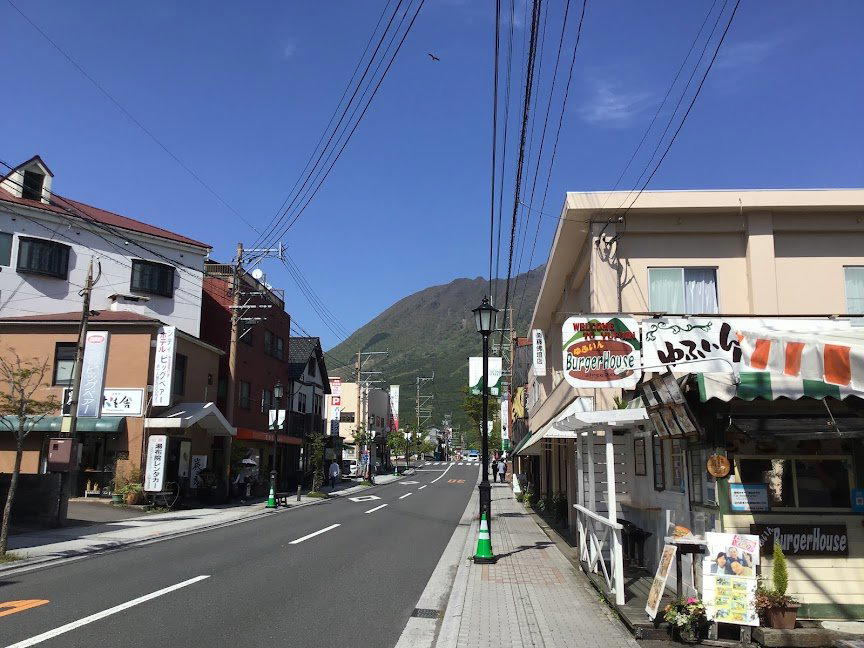
Arriving in Minamioguni, in the mountainous interior of Kumamoto Prefecture, requires a commitment that the majority of international travelers never make. The town sits inland from the tourist circuits of Kyushu, reached by a sequence of increasingly narrow roads that pass cedar forest, onsen steam rising from roadside vents, and the kind of agricultural quiet that has mostly disappeared from Japan's more accessible hot-spring towns. That physical distance is not incidental to what Tekefue offers — it is structural to it. The ryokan, selected for the MICHELIN Hotels 2025 guide, positions itself within a tier of Japanese countryside retreats where the primary design gesture is to make the surrounding landscape the interior's dominant feature.
This approach has a specific architectural logic within Japanese hospitality tradition. The most considered ryokan in the country — properties like Gora Kadan in Hakone, Zaborin in Kutchan, or Asaba in Izu, treat the building as a frame rather than a statement. Walls give way to shoji screens, corridors open onto garden views, and materials are chosen to age alongside the property rather than resist time. Tekefue, at its Manganji address in Minamioguni, operates within that same grammar. The name itself draws on the bamboo (take) that characterizes both the vegetation of this region and the tonal palette of traditional Japanese spatial design: pale, fibrous, light-filtering.
Design as Restraint
The ryokan format in Japan has always been resistant to the kind of maximalism that defines luxury elsewhere. Where a city hotel might use scale, height, or brand-identity interiors to signal prestige, the premium ryokan signals through subtraction: fewer guests, less noise, less visual clutter. Tekefue belongs to that latter category. Minamioguni's Manganji area is not an address that generates footfall from passing tourists; guests arrive with intention, having planned the visit specifically. That selectivity shapes the atmosphere before a single design decision is made.
Within Kumamoto Prefecture more broadly, Tekefue occupies a position adjacent to the Kurokawa Onsen district, one of Japan's most photographed hot-spring clusters. Where Kurokawa has become considerably more accessible and more visited over the past two decades, properties in the Minamioguni area that sit apart from the town center, as Tekefue does, retain a quieter operating context. The design consequence is that the property can afford to be less performative. It does not need to compete visually for attention from the road. Its audience has already arrived.
This mirrors a pattern visible across Japan's most recognized countryside retreats. Kamenoi Besso in Yufu, Nishimuraya Honkan in Kinosaki-cho, and Satoyama-Jujo in Niigata all share the same operating principle: the building's relationship to its landscape is the product, and the hospitality experience is organized around protecting that relationship from interruption. Michelin's 2025 selection of Tekefue places it in confirmed company within this tier, properties whose recognition rests on consistency of atmosphere and physical integration with their setting, not on amenity count or room totals.
The Onsen Architecture
Any serious ryokan in the Minamioguni area is, first and foremost, an onsen property. The Kurokawa Onsen waters are sodium bicarbonate-rich, softening and slightly alkaline, among the most skin-friendly thermal waters in Kyushu. The architectural task facing any property in this area is how to frame access to that water: whether through shared outdoor baths designed as garden features, private in-room rotenburo, or some combination of both. The leading ryokan in this tradition treat the bath as the spatial anchor of the stay, with room layouts oriented around it and arrival ceremonies designed to direct guests there first.
The broader Japanese luxury ryokan market has moved decisively toward private onsen access as the defining characteristic of premium accommodation. Properties across the country, from Fufu Nikko and Fufu Kawaguchiko to Amanemu in Mie, have organized their room categories around the presence or absence of a private open-air bath as the primary pricing lever. In Minamioguni, where the ambient noise level is low and the natural setting is the product, that architectural decision carries particular weight.
Kaiseki and the Dining Architecture
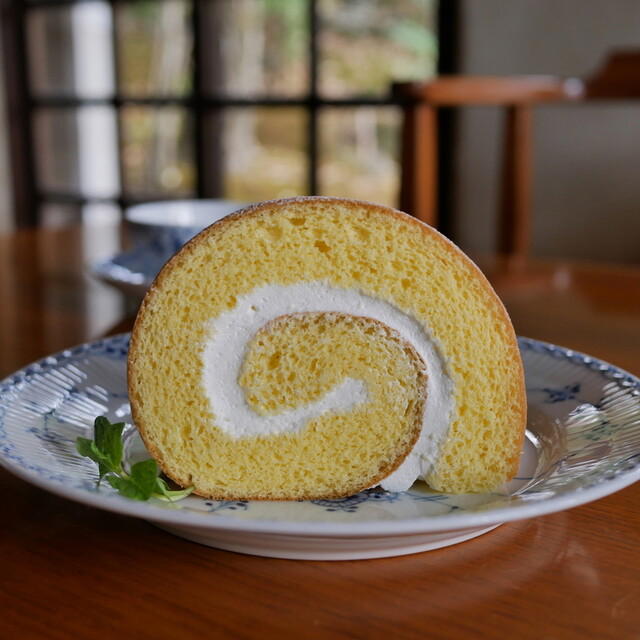
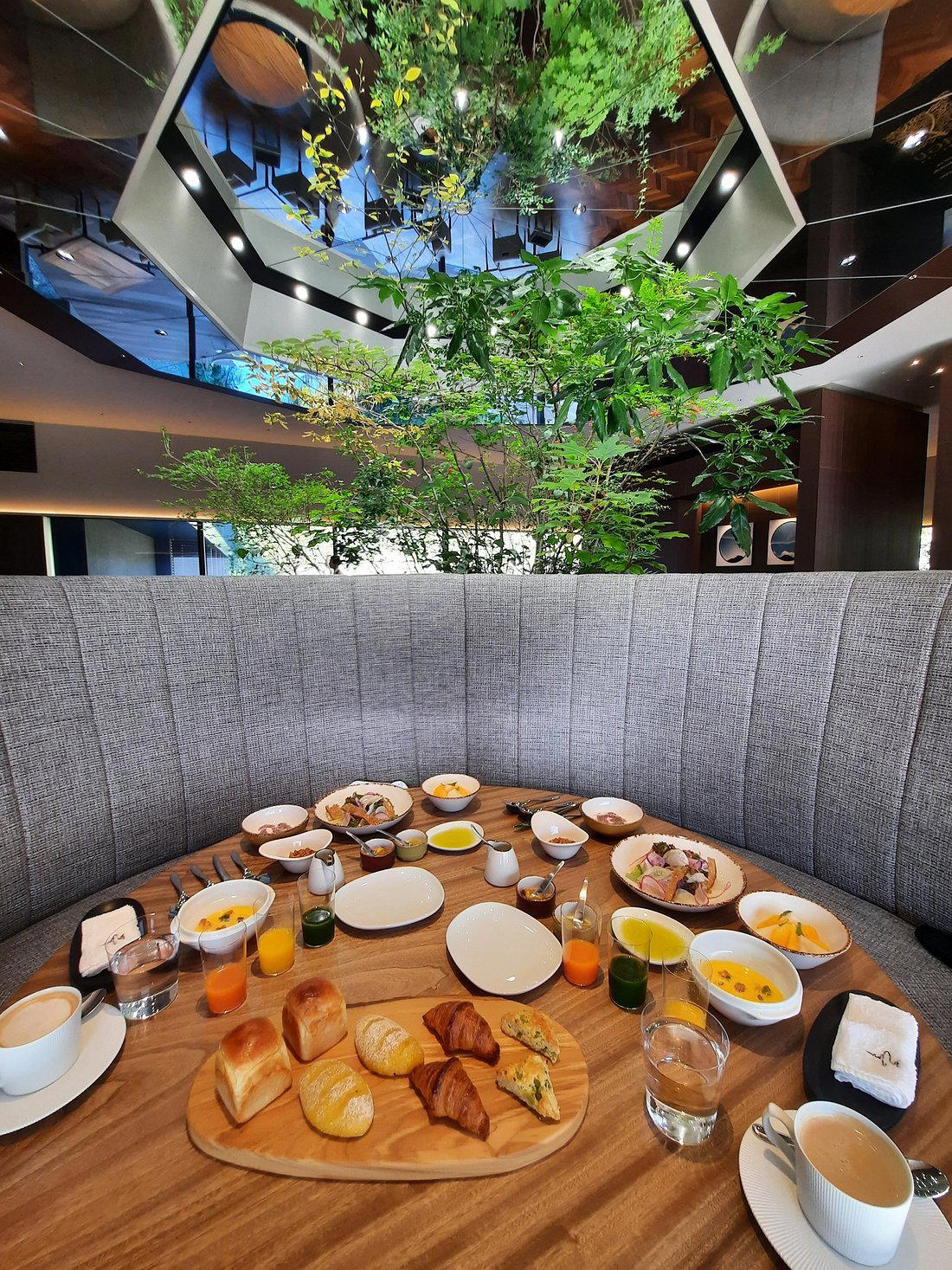
The kaiseki meal at a traditional Japanese ryokan is not separable from the architecture that contains it. Dining rooms in properties of this type are typically low-ceilinged, tatami-floored, and partitioned to ensure that each group eats in visual isolation from the others. The seasonal produce of Kumamoto Prefecture, vegetables from the Aso caldera region, freshwater fish, local wagyu, provides the kitchen's raw material, and the room design is calibrated to give that food the silence it requires. This is a dining format where the absence of background music and the presence of unhurried service are themselves design choices, consistent with the broader architectural language of the property.
For context on how this compares across the Japanese ryokan tier, see properties like Sekitei in Hatsukaichi-shi or Nasu Mukunone in Nasu, where the kaiseki format similarly anchors the stay. Among urban luxury comparisons in Japan, the gap in approach is significant: a property like Bvlgari Hotel Tokyo or HOTEL THE MITSUI KYOTO operates with entirely different spatial assumptions, it is the countryside ryokan format, with its compression of food, bath, sleep, and landscape into a single contained experience, that defines what Tekefue represents.
Planning Your Stay
Minamioguni is most directly reached via Kumamoto Airport, with car hire or a taxi connection onward through the mountains. The journey through the Aso volcanic region is itself part of the spatial transition, the landscape shifts gradually from urban infrastructure to agricultural plateau to forested valley. Advance reservations are standard practice for any recognized ryokan in this area, and the Michelin Hotels 2025 selection will have increased Tekefue's visibility among international travelers. Kurokawa Onsen's seasonal peak runs from autumn foliage through to the snow months, when the open-air baths against a winter landscape are at their most striking; summer is quieter and greener. For a broader view of where Tekefue sits within the wider Minamioguni accommodation scene, see our full Minamioguni restaurants guide. Guests considering similar properties across Japan may also find value in comparing Fufu Kyu-Karuizawa Restful Forest in Karuizawa, Jusandi in Ishigaki, GOTO RETREAT by Onko Chishin in Goto, Halekulani Okinawa, or Benesse House in Naoshima for the range of approaches Japan's premium hospitality market currently offers. For travelers whose point of reference is international luxury at the level of The Fifth Avenue Hotel in New York City, Badrutt's Palace Hotel in St. Moritz, or Hôtel de Paris Monte-Carlo, the ryokan format operates on a completely different register: smaller, quieter, and organized around the ritual of daily life rather than the theater of arrival.
Comparison Snapshot
| Venue | Price | Awards |
|---|---|---|
| TekefueThis venue — the venue you are viewing | $1,500–2,500 | Michelin Selected |
| Bvlgari Hotel Tokyo | Not listed | 3 Michelin Keys · World's 50 Best #24 |
| Aman Kyoto | Not listed | 2 Michelin Keys · World's 50 Best #74 |
| Aman Tokyo | Not listed | 2 Michelin Keys · World's 50 Best #11 |
| Palace Hotel Tokyo | Not listed | 3 Michelin Keys · World's 50 Best #73 |
| Amanemu | Not listed | 3 Michelin Keys · La Liste Top Hotels |
Recognition history
Dated appearances from independent guides and award organizations, with the underlying list record or original source where available.
Michelin Selected
Michelin
Continue exploring
More in Minamioguni
Hotels in Minamioguni
Browse all →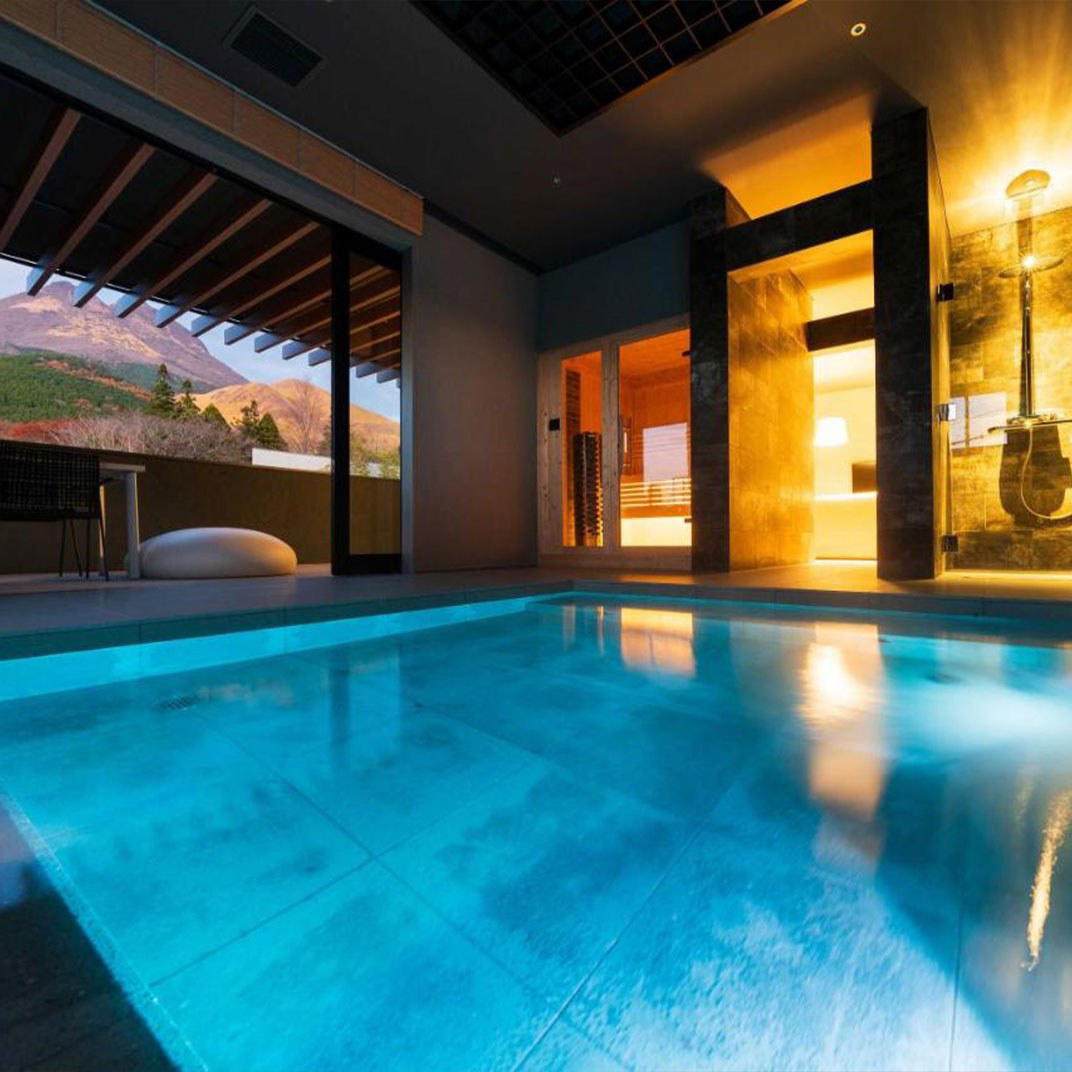
Bars in Minamioguni
Browse all →
Restaurants in Minamioguni
Browse all →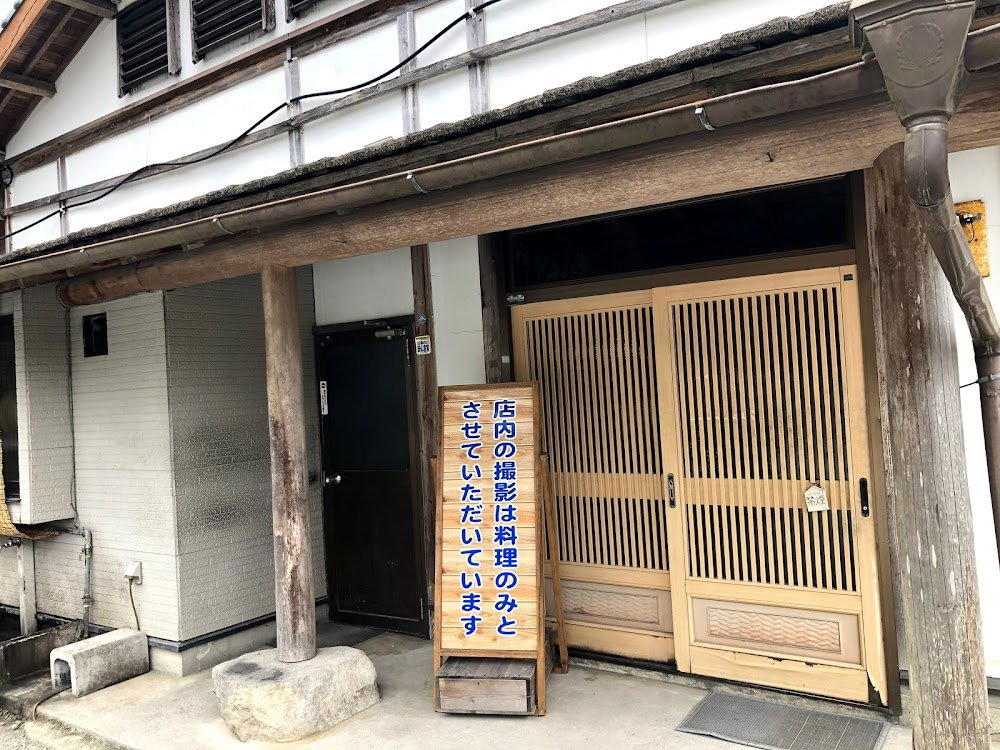
Details
- Quiet
- Elegant
- Intimate
- Scenic
- Modern
- Honeymoon
- Romantic Getaway
- Wellness Retreat
- Anniversary
- Private Villa
- Destination Spa
- Panoramic View
- Private Dining
- Spa
- Wi Fi
- Parking
- Restaurant
- Room Service
- Garden
- Mountain
- Wheelchair Accessible
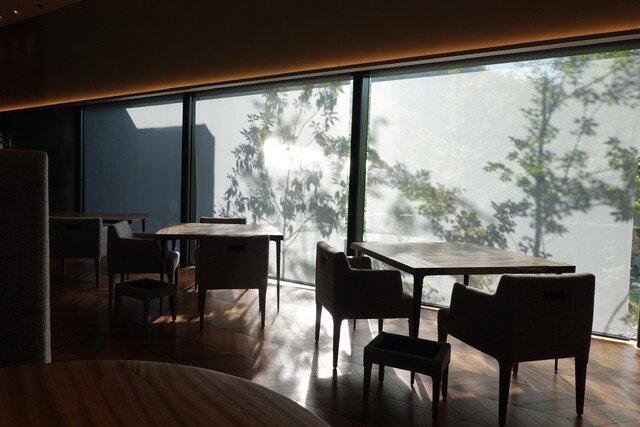
Enduring tranquility with traditional Japanese décor blending dark wood, stonework, paper screens, and tatami, enhanced by a peaceful bamboo forest atmosphere.